
Crypto payments are finally catching up with the speed and simplicity of the web. Thanks to Coinbase’s x402 protocol, developers can now enable instant, on-chain stablecoin payments right over HTTP. This unlocks a world where users, apps, and even AI agents can pay for resources or APIs in real time - no clunky logins or complex wallet popups required.
If you’re looking to supercharge your app, API, or content platform with secure, frictionless payments, integrating the HTTP Payment Protocol with Coinbase X402 is a game changer. Let’s dive into how this works and why it’s set to redefine digital commerce for developers and businesses alike.
Why Developers Are Racing to Integrate x402
The traditional payment stack is slow, expensive, and riddled with friction - especially when you want global reach or microtransactions. That’s where x402 shines:
Top Reasons Developers Love Coinbase x402 for Instant Crypto Payments
- Instant, On-Chain Stablecoin Payments: x402 enables real-time payments using stablecoins like USDC, ensuring transactions are both fast and final—perfect for pay-per-use APIs and content.

- Seamless HTTP Integration: x402 leverages the familiar HTTP 402 Payment Required status code, allowing developers to embed payments directly into standard web and API workflows without reinventing the wheel.

- Frictionless User Experience: Users can pay for resources without creating accounts, logging in, or handling complex wallet signatures, making access to premium features or content truly seamless.

- Chain-Agnostic & Open Source: Built as an open standard and designed to be chain-agnostic, x402 supports multiple blockchain networks, giving developers flexibility and future-proofing their integrations.
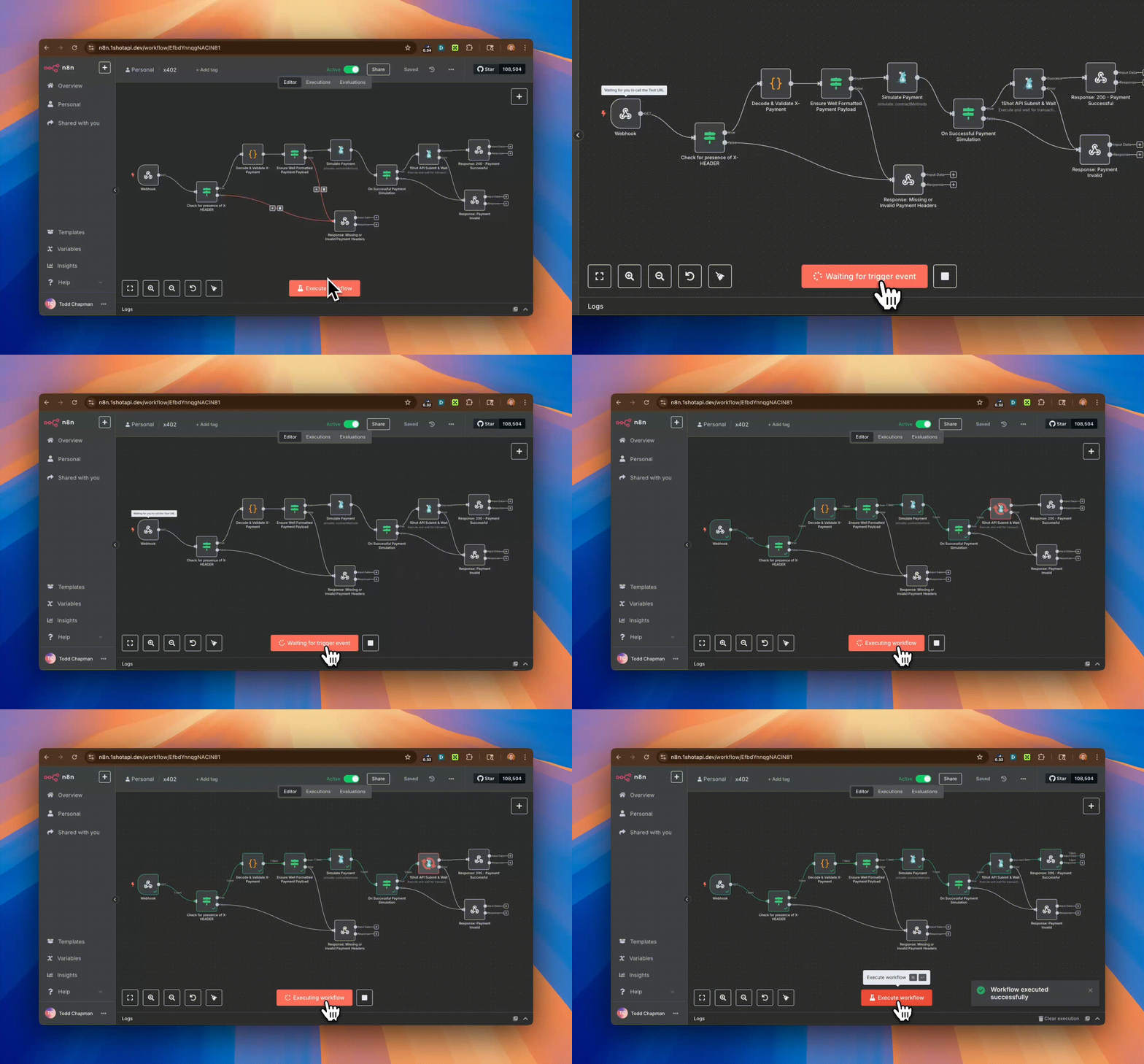
- Developer-Friendly Implementation: With minimal code changes and compatibility with existing HTTP infrastructure, x402 makes it easy for teams to add crypto payments to web apps, APIs, and AI agents in record time.

- Perfect for Metered & On-Demand Services: x402 is ideal for monetizing APIs, AI services, or digital content via micropayments and pay-as-you-go models, unlocking new revenue streams for developers.

x402 leverages the HTTP 402 Payment Required status code (originally reserved for digital cash) as a modern gateway for on-chain transactions. Here’s what makes it stand out:
- Instant Payments: Accept stablecoins like USDC in seconds.
- No User Accounts Needed: Users pay directly from their wallets or apps.
- Chain Agnostic: Works across multiple blockchains and tokens.
- No OAuth or email signups: Streamlined onboarding for both humans and machines.
The result? You can monetize APIs, content, or features on-demand - all without reinventing your backend. For more technical details straight from Coinbase, check their official documentation at Coinbase Developer Docs.
The x402 Payment Flow: How It Works in Practice
The magic of x402 is that it fits perfectly into the existing HTTP request-response cycle. Here’s a quick breakdown of how an instant crypto payment works using this protocol:
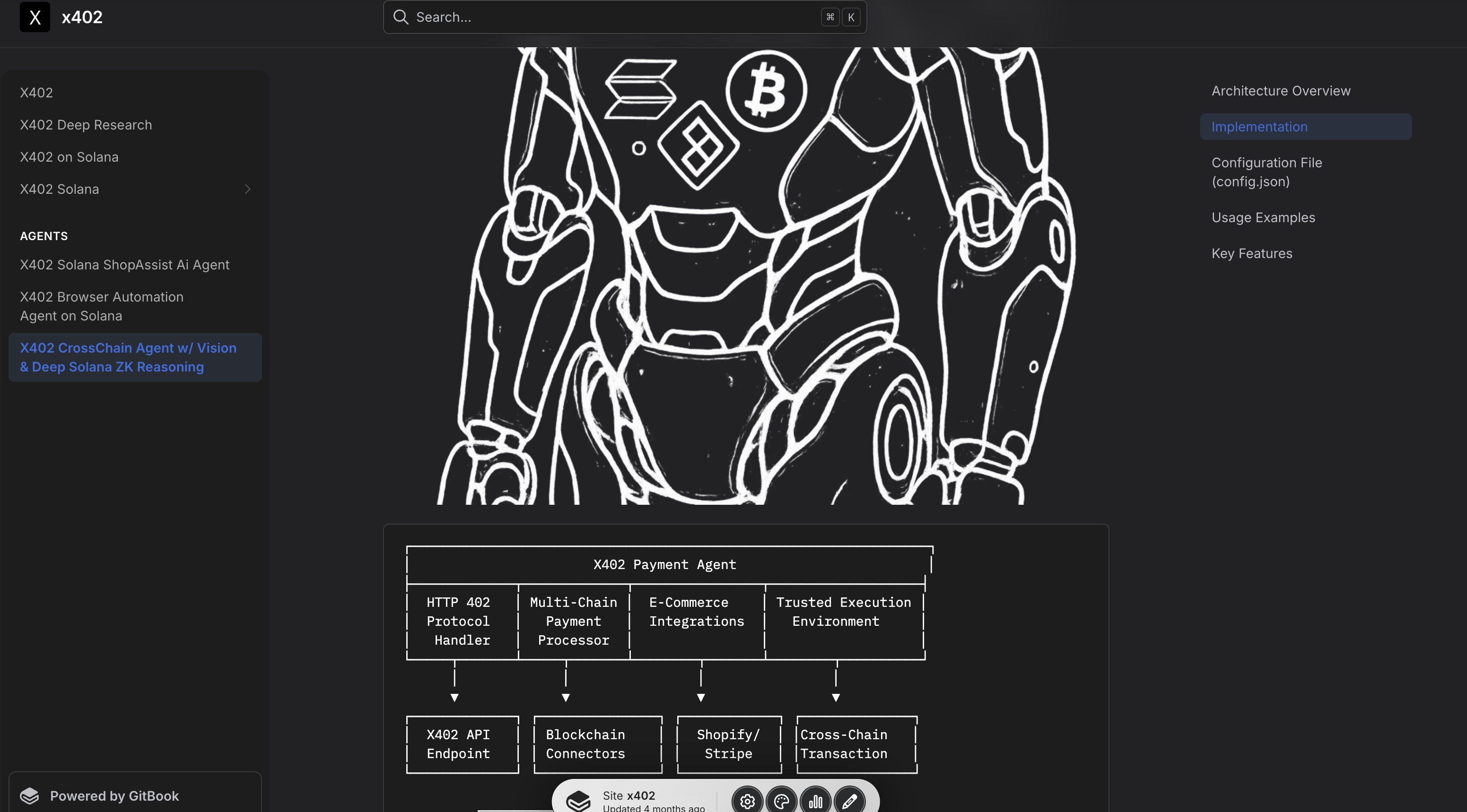
How the x402 Payment Flow Works: Step-by-Step Visual Guide
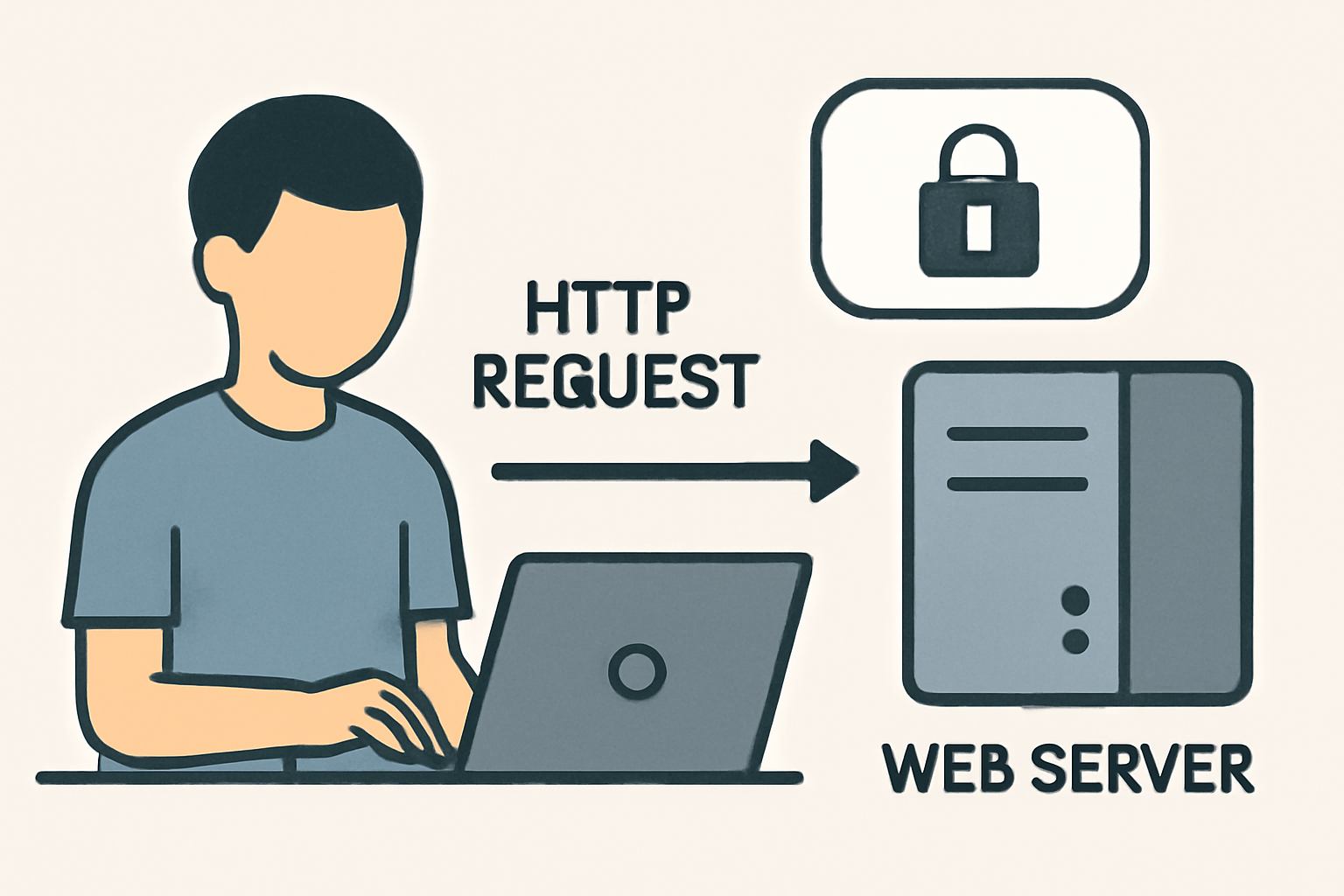

- User (or client app) requests a paid resource via HTTP.
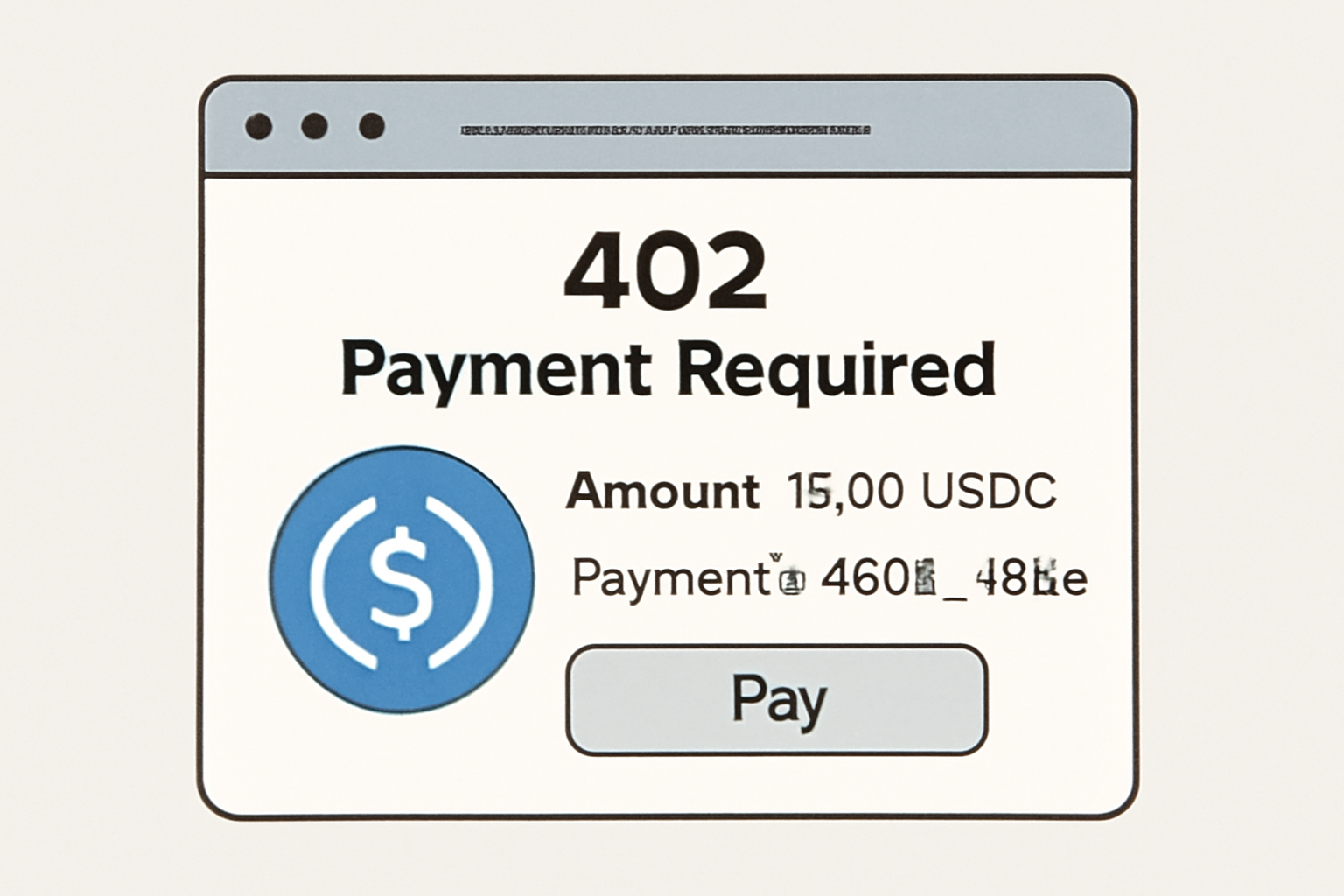
- Your server responds with a 402 Payment Required status code, including payment instructions (price in USDC, accepted tokens).
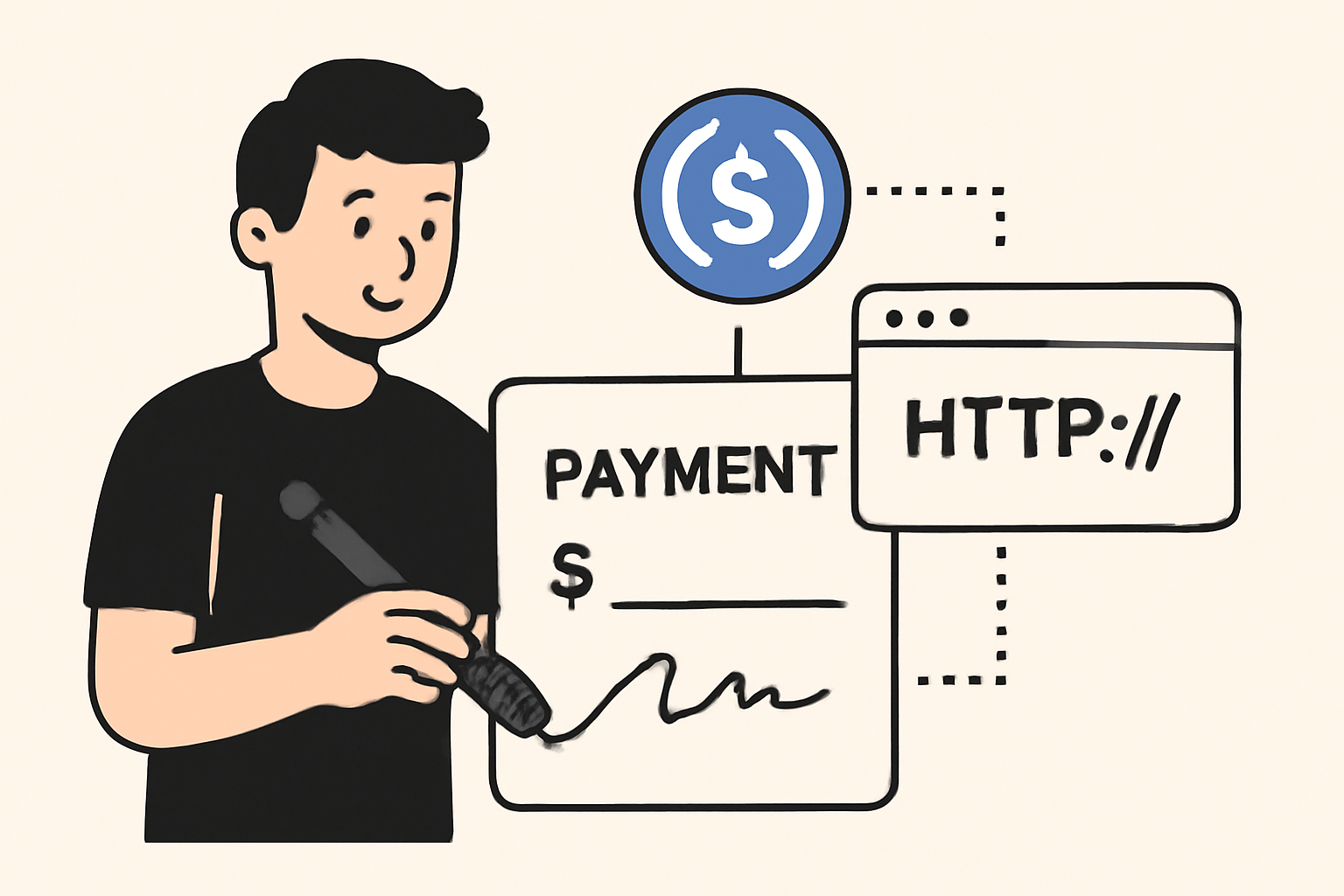
- User signs and sends a payment payload, included in the X-PAYMENT header of their next HTTP request.
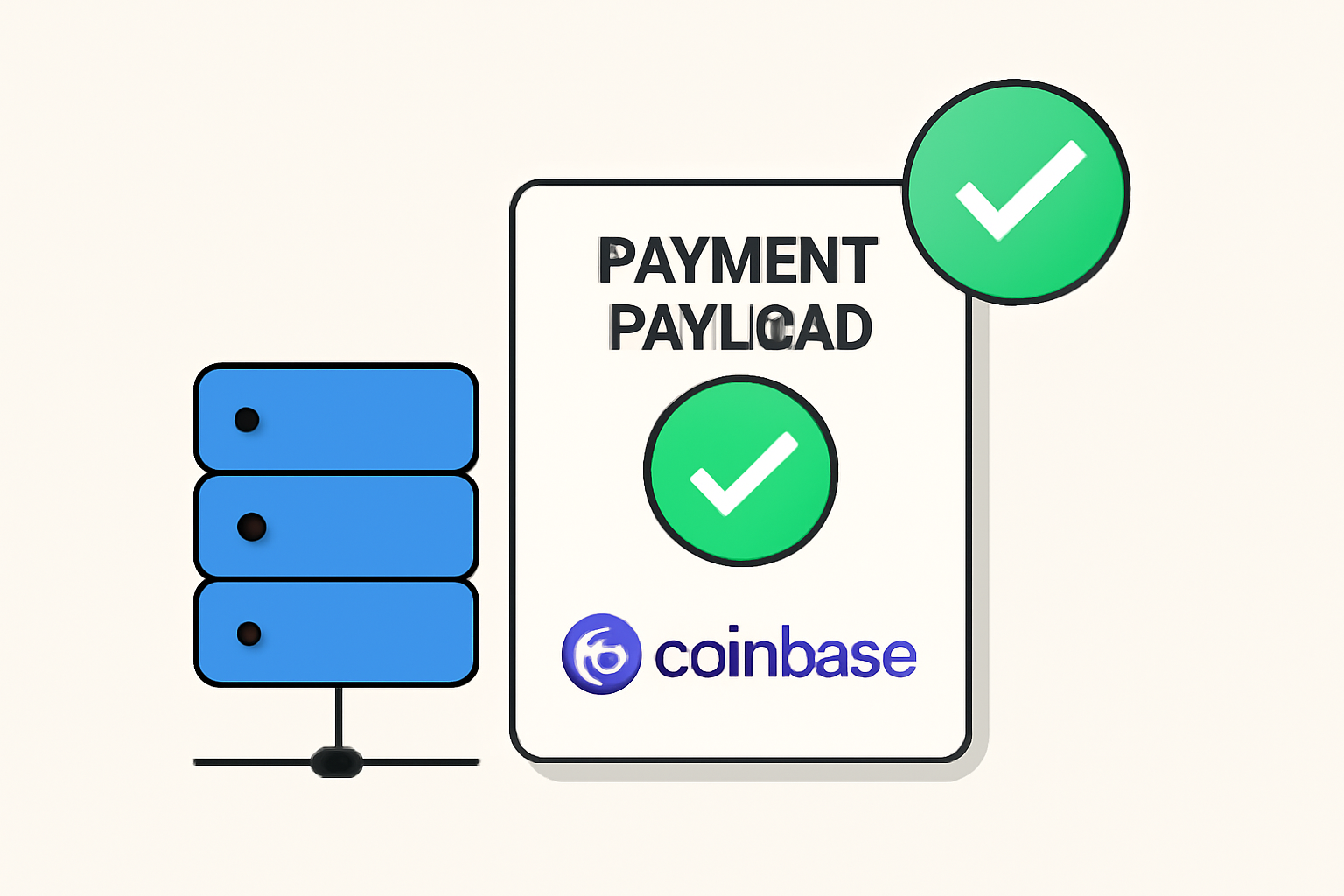
- Your server verifies the payment instantly, either locally or via Coinbase’s facilitator service.
- If valid, access is granted immediately!
This seamless flow means users never have to break context - no redirects or third-party popups. It’s as close as you’ll get to true “web-native” money.
x402 isn’t just about faster payments; it’s about making digital value as programmable and accessible as any other web resource.
Real-World Use Cases: Beyond Basic Paywalls
The possibilities go way beyond simple one-off purchases. Here are some killer use cases already gaining traction:
Real-World Apps Leveraging x402 for Instant Crypto Payments
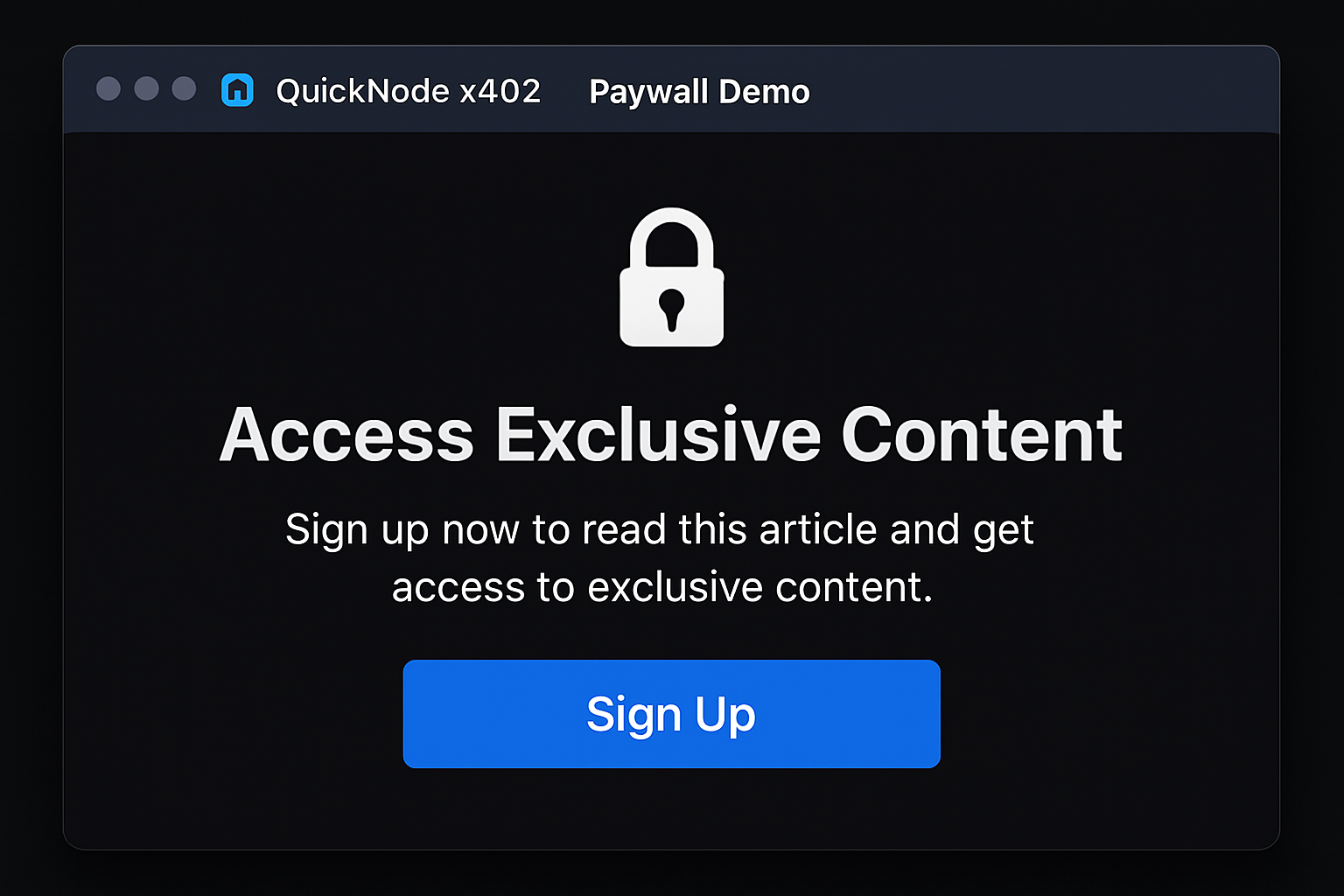
- QuickNode x402 Paywall Demo: QuickNode's official tutorial showcases a live web app where users pay with USDC via x402 to unlock API endpoints and on-demand content, demonstrating instant, account-free crypto payments.
- Curotec x402 Integration: Curotec has implemented x402 for seamless, HTTP-native micropayments in client applications, enabling pay-per-use access to APIs and digital services without subscriptions.

- XMTP Autonomous Payment Agents: The Base developer docs highlight AI chat agents that utilize x402 to autonomously pay for metered API services, unlocking on-demand access to LLMs and data feeds.
- HeimLabs Pay-Per-Use API: HeimLabs published a step-by-step guide for building an Express.js API protected by x402, allowing developers to monetize endpoints with instant stablecoin payments.
- Model Context Protocol (MCP) with x402: Coinbase's MCP Server integrates x402 to enable AI agents to pay for context or data on demand, powering new monetization models for LLM-based services.
This protocol is especially powerful for metered APIs (think: per-call billing), AI-powered chatbots that transact autonomously, IoT devices paying per data stream - basically any scenario where seamless microtransactions unlock new business models. For hands-on examples building paywalls or API monetization flows with Express. js and Node. js, check out guides like those from QuickNode and HeimLabs referenced in recent developer write-ups.
Integrating the HTTP Payment Protocol with Coinbase X402 isn’t just a technical upgrade - it’s a strategic play for anyone serious about modernizing their payment stack. The protocol’s flexibility means you can roll out frictionless payments in hours, not weeks, and start monetizing resources at a granular level that simply wasn’t possible with legacy rails.
How to Get Started: Developer-Friendly Integration Steps
If you’re ready to dive in, here’s what the actual setup process looks like for developers:
Key Steps to Integrate HTTP Payment Protocol with Coinbase x402
- Set Up Your Development EnvironmentStart by installing the x402 SDK or relevant libraries for your backend (e.g., Node.js, Express). Ensure you have access to the Base Sepolia testnet or mainnet for testing stablecoin transactions.
- Configure Your Server for x402Update your server to detect requests for protected resources. When a client attempts access, respond with an HTTP 402 Payment Required status, including payment instructions (accepted tokens like USDC, price, and payment address) in the response headers.

- Implement Client-Side Payment HandlingOn the client side, parse the 402 response and generate a payment transaction using a supported wallet or payment agent. Sign the transaction and attach it in the X-PAYMENT header of your follow-up HTTP request.

- Verify Payments with x402 FacilitatorUse Coinbase's x402 Facilitator or your own on-chain verification logic to confirm incoming payments. Ensure your server only grants access after successful verification of the payment payload.

- Grant Access and Monitor TransactionsOnce payment is verified, serve the requested resource to the client. Log transactions for auditing and analytics. Consider integrating with analytics tools or dashboards to track usage and revenue from x402 payments.
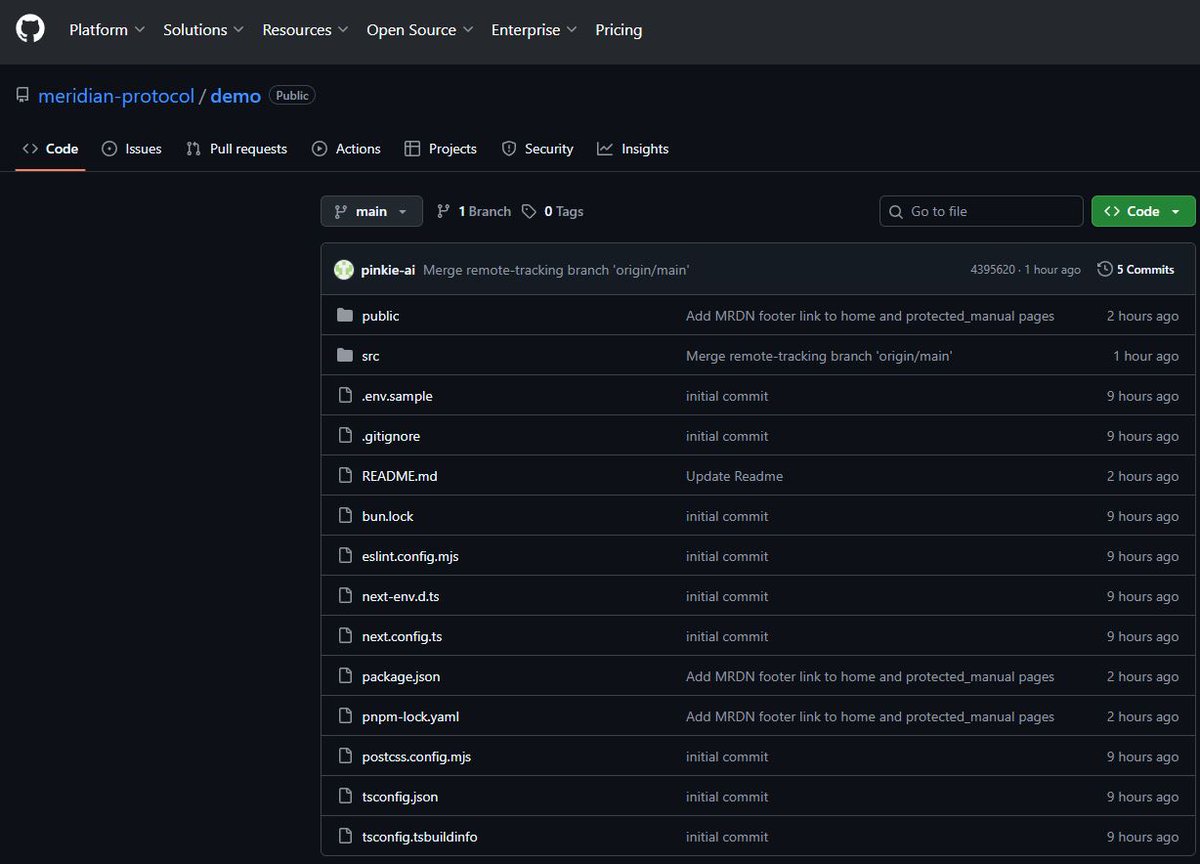
The beauty of x402 is its minimal overhead. You don’t need to overhaul your infrastructure - just handle the 402 response and validate payments. Coinbase even offers an x402 Facilitator service to streamline verification and reduce complexity. For full API references, visit the Coinbase Developer Docs.
Security, Privacy, and On-Chain Transparency
Security is baked into every layer of x402. Payments are signed by users’ wallets, reducing attack surfaces compared to traditional card-based flows. Plus, there’s no need to store sensitive user data or manage accounts - everything is handled on-chain and via standard HTTP headers.
Transactions are transparent yet privacy-preserving. Users control their keys and can audit payment history directly on-chain if needed. If you’re running high-value or regulated services, consider integrating additional checks or using Coinbase’s facilitator for robust compliance.
Tips and amp; Gotchas: What Developers Should Watch For
- Test on Testnets First: Use Base Sepolia or other supported testnets before going live with real USDC payments.
- Monitor Payment Status: Always verify payment payloads before granting access - don’t skip server-side checks.
- User Experience Matters: Provide clear feedback if payments fail or if more info is needed from the user/app.
- Stay Updated: x402 is evolving fast; follow official docs and community channels for breaking changes or new features.
The Future of Web Payments: Programmable Money at Internet Speed
The rise of protocols like x402 signals a major shift in how value moves online. Imagine APIs that unlock themselves after a micro-payment, AI agents that pay per data request, or content platforms where users pay only for what they consume, instantly and globally. This isn’t sci-fi; it’s happening right now thanks to innovations like HTTP Payment Protocol integration with Coinbase X402.
If you’re building anything in fintech, AI tooling, SaaS APIs, or digital content delivery, this is your cue to get hands-on. The sooner you experiment with programmable crypto payments over HTTP, the faster you’ll outpace competitors stuck on yesterday’s rails.
Ready to take your product global? Start experimenting with secure cryptocurrency transactions today, and see just how easy instant crypto payments for developers can be when you leverage Coinbase X402 payment setup!




No comments yet. Be the first to share your thoughts!