
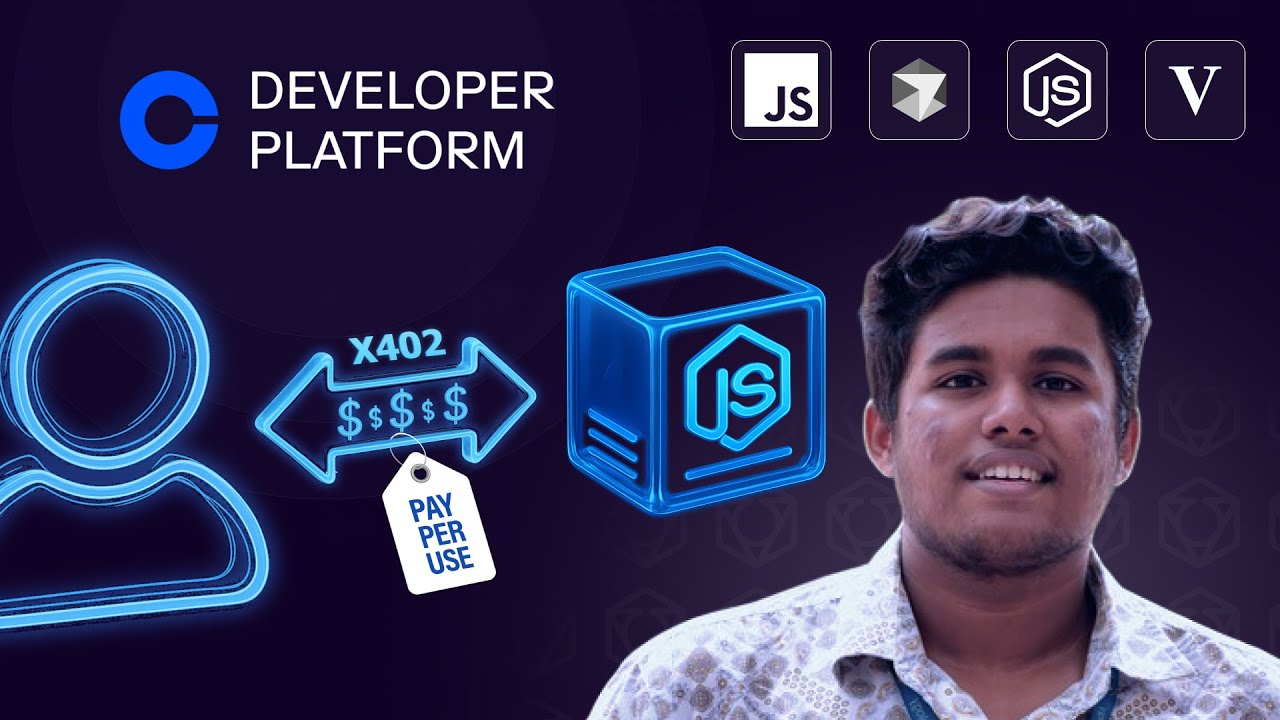
Machine-to-machine (M2M) payments are rapidly moving from theory to practice, fueled by the rise of AI agents, decentralized applications, and the demand for seamless microtransactions. At the heart of this evolution is X402, Coinbase’s internet-native payment protocol that leverages the HTTP 402 Payment Required status code to enable secure, accountless crypto payments between machines. When paired with Solana’s high-speed, low-cost blockchain, X402 Payment Intents create a compelling foundation for API monetization and autonomous agent commerce.

Why X402 and Solana Are Shaping M2M Crypto Payments
The emergence of the X402 Protocol marks a significant shift in how digital services handle value exchange. Unlike legacy payment rails or complex OAuth flows, X402 lets APIs and apps require instant stablecoin payments over HTTP, no user registration or email required. This is particularly powerful for machine-to-machine scenarios where speed, automation, and interoperability are paramount.
Solana enhances this model by offering near-instant finality and minimal transaction fees. For developers aiming to monetize APIs or digital content with stablecoins like USDC, integrating X402 with Solana delivers:
- Frictionless onboarding: No need for traditional KYC or account creation
- High throughput: Handles thousands of microtransactions per second
- Cost efficiency: Transaction fees are measured in fractions of a cent
- Programmability: Easily embed payment requirements into any HTTP-based workflow
X402 utilizes the previously dormant HTTP 402 status code to unlock native web monetization, enabling consumption-based pricing for APIs, content, and computational resources.
X402 Payment Intents Solana Integration: Prerequisites and Preparation
If you’re ready to bring M2M crypto payments to your project using X402 and Solana, start by preparing your environment. Here’s what you’ll need:
Key Prerequisites for x402 Payment Intents on Solana
- Development Environment: Prepare your environment with Node.js and npm or Python and pip, depending on your integration language.
- Operational API or Server: Ensure you have an existing API or backend server that you wish to monetize using x402.
- x402 Middleware Package: Install the official x402-express (for Node.js) or x402 (for Python) middleware to handle payment intents.
- Facilitator URL: Use the public facilitator endpoint https://x402.org/facilitator for testing, or configure your own for production deployments.
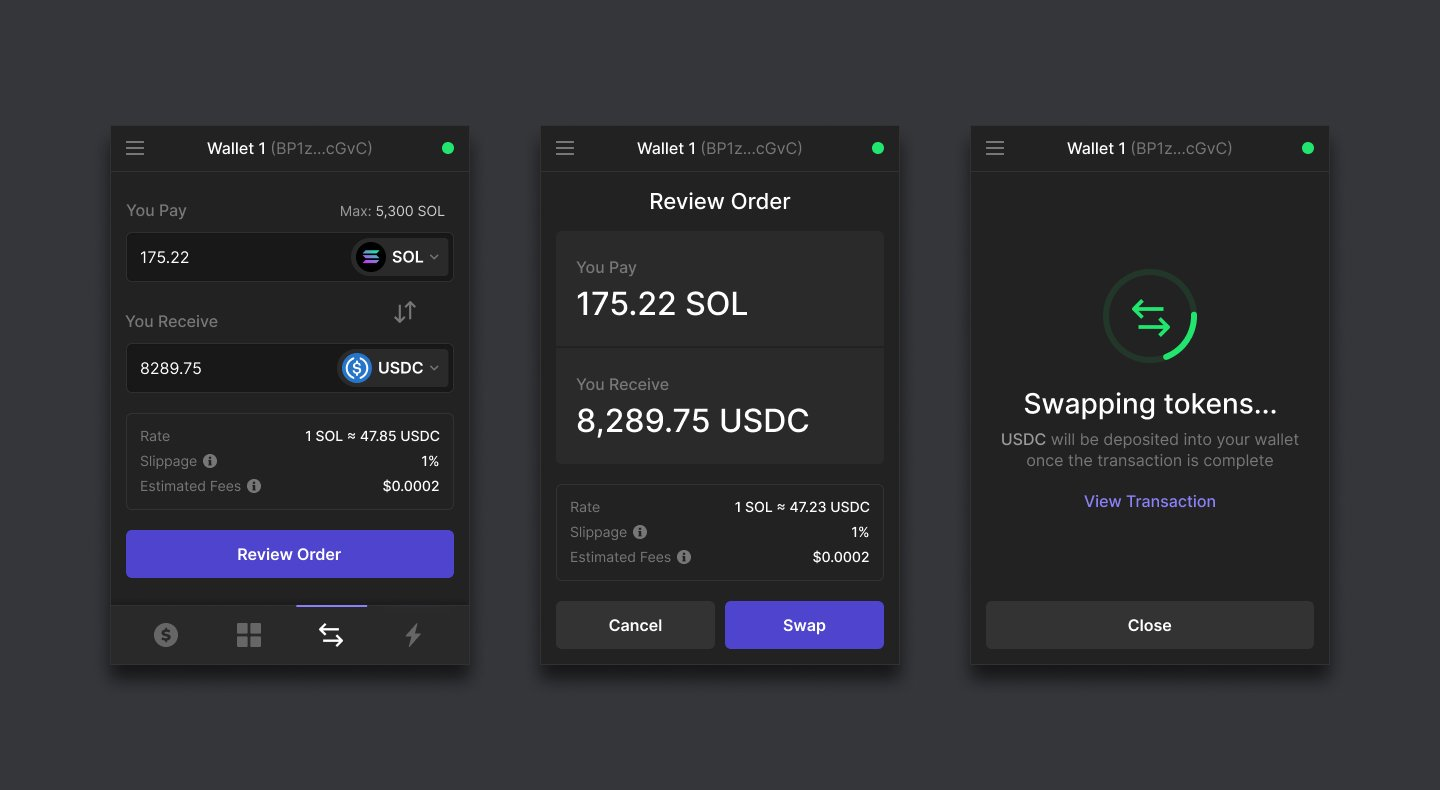
- USDC Token Mint Address on Solana: Reference the official USDC token mint address for Solana to ensure accurate payment routing.
- x402 Documentation Access: Review the latest integration guides on the x402 GitBook and x402 Solana Guide for up-to-date best practices.
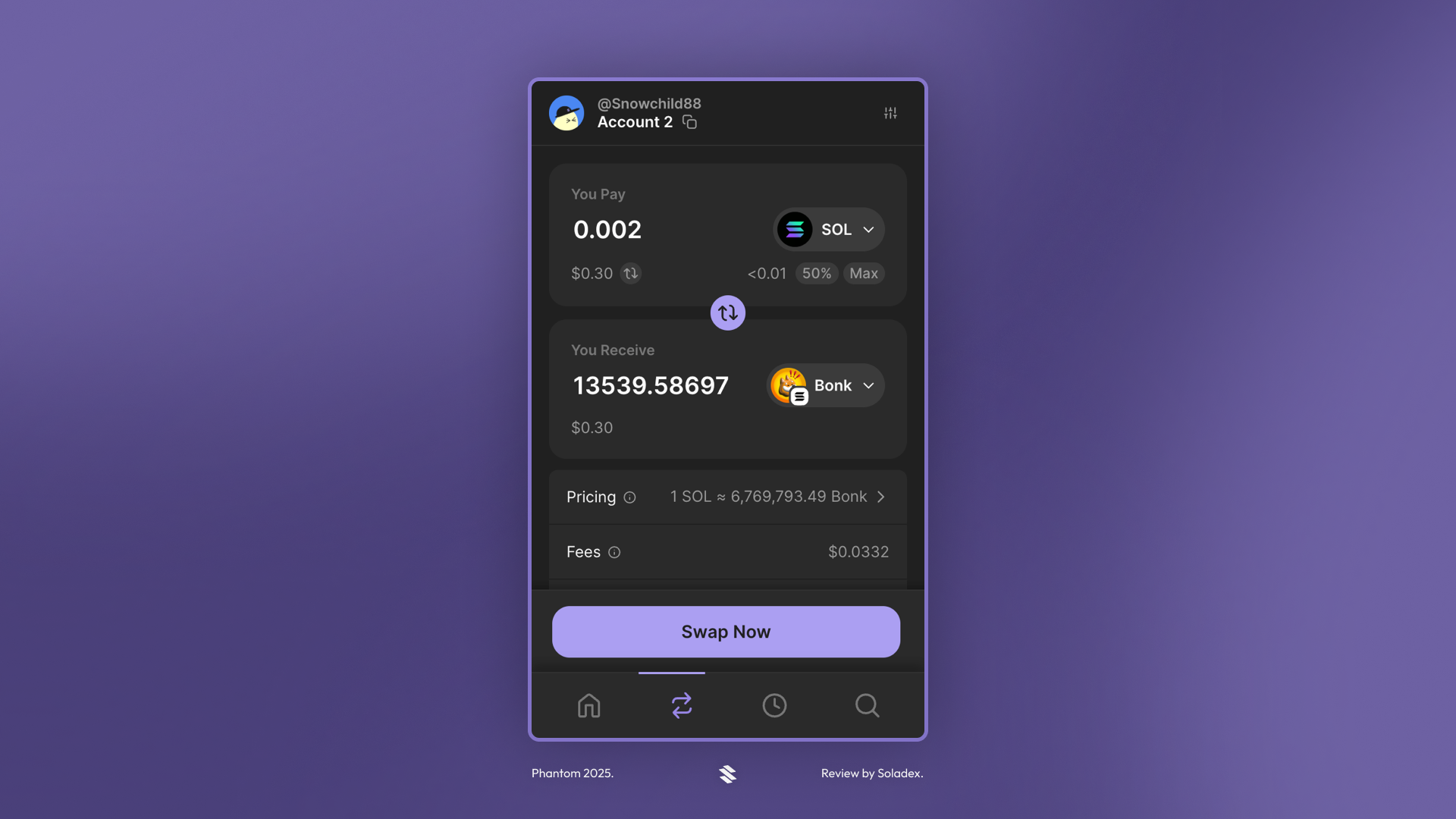
- A Solana-compatible wallet address (to receive USDC or other supported tokens)
- A backend API or server you wish to monetize (Node. js/Express or Python/Flask recommended)
- A development environment set up with Node. js and npm or Python and pip
The easiest way to get started is by referencing the official guides at x402.gitbook.io. For a deeper dive into Solana-specific setup, including mint addresses and network details, explore the dedicated guide at 8bit-1.gitbook.io/x402-solana.
Step-by-Step: Protecting an API Endpoint with X402 on Solana Mainnet
The core integration process involves installing the appropriate middleware package and configuring your routes to require payment before access is granted. For example, in a Node. js Express application:
Example: Express Middleware for $0.01 USDC Payment on Solana
To require a $0.01 USDC payment on Solana mainnet for access to a protected endpoint, configure your Express app as follows using the `x402-express` middleware:
const express = require('express');
const { x402Express } = require('x402-express');

const app = express();

// Configure the x402Express middleware for $0.01 USDC payments on Solana mainnet
dotenv.config();
app.use(
  '/protected-endpoint',
  x402Express({
    amount: '0.01', // Amount in USDC
    currency: 'USDC',
    network: 'solana-mainnet',
    recipient: process.env.X402_RECIPIENT_ADDRESS, // Your Solana USDC address
    apiKey: process.env.X402_API_KEY, // Your x402 API Key
  })
);

app.get('/protected-endpoint', (req, res) => {
  res.send('Access granted: Payment received via x402 on Solana!');
});

app.listen(3000, () => {
  console.log('Server running on port 3000');
});
This setup ensures that any request to `/protected-endpoint` will only succeed if the client completes the specified USDC payment on Solana. Make sure to set your `X402_RECIPIENT_ADDRESS` and `X402_API_KEY` as environment variables for security.
This setup ensures that whenever an AI agent, or any client, requests your protected endpoint, they’ll receive an HTTP 402 response containing precise payment instructions (including price: $0.01 USDC on solana-mainnet). Once payment is completed via a compatible wallet or agent client and cryptographic proof is provided in the follow-up request header (X-PAYMENT), access is immediately granted.
The Developer Experience: Real-Time Crypto Monetization Without Friction
This workflow eliminates friction for both service providers and consumers (human or machine). There’s no need for OAuth tokens, email signups, or manual invoice settlement, just instant value transfer secured by cryptographic proof on-chain. As adoption grows across AI-driven services and decentralized infrastructure providers, expect M2M stablecoin flows to become as routine as HTTPS requests.
For teams seeking rapid prototyping or production-grade deployment, X402’s open standard and managed facilitator services remove much of the operational overhead traditionally associated with crypto payments. The protocol’s flexibility means you can adjust pricing, supported tokens (such as USDC on Solana), and access tiers dynamically, enabling everything from pay-per-call APIs to granular data monetization.
End-to-End Testing of Your X402-Solana Integration
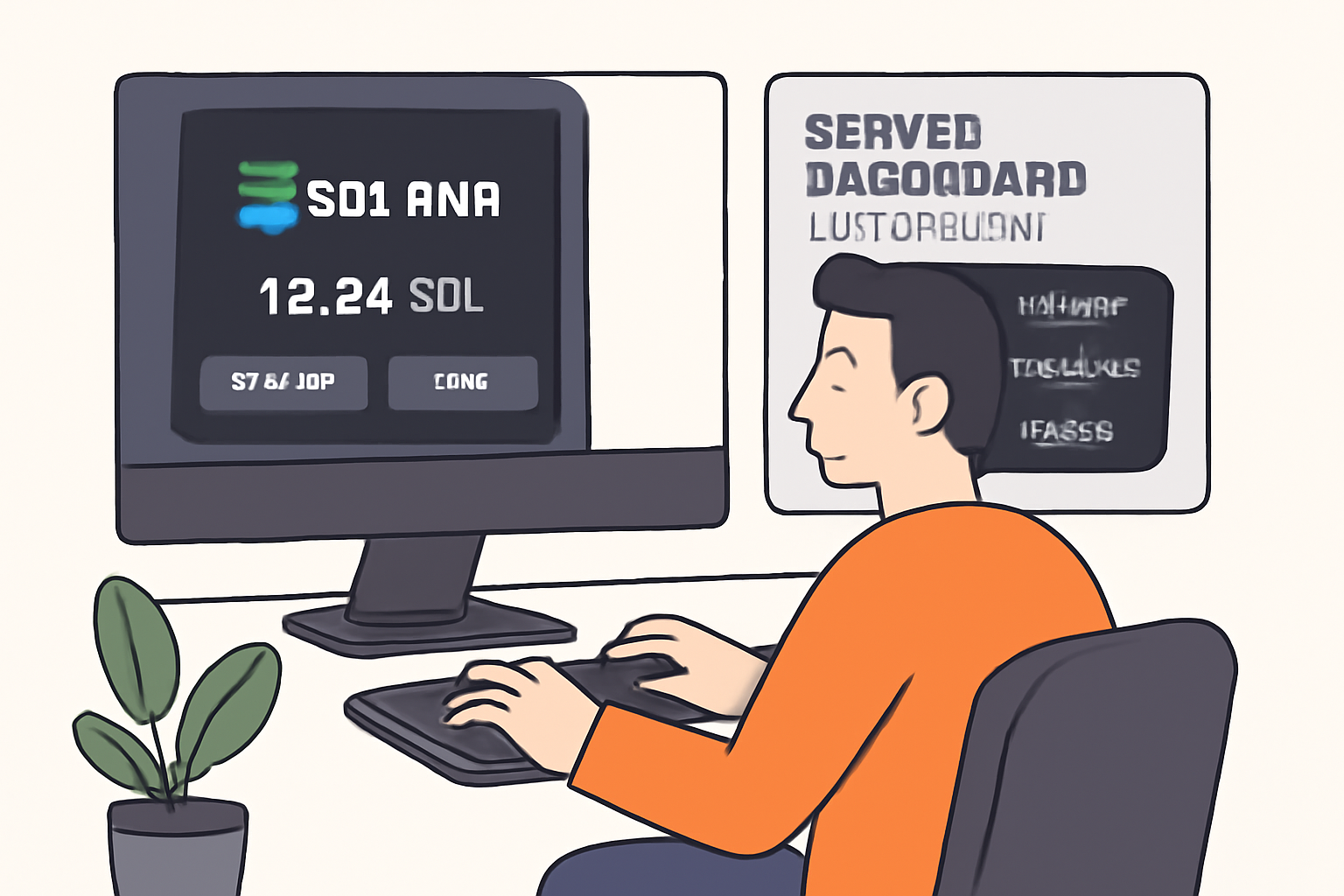
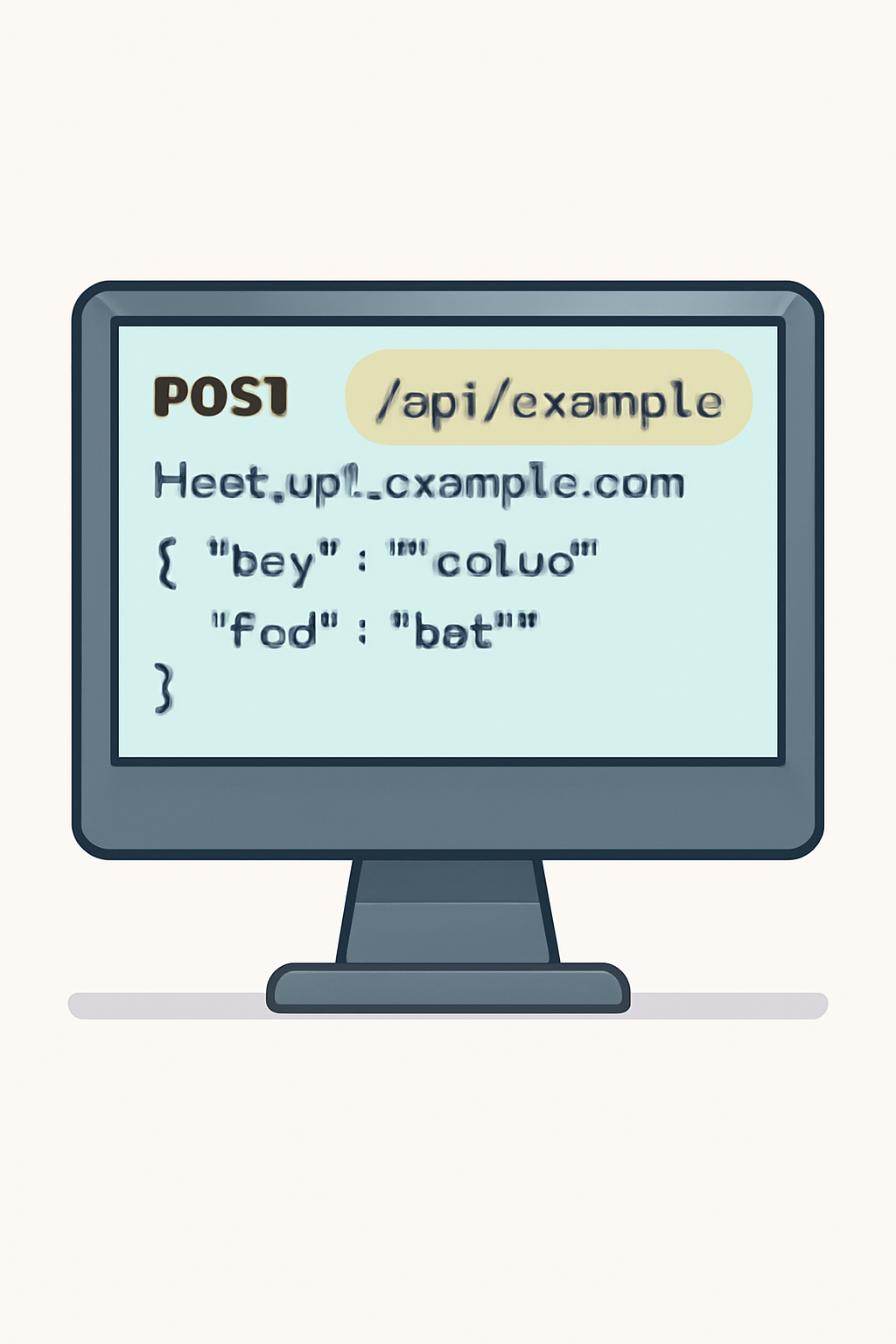
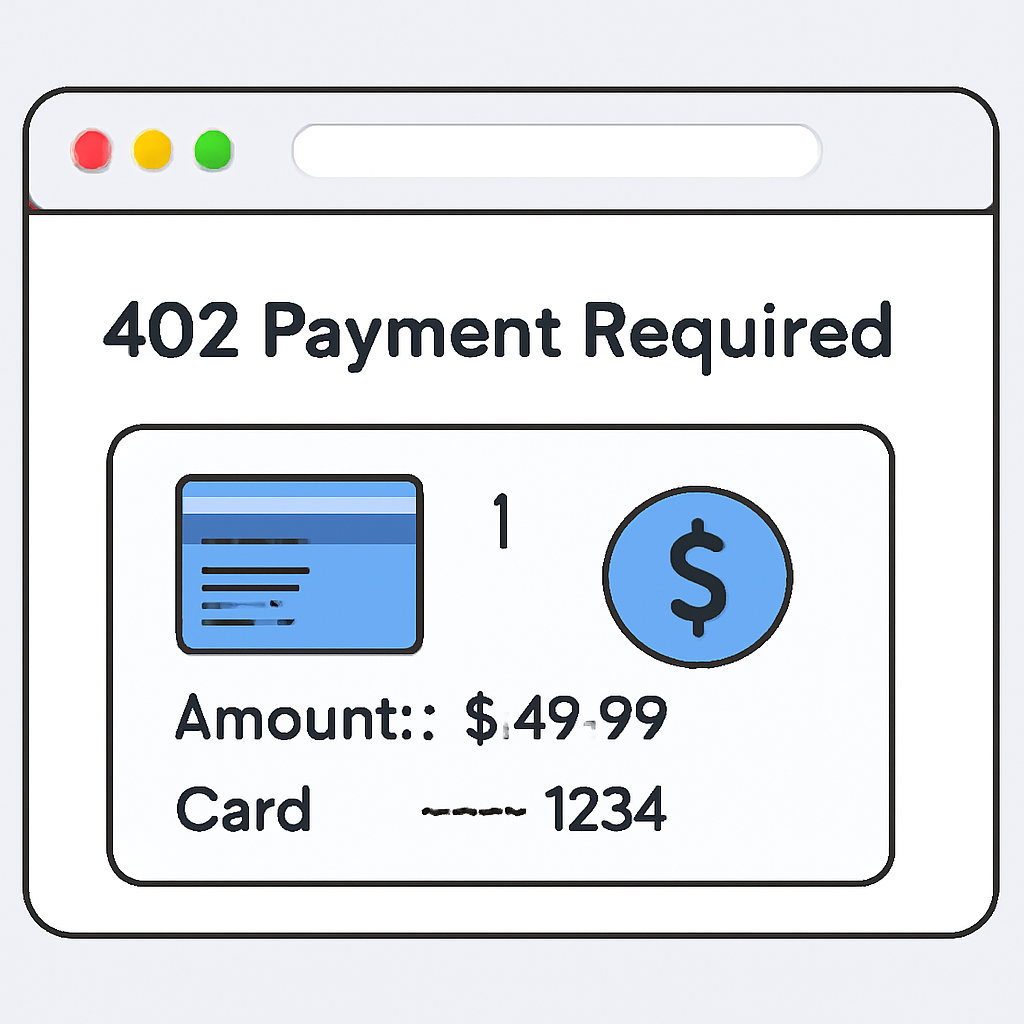
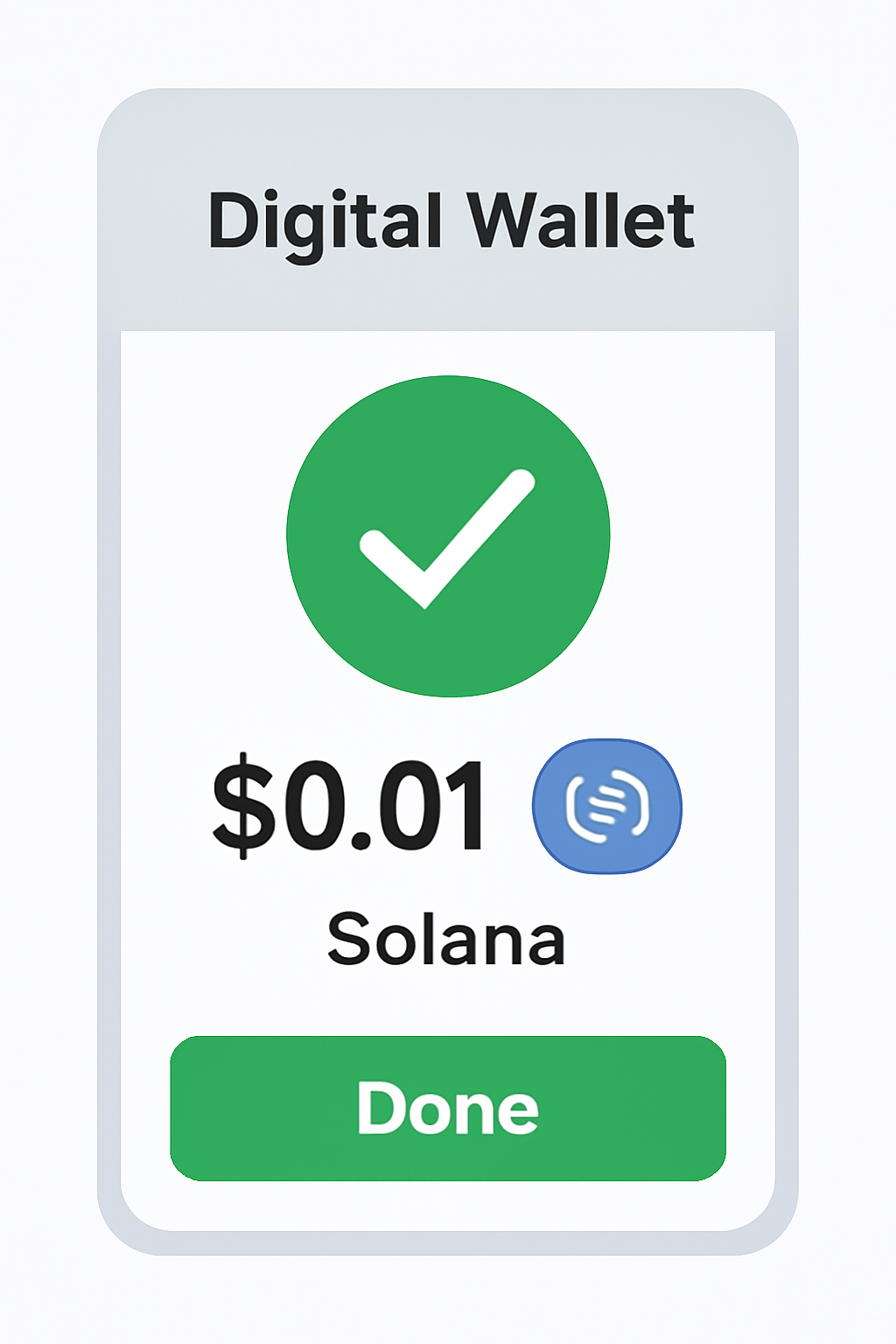
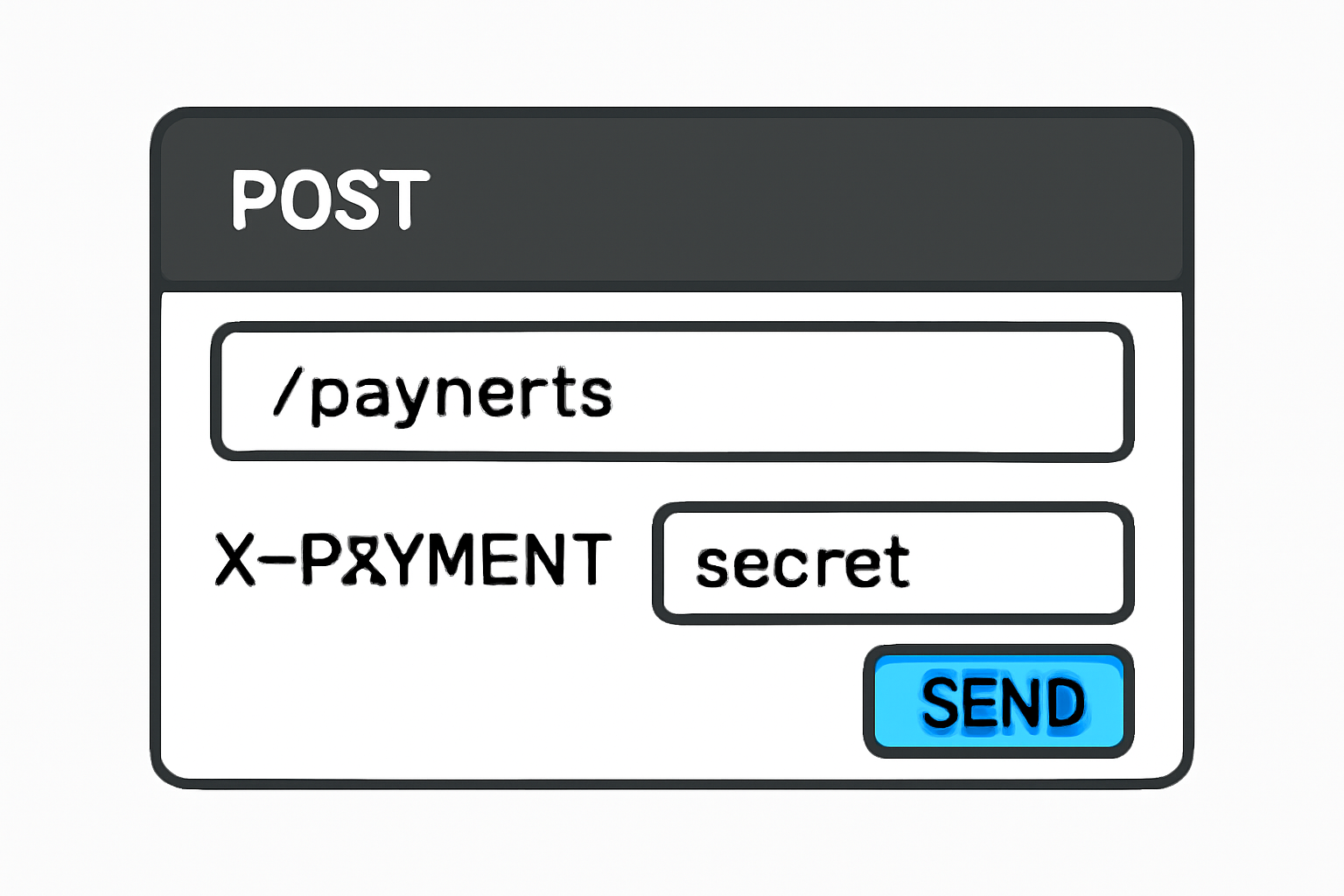
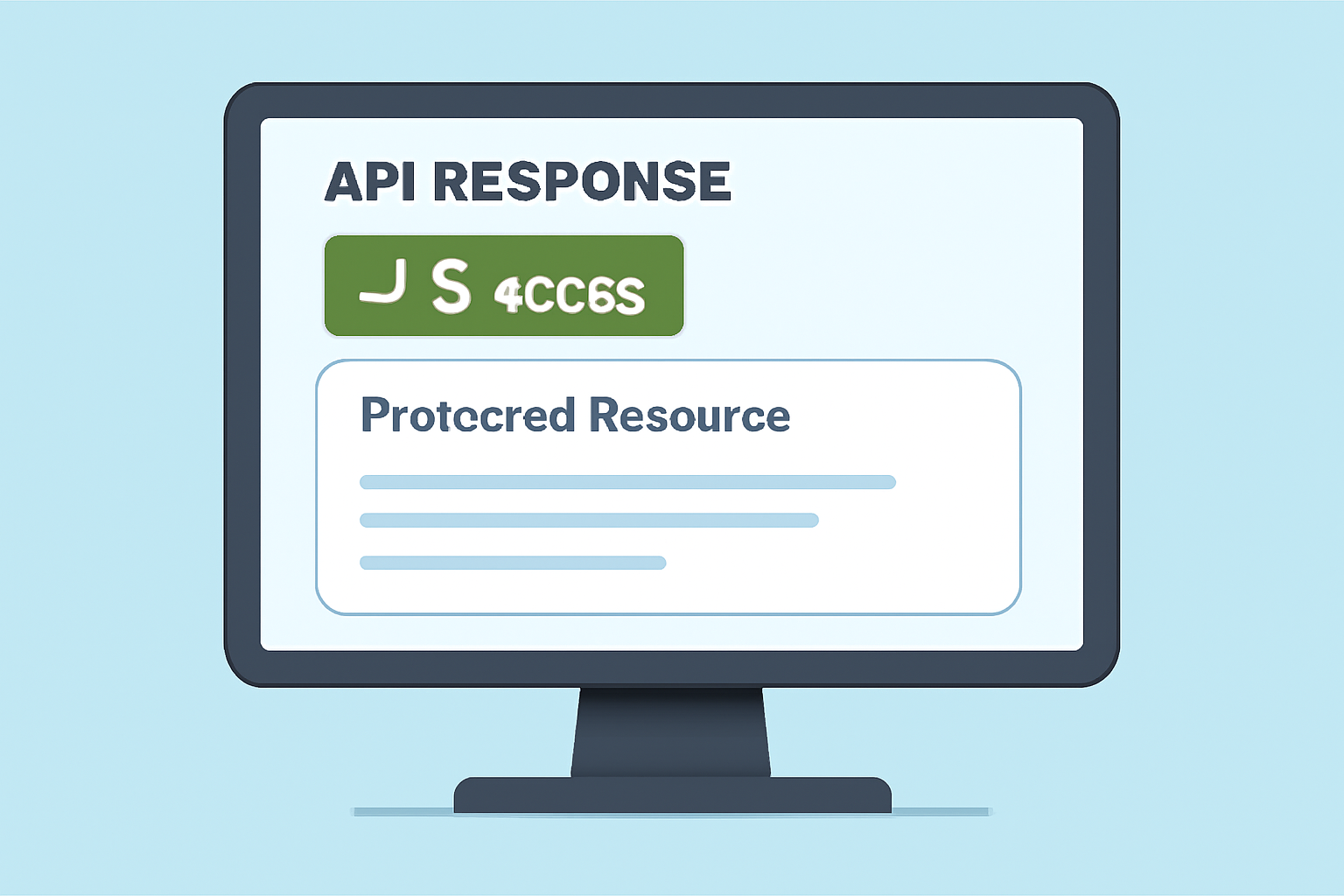
Security is a first-class concern. Since payment proofs are verified directly on-chain and exchanged via HTTP headers, there is no need to trust intermediaries or expose sensitive keys. The cryptographic handshake between client and server guarantees that only valid, settled payments unlock resources. Additionally, Solana’s robust consensus and low fees make it an ideal settlement layer for high-frequency microtransactions between automated agents.
Best Practices for Scaling X402 M2M Payments on Solana
As you scale your implementation, consider these best practices for optimizing both performance and user experience:
Best Practices for Deploying Large-Scale X402 Payment Intents on Solana
- Leverage Official x402 Middleware Packages — Use the x402-express package for Node.js or the x402 Python package to ensure compatibility, security, and ongoing support for your integration.
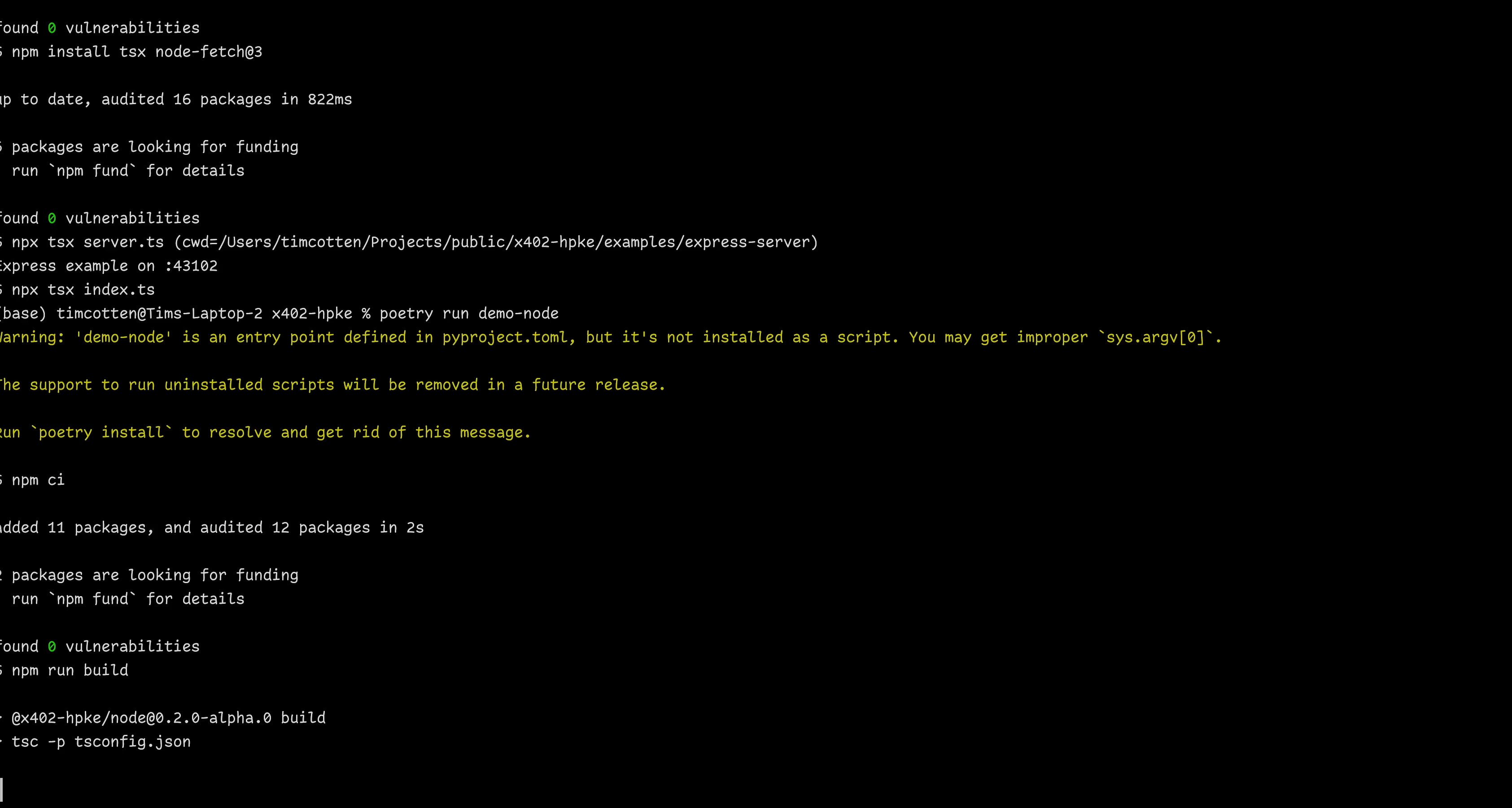
- Utilize Solana Mainnet and Official USDC Mint — Configure your payment intents to use the Solana mainnet and the official USDC token mint for stable, high-liquidity transactions. This ensures reliability and broad wallet compatibility.

- Securely Manage Solana Wallets — Store your Solana wallet private keys using established secrets management solutions (e.g., HashiCorp Vault) and never expose them in code repositories or client-side applications.
- Scale with Protected Route Configuration — Clearly define and modularize your protected API routes and pricing in your middleware configuration to simplify scaling and maintenance as your service grows.
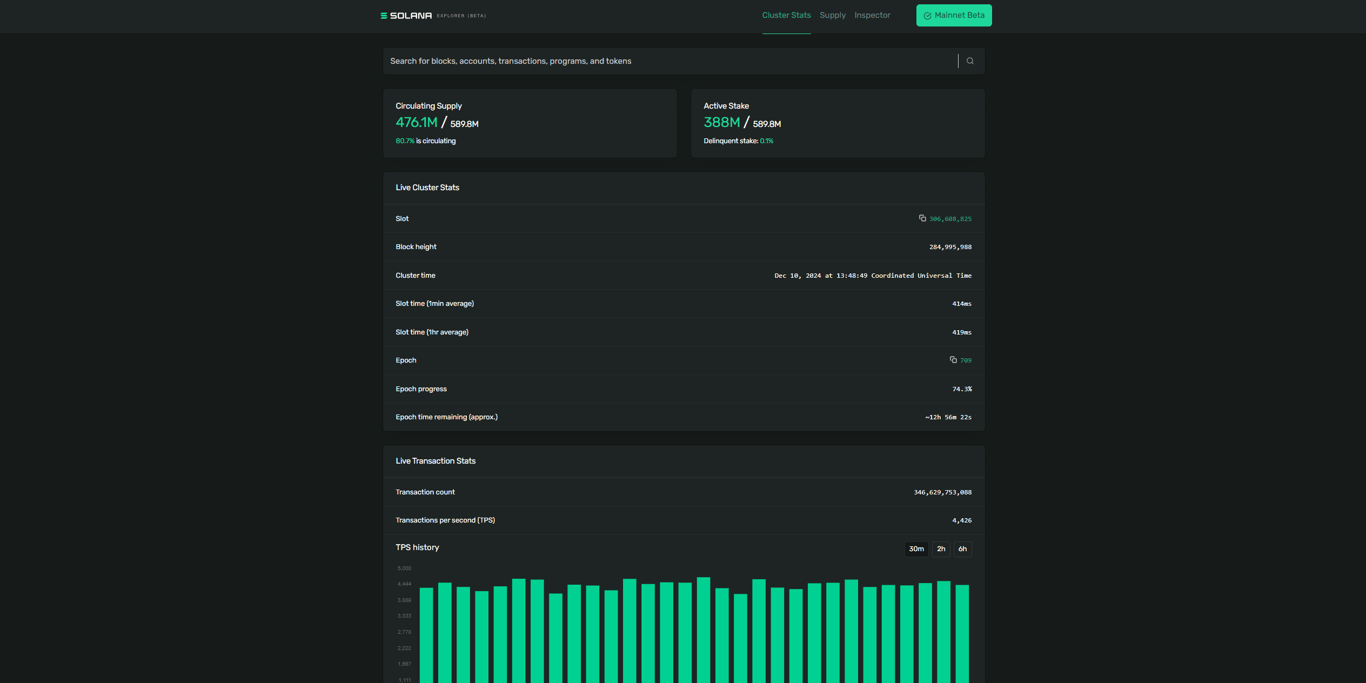
- Monitor Transactions and Payment Status — Integrate Solana Explorer or similar blockchain monitoring tools to track incoming payments, verify transaction status, and quickly resolve disputes or errors.
- Test Extensively in Staging Environments — Use the x402.org/facilitator on testnets (e.g., Base Sepolia) before moving to production to validate your payment flow and catch integration issues early.

- Stay Updated with x402 and Solana Documentation — Regularly consult the x402 documentation and the x402 Solana guide for the latest integration patterns, security advisories, and protocol updates.
- Caching payment proofs: Store recent valid proofs to reduce redundant verification calls.
- Monitoring transaction fees: Even with Solana’s low costs, track fee spikes during network congestion.
- Failover strategies: Use multiple facilitators or fallback networks if one becomes unavailable.
- User feedback: Provide clear error messages when payment verification fails or is delayed.
The modular nature of X402 means you can extend your payment logic as needed, think subscriptions, metered billing, or tiered content access, all without rearchitecting your stack. For more advanced integrations or troubleshooting tips, consult the official documentation at x402.gitbook.io.
The Future of Autonomous Commerce Is Here
X402 Payment Intents paired with Solana are setting a new benchmark for machine-native commerce. By leveraging the HTTP Payment Protocol and stablecoins like USDC, developers unlock a world where API calls become economic events, efficiently priced and instantly settled without human intervention. This paradigm not only streamlines digital business models but also opens doors to entirely new forms of automated collaboration between AI agents, IoT devices, and decentralized services.
If you’re building the next generation of autonomous services or simply want to monetize your API in a frictionless way, now is the time to explore what X402 Payment Intents on Solana can do for you. For detailed guides and community support, visit the official documentation.




No comments yet. Be the first to share your thoughts!