

Crypto-powered APIs are flipping the script on how microtransactions work. With x402 Payment Intents, developers can create pay-per-call API endpoints, monetize digital assets in real time, and enable autonomous agents to transact without friction. If you're building the next-gen programmable web or want to charge for AI API access, this is your playbook.
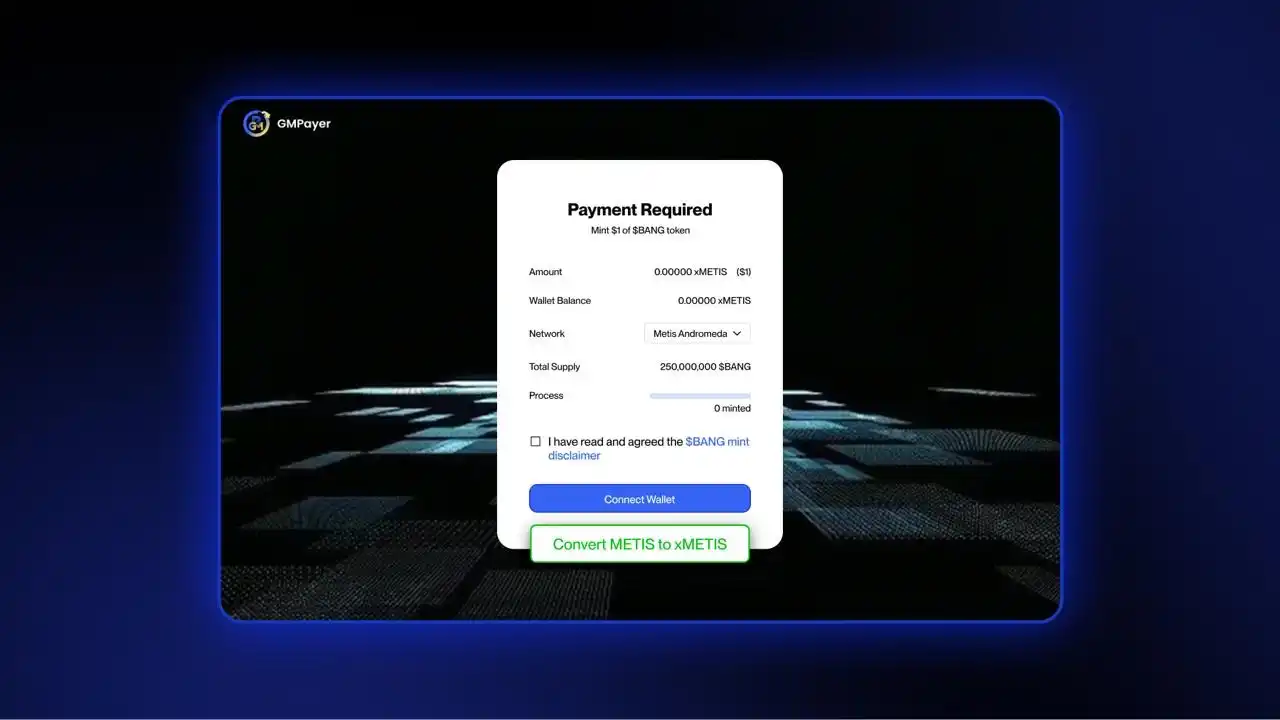
Why x402? The Rise of Autonomous Crypto Payments
The old model of subscriptions and account-based access is losing steam. Enter x402: an open protocol leveraging the HTTP 402 "Payment Required" status code, designed for seamless, machine-native payments. No registration. No OAuth headaches. Just instant, programmable micropayments using stablecoins like USDC.
What makes x402 different? It's chain-agnostic, works over standard HTTP requests, and is tailor-made for autonomous agents - think AI bots paying for API calls or data feeds on-the-fly. This isn't just theory: Coinbase, Cloudflare, and top Web3 builders are already pushing x402 into production.
Core Workflow: How Autonomous API Microtransactions Actually Happen
Here's how a typical x402 flow works:
- Client Requests Resource: An agent (human or AI) tries to access your premium API endpoint.
- Server Responds with 402: If payment is required, your server shoots back a 402 status code plus payment instructions in the headers.
- Client Pays Up: The client constructs a crypto payment (usually USDC), adds it to the next request (via
X-PAYMENTheader), and retries. - Payment Verified: Once payment is confirmed on-chain or via a verifier service, your server grants access instantly.
This flow eliminates clunky onboarding flows and lets you monetize every single interaction - perfect for high-frequency microtransactions where every cent counts.
Picking Your Integration Path: Middleware vs Client-Side Agents
You have options when it comes to integrating x402 Payment Intents:
- Server Middleware: For backend APIs built with frameworks like FastAPI or Express, use middleware packages (like
fast-x402) to handle payments automatically at the route level. Set per-endpoint pricing in USD - say $0.10 per call - and let the middleware handle verification and access control. - Autonomous Client Agents: For AI bots or app clients making outbound calls to paid APIs, use libraries like
x402-langchain. These tools let you set daily spending limits and automate payment construction so your agents can transact independently without leaking private keys or overspending.
The best part? Both methods are programmable and composable - ideal for building complex workflows where payments are just another function call away.
Best Practices: Securing and Scaling Your x402 Microtransaction Integration
Once your integration is live, the real game begins: making sure it’s secure, reliable, and ready to scale. Here’s what sets high-performing x402 Payment Intents integrations apart:
- Rate Limits and Abuse Protection: Even with pay-per-call models, bots can try to spam endpoints. Set sensible rate limits and monitor for suspicious activity.
- On-Chain Payment Verification: Use robust verifier services or run your own lightweight node to instantly validate incoming payments. This keeps your API snappy and trustless.
- Stablecoin Pricing Updates: If you’re denominating prices in USD but accepting crypto (e. g. , USDC), sync pricing in real time using reliable oracles so you never undercharge during market swings.
- Granular Spend Controls: Empower users (or their agents) with daily/weekly spend caps, especially important for AI-driven clients making autonomous decisions.
If you want to see how this works in practice, check out the code snippet below for a minimal FastAPI and fast-x402 setup that charges $0.10 per premium API call.
Minimal FastAPI Example with fast-x402 Middleware
Here's a minimal FastAPI setup to charge $0.10 per API call using the fast-x402 middleware. Swap in your own x402 API token and you're good to go:
from fastapi import FastAPI
from fast_x402 import X402Middleware

app = FastAPI()

# Add the x402 middleware for $0.10 per API call
token = "YOUR_X402_API_TOKEN"
app.add_middleware(
    X402Middleware,
    api_token=token,
    price_cents=10  # $0.10 per call
)

@app.get("/microtransaction-endpoint")
def microtransaction_endpoint():
    return {"message": "You just paid $0.10 for this API call!"}
This setup ensures every request to `/microtransaction-endpoint` triggers a $0.10 payment intent via x402. Perfect for pay-per-use APIs!
Real-World Use Cases: From Paywalls to Machine-Paid Data Streams
x402 isn’t just theoretical, it’s already powering next-gen use cases across Web3 and AI:
- Crypto API Paywalls: Monetize endpoints on-demand without user registration. Perfect for premium data feeds or AI inference APIs.
- Autonomous Agent Commerce: Let bots pay for compute, storage, or information as-needed, no human intervention required.
- On-Chain SaaS Billing: Replace clunky monthly subscriptions with micro-billing per usage event, tracked transparently on-chain.
The result? Programmable payments at internet speed, opening up new business models that simply weren’t possible before x402.
Testing and Troubleshooting: What to Watch Out For
Pilot your integration on testnets like Base Sepolia or Solana Devnet before going live. Simulate edge cases: partial payments, expired transactions, and replay attempts. Automated tests are your friend here, don’t skip them!
If things go sideways (like payment verifications failing or clients missing headers), robust logging and clear error messages are key for fast debugging. Community forums and open-source docs are growing fast, lean on them if you get stuck.
Next Steps: Get Creative With Programmable Payments
The beauty of x402 Payment Intents is how composable they are. Want to chain together multiple paid APIs? Build a metered pay-per-use SaaS? Or let an LLM agent autonomously buy data from anywhere on-chain? The rails are here, and the only limit is your imagination.
If you’re serious about staying ahead in programmable payments and autonomous agent commerce, now’s the time to experiment with x402. The protocol is open source, the tooling is maturing fast, and early adopters are already shipping serious products built around API microtransactions crypto-native style.




No comments yet. Be the first to share your thoughts!