

The future of payments is autonomous, fast, and programmable. In 2025, the x402 protocol, Coinbase’s open standard for internet-native transactions, has become the backbone for AI-driven, machine-to-machine crypto payments. If you’re building next-gen agents or APIs that need to transact in real time with stablecoins like USDC, integrating x402 Payment Intents is your ticket to seamless, secure commerce at the speed of code.
Why x402 Payment Intents Are a Game-Changer for Autonomous Agents
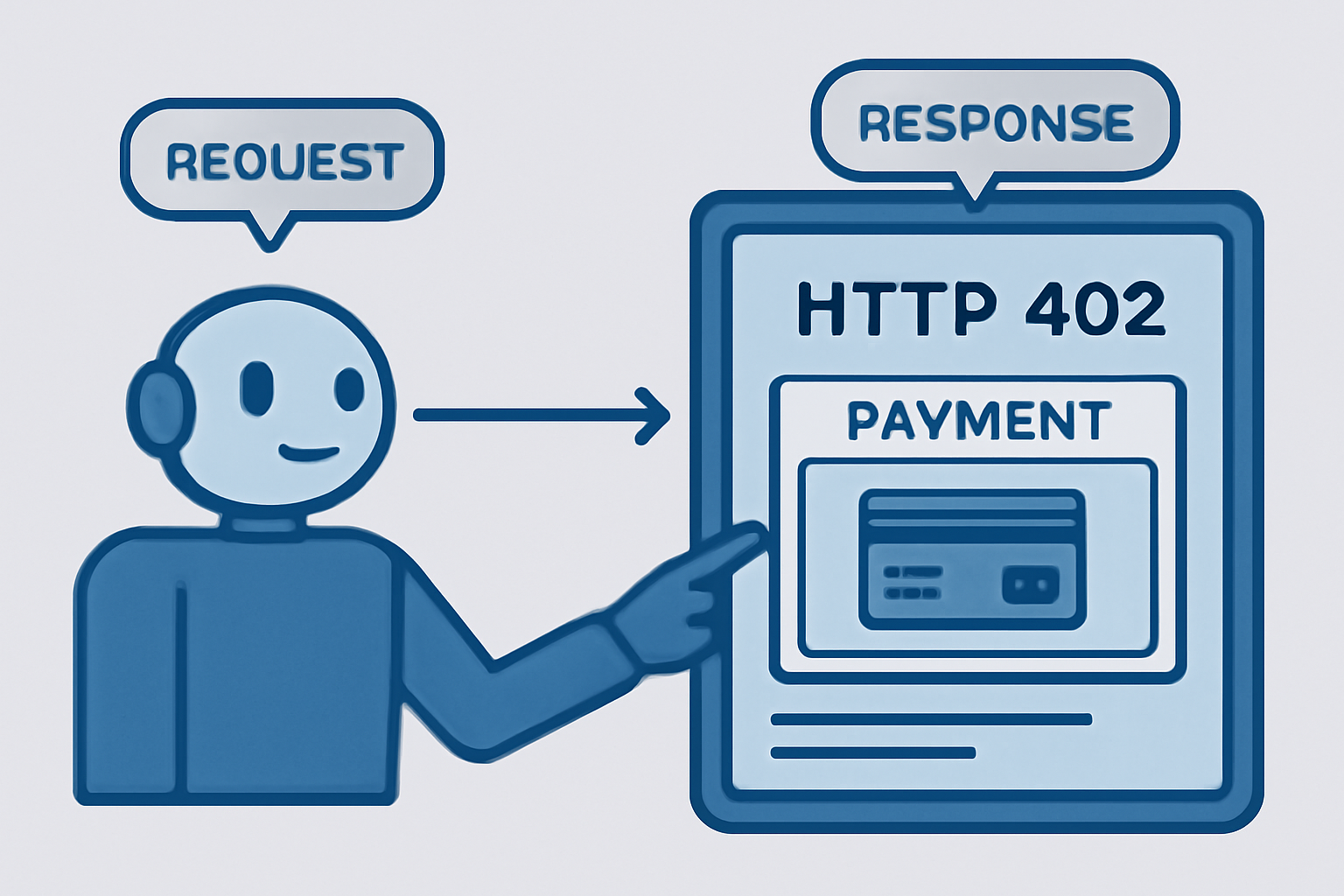
Forget clunky API keys and prefunded wallets. With x402 Payment Intents integration, your AI agents can pay per call or per resource using stablecoins, no human in the loop required. x402 leverages the HTTP 402 status code (finally put to use!) so servers can request payment and clients can respond instantly with crypto. This unlocks:
- Sub-second micropayments: Perfect for on-demand data, models, or compute.
- Stablecoin support: Transact in USDC or USDT to avoid volatility headaches.
- EVM compatibility: Use familiar Ethereum tooling and deploy across chains.
- No more API key wrangling: Agents pay as they go, no prefunding or account juggling.
This is why leaders like Circle Labs and AnChain. AI are already building demos where AI agents autonomously pay $0.01 USDC for blockchain risk reports, fully automated from quote to settlement. The result? Frictionless digital commerce between bots, APIs, and services at scale.
x402 Integration: The Essential Stack
If you want your autonomous agent to transact like a pro in 2025, here’s what you’ll need under the hood:
- x402 SDK: The official toolkit to handle payment intent flows and HTTP 402 responses.
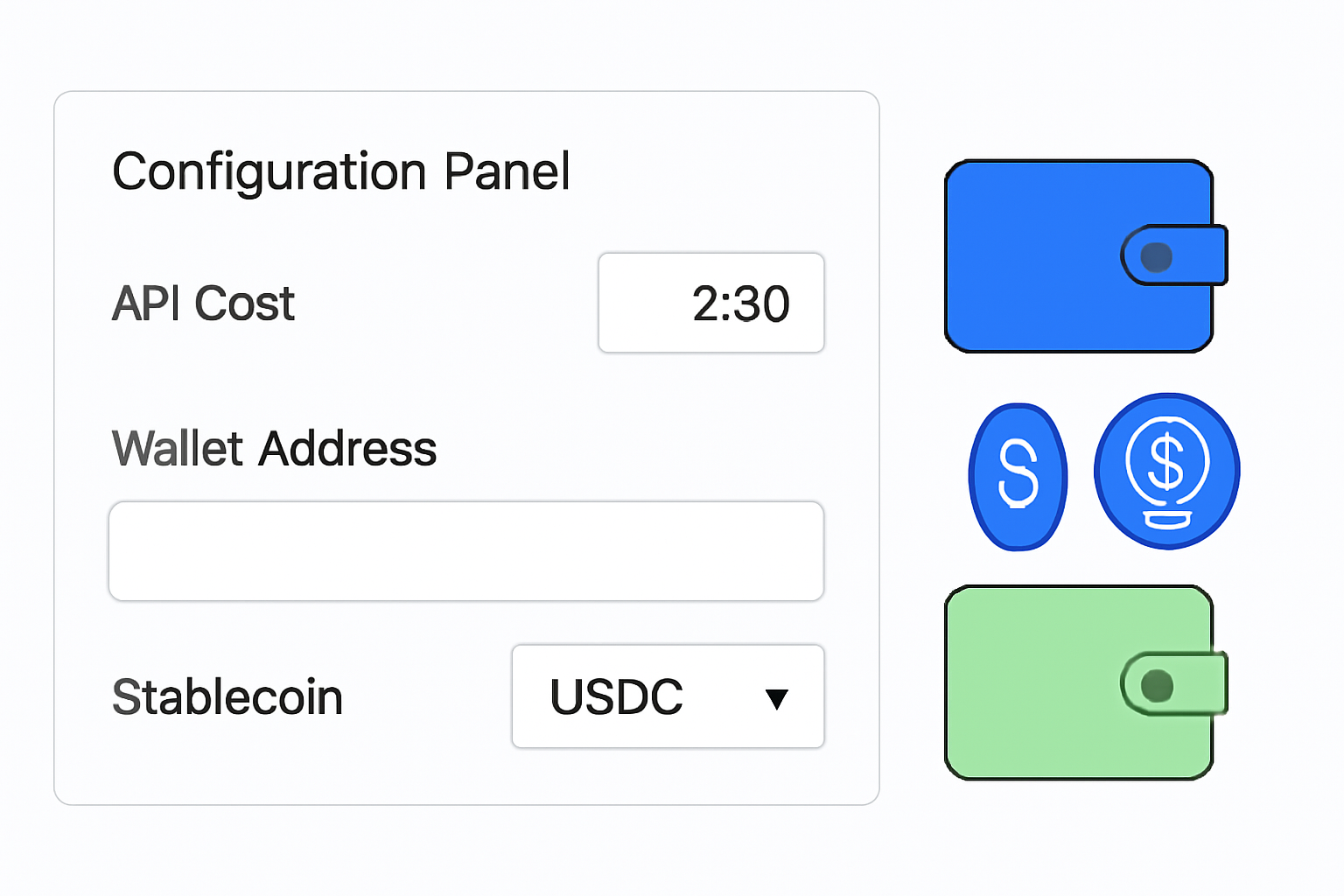
- Payment middleware: Configure pricing rules (per request/call), supported tokens (USDC/USDT), and wallet addresses.
- KYC-ready wallets: For compliance with regulated APIs or managed credit systems.
The beauty? You don’t have to reinvent payments from scratch. The open-source nature of x402 means you can plug into existing libraries, use trusted stablecoins, and tap into real-time AML/fraud checks via partners like AnChain. AI, all while keeping your integration transparent and composable.
The Integration Flow: How Autonomous Payments Actually Work
Integrate x402 Payment Intents with Your AI Agent: A Step-by-Step Guide
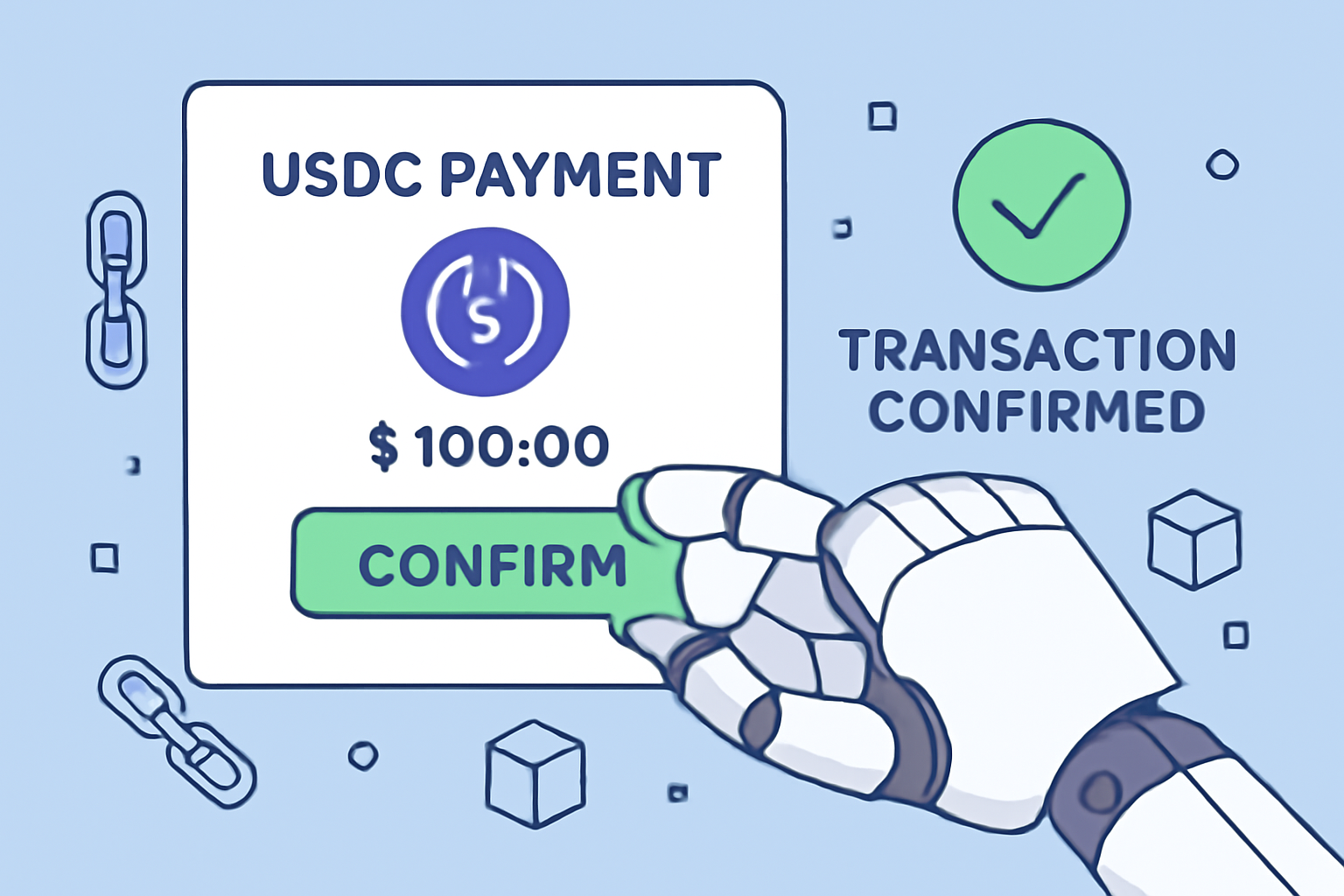


The process is refreshingly straightforward compared to legacy payment rails. Here’s how it breaks down when an AI agent needs paid access to an API or service:
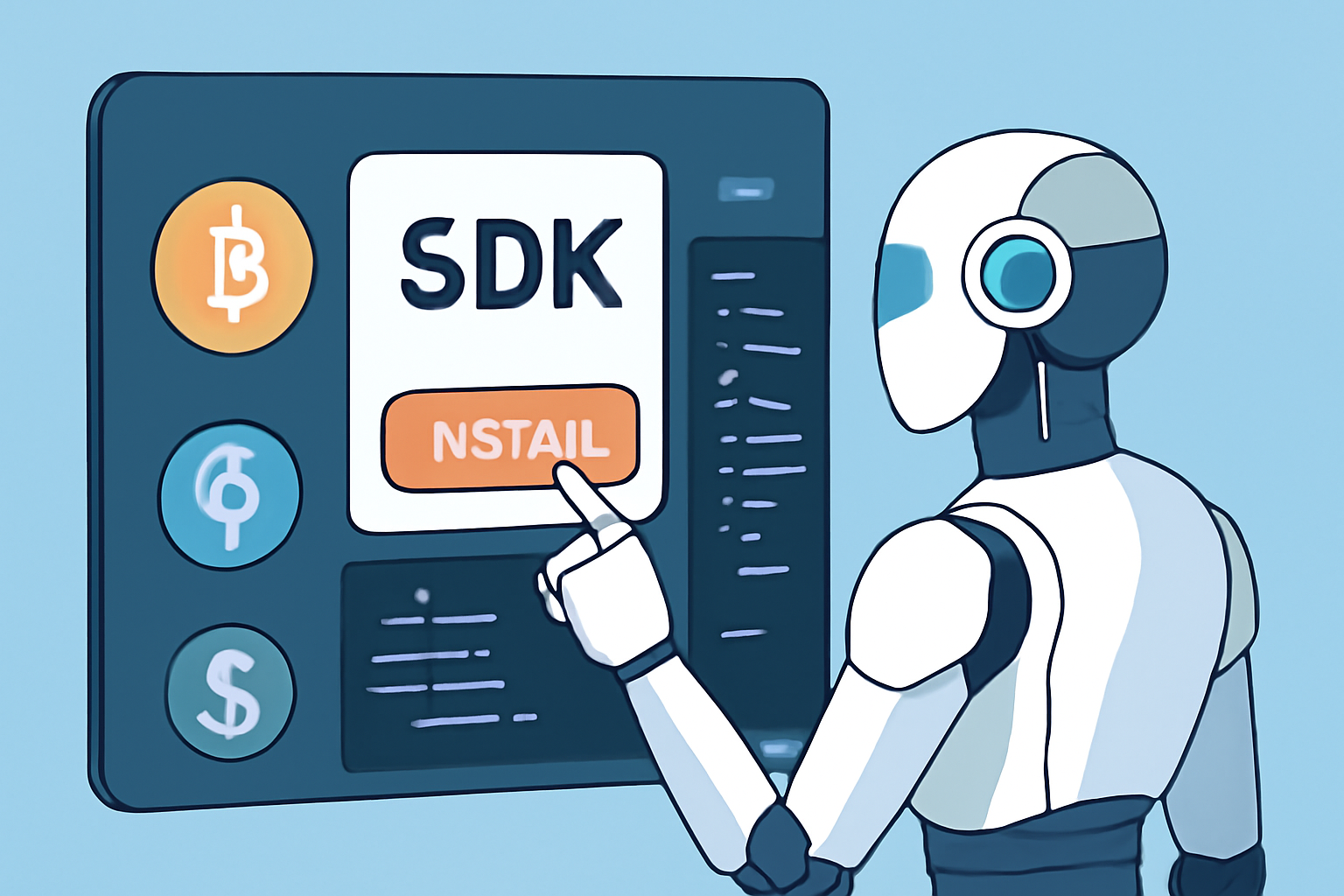
- Install the SDK: Add the x402 library to your agent’s stack, Node. js, Python, Rust, you name it.
- Configure middleware: Set up cost-per-call parameters and link your receiving wallet address (USDC/USDT recommended).
- Request resource as usual: Your agent makes its API call; if payment is needed, server returns HTTP 402 and payment details (amount/token/address).
- Process and send payment: Agent signs and broadcasts a stablecoin transaction directly from its wallet, no manual intervention.
- Re-request with proof-of-payment hash: Server verifies onchain settlement (sub-second finality), then grants access instantly.
This flow enables true machine-to-machine payments crypto, powering everything from data marketplaces to autonomous SaaS billing without human bottlenecks or risky prefunding. It also opens up new business models: think pay-per-use APIs priced in cents, not dollars, and instant revenue distribution across ecosystems.
But the magic of x402 isn’t just in speed or programmability. It’s in the way it redefines trust and transparency for autonomous AI agent payments. Every transaction is onchain, verifiable, and auditable, no more black-box billing or ambiguous liability between agents and providers. The protocol’s open design means you can layer in advanced security, AML checks, and even customizable dispute resolution to fit your use case.
Security and Compliance: What Developers Need to Know
Integrating x402 payment intents isn’t just about sending USDC back and forth. Security is baked into every step. Developers should:
- Collect risk signals: Use built-in hooks to analyze agent behavior before approving payments.
- Implement evidence collection: Log all payment proofs, hashes, and API call metadata for clear dispute resolution.
- Leverage open-source tools: Stay agile and transparent by customizing your stack with vetted libraries.
This approach lets you maintain compliance with regulated endpoints, especially when integrating with KYC-ready wallets or managed credit lines for enterprise APIs. For a deep dive on secure integration patterns, check out our guide on secure on-chain payments at scale.
Comparison of x402 Payment Intents vs Legacy API Billing Models
| Feature | x402 Payment Intents | Legacy Billing |
|---|---|---|
| Payment Flow | Autonomous, programmatic transactions via HTTP 402; agents pay per-use in real time | Manual or scheduled billing; typically monthly invoicing or prepaid credits |
| Currency Support | Native support for stablecoins (USDC, USDT); onchain settlement | Fiat currencies; limited or no crypto support |
| Settlement Speed | Sub-second finality; instant access after payment | Delayed (hours to days); access often after invoice settlement |
| Integration Complexity | Install SDK, configure middleware, handle 402 responses; agent-driven | Account creation, KYC, manual API key management, credit purchase or subscription setup |
| Microtransaction Support | Designed for microtransactions; pay-per-call possible | Often not feasible due to high processing fees and minimums |
| Security & Dispute Protection | Built-in risk signal collection, open-source tooling, evidence for disputes | Limited; relies on provider-side logs and manual review |
| Developer Experience | EVM compatible; leverages familiar web3 tooling | Traditional REST APIs; may require custom integrations |
| Transparency | Open-source reference implementations; onchain transaction records | Opaque; transaction details often siloed with provider |
| Autonomous Agent Support | Yes, designed for AI agent-to-agent payments | No, requires human initiation or supervision |
The Future: Programmable Commerce Unlocked
The rise of HTTP 402 as a real payment protocol is already spawning new business models. Imagine:
- API microservices that charge fractions of a cent per request, paid instantly by AI swarms.
- Dynamically priced data feeds where agents compete or negotiate rates in real time.
- SaaS platforms that meter compute or storage down to the second (or less), paid per use with zero friction.
This isn’t science fiction, it’s happening now as developers ship production-ready integrations across EVM chains using stablecoins like USDC. The composability of x402 means you can experiment rapidly: swap out tokens, add cross-chain settlement, or plug into AML/fraud modules as needed.
Pushing the Edge: Where to Go Next
If you’re ready to build on-chain programmable payments into your AI workflows, or want inspiration from what’s live today, explore our hands-on tutorials for different stacks and chains:
- Real-time AI agent transactions on Polygon and Solana
- How the x402 HTTP payment protocol powers autonomous agent payments in 2025
The bottom line? In the world of autonomous agents, programmable money is now as easy as an HTTP call. If you’re not integrating x402 Payment Intents yet, your bots are already falling behind.




No comments yet. Be the first to share your thoughts!