

Imagine AI agents zipping across the Base network, autonomously negotiating micropayments for API calls or data streams, all without a human in the loop. That's the promise of Coinbase's x402 payment intents, a protocol that's turning sci-fi into deployable code. With COIN trading at $199.18 after a 24-hour dip of $-10.14 (-4.84%), the market's betting big on innovations like this from Coinbase.
As a growth equity analyst who's tracked digital commerce for years, I see coinbase x402 integration as a game-changer for ai agent micropayments base. It leverages the HTTP 402 'Payment Required' status code to enable instant USDC settlements over HTTP, no logins or sessions needed. This stateless design is perfect for agents that need to pay-per-use in real time, whether fetching weather data or processing images.
Why X402 Fits Seamlessly into Base's AI Ecosystem
Base, Coinbase's layer-2 powerhouse, hums with low fees and high throughput, making it ideal for ai agent micropayments base. X402 builds on this by letting agents pay directly for services they consume. Picture an XMTP chat agent bartering with another for compute: one request, one payment, done. Sources like Base docs highlight integrating x402 with chat agents for autonomous transactions, while Kye Gomez on Medium shows monetizing swarms via pip installs of swarms, fastapi, and x402.
Coinbase's x402 is deliberately “stateless, ” “HTTP-native, ” and “developer-friendly”. No new session protocols or login screens.
This isn't just hype; it's practical. For testnets, point to https://x402.org/facilitator on Base Sepolia. Mainnet? Grab your CDP API keys for Base support. Agents gain true autonomy, paying for APIs without subscriptions, unlocking models where value flows frictionlessly.

Essential Prerequisites for Your X402-Powered Agent
Before diving into code, stock your toolkit. You'll need Node. js or Python, depending on your stack. For Python fans, fire up: pip install swarms fastapi x402 uvicorn python-dotenv. Node devs, check QuickNode's Express backend guide for Base Sepolia paywalls.
Fund a wallet with Sepolia USDC. Get your facilitator URL sorted: testnet's https://x402.org/facilitator, mainnet via CDP. Define your receiving address and protected routes. This setup, per Coinbase docs, lets you middleware-protect endpoints, demanding payment before response.
Pro tip: Start on testnet to iron out kinks. X402's developer-friendly vibe means quick iterations, but watch gas on Base Sepolia.
COIN Stock Price Predictions 2027-2032
Factoring x402 adoption for AI agent micropayments on Base Network | Current Price (2026): $199.18
| Year | Minimum Price | Average Price | Maximum Price | YoY % Change (Avg) |
|---|---|---|---|---|
| 2027 | $225 | $280 | $390 | +40.7% |
| 2028 | $265 | $355 | $500 | +26.8% |
| 2029 | $320 | $430 | $620 | +21.1% |
| 2030 | $390 | $520 | $780 | +20.9% |
| 2031 | $475 | $640 | $980 | +23.1% |
| 2032 | $580 | $790 | $1,220 | +23.4% |
Price Prediction Summary
Bullish outlook for COIN driven by x402 protocol enabling seamless AI agent micropayments on Base, boosting transaction volumes and revenue. Average prices projected to rise from $280 in 2027 to $790 in 2032 (CAGR ~25%), with min/max reflecting bearish (crypto downturns, regulation) and bullish (AI/crypto boom) scenarios.
Key Factors Affecting Coinbase Global, Inc. Stock Price
- x402 protocol adoption for autonomous AI micropayments
- Base network growth and USDC transaction fees
- AI agent economy expansion and developer integrations
- Crypto market cycles and Bitcoin trends
- Regulatory environment for stablecoins and payments
- Competition from other exchanges/protocols
- Coinbase fundamentals: earnings growth, valuation multiples
Disclaimer: Stock price predictions are speculative and based on current market analysis. Actual prices may vary significantly due to market volatility, economic conditions, and other factors. Always do your own research before making investment decisions.
Configuring X402 Middleware for Agent-First Payments
Now, the fun part: integration. In FastAPI, wrap your app with x402 middleware. Specify facilitator, wallet, and routes like/predict or/generate. Here's a skeleton:
This code demands payment intents before executing agent tasks. Buyers (your agents) include a Payment-Token header post-facilitation. Stateless magic: each call stands alone. For AI-to-AI, chain this with XMTP for chat-driven economies, as lablab. ai outlines for hackathons.
One nuance I love: it's HTTP-native, so curl works for testing. Curl your endpoint, handle 402, facilitate via x402. org, retry. Boom, micropayment complete. Scale to swarms, and you've got monetized agent fleets roaming Base.
Check related guides like how-to-integrate-x402-payment-intents-for-ai-agent-micropayments-with-usdc for USDC specifics, or implement-x402-payment-intents-in-node-js-for-ai-agent-micropayments-on-base-2025 for JS paths.
Agents on the buying end are equally straightforward. Equip them with a wallet and x402 client logic to handle 402 responses. When an agent hits your protected endpoint, it catches the HTTP 402 payment protocol status, extracts the Payment-Request header, posts to the facilitator, and retries with the Payment-Token. This dance happens in milliseconds on Base, thanks to its snappy finality.
Python AI Client: Handling X402 402 Responses & Base Sepolia Payments
🚀 Ready to supercharge your AI agent with micropayments? This Python example shows how to detect a 402 'Payment Required' response from your Coinbase X402-enabled API, extract the payment intent details, send ETH on Base Sepolia using web3.py, and retry the request with proof. It's straightforward, secure, and perfect for seamless AI interactions!
import requests
import os
from web3 import Web3
from eth_account import Account

# Setup for Base Sepolia testnet
BASE_SEPOLIA_RPC_URL = "https://sepolia.base.org"
w3 = Web3(Web3.HTTPProvider(BASE_SEPOLIA_RPC_URL))

# Load your wallet (keep PRIVATE_KEY secure! Use env vars)
PRIVATE_KEY = os.getenv('PRIVATE_KEY')
if not PRIVATE_KEY:
    raise ValueError("Set your PRIVATE_KEY environment variable")
account = Account.from_key(PRIVATE_KEY)

AI_AGENT_ENDPOINT = "https://your-ai-agent-api.on.base.com/v1/completions"


def request_ai_completion(prompt: str) -> str:
    """
    Send a prompt to the AI agent, handle 402 payment required,
    facilitate micropayment on Base Sepolia, and retry.
    """
    # Initial request
    response = requests.post(
        AI_AGENT_ENDPOINT,
        json={"prompt": prompt},
        headers={"Content-Type": "application/json"}
    )

    if response.status_code == 200:
        return response.json()["completion"]

    elif response.status_code == 402:
        # Extract payment details from X402 headers (Coinbase-style Payment Intent)
        payment_address = response.headers.get("Payment-Address")
        amount_eth = float(response.headers.get("Payment-Amount", "0.001"))
        payment_intent_id = response.headers.get("Payment-Intent-ID")
        network = response.headers.get("Payment-Network", "base:sepolia")

        if not all([payment_address, payment_intent_id]):
            raise ValueError("Invalid 402 response: missing payment details")

        print(f"💰 Micropayment needed: {amount_eth} ETH to {payment_address} for intent {payment_intent_id}")

        # Build ETH transfer transaction
        nonce = w3.eth.get_transaction_count(account.address)
        tx = {
            "nonce": nonce,
            "to": payment_address,
            "value": w3.to_wei(amount_eth, "ether"),
            "gas": 21000,
            "gasPrice": w3.to_wei("0.1", "gwei"),
            "chainId": 84532,  # Base Sepolia chain ID
        }

        # Sign and send
        signed_tx = w3.eth.account.sign_transaction(tx, PRIVATE_KEY)
        tx_hash = w3.eth.send_raw_transaction(signed_tx.rawTransaction)
        print(f"✅ Payment sent! Tx hash: https://sepolia.basescan.org/tx/{tx_hash.hex()}")

        # Wait for confirmation
        receipt = w3.eth.wait_for_transaction_receipt(tx_hash, timeout=120)
        if receipt.status == 1:
            print("Payment confirmed! Retrying AI request...")
        else:
            raise Exception("Payment transaction failed")

        # Retry with payment proof
        proof_headers = {
            "Authorization": f"Crypto-Pay proof={tx_hash.hex()};intent={payment_intent_id}",
        }
        response = requests.post(
            AI_AGENT_ENDPOINT,
            json={"prompt": prompt},
            headers=proof_headers
        )

        if response.status_code == 200:
            return response.json()["completion"]
        else:
            raise Exception(f"Retry failed: {response.status_code} - {response.text}")

    else:
        response.raise_for_status()


# Example usage
if __name__ == "__main__":
    completion = request_ai_completion("Explain quantum computing simply")
    print("AI Response:", completion)
✨ There you have it—a battle-tested client that turns payment hurdles into smooth sails! Pro tip: Always test on Sepolia first, use hardware wallets for prod, and add retry logic for network hiccups. Your AI agents are now monetization-ready. What's next? Deploy and earn! 💪
From my vantage tracking disruptive tech, this buyer-seller symmetry is what elevates x402 payment intents above clunky Web3 payment stacks. No OAuth dances or key management; just pure HTTP with crypto rails underneath. It's the crypto payment intents developers have craved for agent economies.
Step-by-Step: Launching Your First Micropayment-Enabled Agent
🚀 Deploy x402 FastAPI Server for AI Agent Micropayments on Base Sepolia
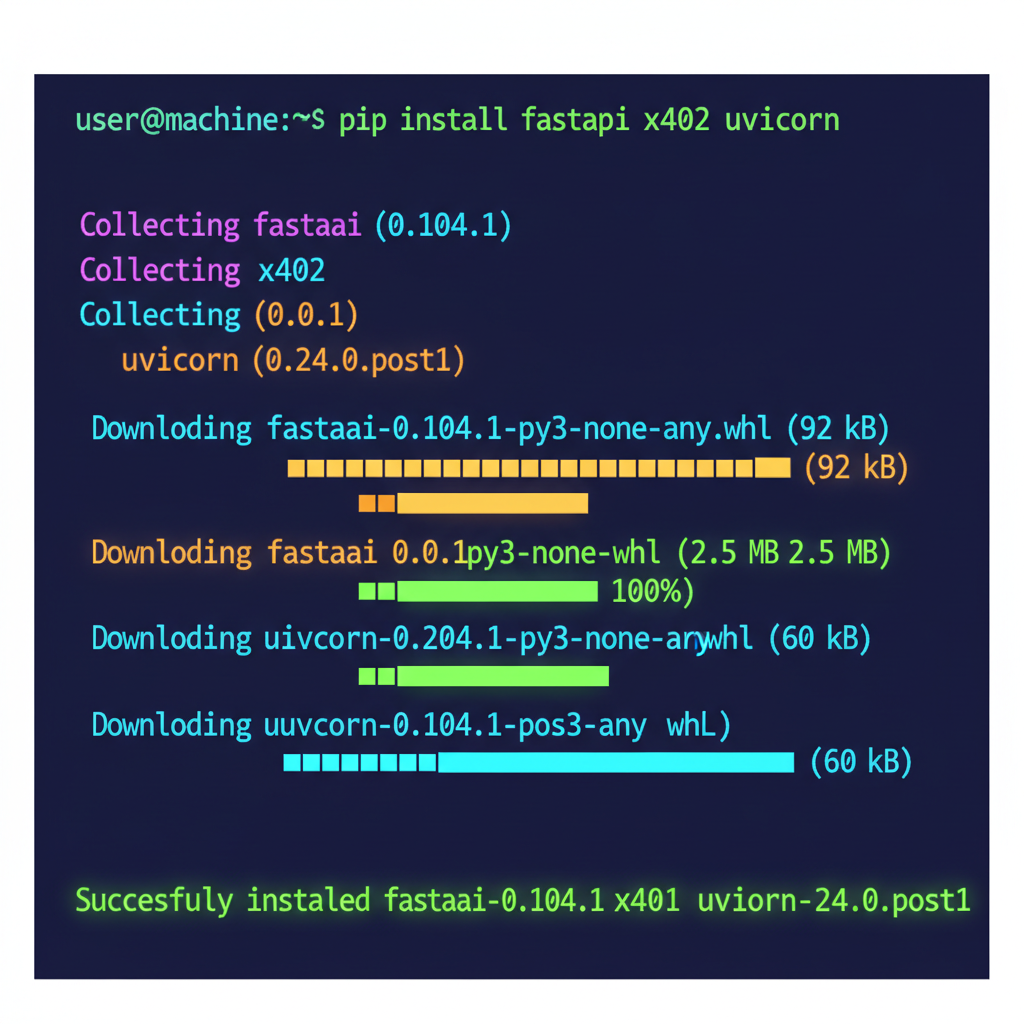
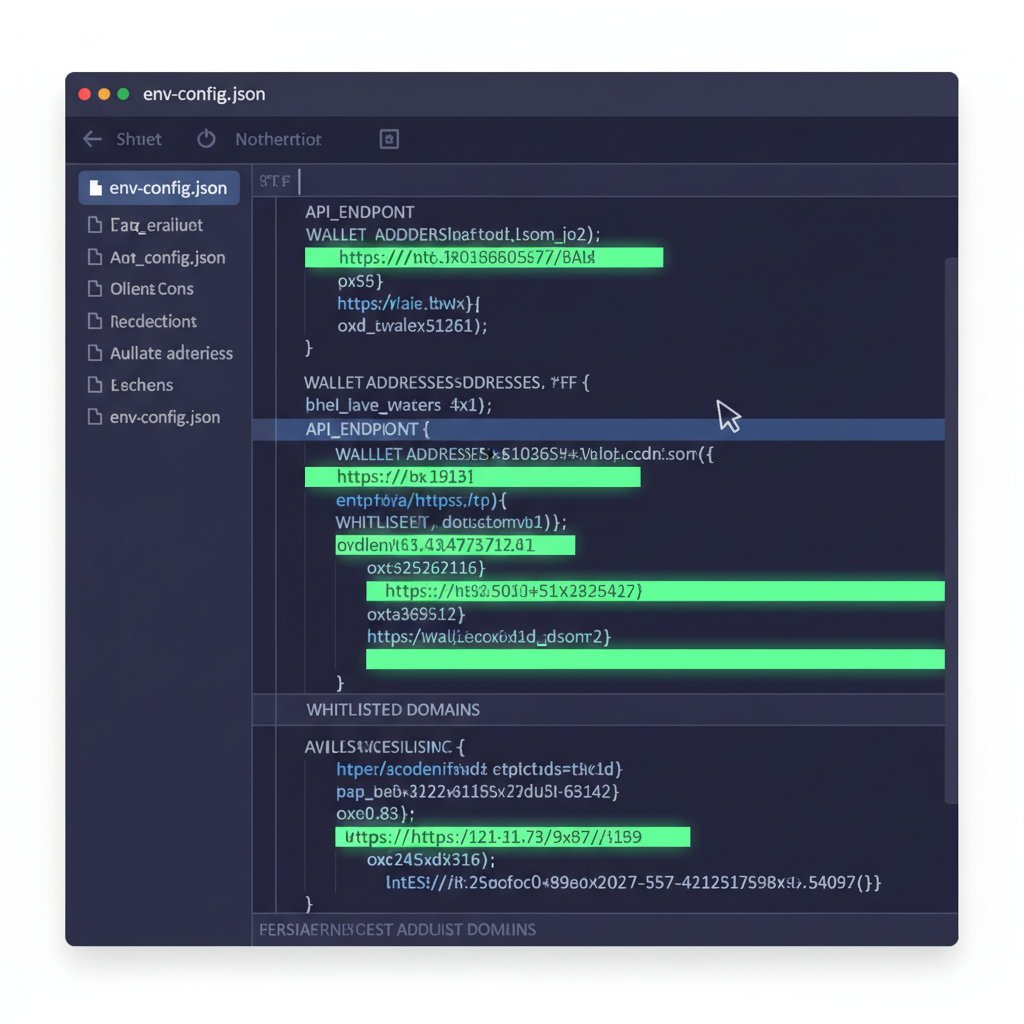
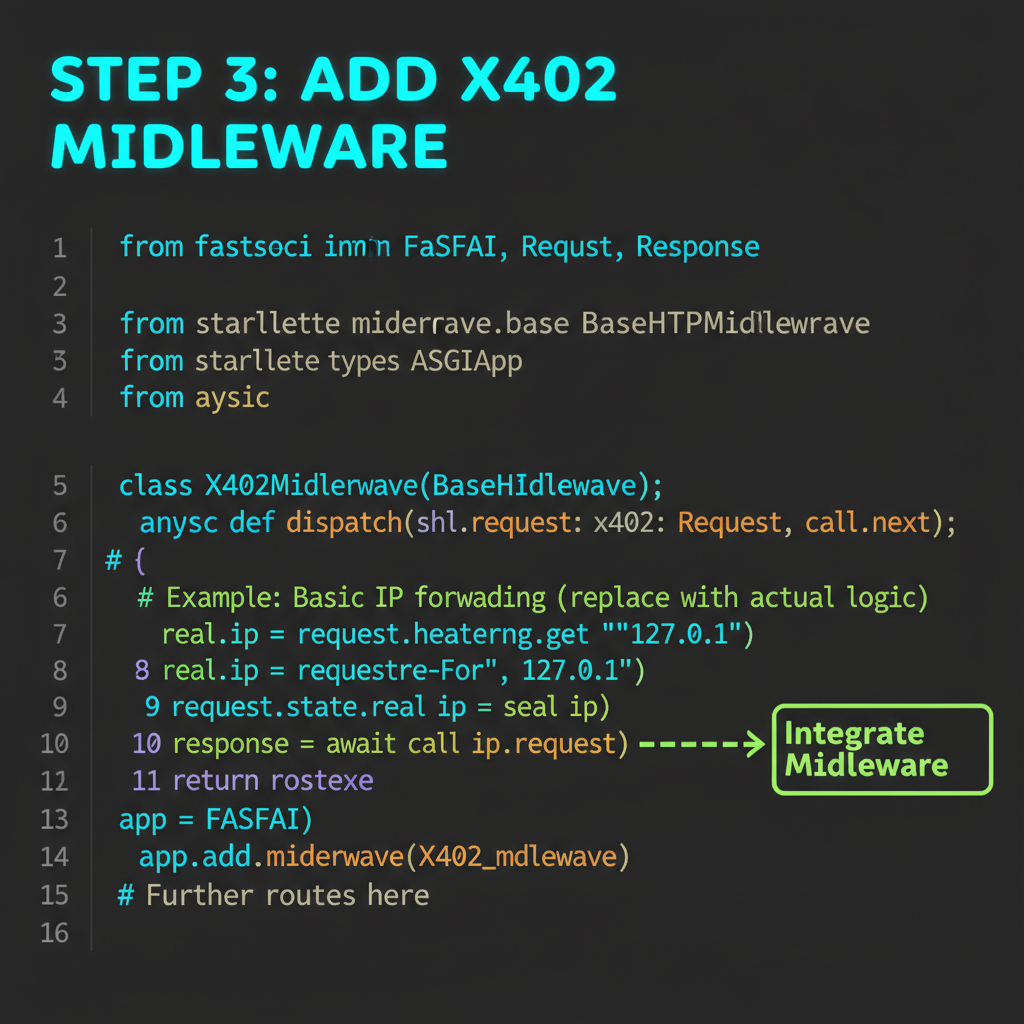
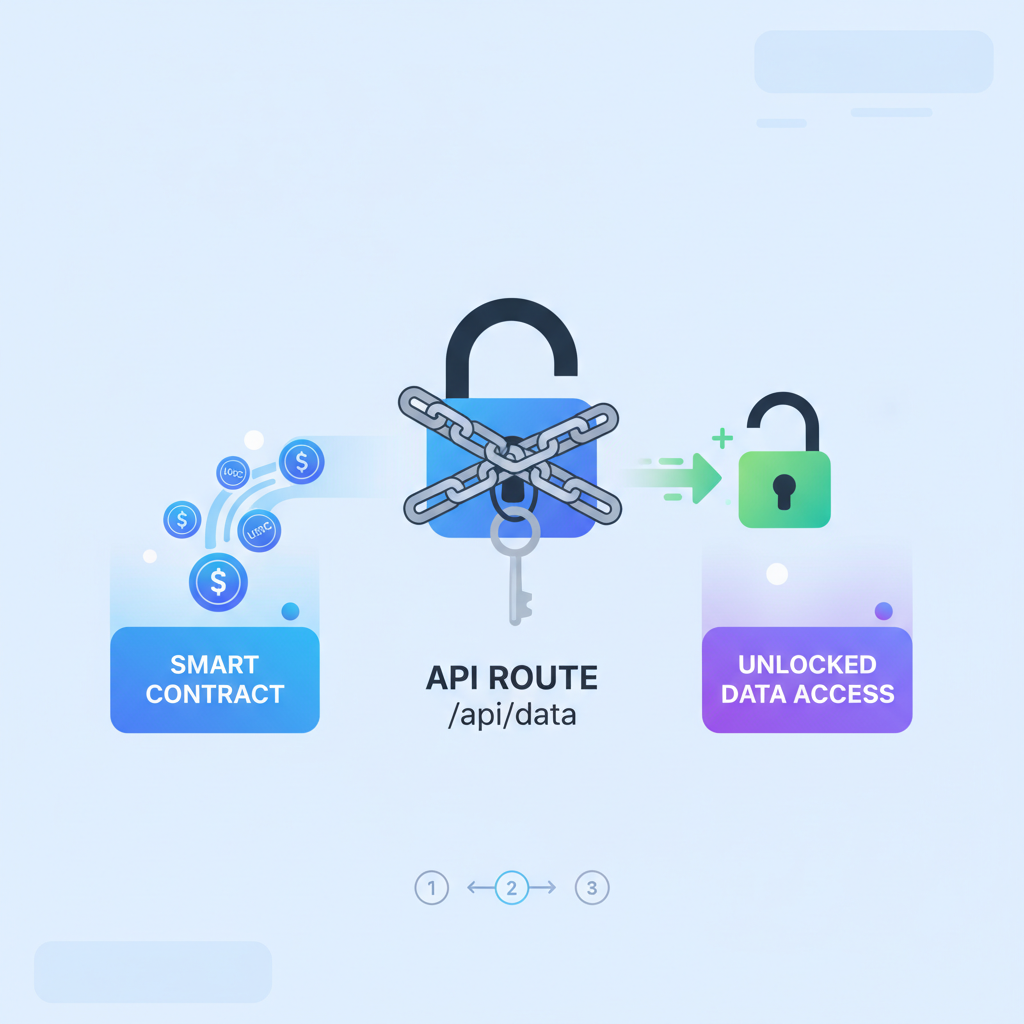

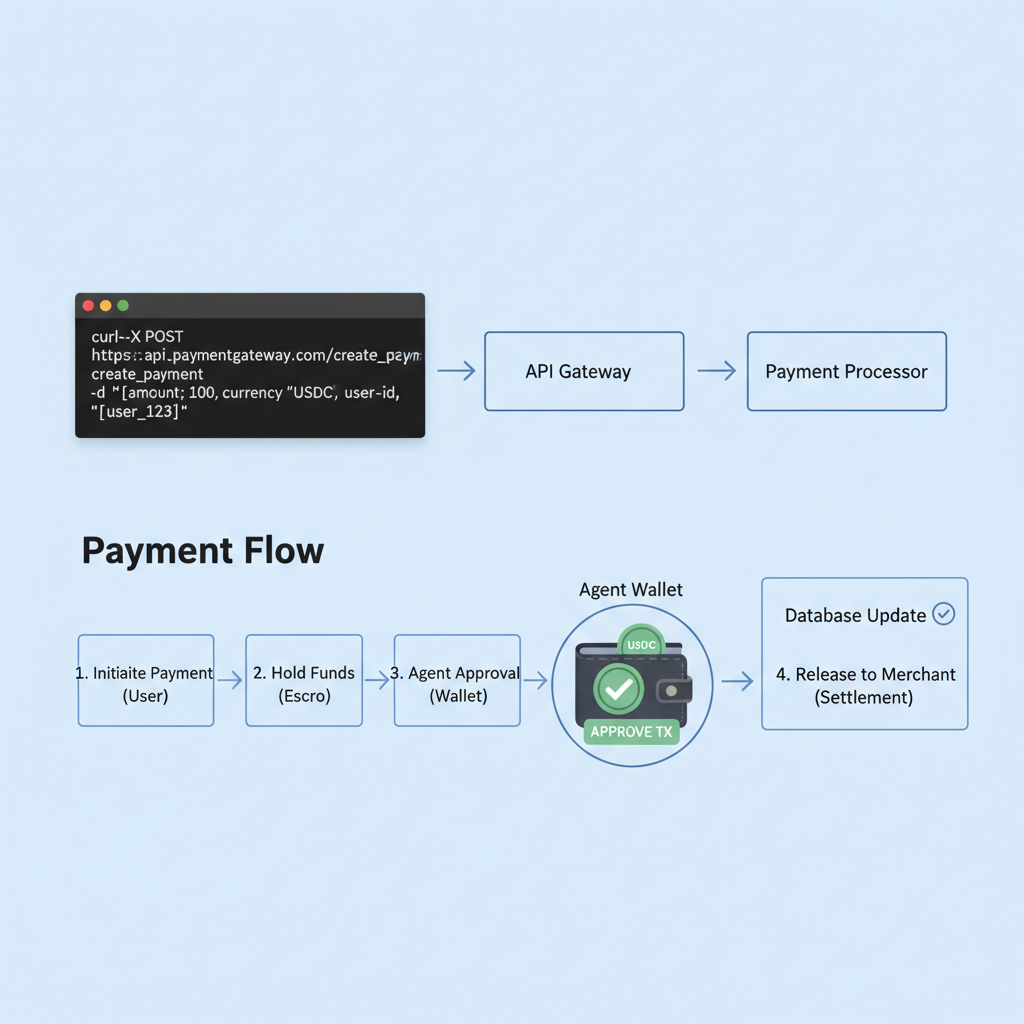
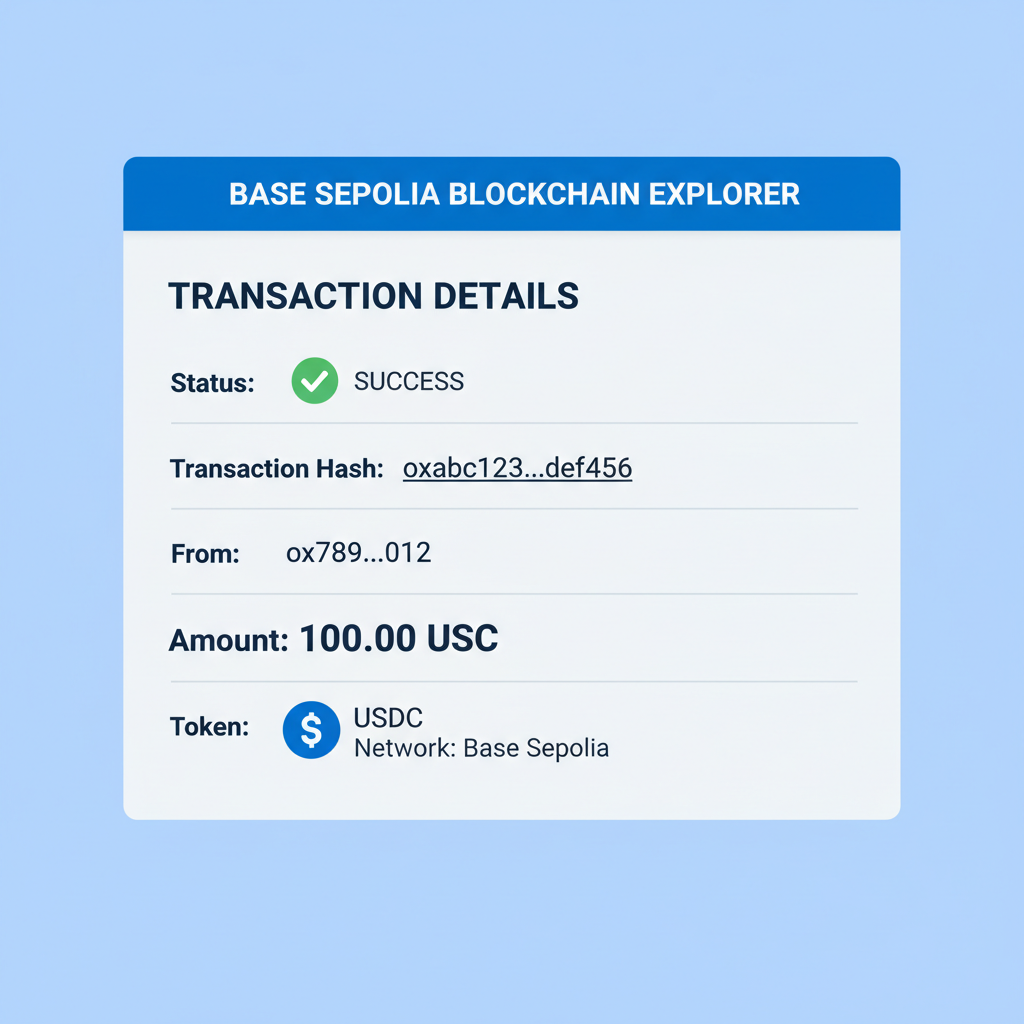
Once middleware hums, simulate agent traffic. Spin up a swarm using Kye Gomez's playbook: agents querying your/generate endpoint for image synthesis or predictions. Each call triggers a micro-USDC transfer, logged on-chain. Monitor via Basescan; fees stay under a cent even at scale.
Security first: validate facilitator signatures, rate-limit routes, and use multi-sig wallets for receipts. X402's statelessness cuts attack surfaces, but pair it with agent auth via DID or XMTP signatures for hybrid trust. Eco. com's Agent2Agent guide nods to this for stablecoin flows, though Coinbase's version shines brighter on Base.
Scaling? Shard your swarms across Base's throughput. Coinbase's CDP facilitator handles mainnet volume, syncing with COIN's momentum at $199.18 despite the recent $-10.14 (-4.84%) pullback. As adoption swells, expect x402 to juice COIN past recent highs like $208.21.

Unlocking Agent Economies: From Hackathons to Production
Lablab. ai's hackathon blueprints prove it: x402 powers AI-to-AI barters in minutes. One agent pays another for data enrichment; the recipient redeems via facilitator. Simply Staking calls this real-time consumption billing, severing paywalls from subscriptions. I've seen similar patterns propel digital commerce stocks; x402 positions Base as the agent hub.
Deploy to mainnet by swapping facilitators and funding with live USDC. Test exhaustively: curl barrages, agent stress tests. Tools like Swarms orchestrate fleets, turning solo agents into revenue machines. QuickNode's paywall tut extends this to frontends, blending HTML/JS with Express for hybrid apps.
Challenges? Oracle dependencies for off-chain triggers, but Base's ecosystem plugs those gaps. Regulatory nods too: USDC's compliance eases enterprise buy-in. For coinbase x402 integration, it's not just code; it's architecting autonomous value.
With COIN holding $199.18 amid volatility, x402 underscores Coinbase's edge in AI-native finance. Builders, dive in: fork repos from Base docs, deploy on Sepolia, iterate to mainnet. Your agents will thank you with flowing USDC. Explore deeper with how-to-integrate-x402-payment-intents-for-autonomous-ai-agent-transactions-in-2025.




No comments yet. Be the first to share your thoughts!