

As AI agents evolve into autonomous economic actors, the need for frictionless micropayments has never been more pressing. Base chain, with its BASE token at $0.1067 and a modest 24-hour gain of and $0.000640 ( and 0.006020%), stands out as the ideal Layer 2 for these transactions. Its low fees and instant USDC settlements pair perfectly with x402 payment intents, letting agents pay for API calls or data on the fly without clunky wallets or keys. This setup unlocks true agentic commerce right now.
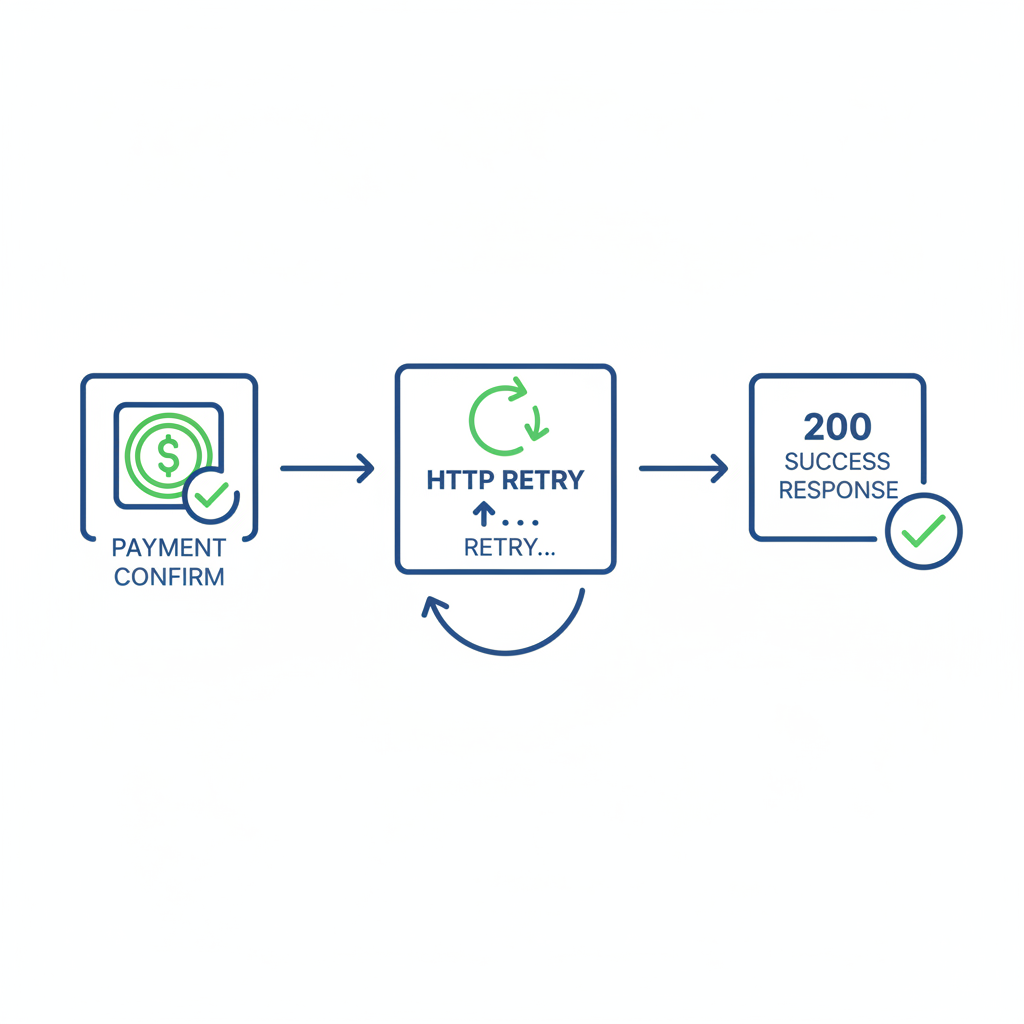
X402 leverages the HTTP 402 "Payment Required" status code to make payments as natural as any web request. Servers respond with payment details; agents settle via USDC on Base and retry. No accounts, no subscriptions- just pure, pay-per-use access. In December 2025 alone, x402 handled 63 million transactions worth $7.5 million across 1,100 projects, averaging $0.12 per tx. That's micropayment scale traditional rails can't touch.
X402's Edge for AI Agent Micropayments on Base
I've seen countless protocols promise the internet's payment future, but x402 delivers because it abstracts crypto's mess away. Built by Coinbase, it's open-source and HTTP-native, perfect for agents querying APIs or trading data. On Base, USDC txs settle in seconds for pennies, beating Ethereum's gas wars. Platforms like Pay2Agent and x402 Bazaar already index thousands of endpoints, proving real-world traction. Agents can now haggle prices autonomously or tip for premium compute- all settled on-chain.
x402 processed approximately 63 million transactions totaling around $7.5 million USDC across over 1,100 independent projects.
This isn't hype; it's infrastructure. Base's optimization for high-throughput, low-cost ops makes it the go-to for AI agent micropayments on Base. Forget centralized gateways- x402 enables peer-to-peer agent economies where value flows as freely as information.
Key Components of an X402 Payment Intent Flow
The beauty lies in its simplicity. An AI agent hits an endpoint. Server checks access: if paywall, boom- 402 response with payment URL, amount (say $0.001 USDC), and Base chain details. Agent crafts the intent, signs via wallet integration, broadcasts to Base, then resubmits the request with proof. Server verifies on-chain and serves the goods. Tools like XMTP for chat agents or xpay. sh frameworks handle this boilerplate.
- Client requests resource via HTTP.
- Server replies 402 with Payment-Intent header.
- Agent executes USDC transfer on Base.
- Retry with payment tx hash; access granted.
Security? On-chain proofs and nonce checks prevent replays. For self-hosted setups, spin up a self-hosted x402 server using Coinbase's GitHub repo- it's 10x easier than legacy crypto plumbing.
Base (BASE) Price Prediction 2027-2032
Forecasts based on x402 adoption for AI agent micropayments, market cycles, and Base chain growth from current $0.1067 (2026)
| Year | Minimum Price | Average Price | Maximum Price | YoY % Change (Avg) |
|---|---|---|---|---|
| 2027 | $0.10 | $0.18 | +63% | |
| 2028 | $0.14 | $0.28 | +56% | |
| 2029 | $0.22 | $0.42 | +50% | |
| 2030 | $0.32 | $0.62 | +48% | |
| 2031 | $0.45 | $0.88 | +42% | |
| 2032 | $0.60 | $1.15 | +31% |
Price Prediction Summary
Base (BASE) is expected to experience steady growth from 2027-2032, driven by x402 protocol integration enabling AI agent micropayments. Conservative minimums reflect bearish market cycles and competition, while maximums capture bullish adoption scenarios, potentially reaching $2.00+ amid high transaction volumes (e.g., 63M txns in 2025). Average prices project 40-60% YoY gains early, tapering as maturity sets in.
Key Factors Affecting Base Price
- Widespread x402 adoption boosting Base TVL and tx volume (e.g., $7.5M USDC in Dec 2025)
- AI agent economy expansion via platforms like Coinbase x402 Bazaar and Pay2Agent
- Crypto market cycles: post-2026 recovery into 2028 bull run
- Regulatory support for L2s and stablecoin micropayments
- Low fees/high speed advantages over competitors (Optimism, Arbitrum)
- Tech upgrades in Base for scalable agentic commerce
Disclaimer: Cryptocurrency price predictions are speculative and based on current market analysis. Actual prices may vary significantly due to market volatility, regulatory changes, and other factors. Always do your own research before making investment decisions.
Preparing Your Base Chain Wallet and USDC for Agents
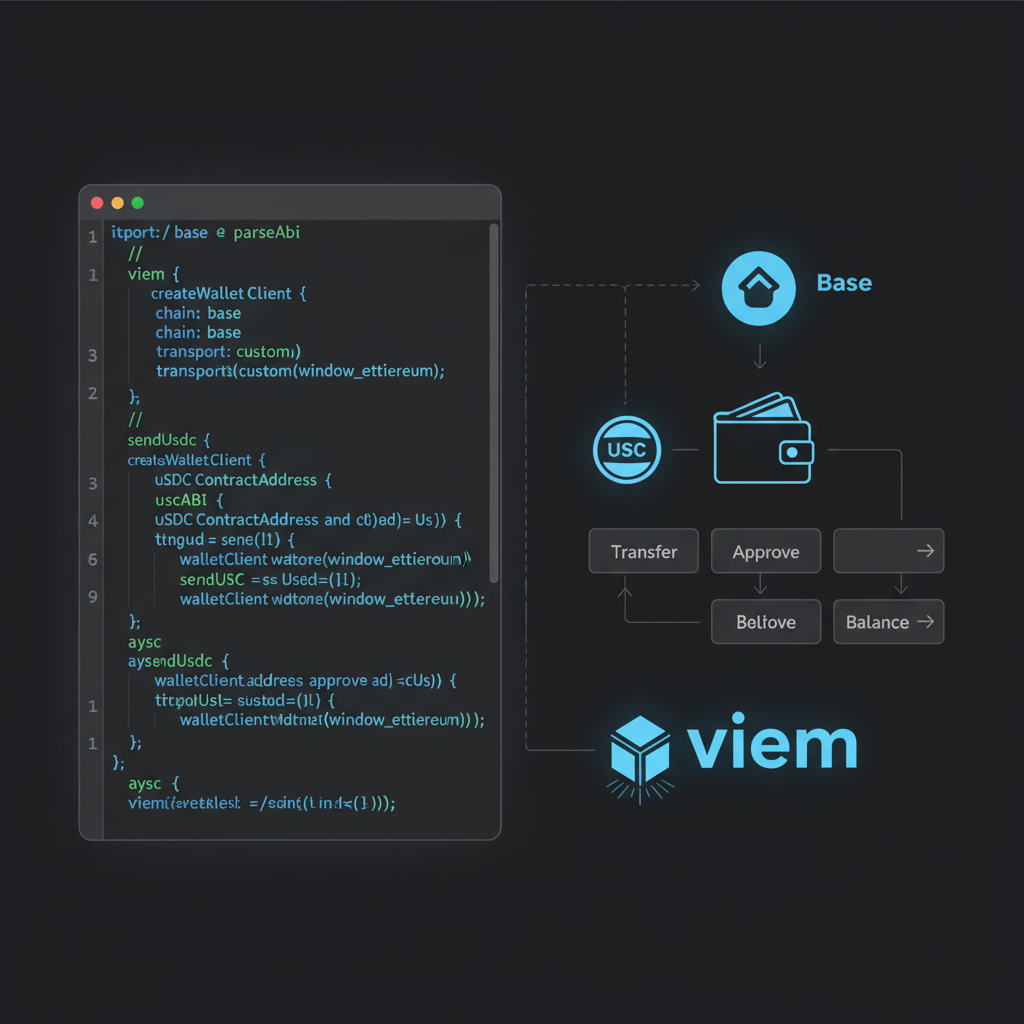
Start practical: fund an agent wallet with USDC on Base. Use Coinbase Wallet or any EVM-compatible like MetaMask, bridged via official Base tools. Minimums? Pennies work, but batch intents for efficiency. Integrate viem or ethers. js for signing- here's a starter:
Next, point your agent to x402 Bazaar for endpoints. Test with a simple curl to a paywalled API; watch the 402 magic. This foundation scales to complex agent swarms negotiating deals across chains, but Base keeps costs grounded. Dive deeper into full Base integration guides once wired.
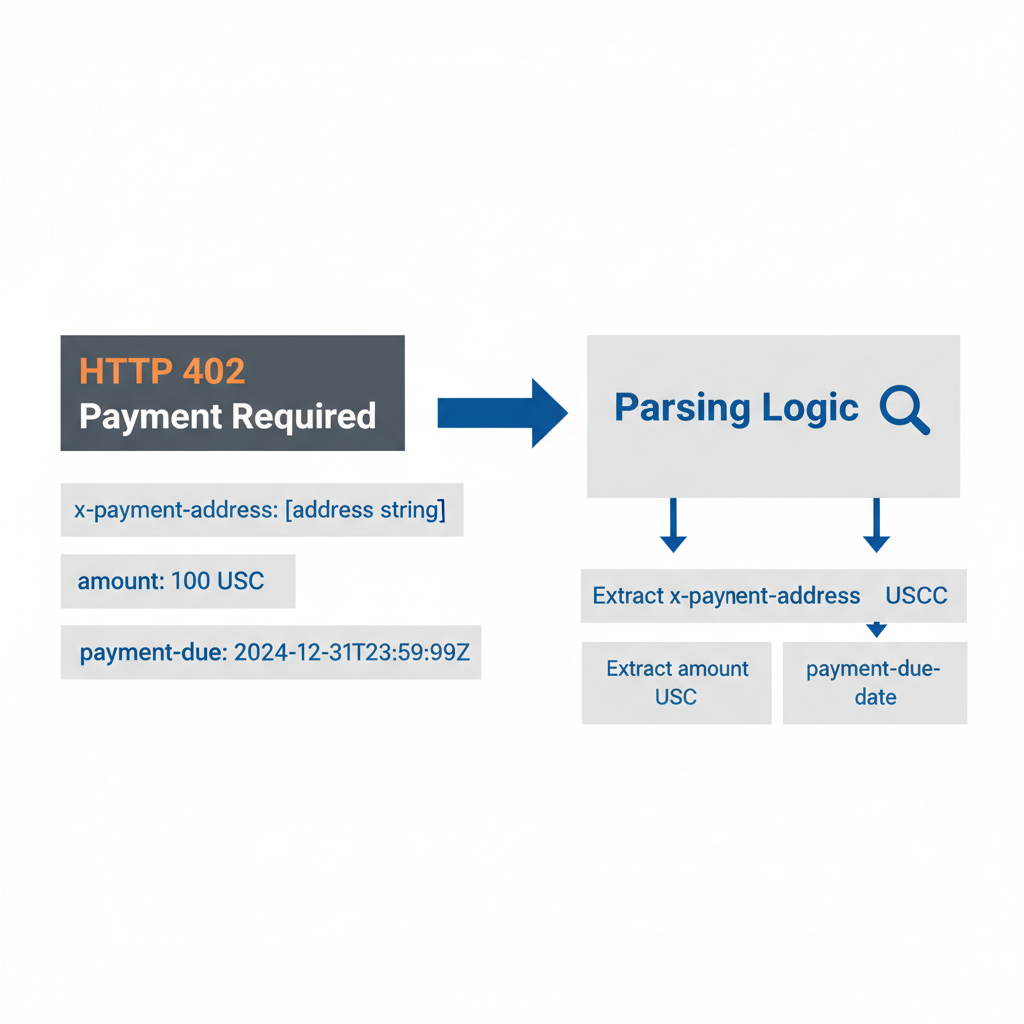
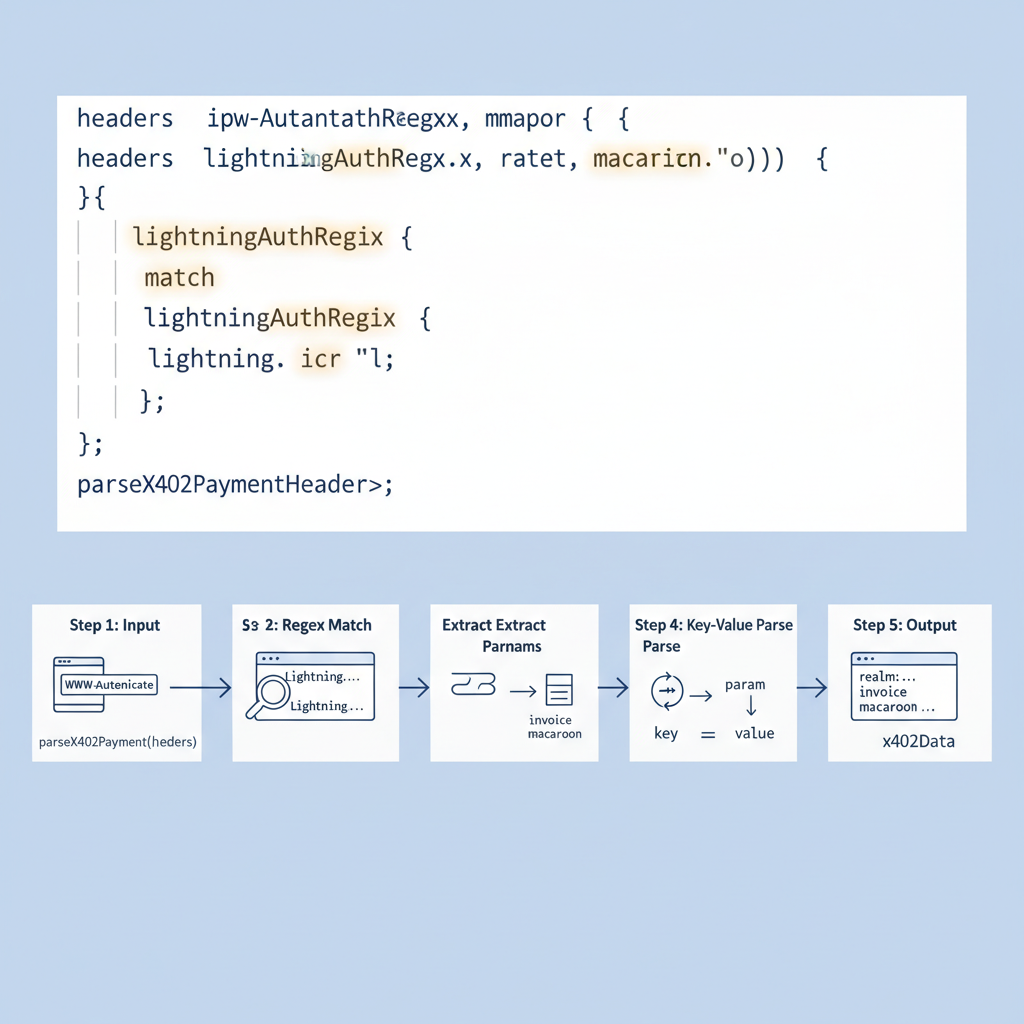
Agents thrive when they can reason about costs and pay autonomously, so wire in logic to parse 402 responses and trigger intents. With Base's BASE token holding steady at $0.1067 after a 24-hour climb of $0.000640 (0.006020%), transaction economics stay predictable- no wild swings disrupting agent budgets.
Step-by-Step: Building an X402-Enabled AI Agent Client
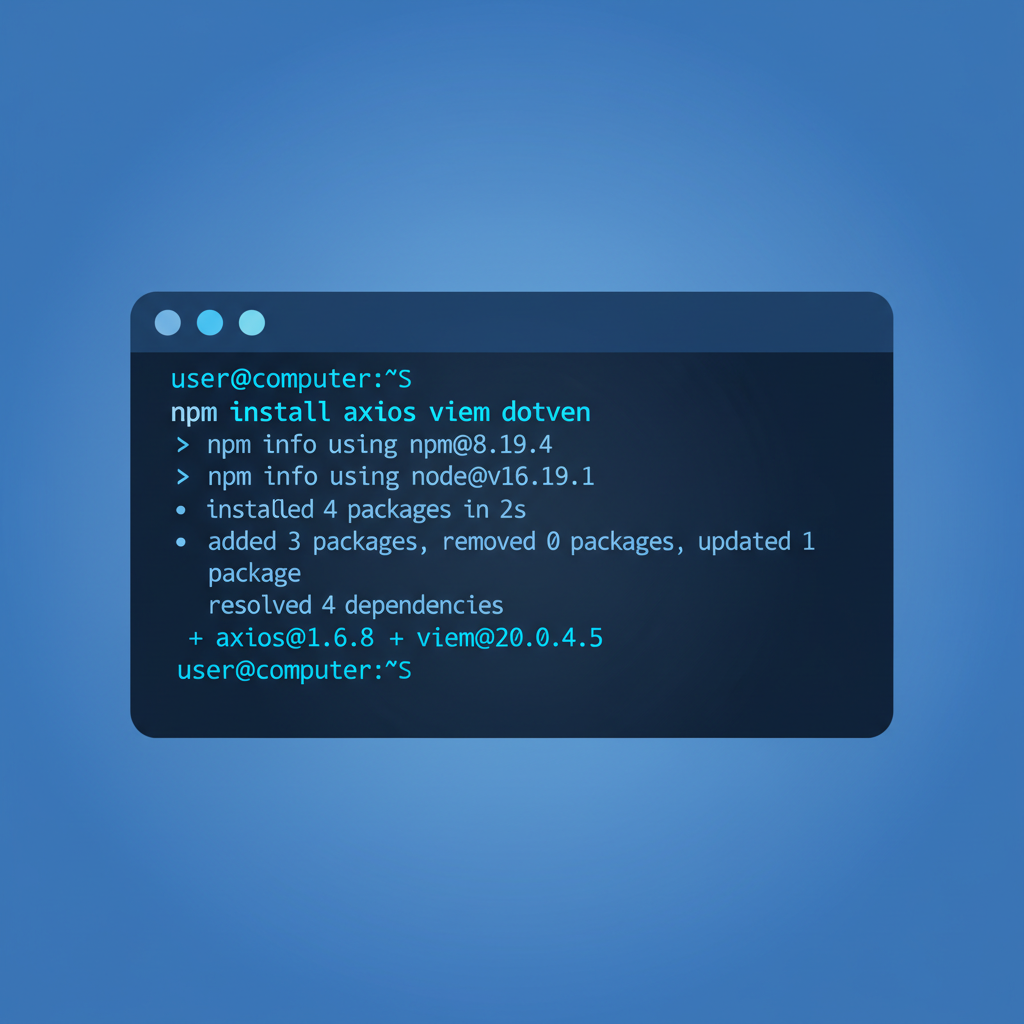
Let's get hands-on. You'll need Node. js, viem for Base RPCs, and an AI framework like LangChain for decision-making. The agent detects a 402, extracts the payment intent (amount, chain ID for Base #8453, USDC contract), approves spend, transfers, and retries. This loop powers everything from data fetches to compute rentals.
Implement x402 Micropayments: Node.js AI Agent on Base Chain
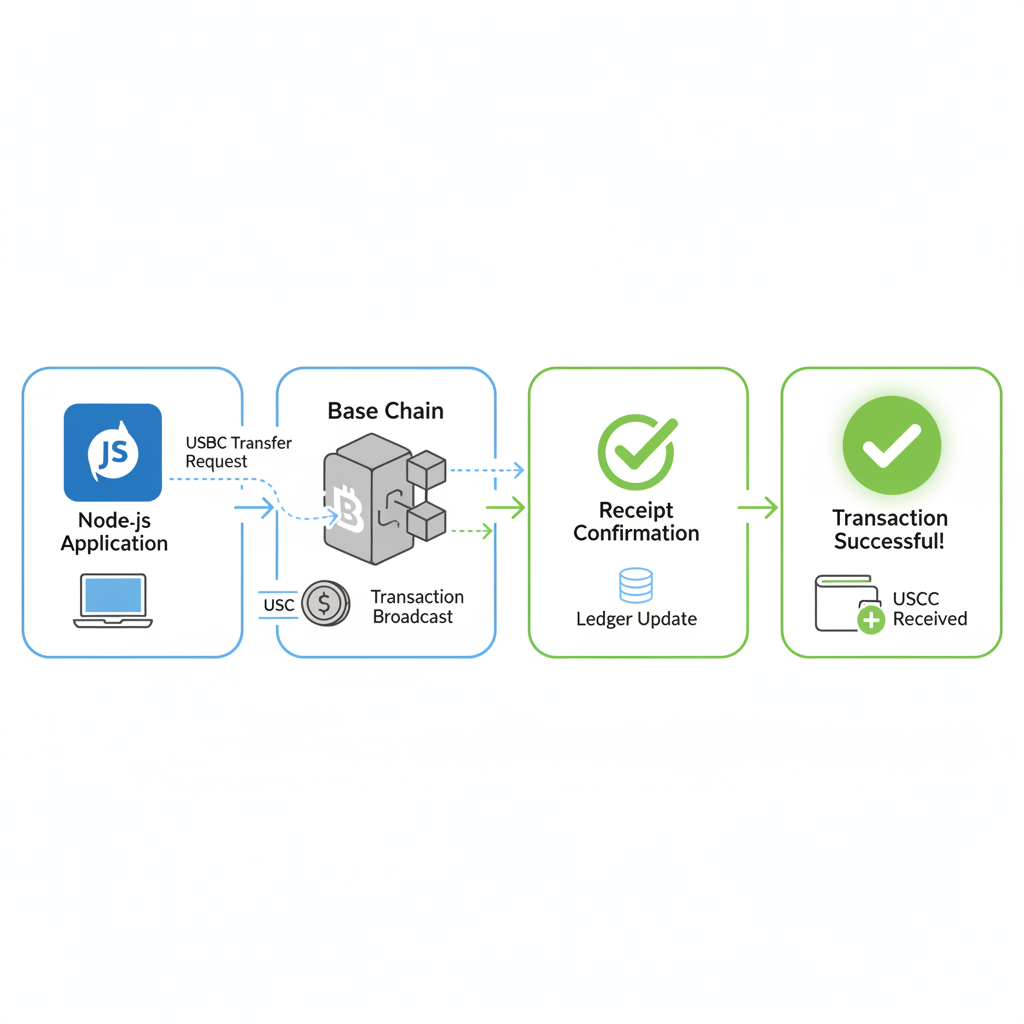
Once scripted, your agent queries x402 Bazaar endpoints autonomously. Feed it a prompt like "Fetch weather data for NYC"- it hits the paywalled API, settles $0.001 USDC, and processes the response. Scale to swarms where agents subcontract tasks, splitting micropayments peer-to-peer.
Setting Up a Self-Hosted X402 Server
Monetize your own APIs next. Clone Coinbase's self-hosted x402 server from GitHub, configure for Base USDC, and deploy on Vercel or a VPS. Add middleware to check payments via Base RPC before serving responses. It's HTTP 402 AI payments at its simplest- no Stripe, no subs.
- npm init; npm i express viem @coinbase/x402-server
- Define paywalls: GET/premium-data - and gt; $0.05 USDC
- Expose/pay endpoint for intent creation
- Verify txs with Base explorer integration
This turns static APIs into agent economies. Test locally: curl your endpoint, pay from a test wallet, access granted. Production? Rate-limit by wallet to fend off spam, and batch verifications for speed.
Over 4,800 mainnet endpoints already live, averaging $0.12 transactions- your service joins a thriving network.
Pro tip: Integrate with XMTP for chat-based agents. They negotiate prices mid-convo ("$0.001 or $0.002 for faster compute?") then settle via x402. Base's low fees- fractions of a cent- make haggling viable.
Testing, Security, and Going Live
Security first: Use HD wallets for agents, rotate nonces, and monitor for double-spends via on-chain proofs. Testnets like Base Sepolia mimic mainnet perfectly. Deploy your agent to a serverless function; it runs headless, paying as needed.
Real traction? December 2025's 63 million x402 txs at $7.5 million USDC show the model works. Platforms like Pay2Agent handle edge cases, letting agents pay each other directly. For Coinbase x402 Base integration, check detailed Node. js flows to avoid pitfalls.
Live example: An agent swarm scraping niche data markets, each tx $0.12 on average, settled in seconds on Base. Costs? Under $0.001 per settlement, leaving ample margins. As BASE hovers at $0.1067 with a 24h high of $0.1070, this L2 remains the smart bet for scaling AI agent micropayments Base.
Agents aren't waiting- build yours today. Wire the intents, deploy to Base, and watch autonomous commerce unfold. From single API calls to full economies, x402 payment intents deliver the plumbing. Your edge? Start small, iterate fast, profit steadily.
Node. js implementation details unlock even smoother deploys.



No comments yet. Be the first to share your thoughts!