

Imagine AI agents negotiating services, tendering micropayments in USDC, and accessing premium APIs without human intervention - all on the Base chain. With Coinbase Global Inc (COIN) holding steady at $164.05 despite a $1.98 dip over the past 24 hours, the coinbase x402 integration stands out as a beacon for developers building autonomous economies. This HTTP 402 payment protocol revives a long-dormant status code to enable instant, stablecoin-based transactions directly over HTTP, perfect for AI agent micropayments base.
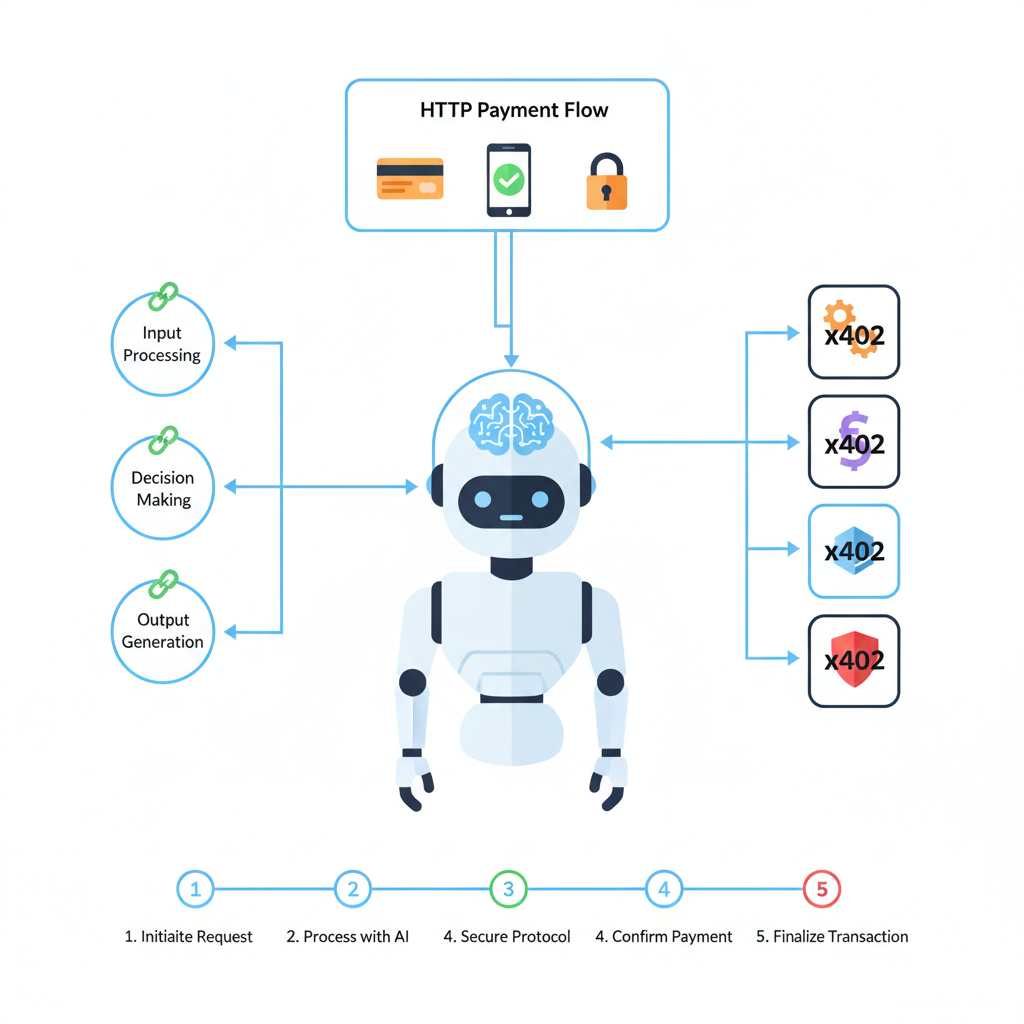
X402, developed by Coinbase, lets AI agents request resources from services. If payment is required, the server responds with a 402 status, embedding payment details in the WWW-Authenticate header. The agent then settles via the x402 Facilitator, which handles verification and settlement on Base. No need for providers to run nodes; Coinbase manages the blockchain heavy lifting. This setup powers agent-to-agent commerce, from data queries to compute rentals, fostering a marketplace listed in the new x402 Bazaar.

X402's Edge Over Traditional Payment Rails for AI
Traditional APIs rely on clunky subscriptions or pre-funded wallets, but x402 flips the script. Agents pay per request in real-time USDC, aligning costs with value delivered. On Base, transactions settle in seconds at pennies, ideal for high-volume x402 ai payments coinbase. I've traded COIN through volatile swings, and seeing its protocol drive adoption at $164.05 - with a 24-hour range from $163.29 to $173.89 - underscores the momentum.
Consider AI hackathons where agents fetch market data or run simulations. Without x402, you'd hack together wallets and RPC calls. Here, a simple HTTP flow suffices. Sources like Base docs highlight how it empowers chat agents, while QuickNode guides show paywalls on Sepolia testnet using Express. Chainbase's integration proves it's scaling for production x402 payment intents.
X402 Payment Middleware for AI Agents (Node.js)
This sample code from the Coinbase workshop demonstrates a Node.js Express server integrating the X402 payment protocol. It protects an AI agent endpoint, requiring micropayments on the Base chain via Coinbase payment intents.
const express = require('express');
const app = express();
app.use(express.json());

// Middleware to enforce X402 payments for AI agent endpoints
app.use('/api/ai/*', (req, res, next) => {
  const auth = req.get('Authorization');
  if (!auth || !auth.startsWith('Payment ')) {
    res.set({
      'WWW-Authenticate': 'Payment payto:"payto://base/8453/0x742d35Cc6634C0532925a3b8D7fE6D9Bb90f0E5E?amount=1000000000000000¤cy=ETH"',
      'Payment-Network': 'base'
    });
    return res.status(402).json({ error: 'Payment Required' });
  }
  // Verify payment intent with Coinbase API (simplified)
  if (!verifyCoinbasePayment(auth.slice(8))) {
    return res.status(402).json({ error: 'Invalid Payment' });
  }
  next();
});

app.post('/api/ai/compute', (req, res) => {
  // Simulate AI agent computation
  const result = { output: 'Processed AI micropayment request on Base chain!' };
  res.json(result);
});

function verifyCoinbasePayment(paymentToken) {
  // In production, verify with Coinbase Payment Intents API
  // For demo, mock verification
  return paymentToken === 'valid_token';
}

app.listen(3000, () => {
  console.log('X402 Payment Server running on port 3000');
});
Deploy this server and test by sending requests to `/api/ai/compute` without/with a valid `Authorization: Payment valid_token` header. Replace the mock verification with real Coinbase API calls for production use on Base (chain ID 8453).
Setting Up Your Base Development Environment
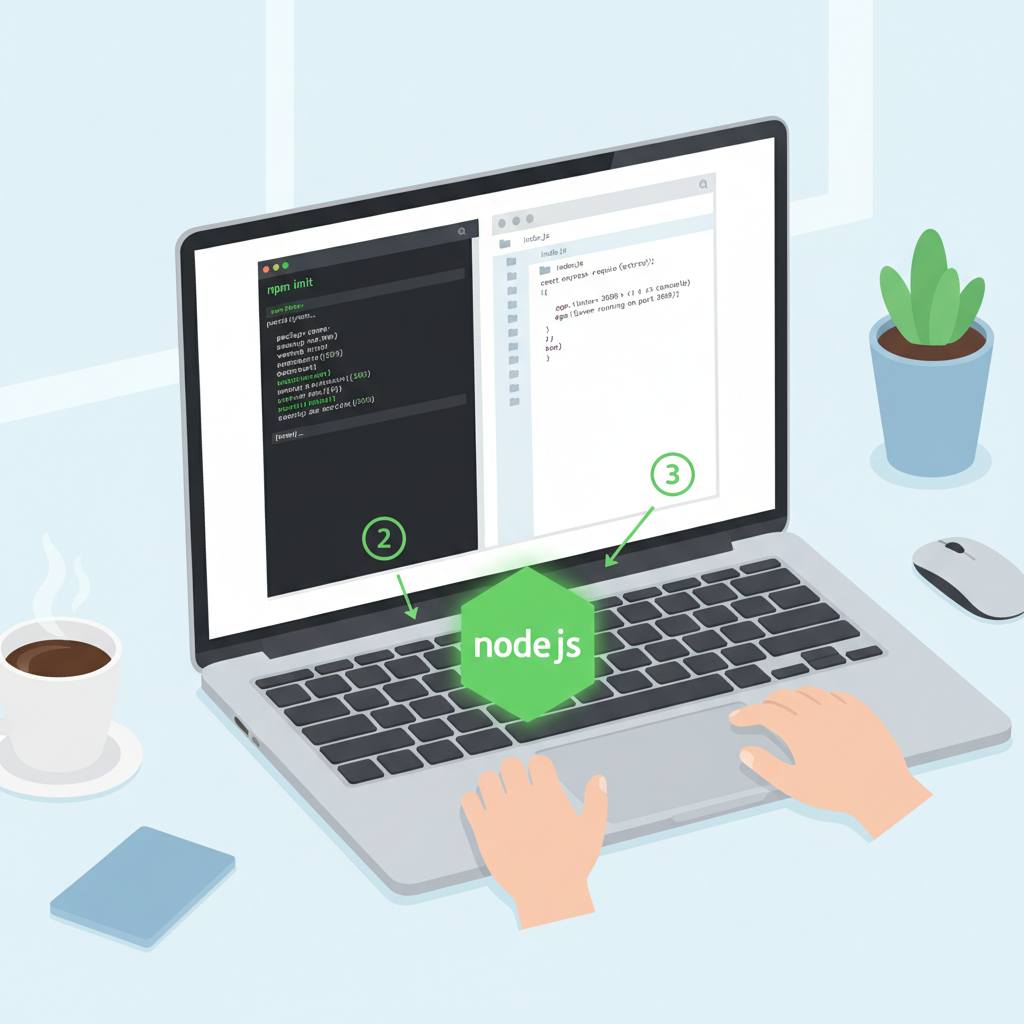
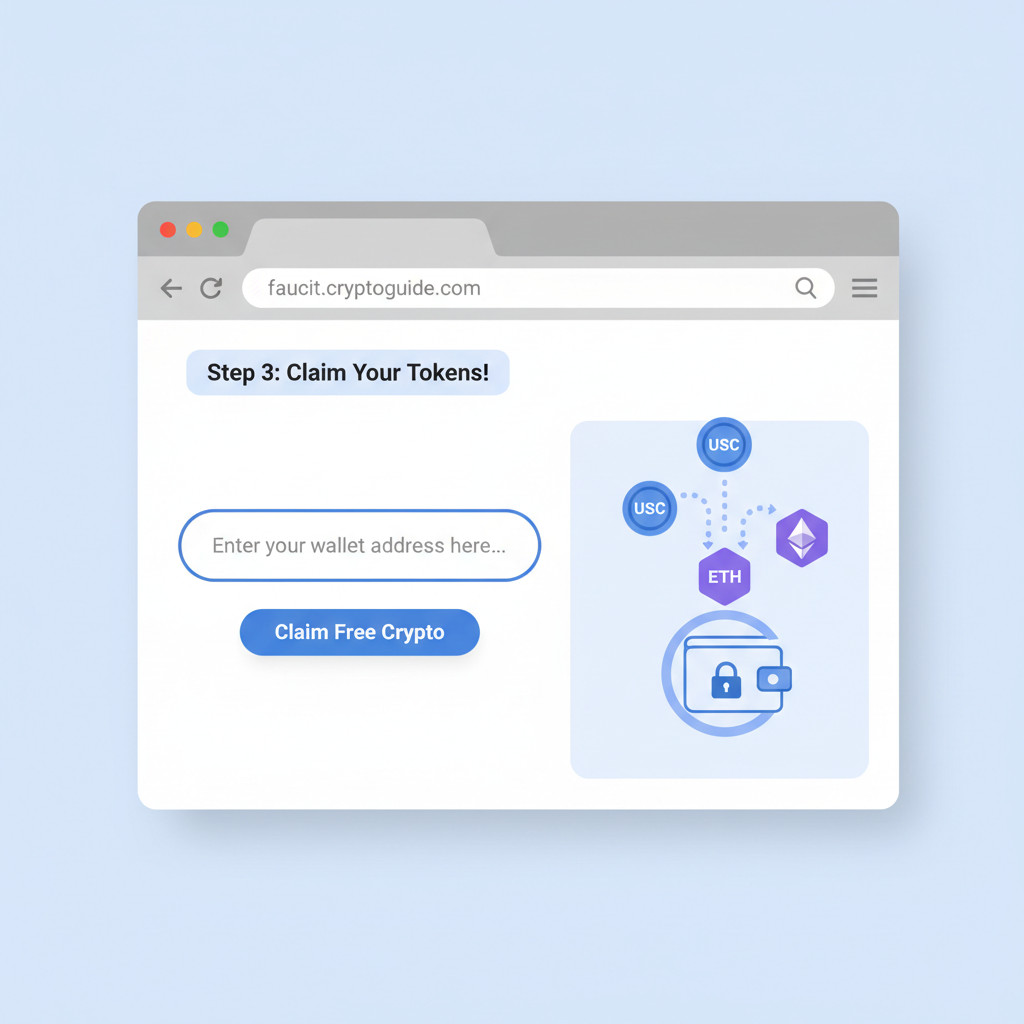
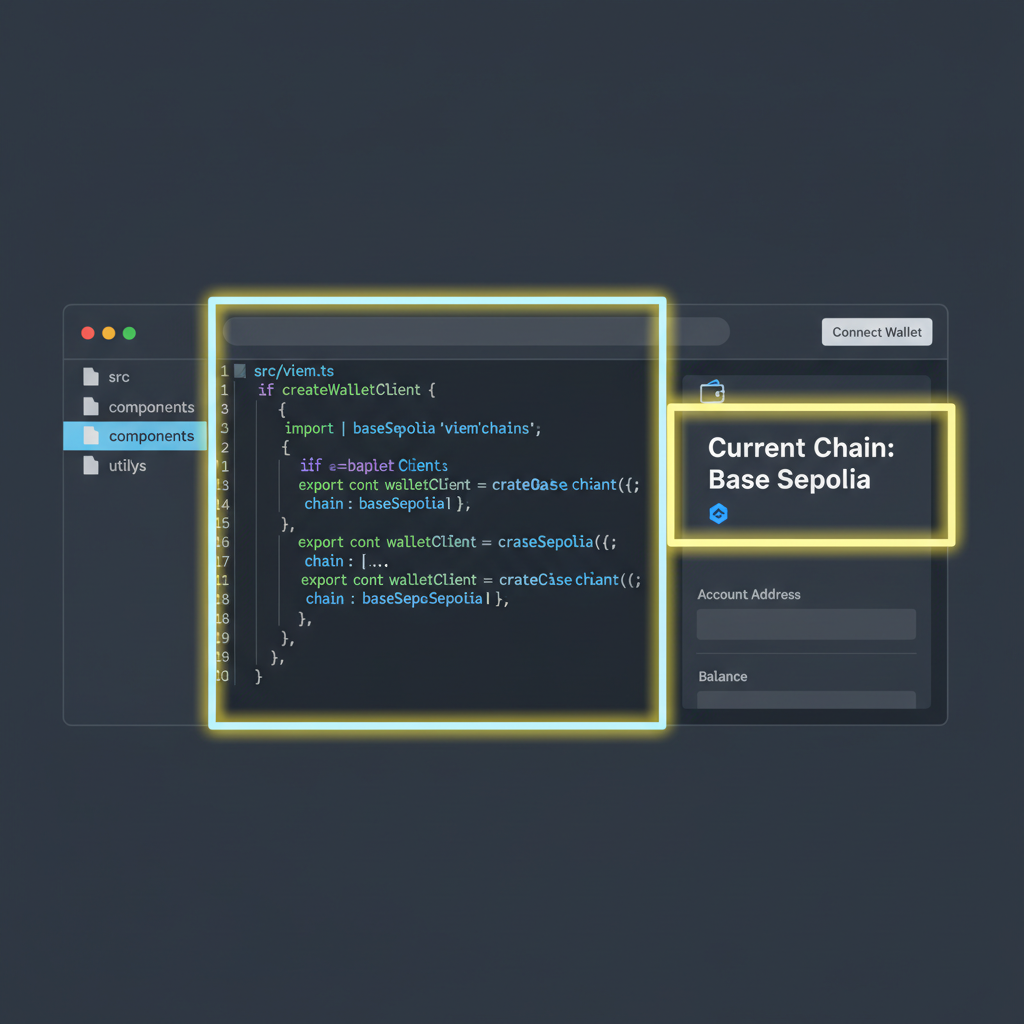
Start with a funded wallet on Base Sepolia testnet. Grab free USDC from faucets like Base's official one. Install Node. js, Yarn, and the Coinbase SDK. You'll need an API key from Coinbase Developer Platform - sign up, create a project, and enable Base chain support.
- Clone a starter repo or init:
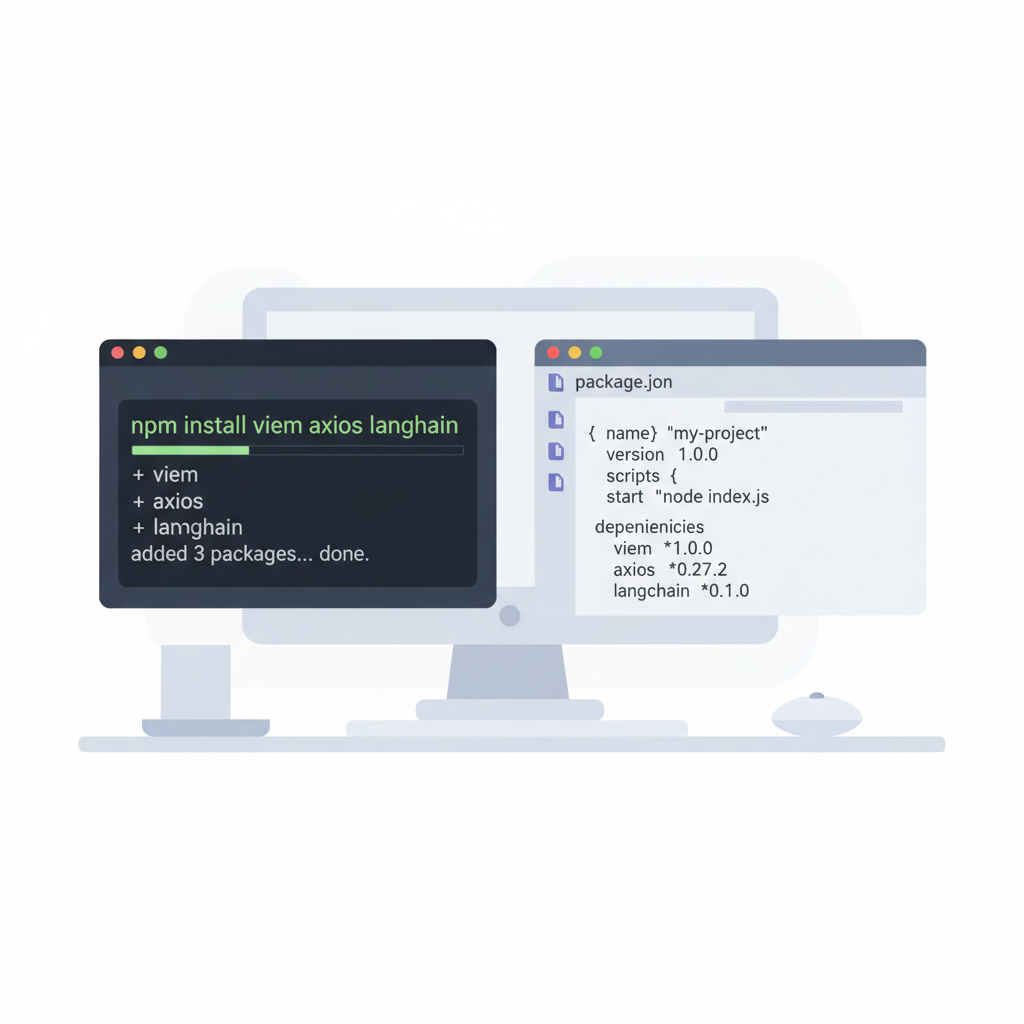
mkdir x402-agent and amp; and amp; cd x402-agent and amp; and amp; yarn init -y - Install deps:
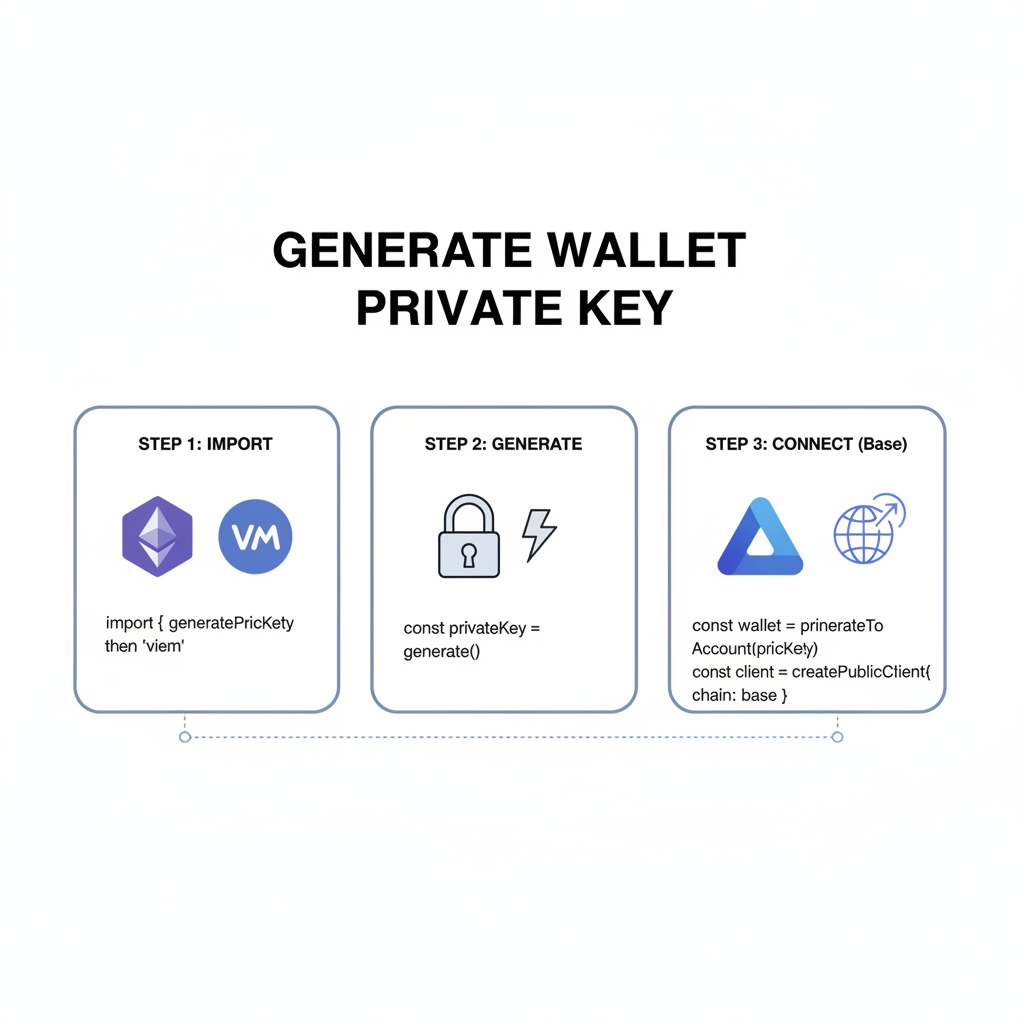
yarn add express @coinbase/x402-sdk viem - Configure. env: BASE_SEPOLIA_RPC_URL, PRIVATE_KEY, COINBASE_API_KEY.
This mirrors real-world setups from Lablab. ai hackathon guides, ensuring your agent can both buy and sell services.
Dive into code. As the seller, wrap endpoints with x402 middleware. It intercepts requests, checks wallet balance via Facilitator, and demands payment if short. Here's the crux:
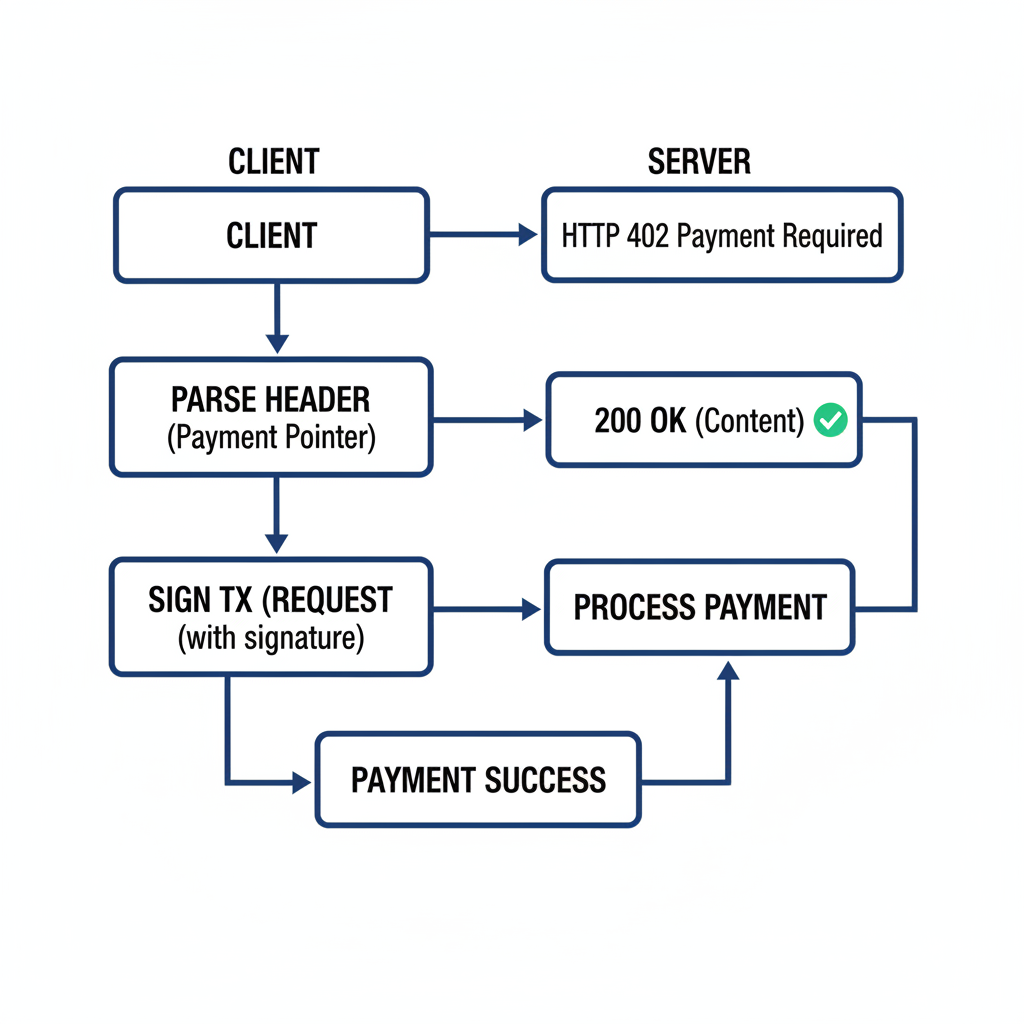
Define intents with amount, token (USDC), chain (Base), and nonce. Agents parse the 402 header, sign a payment message, and POST to/pay. On success, retry the original request with Payment-Authorization header.
Pro tip: Use viem for wallet ops. Test with curl or a buyer script simulating an AI agent. This streamlines usdc micropayments, cutting latency versus full smart contracts.
Next, we'll agent-ify it, but first grasp the flow: request → 402 → pay → access. With COIN at $164.05, now's prime time to build before mass adoption spikes fees.
That flow - request, 402 challenge, payment, authorization - is the heartbeat of x402 payment intents. Now let's agent-ify your setup. Picture your AI querying a premium data feed for real-time sentiment analysis. It hits the endpoint, gets slapped with a 402 demanding 0.01 USDC, pays via Facilitator, and unlocks the goods. This autonomy scales to swarms of agents bartering compute or insights on Base.
Implementing the AI Agent as X402 Buyer
Shift to the buyer side. Agents need logic to parse WWW-Authenticate headers, craft payment messages, and sign with their wallet. Leverage the @coinbase/x402-sdk for this; it abstracts the crypto plumbing. Integrate with frameworks like LangChain or AutoGen by hooking into their HTTP clients. For a Node. js agent, intercept responses, detect 402, extract intent details, and execute.
JavaScript: AI Agent Parsing 402, Signing Payment, and Retrying with viem & x402 SDK
When an AI service on the Base chain responds with HTTP 402 (Payment Required), the agent must parse the response to extract the payment intent, sign a cryptographic message authorizing the micropayment using viem, and retry the request with the x402 SDK.
import { createWalletClient, http, parseEther } from 'viem';
import { base } from 'viem/chains';
import { privateKeyToAccount } from 'viem/accounts';

import { X402Client } from '@x402/sdk'; // Install via npm i @x402/sdk

// Setup wallet client for Base chain
const walletClient = createWalletClient({
  account: privateKeyToAccount('0xYOUR_PRIVATE_KEY'),
  chain: base,
  transport: http(),
});

async function aiAgentPaidRequest(url, requestOptions) {
  let response = await fetch(url, requestOptions);

  if (response.status === 402) {
    // Parse 402 response using x402 SDK
    const x402 = new X402Client(response);
    const paymentIntent = await x402.parsePaymentIntent();

    // Sign the payment message (EIP-712 typed data or personal message)
    const signature = await walletClient.signMessage({
      message: paymentIntent.paymentMessage,
    });

    // Retry the original request with payment authorization
    response = await x402.retryRequest({
      ...requestOptions,
      headers: {
        ...requestOptions.headers,
        'X-Payment-Signature': signature,
      },
    });
  }

  if (!response.ok) {
    throw new Error(`Request failed: ${response.status}`);
  }

  return response.json();
}

// Example usage for AI micropayment
(async () => {
  const result = await aiAgentPaidRequest('https://ai-service.on.base/api/completions', {
    method: 'POST',
    headers: { 'Content-Type': 'application/json' },
    body: JSON.stringify({
      prompt: 'Generate a poem about micropayments',
      max_tokens: 100,
    }),
  });
  console.log(result);
})();
This example integrates seamlessly with Coinbase-compatible wallets on Base. Ensure `@x402/sdk` and `viem` are installed (`npm i viem @x402/sdk`). Replace `'0xYOUR_PRIVATE_KEY'` with your actual private key or connect a user wallet. The payment is settled atomically via the intent on retry.
Opinion: Raw HTTP keeps it lightweight versus bloated agent kits. I've seen over-engineered bots flop in volatile markets; simplicity wins. With COIN trading between $163.29 low and $173.89 high yesterday, Coinbase's ecosystem proves resilient for builders.
Monetize via x402 Bazaar. List your service - say, an NLP model charging per inference - and watch agents discover it. Medium posts on Swarms and x402 nail this: middleware wraps APIs, verifies payments serverlessly.
Build an X402 AI Agent Buyer: Wallet to Micropayment Flow on Base Sepolia
Testing and Debugging Micropayments
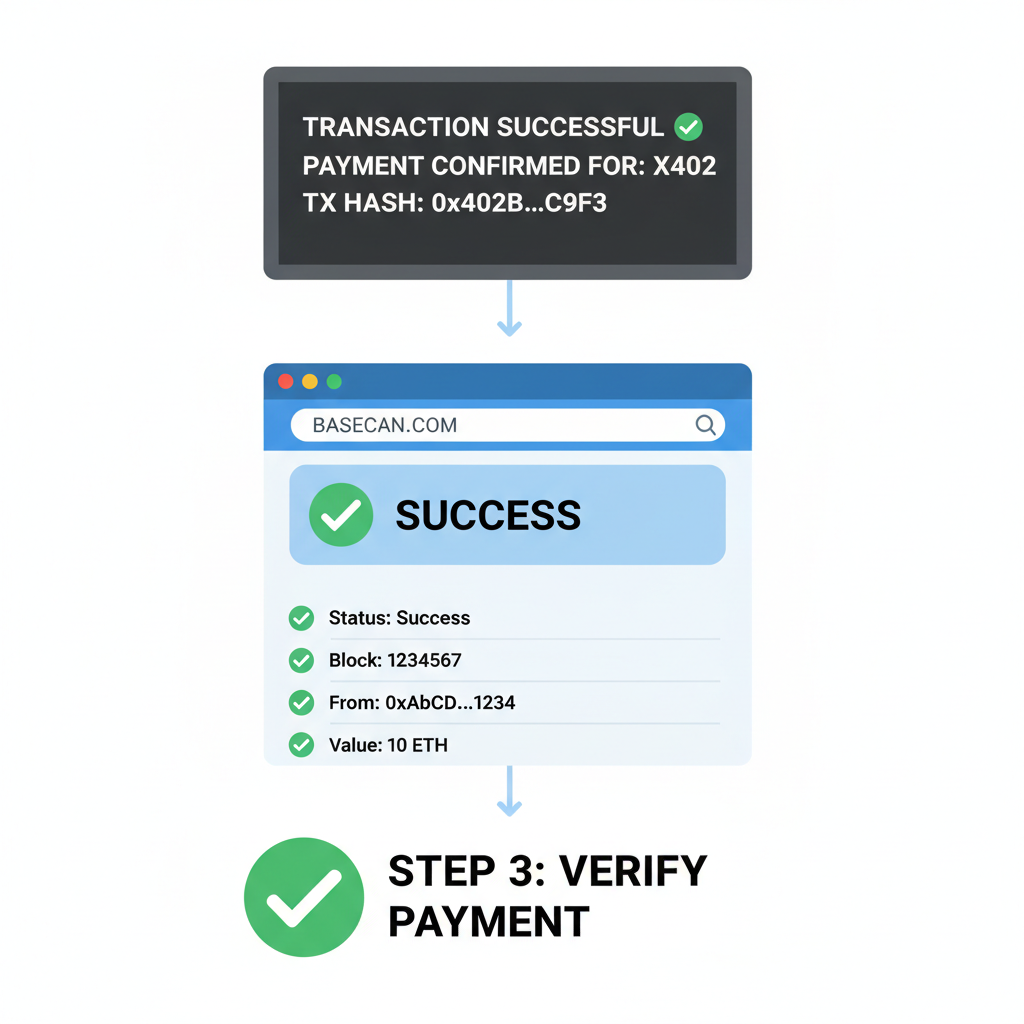
Test rigorously on Sepolia. Spin up seller and buyer scripts. Curl the endpoint sans auth to trigger 402, then simulate agent payment. Monitor via Base explorer or Coinbase dashboard. Common pitfalls: nonce mismatches, insufficient test USDC, RPC timeouts. Debug with verbose SDK logs.
- Fund buyer wallet: Base faucet → bridge USDC.
- Run seller:
node server. js. - Buyer request: Fetch with agent logic, expect 402, pay, retry.
- Verify: Check Facilitator settlement on-chain.
Scale to mainnet once solid. Gas on Base stays under 5 gwei typically, perfect for ai agent micropayments base. QuickNode's Express paywall tut speeds this up.
Real-World Use Cases and Scaling
Deployed agents thrive in agent-to-agent markets. One fetches Chainlink oracles, pays per datum. Another rents GPU cycles via Akash, settling in USDC blinks. Chainbase's x402 tie-in powers indexed queries; Lablab. ai hackathons demo A2A payments. For traders like me, agents could scan charts, pay for alpha signals, execute swings - all automated.
Node. js x402 intents shine here, blending Express backends with viem wallets. Pair with Coinbase's Agent Kit from their workshop for full autonomy. As COIN holds $164.05 amid -1.19% pressure, x402 adoption could catalyze upside, mirroring Base's growth.

Security matters: Use HD wallets, rotate keys, validate intents strictly. Facilitator's verification cuts fraud risks. Future-proof by eyeing x402's HTTP-native design; it outpaces Web3 SDK bloat.
Builders, fork these patterns. From testnet tinkering to production paywalls, coinbase x402 integration unlocks agent economies. Dive into real-time microtransactions, list on Bazaar, and trade the boom.




No comments yet. Be the first to share your thoughts!