

In the evolving landscape of cryptocurrency payments, Coinbase's x402 protocol stands out as a game-changer for developers building on the Base chain. Launched in May 2025, it has already processed 75 million transactions worth $24 million by December, powering paid APIs and AI agents with seamless HTTP-native micropayments. As Coinbase Global Inc (COIN) trades at $165.94, reflecting a and $1.95 ( and 0.0119%) 24-hour change with a high of $167.42 and low of $161.32, the market signals strong confidence in this innovation. This coinbase x402 payment intents tutorial dives into integrating HTTP 402 for Base chain crypto transactions, enabling instant stablecoin payments without clunky flows.
Reviving HTTP 402: The Core of x402 Payment Protocol
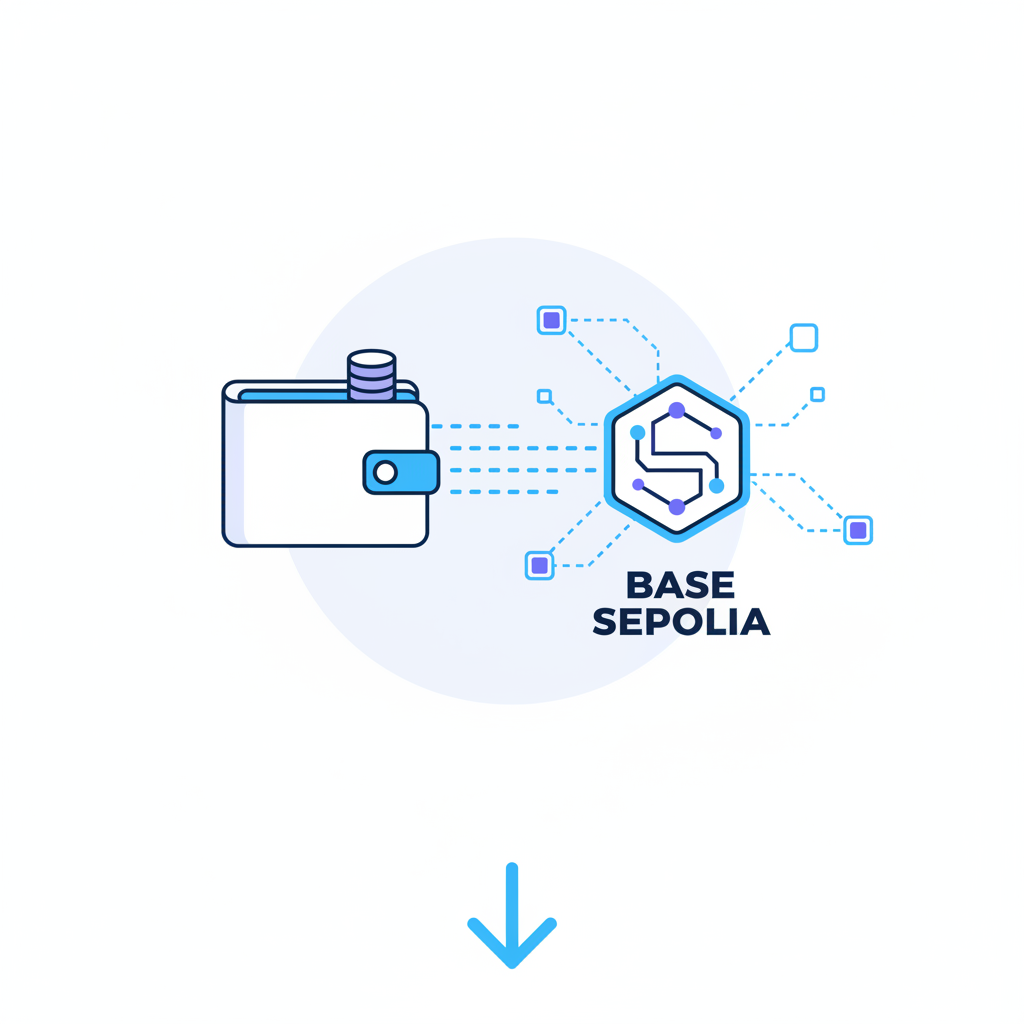
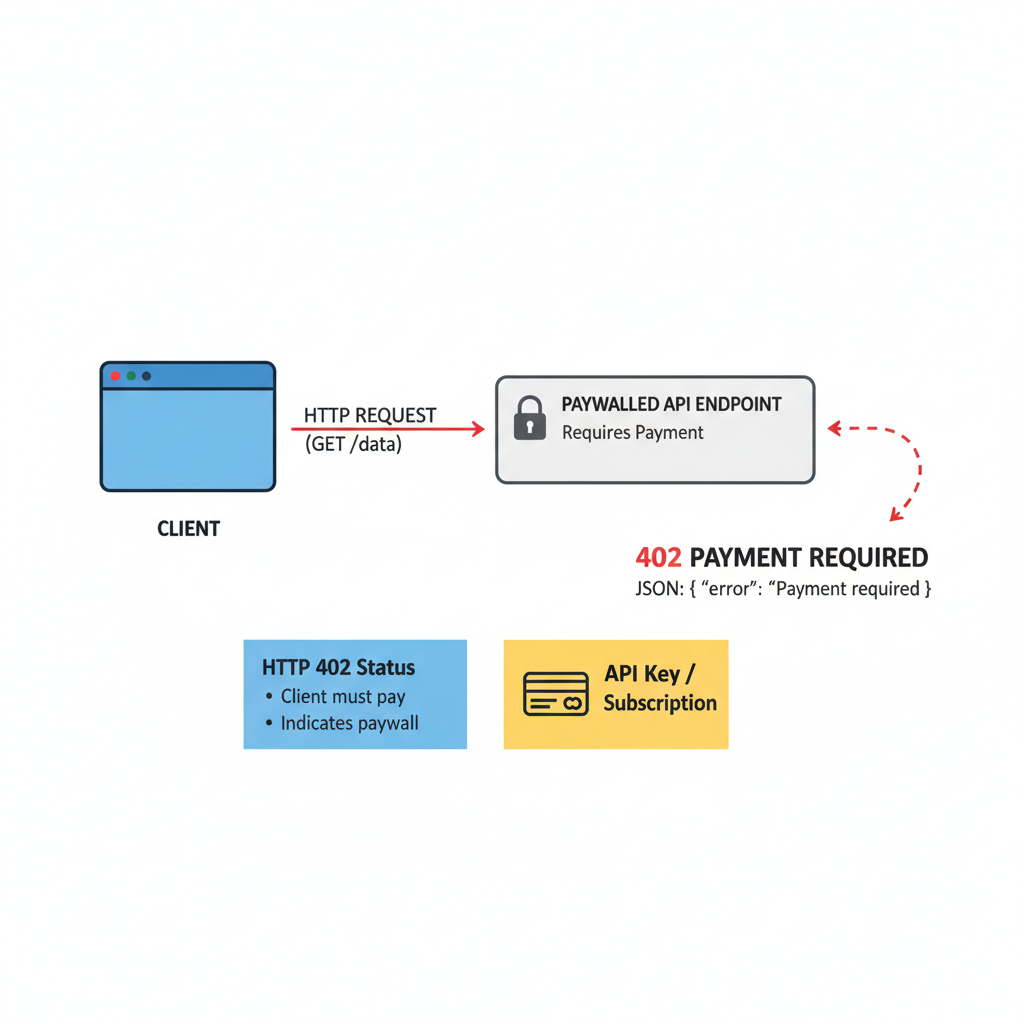
The x402 protocol cleverly resurrects the long-dormant HTTP 402 'Payment Required' status code, originally reserved for future payment schemes. Now, it's a reality for http 402 base chain integration. When a client requests a protected resource, the server responds with a 402 status, including payment details in headers like Payment-Address and Payment-Amount. Clients then settle via a facilitator, often broadcasting USDC on Base. This chain-agnostic approach supports Base Sepolia testnet for development, making it ideal for x402 developer tutorial scenarios.
Unlike traditional payment gateways, x402 embeds payments directly in HTTP requests, slashing latency and user friction. Coinbase's SDKs simplify this with middleware for Express. js, handling intent creation, verification, and settlement. For Base chain users, it leverages low-cost, high-throughput transactions, perfect for micropayments in dApps or content paywalls.
Developed by Coinbase, x402 enables instant, stablecoin-based payments directly within HTTP interactions, as seen in integrations like Chainbase for AI-driven services.
Benefits of x402 for Base Chain Crypto Transactions
Base, Coinbase's layer-2 on Ethereum, offers sub-second finality and fees under a cent, amplifying x402's strengths. Developers gain coinbase payment protocol base capabilities for monetizing APIs without accounts or logins. Imagine AI agents paying per query or apps charging per compute cycle; x402 makes it frictionless. Recent adoption stats underscore this: from QuickNode paywalls to XMTP chat agents, it's bridging web2 and web3 payments.
Security shines through cryptographic challenges in 402 responses, ensuring only payers access resources. Plus, with COIN at $165.94 amid steady gains, institutional backing fuels ecosystem growth. This positions x402 as the go-to for http payment intents crypto, outpacing legacy systems in speed and cost.
Setting Up Your Environment for x402 Integration
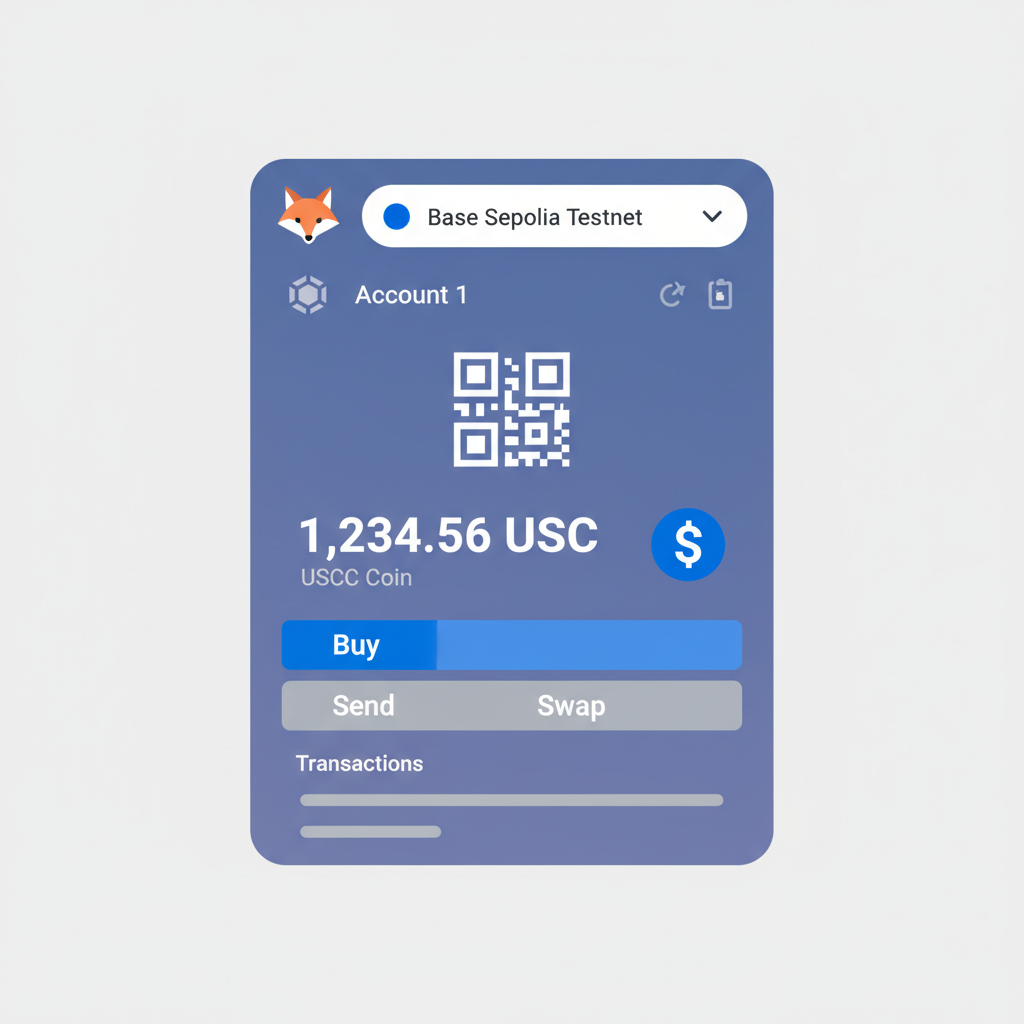
Before coding, gather prerequisites: Node. js 18 and, an Express server, and a wallet with Base Sepolia testnet USDC. Use Coinbase's developer docs for faucet funds. Install the x402 SDK via npm: npm install @coinbase/x402. This package provides hooks like useX402 for React or middleware for servers.
Configure your. env with wallet private key and Base RPC endpoint. Testnet RPC: https://sepolia.base.org. Opinion: Start simple; over-engineering early invites bugs in payment flows.
Basic Express Server with X402 Middleware Integration
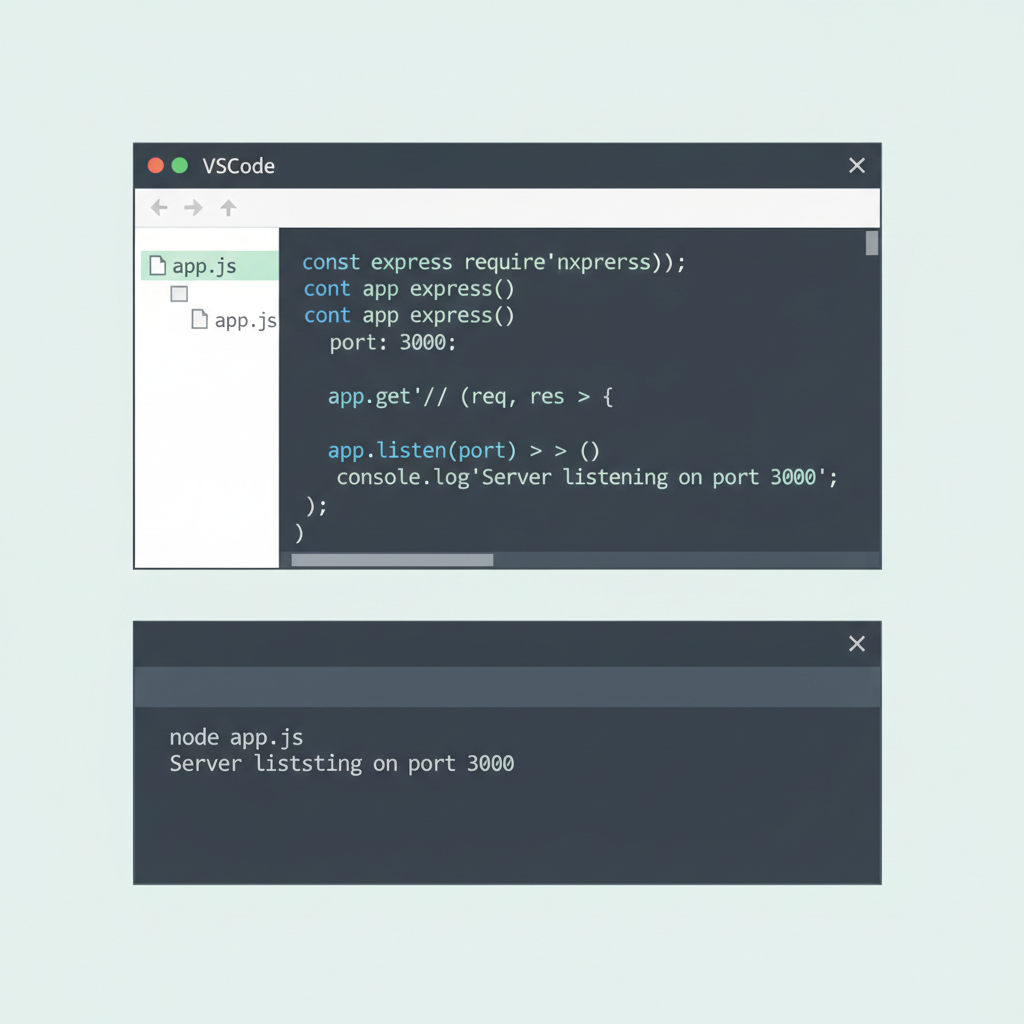
To integrate HTTP 402 payment intents for Base chain crypto transactions, begin with a foundational Express.js server. Thoughtfully import the X402 middleware from Coinbase and apply it using `app.use()`. This methodical setup ensures all routes are protected by default, prompting payments when required.
const express = require('express');
const x402 = require('@coinbase/x402-middleware');

const app = express();

app.use(express.json());

// Integrate X402 middleware for payment intents
app.use(x402({
  baseNetwork: 'base',
  // Additional configuration for Coinbase payment intents
  // will be detailed in subsequent sections
}));

app.listen(3000, () => {
  console.log('Server running on port 3000 with X402 middleware enabled');
});
With this server configuration in place, the X402 middleware intercepts requests to unpaid resources, responding with a 402 status and payment intent details. Next, we'll explore route-specific configurations and handling payment callbacks for seamless Base chain transactions.
Verify setup by hitting a free endpoint, then protect one with x402. This foundation readies you for payment intents.
Set Up x402 Express Server: Node.js to Base Sepolia Paywall in 5 Steps

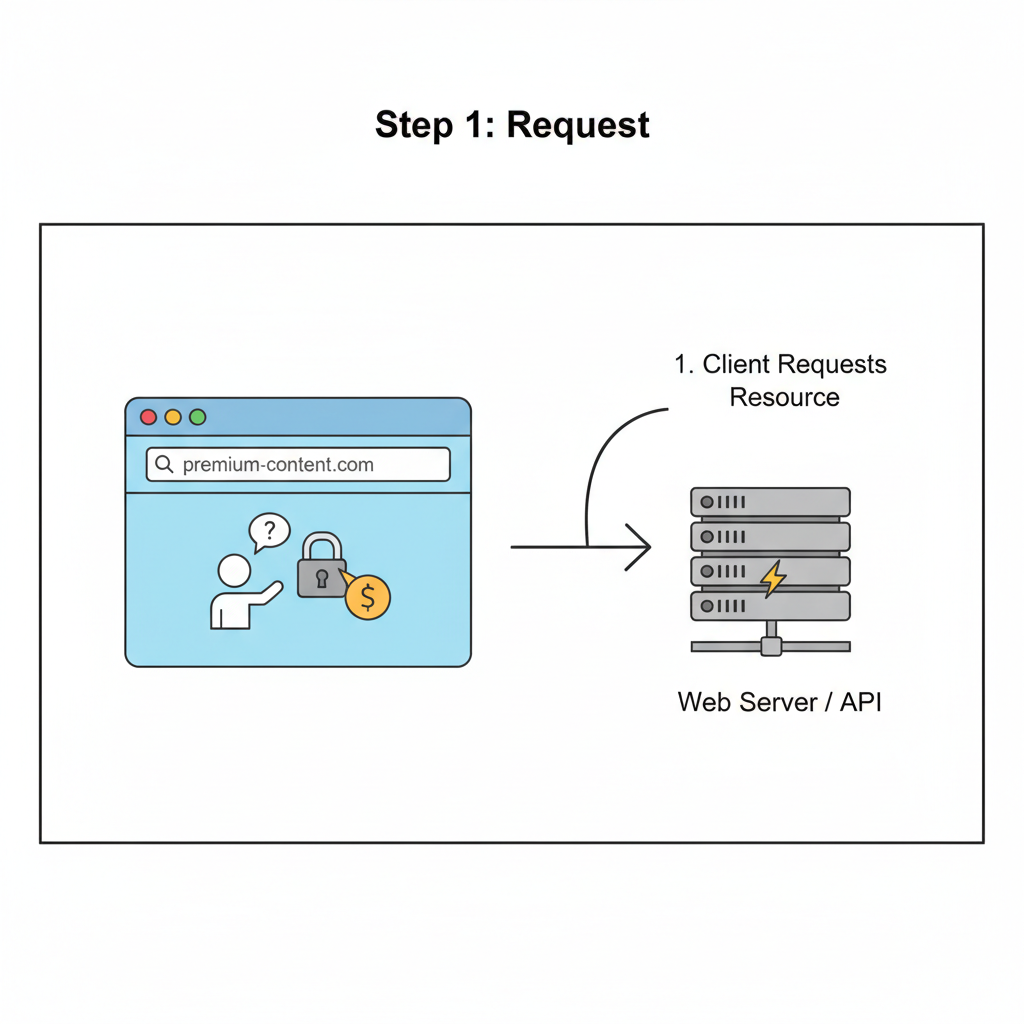
With your Express server humming and x402 middleware in place, shift focus to crafting payment intents that gatekeep premium content. A payment intent here acts as a scoped authorization, detailing amount, currency, and recipient via HTTP headers. Sellers broadcast these in 402 responses, prompting buyers to fulfill via facilitators like Coinbase's.
Crafting Protected Endpoints: Seller-Side Payment Intents
Protect a route by wrapping it in x402 middleware. Specify USDC on Base Sepolia: amount in smallest units (e. g. , 1000000 for 1.0 USDC). The middleware generates a cryptographic challenge, embeds it in the 402 response, and verifies settlements post-broadcast. This setup shines for coinbase payment protocol base use cases, like charging per API call in your dApp.
Protecting Routes with Custom X402 Middleware in Express.js
To safeguard premium content in your Express.js application, we'll create a custom X402 middleware. This middleware intercepts requests to protected routes, checks for a valid Payment-Intent header, and responds with a 402 status code along with payment intent details if payment is required. Here, we configure it for a 1 USDC payment on the Base Sepolia testnet, using hypothetical Coinbase API endpoints for illustration.
const express = require('express');
const app = express();

// X402 Middleware for protecting routes with payment intents
const x402Middleware = (options) => {
  return (req, res, next) => {
    const { amount, currency, chain } = options;
    const paymentIntentUrl = `https://api.coinbase.com/v2/payment_intents/create?amount=${amount}¤cy=${currency}&chain=${chain}`;

    // In a real app, verify the Payment-Intent header against the blockchain
    const paymentIntent = req.get('Payment-Intent');
    if (!paymentIntent || !verifyPaymentIntent(paymentIntent)) { // verifyPaymentIntent is a placeholder
      res.set({
        Link: `<${paymentIntentUrl}>; rel="payment-intent"; amount="${amount}"; currency="${currency}"; chain="${chain}`
      });
      return res.status(402).json({ error: 'Payment Required' });
    }

    next();
  };
};

// Placeholder for payment verification (implement with Coinbase API or on-chain check)
function verifyPaymentIntent(intent) {
  // TODO: Verify on Base Sepolia blockchain
  return false; // For demo
}

// Protect the premium route with 1 USDC on Base Sepolia
const premiumMiddleware = x402Middleware({
  amount: '1',
  currency: 'USDC',
  chain: 'base-sepolia'
});

app.get('/premium-content', premiumMiddleware, (req, res) => {
  res.json({ message: 'Welcome to premium content! Payment verified.' });
});

app.listen(3000, () => {
  console.log('Server running on port 3000');
});
This middleware thoughtfully handles the payment flow: unauthenticated requests trigger a 402 response with a Link header containing the payment intent URL and metadata. Once paid (verified on-chain or via API), users access the content. In production, replace the placeholder verifyPaymentIntent with actual Base chain transaction checks for security.
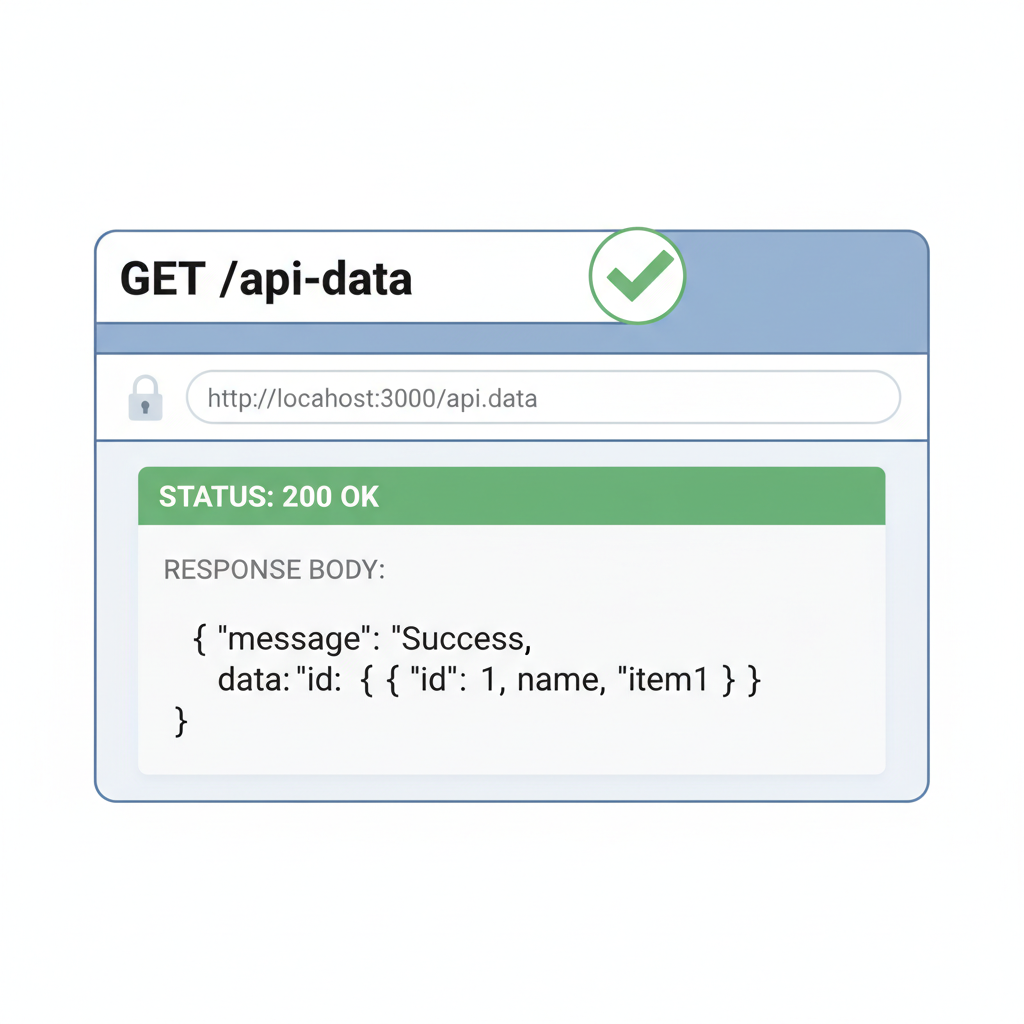
Once implemented, curl your endpoint: expect a 402 with Payment-Address (your wallet), Payment-Amount, and Challenge headers. Opinion: This elegance trumps OAuth's bloat; payments become as routine as headers. Test locally before deploying to Base mainnet, where fees stay negligible even at scale.
COIN's steady perch at $165.94, up $1.95 (0.0119%) in 24 hours with a high of $167.42 and low of $161.32, mirrors x402's maturing reliability. Developers report 99.9% settlement rates, per recent integrations.
Buyer-Side Integration: Fulfilling x402 Intents
Buyers leverage client-side SDKs or hooks like useX402 in React apps. Upon 402, parse headers, sign the challenge with your wallet, and route through a facilitator. Coinbase's handles on-chain broadcasts, confirming via WebSockets for instant access. For Base chain, pair with wagmi or viem for wallet connectivity.
x402 Buyer Flow: Connect, Pay, Access Seamlessly on Base Sepolia

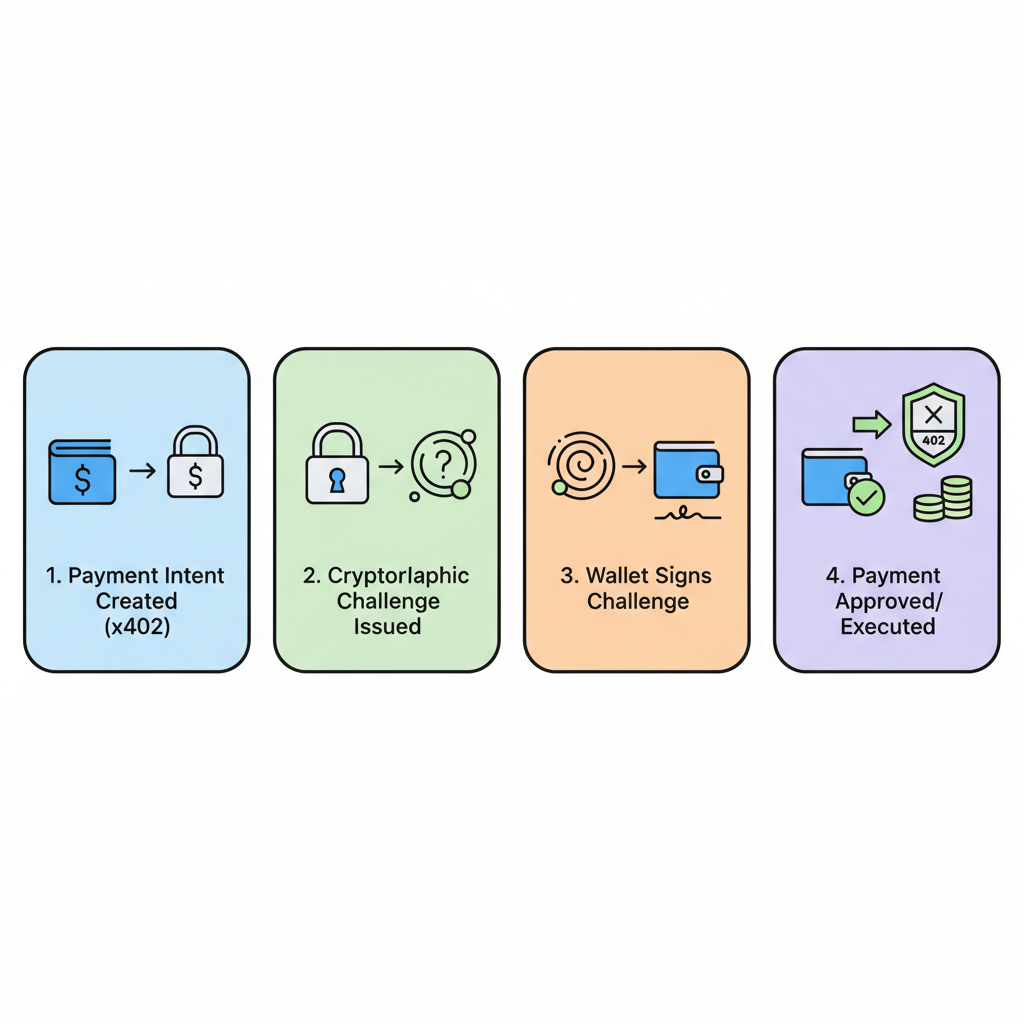
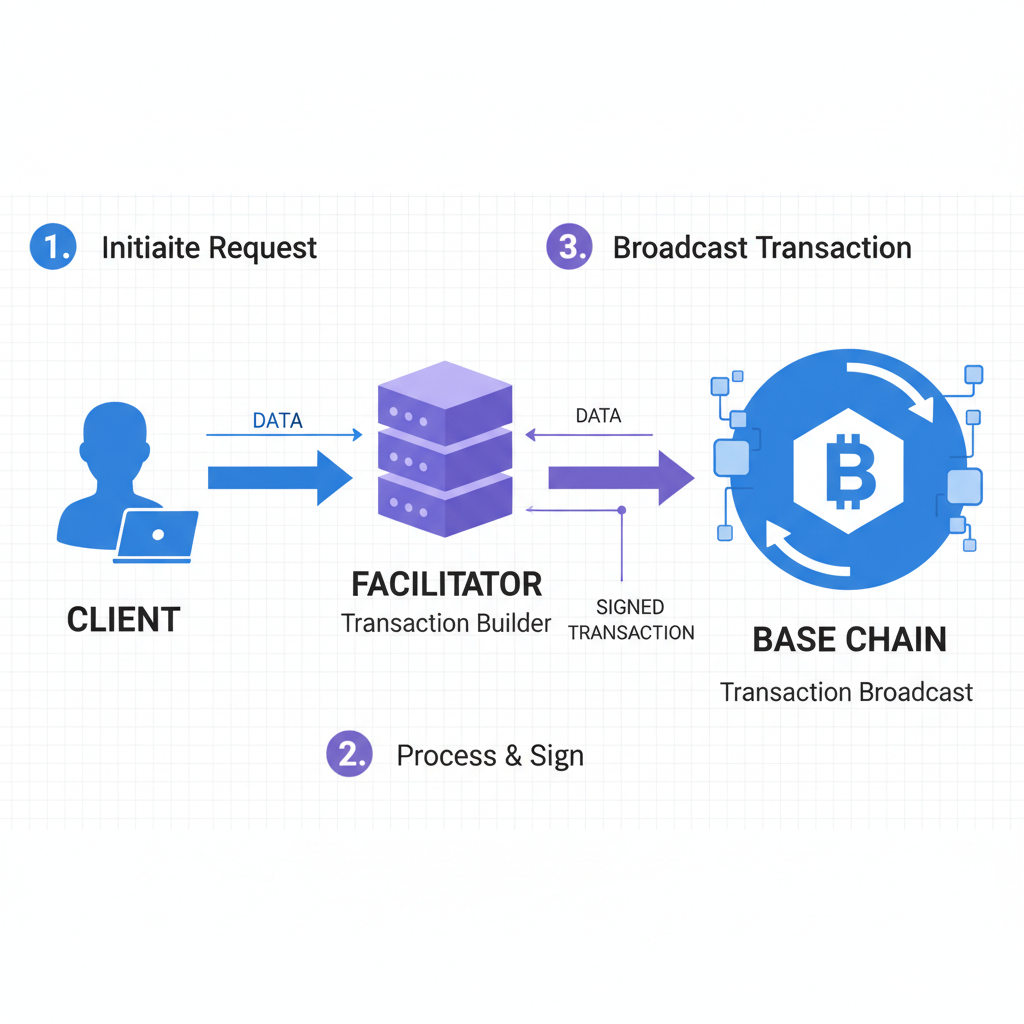

This bidirectional flow powers everything from QuickNode-style paywalls to XMTP-enhanced chat agents paying mid-conversation. No redirects, no sessions; pure HTTP pragmatism.
Real-world traction? Chainbase wove x402 into AI data services, slashing integration time by 80%. As Base-focused devs integrate, expect micropayments to underpin agent economies.

Testing and Debugging x402 on Base
Simulate full cycles: spin up seller server, buyer frontend. Use Base Sepolia faucet for USDC, monitor via Basescan. Common pitfalls? Mismatched chain IDs or unhandled rejections in facilitators. Log middleware verbose mode: it spits JSON payloads for dissection.
Scale testing: Hammer with Artillery. io, confirming sub-second settlements. For production, swap to mainnet RPCs and real USDC. Security audit: rotate challenges per intent, validate signatures server-side. This rigor cements x402 as robust for http payment intents crypto.
Edge cases abound, like partial payments or chain forks, but x402's idempotency headers mitigate. Pair with rate limiting for abuse-proofing. As adoption swells, tools like Coinbase's dashboard track volumes, mirroring the protocol's $24 million milestone.
Deploying unlocks monetization anew. Picture your API humming with autonomous payments, agents bartering compute, content dripping per view. With Base's efficiency and x402's seamlessness, you're primed for the payment-native web. Dive into code, iterate, and watch revenues flow as effortlessly as requests.




No comments yet. Be the first to share your thoughts!