


Imagine AI agents zipping across the web, querying APIs, fetching data, and settling payments in stablecoins without a single API key or user login. That’s the promise of Coinbase’s x402 protocol, now powering stateless crypto micropayments directly over HTTP. As Coinbase Global Inc (COIN) holds steady at $171.35, up $5.48 or 3.30% in the last 24 hours, developers are flocking to this innovation for coinbase x402 integration. No more clunky wallets or centralized auth; x402 revives the long-dormant HTTP 402 ‘Payment Required’ status code, turning every request into a potential transaction.

This isn’t just hype from the x402 whitepaper; it’s a practical shift for x402 payment intents developers. AI agents can autonomously discover services via the x402 Bazaar, negotiate terms, and pay with USDC on chains like Base or Solana. The beauty lies in its simplicity: clients request a resource, servers respond with 402 and payment details, agents fulfill via on-chain transfer, then access granted. All stateless, all over standard HTTP.
Unlocking Agentic Economies with HTTP 402
HTTP 402 was reserved decades ago for payments, but fiat rails never materialized. x402 fills that void with crypto-native precision, making http 402 ai agent payments a reality. Picture an AI trading bot pulling real-time market data or a research agent scraping premium datasets; each call triggers a micro-invoice, settled in seconds. Coinbase’s SDKs in TypeScript and Go lower the barrier, letting you spin up a payment intent server with minimal code.
Coinbase’s x402 protocol enables AI agents to perform micropayments over HTTP without the need for API keys or user accounts.
From the docs at Coinbase Developer Platform, integration starts with understanding payment intents: structured objects defining amount, currency (say, USDC), and fulfillment conditions. Servers expose these via 402 responses, clients parse and execute. This sidesteps OAuth headaches, perfect for machine-to-machine flows where agents act independently.

I’ve managed portfolios through crypto winters and booms, and x402 feels like the quiet revolution. It positions blockchains as invisible rails for AI economies, much like how stablecoins stabilized DeFi. With COIN at $171.35 amid rising agentic hype, early adopters gain an edge in building monetizable services.
Why Ditch API Keys for X402 in AI Workflows
Traditional APIs demand keys, rate limits, and account provisioning – friction that stalls autonomous agents. x402 flips this: no pre-registration, no custody risks. Agents carry signed transactions or use wallets like those on Base, paying per use. This fosters a vibrant marketplace where services price dynamically, from $0.001 per query to bulk data bundles.
- Stateless Design: Each request self-contains payment proof, no sessions needed.
- Multi-Chain: Base, Solana, even fiat gateways on horizon.
- Security First: On-chain verification ensures funds transfer before access.
For x402 coinbase ai transactions, this means agents paying other agents – A2A micropayments fueling collaborative intelligence. Cloudflare’s primer highlights global negotiation potential, while Galaxy Research sees it turning AIs into economic actors. Skeptics question scalability, but with SDKs handling RPCs and signing, it’s developer-friendly from day one.
Coinbase Global, Inc. (COIN) Stock Price Prediction 2027-2032
Forecast driven by x402 protocol adoption for AI agent micropayments, crypto market expansion, and Coinbase’s fundamentals. Baseline: 2026 average closing price $200.00 (post short-term target adjustment from current $171.35).
| Year | Minimum Price | Average Price | Maximum Price | YoY % Change (Avg) |
|---|---|---|---|---|
| 2027 | $170.00 | $240.00 | $320.00 | +20.0% |
| 2028 | $200.00 | $300.00 | $400.00 | +25.0% |
| 2029 | $240.00 | $370.00 | $500.00 | +23.3% |
| 2030 | $290.00 | $450.00 | $610.00 | +21.6% |
| 2031 | $350.00 | $550.00 | $750.00 | +22.2% |
| 2032 | $420.00 | $670.00 | $910.00 | +21.8% |
Price Prediction Summary
COIN stock is forecasted to experience robust growth, with average prices climbing from $240 in 2027 to $670 by 2032 (CAGR ~22%), fueled by x402’s role in enabling autonomous AI agent micropayments via stablecoins. Minimum prices reflect bearish scenarios like regulatory hurdles or crypto winters; maximums capture bullish adoption across AI and web services. Overall outlook: strongly positive amid innovation leadership.
Key Factors Affecting Coinbase Global, Inc. Stock Price
- x402 protocol adoption accelerating AI agent economy and stablecoin volumes on Base/Solana
- Coinbase’s revenue growth from trading fees, custody, and new payment services
- Crypto market trends: Bitcoin/ETH bull cycles and institutional inflows
- Regulatory environment: favorable U.S. clarity on stablecoins and digital assets
- Macro factors: lower interest rates boosting risk assets
- Competition from AP2 and other protocols; earnings multiples expansion (P/E 40-60x)
Disclaimer: Stock price predictions are speculative and based on current market analysis.
Actual prices may vary significantly due to market volatility, economic conditions, and other factors.
Always do your own research before making investment decisions.
Consider a weather API: agent requests forecast, gets 402 with 0.01 USDC intent. It swaps via integrated wallet, resubmits proof, data flows. Repeat at scale across thousands of calls. That’s the stateless crypto micropayments dream, minus key management nightmares.
Bootstrapping Your X402 Server for Micropayments
Let’s get hands-on. Grab the TypeScript SDK from GitHub’s coinbase/x402 repo. Initialize a server with Express or Hono; define intents via JSON payloads. Here’s the flow:
- Client GETs/premium-data.
- Server replies 402 Payment Required, with Link header to payment intent.
- Client fetches intent, crafts USDC transfer.
- Posts proof; server verifies on-chain, serves content.
Dive deeper into USDC specifics if that’s your chain. Test on Base testnet first – faucet funds are plentiful. This setup empowers your AI to roam freely, paying as it goes.
With your server humming, let’s examine a practical TypeScript implementation using the Coinbase x402 SDK. This snippet handles incoming requests, generates payment intents, and verifies proofs on-chain, all without touching API keys.
Express Server Endpoint with X402 Payment Intents for USDC on Base
First, install the dependencies: `npm install express @coinbase/x402-sdk @types/express`. This Express endpoint integrates the Coinbase X402 SDK to handle micropayments seamlessly. It creates a payment intent for a tiny USDC amount on the Base network when accessed, responds with HTTP 402, and provides a separate verifier for the client’s transaction proof. No Coinbase API keys are needed—use a server-side signer instead!
import express, { Request, Response } from 'express';
import { PaymentProcessor } from '@coinbase/x402-sdk';

const app = express();
app.use(express.json());

const processor = new PaymentProcessor({
  // Configure with your signer (e.g., private key from env vars, no API keys needed)
  signerPrivateKey: process.env.SIGNER_PRIVATE_KEY!,
});

// Endpoint that requires payment: responds with 402 and creates USDC intent on Base
app.post('/ai-micropayment', async (req: Request, res: Response) => {
  try {
    // Define payment intent for USDC micropayment on Base (chain ID 8453)
    const intent = await processor.createIntent({
      currency: 'USDC',
      chain: 'base',
      amount: '0.0001', // Equivalent to ~$0.0001 USD
      description: 'Payment for AI agent service',
      metadata: {
        userId: req.body.userId || 'anonymous',
        service: 'ai-response',
      },
    });

    // Respond with HTTP 402 Payment Required
    res.status(402)
      .set({
        'Payment-Intent': JSON.stringify(intent),
      })
      .send('Payment Required. Fulfill the intent and retry with Payment-Receipt header.');
  } catch (error) {
    console.error('Intent creation failed:', error);
    res.status(500).json({ error: 'Failed to create payment intent' });
  }
});

// Endpoint to verify transaction proof after payment
app.post('/verify-payment', async (req: Request, res: Response) => {
  const receipt = req.get('Payment-Receipt');
  if (!receipt) {
    return res.status(400).json({ error: 'Payment-Receipt header required' });
  }

  try {
    // Verify the Merkle inclusion proof for the transaction
    const isValid = await processor.verifyReceipt(receipt);
    if (isValid) {
      // Grant access, process the original request, etc.
      res.json({
        success: true,
        message: 'Payment verified! Proceeding with AI service...',
      });
    } else {
      res.status(402).send('Invalid payment receipt');
    }
  } catch (error) {
    console.error('Verification failed:', error);
    res.status(500).json({ error: 'Payment verification failed' });
  }
});

app.listen(3000, () => {
  console.log('🚀 X402 Express server running on http://localhost:3000');
});
Excellent work! This setup enables your AI agent services to require and verify micropayments automatically. Test it by sending a POST to `/ai-micropayment`, fulfilling the intent with a Base wallet, and resubmitting with the `Payment-Receipt` header. Scale your monetization confidently—you’ve got this! 🚀
This code turns any endpoint into a paywall, scalable for high-volume AI queries. Deploy it on Vercel or your preferred host, and you’re live in minutes. The SDK abstracts wallet signing and RPC calls, so your agent focuses on logic, not plumbing.
Equipping AI Agents with X402 Client Powers
Now, the agent’s perspective: stateless clients that request, pay, and consume. No persistent sessions mean true autonomy, ideal for distributed AI fleets. Integrate the client SDK into your agent’s runtime – whether LangChain, AutoGPT, or custom Node. js bots – and watch it negotiate micropayments effortlessly.
Unlock AI Micropayments: 6-Step x402 Client Integration Guide
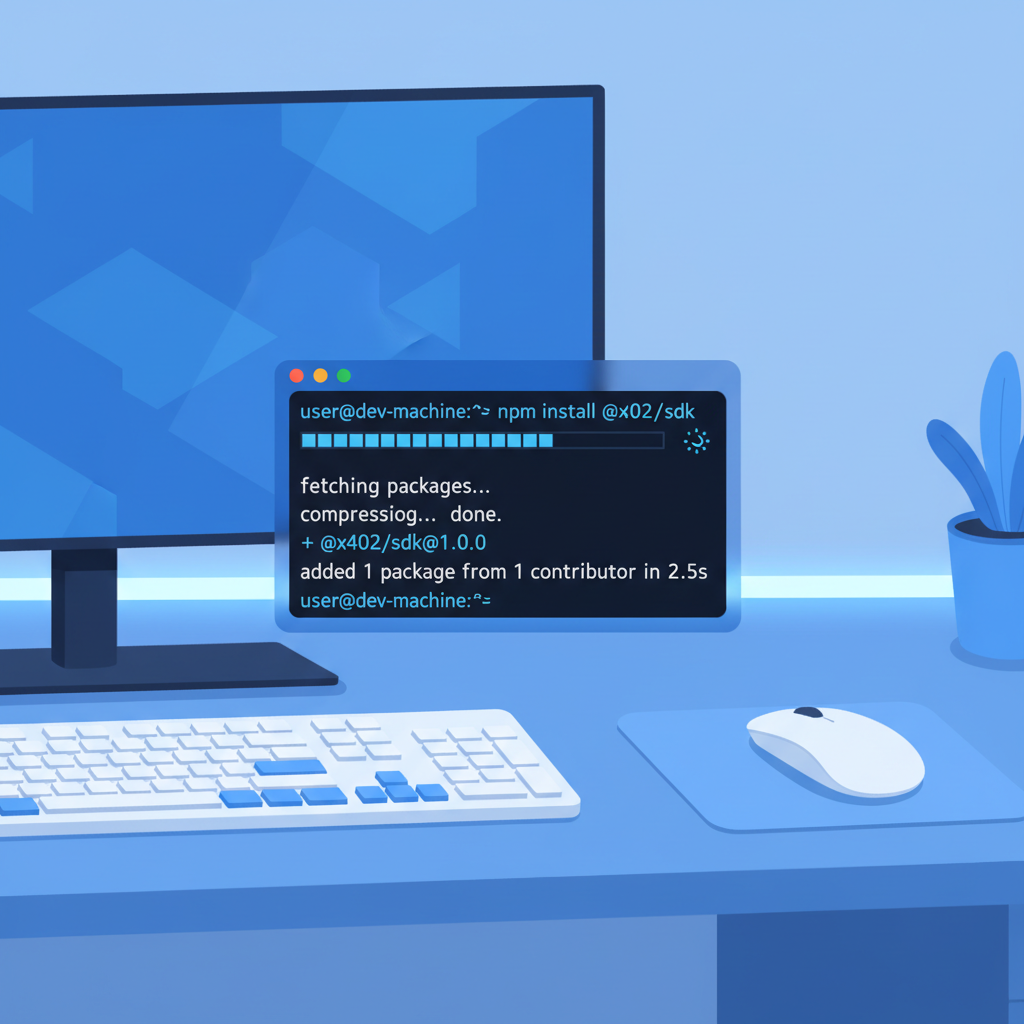
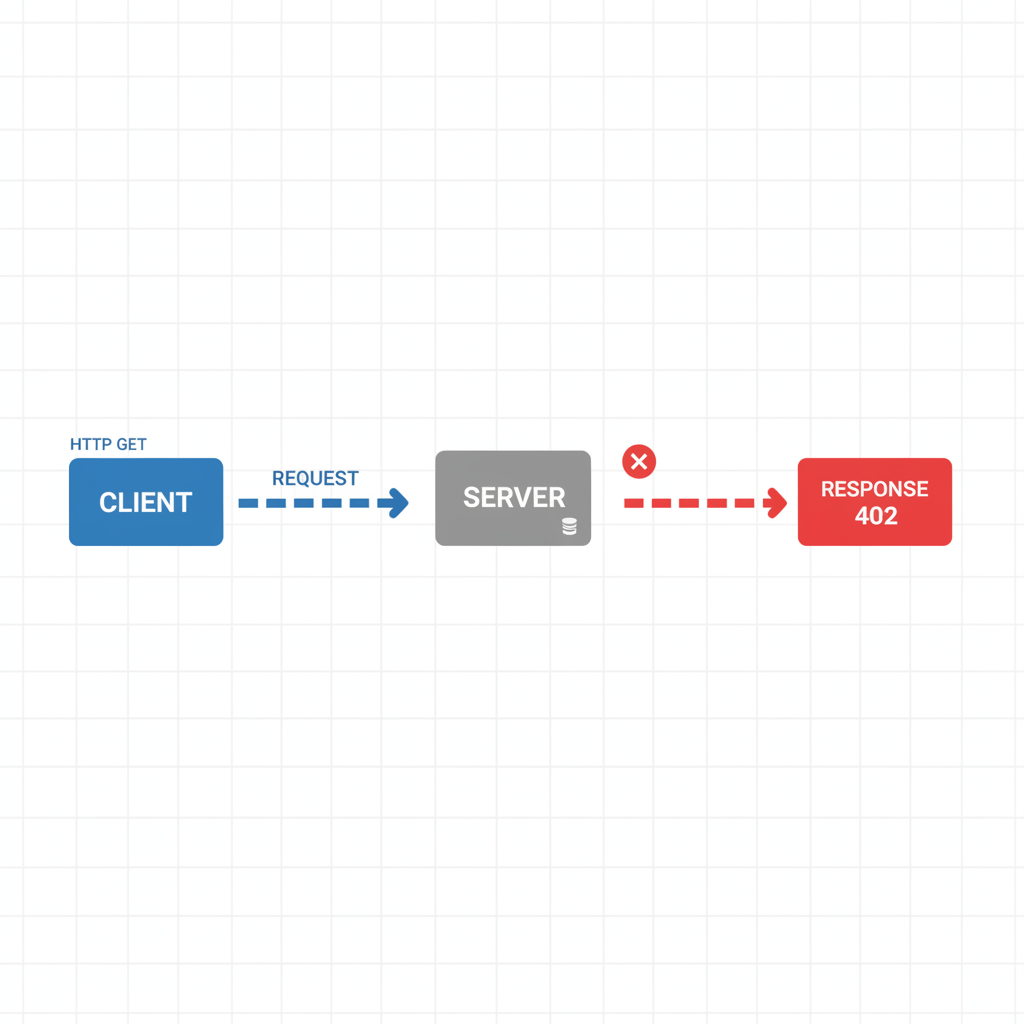
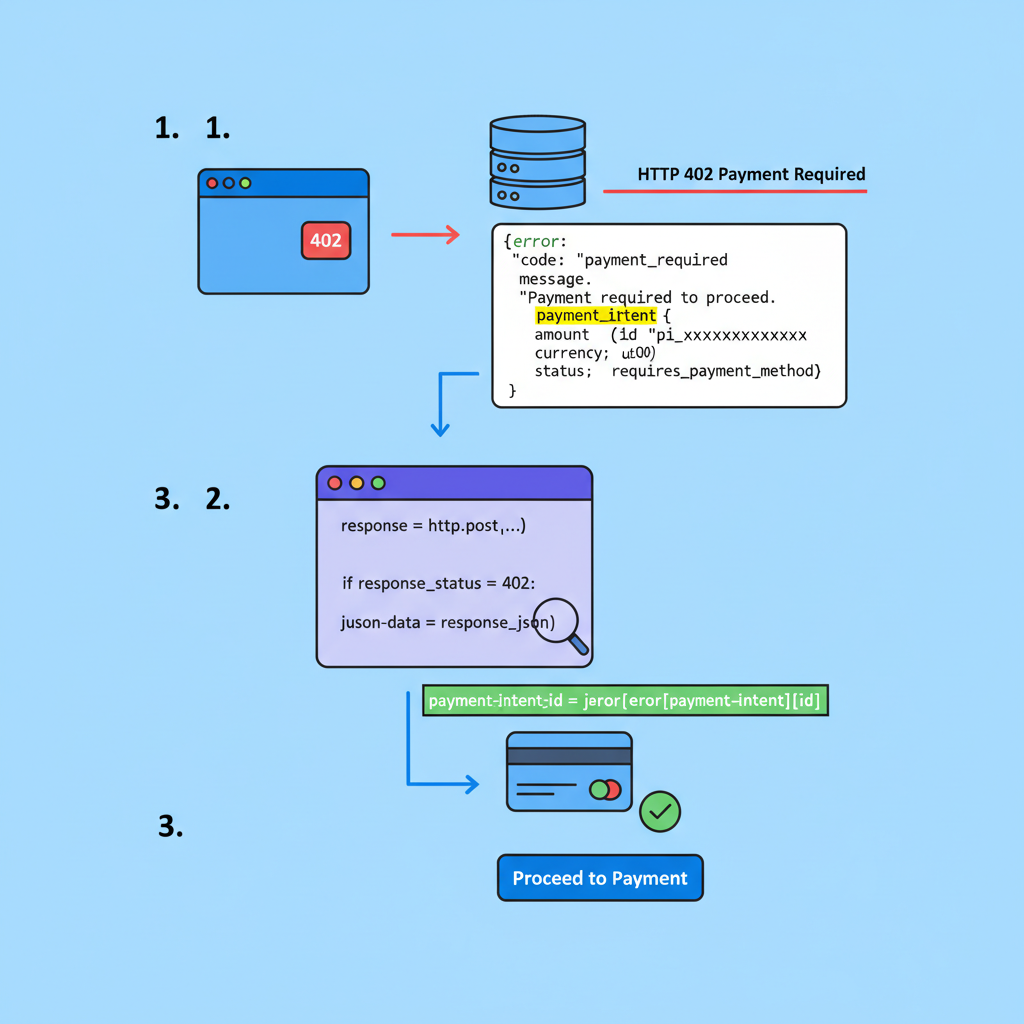
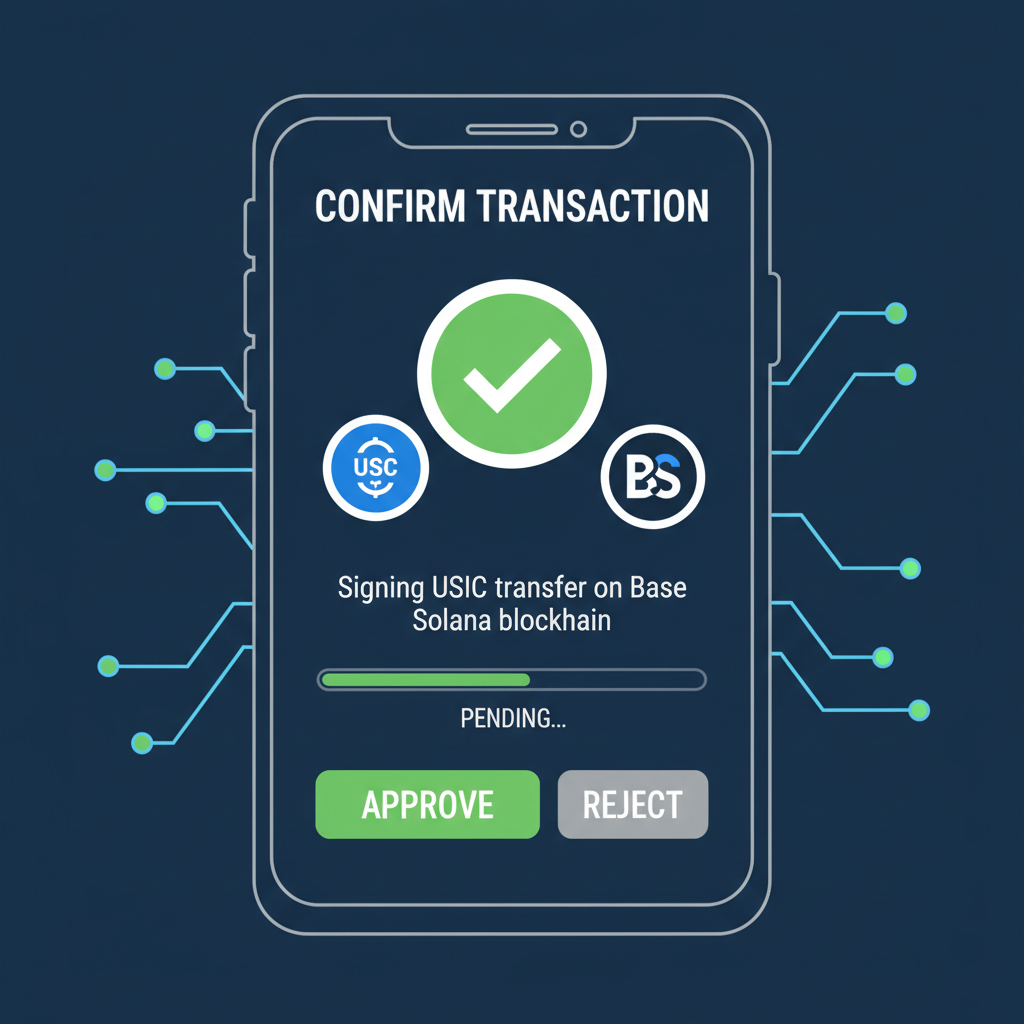
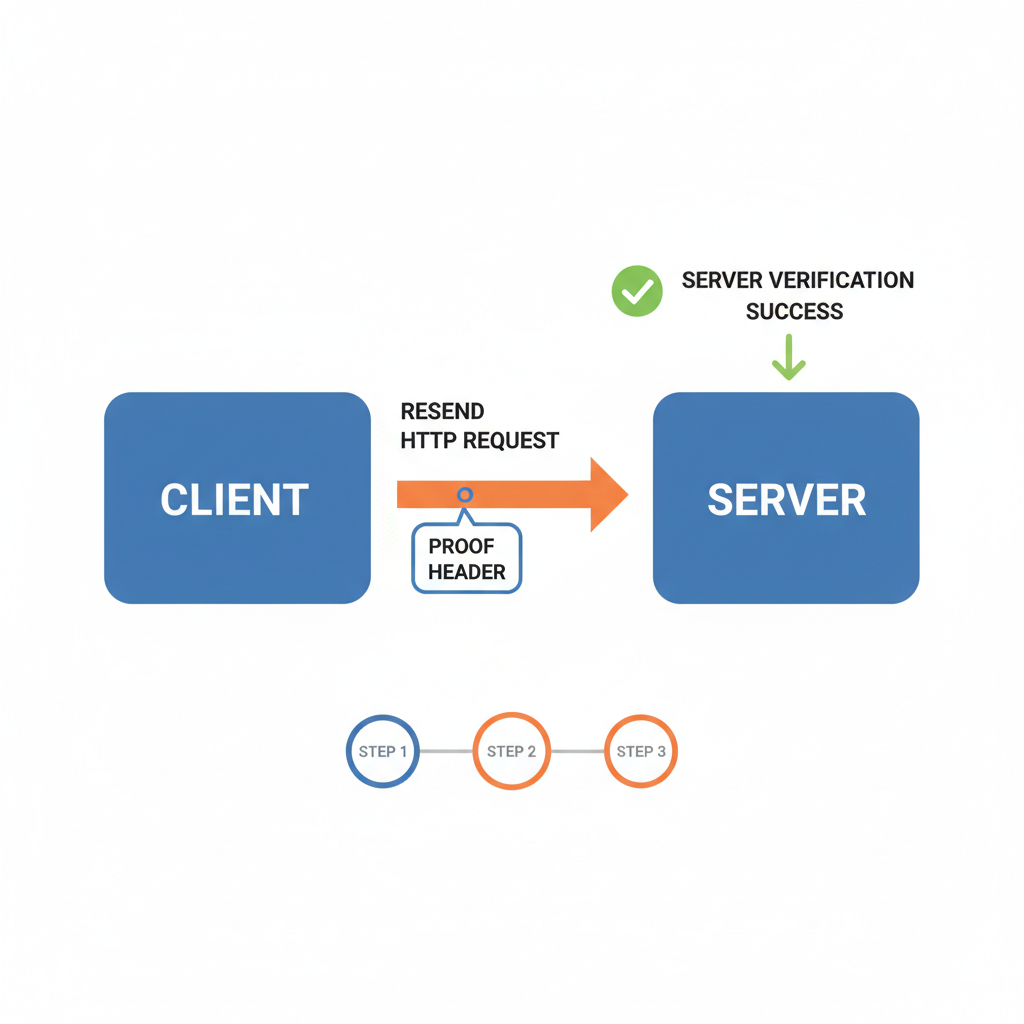

Each step builds resilience; if a payment fails, the agent retries or pivots to free alternatives via the x402 Bazaar. This discovery layer lists services with metadata – prices, chains, SLAs – letting agents shop programmatically. It’s like an app store for machine economies, accelerating x402 coinbase ai transactions.
Testing amplifies confidence. Spin up a local server, use Base Sepolia testnet for zero-cost USDC from faucets, and simulate agent flows with curl or Postman. Once validated, productionize with real wallets. For Base-focused setups, explore this dedicated Base chain micropayments guide.


Agent-to-Agent Flows: The Next Frontier
Beyond human-triggered payments, x402 shines in A2A scenarios. Envision a research agent outsourcing computations to specialist models, settling 0.05 USDC per inference. Or collaborative swarms pooling funds for premium datasets. This composability, rooted in HTTP standards, sidesteps silos, fostering emergent intelligence markets.
- Dynamic Pricing: Servers adjust intents based on load or query complexity.
- Cross-Chain Atomicity: Upcoming features promise seamless swaps.
- Risk Mitigation: Proof-of-payment precedes delivery, slashing disputes.
From my vantage managing multi-asset portfolios, x402 mirrors commodities trading desks – instant, verifiable exchanges fueling liquidity. As COIN stock price sits at $171.35 with a solid 3.30% 24-hour gain, Coinbase cements its lead in agentic infrastructure. Galaxy Research nails it: blockchains become quiet enablers for AI economics.
Challenges persist, like gas fees nibbling micropayment margins or oracle dependencies for off-chain verification. Yet SDK optimizations and L2 scaling on Base address these head-on. Compared to AP2 protocols, x402’s stablecoin focus delivers faster settlement, per technical breakdowns.
Developers embracing coinbase x402 integration today position for tomorrow’s web3 AI boom. Bootstrap a proof-of-concept, list on the Bazaar, and monetize your agents. It’s not merely code; it’s wiring intelligence into value flows, stateless and sovereign. Your edge awaits in these HTTP-powered transactions.
About the Author