
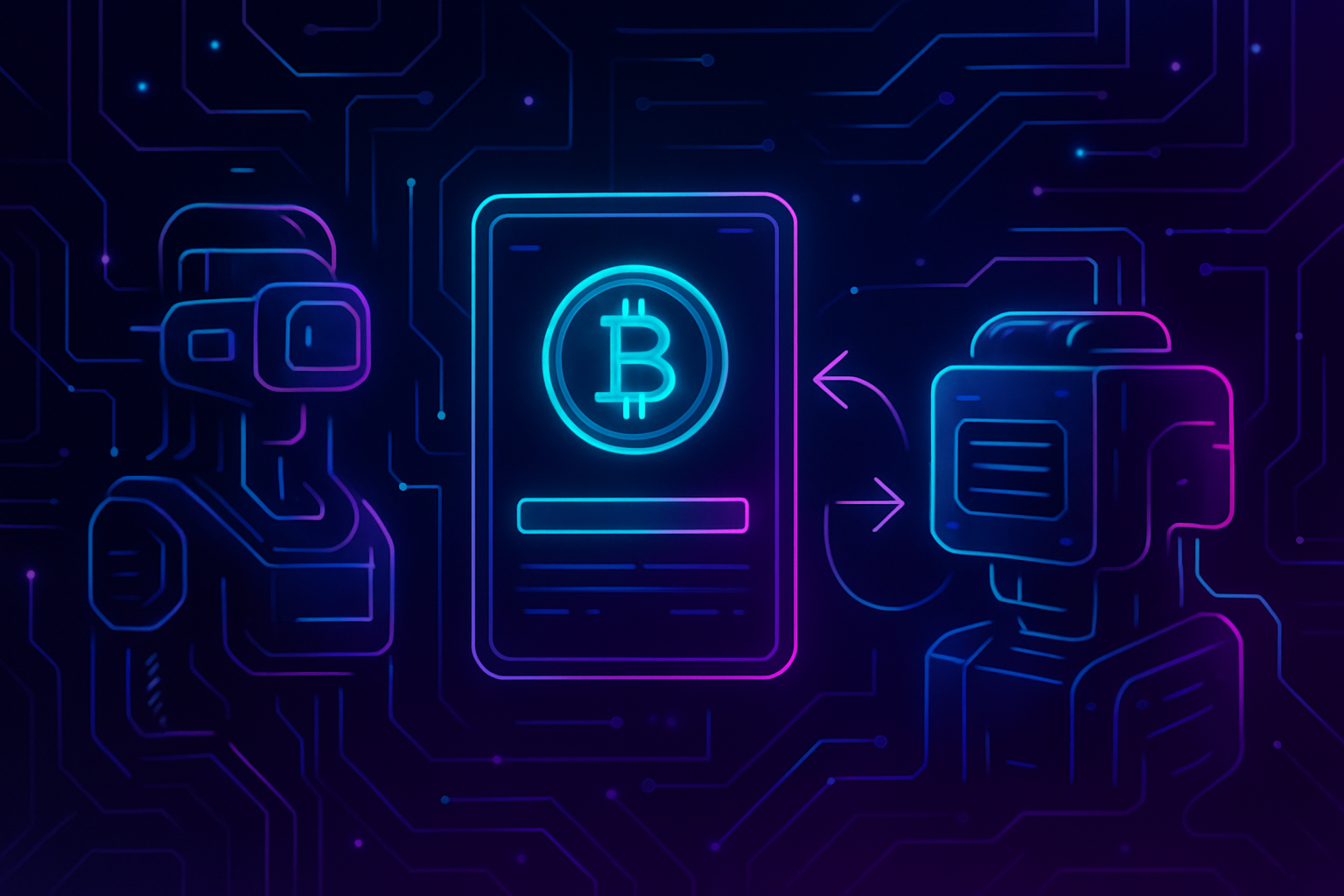
The rise of X402 M2M payments is reshaping how autonomous agents, IoT devices, and AI services transact in the digital economy. By leveraging the HTTP 402 "Payment Required" status code, the X402 protocol enables real-time, trustless machine-to-machine crypto payments at the network level, without human intervention, accounts, or complex credential management. This systematic approach unlocks a new era for programmable finance and agentic commerce.
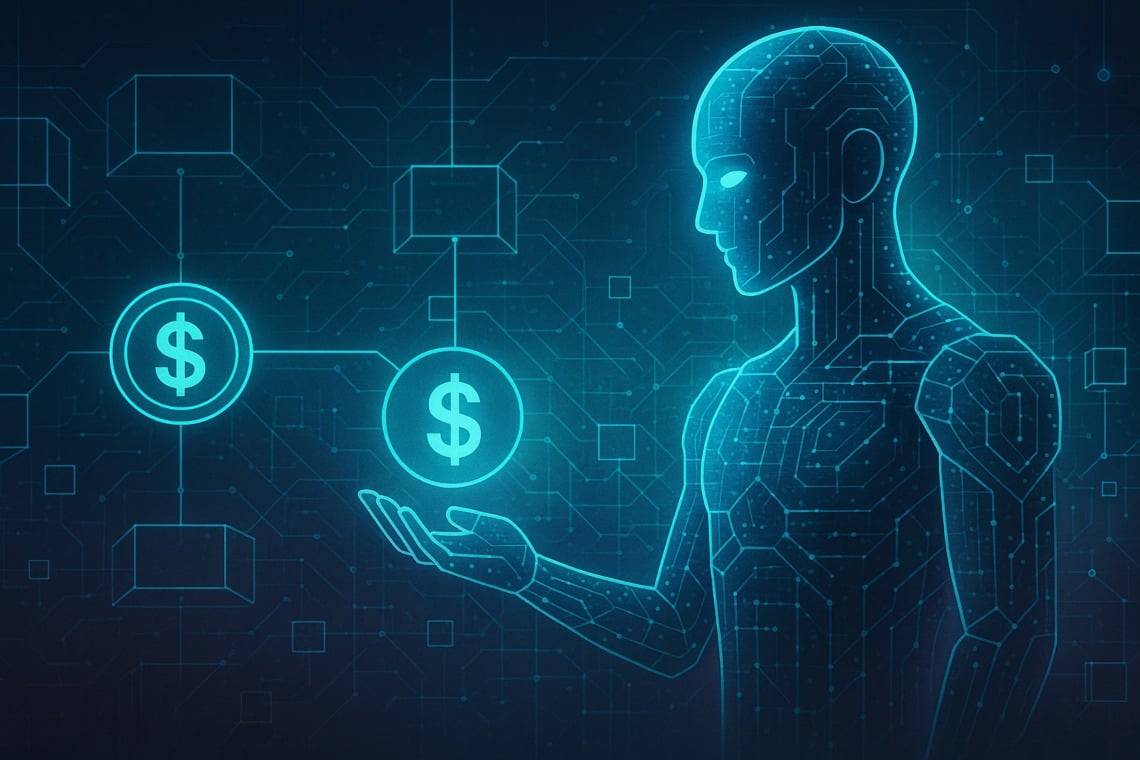
X402 Protocol Architecture: HTTP-Native Crypto Payments
At its core, X402 is an open payment standard designed for seamless API monetization and resource access between machines. The protocol’s architecture is elegantly simple yet powerful:
- Client Request: An agent or device requests access to an API or service.
- Payment Challenge: If payment is required, the server responds with a 402 Payment Required status code. This response includes payment instructions, such as amount due, recipient address, and accepted assets (typically stablecoins like USDC).
- Payment Submission: The client prepares a signed payment authorization (for example, on-chain with USDC) and retries the request with proof of payment.
- Verification and Delivery: The server verifies settlement on-chain before granting access to the requested resource.
This streamlined flow makes X402 ideal for dynamic pay-as-you-go models. There are no emails, OAuth flows, or user registrations, just pure programmatic value transfer over existing web infrastructure. For developers seeking to build frictionless M2M economies, this means less overhead and more focus on innovation.
M2M Payment Use Cases: From Autonomous Agents to IoT Devices
The true power of X402 emerges in its versatility across industries. Here are some standout machine-to-machine crypto payment scenarios enabled by this protocol:
Top 5 Real-World X402 M2M Payment Use Cases
- Autonomous AI Task Marketplaces: Platforms like XAIS leverage X402 to let AI agents offer and pay for real-time services—such as text generation, data labeling, or analytics—through microtransactions, enabling a decentralized, pay-per-use model.
- API Monetization for Cloud Services: Cloud providers and SaaS platforms can use X402 to charge AI agents and IoT devices for API calls, data access, or compute time (e.g., per-second GPU inference), eliminating account management and enabling seamless, programmable payments.
- IoT Devices Paying for Data Feeds: Connected devices (e.g., smart meters, autonomous vehicles) can autonomously pay for access to premium data streams, software updates, or network bandwidth using stablecoins like USDC via X402, supporting scalable, trustless M2M commerce.

- Agent-to-Agent Service Payments: AI agents can transact directly with other agents—such as a research bot paying a synthetic media bot for image generation—using X402, enabling dynamic, automated service chains without human intervention.
- Pay-Per-Use Digital Content and APIs: Media companies and data providers can monetize digital assets (e.g., news articles, datasets, premium APIs) by integrating X402, allowing instant, frictionless access for machines and agents on a per-use basis.
Autonomous Task Marketplaces: Imagine AI agents that offer specialized services, such as real-time text generation or data processing, and receive microtransactions per request via X402. This model creates highly liquid marketplaces where pricing is transparent and settlement is instant.
AI Agents Paying for Data and Compute: Research bots can autonomously purchase premium datasets; inference agents can pay per second for cloud GPU time; synthetic media engines can operate on flexible pay-per-use models, all without human key management or manual invoicing. For more details on these agentic commerce models, visit xais.dev.
IoT Devices and Embedded Systems: Connected vehicles might pay tolls automatically as they drive through smart cities. Industrial sensors could autonomously subscribe to data feeds or unlock software updates by sending on-chain stablecoin payments via X402, no credit cards or billing portals required (encrypthos.com).
The Agent Payments Protocol (AP2) and x402 Extension
The launch of Google Cloud’s Agent Payments Protocol (AP2), combined with Coinbase’s x402 extension, signals a production-ready framework for next-generation agent-based payments. As one of AP2’s first stablecoin facilitators, x402 empowers merchants and autonomous agents alike to monetize their APIs and transact peer-to-peer in a secure environment (x402.gitbook.io). This positions x402 at the forefront of internet-native micropayment layers, a critical foundation as we move towards an increasingly automated web.
Crucially, this architecture supports programmable trust: payments are cryptographically authorized and settled on-chain, and access is automatically granted once funds are verified. This removes the need for intermediaries, enabling direct commerce between machines in milliseconds. The result is a robust payment backbone for digital services, whether it’s AI-generated content, IoT sensor data, or decentralized API endpoints.
For developers and businesses, integrating X402 means unlocking new revenue streams while dramatically reducing operational friction. Imagine a world where every API call, database query, or hardware resource can be priced, paid for, and delivered in real time, no manual reconciliation or delayed settlements.
Challenges and Considerations
While the promise of X402-powered machine-to-machine crypto payments is immense, there are practical considerations to address:
- Network Fees: On-chain settlement introduces transaction costs that must be managed for true micropayment viability. Layer-2 scaling solutions and batching techniques can help mitigate these expenses.
- Security: Autonomous agents need secure key management and anti-fraud mechanisms to prevent unauthorized spending or replay attacks.
- Interoperability: As the ecosystem grows, standardization across chains and agent platforms will be essential for broad adoption.
The good news? The open nature of X402 encourages rapid experimentation and community-driven solutions to these challenges. By building on established web protocols like HTTP and leveraging stablecoins such as USDC, the protocol offers both familiarity and innovation, a rare combination in the crypto space.
Building the Future of Programmable Payments
The trajectory of X402 protocol architecture points toward a future where value flows as seamlessly as information. As machine-to-machine commerce expands, from autonomous vehicles negotiating road usage fees to AI agents buying compute cycles, the need for a universal payment layer becomes paramount. X402 delivers on this vision by making crypto micropayments native to the web’s foundational protocols.
This shift will not only transform business models but also empower entirely new classes of applications that were previously impractical due to payment friction or overhead. Developers can now focus on innovation rather than infrastructure, knowing that monetization can be handled programmatically from day one.
If you’re ready to explore this paradigm shift in programmable finance, start by reviewing the official documentation at x402.gitbook.io or dive into real-world agentic commerce examples at xais.dev. The age of autonomous payments has arrived, and with X402 at its core, your agents can transact smarter, faster, and more securely than ever before.




No comments yet. Be the first to share your thoughts!