

The longstanding HTTP 402 Payment Required status code was an internet curiosity for decades. Now, with the rise of programmable money and on-chain settlement, X402 transforms this once-unused code into a robust gateway for instant crypto payments. If you’re building a modern API, SaaS platform, or content paywall, integrating X402 lets you monetize digital resources natively, no complex OAuth flows or user registration required.
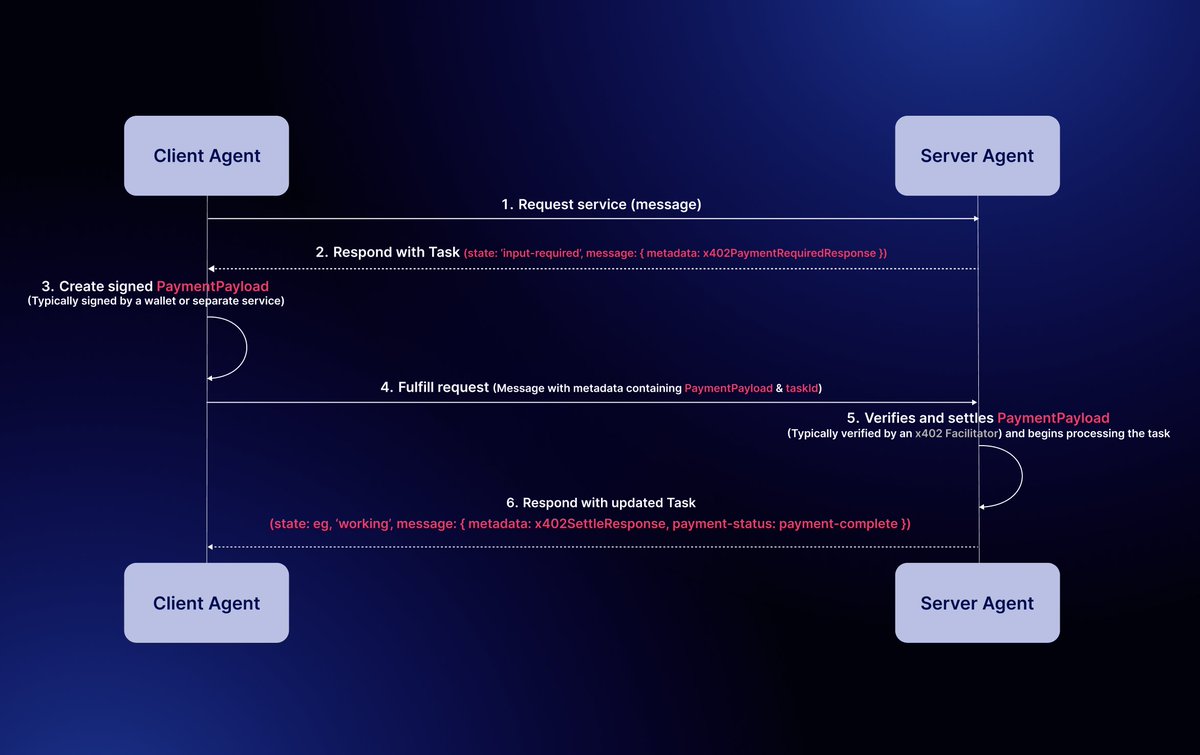
Why HTTP 402 Payment Required Is Relevant in 2025
HTTP 402 is no longer theoretical. With X402 payment intents integration, any web server can demand on-chain settlement before serving premium data or compute. The protocol is chain-agnostic, supporting networks like Base and Solana, and works with stablecoins such as USDC for price stability and fast settlement. This approach is particularly appealing for:
- API monetization (pay-per-call endpoints)
- Paywalled content (news, media, research)
- Autonomous agent payments (AI bots accessing paid APIs)
- E-commerce microtransactions
X402’s open standard ensures interoperability across clients and servers, letting developers build seamless payment experiences directly into their HTTP stack.
The X402 Payment Flow: Step-by-Step Mechanics
The core X402 flow leverages familiar HTTP request/response semantics:
Visual Guide: The X402 HTTP Payment Flow
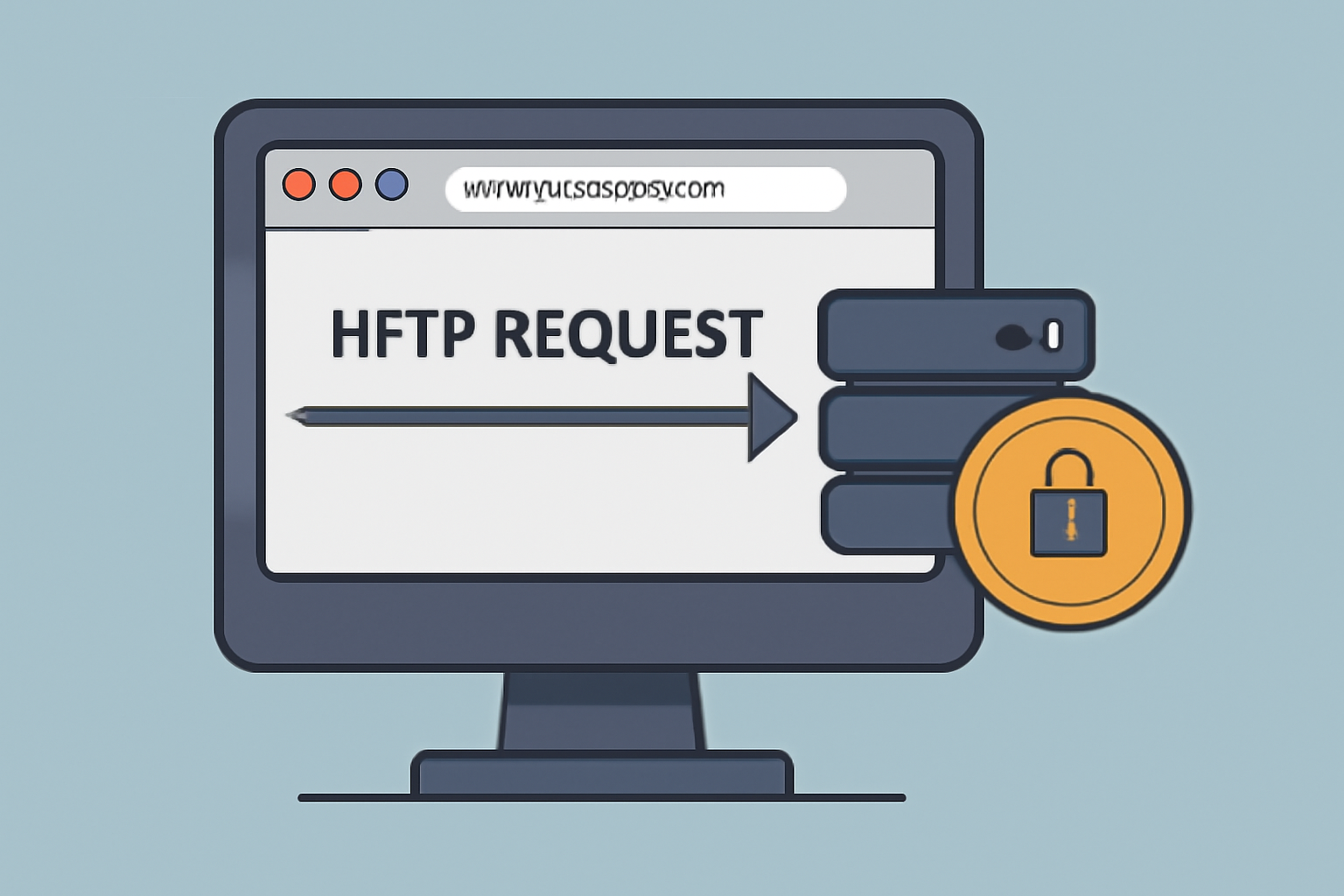
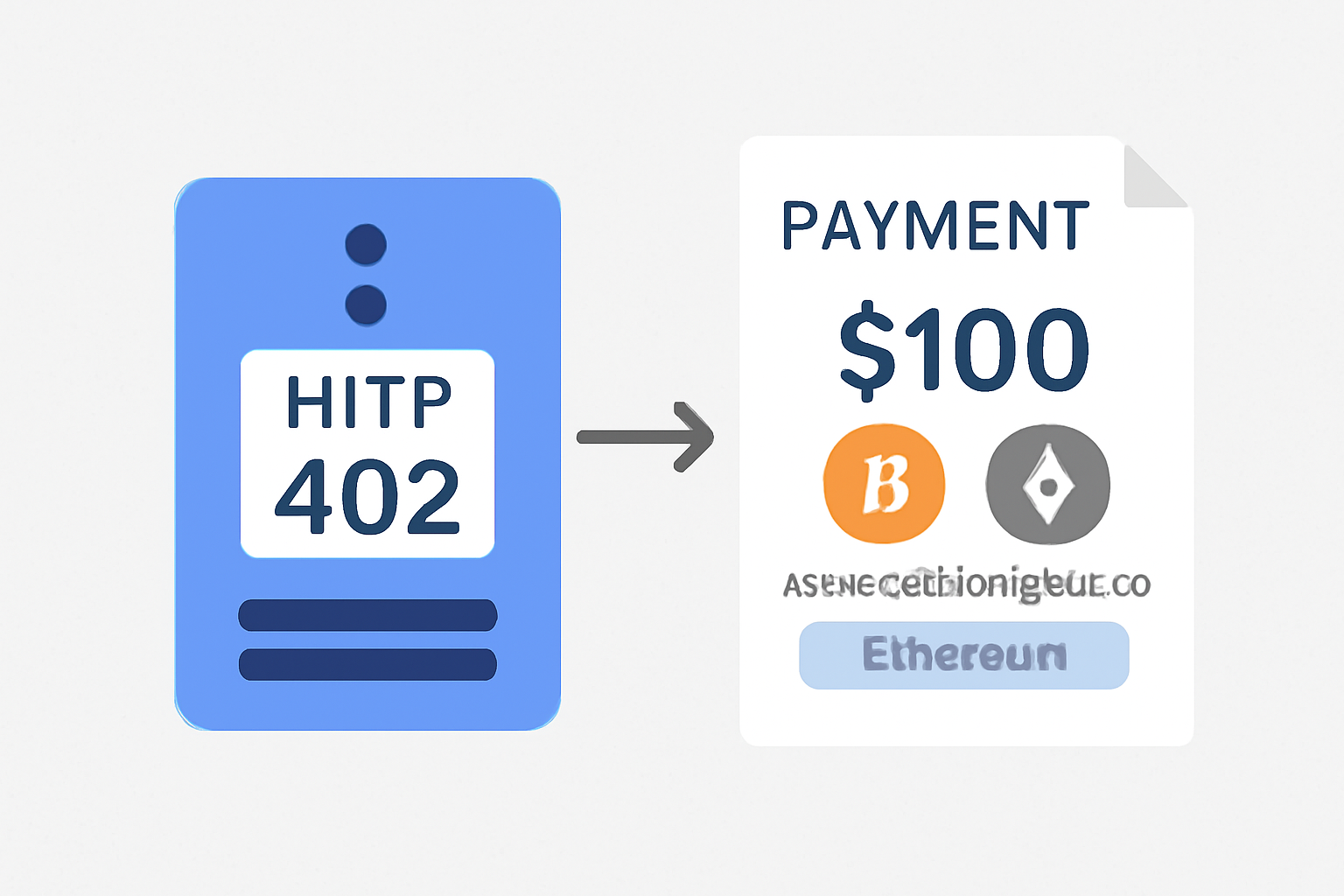
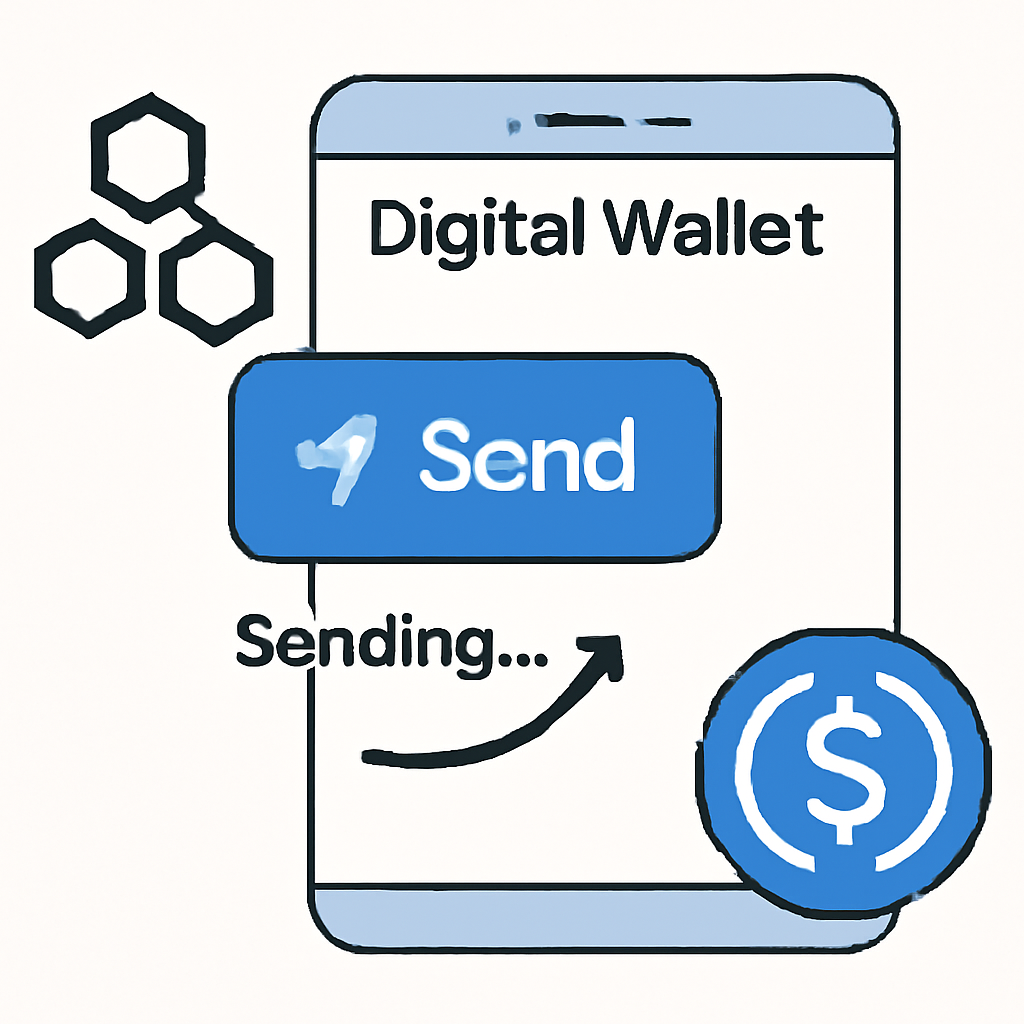
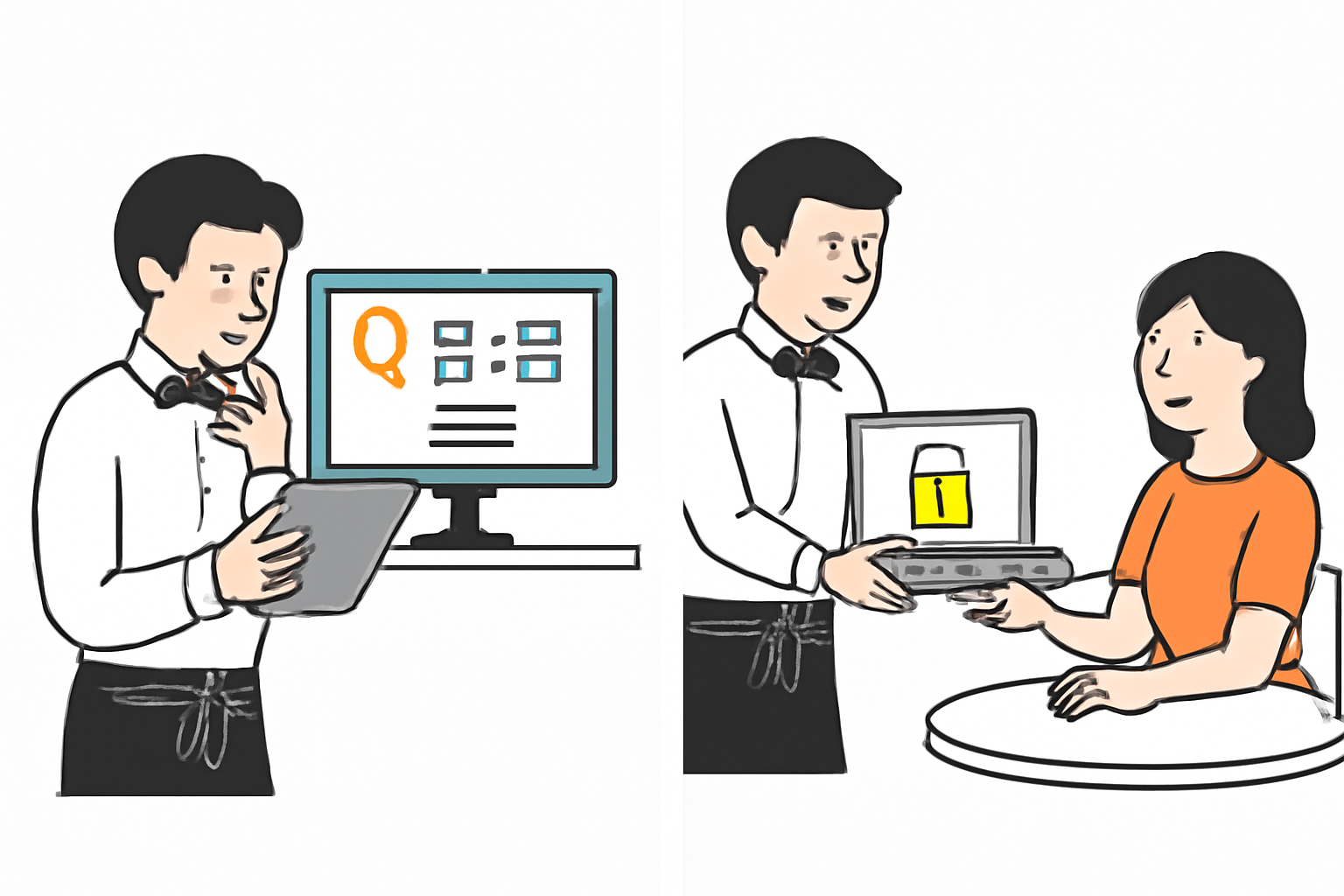
Here’s how it unfolds:
- Client requests a resource.
- Server responds with HTTP 402 status code. The response includes payment instructions, amount due, accepted tokens/networks (e. g. , USDC on Base), recipient address, and an invoice reference.
- The client initiates an on-chain transaction.
- The client retries the request with proof of payment.
- The server verifies the transaction and grants access.
This architecture eliminates friction: no account creation or manual KYC steps are needed. Only blockchain transaction fees apply, there are zero protocol fees.
Coding Your First Crypto Paywall With X402
You can implement an X402-powered crypto paywall in just a few lines of code using popular frameworks. On the backend, configure your Express. js (or similar) server to detect unauthenticated requests and return a 402 status plus payment metadata in the headers. On the client side, use libraries like wrapFetchWithPayment from thirdweb or SDKs such as HTTPayer to automate handling of 402 responses, detecting when a payment is needed, parsing blockchain instructions, executing the transfer via integrated Web3 wallets (like viem or ethers-v6), and retrying requests upon confirmation.
This process supports both human users and automated agents (bots), making it ideal for programmatic access to premium APIs or content feeds. For full stack guides and best practices, see our deep dive on Coinbase X402 implementation strategies here.
Security and user privacy are core strengths of the X402 HTTP payment protocol. Since all payments are handled on-chain, there’s no need to store sensitive user information, manage passwords, or maintain centralized databases of access tokens. Instead, users authenticate by cryptographically signing transactions with their wallet, no seed phrase exposure required when using libraries like viem or ethers-v6. This also means that your application is naturally resistant to common Web2 attack vectors such as credential stuffing and session hijacking.
Real-World Use Cases and Monetization Models
The instant settlement and blockchain-agnostic nature of X402 unlock a spectrum of monetization strategies. Here are some leading examples:
- Pay-per-use APIs: Charge for each API call (e. g. , AI inference, data queries) with no upfront registration friction.
- Micropayments for digital content: Let readers pay cents for articles, downloads, or research reports, no subscriptions required.
- E-commerce checkout: Enable seamless crypto checkout flows that settle in seconds and don’t require fiat rails.
- Machine-to-machine (M2M) payments: Allow autonomous agents to transact for compute, storage, or data feeds on demand.
This flexibility is particularly attractive to developers building decentralized apps (dApps), SaaS APIs, or any platform seeking granular monetization without heavy integration overhead.
Sample Express. js Implementation: X402 in Action
Below is a concise code snippet showing how an Express. js server can return a 402 Payment Required response when a resource requires on-chain payment. The headers include all necessary payment metadata for the client to process the transaction:
Minimal Express.js Server with HTTP 402 and X402 Headers
Below is a minimal Express.js server that returns an HTTP 402 Payment Required response with custom X402 payment headers. This demonstrates how to prompt clients for instant on-chain crypto payments using the X402 protocol.
const express = require('express');
const app = express();

app.get('/protected-resource', (req, res) => {
  res.set({
    'X402-Payment-Address': 'bc1qexampleaddress...',
    'X402-Amount': '0.0001', // Amount in BTC
    'X402-Currency': 'BTC',
    'X402-Invoice-Id': 'inv-123456',
    'X402-Payment-URL': 'https://x402.example.com/pay/inv-123456'
  });
  res.status(402).send('Payment Required: Please send 0.0001 BTC to access this resource.');
});

app.listen(3000, () => {
  console.log('Server listening on port 3000');
});
When a client requests the /protected-resource endpoint, the server responds with a 402 status code and includes X402 headers specifying payment details such as the address, amount, currency, invoice ID, and a payment URL.
This pattern generalizes to any backend stack that supports custom HTTP responses, Node. js, Python (FastAPI/Flask), Go, Rust, etc. On the client side, use SDKs like HTTPayer or thirdweb’s wrapper functions to intercept 402 responses and trigger wallet-based payments automatically.
Testing and amp; Deployment: Best Practices
X402 is production-ready across major EVM-compatible chains (Base, Ethereum L2s) as well as Solana. Always test your integration extensively on supported testnets before mainnet deployment. Verify that your client correctly parses payment instructions from the server response headers and that wallet integrations securely sign transactions without exposing private keys.
- For detailed walkthroughs on deploying crypto-enabled paywalls or APIs using X402 intents, see this step-by-step guide.
- If you’re building a pay-as-you-go API monetization model, explore our resource on X402 payment intents for API access.
- You can also review practical tips on enabling crypto payments directly within your HTTP server at this link.
The Future of Web Payments Is Programmable
X402 represents a paradigm shift in how value moves across the internet. By leveraging the once-forgotten HTTP 402 Payment Required status code and marrying it with programmable crypto payments, developers can now natively monetize digital resources at protocol speed, with zero protocol fees and no centralized gatekeepers. The result is frictionless user experiences for both humans and bots alike.
If you’re ready to bring instant on-chain crypto payments into your product stack, or want to experiment with new business models, X402 offers a standards-based solution that’s fast becoming an industry norm for web3 programmable payments.




No comments yet. Be the first to share your thoughts!