

The evolution of digital payments has reached a new milestone with the introduction of the HTTP Payment Protocol and Coinbase X402. These technologies are designed to empower developers, businesses, and decentralized application (dApp) builders to accept seamless and secure crypto payments directly over HTTP. No more clunky wallet pop-ups or complicated OAuth flows; with X402, you can monetize APIs, premium content, or AI-powered services using stablecoins like USDC as effortlessly as delivering a web page.
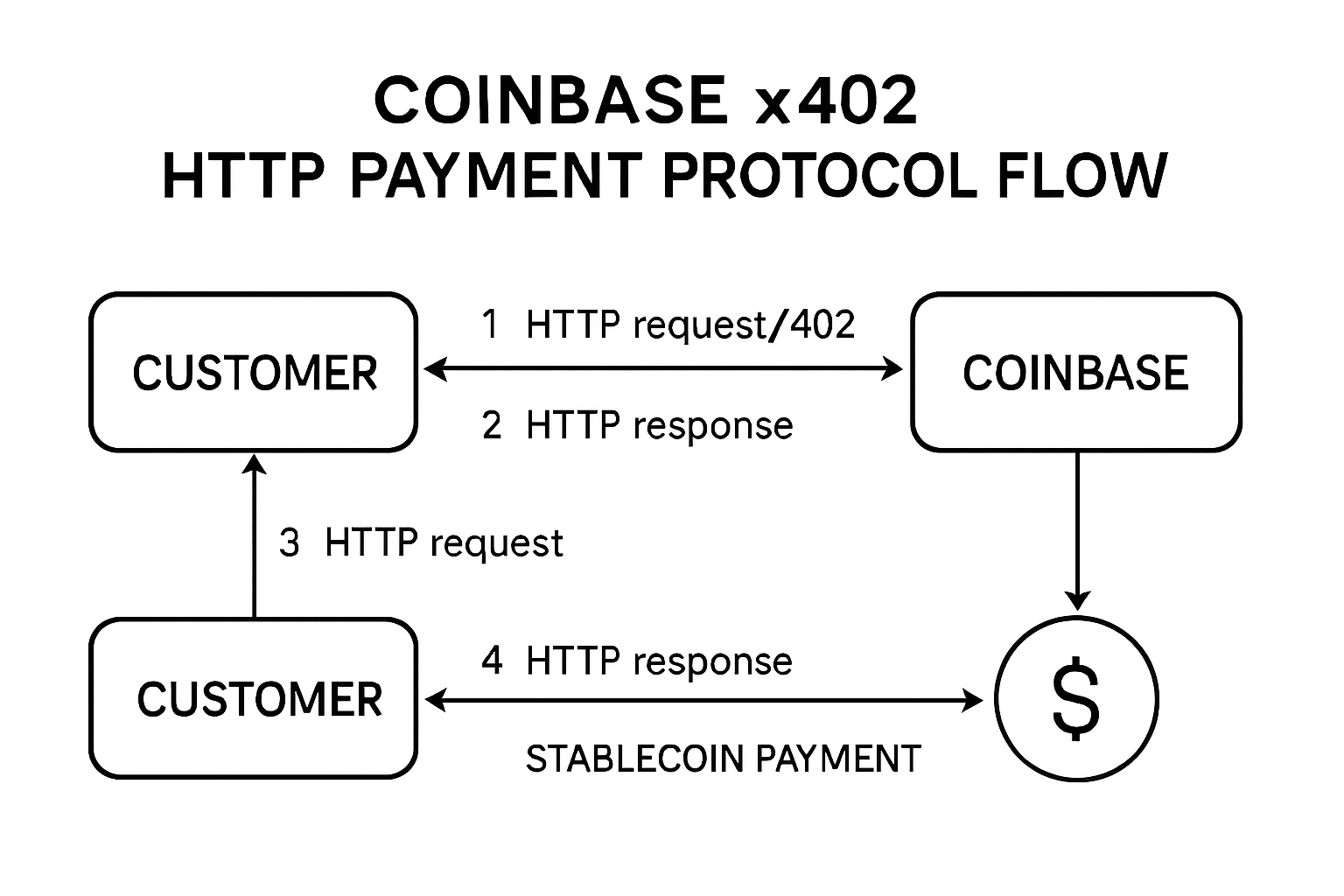
Why Integrate HTTP Payment Protocol with Coinbase X402?
Coinbase’s X402 protocol leverages the previously unused HTTP 402 "Payment Required" status code, transforming it into a powerful tool for on-chain payments. This innovation enables any client, browsers, apps, or autonomous agents, to transact in stablecoins without traditional payment hurdles. Here’s what sets it apart:
- Instant Payments: Payments are settled immediately on-chain, reducing latency and risk.
- Seamless Integration: Works natively with existing HTTP infrastructure; no need for new user authentication flows.
- Chain Agnostic: Supports multiple blockchains and tokens (e. g. , USDC), offering flexibility for global users.
- No Middlemen: Direct payments between clients and servers, no registration, no emails required.
This approach is particularly valuable for pay-per-use APIs, metered access to data or media, and microtransactions in AI-driven platforms. As digital commerce trends toward decentralization and automation, these features are rapidly becoming essential.
The X402 Payment Flow: How It Works
The heart of integrating secure crypto payment functionality lies in understanding the X402 payment flow. Here’s a systematic breakdown:
Key Steps in the Coinbase x402 Payment Flow
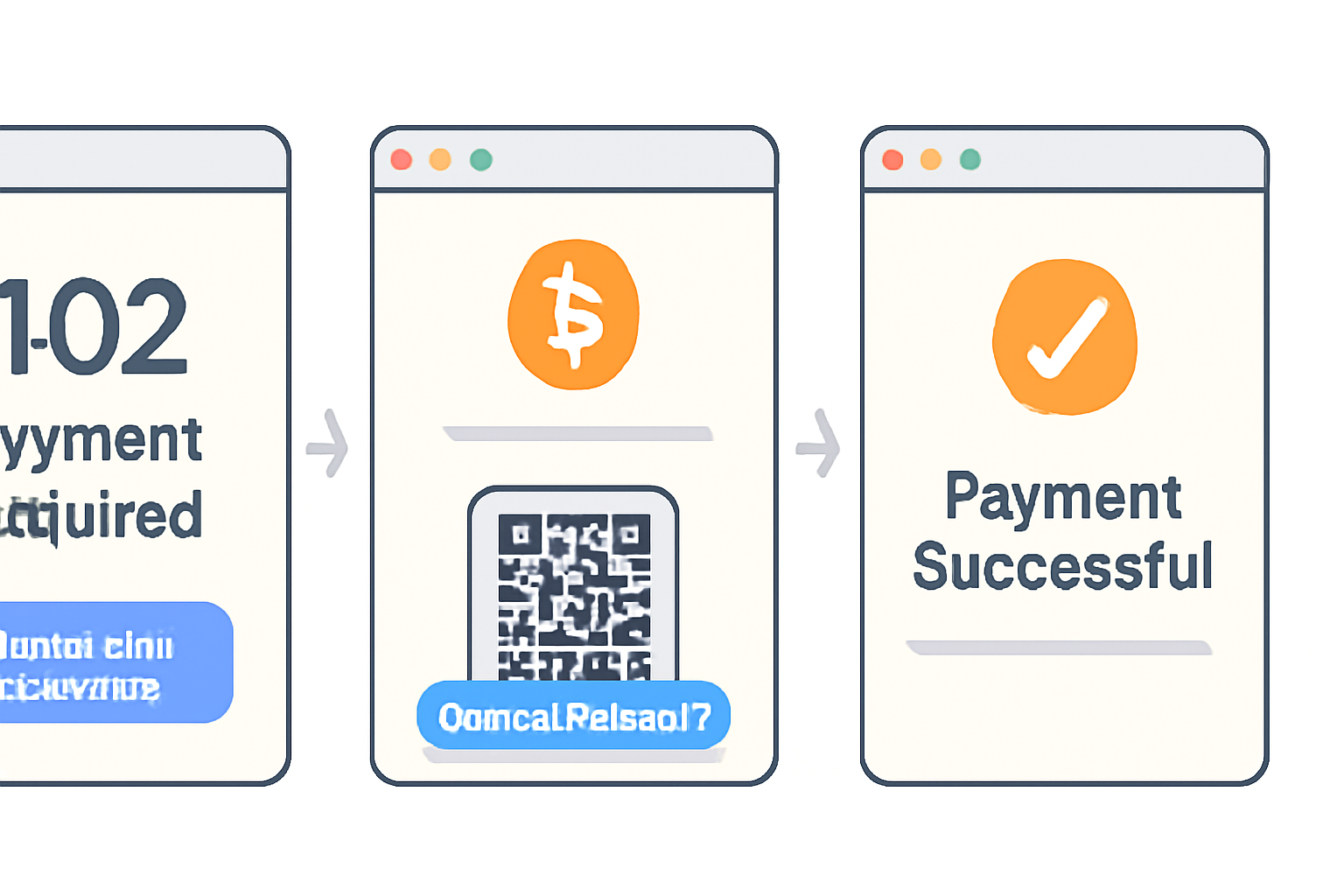
- 1. Client Initiates Resource Request: The client (browser, app, or AI agent) sends a standard HTTP request to the x402-enabled server, attempting to access a protected resource.
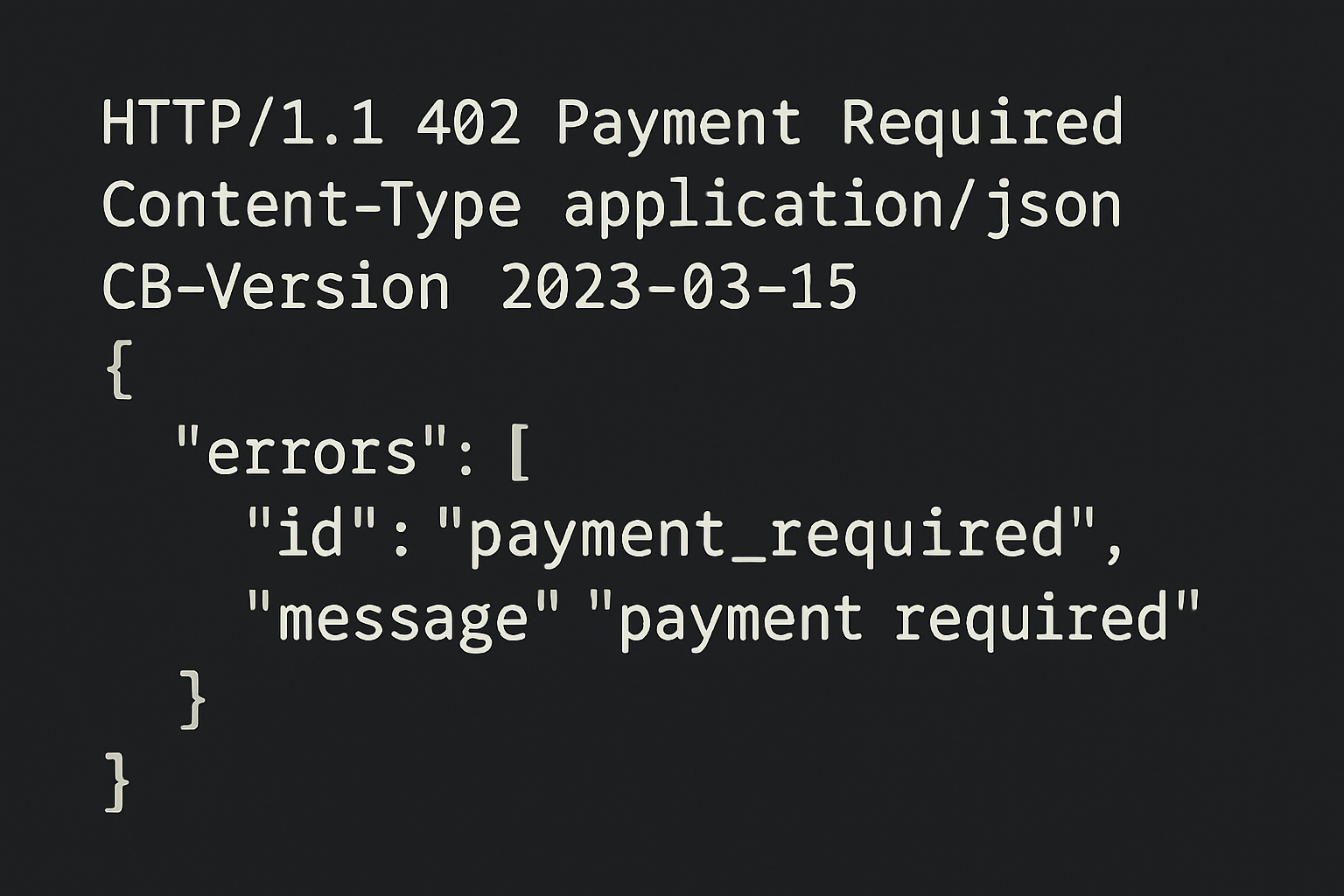
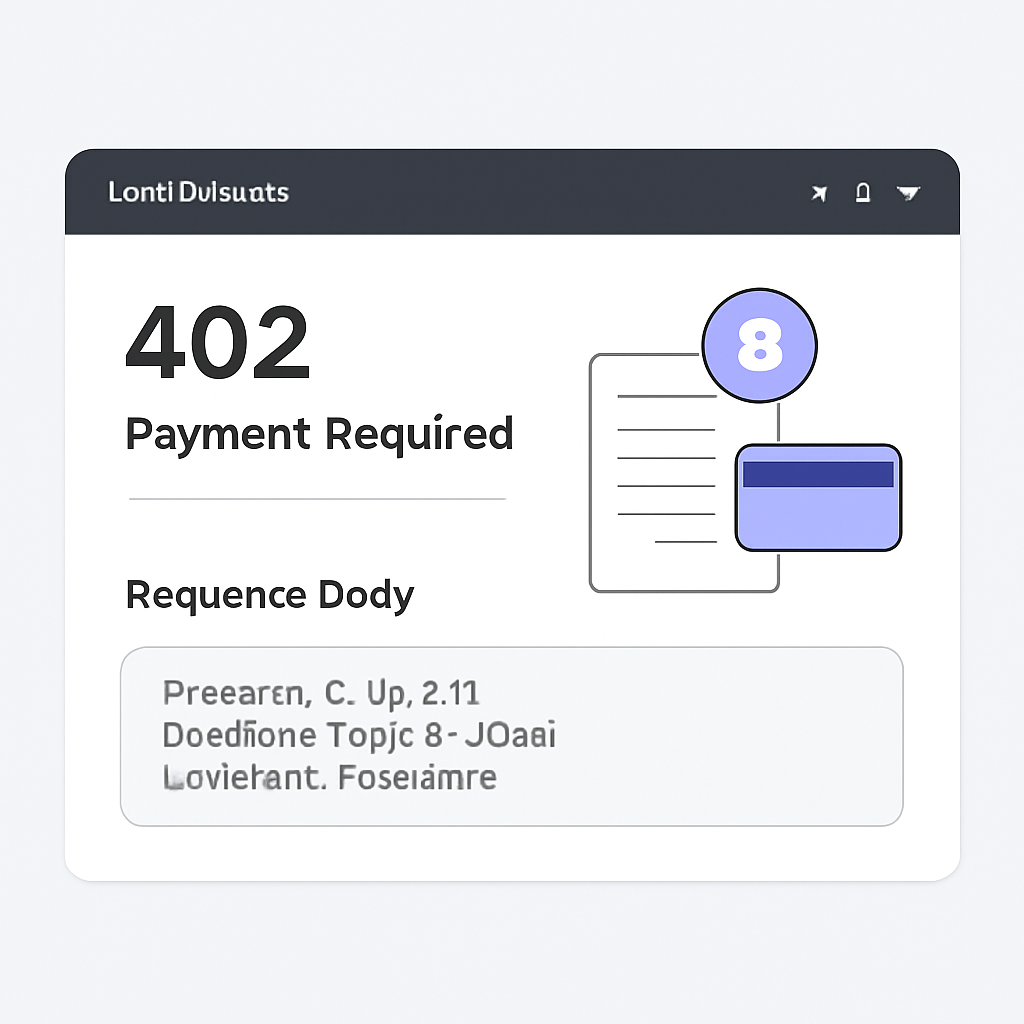
- 2. Server Responds with 402 Payment Required: The server replies with an HTTP 402 status code, including payment instructions—such as the required amount (in USDC or other supported stablecoins), accepted tokens, and payment address—in the response headers or body.
- 3. Client Prepares and Sends Payment: The client generates and signs a payment payload using a supported stablecoin (e.g., USDC), then resends the HTTP request, attaching the payment details in the X-PAYMENT header.
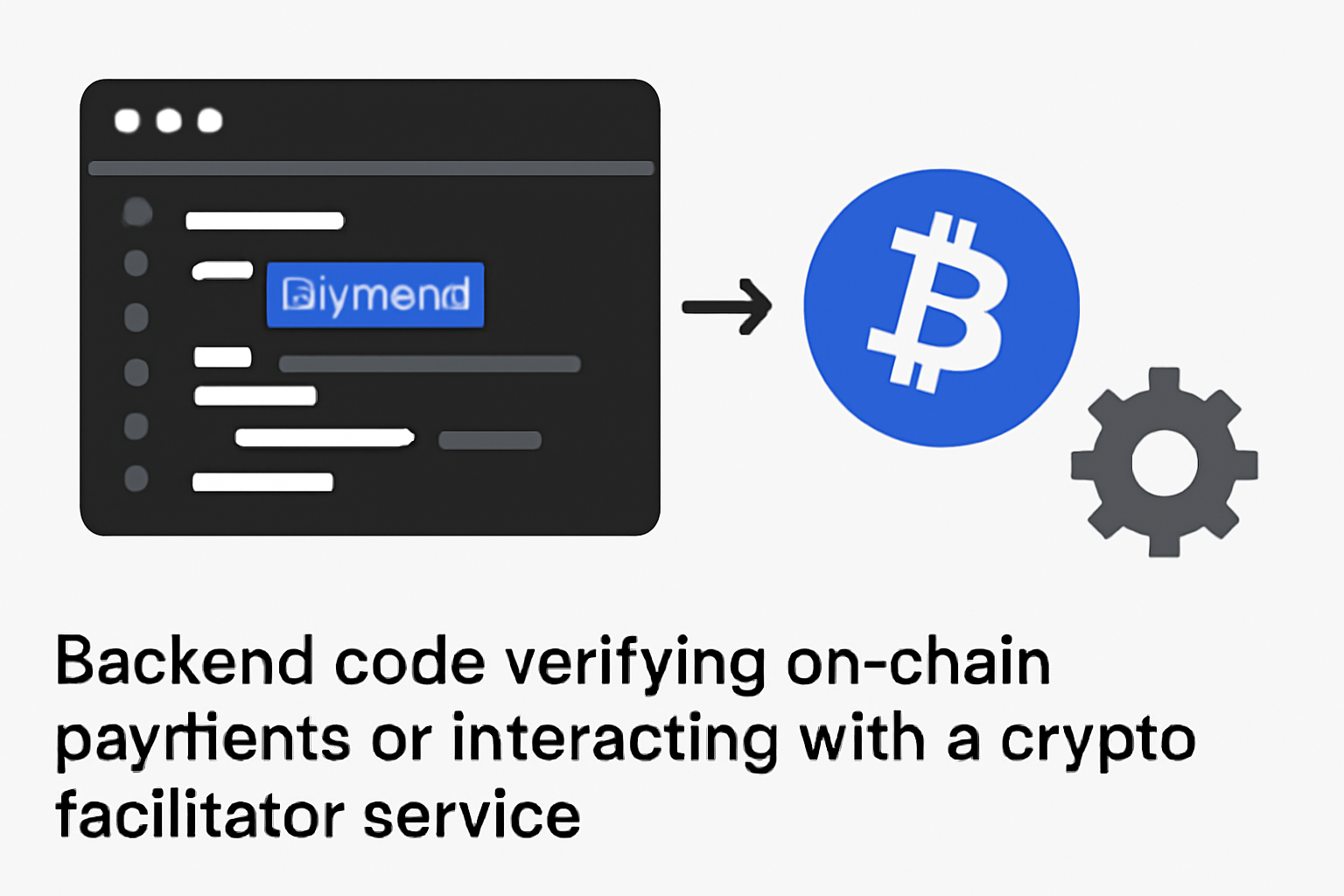
- 4. Server Verifies and Settles Payment: The server validates the payment on-chain, either directly or via a facilitator service like Coinbase x402 Facilitator, ensuring the transaction is complete and funds have been received.
- 5. Resource Delivery Upon Successful Payment: Once payment is confirmed, the server grants access and delivers the requested resource to the client, completing the transaction flow.
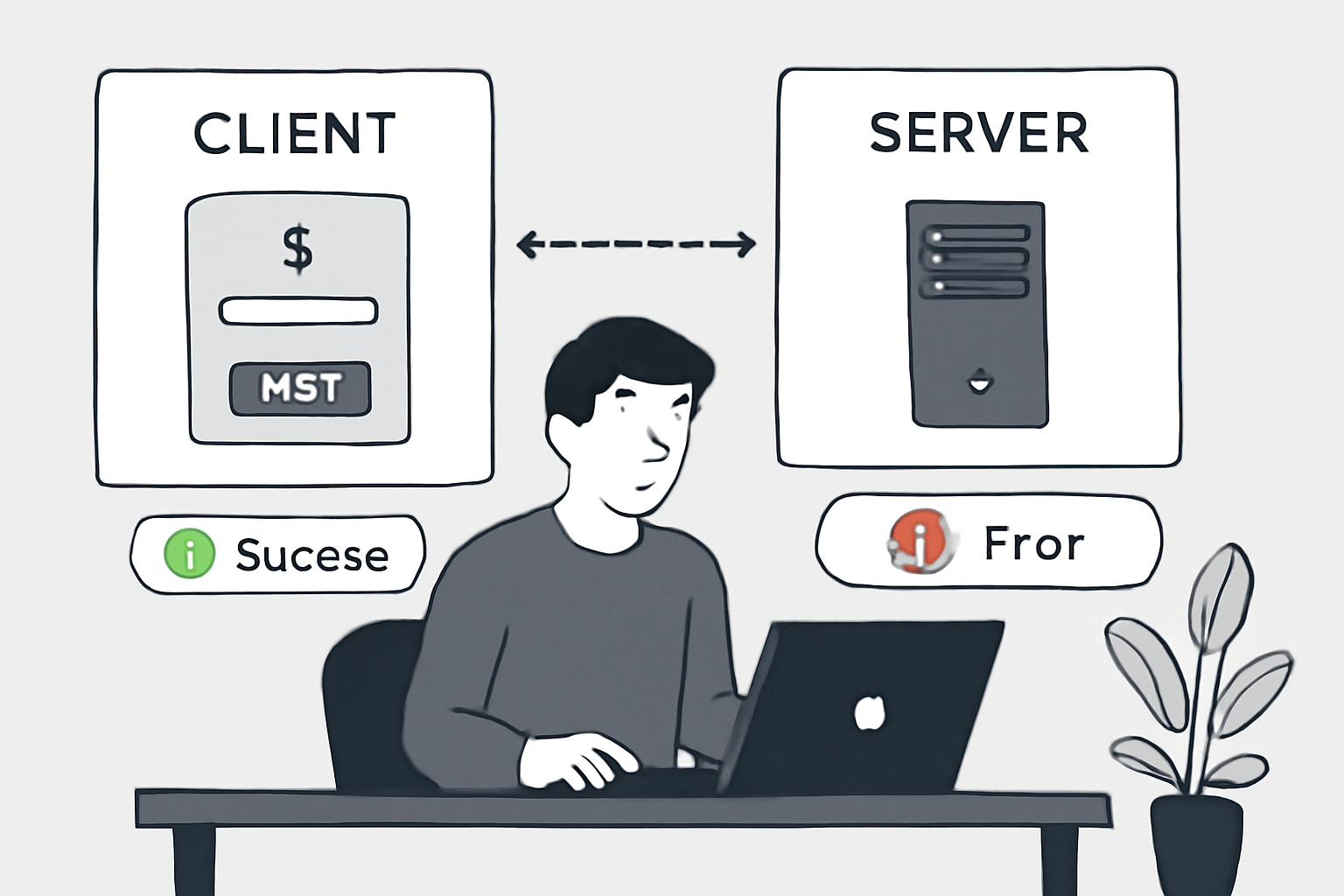
- Client Request: The client (browser/app/agent) requests access to a protected resource on your server.
- Server Response (HTTP 402): The server replies with a 402 Payment Required status code. This response includes metadata specifying the price (in USDC), accepted tokens, network details (e. g. , Base Sepolia), and instructions for payment.
- Client Prepares Payment: The client creates a payment payload, signing it with their crypto wallet, and includes it in an
X-PAYMENTheader when retrying the request. - Server Verifies and Settles: The server validates the payment on-chain directly or via a facilitator such as Coinbase’s own service. Once verified, access is granted instantly.
- Resource Delivery: Upon successful settlement, your server delivers the requested resource, be it API data, video content, or AI inference results.
This frictionless cycle means users pay only when they consume resources, ideal for modern SaaS models and dynamic digital marketplaces. For more technical details on implementing this flow in your stack, see our guide on Coinbase X402 Payment Intents integration.
Your Integration Roadmap: From Server Setup to Client Payments
If you’re ready to unlock secure crypto transactions using HTTP Payment Protocol integration with Coinbase X402, here’s how to get started systematically:
Integrate x402 Payment Protocol: Server & Client Setup Guide
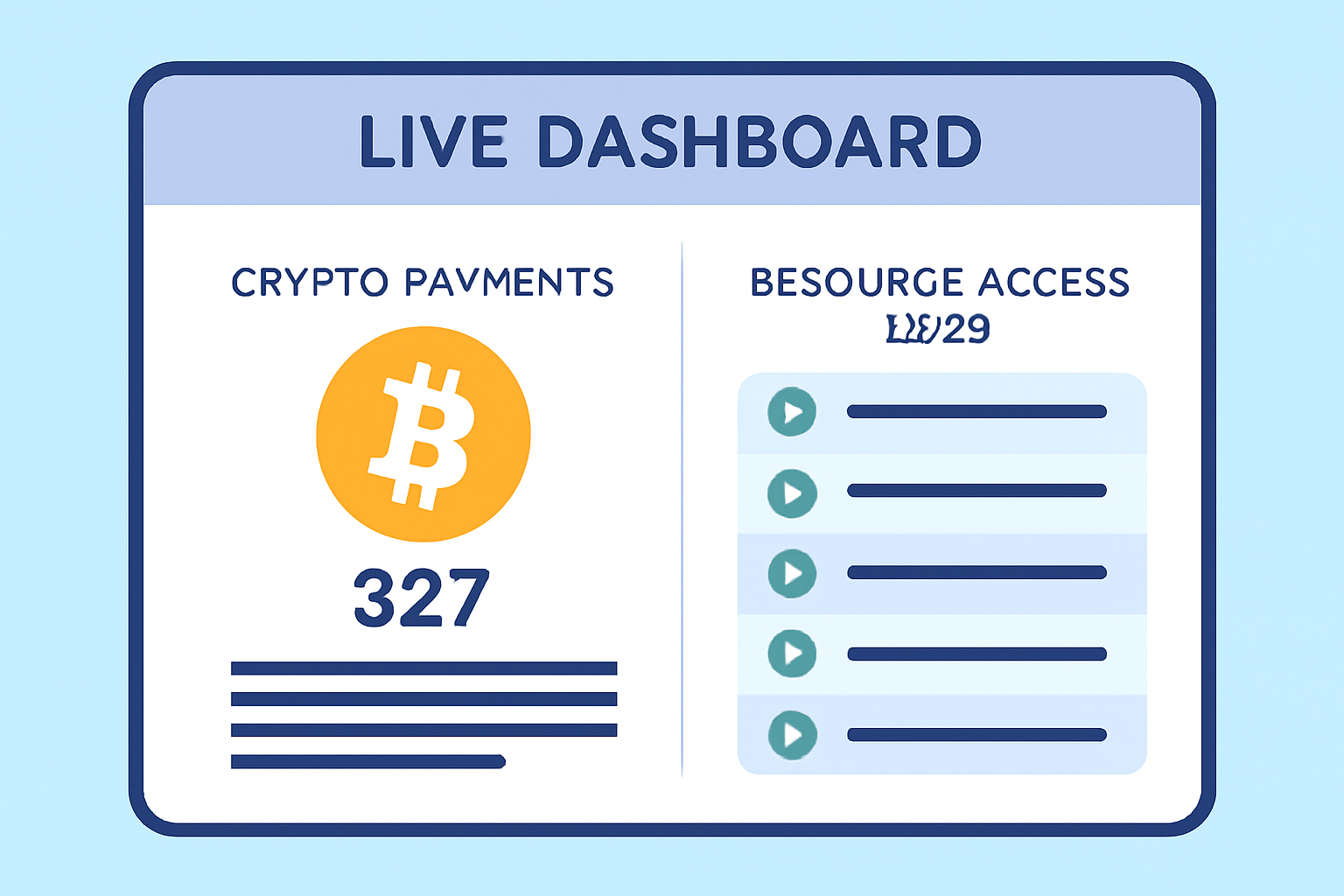
This process ensures both security and efficiency while keeping your user experience streamlined, no unnecessary redirects or third-party sign-ups required. You’ll be able to accept stablecoin payments programmatically over standard HTTP requests while maintaining full control over pricing logic and access rules.
Testing is a critical phase in any crypto payment API implementation. Begin by deploying your solution on a testnet, such as Base Sepolia, to simulate real-world transactions without risking actual funds. Tools like Coinbase’s x402 Facilitator or open-source SDKs can help you automate payment verification and settlement. Make sure to validate both successful and failed payments, including edge cases like expired payloads or insufficient funds, to guarantee robust error handling.
Optimizing for Security and Compliance
Security is paramount when integrating decentralized payment protocols. Always use HTTPS for encrypted communication between clients and servers. Implement strict validation of the X-PAYMENT header and monitor blockchain confirmations before delivering resources. Additionally, keep your dependencies updated and regularly audit smart contract interactions if you’re verifying payments directly on-chain.
For businesses operating in regulated environments, consider how compliance requirements such as KYC/AML may impact your workflow. While x402 is designed for minimal friction, you can layer additional checks or integrate with third-party identity providers if necessary.
Expanding Use Cases: From APIs to Autonomous Agents
The flexibility of Coinbase X402 makes it suitable for a wide spectrum of applications beyond traditional e-commerce. Monetize premium API endpoints, enable AI agents to autonomously pay for data or compute resources, or build metered access models for digital media with microtransactions using stablecoins like USDC. This protocol also opens the door for innovative business models where payments are embedded directly into machine-to-machine interactions.
Top 5 Innovative Use Cases for x402 Integration
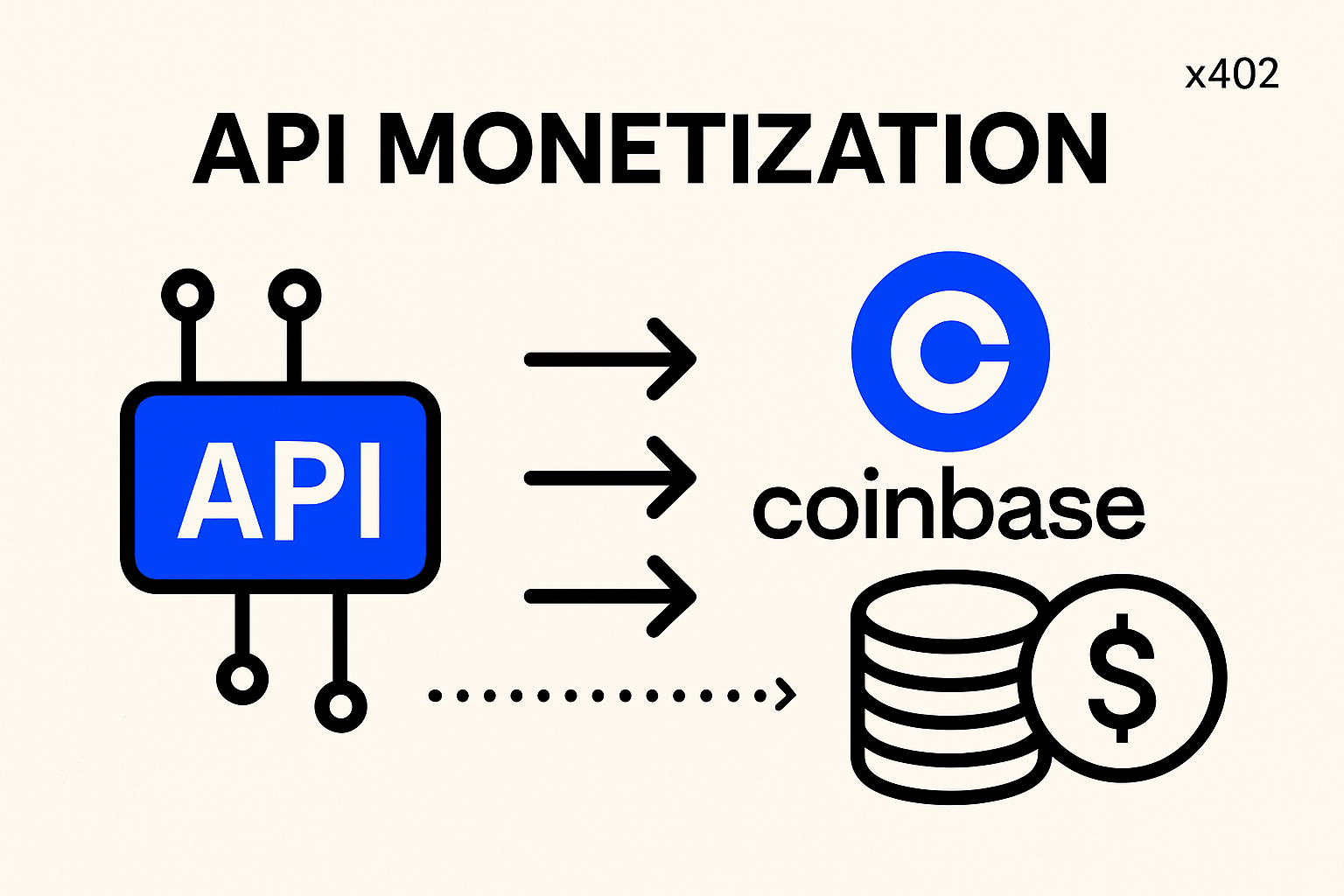
- Pay-Per-Use API Monetization: Enable developers to monetize APIs by charging users per request or per resource accessed, using Coinbase x402 for instant stablecoin payments. This model is ideal for SaaS platforms and data providers seeking granular, usage-based billing without traditional subscriptions.
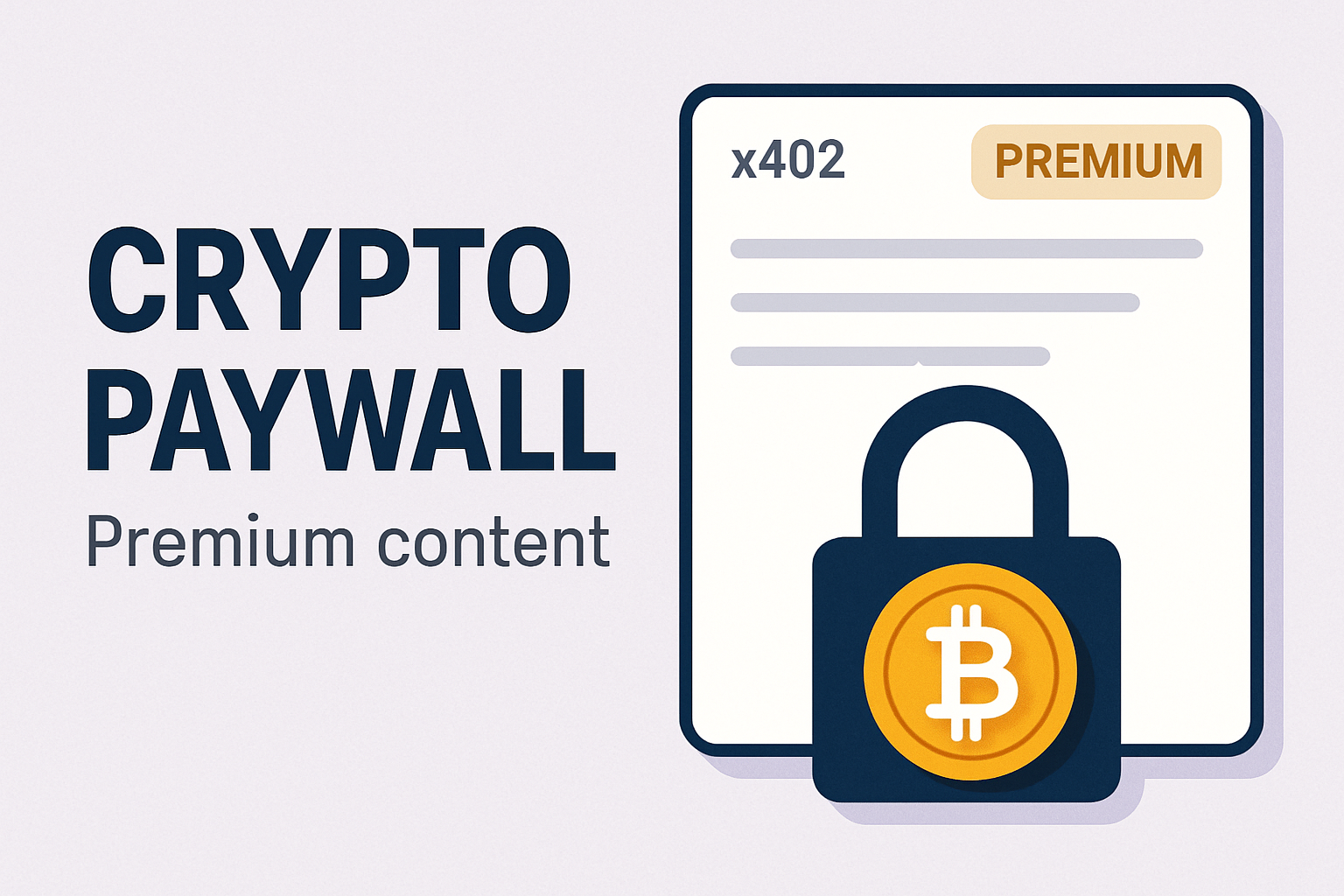
- On-Demand Access to Premium Content: Integrate x402 to power seamless crypto paywalls for articles, videos, or research, allowing users to pay only for the content they consume. This approach benefits publishers and creators by unlocking new revenue streams with minimal friction.
- Metered Cloud & AI Services: Utilize x402 to charge for compute, storage, or AI inference on a per-use basis, enabling automated payments between clients and cloud/AI providers. This supports scalable, microtransaction-based business models for services like Cloudflare or AI APIs.

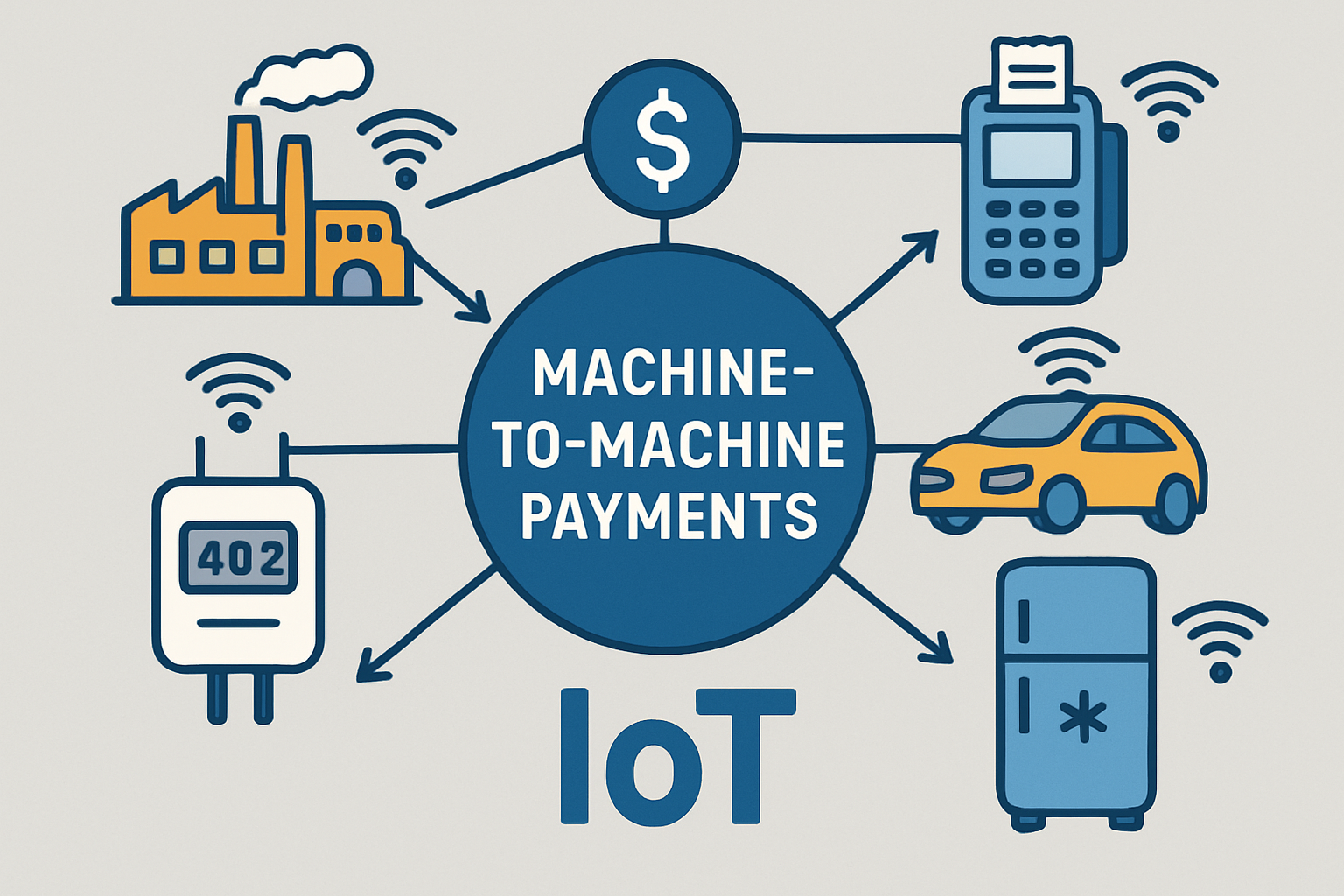
- Autonomous Machine-to-Machine Payments: Empower IoT devices, bots, or autonomous agents to pay for resources (e.g., data feeds, bandwidth, or API calls) directly over HTTP using x402, without human intervention or complex wallet setups.
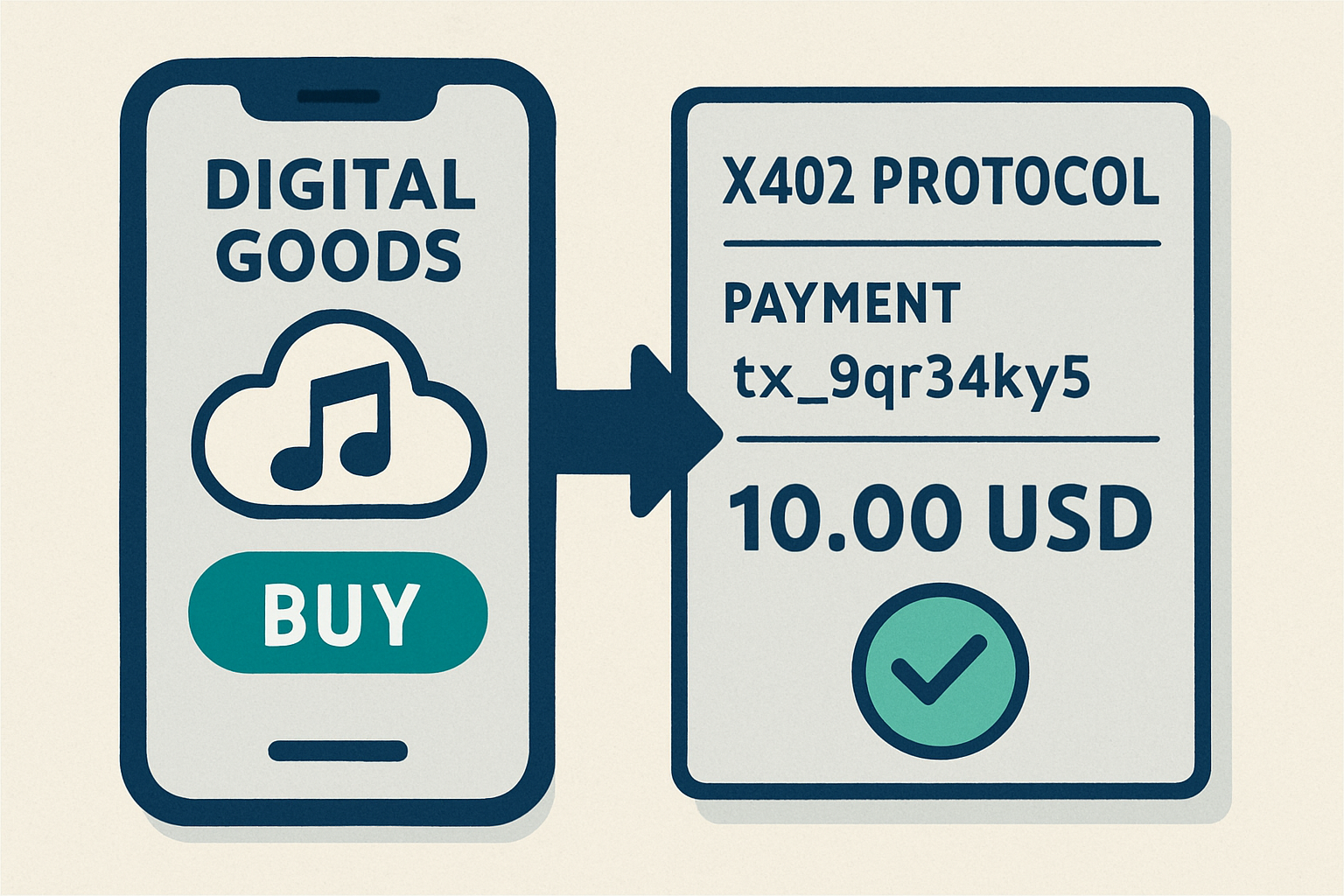
- Frictionless Digital Goods Purchases: Allow users to purchase downloadable assets—such as software, e-books, or digital art—instantly and securely via x402, streamlining the checkout process and reducing the need for account creation or card payments.
If you're interested in building decentralized applications (dApps) that leverage seamless crypto checkout experiences, check out our dedicated guide on integrating HTTP Payment Protocol with Coinbase X402 for crypto checkout.
Troubleshooting Common Integration Challenges
Even with streamlined protocols like x402, developers may encounter challenges during implementation:
- Payment Verification Delays: Ensure your server waits for sufficient blockchain confirmations before granting access.
- CORS Issues: Properly configure CORS headers so browsers can handle cross-origin requests involving payments.
- Token Support: Clearly communicate which tokens and networks are accepted within the 402 response metadata.
- Error Feedback: Provide actionable error messages if payments fail due to network congestion or incorrect payloads.
Troubleshooting these areas early will help ensure a smooth experience for both developers and end users.
The future of digital commerce is programmable, decentralized, and user-centric. By adopting the HTTP Payment Protocol with Coinbase X402 payment intents today, you position your platform at the forefront of secure crypto payment integration, ready for whatever comes next in the evolving web economy.




No comments yet. Be the first to share your thoughts!