

Integrating the HTTP Payment Protocol with Coinbase X402 is rapidly becoming a cornerstone for developers and businesses seeking to offer seamless crypto checkout experiences. The convergence of X402’s chain-agnostic standard and the underutilized HTTP 402 status code is reshaping how digital goods, APIs, and even AI agents transact online. This method not only reduces friction for end-users but also opens up new monetization models, especially as stablecoin adoption accelerates.

Why Integrate HTTP Payment Protocol with Coinbase X402?
Traditional payment gateways often come with high fees, slow settlement times, and geographic restrictions. In contrast, Coinbase X402 crypto payments enable instant settlement across borders using stablecoins or other cryptocurrencies. By leveraging the HTTP Payment Protocol integration, you can accept over 100 cryptocurrencies while reducing transaction fees compared to legacy systems.
The protocol is designed to be highly interoperable, making it ideal for developers building modern e-commerce platforms or decentralized applications. With Coinbase’s robust facilitator API and native support for stablecoins like USDC, integrating X402 means your checkout process becomes both future-proof and globally accessible.
“Coinbase’s x402 protocol revives HTTP 402 to enable onchain payments within standard web requests. This means an API or web service can monetize access in real time. ”
The Core Flow: How X402 Crypto Checkout Works
The heart of the X402 Payment Intents flow is deceptively simple:
Key Steps in the x402 Payment Flow
- Client Initiates HTTP Request: The process begins when the client (such as a web app, API consumer, or AI agent) sends an HTTP request to the server for access to a protected resource.

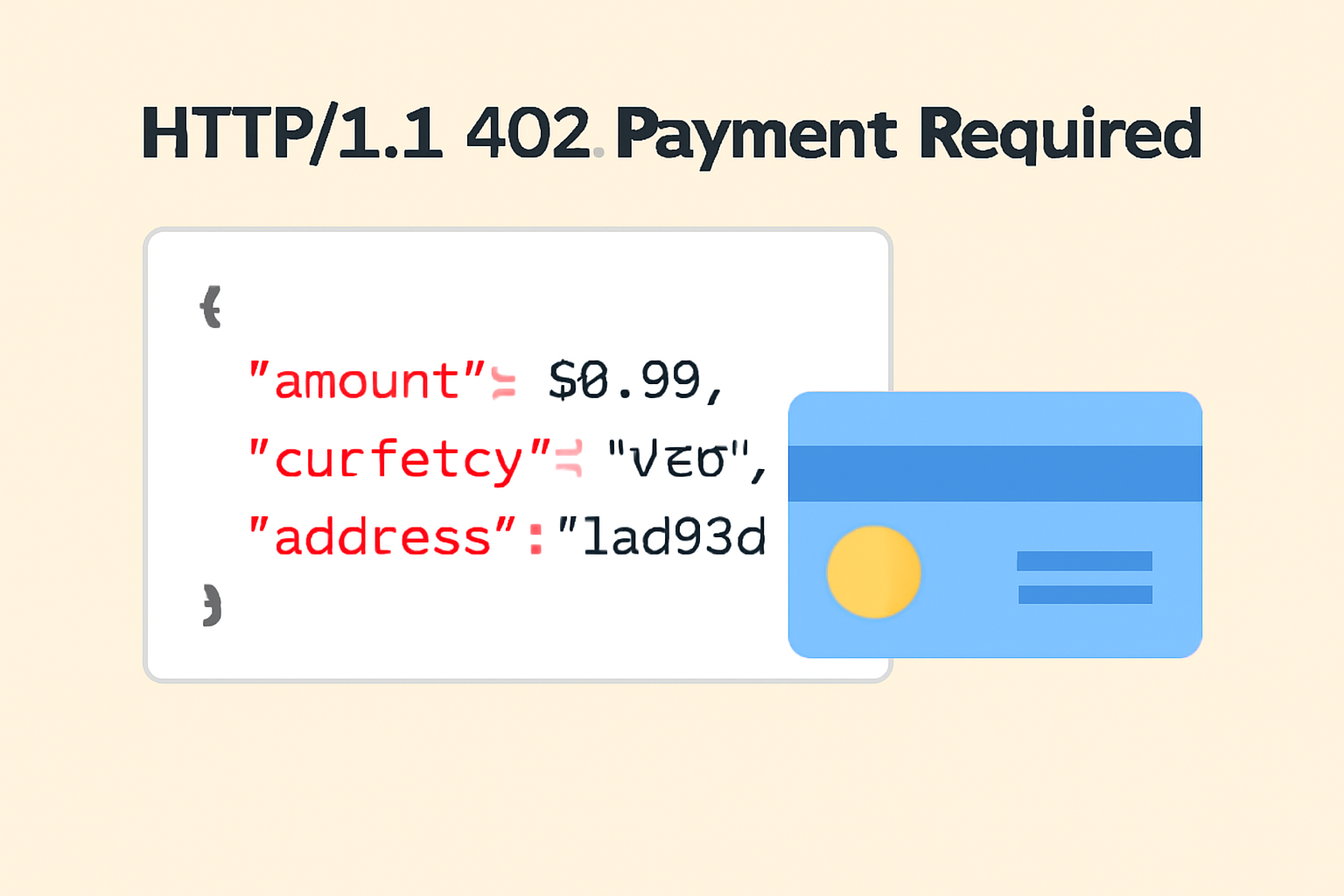
- Server Responds with HTTP 402 & Payment Details: If payment is required, the server returns an HTTP 402 Payment Required status code. The response includes payment instructions—such as the required amount, currency (e.g., USDC), and the destination address—following the Coinbase x402 protocol.

- Client Constructs and Signs Payment: The client reviews the payment requirements and uses a supported crypto wallet to construct and sign a payment payload as specified by the x402 protocol.
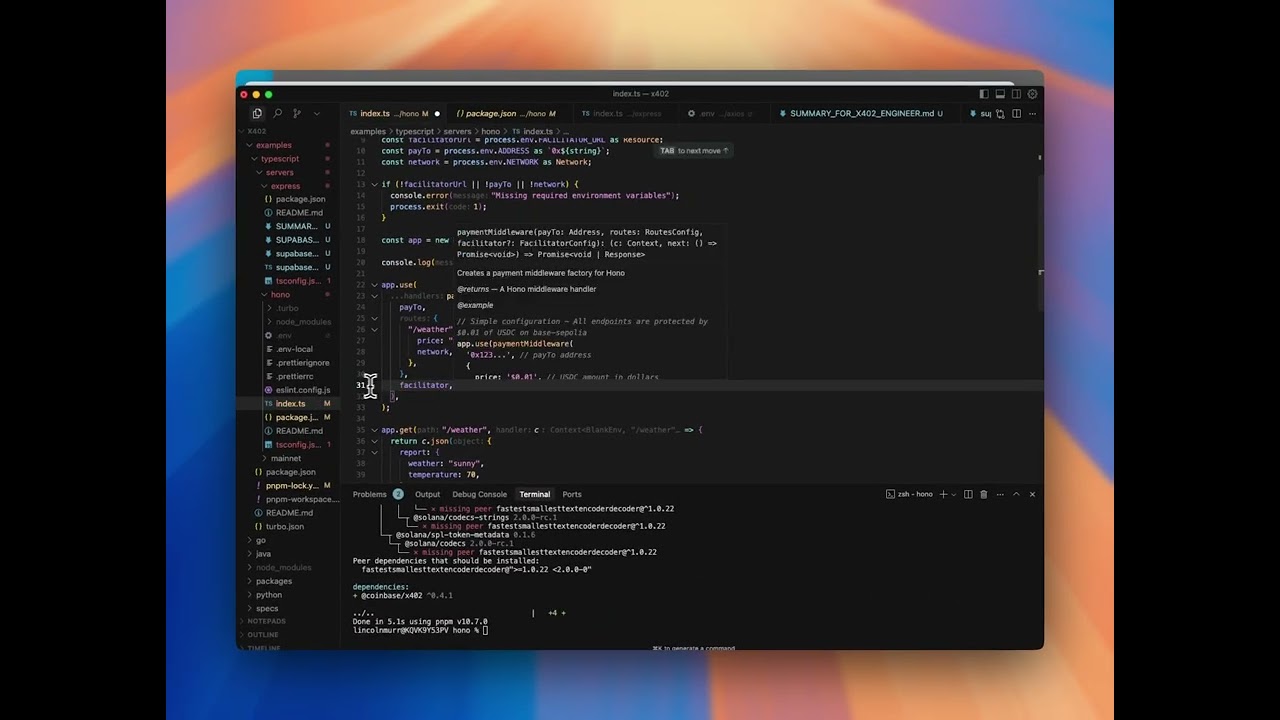
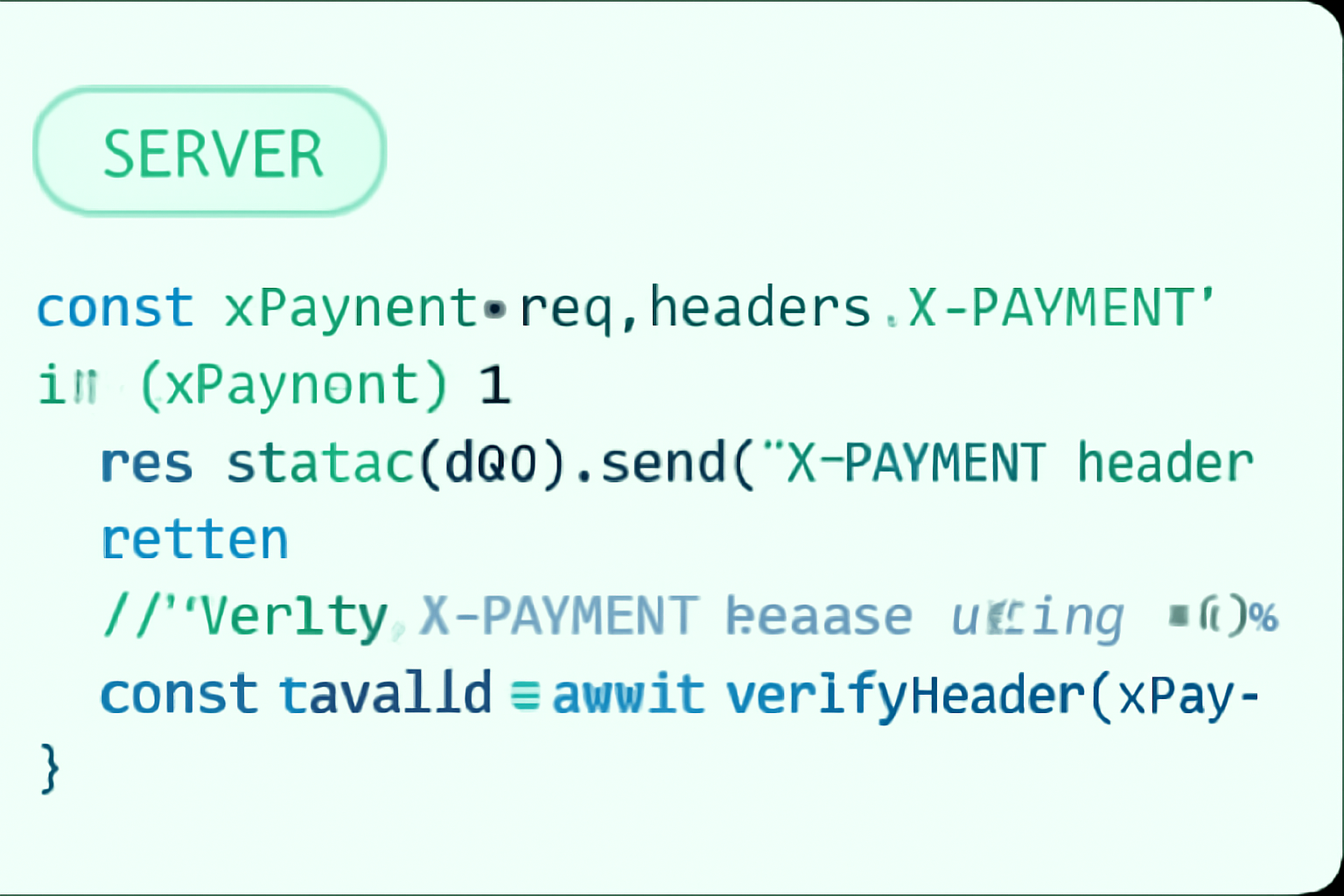
- Client Resubmits Request with X-PAYMENT Header: The client resends the original HTTP request, now including the X-PAYMENT header containing the signed payment payload.
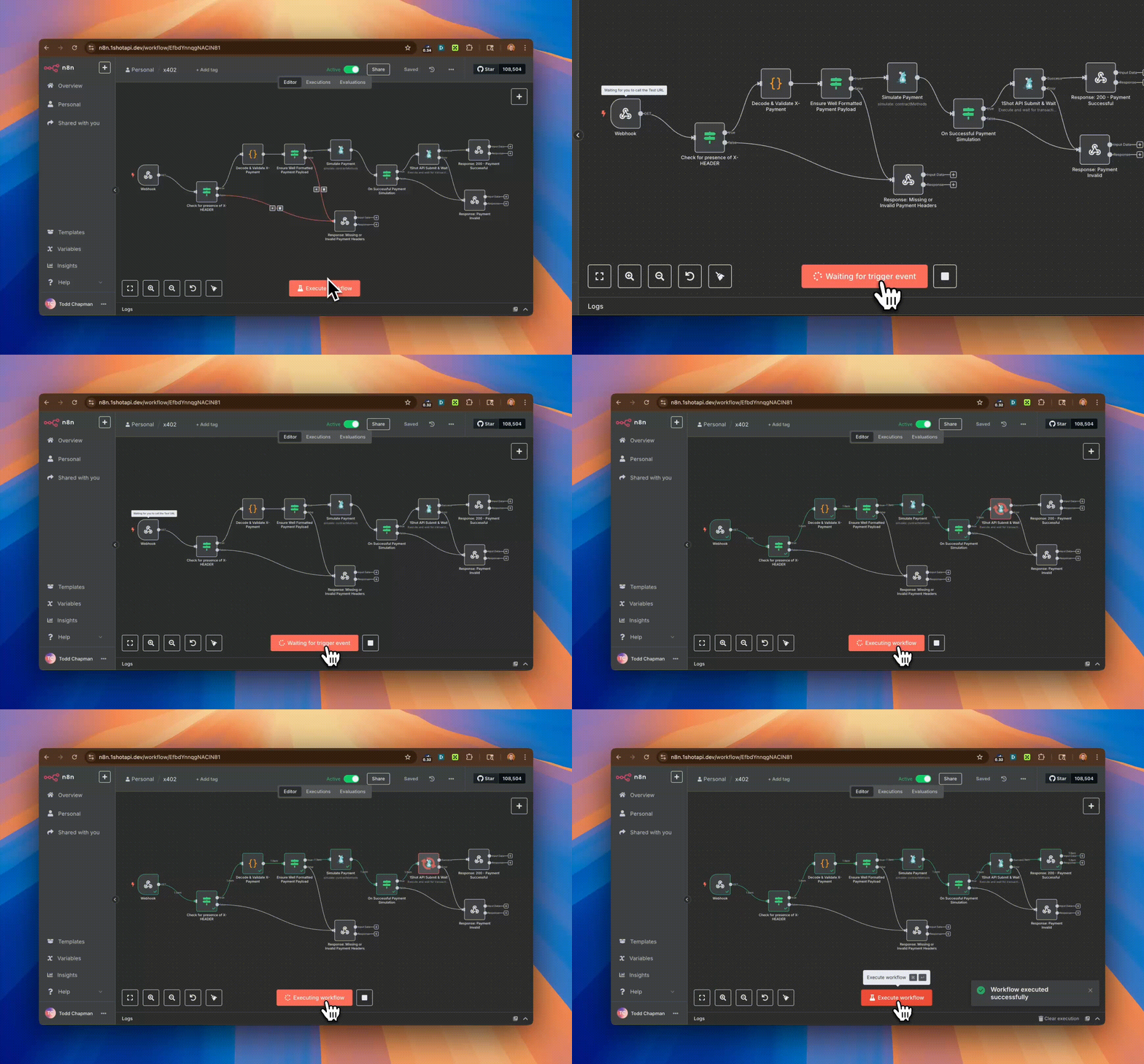
- Server Verifies and Settles Payment: The server verifies the payment payload, either directly or by leveraging the Coinbase x402 Facilitator API, which handles payment verification and settlement.
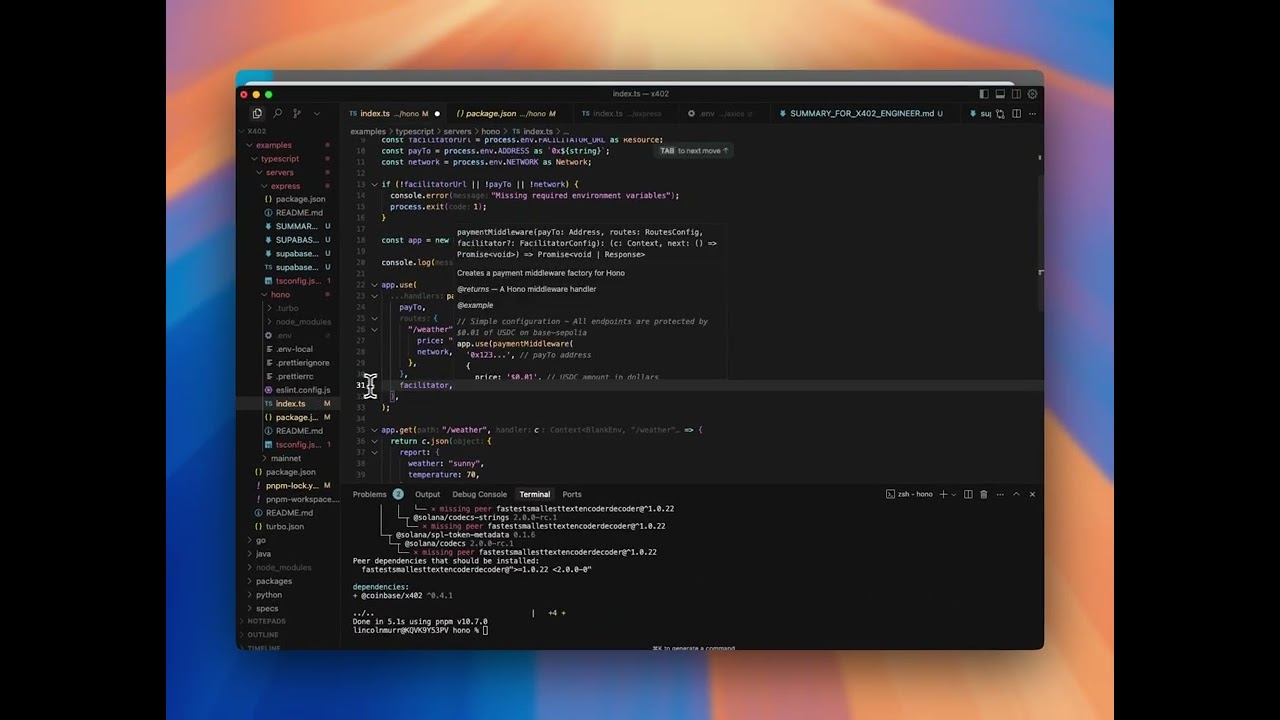
- Resource Delivery Upon Successful Payment: Once payment is verified and settled, the server grants access to the requested resource or delivers the purchased content to the client.

Let’s break this down:
- Client Request: A user or application initiates an HTTP request for a protected resource.
- Payment Challenge: The server responds with an HTTP 402 status code, embedding payment details such as amount, currency (e. g. , USDC), and destination wallet address directly in the response headers or body.
- User Pays: The client constructs a signed payment payload using their crypto wallet and resubmits the original request with an
X-PAYMENTheader containing proof of payment. - Verification and Settlement: The server verifies the transaction, either locally or via Coinbase’s x402 Facilitator API, and upon confirmation delivers access to the requested digital asset or endpoint.
This approach enables programmatic payments over HTTP without requiring centralized accounts or complex integrations. For more technical details on each step, see the official Coinbase Developer Documentation.
X402 in Practice: Enabling Crypto Paywalls and Instant Settlement
The practical applications of this model are vast. Imagine deploying a pay-per-use API where every call triggers an autonomous microtransaction, or gating access to premium content behind a crypto paywall that settles instantly. With X402’s open protocol design, you’re not limited by blockchain choice; any chain supported by Coinbase can be integrated into your checkout flow.
This flexibility is especially relevant as businesses look to optimize revenue streams while minimizing operational overhead. By accepting stablecoins natively through X402, you eliminate volatility risk while ensuring funds are available immediately after each transaction settles, no more waiting days for fiat payouts.
The next section will guide you through hands-on implementation steps so you can start accepting crypto payments via HTTP today.
Step-by-Step: Integrating X402 Payment Intents
To implement a robust crypto checkout API using Coinbase X402, you’ll need to orchestrate several moving parts. At its core, the integration pattern is designed for clarity and extensibility, making it approachable for teams with experience in Express. js, Node, or any modern backend stack.
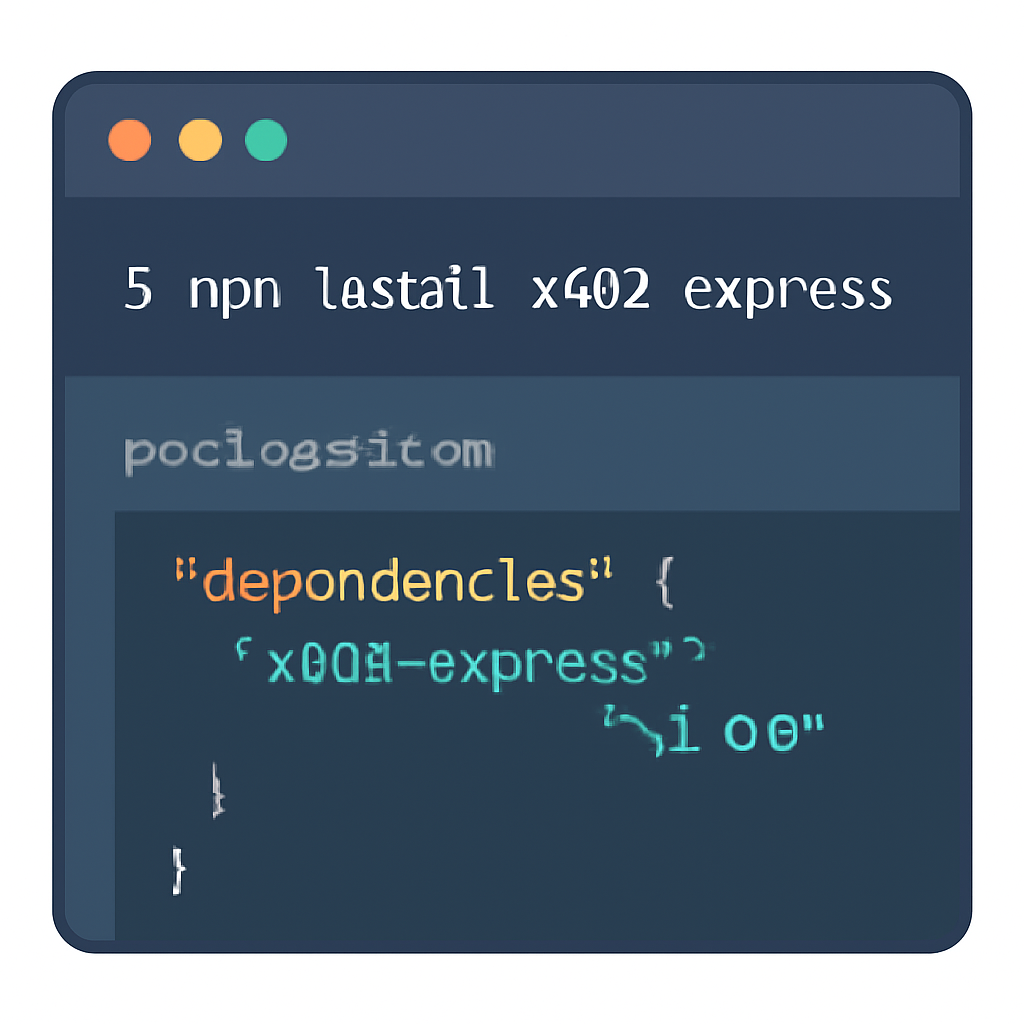
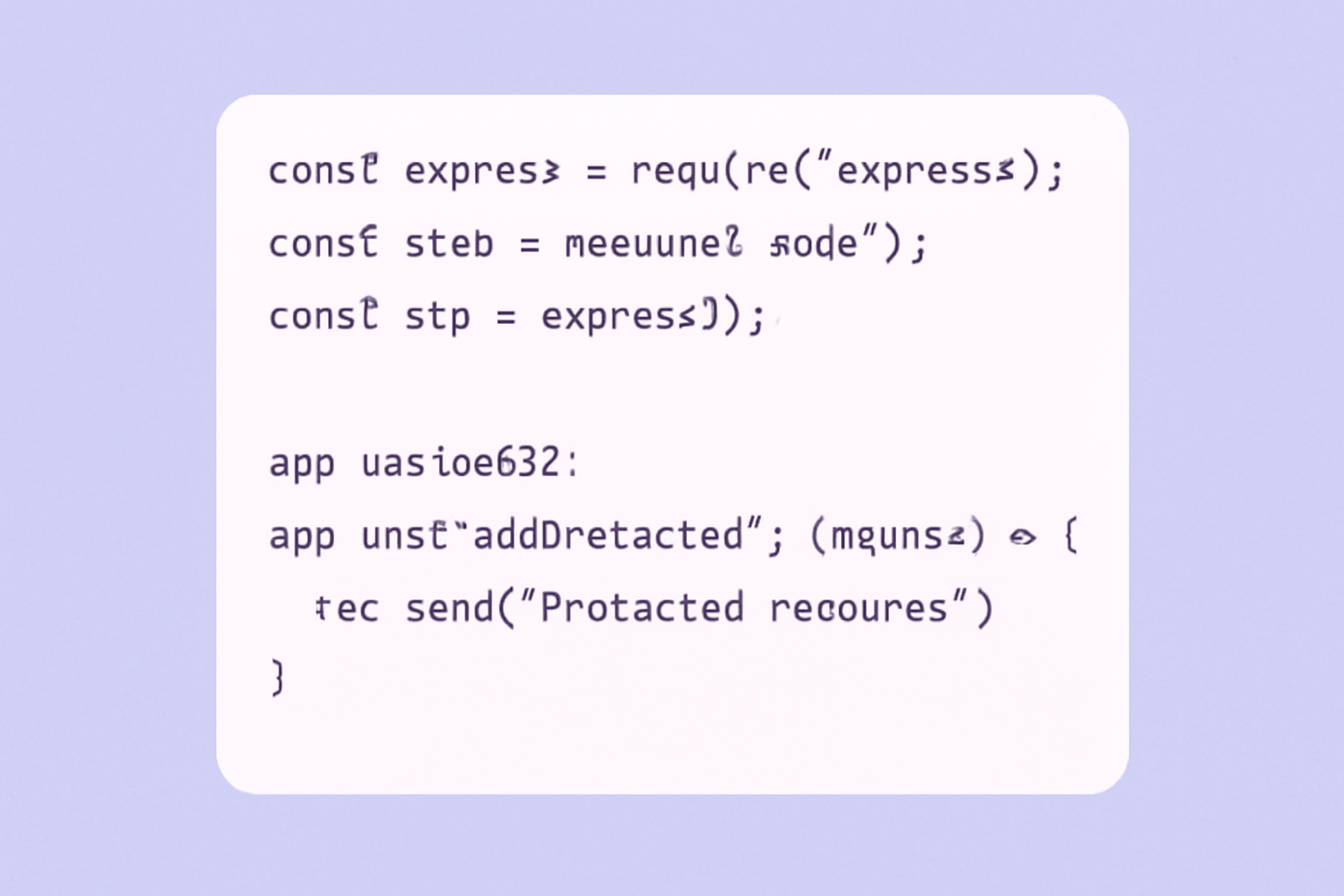
Set Up an Express.js Server with x402 for Instant Crypto Payments
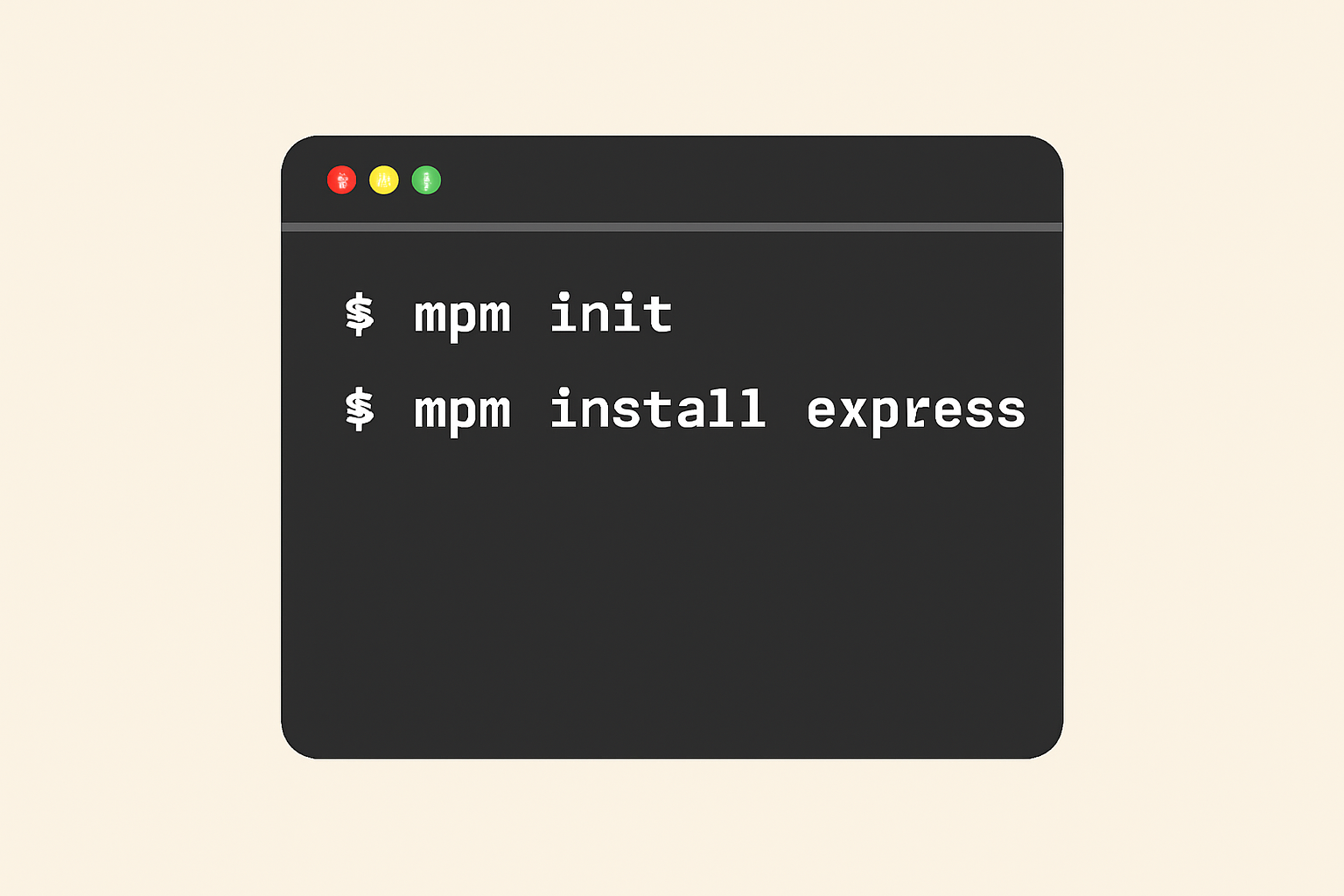

Once your backend is wired up to recognize the HTTP 402 status and parse incoming payment headers, you can start monetizing any digital resource, API endpoints, downloadable files, or premium web content. The real game-changer is how the protocol handles settlement: as soon as a payment is verified (either locally or through Coinbase’s facilitator), access is granted in real time. This eliminates manual reconciliation and dramatically accelerates cash flow cycles.
Reducing Transaction Fees and Expanding Reach
Legacy payment systems often take a significant cut from every transaction and can introduce friction for global users. By integrating X402’s chain-agnostic approach, you’ll not only reduce transaction fees with crypto, but also unlock access to a worldwide audience. Accepting over 100 cryptocurrencies means your business isn’t limited by regional banking infrastructure or card network restrictions.
The protocol’s flexibility also means you can offer tiered pricing models, think pay-per-use APIs, metered SaaS features, or even one-time unlocks for digital media. With stablecoins like USDC supported natively, both merchants and customers benefit from predictable value and near-instant settlement.
Best Practices: Security and User Experience
Security should never be an afterthought when handling crypto payments. Make sure all payment payloads are validated rigorously, never trust unsigned data from clients. Leverage Coinbase’s official facilitator endpoints for payment verification whenever possible (see API reference). Additionally, communicate clearly to users how much they’re paying (and in what currency) before initiating any transaction; transparency builds trust.
The future of online monetization lies in protocols that are both open and programmable, X402 delivers exactly that by putting programmable money at the heart of web commerce.
The Road Ahead: Autonomous Payments and New Business Models
X402’s architecture invites experimentation beyond simple checkouts. Developers are already building dynamic tools where AI agents autonomously transact for data or compute resources via HTTP. The implications span everything from decentralized content marketplaces to machine-to-machine commerce where human intervention isn’t required at all.
If you’re looking to future-proof your payments stack while offering a frictionless experience to users worldwide, now is the time to explore X402 integration. The combination of instant crypto settlement, support for 100 and currencies, and radically reduced fees puts your business at the cutting edge of digital commerce.
Top Benefits of X402-Powered Crypto Checkout
- Instant, On-Chain Stablecoin Payments: X402 enables real-time stablecoin transactions directly over HTTP, allowing seamless, secure payments without waiting for traditional settlement times.

- Frictionless API & App Monetization: By leveraging the HTTP 402 status code, developers can easily monetize APIs, apps, and digital resources with programmatic, automated payments—no need for legacy payment gateways.

- Chain-Agnostic and Web3 Native: X402 is chain agnostic, supporting multiple blockchains and wallets, and is designed for Web3-native integrations, making it future-proof for evolving crypto ecosystems.
- Autonomous Payments for AI Agents & Apps: X402 allows AI agents and autonomous applications to transact directly and securely, unlocking new business models like pay-per-use APIs and automated digital services.

- Simple Integration with Facilitator Services: The x402 Facilitator API from Coinbase streamlines payment verification and settlement, reducing developer overhead and enabling rapid deployment of crypto checkout solutions.





No comments yet. Be the first to share your thoughts!