
Start with ai seo 2026
Start Top 10 AI-Powered SEO Strategies for with the constraint that matters most in real life: space, timing, budget, skill level, maintenance, or availability. That first constraint should shape the rest of the plan instead of appearing as an afterthought. Keep the first pass simple enough to verify. Compare the main options against the same criteria, remove choices that only work in ideal conditions, and save optional upgrades for later.
The simplest way to use this section is to write down the real constraint first, compare each option against it, and choose the path that still works outside ideal conditions.
10 AI-Powered SEO Strategies for 2026: How to Dominate Search in the Age of SGE
Search Generative Experience is rewriting the rules of visibility, making traditional keyword stuffing obsolete. These 10 strategies focus on concrete technical adjustments and content structures that align with AI-driven SERP features, ensuring your product pages capture attention where users actually look.
1. Optimizing for SGE direct answer citations
SGE prioritizes concise, authoritative answers that can be pulled directly into the snapshot. Structure your content to provide clear, standalone definitions or steps early in the article. Use bullet points and bolded key terms to make extraction easy for the AI. This increases the likelihood of your content being cited as the primary source in the generated response.

2. Structuring content for AI overview snippets
AI Overviews favor content with clear hierarchical structures and direct answers to user queries. Use H2 and H3 tags to break down complex topics into digestible sections. Place the most relevant answer within the first 100 words. This structural clarity helps the AI understand context and extract precise information for the overview snippet without ambiguity.
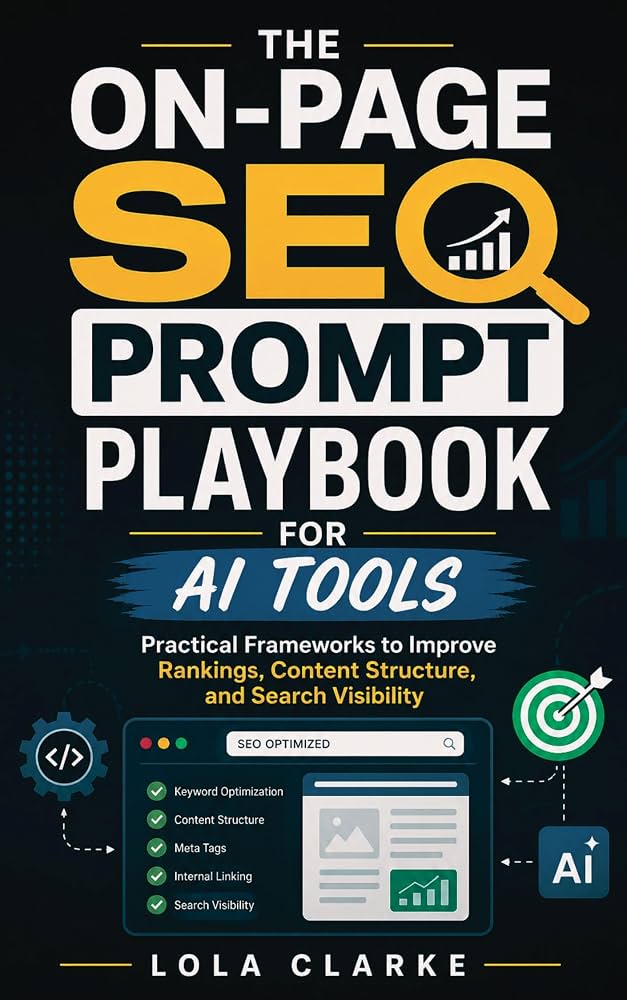
3. Leveraging AI for semantic keyword clustering
Semantic clustering groups related topics to build topical authority rather than targeting single keywords. Use AI tools to analyze search intent and group keywords by theme. Create pillar pages that cover broad topics and cluster content that addresses specific sub-questions. This approach signals comprehensive expertise to search engines, improving visibility for related queries.
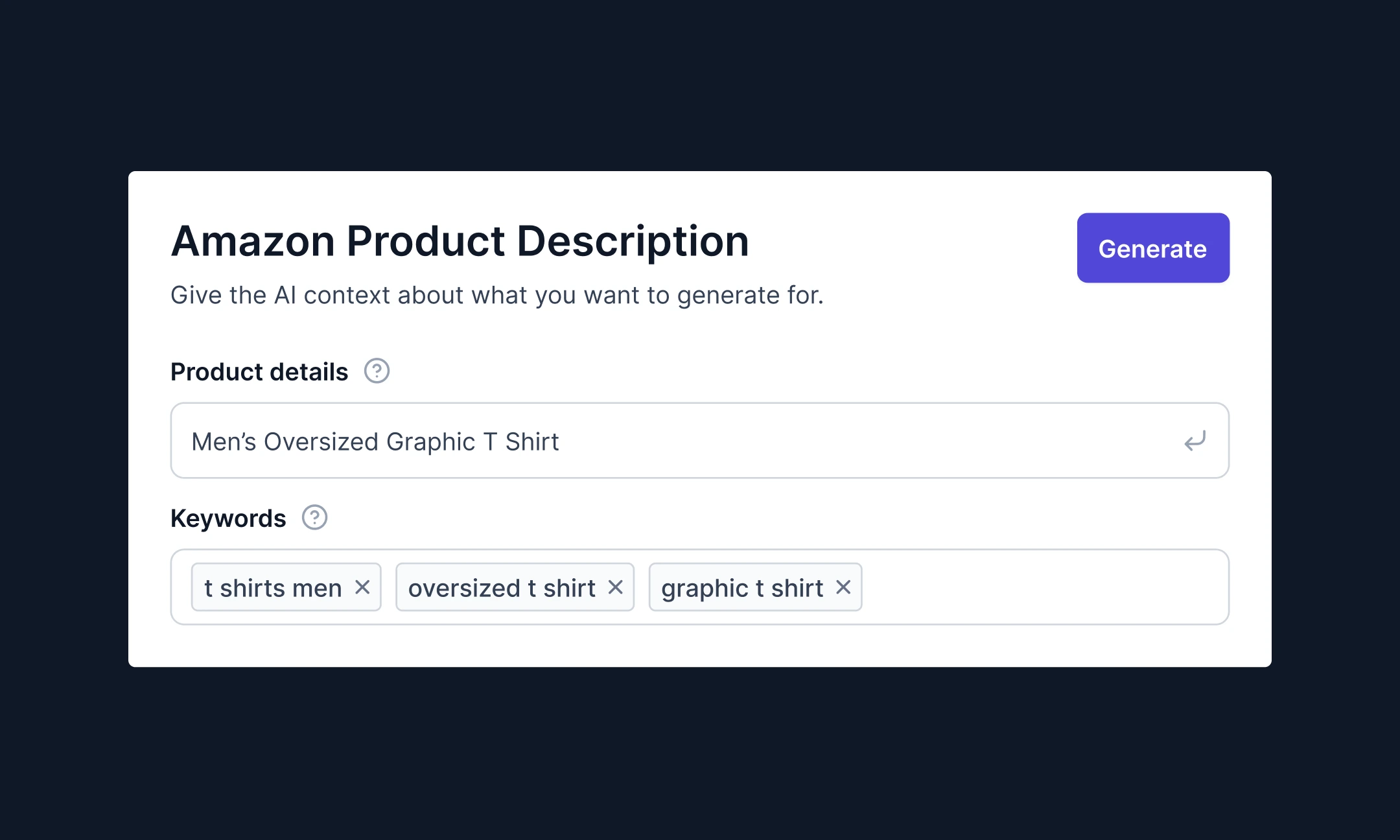
4. Automating meta description generation with LLMs
LLMs can generate multiple meta description variations tailored to specific search intents and character limits. Use AI to draft descriptions that include primary keywords and a clear call to action. A/B test these variations to see which drives higher click-through rates. This automation saves time while ensuring each page has a compelling, unique summary for search results.
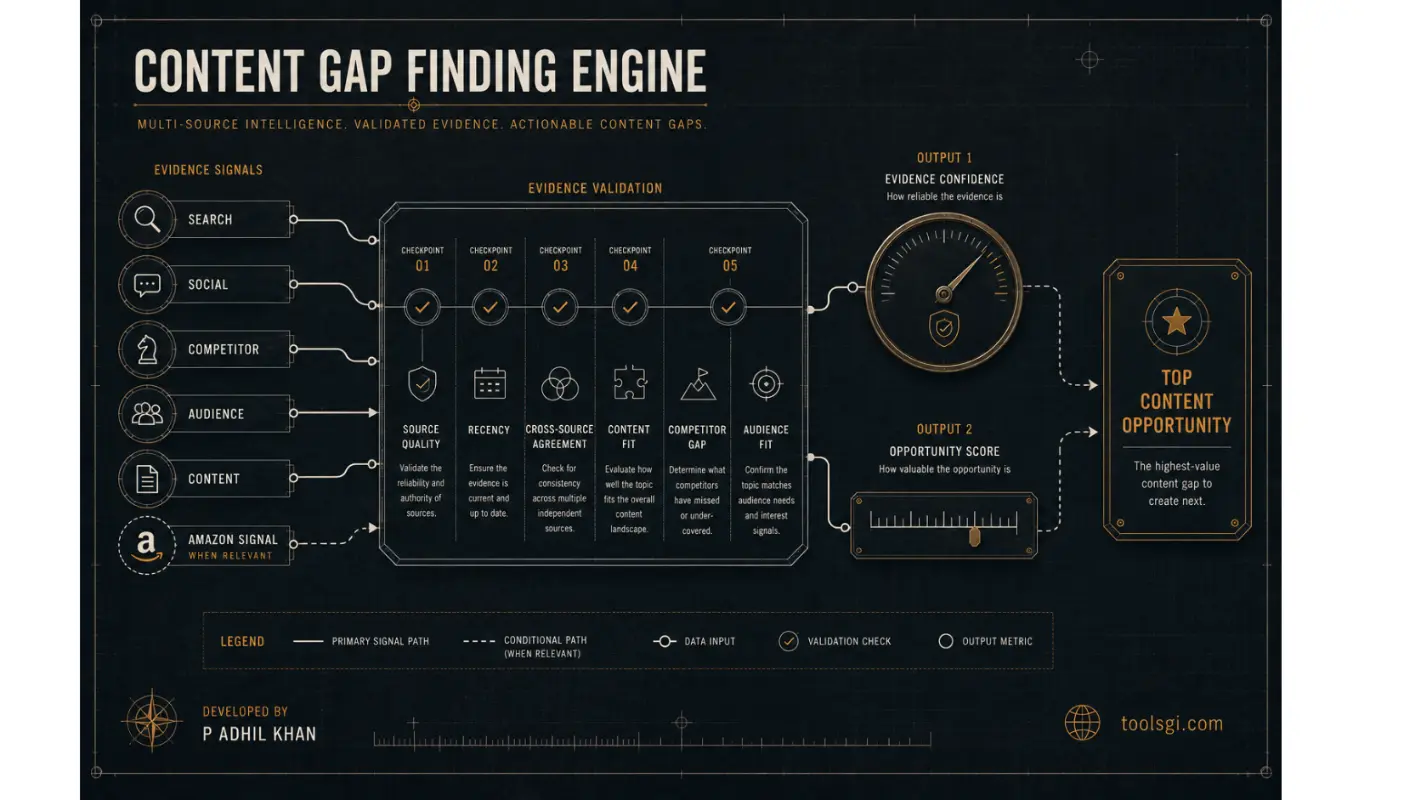
5. Using AI to identify content gaps
AI tools can analyze competitor content and search queries to reveal topics your site hasn't covered. Input your existing content and target keywords into AI platforms to find missing semantic connections. These gaps represent opportunities to create new content that addresses unmet user needs. Filling these gaps strengthens your topical authority and captures traffic from overlooked queries.
6. Implementing AI-driven internal linking strategies
AI tools now map site architecture to suggest contextual links based on semantic relevance rather than just keyword matching. This automated approach strengthens topical authority by connecting related articles intelligently. Use these insights to build a logical hub-and-spoke model that keeps visitors engaged and helps crawlers discover deeper content layers efficiently.

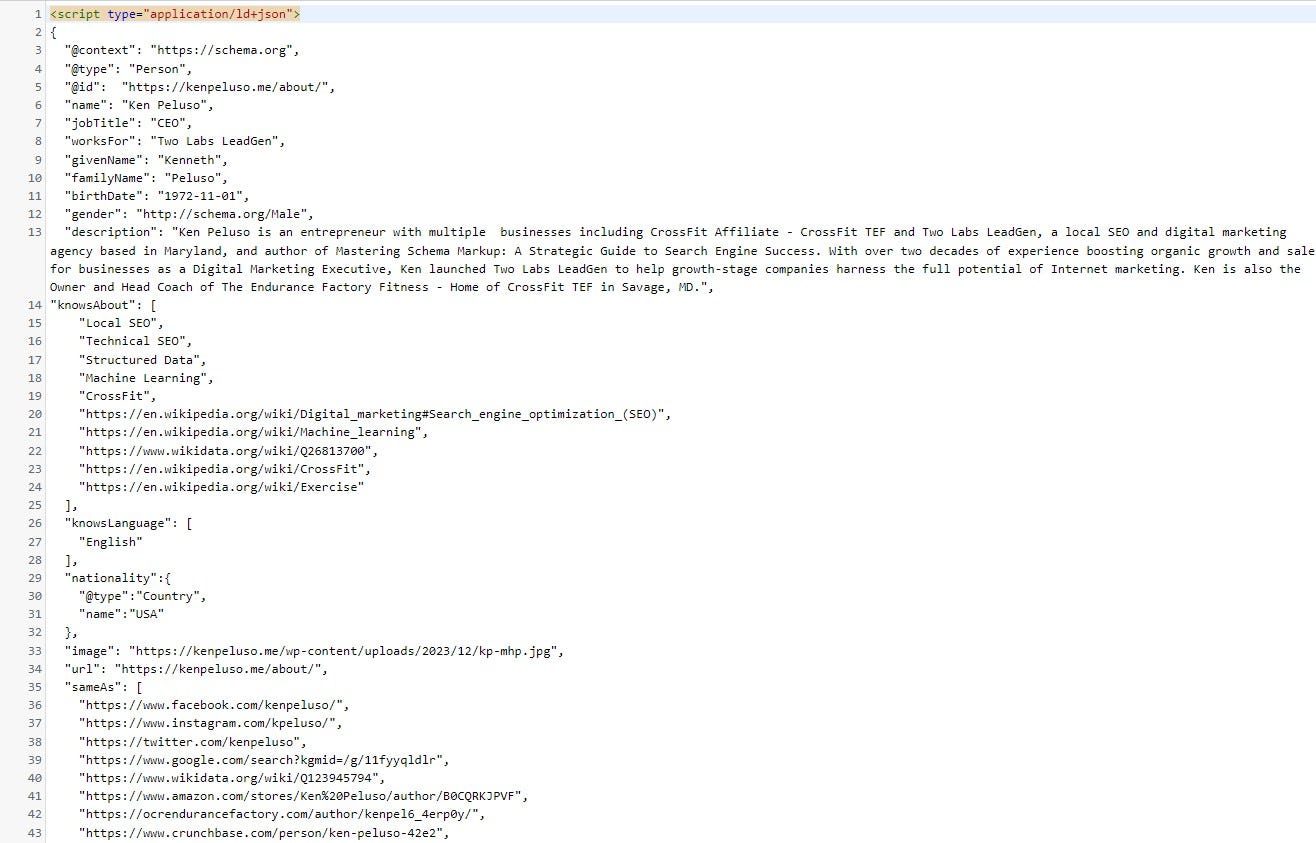
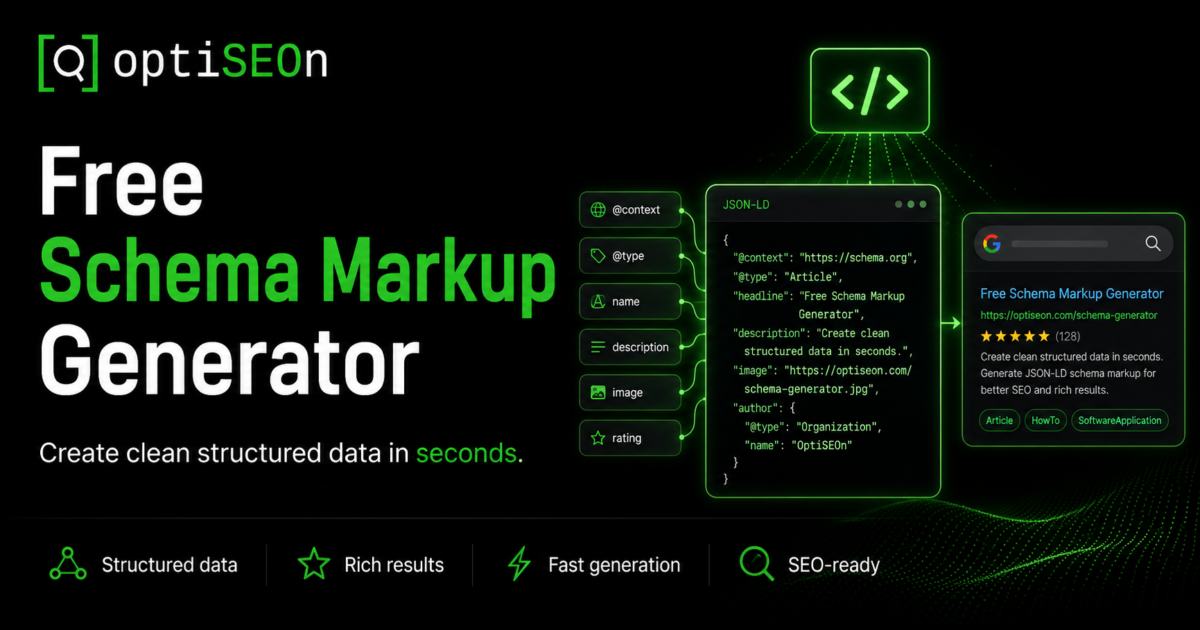
7. Generating product schema with AI tools
Manually coding JSON-LD for thousands of SKUs is error-prone. AI assistants can parse product details and auto-generate valid schema markup, ensuring rich results display correctly in search. This reduces technical debt and helps your inventory appear with price, availability, and review snippets, driving higher click-through rates from SERPs.
8. Analyzing search intent with AI models
Understanding why users search is crucial for ranking. AI models analyze query patterns and SERP features to classify intent as informational, navigational, or transactional. This data guides content creation, ensuring you answer the right questions with the right format, whether that’s a blog post, comparison table, or direct product page.

9. Creating E-E-A-T signals via AI editing
While AI drafts content, human oversight ensures Expertise, Authoritativeness, and Trustworthiness. Use AI editors to refine tone, verify facts, and add personal anecdotes or case studies. This hybrid approach maintains high quality standards, signaling to search engines that your content is created by knowledgeable humans, not just generated text.

10. Monitoring AI search traffic with analytics
Traditional analytics may miss traffic from AI overviews. Implement specialized tracking to measure visibility in generative search results. Monitor how often your content is cited or referenced by AI models. This data reveals new opportunities to optimize for direct citations, ensuring your brand remains visible even as search interfaces evolve.
How to choose the right AI SEO fit
With ten strategies available, picking the right one depends on your current traffic health and team capacity. The goal isn't to deploy every tool at once, but to align AI capabilities with your most pressing gaps.
1. Audit your content depth AI-generated answers favor comprehensive, structured content. If your pages lack depth or fail to answer specific user questions directly, start with AI-assisted content expansion. This ensures your material can actually be cited by generative engines.
2. Check technical infrastructure AI SEO tools require clean data. Before investing in advanced automation, ensure your site loads quickly and your schema markup is valid. Tools that automate technical audits are essential if your site has hundreds of pages with inconsistent metadata.
3. Match your team's skills If your team lacks coding expertise, avoid complex API-integration strategies. Instead, choose AI tools that offer visual dashboards for keyword clustering and content briefs. The right fit minimizes the learning curve while maximizing ROI.
4. Evaluate budget vs. automation Some AI strategies, like real-time SERP monitoring, require expensive subscriptions. For smaller budgets, focus on AI writing assistants that integrate with your existing CMS. These provide immediate value without the overhead of enterprise-grade platforms.
5. Test with low-risk experiments Before committing to a full-scale AI overhaul, run a pilot program on a single blog category. Measure changes in click-through rates and AI citation frequency. This data-driven approach prevents wasted spend on strategies that don't align with your niche.


As an Amazon Associate, we may earn from qualifying purchases.
FAQ: AI-Powered SEO Strategies for 2026
How is AI changing SEO in 2026?
AI is shifting SEO from ranking for positions to ensuring visibility within AI-generated answers. By 2026, success is defined by presence in AI citations and search summaries rather than just traditional organic listings. Marketers must optimize for direct answer extraction and citation authority to capture traffic in this new landscape.
Is SEO going to be replaced by AI?
No, SEO is not being replaced but is evolving into a more technical discipline. AI automates routine tasks like keyword research and content structuring, allowing teams to focus on strategy and high-quality, authoritative content. The goal is to use AI tools to enhance human creativity and data analysis, not to eliminate the need for strategic optimization.
What are the top SEO trends for 2026?
Key trends include optimizing for AI Overviews, leveraging AI for hyper-personalized content, and focusing on E-E-A-T signals. Marketers are also adopting predictive analytics to anticipate search trends and using AI agents to automate competitor analysis and content distribution across multiple channels.
What is AI SEO called now?
AI SEO is often referred to as "Generative Engine Optimization" or "GEO." This term reflects the shift toward optimizing content specifically for AI-generated responses and chat-based search interfaces. It involves structuring data and content to be easily understood and cited by large language models and AI search agents.
No comments yet. Be the first to share your thoughts!