
What is the hub and spoke model?
The hub and spoke SEO model is a content architecture that groups related pages around a single, comprehensive topic. Think of it like a wheel: the hub is the main page covering the broad subject, and the spokes are individual articles addressing specific subtopics. Each spoke links back to the hub, and the hub links out to every spoke.
This structure helps search engines understand your topical authority. By interlinking related content, you signal that your site is a definitive resource for that subject. Instead of treating every page as an isolated island, you create a connected web that distributes relevance and trust across your site.

A well-executed hub and spoke strategy makes it easier for crawlers to discover and index your content. It also improves the user experience by guiding visitors from general overviews to detailed answers, keeping them engaged with your site longer.
Build your content hubs first
A successful hub and spoke strategy starts with identifying the broad, high-volume topics that define your niche. These hubs serve as the foundation for your site's authority, acting as comprehensive guides that signal expertise to search engines. Without strong pillars, your supporting content lacks the structural weight needed to rank competitively.
To select the right hubs, look for topics with substantial search volume and clear informational intent. These pages must be comprehensive enough to cover the subject thoroughly, answering the primary questions a visitor might have. Think of the hub as the central node in a network; it needs enough depth to justify linking out to multiple specialized spokes.
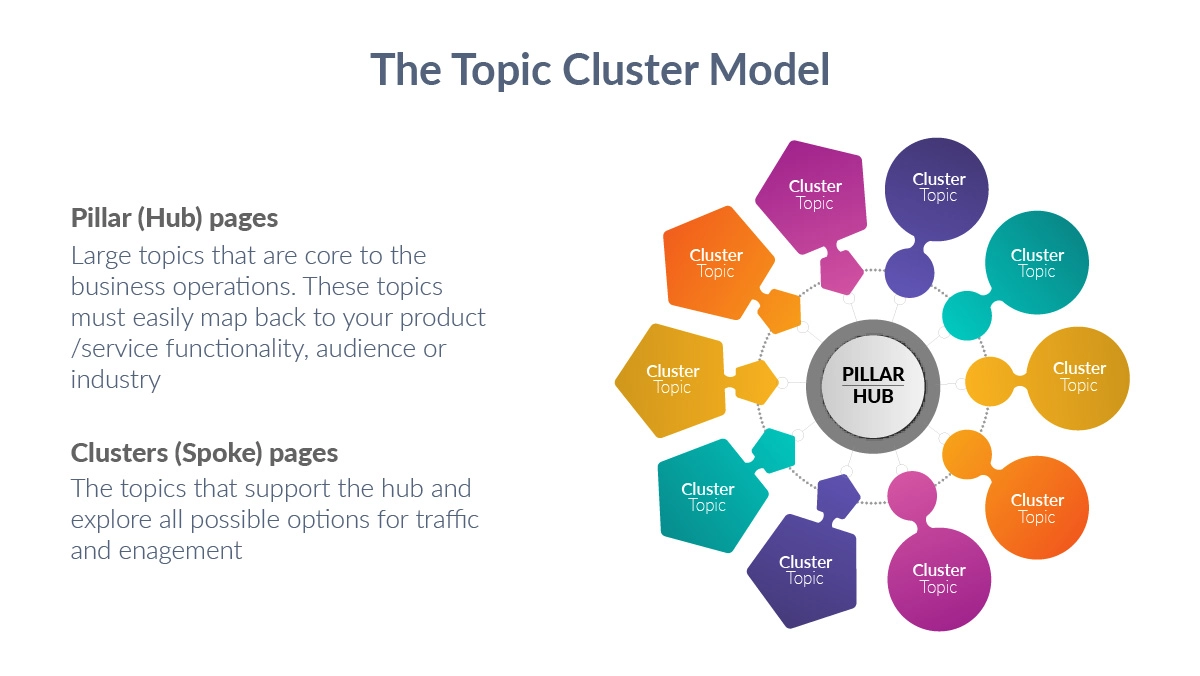
Before writing, verify that the topic is broad enough to support at least five to ten related subtopics. This ensures the hub remains relevant as you expand your content library. Use keyword research tools to confirm demand, but prioritize the logical structure of the information over pure volume metrics.
-
Identify 3-5 core topics with high search volume
-
Ensure each topic can support 5+ subtopics
-
Verify the page can be comprehensive (2,000+ words)
-
Confirm clear informational intent
Once you have your hub topics, draft outlines that cover the subject holistically. Avoid creating thin pages that only scratch the surface. The goal is to create definitive resources that other pages within your site can reference, creating a cohesive web of internal links that boosts your overall SEO performance.
Create spokes for long-tail keywords
Long-tail keywords are the backbone of a successful hub and spoke SEO strategy. While the hub targets broad, high-competition terms, the spokes address specific, niche questions. These pages capture lower-competition traffic and funnel authority back to the central hub.
Identify niche topics
Start by listing the subtopics that naturally fall under your hub’s main theme. Use keyword research tools to find questions with low difficulty scores but clear search intent. These are your spoke candidates.
Write specific content
Each spoke should answer one question completely. Avoid fluff. The content must be more detailed and specific than what competitors offer. This depth signals expertise to search engines.
Link strategically
Internal linking is critical. Link from the hub to each spoke and from each spoke back to the hub. This creates a tight cluster of relevance, helping search engines understand the relationship between the pages.
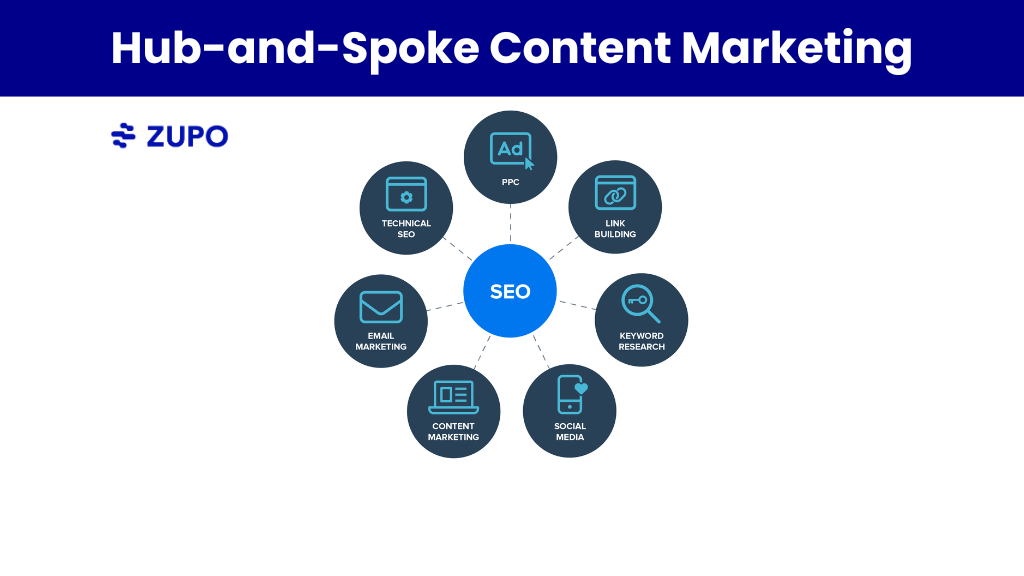
Link spokes to the hub strategically
Internal linking is the mechanism that transfers PageRank from your supporting articles to your central hub. Without deliberate linking, search engines may view your content as a collection of isolated pages rather than a cohesive topical authority. This section details the architecture required to ensure your hub and spoke SEO strategy passes authority effectively.

Avoid generic phrases like "click here." Instead, use keyword-rich anchor text that describes the destination page. For example, link the phrase "advanced keyword research" to your hub article if that is its primary focus. This signals to crawlers exactly what the hub covers and strengthens its relevance for those terms.
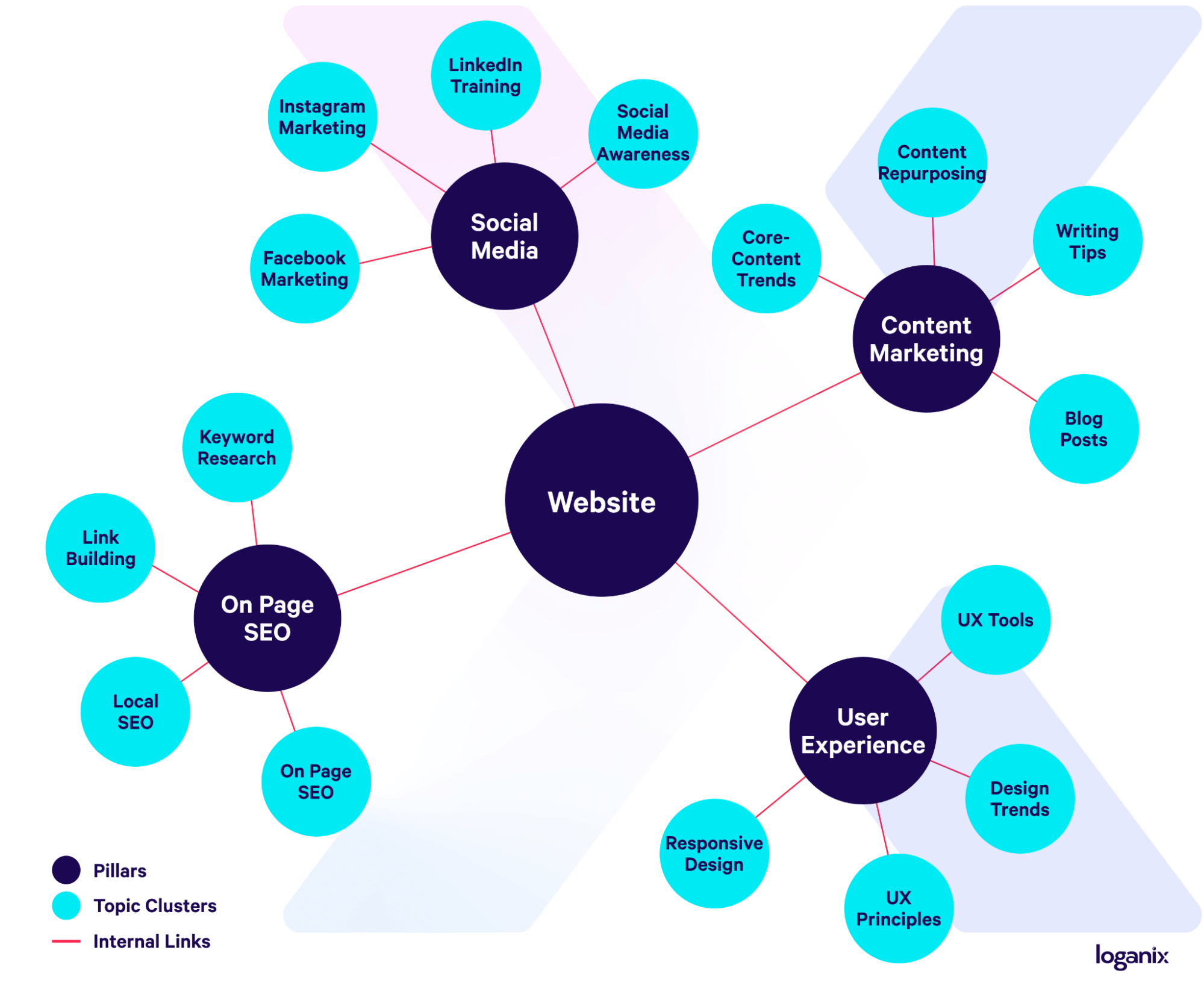
Place internal links in the first or second paragraph of each spoke article. Links higher in the content receive more weight in most crawling algorithms. This placement ensures that the authority flow begins early in the user's journey and is immediately visible to search engine bots.
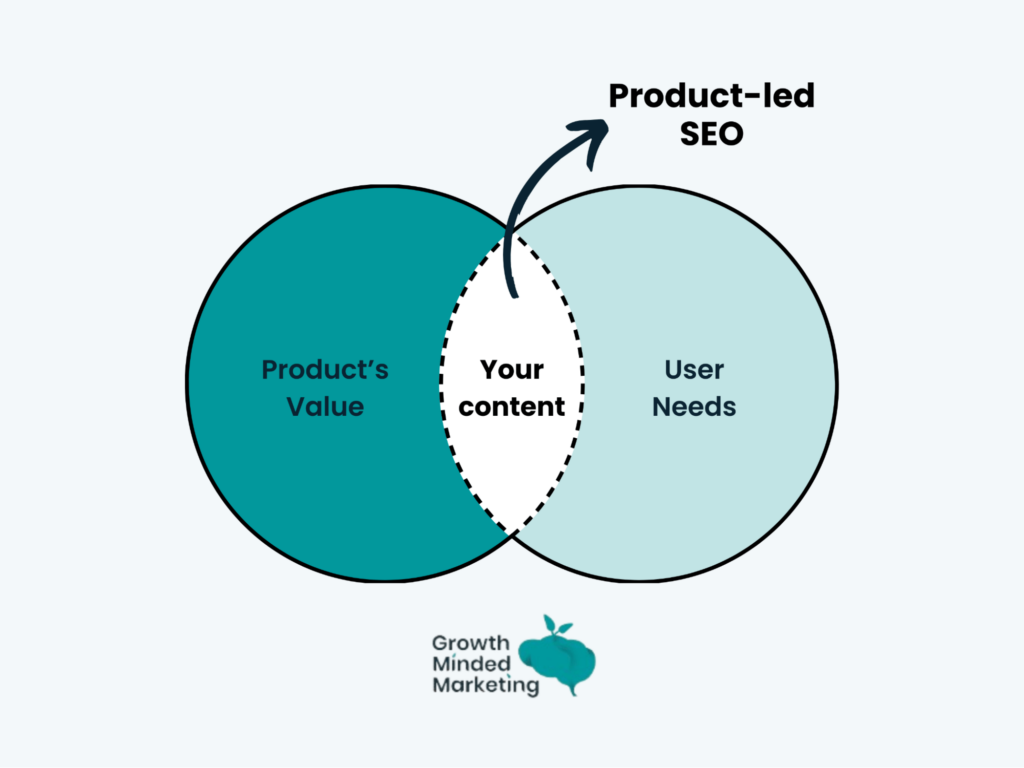
Link every spoke article to the central hub at least once. Avoid over-linking, which can dilute the PageRank passed to the hub. A single, prominent link is more effective than multiple redundant links scattered throughout the text. Keep the user experience clean while ensuring the signal is clear.
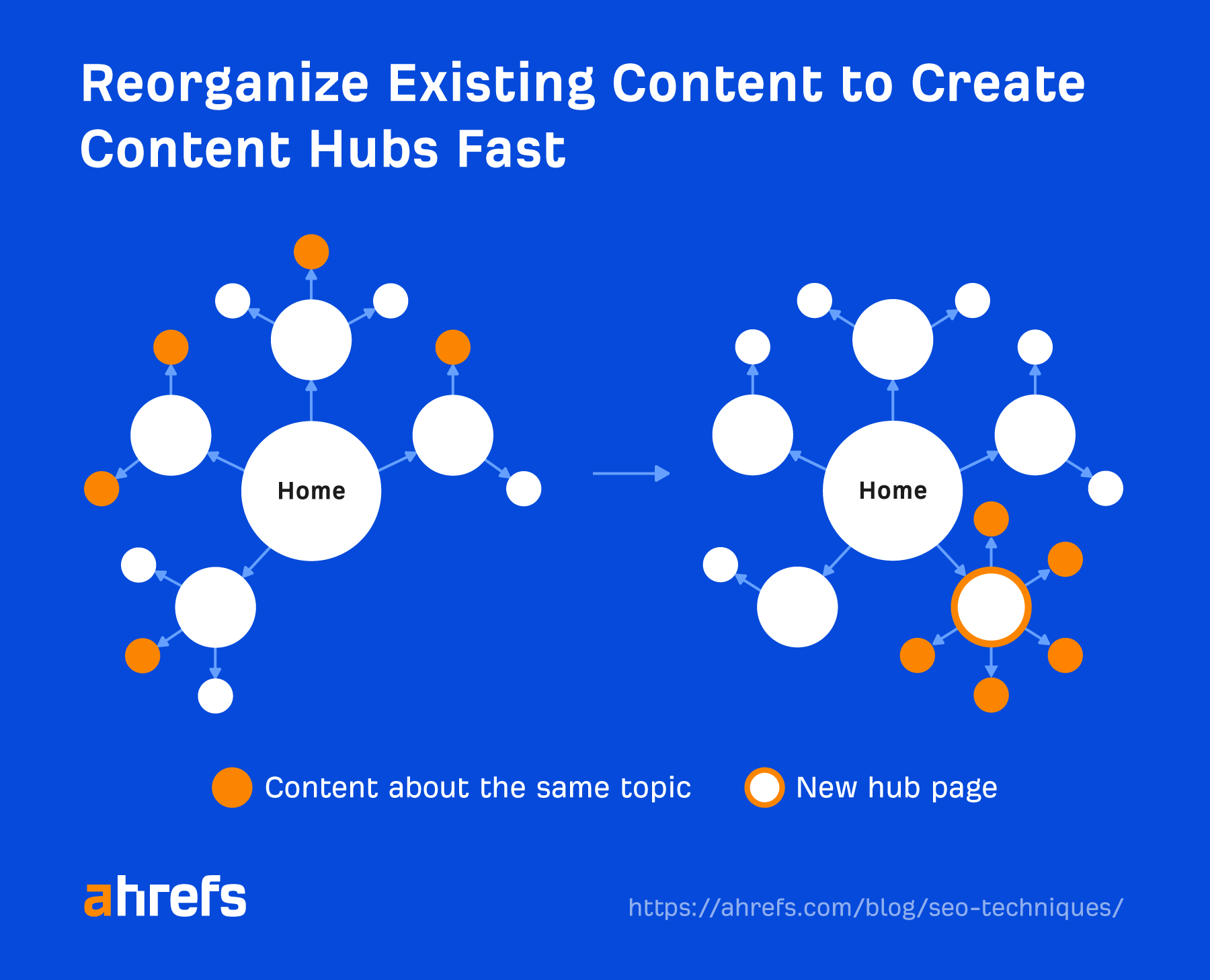
Use a site crawler to audit your internal link structure. Ensure there are no broken links pointing to the hub and that the hub receives a higher number of internal backlinks than individual spokes. This verification confirms that your hub is recognized as the authoritative source for the broader topic.
| Link Type | Impact |
|---|---|
| function link() { [native code] } | |
| Descriptive anchor | High relevance signal |
| function link() { [native code] } | |
| Generic anchor (click here) | Low relevance signal |
| function link() { [native code] } | |
| Top-of-page placement | Maximum weight transfer |
| function link() { [native code] } | |
| Bottom-of-page placement | Reduced weight transfer |
| function link() { [native code] } |
This structured approach ensures that your hub and spoke SEO strategy functions as a unified system. By directing traffic and authority deliberately, you help search engines understand the hierarchy and importance of your content clusters.
Avoid common hub and spoke mistakes
Even a well-planned hub and spoke SEO strategy can fail if the execution is sloppy. Search engines are getting better at detecting artificial link structures, so you need to build clusters that feel natural to both users and algorithms. Here are the most frequent errors that dilute authority or trigger spam filters.
Thin spoke content
This is the most common mistake. A spoke page must be comprehensive enough to satisfy the user's intent. If a spoke page is just a few paragraphs long with no unique value, it won't rank, and it will fail to pass authority back to the hub. Treat every spoke as a standalone resource, not a placeholder.
Over-optimizing anchor text
Do not use exact-match keywords for every internal link. If every link pointing to your hub uses the phrase "best CRM software," it looks manipulative. Vary your anchor text. Use natural phrases like "read more here," "learn about CRM features," or "our guide." This makes the link profile look organic and reduces the risk of penalties.
Linking spokes to unrelated hubs
Relevance is the core of the hub and spoke model. A spoke about "email marketing" should link to a hub about "digital marketing," not one about "accounting software." Forcing connections between unrelated topics confuses search engines and breaks the logical flow. Only link spokes to hubs that share a clear topical relationship.
Measure hub and spoke SEO success
You cannot improve what you do not track. To validate a hub and spoke SEO strategy, you need to monitor how well the hub anchors your site’s architecture and how effectively the spokes distribute authority. Focus on three core metrics: organic traffic growth for the hub, ranking improvements for long-tail keywords, and internal link click-through rates.
Hub Page Organic Traffic
The hub page acts as the central authority node for your topic cluster. Its primary job is to capture broad, high-intent search traffic and funnel users to deeper content. Use Google Analytics 4 to track organic sessions specifically for your hub URLs. A successful strategy shows steady growth in these sessions, indicating that the hub is effectively capturing top-of-funnel interest.
Long-Tail Keyword Rankings
The spokes are designed to target specific, lower-competition queries. Monitor your positions for these long-tail keywords in Google Search Console. You should see a gradual upward trend in rankings for these terms. This metric proves that the content is relevant and that the internal linking from the hub is helping these pages gain visibility in search results.
Internal Link Clicks
The health of your hub and spoke model depends on user navigation. Use GA4 event tracking to measure clicks on internal links within your hub content. High click-through rates on these links signal that users are engaging with your content ecosystem rather than bouncing. If clicks are low, consider adjusting the placement or prominence of your internal links to better guide readers to the spokes.
Frequently asked questions about hub and spoke SEO
Is hub and spoke SEO still necessary in 2026?
The hub and spoke model remains a foundational structure for organizing topical authority, but its application has shifted. Search algorithms now prioritize semantic relevance and user intent over rigid siloing. You still need clear topic clusters to help crawlers understand your site architecture, but the "spokes" must be content that genuinely answers specific user queries rather than just keyword-stuffed pages. If the content doesn't serve the reader, the structure won't save it.
How long does it take to see results from a hub and spoke strategy?
Building topical authority through a hub and spoke model is a long-term investment. Most businesses see measurable organic traffic growth within 3 to 6 months, provided the hub content is comprehensive and the spokes are tightly interlinked. Early wins often come from lower-competition spoke pages, while the main hub page typically requires more time to rank for highly competitive head terms. Consistency in publishing and internal linking is critical during this buildup phase.
Can I use hub and spoke SEO for a small blog or single-niche site?
Yes, this strategy works effectively for smaller sites, especially in niche B2B or SaaS markets. A "mini" hub and spoke model involves one core pillar page covering a broad theme, supported by 5-10 detailed supporting articles. This approach helps small sites demonstrate expertise in a narrow field, making it easier to earn backlinks and rank for specific long-tail queries. You don't need thousands of pages to build topical authority; you just need depth and clear internal connections.
What is the difference between a hub and spoke and a topic cluster?
The terms are often used interchangeably, but there is a slight structural difference. A hub and spoke model typically refers to a single, central "pillar" page that links out to multiple "spoke" articles. A topic cluster is a broader concept that may involve multiple pillar pages covering different sub-themes, all linked together. For most SEO strategies, the goal is the same: create a dense network of related content that signals comprehensive coverage of a subject to search engines.
No comments yet. Be the first to share your thoughts!