
2026 ai regulation limits to account for
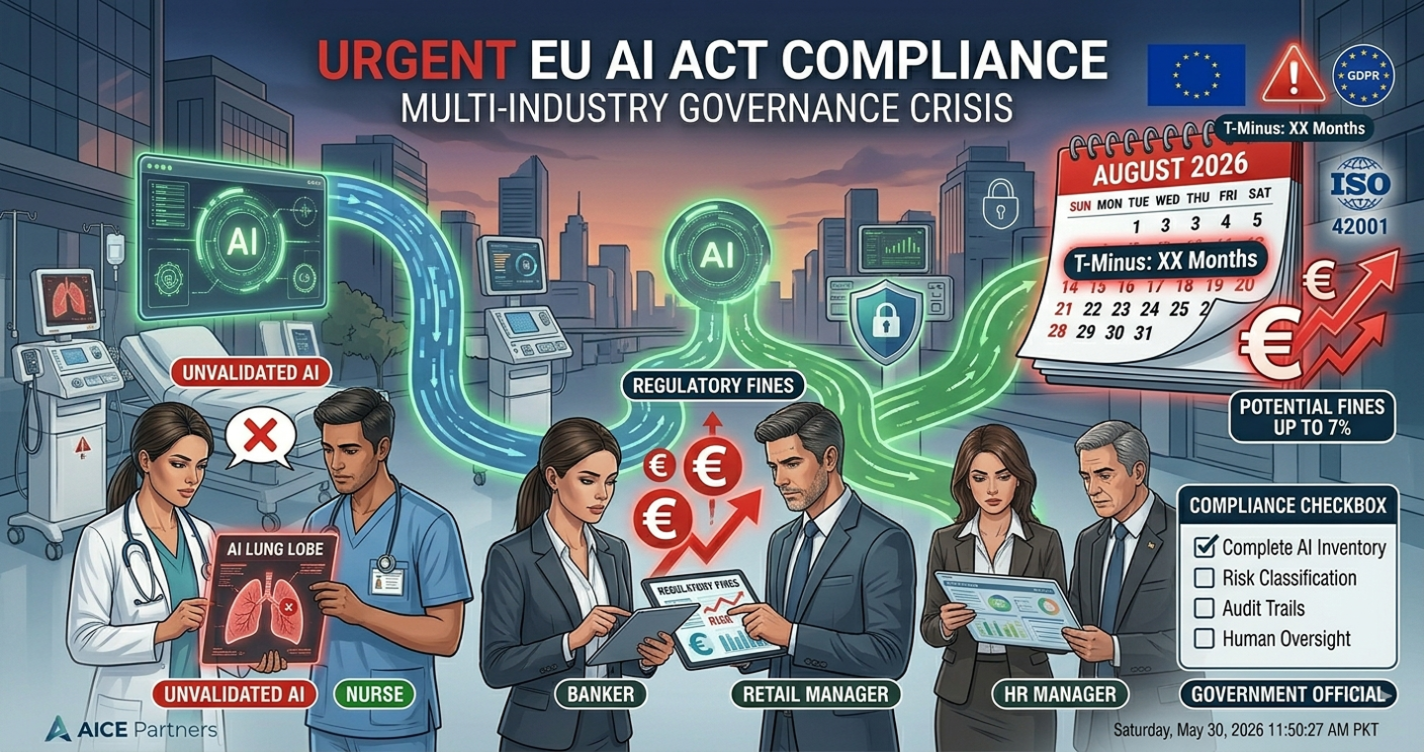
The regulatory landscape for artificial intelligence shifts from guidance to enforcement in 2026. The European Union’s AI Act transparency rules take effect this August, establishing a baseline for data quality and human oversight that global companies must respect. Simultaneously, U.S. state laws are activating, creating a fragmented but binding compliance map.
The EU AI Act classifies systems by risk level, attaching strict documentation and record-keeping duties to high-risk applications. While some high-risk deadlines faced minor deferrals, the core transparency requirements are now active. Non-compliance carries substantial financial penalties, making early alignment critical for any organization deploying automated decision-making tools.
In the United States, regulation is no longer theoretical. States like California have enacted laws already in effect, while others have legislation scheduled for 2026 and 2027. This patchwork means businesses cannot rely on a single federal standard. Instead, they must navigate a complex environment where state-specific constraints often mirror or exceed federal expectations.
For 402 Hub, this means treating 2026 not as a future challenge, but as the current operational reality. Compliance now requires concrete checks: verifying data lineage, documenting human-in-the-loop protocols, and monitoring state-level legislative updates. The cost of inaction has risen significantly, turning regulatory adherence from a legal formality into a core business function.
2026 ai regulation choices that change the plan
Use this section to make the The AI Compliance Crisis decision easier to compare in real life, not just on paper. Start with the reader's actual constraint, then separate must-have requirements from details that are merely nice to have. A practical choice should survive normal use, maintenance, timing, and budget. If a recommendation only works in an ideal situation, call that out plainly and give the reader a fallback path.
| Factor | What to check | Why it matters |
|---|---|---|
| Fit | Match the option to the primary use case. | A good deal still fails if it does not fit the job. |
| Condition | Verify age, wear, and service history. | Hidden condition issues erase upfront savings. |
| Cost | Compare purchase price with likely upkeep. | The cheapest option is not always the lowest-cost option. |
Choose the next step
The AI Compliance Crisis works best as a clear sequence: define the constraint, compare the realistic options, test the tradeoff, and choose the path with the fewest hidden costs. That order keeps the advice usable instead of decorative. After each step, pause long enough to check whether the recommendation still fits the reader's actual situation. If it depends on perfect timing, unusual access, or a best-case budget, include a simpler fallback.

Watch for weak compliance options
The 2026 AI regulatory landscape is shifting from broad principles to enforceable standards. The EU AI Act’s transparency rules take effect in August 2026, while U.S. states like California enforce existing laws and others prepare for 2026–2027 deadlines (Collibra; WS&G). This fragmentation creates specific traps for companies relying on generic tools.
The "Minimal Risk" Trap
Many vendors label their solutions as "minimal risk" to bypass strict AI Act requirements. However, 2026 amendments have deferred some high-risk deadlines, creating confusion. If your tool handles employee data or credit scoring, it likely does not qualify for minimal risk exemptions. Relying on vendor self-classification without independent verification is a common mistake that leads to heavy penalties.
The Transparency Gap
The EU AI Act mandates transparency for AI-generated content, effective August 2026. A frequent error is assuming "minimal risk" AI requires no disclosure. Even low-risk systems must maintain documentation. Companies that ignore this distinction face compliance gaps. Check your data quality and record-keeping protocols against official EU guidelines to ensure you are not missing mandatory transparency obligations.
U.S. State Law Fragmentation
In the U.S., regulation is not federal. California’s laws are already active, but other states are enacting new rules for 2026 and 2027. Assuming a single federal standard applies is a critical error. You must map your operations to each state’s specific AI legislation. A one-size-fits-all compliance strategy will fail in a fragmented U.S. market. Focus on the specific jurisdictions where you deploy AI systems.
2026 ai regulation: what to check next
The regulatory landscape for artificial intelligence is shifting from theoretical frameworks to enforceable rules. As 2026 begins, organizations must navigate a patchwork of international treaties and domestic statutes that carry real financial and operational consequences.
Below are the most common questions regarding AI compliance in 2026, based on current official guidance and enacted state laws.
No comments yet. Be the first to share your thoughts!