
The 2026 Regulatory Landscape Shifts
The era of voluntary AI governance ended in 2026. What began as proposed legislation has hardened into enforceable mandates, fundamentally altering the risk calculus for enterprises deploying artificial intelligence. The transition is no longer theoretical; compliance is now a binary state of adherence or liability.
The most significant driver of this shift is the European Union AI Act, which became fully applicable on August 2, 2026. After entering into force in August 2024, the two-year implementation window closed, bringing strict obligations for high-risk AI systems into immediate effect. Organizations operating in or targeting the EU market must now navigate rigorous conformity assessments, transparency requirements, and data governance standards. Non-compliance carries substantial financial penalties, making the EU AI Act the de facto global standard for enterprise AI safety. Learn more about the EU AI Act framework.
In the United States, the regulatory environment has fractured into a complex state-level patchwork. With no comprehensive federal AI law, enforcement has devolved to individual states and federal agencies. California, Colorado, Texas, and Illinois have enacted active AI laws targeting algorithmic discrimination and consumer protection. Simultaneously, the Federal Trade Commission (FTC) has intensified its enforcement actions, issuing fines against companies for deceptive or unsafe AI practices. This decentralized approach creates a challenging compliance matrix for multi-state operations, requiring distinct legal strategies for each jurisdiction. Current state of US AI regulations.
This divergence between the EU’s comprehensive statutory approach and the US’s fragmented enforcement model requires enterprises to adopt a unified, robust governance structure. Compliance is no longer a legal checkbox but a core operational requirement. Organizations must prioritize data privacy, algorithmic transparency, and auditability to mitigate regulatory risk in this new landscape.
Key mandates under the EU AI Act
The EU AI Act entered into force on 1 August 2024 and becomes fully applicable on 2 August 2026, establishing a binding framework for AI compliance across the European Union. This regulation moves beyond voluntary guidelines, imposing strict legal obligations on organizations that develop, deploy, or use high-risk AI systems within the EU market. The primary focus is on risk mitigation, requiring robust governance structures and transparency measures to protect fundamental rights and safety.
High-Risk AI Categories
The Act classifies AI systems based on their potential impact on health, safety, and fundamental rights. High-risk systems face the most stringent requirements, including conformity assessments before market placement. Key categories include:
- Biometric Identification: Systems used for real-time remote biometric identification in publicly accessible spaces for law enforcement, with narrow exceptions.
- Critical Infrastructure: AI managing traffic, water, gas, or electricity supply where failures could endanger life or health.
- Education and Employment: Systems used for scoring exams, evaluating candidates for recruitment, or making decisions on promotion and termination.
- Law Enforcement: Tools used by police for risk assessment, profiling, or verifying the authenticity of biometric data.
- Border Control: AI systems used for verifying travel documents, analyzing passenger data, or detecting emotional states at borders.
Organizations must ensure these systems are accurate, robust, and free from bias. They must maintain detailed technical documentation and logging capabilities to enable post-market monitoring and accountability.
Transparency and Data Governance
Beyond high-risk classifications, the EU AI Act mandates transparency for all AI interactions. Users must be informed when they are interacting with an AI system, such as chatbots or deepfakes. This includes clear labeling to prevent deception and ensure informed consent.
Data governance is another cornerstone of compliance. High-risk AI systems must be trained on datasets that meet quality criteria, including relevance, representativeness, and freedom from errors. This requirement aims to reduce discriminatory outcomes and improve system reliability. Companies must also establish post-market monitoring plans to detect and report any serious incidents or malfunctions.
Navigating the US state law patchwork
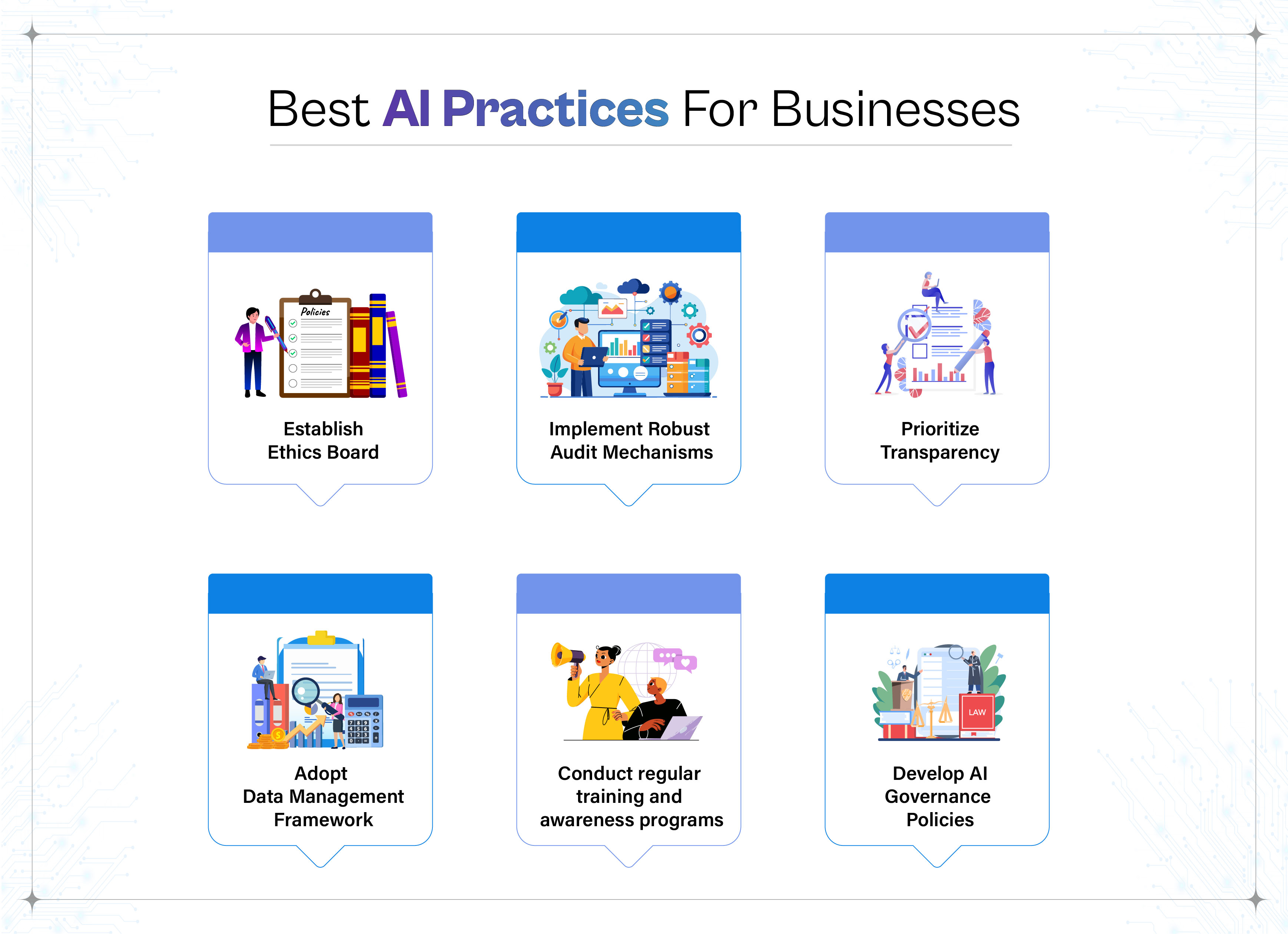
Use this section to make the AI Compliance decision easier to compare in real life, not just on paper. Start with the reader's actual constraint, then separate must-have requirements from details that are merely nice to have. A practical choice should survive normal use, maintenance, timing, and budget. If a recommendation only works in an ideal situation, call that out plainly and give the reader a fallback path.
402 Hub governance and data privacy strategy
Enterprise AI adoption in 2026 is no longer defined by innovation speed, but by regulatory adherence. As state legislatures in California and other jurisdictions enact strict AI laws, the margin for error in data handling has vanished. Organizations must shift from reactive compliance to proactive governance structures that embed privacy controls directly into the AI lifecycle. 402 Hub addresses this shift by providing a centralized platform for enterprise AI governance, ensuring that data privacy strategies align with the evolving legal landscape.
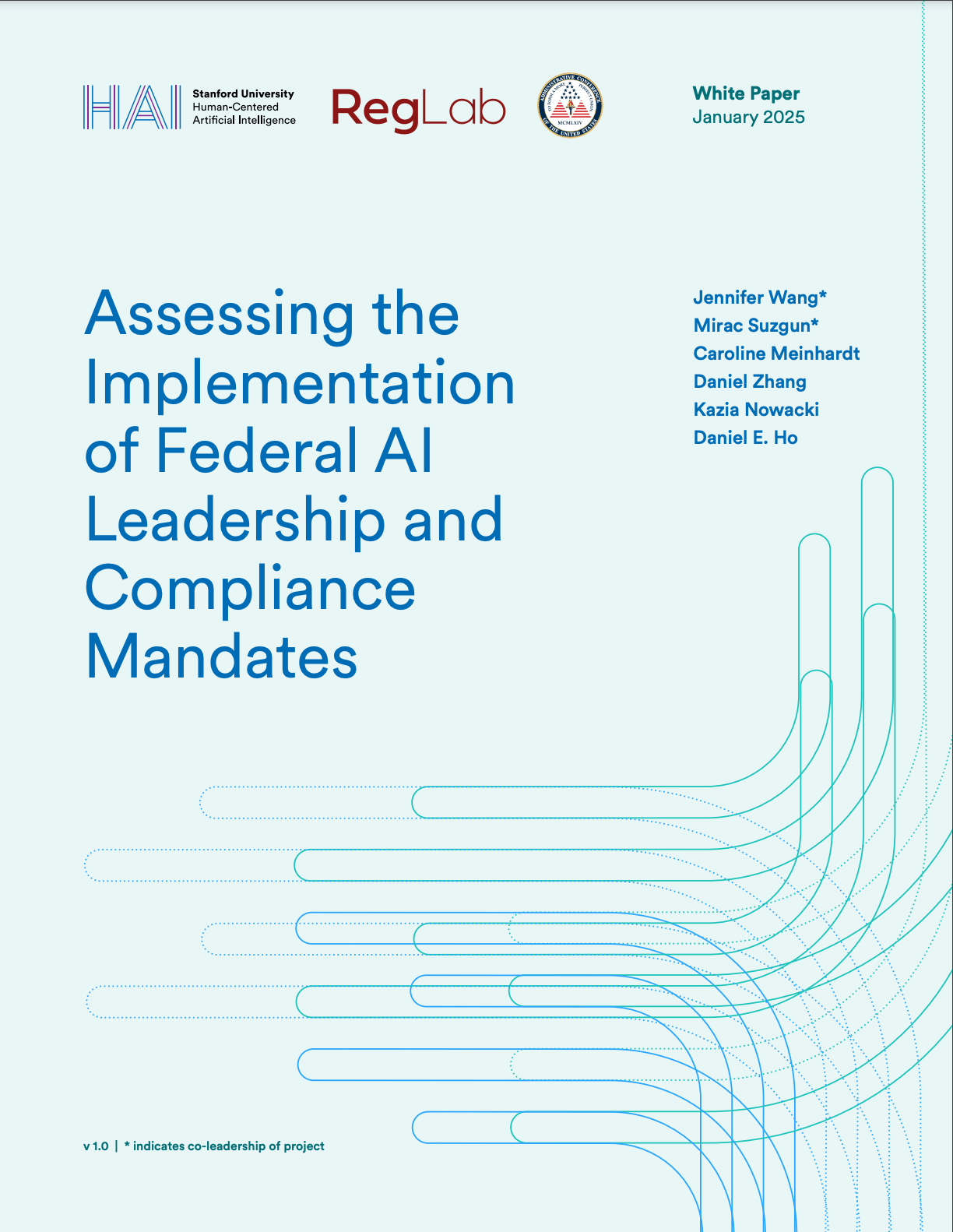
The implementation of federal AI leadership and compliance mandates requires rigorous oversight. According to Stanford HAI, the assessment of these mandates reveals a clear trend toward standardized compliance frameworks that demand transparency and accountability. 402 Hub supports this by automating the documentation and audit trails necessary for legal defense. The platform enables organizations to track data lineage, monitor model outputs for bias, and ensure that every AI-driven decision can be explained to regulators.
Operationalizing AI in compliance involves more than just policy updates; it requires technical infrastructure that can enforce rules in real time. Recent legal forecasts highlight that using public AI tools without human-in-the-loop verification constitutes an ethical and legal violation. 402 Hub mitigates this risk by integrating strict access controls and verification protocols. This ensures that sensitive enterprise data is never exposed to unverified models and that all AI interactions remain within the bounds of corporate governance.
Callout 402 Hub aligns with ISO/IEC 42001, the international standard for AI management systems, providing a recognized framework for compliance certification.
The platform’s architecture is designed to handle the complexity of multi-jurisdictional compliance. By centralizing governance, 402 Hub reduces the administrative burden on legal and compliance teams, allowing them to focus on strategic risk mitigation rather than manual audits. This approach not only protects the organization from regulatory penalties but also builds trust with clients and partners who prioritize data privacy in their own AI initiatives.
Frequently asked questions about AI compliance
Is AI going to be regulated in the US?
The United States lacks a single, comprehensive federal AI law, but active regulation is already underway through state legislation and federal enforcement. States such as California, Colorado, Texas, and Illinois have enacted or are implementing specific AI governance statutes. While no federal AI act exists, the Federal Trade Commission (FTC) is actively fining companies for deceptive or unfair AI practices, creating a de facto regulatory environment. More details on US AI regulations.
What are the key compliance deadlines for 2026?
Several state laws are scheduled to take effect or reach major compliance milestones in 2026. California’s Artificial Intelligence Safety Act and other state-specific mandates require enterprises to conduct risk assessments, audit algorithmic systems, and maintain detailed documentation. Organizations must align their governance structures with these varying state timelines to avoid enforcement actions.
How does the EU AI Act impact US companies?
The EU AI Act applies extraterritorially to any organization offering AI systems in the European Union, regardless of where the company is headquartered. US enterprises with EU operations must classify their AI models by risk level, implement strict transparency measures, and ensure high-risk systems meet conformity assessment requirements. Non-compliance can result in fines of up to 7% of global annual turnover.
No comments yet. Be the first to share your thoughts!