
Define zero-party data for your brand
Zero-party data is information a customer intentionally and proactively shares with a brand. It is not collected through tracking pixels or inferred from behavior. Instead, it is given directly by the user. This distinction is the foundation of any modern data strategy.
To build an effective strategy, you must first understand what this data looks like in practice. It typically falls into four categories:
- Preference data: Explicit choices about communication frequency, content topics, or product styles.
- Purchase intentions: Specific items a customer plans to buy or budgets they are considering.
- Personal context: Life events, demographics, or goals shared voluntarily.
- How they want to be recognized: Preferred names, titles, or communication channels.
This differs from first-party data, which is behavioral. First-party data is what you observe—pages visited, clicks made, time spent on site. Zero-party data is what they tell you. One is inferred; the other is declared.
Why does this matter? Because declared data is more accurate. When a customer tells you they prefer email over SMS, or that they are shopping for a gift rather than themselves, you can act on that information immediately. There is no guessing, no algorithmic inference, and no privacy friction. You have the truth.
Start by mapping out where these declarations can naturally occur in your customer journey. Preference centers, onboarding quizzes, and post-purchase surveys are common entry points. The goal is to make sharing feel like a trade, not a tax. The customer gets better recommendations; you get better data.
Map the customer exchange journey
Zero-party data is not something you take; it is something a customer gives. To build a strategy that works, you must define the specific exchange happening between your brand and the shopper. This involves identifying exactly what information you need and what value the customer receives in return. If the trade feels unbalanced, participation drops.
1. Define the data you actually need
Start by auditing your current gaps. Do you lack clarity on product preferences? Do you need to know upcoming life events that drive purchasing? List the specific data points that will directly improve personalization or inventory planning. Avoid collecting information "just in case." If a data point does not serve a clear business purpose or customer benefit, remove it from the list.
2. Determine the customer incentive
People share data when they see a clear return. The incentive must be immediate and relevant to the user. Common exchanges include:
- Personalization: "Tell us your style, and we'll curate a feed just for you."
- Access: "Join our beta program to try new features early."
- Rewards: "Complete this quiz to get a 10% discount code."
- Convenience: "Set your delivery preferences to skip checkout steps."
The incentive should match the effort required. A long survey needs a high-value reward, while a simple preference toggle might only require a promise of better content.
3. Choose the right collection method
Different methods yield different levels of data richness and require varying levels of user effort. Select the approach that aligns with your incentive and technical capabilities.
| Method | User Effort | Data Richness |
|---|---|---|
| Preference Center | Low | High (explicit preferences) |
| Quizzes & Polls | Medium | High (intent & context) |
| Checkout Data | Low | Medium (transactional) |
Preference centers are best for ongoing, low-friction updates. Quizzes and polls are effective for capturing intent and context at the top of the funnel. Checkout data provides transactional history but requires additional touchpoints to understand the "why" behind the purchase.
4. Design the interaction flow
Map out the user journey from entry to confirmation. The interface should be transparent about what data is being collected and why. Use clear language and visual cues to show progress. If a user starts a quiz, show a progress bar. If they update preferences, confirm the change immediately. Trust is built through transparency and ease of use.
5. Close the loop
The exchange is incomplete until the customer receives the promised value. If they shared their size, show them products in that size. If they opted in for early access, send the invite. Use the collected zero-party data to deliver the personalized experience you promised. This reinforces the behavior and encourages future data sharing.
Embed zero-party data collection into the customer journey
Zero-party data is information that customers intentionally and voluntarily share with your brand. To capture this data without friction, you must embed collection touchpoints directly into the user experience rather than relying on passive tracking or intrusive pop-ups. The goal is to make the exchange of data feel like a natural part of the interaction, providing immediate value in return for the customer's input.
Build an interactive preference center
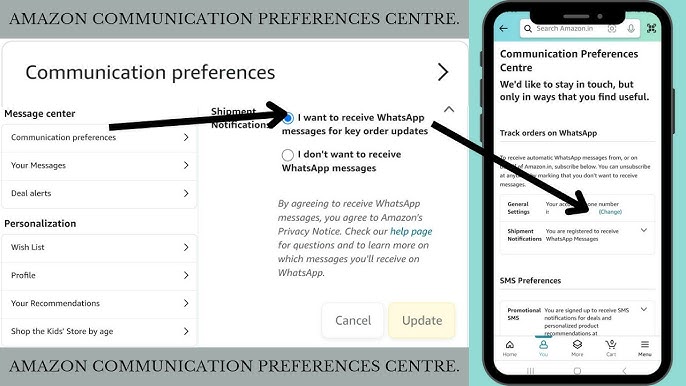
A preference center is the most reliable source of zero-party data because it asks users to define their own interests. Instead of sending generic newsletters, offer a dedicated page where customers can select topics, content formats, and communication frequency. This tool allows you to segment your audience based on explicit intent rather than inferred behavior.
Design the interface to be simple and mobile-friendly. Use toggle switches or checkboxes for easy selection. Offer a small incentive, such as a discount code or early access to new products, to encourage completion. When users feel they have control over their inbox, they are more likely to provide accurate and detailed information.
Deploy contextual quizzes and surveys
Quizzes and surveys are effective for gathering zero-party data because they are engaging and provide immediate feedback. Use these tools to help customers discover products or solutions tailored to their specific needs. For example, a skincare brand might use a quiz to recommend a routine based on skin type and concerns, collecting valuable data in the process.
Keep questions short and relevant. Limit the number of steps to reduce abandonment. Ensure the results are personalized and actionable, reinforcing the value of the interaction. This approach not only collects data but also enhances the customer experience by providing relevant recommendations.
Integrate data into your CRM and marketing tools
Once you have collected zero-party data, it must be integrated into your existing systems to be useful. Connect your preference center and quiz platforms to your Customer Relationship Management (CRM) and email marketing software. This ensures that the data is automatically updated and accessible to your marketing teams.
Use this data to trigger personalized workflows. For instance, if a customer indicates they are interested in a specific product category, send them targeted content related to that interest. This level of personalization builds trust and increases the likelihood of conversion. Regularly review and clean your data to maintain accuracy and relevance.
Activate data for personalization
Collecting zero-party data is only the first step. The real value comes from using that information to deliver relevant marketing messages, product recommendations, and content that matches what customers actually want. Without activation, the data you gathered sits idle.
Start by syncing your zero-party data to your CRM and marketing automation tools. This ensures that every touchpoint—from email campaigns to website experiences—can reference the preferences your customers explicitly shared. Use a checklist to verify that your data pipelines are connected and that the right segments are being updated in real time.
-
Connect zero-party data sources to your CRM
-
Map customer preferences to marketing automation segments
-
Test personalization rules in a staging environment
-
Monitor engagement metrics to refine activation
Once the data is flowing, use it to drive personalization. If a customer shared their interest in sustainable materials, highlight eco-friendly products in their next email. If they indicated a preference for minimalist design, curate their homepage experience accordingly. This level of relevance builds trust and increases conversion rates.
To support your activation efforts, consider using tools that help manage and visualize customer preferences. These tools can streamline the process of turning raw data into actionable insights.


As an Amazon Associate, we may earn from qualifying purchases.
Activation is an ongoing process. Regularly review your personalization strategies to ensure they are still aligned with customer expectations. Adjust your segments and messages based on new data and changing trends. This continuous refinement keeps your zero-party data strategy effective and relevant.
Measure trust and engagement metrics
Stop tracking conversion rates as your primary north star. When building a zero-party data strategy, you are trading privacy for personalization. The metric that matters most is whether customers actually want to keep sharing information.
If users abandon your preference center after the first question, or if they repeatedly update their interests to match their actual behavior, you are building trust. If they opt out entirely, your strategy is broken.
Track active preference updates
Monitor how often users modify their stated preferences. A high update rate indicates active engagement and a desire for relevance. A flat line suggests your initial data capture was too generic or intrusive. Look for patterns: do users refine their product interests more than their communication preferences? This tells you where your content needs to improve.
Monitor opt-in and retention rates
Track the percentage of users who voluntarily share data versus those who drop off. More importantly, measure retention. Did the users who shared zero-party data stay longer than those who didn’t? According to industry analyses, brands that prioritize transparency see higher long-term retention because customers feel in control of their information.
Calculate the trust score
Create a composite metric that combines engagement depth, opt-in rates, and negative feedback (opt-outs). This "trust score" gives you a single number to compare against previous quarters. It moves you away from vanity metrics like page views and toward the health of your customer relationship.
Audit data quality regularly
Zero-party data is only as good as its accuracy. Run quarterly audits to see if stated preferences align with actual purchase history. If users say they love eco-friendly products but only buy cheap items, your data model needs recalibration. This feedback loop ensures your personalization engine remains accurate and respectful of user intent.
Frequently asked questions about zero-party data
Work through The to Zero-Party Data



No comments yet. Be the first to share your thoughts!