
Ai regulation 2026 limits to account for
The regulatory landscape for artificial intelligence shifts from guidance to enforcement in 2026. This year marks the full applicability of the EU AI Act, creating a binding framework for high-risk systems. Companies operating in Europe must align their AI governance with these new transparency and risk management requirements by August 2, 2026.
In the United States, the approach remains fragmented but is accelerating. While no single federal law covers all AI applications, several states are enacting legislation that takes effect in 2026. California has already passed laws, and other jurisdictions are following suit, creating a patchwork of state-level compliance obligations for businesses.
This divergence means that global companies can no longer treat AI regulation as a future concern. The constraints are immediate, specific, and enforceable. Understanding the exact requirements of both the EU AI Act and emerging US state laws is essential for maintaining operational continuity.
The following sections break down the specific regulatory changes affecting digital business in 2026, focusing on concrete compliance steps rather than abstract principles.
Ai regulation 2026 choices that change the plan
Use this section to make the The AI Compliance Crisis decision easier to compare in real life, not just on paper. Start with the reader's actual constraint, then separate must-have requirements from details that are merely nice to have. A practical choice should survive normal use, maintenance, timing, and budget. If a recommendation only works in an ideal situation, call that out plainly and give the reader a fallback path.
| Factor | What to check | Why it matters |
|---|---|---|
| Fit | Match the option to the primary use case. | A good deal still fails if it does not fit the job. |
| Condition | Verify age, wear, and service history. | Hidden condition issues erase upfront savings. |
| Cost | Compare purchase price with likely upkeep. | The cheapest option is not always the lowest-cost option. |
How to plan around the 2026 AI compliance framework
The regulatory landscape for artificial intelligence is shifting from advisory guidelines to enforceable law. By August 2, 2026, the EU AI Act becomes fully applicable, while US state-level statutes begin to layer on top of existing federal sectoral rules. This convergence creates a complex web of obligations for digital businesses.
Rather than treating these regulations as abstract concepts, operationalize them into a concrete decision framework. This approach allows your compliance team to move from reactive monitoring to proactive alignment. The following steps outline the essential actions to secure your AI systems against the new legal requirements.

Identify every AI system in use across your organization. The EU AI Act categorizes these into four risk tiers: minimal, limited, high, and unacceptable. High-risk systems, such as those used in critical infrastructure or employment management, require the most rigorous documentation. Start by mapping your use cases to these definitions to prioritize where resources are needed most.

Under the new EU rules, high-risk AI developers must maintain detailed technical files. This includes data governance practices, algorithmic logic, and performance metrics. For limited-risk systems, such as chatbots, the obligation shifts to transparency: users must know they are interacting with AI. Create standardized templates for these records to ensure consistency across all deployments.
The core principle of the EU AI Act is that humans must remain in control of high-risk decisions. Define clear protocols for when and how human operators can override AI suggestions. This is not just a technical feature but a legal requirement. Document these oversight mechanisms to demonstrate compliance during regulatory audits.
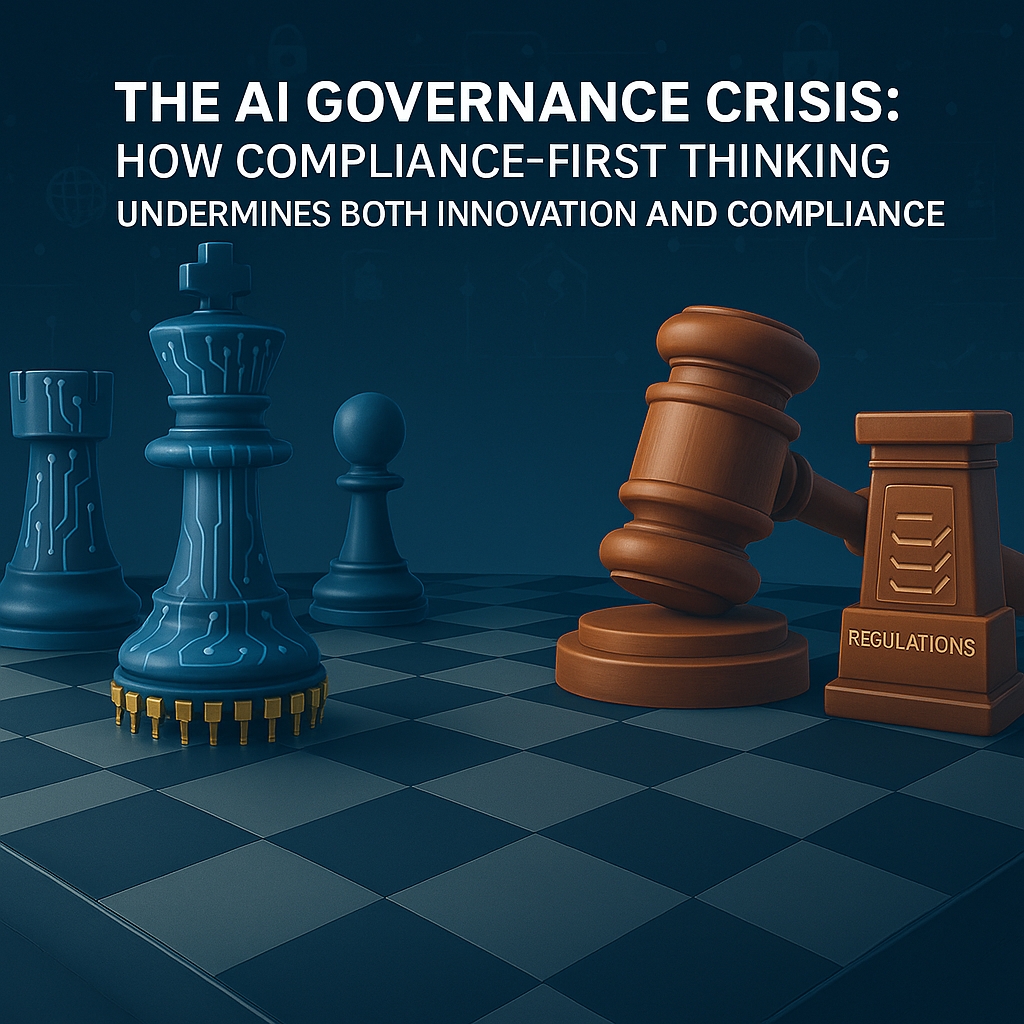
While the EU has a unified framework, the US approach is fragmented. States like California and Colorado have enacted specific AI laws, with more coming in 2026 and 2027. Track these developments closely, as they may impose additional data privacy or bias requirements that differ from federal guidelines. A centralized compliance dashboard can help track these jurisdictional differences.

Regulatory changes are only effective if your team understands them. Conduct mandatory training sessions for developers, product managers, and legal teams. Focus on the practical implications of the new laws, such as how to document data lineage or how to respond to transparency requests. Regular updates will keep your team aligned with the evolving regulatory environment.
-
Map all AI systems to EU AI Act risk categories
-
Draft technical documentation for high-risk models
-
Define human oversight procedures for automated decisions
-
Set up tracking for US state AI legislation
-
Schedule compliance training for key staff
Spotting weak AI compliance options
The EU AI Act’s full applicability on 2 August 2026 creates a hard deadline for high-risk systems, but many companies are still relying on vague internal policies rather than concrete technical controls. This approach fails when regulators demand specific transparency documentation and risk management records.
In the US, the regulatory landscape is fragmented. While California and other states have enacted specific laws, many businesses incorrectly assume federal guidance replaces state mandates. This misunderstanding leads to gaps in coverage, particularly for generative AI tools that don’t fit neatly into traditional software categories.
Common mistakes include treating compliance as a one-time audit rather than an ongoing process. Companies often overlook the need for continuous monitoring of AI model outputs, which is now a standard expectation under both EU and US frameworks.
Misleading transparency claims
Some vendors claim their AI tools are “compliance-ready” out of the box. This is often misleading. While they may provide basic data logs, they rarely include the detailed risk assessments required by the EU AI Act.
Weak internal policies
Many organizations have AI usage guidelines that are too broad to be enforceable. Specific rules on data privacy, bias testing, and human oversight are necessary, not just general statements about ethical use.
Ignoring state-level US laws
Assuming federal guidance is sufficient in the US is a critical error. States like California, Colorado, and Virginia have distinct requirements that overlap but do not always align with federal proposals.
No comments yet. Be the first to share your thoughts!