
Ai compliance 2026 limits to account for
The regulatory landscape for artificial intelligence is shifting from advisory guidelines to enforceable mandates. For organizations like 402 Hub, the primary keyword cluster around AI compliance 2026 is no longer theoretical. The European Union’s AI Act entered into force in August 2024 and becomes fully applicable on August 2, 2026, establishing a strict tiered risk framework that global companies must adhere to if they operate within or serve EU markets [src-serp-1].
In the United States, the approach remains fragmented but increasingly binding. While there is no single comprehensive federal law yet, the landscape is defined by a patchwork of state-level statutes. Several states have already enacted AI laws, with more scheduled to take effect in 2026 and 2027, particularly focusing on algorithmic transparency and consumer protection [src-serp-2].
This regulatory divergence creates a complex compliance matrix. 402 Hub must navigate these distinct jurisdictions by implementing robust data governance protocols that satisfy the strictest requirements. The focus is moving beyond simple data privacy to include model auditing, human-in-the-loop verification, and clear disclosure of automated decision-making processes.
The 2026 deadline serves as a hard constraint for project timelines. Compliance is not an optional add-on but a foundational requirement for product launch. Organizations that delay integration of these checks risk significant penalties and loss of market access in key regions.
Ai compliance 2026 choices that change the plan
By 2026, the regulatory landscape for artificial intelligence shifts from broad principles to enforceable mandates. The EU AI Act becomes fully applicable, creating a compliance baseline that impacts global operations. Simultaneously, U.S. federal and state laws, such as California’s recent enactments, introduce a fragmented but tightening regulatory environment. Organizations must navigate these overlapping requirements without stifling innovation.
The core challenge lies in balancing speed with scrutiny. High-risk AI systems face strict documentation and transparency obligations. Lower-risk applications require minimal intervention but still demand basic safety safeguards. This tiered approach forces companies to categorize their AI tools accurately before deployment.
Risk Classification and Documentation
The EU AI Act categorizes systems by risk level. High-risk categories include law enforcement, border control, and critical infrastructure. These systems require rigorous conformity assessments, detailed technical documentation, and human oversight mechanisms. Non-compliance can result in significant fines and operational shutdowns.
In the U.S., the approach is more sector-specific. Federal agencies like the FTC and FDA issue guidance rather than comprehensive statutes. However, states are moving faster. California’s AI laws already impose specific transparency and bias mitigation requirements. Companies operating across borders must maintain separate compliance frameworks for each jurisdiction.
Human-in-the-Loop Requirements
Professional ethics and regulatory rules increasingly demand human verification. Using public AI tools for client work without human-in-the-loop verification is now considered an ethical violation in many legal and financial sectors. This requirement ensures that AI outputs are reviewed for accuracy, bias, and relevance before being finalized.
Implementing robust human oversight adds time and cost to workflows. It requires training staff to identify AI errors and establish clear accountability chains. However, it reduces legal liability and builds trust with clients and regulators. Skipping this step exposes organizations to reputational damage and regulatory penalties.
Data Governance and Transparency
AI literacy and data transparency are becoming non-negotiable. The EU AI Act mandates that companies promote AI literacy among all individuals involved in developing, deploying, or overseeing AI systems. This includes training developers on bias mitigation and informing users when they are interacting with AI.
Data provenance is equally critical. Organizations must track the origin of training data, especially for copyrighted or personal information. Failure to do so can lead to infringement claims and regulatory investigations. Transparent data practices not only ensure compliance but also enhance model reliability and stakeholder confidence.
Comparing Compliance Pathways
Different regulatory frameworks impose varying burdens on AI developers and deployers. Understanding these differences is essential for effective compliance strategy.
| Regulatory Framework | Primary Scope | Enforcement Mechanism | Key Requirement |
|---|---|---|---|
| EU AI Act | Risk-based, global impact | National authorities, fines up to 7% | High-risk conformity assessments |
| U.S. Federal Guidance | Sector-specific (FTC, FDA) | Case-by-case, civil penalties | Transparency and bias mitigation |
| California AI Laws | State-level, consumer protection | State Attorney General, private right of action | Human-in-the-loop verification |
| Industry Self-Regulation | Voluntary, best practices | Reputational, market pressure | Ethical guidelines and audits |
How 402 Hub Navigates New Federal Data Regulations
Compliance in 2026 is no longer a theoretical exercise. With the EU AI Act fully applicable and U.S. state laws like California’s SB 1047 taking effect, the regulatory landscape has shifted from guidance to enforcement. For 402 Hub, navigating these rules requires a structured approach that prioritizes data sovereignty, human oversight, and transparent auditing.
The following steps outline the practical framework 402 Hub uses to align with these new mandates. This checklist focuses on the concrete actions needed to avoid legal exposure while maintaining operational efficiency.
Before deploying any AI tool, categorize it by risk. High-risk applications—such as those used in hiring, credit scoring, or critical infrastructure—require strict conformity assessments. Low-risk tools, like spam filters, face minimal oversight. 402 Hub maintains a dynamic registry of all AI systems to ensure they are correctly classified under both EU and U.S. state laws.
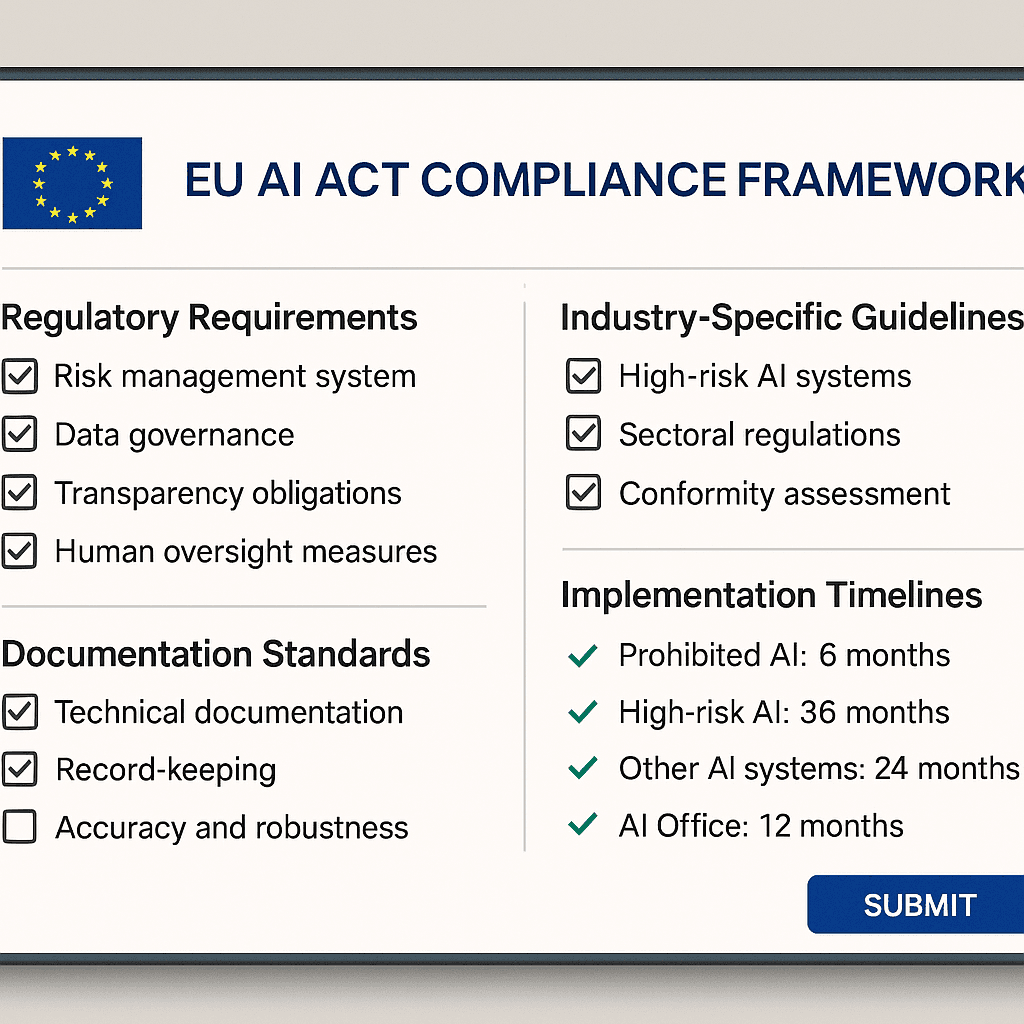
Automated decisions affecting individuals must have a human reviewer. Using public AI tools for client work without verification is now considered an ethical violation in several jurisdictions. 402 Hub mandates that all AI-generated outputs in high-stakes scenarios are reviewed by qualified staff before release, ensuring accountability and reducing liability.
AI models are only as good as their training data. 402 Hub conducts quarterly bias audits to ensure datasets do not perpetuate discrimination. This includes verifying that data sources are legally obtained and that the model’s outputs are tested for fairness across different demographic groups, aligning with emerging U.S. state regulations.
Transparency is key to compliance. 402 Hub keeps detailed records of how AI models are developed, trained, and deployed. This documentation includes risk assessments, data sources, and mitigation strategies. In the event of an audit or legal challenge, these records provide the evidence needed to demonstrate due diligence.
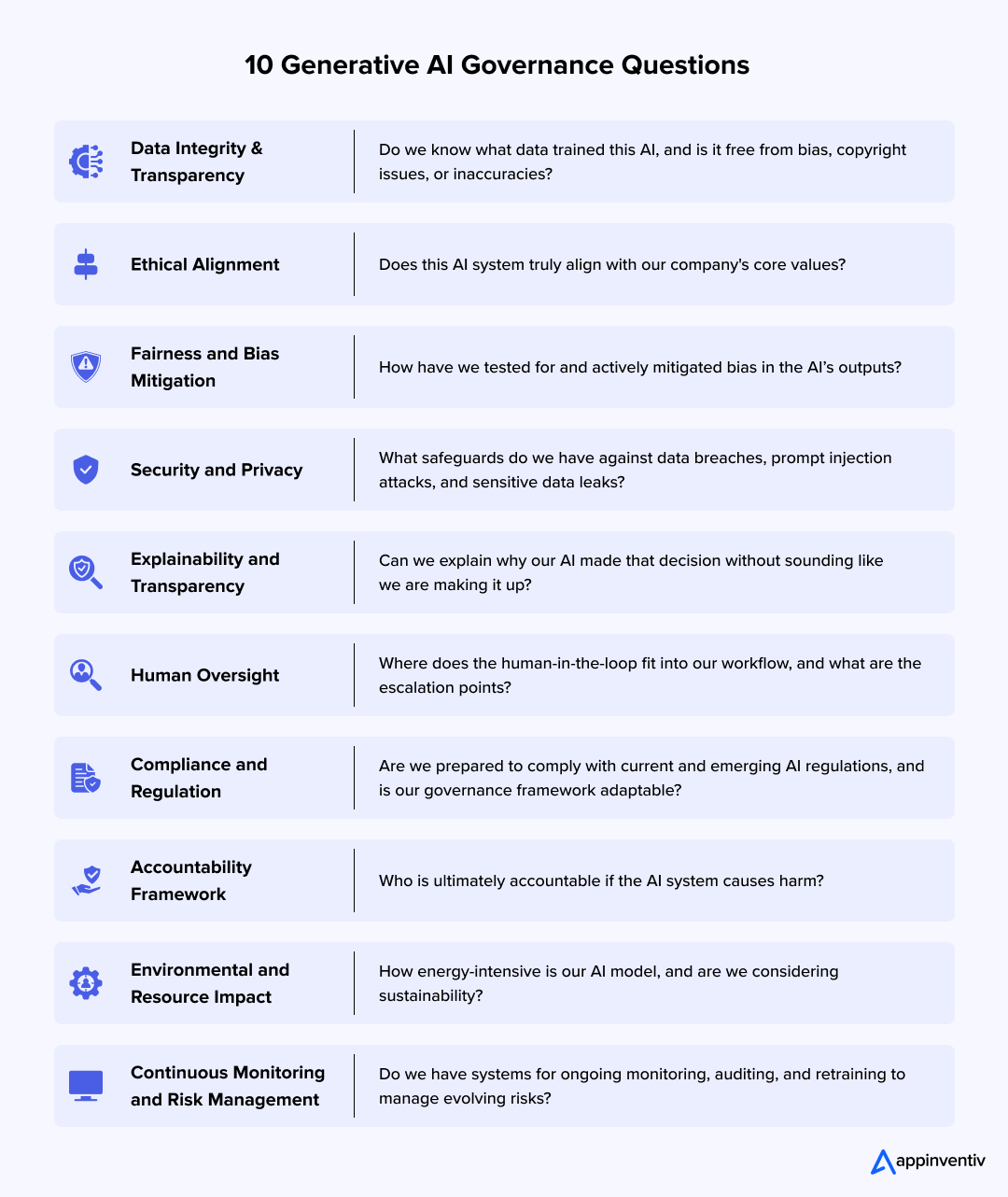
Regulations evolve quickly. 402 Hub has a cross-functional team responsible for monitoring legal updates and adjusting compliance measures accordingly. This team ensures that any changes in federal or state law are immediately reflected in internal policies and technical configurations, preventing costly violations.
Watchouts: Misleading Claims and Weak Options
New federal and state regulations are tightening around AI usage, but not every vendor claim holds up. As organizations prepare for 2026 compliance, distinguishing between robust frameworks and marketing fluff becomes critical. Below are common pitfalls to avoid when evaluating AI solutions.
"AI-Generated" Content Lacks Verification
Many platforms market their outputs as "compliant," yet fail to specify human-in-the-loop verification. Using public AI tools for client work without human review is increasingly viewed as an ethical violation. Ensure your vendor provides clear audit trails for every AI-assisted output.
Vague Data Residency Claims
Some vendors claim global compliance while storing data in jurisdictions with weak privacy laws. The EU AI Act, fully applicable by August 2026, imposes strict rules on data handling. Verify exactly where your data resides and who has access to it before signing.
Ignoring State-Level Nuances
Federal guidelines are just the baseline. States like California have already enacted their own AI laws, with more coming in 2026 and 2027. A one-size-fits-all approach often leaves gaps in coverage. Check specific state requirements for your primary operational regions.
Over-Reliance on Automated Audits
Automated compliance tools are helpful but not infallible. They may miss contextual nuances or evolving regulatory language. Treat these tools as aids, not replacements for legal counsel. Regular manual reviews ensure your compliance strategy remains accurate and defensible.
Ai compliance 2026: what to check next
The regulatory landscape for artificial intelligence is shifting from voluntary guidelines to enforceable law. As 2026 approaches, organizations face a patchwork of federal guidance, state statutes, and international mandates. Understanding these requirements is essential for maintaining operational continuity and avoiding significant penalties.
No comments yet. Be the first to share your thoughts!