
Get ai search optimization 2026 right
Start AI Search Trends with the constraint that matters most in real life: space, timing, budget, skill level, maintenance, or availability. That first constraint should shape the rest of the plan instead of appearing as an afterthought. Keep the first pass simple enough to verify. Compare the main options against the same criteria, remove choices that only work in ideal conditions, and save optional upgrades for later.
The simplest way to use this section is to write down the real constraint first, compare each option against it, and choose the path that still works outside ideal conditions.
Work through the steps
AI Search Trends works best as a clear sequence: define the constraint, compare the realistic options, test the tradeoff, and choose the path with the fewest hidden costs. That order keeps the advice usable instead of decorative. After each step, pause long enough to check whether the recommendation still fits the reader's actual situation. If it depends on perfect timing, unusual access, or a best-case budget, include a simpler fallback.


Fix common mistakes
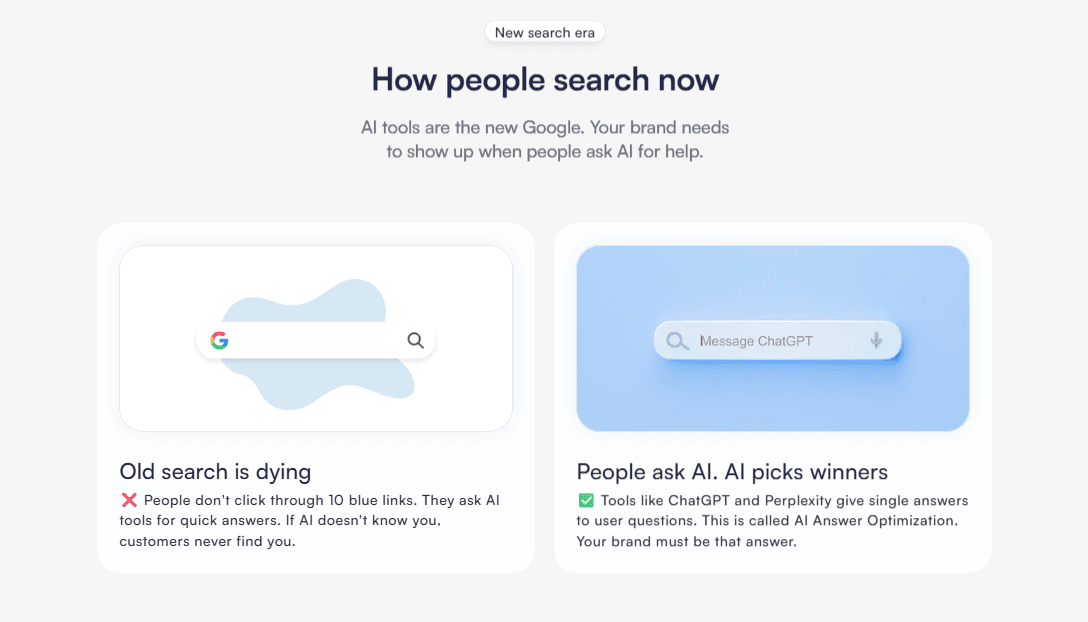
Optimizing for Google’s SGE and voice-first discovery in 2026 requires precision. The margin for error has shrunk because AI models now synthesize answers directly from your content. If your structure is messy, your data is outdated, or your intent is vague, the AI will skip you entirely.
Here are the most frequent errors that cause poor outcomes and how to fix them.
1. Ignoring Multimodal Context
AI search engines no longer rely solely on text. Google Lens, visual search, and multimodal models index images, videos, and audio as ranking assets. A common mistake is treating media as decorative rather than informational.
The Fix: Optimize your media with descriptive alt text, accurate file names, and structured data. Ensure your images and videos are contextually relevant to the surrounding text. AI models pull from these signals to build a complete understanding of your page.
2. Using Vague or Generic Content
AI models favor specific, comparative, and authoritative content. A 2026 report found that 41% of AI-generated responses cited informational content, while 27% was comparative. Generic marketing fluff like "our product is great" is rarely cited.
The Fix: Create "Best X vs. Y" comparisons and detailed informational guides. Be specific about features, pricing, and use cases. AI models are trained to pull from content that helps users make decisions, not just brand awareness.
3. Neglecting Structured Data
Voice assistants and AI overviews rely on structured data to understand the relationship between entities on your page. Without it, the AI may misinterpret your content or fail to extract key facts for the snippet.
The Fix: Implement schema markup for FAQs, products, articles, and how-to steps. This helps the AI understand what your content is about and increases the likelihood of being featured in voice-first results.
4. Failing to Update Content
AI search is dynamic. Content that was accurate last year may be outdated today. Stale information leads to poor user experience and lower rankings as the AI prioritizes fresh, relevant data.
The Fix: Regularly audit your content for accuracy. Update statistics, remove broken links, and refresh outdated advice. Fresh, accurate content is more likely to be cited by AI models.
5. Over-Optimizing for Keywords
Keyword stuffing is still a mistake. AI models understand intent and context, not just keyword density. Over-optimizing for specific phrases can make your content sound unnatural and less helpful.
The Fix: Focus on answering the user's question comprehensively. Use natural language and cover related topics. This helps the AI understand the full scope of your content and increases its relevance.
Ai search optimization 2026: what to check next
Readers often ask how to adapt to AI search optimization in 2026. These answers clarify the shift from traditional keyword targeting to structured, authoritative content.
These trends highlight the need for precise, verifiable content. Focus on answering complex queries directly rather than relying on broad keyword stuffing.
No comments yet. Be the first to share your thoughts!