
2026 ai regulations limits to account for
Use this section to make the The AI Compliance Mandate decision easier to compare in real life, not just on paper. Start with the reader's actual constraint, then separate must-have requirements from details that are merely nice to have. A practical choice should survive normal use, maintenance, timing, and budget. If a recommendation only works in an ideal situation, call that out plainly and give the reader a fallback path.
The simplest way to use this section is to write down the must-have criteria first, then compare each option against those criteria before weighing nice-to-have features.
2026 AI Regulations: Tradeoffs and Trade-Ins
The 2026 regulatory landscape forces a direct exchange between operational speed and compliance overhead. With the EU AI Act’s transparency rules taking effect in August 2026, and South Korea’s AI Basic Act enforcing baseline safety obligations since January, businesses must choose which friction points to absorb (source: European Commission, Trade.gov). Ignoring these shifts risks severe penalties, but over-engineering for compliance can stall innovation.
Transparency vs. Performance
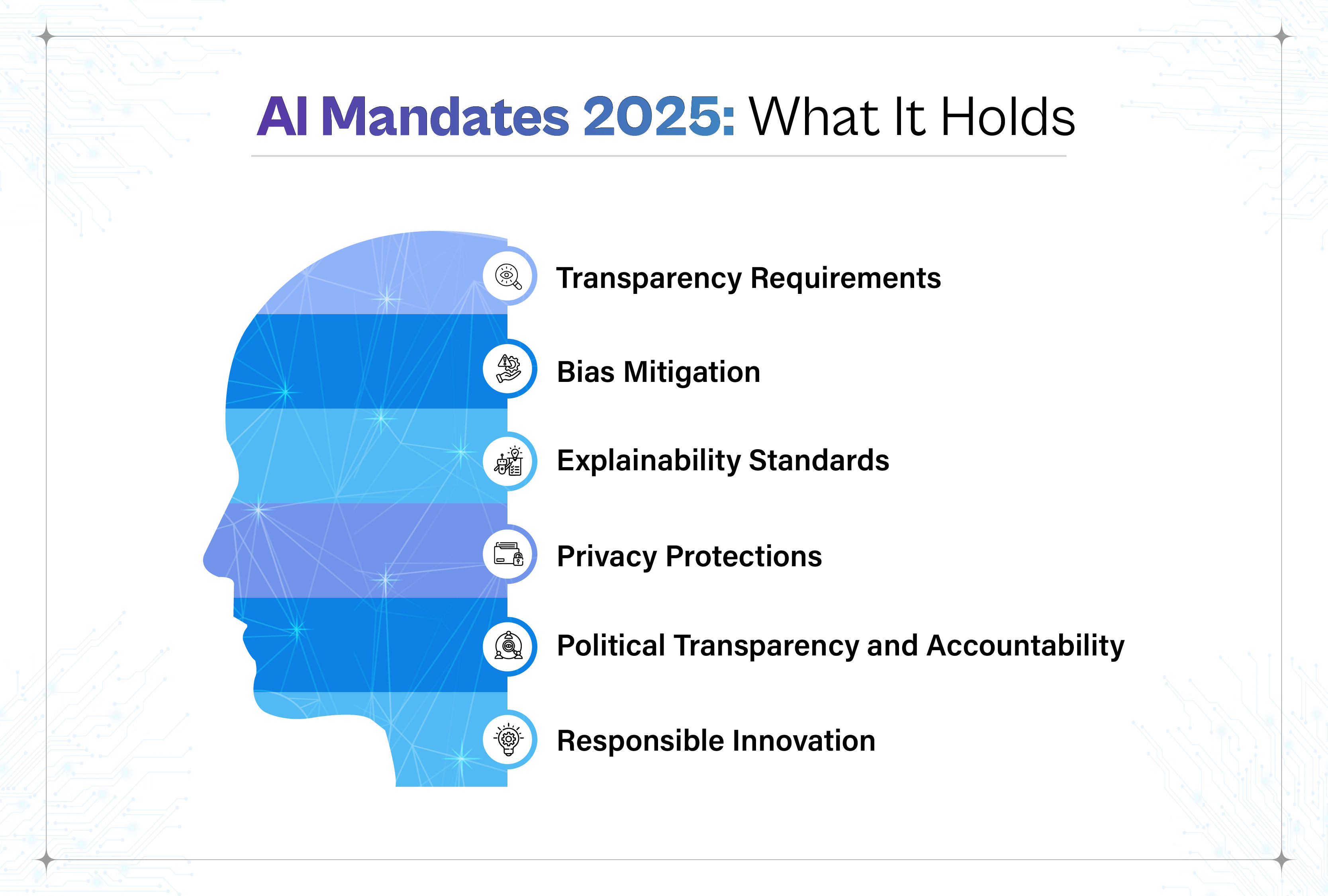
The EU AI Act’s transparency requirements demand that users know when they are interacting with AI. This often means adding visible indicators to chatbots or generative outputs. The tradeoff is immediate: these indicators can degrade user experience and slow down interactions. Companies must decide if the reputational safety of transparency outweighs the potential drop in engagement metrics.
Safety Guardrails vs. Feature Velocity
South Korea’s AI Basic Act requires strict safeguards for high-risk applications, particularly in mental health and companion AI. Implementing these guardrails often requires slowing down deployment cycles to conduct rigorous safety audits. The tradeoff here is time-to-market. Businesses must choose between launching features quickly and ensuring they meet the new baseline obligations for trust and user protection before release.
Global Harmonization vs. Local Complexity
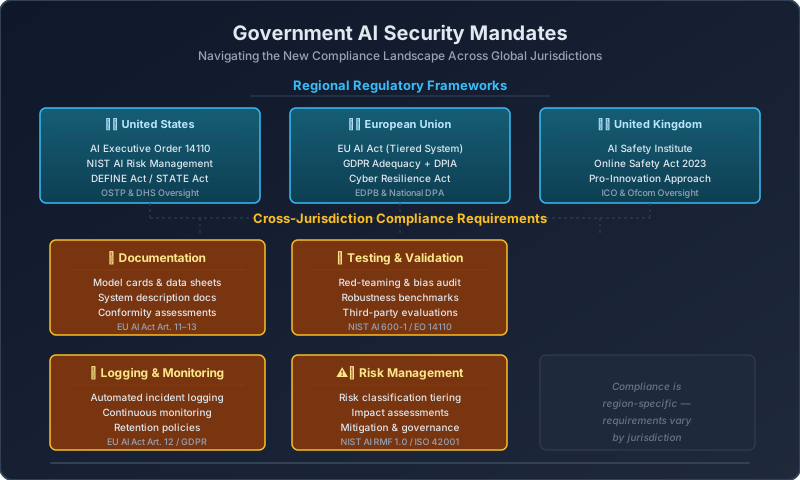
The US Executive Order from June 2026 focuses on promoting innovation while maintaining security, creating a different standard than the EU’s risk-based approach. For multinational companies, this divergence creates a compliance burden. You cannot use a single global standard; you must build modular systems that adapt to local laws. The tradeoff is architectural complexity and increased engineering costs to maintain separate compliance tracks for different jurisdictions.
| Factor | Compliance Benefit | Operational Tradeoff |
|---|---|---|
| Transparency | Meets EU AI Act requirements | Slower user interactions |
| Safety Audits | Meets South Korea AI Basic Act | Delayed feature launches |
| Modular Architecture | Handles US and EU divergence | Higher engineering costs |
Choose the next step
The AI Compliance Mandate works best as a clear sequence: define the constraint, compare the realistic options, test the tradeoff, and choose the path with the fewest hidden costs. That order keeps the advice usable instead of decorative. After each step, pause long enough to check whether the recommendation still fits the reader's actual situation. If it depends on perfect timing, unusual access, or a best-case budget, include a simpler fallback.
Spot the weak options and misleading claims
The 2026 AI compliance mandate introduces strict new rules, but not every vendor option is built for these federal regulations. Many tools still lag behind the transparency and safety standards required by law.
The "Minimal Risk" loophole
Some providers claim their AI is "minimal or no risk" to avoid scrutiny. The EU AI Act transparency rules take effect in August 2026, closing this gap. If a tool lacks clear data provenance, it is not compliant.
Vague transparency claims
Many solutions offer "AI transparency" without defining what that means. The South Korea AI Basic Act, effective January 22, 2026, requires specific user protection metrics. Look for concrete evidence of how user data is handled, not just marketing promises.
Ignoring the execution gap
A 2026 AI strategy is no longer about experimentation; it is about execution at scale. Organizations must move beyond pilot projects to build an AI business strategy that delivers measurable impact. Weak options fail to integrate these operational realities.
402 Hub helps you filter out these weak options, ensuring your compliance efforts are robust and focused on real regulatory requirements.
2026 ai regulations: what to check next
As federal and state mandates take shape, businesses are navigating a complex web of new requirements. Below are the most common questions regarding the 2026 AI compliance landscape.
No comments yet. Be the first to share your thoughts!