

Why 2026 needs a digital detox
The digital landscape has shifted. In 2026, the problem is no longer just too much screen time; it is the cognitive weight of an always-on, AI-saturated environment. Notifications are no longer simple alerts; they are algorithmically optimized interventions designed to hijack attention spans. This constant cognitive load creates a specific form of "notification anxiety" that traditional breaks often fail to address.
Research suggests that stepping away from this cycle can reverse measurable effects of digital strain. A recent study highlighted in the Washington Post indicates that short detoxes may help erase years of social media brain damage, restoring mental clarity and focus. This validates the desire to unplug without going completely off-grid.
This 14-day plan is not about deleting your apps or abandoning technology. It is about rewiring your relationship with them. By blending practical screen-time limits with cognitive behavioral tools, you can reclaim your attention while keeping the useful parts of your digital life intact.
Day 0: Baseline and boundaries
Before you begin the 14-day digital detox 2026 plan, you need to know where you stand. You cannot manage what you do not measure. This initial phase is not about punishment; it is about establishing a realistic baseline and setting non-punitive boundaries that actually stick.
Think of this process like setting a thermostat. If you set it too low, the system fights back. If you set it too high, you gain no benefit. We are looking for the "just right" zone for your attention span.
Step 1: Audit your current usage
Open your phone’s digital wellbeing settings. On iOS, go to Settings > Screen Time. On Android, check Settings > Digital Wellbeing & parental controls. Look at your daily average for social media and messaging apps. This number is your starting point.
Do not judge the number. It is simply data. Most people are surprised by how much time they actually spend scrolling. Acknowledge this reality without shame. It is the fuel for your change, not a reason to quit.

Open your device settings and locate the screen time or digital wellbeing dashboard. Note your total daily usage and identify the top three apps that consume your time. Write these numbers down. They represent your current baseline.
Based on your audit, set a daily time limit for your most distracting app. Start with 30% less than your current average. For example, if you spend two hours on social media, set your limit to 84 minutes. This creates a buffer for change without feeling restrictive.
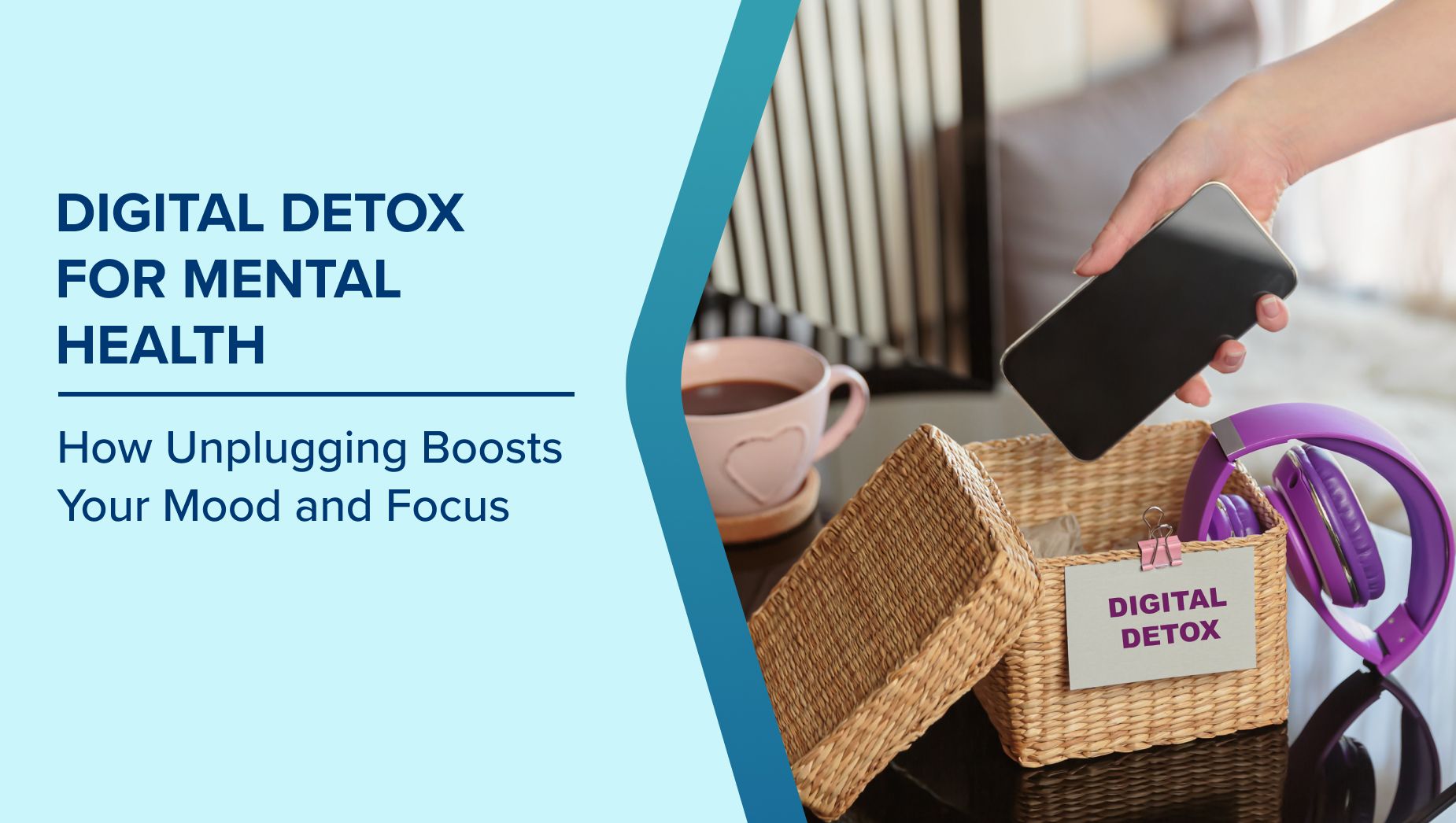
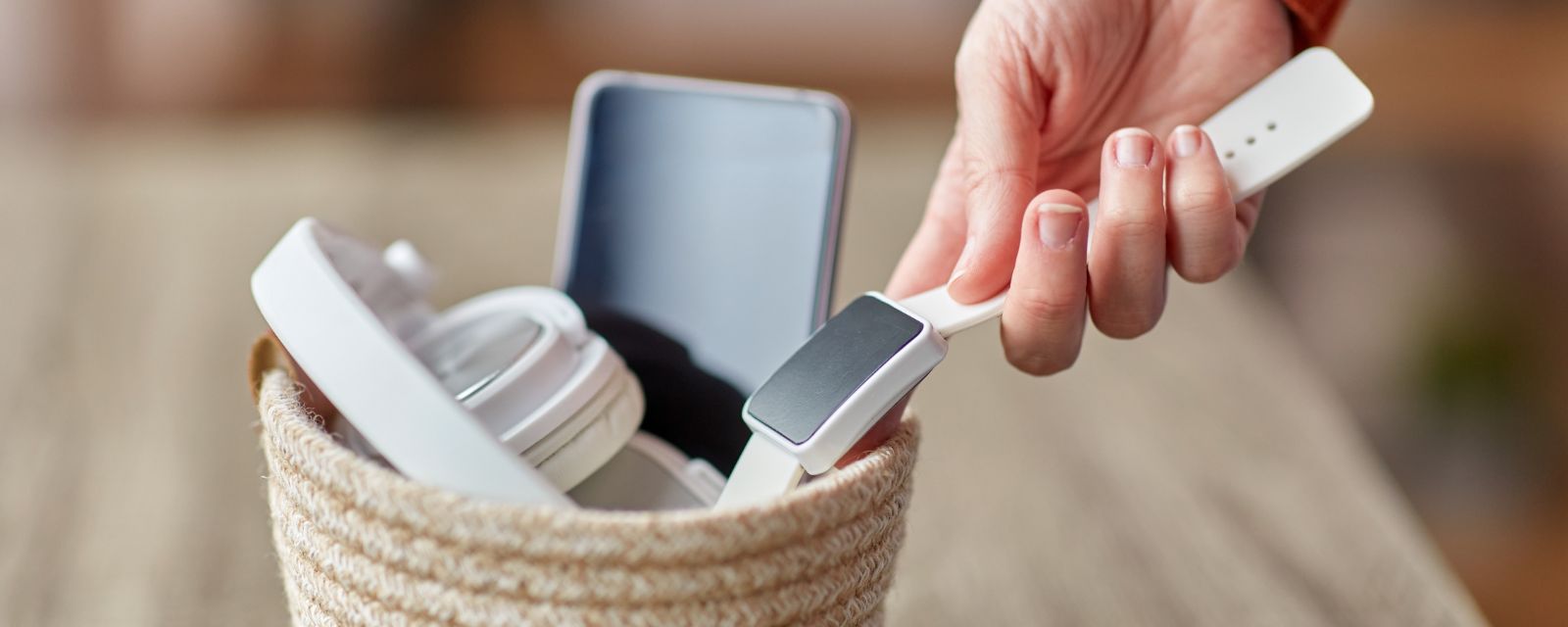
Choose two specific times of day where devices are completely off-limits. The most effective boundaries are often the morning hour before breakfast and the hour before bed. Place your phone in another room during these times to remove the temptation to check it.
Why this matters
Research from PrairieCare suggests that intentional breaks from devices create a healthier balance between online and offline life. By setting these boundaries on Day 0, you are not removing technology from your life; you are reclaiming your focus. This plan relies on these small, consistent steps to rewire your attention span.
Days 1–3: Calm the nervous system
The first few days of a digital detox 2026 plan often feel less like relaxation and more like withdrawal. Your brain is accustomed to the rapid dopamine hits from notifications and scrolling; removing those stimuli creates a physiological gap that can manifest as irritability, restlessness, or an almost physical itch to check your phone. Rather than fighting this sensation with willpower, you need to regulate your nervous system directly.
This phase is about physiological regulation. By lowering your baseline arousal through breathing and environmental cues, you make the silence feel less like a void and more like a pause. The goal isn't to eliminate the desire for connection, but to stabilize your body so you can handle the initial discomfort without reaching for a screen.
When you feel the urge to check your device, pause and engage the parasympathetic nervous system. Inhale through your nose for four seconds, hold for two, and exhale slowly through your mouth for six seconds. The extended exhale signals safety to your brain, lowering heart rate and reducing the anxiety spike associated with "notification anxiety." Repeat this cycle five times before doing anything else.
Visual triggers are powerful. Remove all social media, news, and entertainment apps from your home screen. Move them to a single folder on the second or third page, or delete them entirely for the next 48 hours. Keep only essential tools like Maps, Calendar, and Phone visible. This adds friction to mindless scrolling, giving your prefrontal cortex time to intervene before you open an app.
Reduce sensory input to match your internal state. Dim the lights, lower the volume on your TV, and put your phone in another room or a drawer. If you are working, use noise-canceling headphones with ambient sounds rather than music with lyrics. A calmer external environment reduces the cognitive load required to ignore distractions, making it easier to sustain focus on a single task.
By the end of day three, the sharp edge of withdrawal should begin to dull. You may still feel bored or restless, but the physical tension in your chest and shoulders will likely ease. This sets the foundation for the deeper work of days 4–7, where you will start to rebuild your attention span rather than just surviving the initial shock.
Days 4–7: Replace scrolling with doing
The middle phase of your detox is where most people stumble. The novelty of restriction fades, and the void left by scrolling needs to be filled with intentional action. This week is not about troubleshooting technical issues or resetting systems; it is about behavioral substitution. You are replacing the passive consumption of content with active engagement in your physical world.
The "Boredom Bridge"
Boredom is not a bug; it is a feature. In a hyper-stimulated environment, we have lost the ability to tolerate boredom. However, boredom is the precursor to creativity and deep thought. When you feel the urge to scroll, allow yourself to be bored for five minutes. Sit with the feeling. Do not reach for your phone. Let your mind wander.
Active Hobbies
Identify one or two activities that require your hands and focus. These could be:
- Cooking a new recipe from scratch
- Gardening or tending to houseplants
- Drawing, sketching, or journaling
- Physical exercise (yoga, running, weightlifting)
The key is that these activities must be analog. They cannot be mediated through a screen. This forces your brain to engage with the physical world, rebuilding neural pathways that have atrophied from passive consumption.
Social Connection
Replace digital socializing with face-to-face interaction. Invite a friend for coffee, call a family member, or join a local club. The depth of connection in person is vastly superior to the shallow interactions of social media. This helps combat the isolation that often accompanies a digital detox.
Days 8–14: Rewire focus habits
By the second week, the novelty of disconnecting has worn off, and the real work begins. This phase of your digital detox 2026 plan shifts from simple restriction to active habit formation. You are no longer just avoiding screens; you are rebuilding the neural pathways that allow for sustained attention.
Research suggests that breaking "notification anxiety" requires more than just turning off alerts; it demands intentional cognitive restructuring. This week blends practical screen-time limits with CBT-based tools to help you keep what you love about technology while cutting the noise that fragments your focus [1].
Build your focus fortress
Your environment dictates your behavior. During days 8–10, design a physical space that resists digital temptation. Keep your phone in another room while working or reading. Use a traditional alarm clock instead of your phone to avoid the morning scroll. These small environmental tweaks reduce the friction of staying offline and make focus the default state rather than a struggle.
Practice single-tasking
Multitasking is a myth that drains mental energy. Commit to single-tasking for at least two hours a day. Choose one activity—writing, coding, or even washing dishes—and give it your full attention. When your mind wanders to a digital urge, acknowledge it without judgment and gently return to the task. This practice strengthens your attention muscle, making it easier to resist distractions in the long run.
Evaluate and sustain
Days 11–14 are for reflection. Review your screen-time reports from the past week. Which apps triggered the most anxiety? Which offline activities brought you the most joy? Use this data to create a sustainable "digital diet" for the future. You don't need to quit tech forever; you need to define a healthy relationship with it that supports your well-being rather than undermining it [2].
Review your screen time data. Identify the top three apps that cause the most distraction or anxiety. Note the times of day you are most vulnerable to checking them.

Based on your audit, establish permanent rules. For example, no phones at the dinner table, or no social media after 8 PM. Write these rules down and keep them visible.

Identify one offline activity you enjoy, such as reading a physical book, walking, or journaling. Schedule this activity into your day as a direct replacement for your biggest digital trigger.

At the end of day 14, assess how you feel. Are you more focused? Less anxious? Adjust your boundaries as needed. The goal is not perfection, but a sustainable balance.
-
No phones in the bedroom
-
Single-tasking for 2 hours daily
-
No social media after 8 PM
-
One offline hobby scheduled daily
-
Weekly screen time review
Common digital detox mistakes to avoid
Even with a solid plan, a digital detox 2026 can falter if you ignore the human element. The most frequent failure point is all-or-nothing thinking. You might decide to quit social media cold turkey, only to feel isolated or anxious when you inevitably need to check a work email or message a friend. This binary approach creates friction rather than freedom. Instead of viewing your devices as enemies, treat them as tools that need boundaries. A sustainable detox involves setting clear limits on usage rather than eliminating connection entirely.
Preparation is the second major pitfall. Many people start their detox without telling their inner circle, leading to missed calls and unnecessary stress. If your family or colleagues expect a quick response, they won’t know you’re offline. Informing those around you sets realistic expectations and reduces the guilt of being unreachable. You can also prepare your digital environment by deleting distracting apps or turning off non-essential notifications before you begin.
Finally, avoid the mistake of relying solely on willpower. Willpower is a finite resource that depletes throughout the day. Instead, design your environment to make the right choice the easy choice. Keep your phone in another room during dinner, or use grayscale mode to make your screen less appealing. Small environmental tweaks are far more effective than sheer discipline.
Frequently Asked Questions About Your Digital Detox 2026 Plan
Starting a digital detox 2026 journey often raises practical concerns about work, health, and sustainability. Below are answers to the most common questions we receive from readers navigating their first two weeks offline.
No comments yet. Be the first to share your thoughts!