
Integrating Coinbase X402 Payment Intents with the HTTP Payment Protocol is rapidly becoming a cornerstone for secure, on-chain crypto transactions. With Coinbase’s X402 protocol leveraging the HTTP 402 “Payment Required” status code, developers can now build monetized APIs and content layers that transact directly in stablecoins like USDC, no legacy payment rails required. As of today, Coinbase Global Inc (COIN) trades at $387.27, highlighting the growing confidence in crypto-powered financial infrastructure and the increasing demand for seamless, programmable payments.

Why Choose Coinbase X402 and HTTP Payment Protocol?
The Coinbase X402 protocol stands out by enabling instant, automatic payments over HTTP, allowing services to monetize APIs, digital content, or even microservices with minimal friction. It’s not just about speed; it’s about programmable trust and security. By embedding payment requirements directly into HTTP responses using the 402 status code, X402 transforms any web resource into a paywall-ready endpoint. This empowers developers to:
- Monetize AI models, data feeds, or premium APIs without third-party payment processors
- Leverage stablecoins (currently USDC on Base network) for low-volatility settlement
- Automate access control and unlock new business models for digital goods
The protocol is chain-agnostic by design, with expansion plans beyond USDC and Base network already in motion. For developers seeking to future-proof their platforms while maintaining robust security standards, X402 offers a compelling solution.
Core Architecture: How Secure Crypto Payment Intents Work
The magic of secure crypto payment intents lies in the clear separation of responsibilities between client and server, each step is engineered for transparency and verifiability:
Step-by-Step Visual Guide: X402 Crypto Payment Flow Over HTTP
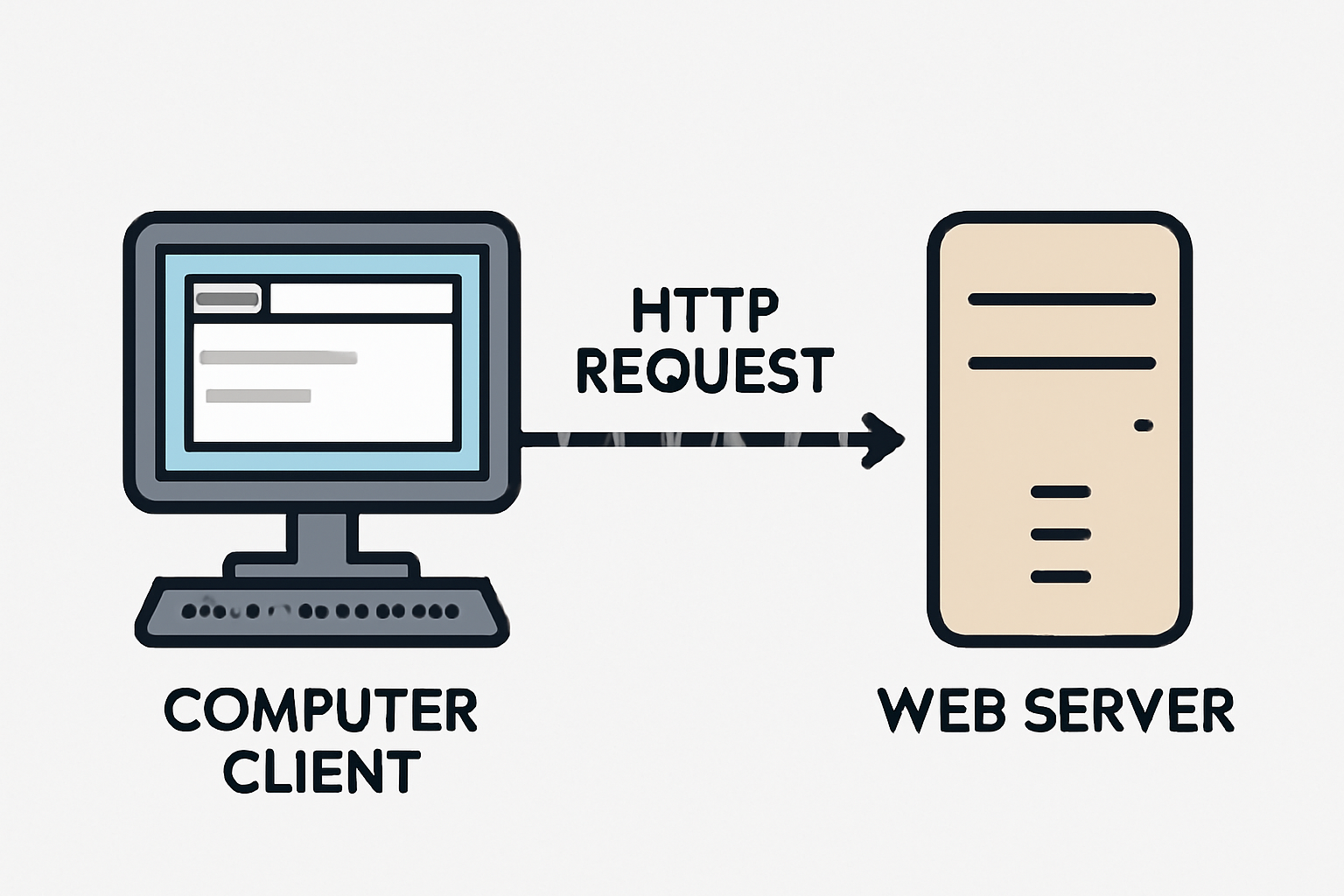
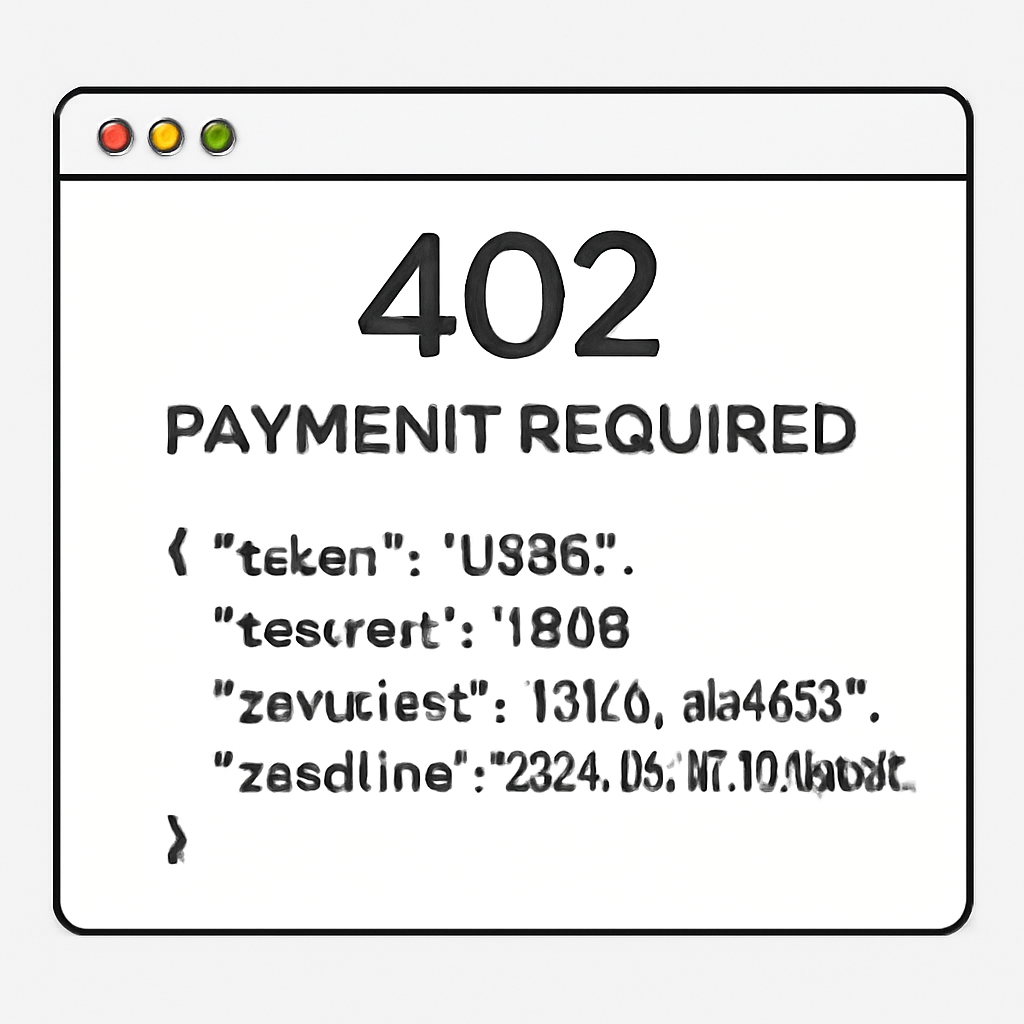
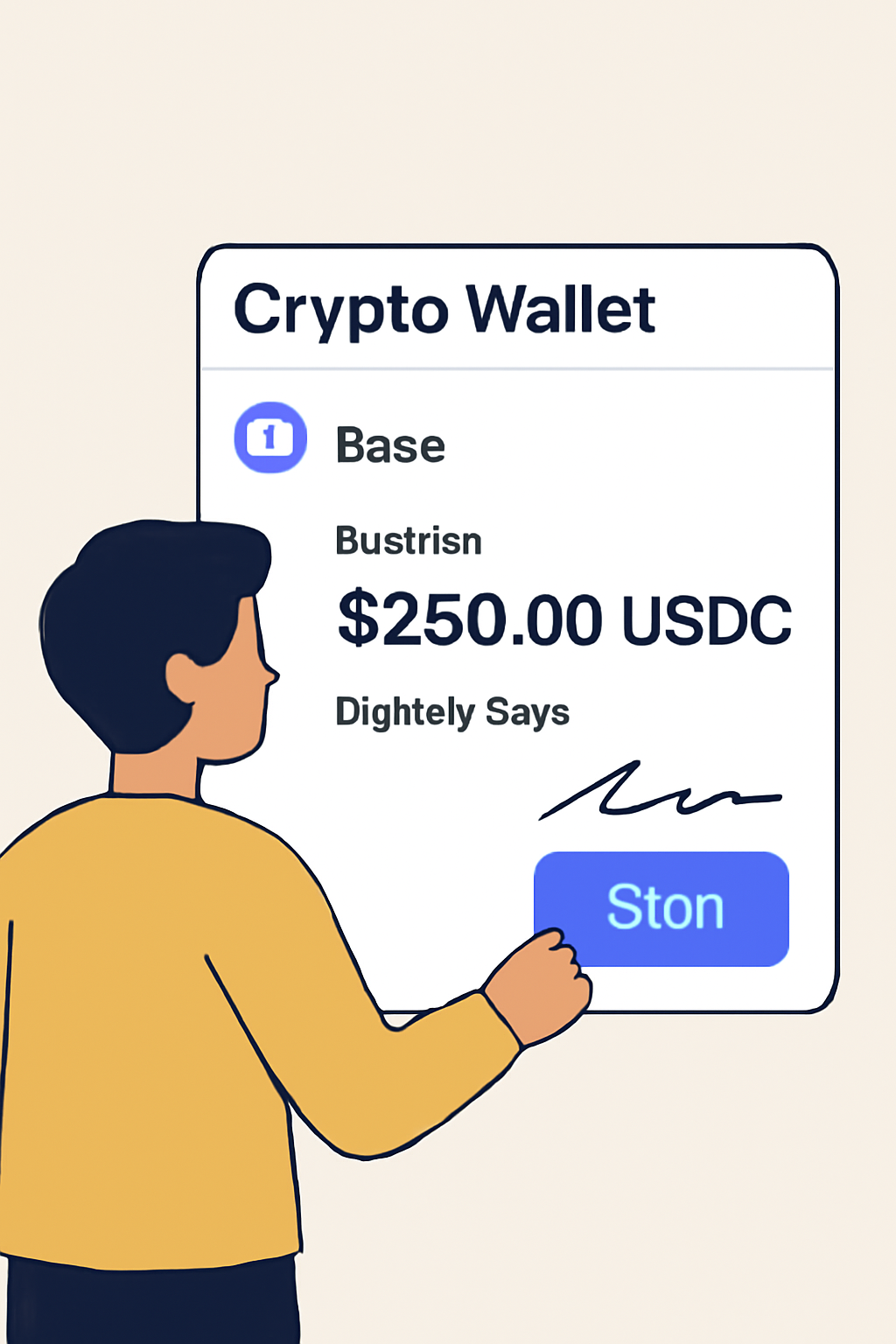
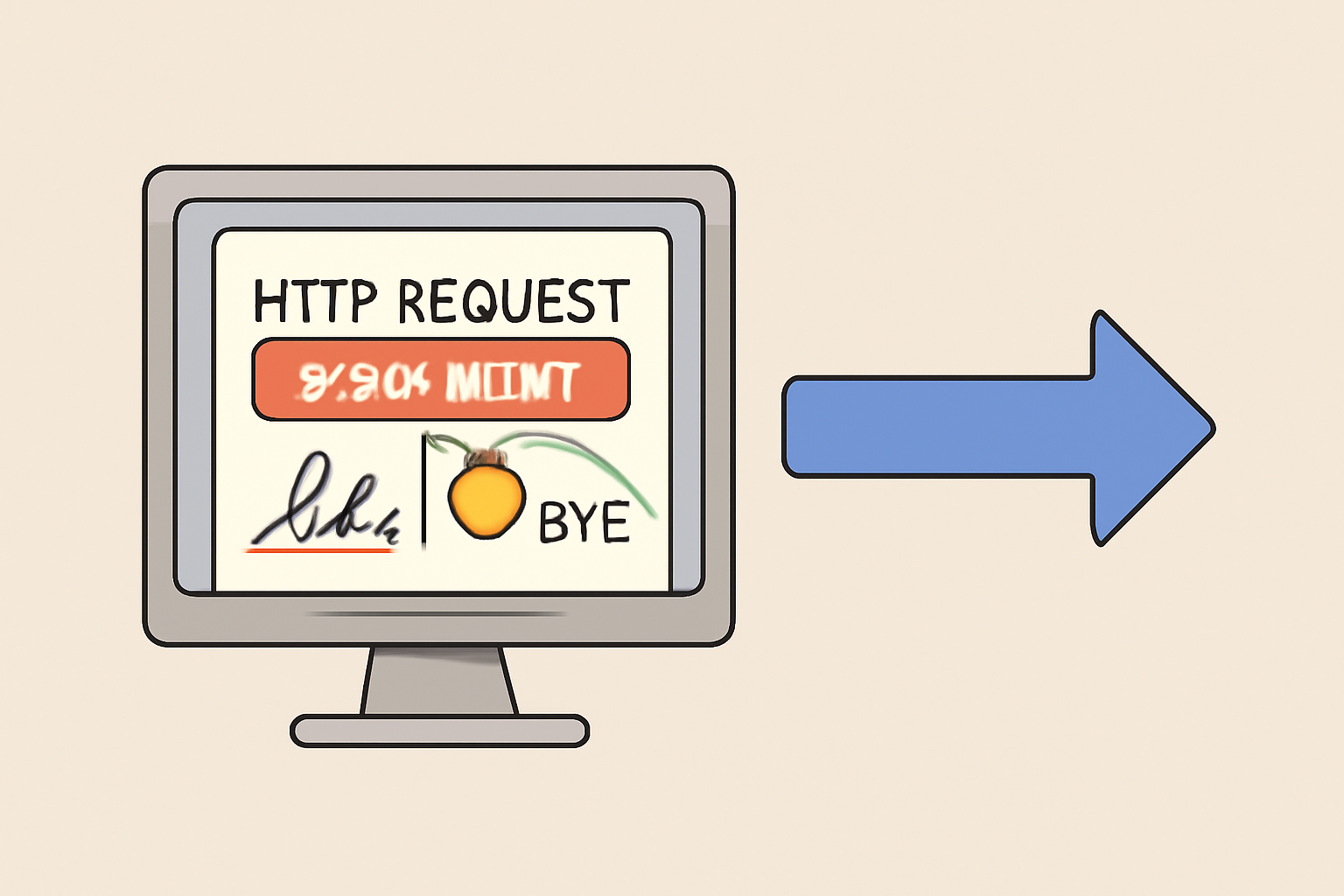
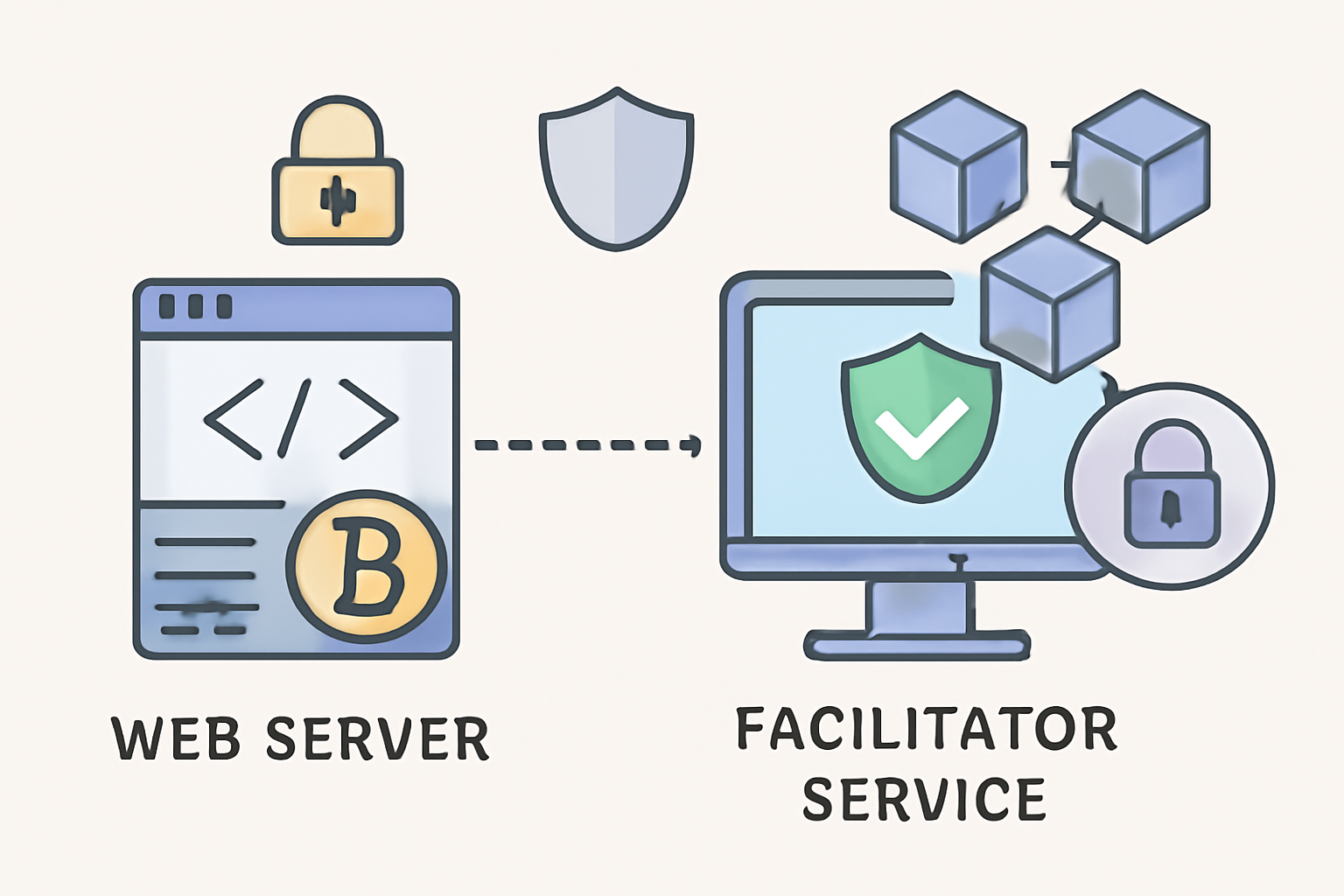
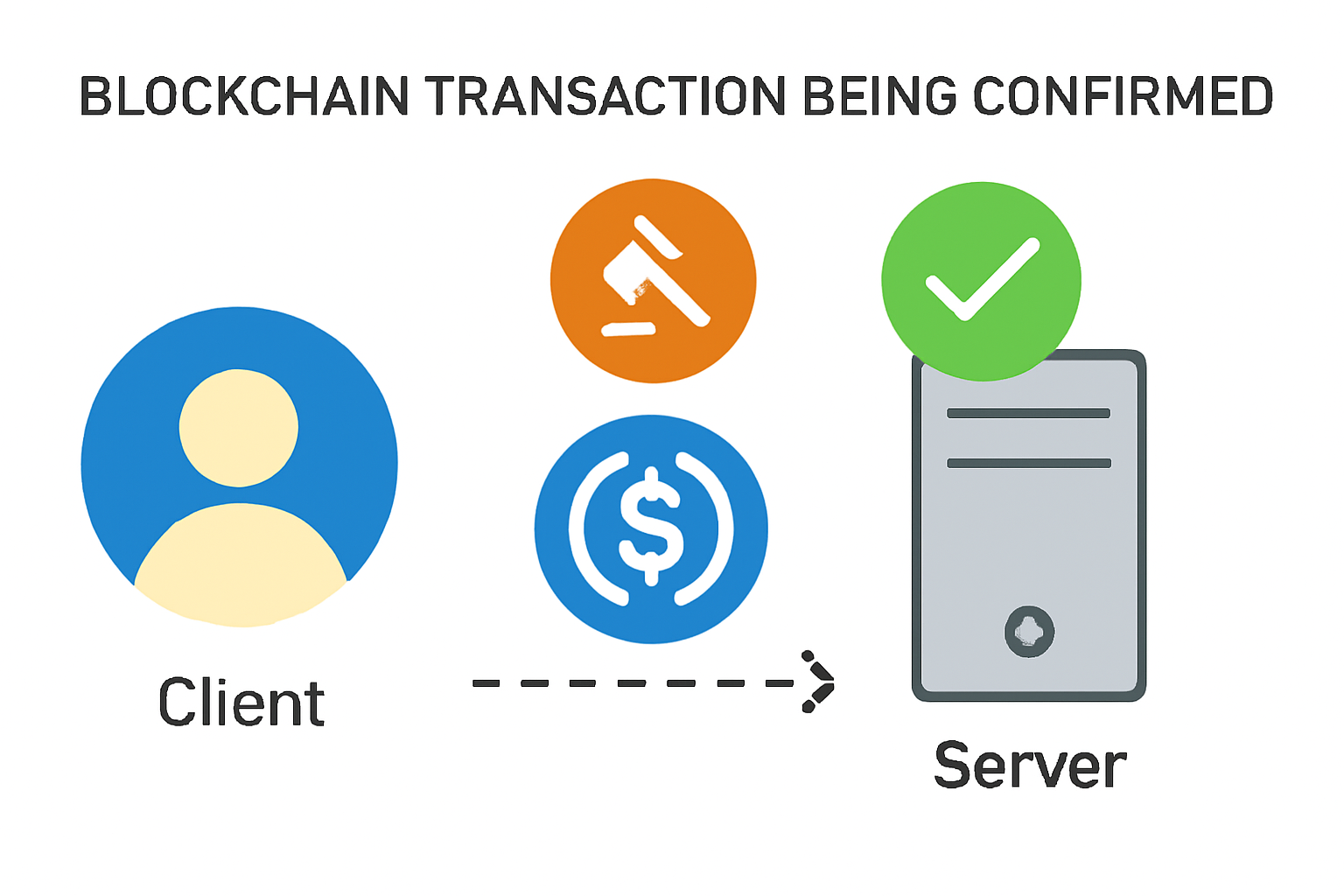

Step-by-step overview:
- Client Request: The user (or agent) sends an HTTP request to access a resource.
- Server Responds with Payment Requirements: If payment is needed, server returns a 402 status code plus a JSON object detailing accepted tokens (e. g. , USDC), required amount, recipient address, and deadline.
- Client Prepares Signed Payment Payload: Using their wallet, client signs a transaction payload matching the requirements, crucially keeping private keys local for maximum security.
- X-PAYMENT Header Submission: The signed payload is included in an `X-PAYMENT` header when resubmitting the request.
- Server Verifies Payment: Either locally or via an optional facilitator service (like Coinbase’s x402 Facilitator), the server checks authenticity and ensures no replay attacks occur.
- Settlement and Resource Delivery: Upon successful verification/settlement (potentially using `/verify` and `/settle` endpoints), server returns HTTP 200 OK with access granted, often including an `X-PAYMENT-RESPONSE` header detailing settlement info.
This model doesn’t just streamline crypto payments, it sets new benchmarks for transparency and automation in digital commerce. The optional facilitator service further simplifies integration for resource servers that want to offload blockchain interactions without compromising on-chain transparency or auditability.
X402 Integration in Action: Real-World Use Cases and Developer Resources
The flexibility of Coinbase X402 means it’s already powering diverse applications, from monetizing API endpoints to enabling autonomous agents that transact over chat protocols like XMTP (see Base documentation here). For instance, you can build a crypto paywall using nothing more than HTML/JS frontend logic backed by Express. js as shown in this hands-on guide (QuickNode tutorial). With this approach:
- You define exactly which resources are gated behind stablecoin payments
- Your users interact via standard web requests, their wallets sign payloads locally before submission
- Your backend verifies each transaction before delivering premium content or API data
This opens up entirely new possibilities, not just for human users but also for machine clients such as AI models or IoT devices that need autonomous access to paid resources online. As more networks and assets join the supported list beyond USDC on Base, expect even greater flexibility for cross-chain micropayments and programmable commerce flows.
Security is a top priority when integrating Coinbase X402 Payment Intents. The protocol’s design ensures that private keys never leave the client environment, and all payment payloads are cryptographically signed before submission. On the server side, robust verification prevents replay attacks and guarantees that only valid, settled transactions unlock resources. This separation of duties not only minimizes attack surfaces but also aligns with best practices for decentralized payment flows.
Best Practices for Secure Crypto Payment API Integration
Key Security Tips for x402 + HTTP Payment Protocol
- Sign Payment Payloads Locally: Always ensure that clients sign payment payloads on their own device using a secure wallet. This protects private keys from exposure to servers or intermediaries.
- Verify Payment Authenticity on the Server: Servers must validate each payment payload—either locally or via the official Coinbase x402 Facilitator—to prevent fraudulent or replayed transactions.
- Enforce Payment Deadlines and Amounts: Strictly check the payment deadline and exact amount (e.g., USDC on Base network) as specified in the 402 response to mitigate underpayment or expired transactions.

- Use HTTPS for All Payment Endpoints: Always serve x402 payment flows over HTTPS to encrypt sensitive headers and payment data, protecting against man-in-the-middle attacks.

- Monitor for Replay Attacks: Track and invalidate used payment payloads to ensure each payment intent is processed only once, leveraging unique transaction IDs or nonces.
- Leverage the x402 Facilitator for Simplified Security: Utilize Coinbase's official x402 Facilitator service for payment verification and settlement to reduce custom attack surfaces and benefit from up-to-date security practices.

- Restrict Supported Networks and Assets: Limit accepted tokens and networks to those officially supported (currently USDC on Base) to avoid integration with unvetted or insecure chains.

- Log and Audit Payment Events: Implement comprehensive logging of payment requests, verifications, and settlements to detect anomalies and support incident response.

For developers aiming to maximize both user experience and security, consider these best practices:
- Always use HTTPS to prevent interception of sensitive payment data.
- Implement strict validation of all payment-related headers and payloads server-side.
- Leverage the optional facilitator service when you want to abstract away direct blockchain settlement logic.
- Monitor for abnormal access patterns to detect potential abuse or fraud attempts.
- Stay updated on network support, as X402 regularly expands beyond USDC on Base, future-proofing your integration.
The current price of Coinbase Global Inc (COIN) remains at $387.27, reflecting continued optimism in crypto-native infrastructure. As adoption grows, expect more enterprise and open-source projects to leverage X402’s modularity for everything from metered APIs to on-demand digital goods.
Developer Resources and Next Steps
If you’re ready to get hands-on with secure crypto payment intents, start by exploring the official developer documentation:
- Coinbase X402 Developer Docs
- XMTP and X402 Integration Guide (Base Docs)
- QuickNode: Implementing a Crypto Paywall with X402
The open protocol nature of X402 means you’re not locked into any single vendor or chain. You can iterate quickly, experiment with pricing models, and even build automated agents that transact on your behalf. For forward-thinking teams in fintech, AI, or content delivery networks, this is a powerful new toolset that brings programmable money directly into your web stack, no plugins or browser extensions required.
Looking Ahead: The Future of HTTP-Native Crypto Payments
X402’s momentum signals a broader shift toward internet-native value transfer. As more services adopt the protocol and as Coinbase continues to evolve its facilitator offerings, we’ll see frictionless payments become standard across APIs, SaaS products, and even machine-to-machine commerce. The seamless blend of HTTP familiarity with blockchain finality is a game-changer, not just for developers but for end users who demand speed and transparency in every transaction.




No comments yet. Be the first to share your thoughts!