

In the fast-evolving world of crypto payments, every basis point counts. As a developer or business owner integrating x402 payment intents, relying on Coinbase's facilitator might seem straightforward, but those hidden fees add up quickly, especially at scale. What if you could take full control, slash costs, and customize everything to your needs? Self-hosting your own self-hosted x402 facilitator lets you avoid coinbase x402 fees entirely while unlocking sovereignty over your payment flows. In 2025, with the protocol maturing rapidly, this isn't just an option; it's a strategic edge for anyone serious about custom x402 integration 2025.
Grasping the X402 Protocol and Its Facilitator Core
The x402 protocol revives HTTP 402 'Payment Required' as a modern standard for embedding micropayments directly into APIs, websites, and AI agents. Unlike clunky Web3 wallets or slow fiat ramps, x402 enables seamless, on-chain settlements triggered by standard HTTP requests. At its heart lies the facilitator: a service that verifies payment intents, checks balances, and settles transactions on-chain.
Coinbase's default facilitator handles USDC settlements fee-free for them, but it caps your flexibility and introduces dependency. Self-hosted alternatives, like those from x402. rs or PayRam's gateways, put you in the driver's seat. Developers praise this shift toward sovereignty, as seen in resources like the awesome-x402 GitHub hub, which curates tools for internet-native payments perfect for x402 machine payments base.
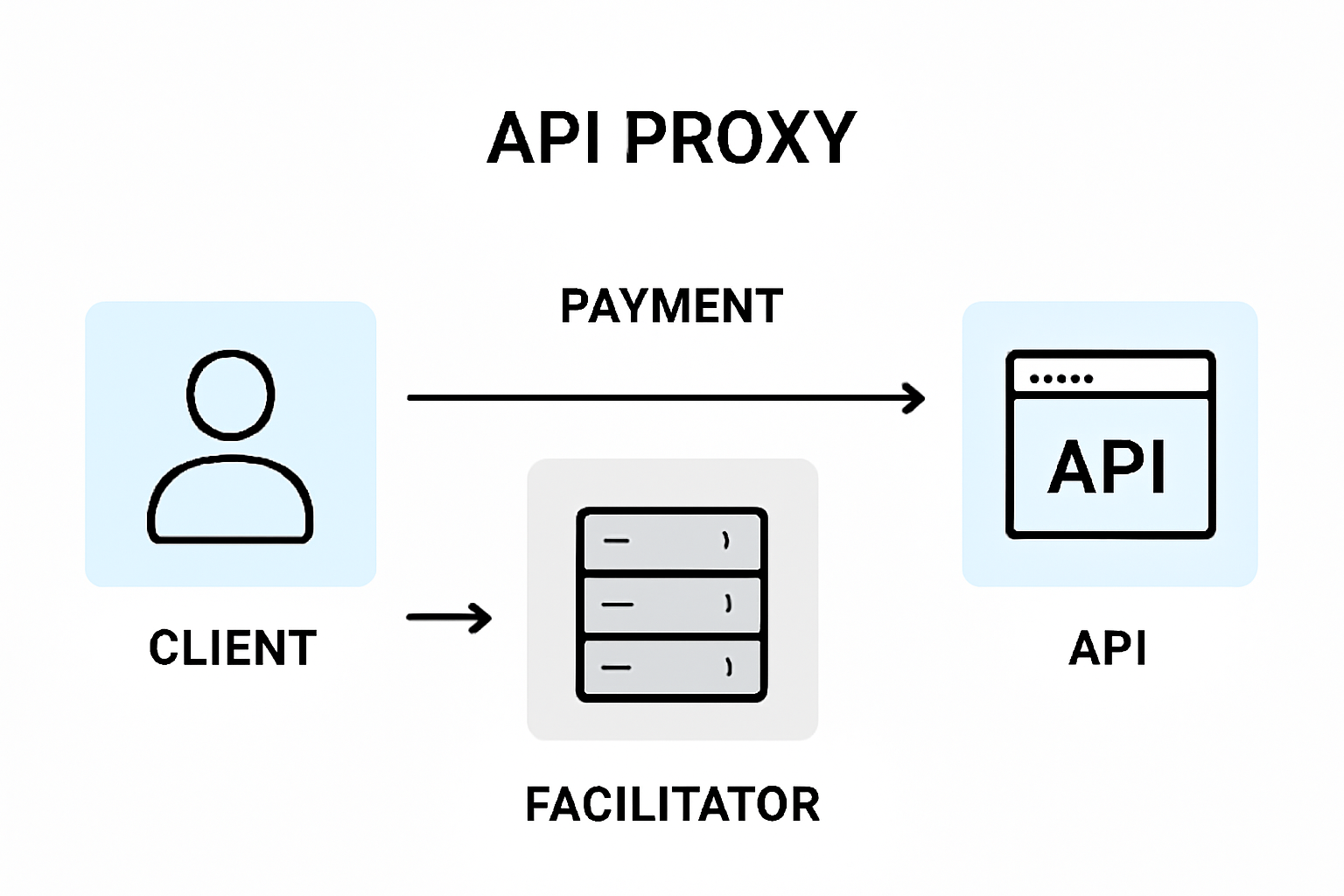
Picture this: your API demands a tiny USDC payment before serving data. The client includes a PaymentIntent header; your server proxies it to the facilitator. Boom - verified, settled, content delivered. Self-hosting means you define supported networks, from Ethereum to Solana, without waiting for Coinbase's roadmap.
"x402 is a developer-friendly standard for embedding crypto micropayments into APIs and amp; AI systems. "- 99Bitcoins Guide
The Real Costs of Coinbase Dependency and Self-Hosting Wins
I've integrated payment systems across crypto projects, and Coinbase's ease comes at a premium. Their facilitator, while polished, locks you into their networks, tokens, and inevitably, escalating fees as volumes grow. In 2025, with x402 adoption exploding via partnerships like Cloudflare's foundation push, sticking with third-parties means leaving money on the table.
Self-hosting flips the script. You eliminate intermediary cuts, gaining full control over verification and settlement. Tailor it for niche EVM chains or Solana micropayments ignored by big players. Operational expenses drop since you're not subsidizing someone else's infrastructure. Plus, non-custodial setups like PayRam's ensure you maintain true ownership, dodging regulatory headaches tied to centralized processors.
Critics might balk at the setup effort, but consider the upside: as AI agents and dApps proliferate, pay-per-use models thrive without fee drag. Sources like QuickNode emphasize x402's role in any app collecting payments pre-delivery, and self-hosting amplifies that power.
First Steps to Launch Your Custom X402 Facilitator
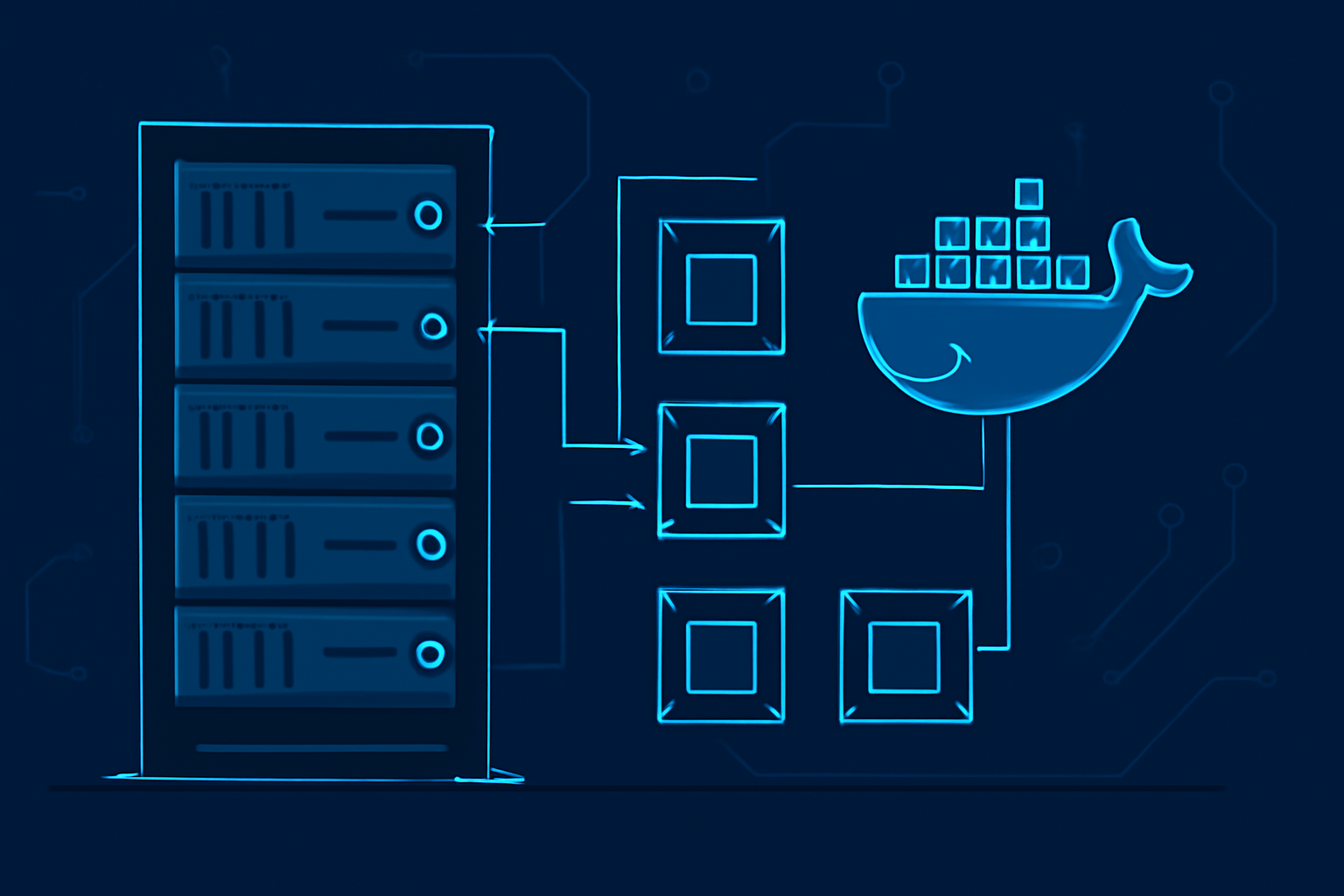
Ready to build? Start with solid infrastructure. Deploy on your servers or a cloud like AWS, ensuring scalability for transaction spikes. Open-source repos provide battle-tested codebases; fork x402. rs and tweak configs.
Next, configure networks meticulously. Edit JSON files with chain IDs, RPC endpoints, and token addresses. For Ethereum mainnet, that's chain ID 1, a reliable Alchemy RPC, and USDC at 0xA0b. . . . Solana? Add its RPC and SPL token mints. This step defines your x402 payment intents setup, so test thoroughly with low-value transactions.
- Provision a VPS or Kubernetes cluster with at least 4GB RAM for starters.
- Clone the facilitator repo:
git clone https://github.com/your-x402-facilitator. - npm install or docker-compose up, binding to your domain's 402 endpoint.
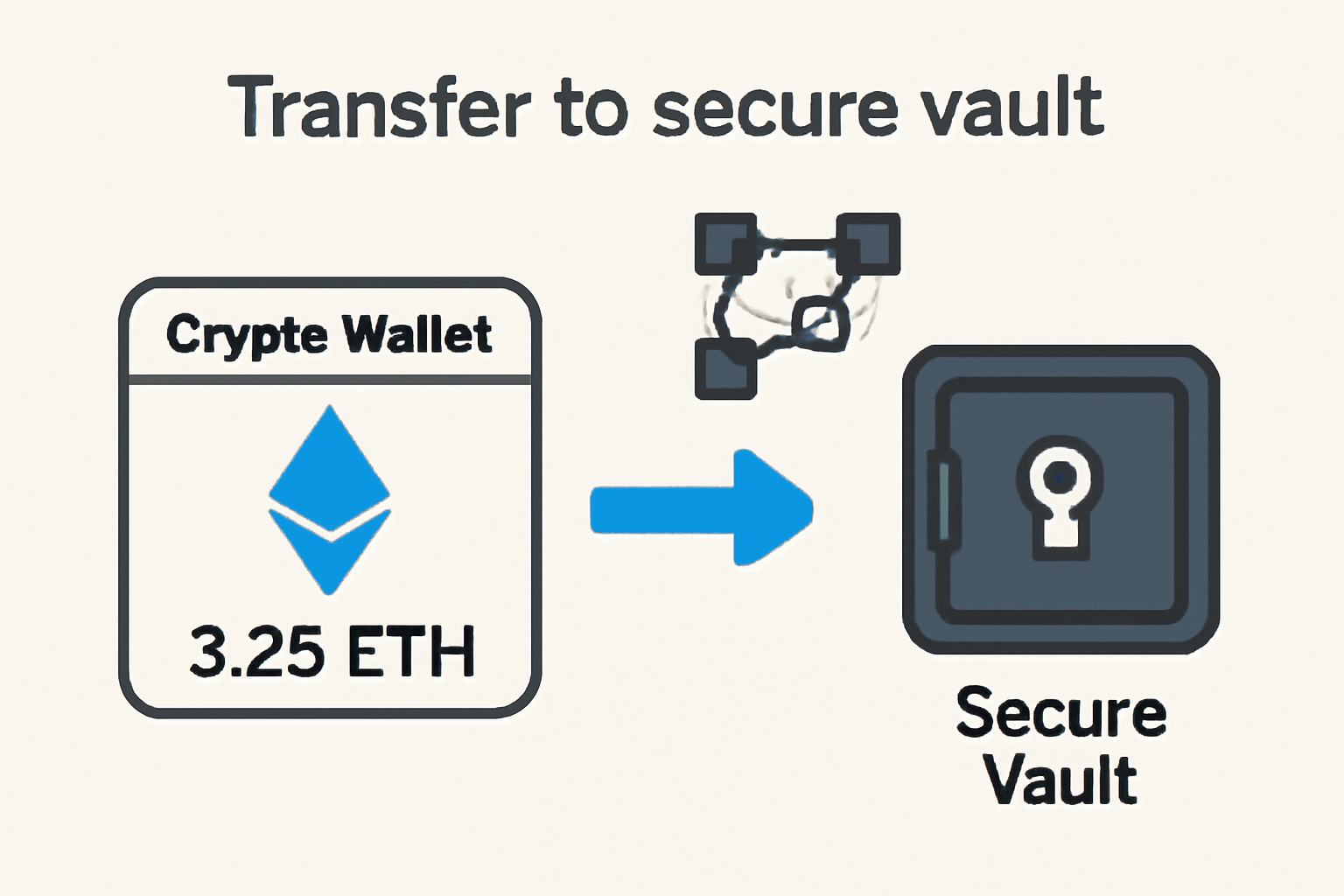
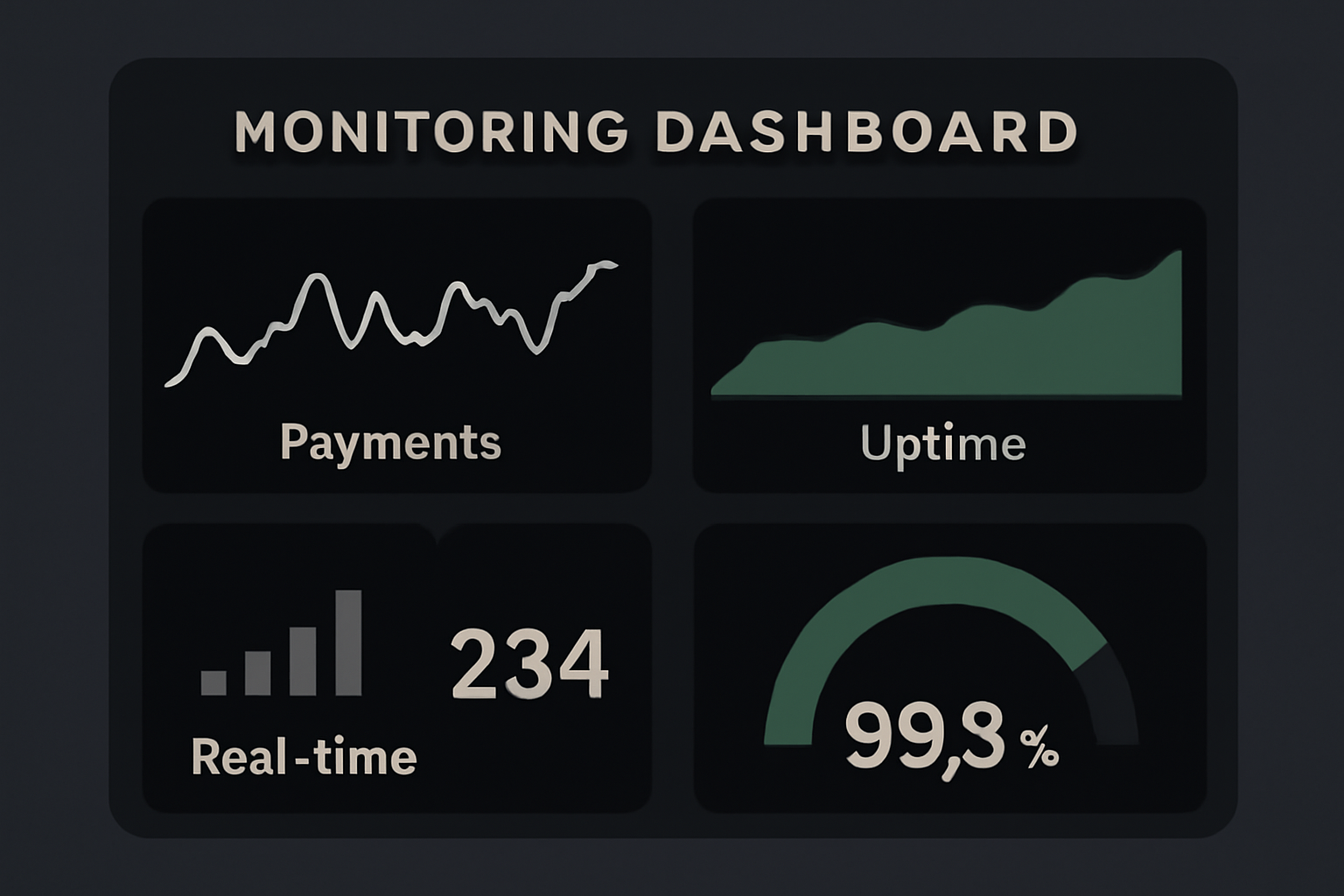
Security first: isolate keys in HSMs or vaults. Fund facilitator wallets with gas tokens - a few ETH or SOL covers thousands of settlements. Monitor via Prometheus for uptime north of 99.9%.
Compliance isn't optional. Integrate KYT providers for transaction screening, logging intents for audits. As the updated 2025 context notes, this yields flexibility matching business needs, far beyond Coinbase's one-size-fits-most.
We've covered the foundation; next, dive deeper into wallet management and integration hooks for your APIs. For a full blueprint, check our guide at Self-Host X402 Facilitator Guide.
Wallet management forms the backbone of any reliable self-hosted facilitator. Treat these as hot wallets under constant siege: use hardware security modules (HSMs) or services like Fireblocks for key isolation. Generate distinct addresses per network, funding them proactively with native tokens to preempt gas shortages during peaks. I've seen setups fail spectacularly from underfunded wallets, halting payments mid-flow and frustrating users. Automate top-ups via scheduled sweeps from cold storage, keeping hot balances lean - say, enough for 1,000 settlements.
Rotate keys quarterly, logging every access. Pair this with multi-sig for high-value ops. Tools from the awesome-x402 repo streamline this, offering templates for secure deployments. Neglect this, and you're inviting exploits; get it right, and your self-hosted x402 facilitator runs like clockwork, independent of Coinbase's oversight.
Example JSON Config for Multi-Network X402 Facilitator
To enable multi-network support in your X402 facilitator, use a JSON configuration like the one below. This example includes Ethereum mainnet (chain ID 1) with a sample Alchemy RPC, Solana mainnet RPC, and the native USDC token addresses for each.
{
  "networks": {
    "ethereum": {
      "chainId": 1,
      "rpc": "https://eth-mainnet.g.alchemy.com/v2/YOUR_API_KEY",
      "usdc": "0xA0b86991c6218b36c1d19D4a2e9Eb0cE3606eB48"
    },
    "solana": {
      "rpc": "https://api.mainnet-beta.solana.com",
      "usdc": "EPjFWdd5AufqSSqeM2qN1xzybapC8G4wEGGkZwyTDt1v"
    }
  },
  "facilitator": {
    "multiNetwork": true,
    "supportedTokens": ["USDC"]
  }
}
Replace `YOUR_API_KEY` with your actual RPC provider key. Add more networks or tokens as needed, and validate the config before deploying your facilitator.
Hooking Your APIs into the Facilitator
Integration boils down to proxying PaymentIntent headers to your facilitator endpoint. In Express. js or FastAPI, intercept 402 responses, forwarding the intent blob - signed challenges proving funds availability. Your server verifies via a POST to/verify, receiving settlement proofs back. This dance enables paywalls on AI endpoints or data feeds without UX friction.
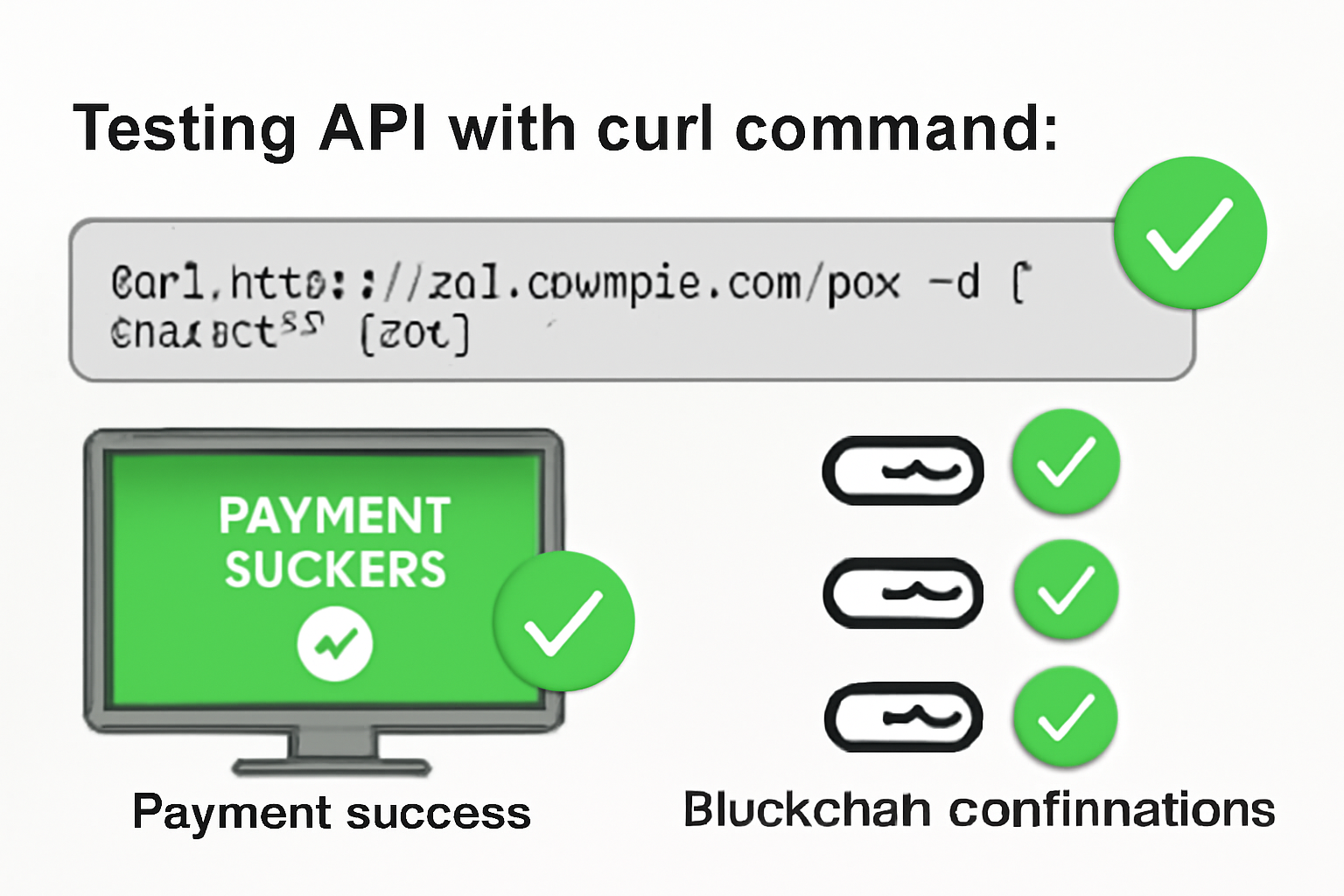
For dApps, embed x402 in fetch calls: clients sign intents client-side, servers validate server-side. Cloudflare's Agents SDK now bakes in x402 support, easing hybrid setups. Test with curl: curl -H "PaymentIntent: eyJ. . . " https://your-api/data. Success yields content; failure, a crisp 402. This custom x402 integration 2025 shines for machine-to-machine payments, where wallets like those in EVMAuth handle auth seamlessly.
Scale matters. Use Redis for intent caching, avoiding RPC spam. Rate-limit verifications to thwart DDoS. Real-world wins? PayRam's gateway powers per-token API calls, proving self-hosting viability for production.
Deploy Self-Hosted x402 Facilitator: Ditch Coinbase Fees in 2025
Ongoing Monitoring and Optimization
Launch isn't the end; vigilance is. Dashboards tracking settlement latency, failure rates, and gas costs keep you ahead. Prometheus and Grafana combo excels here, alerting on 402 proxy downtimes. Update facilitator software religiously - x402 Foundation releases patch exploits fast.
Compliance evolves too. Bake in Chainalysis or Elliptic for KYT, flagging risky payers pre-settlement. Audit logs capture every intent, aiding disputes or regs. In my experience, this setup not only dodges avoid coinbase x402 fees but boosts reliability, with SLAs rivaling enterprise providers.
Edge cases demand creativity: batch settlements for micro-txs, L2 relayers for cheap Ethereum gas, or Solana for sub-cent speeds. Experiment in staging; metrics guide refinements. As 2025 unfolds, self-hosting positions you for x402's explosion in AI monetization and IoT payments.
Teams I've advised cut costs 40% while expanding to unsupported chains. The trade-off? Your ops team shoulders maintenance, but tools abound. Dive into our dApp integration guide for hybrid tips if easing in gradually.
Self-hosting demands commitment yet rewards with sovereignty. Your payment intents, your rules - no fees, no compromises. Builders embracing this now lead tomorrow's pay-per-use economy.




No comments yet. Be the first to share your thoughts!