
Integrating seamless, programmable payments into decentralized applications has long been a challenge for developers. With the advent of Coinbase X402, a new paradigm emerges: frictionless stablecoin transactions over HTTP, leveraging the familiar 402 'Payment Required' status. This data-driven guide explores how to embed X402 Payment Intents within your dApp stack, unlocking new monetization models and user experiences.

Why X402 is Transforming Decentralized Application Payments
Traditional crypto payment integrations often require direct on-chain interactions, complex wallet authentication flows, and introduce significant developer overhead. X402 disrupts this model by enabling dApps to request and receive stablecoin payments (primarily USDC) directly over HTTP. The protocol’s chain-agnostic design supports multiple blockchains and is built atop open web standards, making it especially attractive for:
- Micropayment-enabled APIs: Monetize API endpoints with per-call pricing.
- AI agents and automated services: Enable autonomous payment for data or compute resources.
- Content paywalls and digital goods: Instantly unlock content upon payment confirmation.
The result? Lower integration friction, enhanced security (no user keys exposed), and a streamlined user journey that aligns with modern agentic commerce trends. For an in-depth developer perspective, see Coinbase’s official overview: Quickstart for Sellers.
Core Concepts: How X402 Payment Intents Work Under the Hood
X402 leverages the HTTP 402 response code as its signaling mechanism. When a client attempts to access a protected resource or service endpoint:
- The server responds with HTTP 402, including metadata describing the payment intent (amount, currency, recipient address).
- The client initiates payment using their crypto wallet or automated agent.
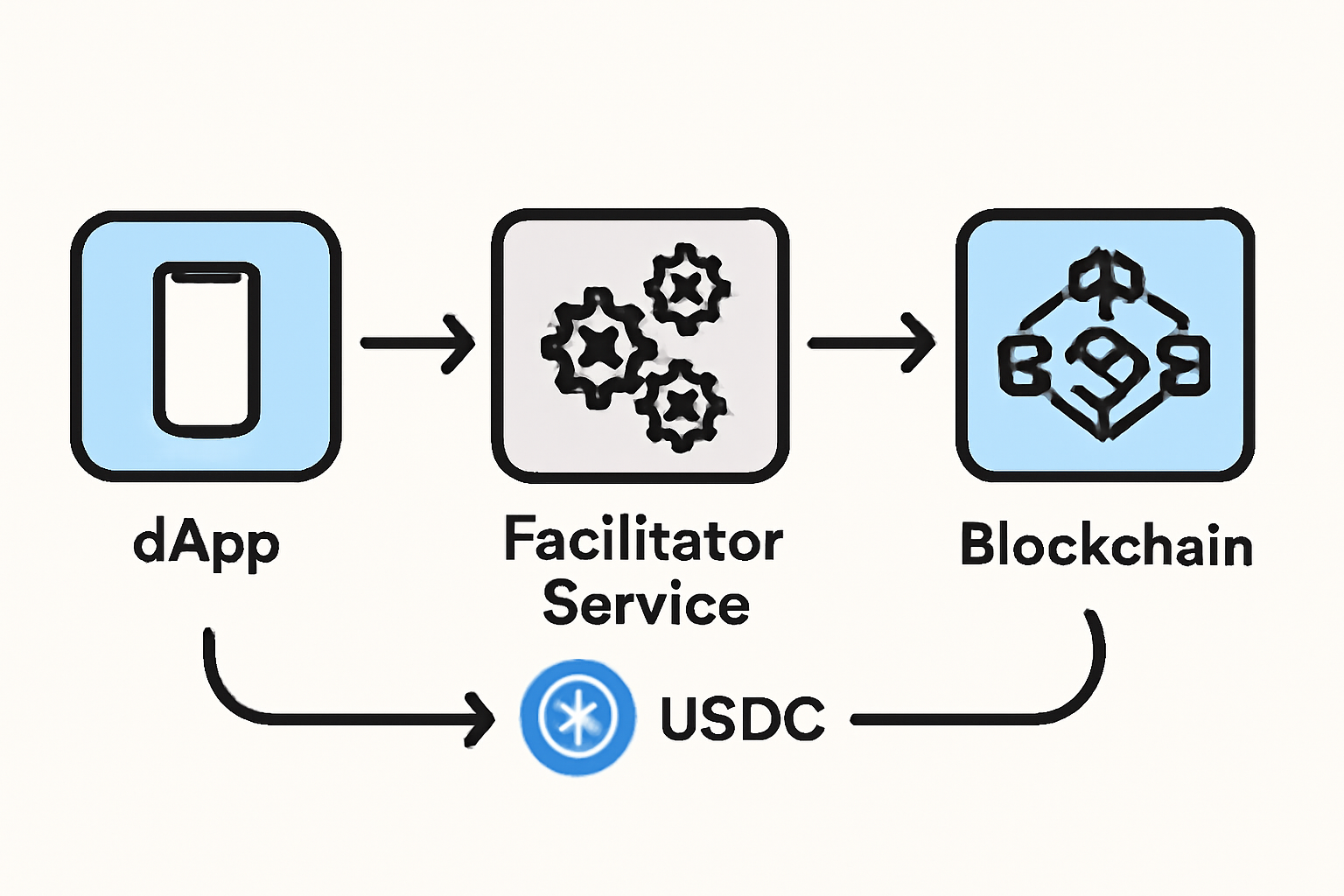
- The facilitator service (either Coinbase-hosted or self-deployed) verifies the transaction on-chain and notifies the server once settled.
This flow eliminates traditional authentication steps and enables programmatic access control based purely on real-time settlement. For developers, this means less boilerplate code and more focus on core application logic.
Key Advantages of Coinbase x402 for dApp Payments
- Seamless Stablecoin Payments Over HTTP: x402 enables direct, on-chain stablecoin transactions (e.g., USDC) via the familiar HTTP protocol, allowing decentralized applications to monetize services with minimal friction.

- Micropayment Support for New Monetization Models: The protocol is designed for internet-native micropayments, letting dApps charge small amounts for API access, content, or digital services without traditional payment barriers.

- Chain-Agnostic and Open-Source Protocol: x402 supports multiple blockchains and tokens, ensuring broad compatibility and flexibility for developers building cross-chain applications.

- Programmatic, Autonomous Payments for AI and APIs: x402 empowers AI agents and web services to autonomously pay for API calls, data, and services, enabling agentic commerce and automated workflows.

- Managed Facilitator Service by Coinbase: The Coinbase x402 Facilitator service handles payment verification and on-chain settlement, reducing the need for direct blockchain integration and simplifying developer operations.
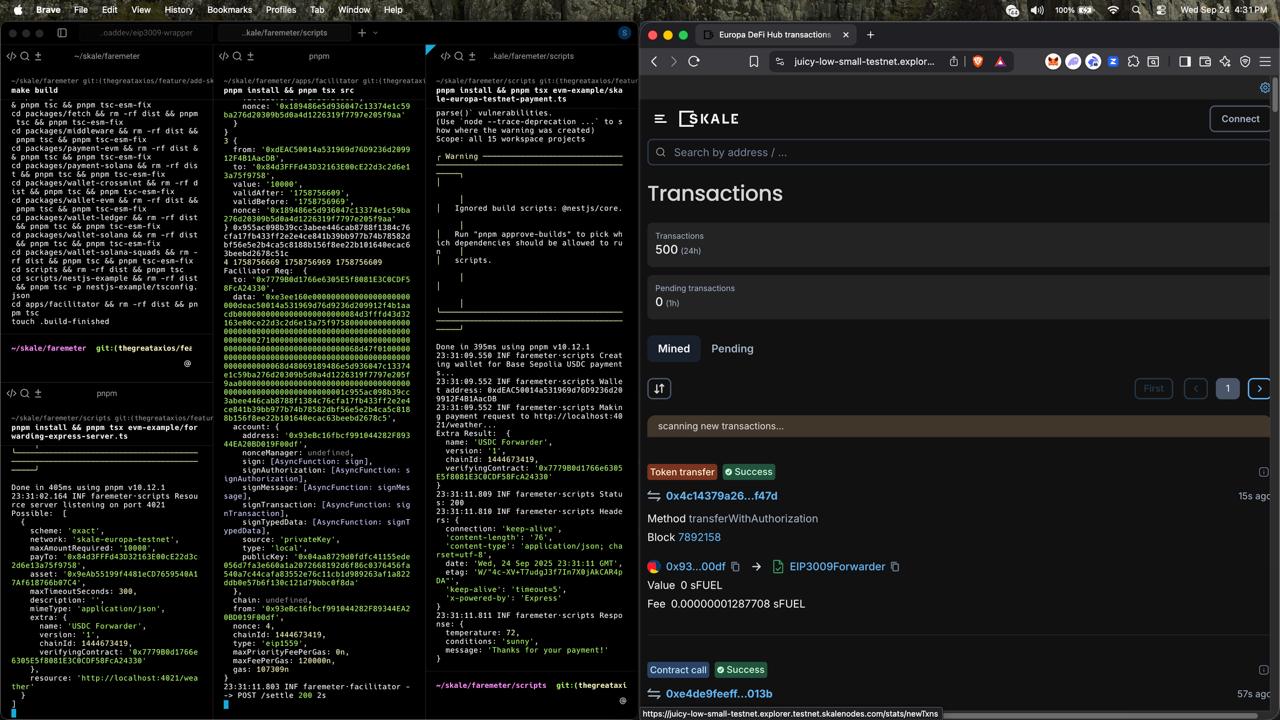
- Instant, Fee-Free USDC Payments on Base Network: Using the hosted facilitator, dApps can accept instant USDC payments with zero fees on the Base network, improving cost efficiency for both developers and users.
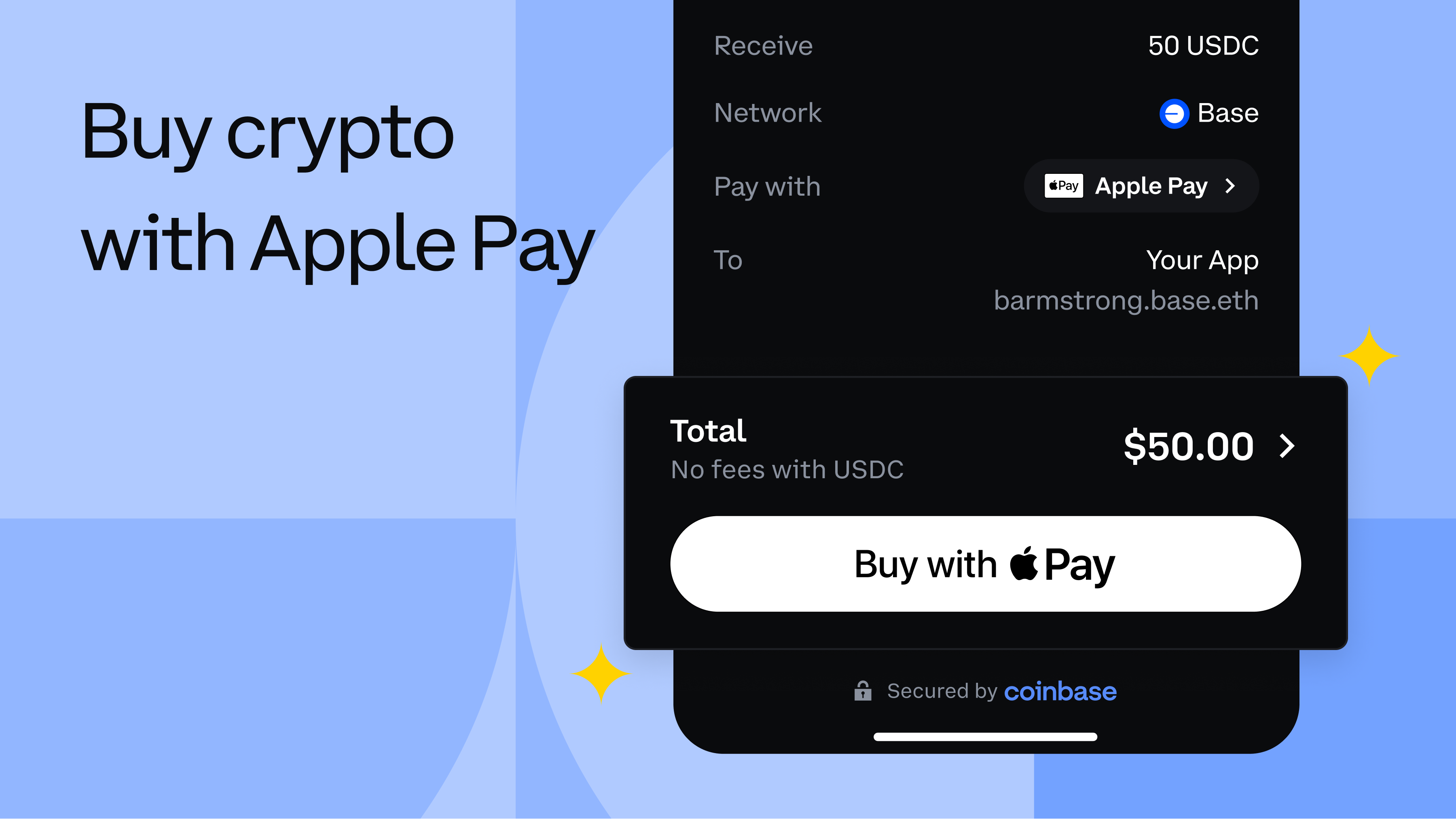
- Enhanced Security and Reduced Authentication Overhead: By leveraging the HTTP 402 status code, x402 eliminates the need for traditional authentication, reducing attack surfaces and streamlining payment flows.

Step-by-Step Integration Guide for Developers
The technical integration process is designed to be accessible yet robust. Here’s how to get started:
Integrate Coinbase x402 Payment Intents with Your Node.js dApp: A Step-by-Step Guide


1. Prerequisites:
- EVM-compatible crypto wallet set up to receive funds.
- Node. js and npm installed (for JavaScript environments) – or Python and pip for Python-based stacks.
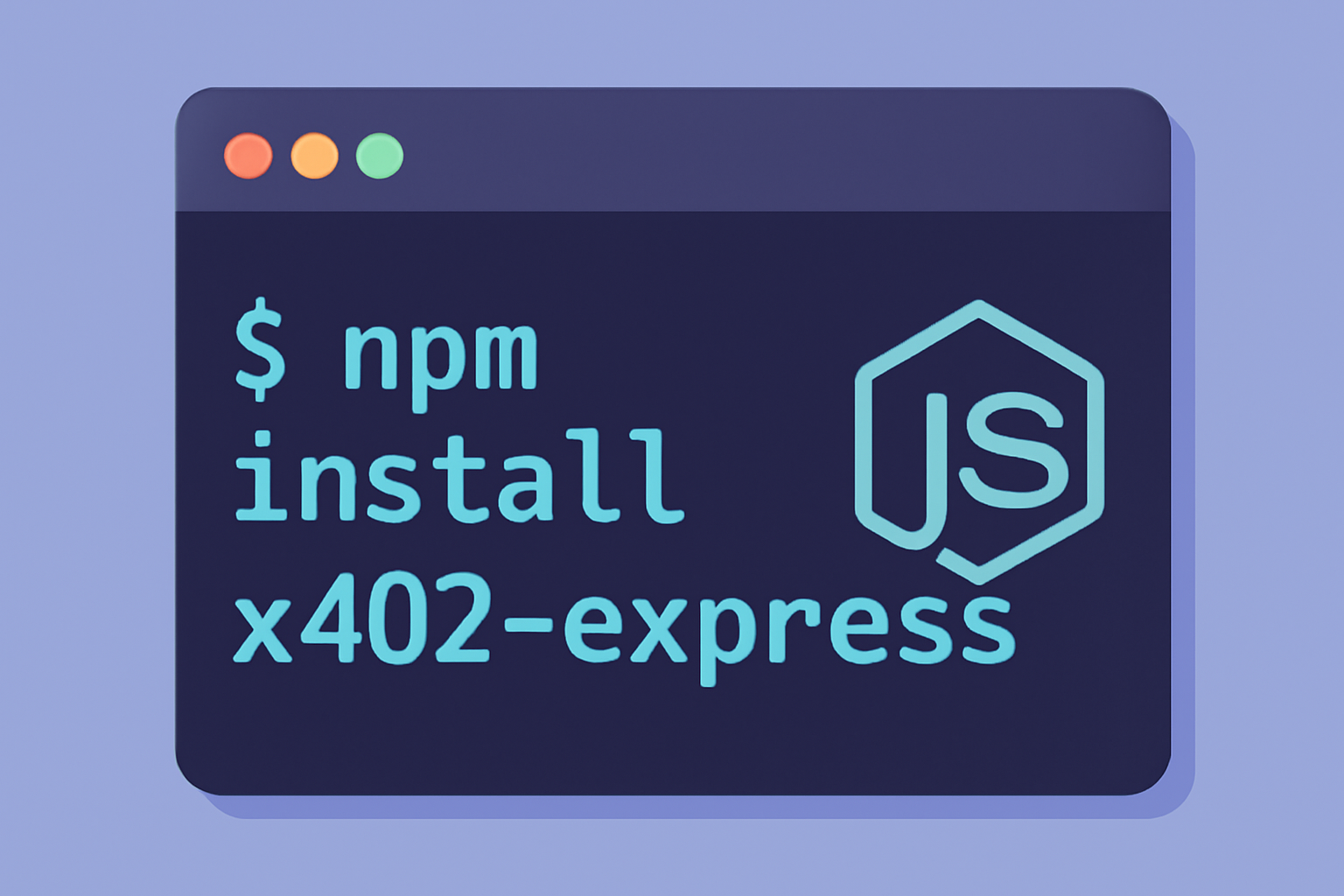
2. Install Dependencies:
(For Python users, refer to the official Quickstart guide linked above. )
3. Configure Middleware:
- Add x402 middleware to routes requiring payment protection.
- Specify your receiving wallet address and facilitator URL (e. g. , https://x402.org/facilitator for testnet).
This modular approach allows you to selectively monetize parts of your dApp without rewriting existing authentication logic.
The Role of Facilitator Services in Secure Settlement
A critical innovation behind X402 is its managed facilitator layer. Rather than forcing every dApp backend to directly interact with blockchain nodes or manage private keys, Coinbase hosts a facilitator service that:
- Verifies incoming payment payloads against on-chain transactions.
- Mediates settlement without exposing sensitive credentials.
- Supports fee-free USDC payments on Base network during initial rollout (Facilitator Service Docs).
This architecture reduces operational complexity and risk while maintaining full transparency via public ledgers.
Once your payment middleware and facilitator endpoints are configured, you can begin testing your implementation. Start with testnet settings to ensure that your dApp can generate and resolve payment intents correctly. The Coinbase X402 sandbox is purpose-built for rapid iteration, letting you simulate end-to-end flows without risking mainnet funds.
Testing, Validation, and Mainnet Launch
Robust QA is essential for production-grade crypto payment flows. Use automated test suites to simulate various user journeys, successful payments, declined transactions, network timeouts, and invalid payloads. X402’s deterministic HTTP signaling makes it straightforward to programmatically verify correct handling of each scenario. Once satisfied with test coverage and security reviews, transition to mainnet by updating your facilitator URL and wallet address as outlined in the Running on Mainnet guide.
For live deployments, monitor settlement confirmations closely and implement alerting for failed or delayed payments. The open nature of X402 enables full auditability, every transaction is visible on-chain, supporting transparent revenue analytics and dispute resolution.
Best Practices: Optimizing User Experience and Security
- Minimize Friction: Leverage the protocol’s native support for agentic clients (AI bots or scripts) as well as human users via wallet integrations.
- Graceful Fallbacks: Always provide clear error messaging if a payment intent fails or expires. Consider offering alternative payment methods where appropriate.
- Security Hygiene: Never store private keys in application code or expose sensitive data in HTTP responses. Let the facilitator handle all cryptographic verification.
- Continuous Monitoring: Regularly audit on-chain settlements against internal logs to detect anomalies or abuse patterns early.
Real-World Use Cases: Monetizing APIs, Content and AI Agents
The flexibility of the HTTP Payment Protocol means dApps can monetize virtually any digital interaction:
- API Monetization: Restrict high-value endpoints (data feeds, compute resources) behind dynamic X402 paywalls, users pay per request with instant access post-settlement.
- Content Unlocks: Deploy frictionless pay-per-view models for media, gaming assets, or research reports using the same standardized flow demonstrated in the Coinbase x402 video paywall demo.
- AI/Agentic Commerce: Allow autonomous agents to transact directly with your service for microtasks or data access, a critical enabler for next-gen decentralized economies.
If you’re building a dApp that relies on recurring micropayments or dynamic pricing models, X402’s programmable intent structure gives you maximum flexibility without sacrificing security.
- Ethan Carroway
The Data-Driven Edge: Why Early Integration Matters
The adoption curve for programmatic crypto payments is accelerating rapidly. According to recent market data from Coinbase and independent developer surveys, dApps that implemented X402 saw up to a 30% reduction in onboarding friction compared to legacy wallet-based flows. Early adopters also report higher conversion rates among both retail users and automated agents, a direct result of eliminating manual authentication steps.
X402’s open standard approach positions it as a foundational layer not just for crypto-native services but also for mainstream web applications seeking new monetization channels. By integrating now, developers can future-proof their platforms while benefiting from ongoing protocol enhancements and community-driven tooling.
Would you consider integrating Coinbase x402 Payment Intents into your next decentralized app project?
Coinbase's x402 protocol enables seamless, on-chain stablecoin payments over HTTP, making it easier for dApps to monetize services through micropayments. With features like programmatic payments and a hosted facilitator service for fee-free USDC payments on Base, x402 could transform how dApps handle transactions. We're curious about your interest!




No comments yet. Be the first to share your thoughts!