

In the fast-evolving landscape of 2026, Coinbase X402 integration has redefined how AI agents handle micropayments, turning autonomous transactions into a seamless reality on the Base network. With AI agents now powering everything from real-time data analysis to agent-to-agent services, the need for frictionless, internet-native payments has never been more acute. Enter x402, the HTTP-based protocol that leverages the long-dormant 402 'Payment Required' status code to enable instant USDC settlements in under 200 milliseconds, all while keeping gas fees negligible. This isn't just another payment layer; it's a foundational shift for x402 micropayments ai agents, allowing machines to pay per API call without human oversight.
Consider the numbers: as of March 2026, the x402 protocol has processed over 115 million payments, with monthly volumes surpassing $50 million. This surge aligns with Coinbase Global Inc (COIN) trading at $195.53, up and $2.30 ( and 0.0119%) in the last 24 hours, hitting a high of $206.63 and a low of $193.88. The stock's resilience underscores investor confidence in Coinbase's pivot toward agentic economies.
X402's Edge in the Agentic Payment Wars
X402 stands out against rivals like ACP and AP2 precisely because it prioritizes machine-to-machine efficiency. Where traditional systems demand accounts, KYC, or clunky wallets, x402 embeds payments directly into HTTP headers, making it ideal for x402 payment intents base. AI agents can now crawl data feeds, access compute resources, or even settle per-crawl fees autonomously. Coinbase's hosted facilitator on Base, part of the Developer Platform, lowers the barrier for any developer to deploy x402-enabled APIs. I've seen institutional clients struggle with forex volatility; imagine that precision applied to crypto micropayments, where every cent counts in high-volume agent workflows.
The x402 Bazaar, launched in late 2025, acts as a discovery engine, indexing services that accept pay-per-request USDC. This ecosystem effect has fueled adoption, from Claude plugins paying for GPT calls on Base to Swarms integrations via FastAPI. It's no hype: real-world flows show agents negotiating payments mid-request, settling on-chain without intermediaries.
Coinbase Global, Inc. (COIN) Stock Price Prediction 2027-2032
Projections amid x402 Micropayments Growth for AI Agents on Base (Baseline: $195.53 in 2026)
| Year | Minimum Price | Average Price | Maximum Price | YoY % Change (Avg) |
|---|---|---|---|---|
| 2027 | $240.00 | $350.00 | $520.00 | +79% |
| 2028 | $380.00 | $500.00 | $720.00 | +43% |
| 2029 | $520.00 | $700.00 | $980.00 | +40% |
| 2030 | $700.00 | $950.00 | $1,300.00 | +36% |
| 2031 | $900.00 | $1,250.00 | $1,700.00 | +32% |
| 2032 | $1,100.00 | $1,550.00 | $2,100.00 | +24% |
Price Prediction Summary
COIN stock is forecasted to experience strong growth fueled by the x402 protocol's dominance in AI agent micropayments, with average prices rising progressively from $350 in 2027 to $1,550 by 2032. Minimum prices reflect bearish scenarios like regulatory setbacks or crypto winters, while maximums capture bullish adoption surges and market rallies. Overall CAGR on average price ~54% from 2026 baseline, supported by robust fundamentals.
Key Factors Affecting Coinbase Global, Inc. Stock Price
- Rapid x402 adoption (115M+ payments, $50M+ monthly volume) boosting Base network revenue
- AI agent economy expansion driving demand for seamless USDC micropayments
- Coinbase's Developer Platform and x402 Bazaar enhancing ecosystem liquidity
- Favorable crypto market trends and potential regulatory clarity for payments
- Earnings growth from trading fees, stablecoins, and L2 scaling
- Risks: Competition from ACP/AP2 protocols, macroeconomic volatility, regulatory hurdles
Disclaimer: Stock price predictions are speculative and based on current market analysis. Actual prices may vary significantly due to market volatility, economic conditions, and other factors. Always do your own research before making investment decisions.
Why Base Remains the Premier Chain for X402 Micropayments
Base's layer-2 architecture on Ethereum delivers the speed and cost profile that x402 demands. Transactions settle faster than a blink, with fees often under a penny, making ai agent crypto payments 2026 viable at scale. Coinbase's native support via the HTTP payment protocol coinbase ensures reliability; their CDP runs the facilitator, so you don't build from scratch. In my analysis of macro trends, Base's TVL growth mirrors COIN's steady climb to $195.53, signaling a maturing infrastructure for programmatic economies.
By embedding payments in the protocol stack, x402 removes the last mile of friction in AI-driven services.
For developers eyeing x402 integration, Base's optimism-based sequencing pairs perfectly with USDC's stability. No more failed transactions from network congestion; agents pay, access, and iterate in one fluid motion. Tutorials abound, from Hono on Cloudflare Workers to Node. js setups, but the real power lies in chaining intents across services.

Prerequisites for Your First X402 Integration
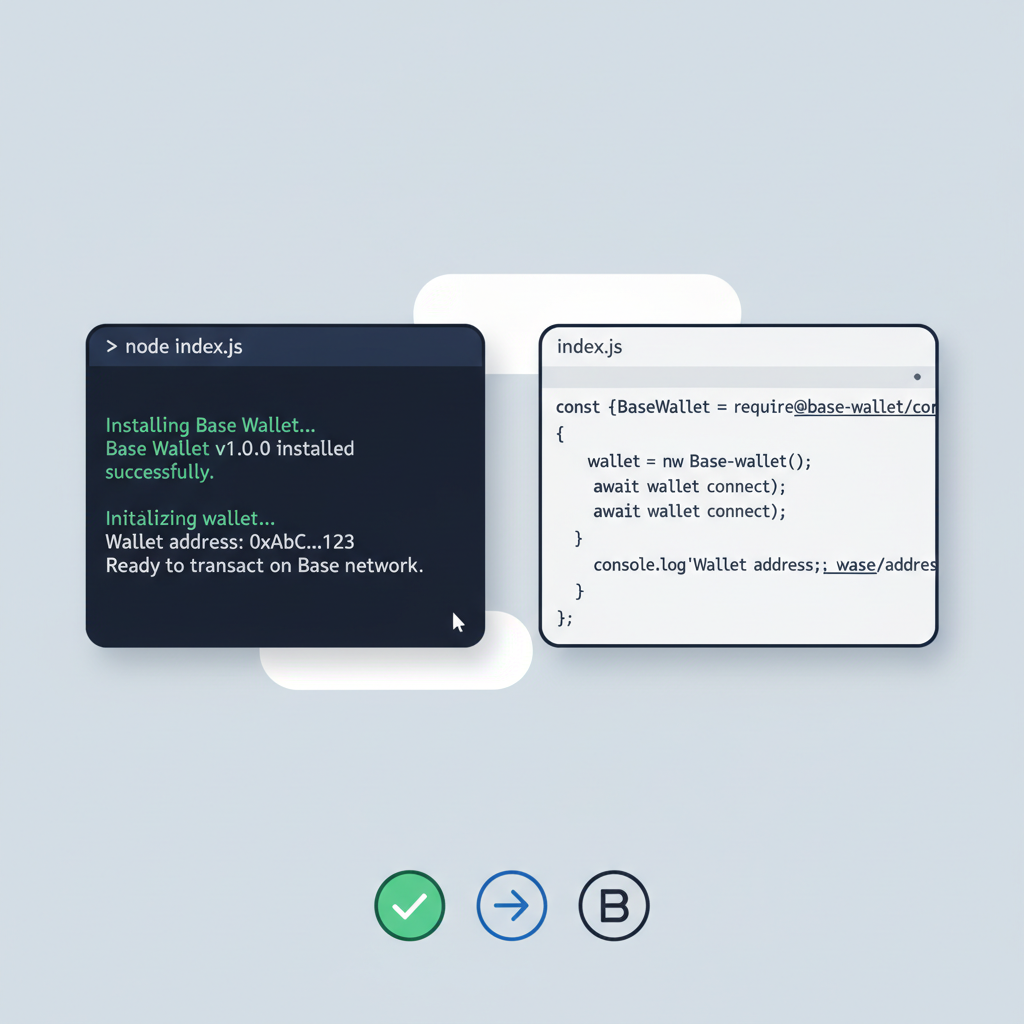
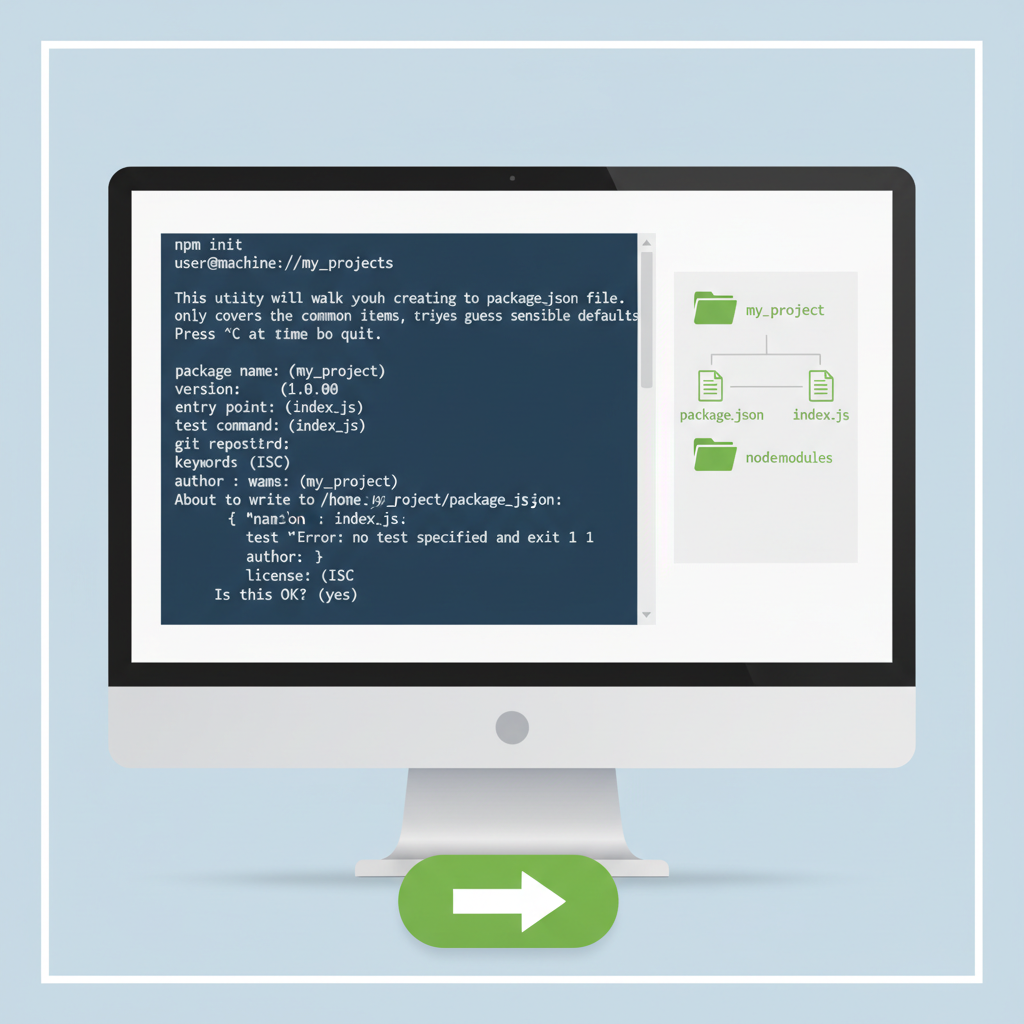
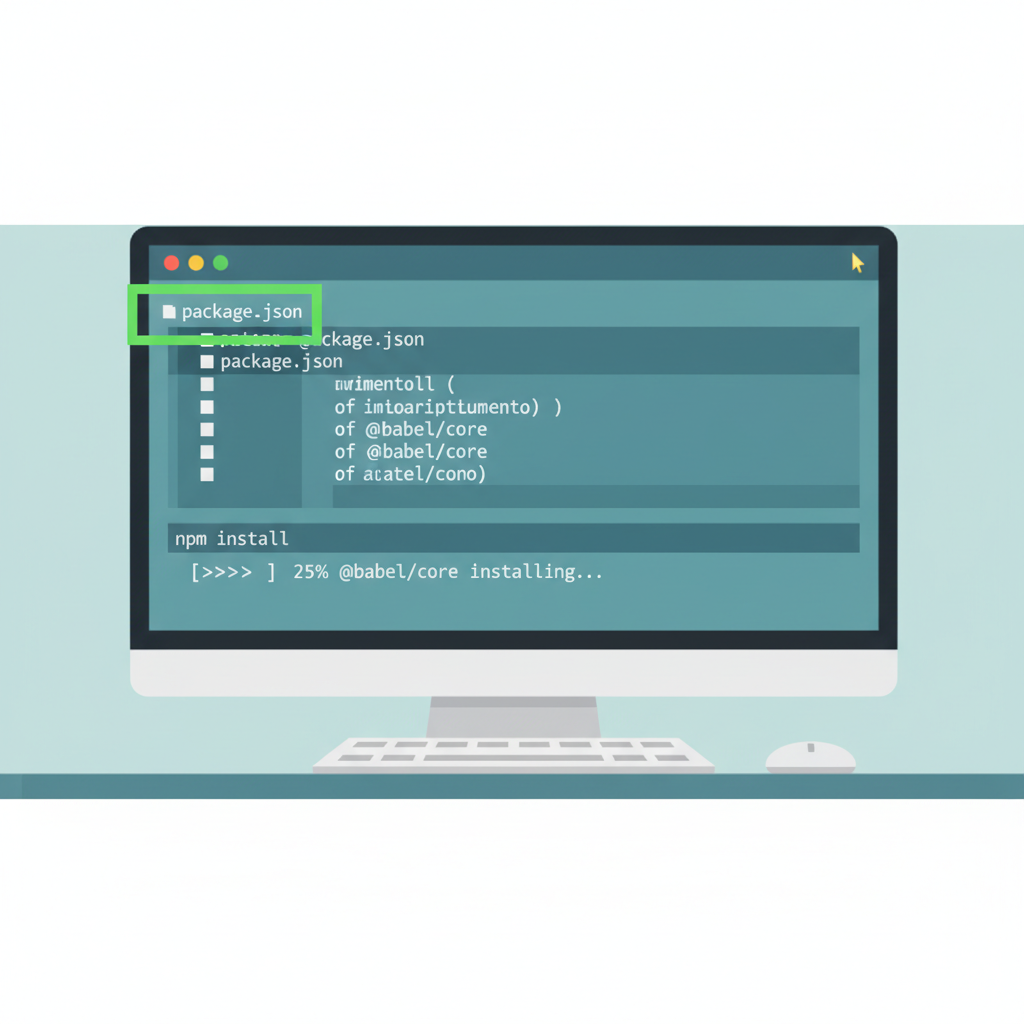
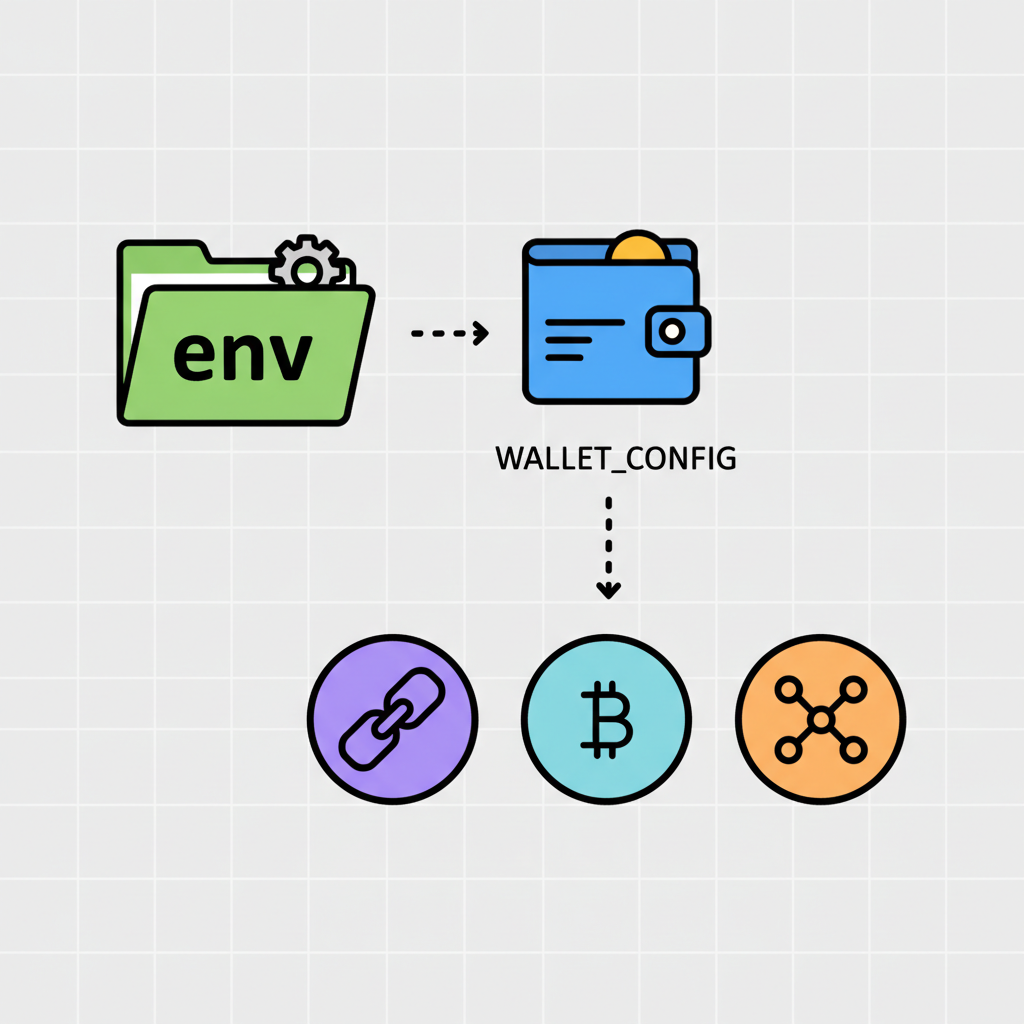
Before diving into code, secure a Base wallet with USDC. Use Coinbase Wallet or a compatible provider; fund it via the x402 facilitator for testnet trials. Install Node. js 20 and and the @coinbase/x402-sdk, which abstracts the payment challenges. Environment variables are non-negotiable: set your BASE_RPC_URL, PRIVATE_KEY, and FACILITATOR_URL from Coinbase's docs.
- Clone a starter repo focused on AI agent micropayments.
- Configure your API endpoint to return 402 on unpaid requests, including a Payment-Intent header with amount and token details.
- Implement the payer logic in your agent, polling for invoice creation and submitting signed payments.
This setup mirrors production flows seen in Reddit demos, where Claude agents pay for DALL-E renders. With COIN holding firm at $195.53, now's the time to build; the protocol's momentum suggests early integrators will capture outsized value in the agent economy.
Now, let's bridge theory to practice with a hands-on integration that equips your AI agent for autonomous payments. The @coinbase/x402-sdk simplifies this, handling invoice generation, signature verification, and on-chain settlement. In my experience advising on currency risk, precision here prevents the slippage that plagues high-frequency trades; x402 delivers that discipline at the protocol level.
Master x402 Micropayments: Build Server & Agent on Base
Crafting the Server-Side Payment Endpoint
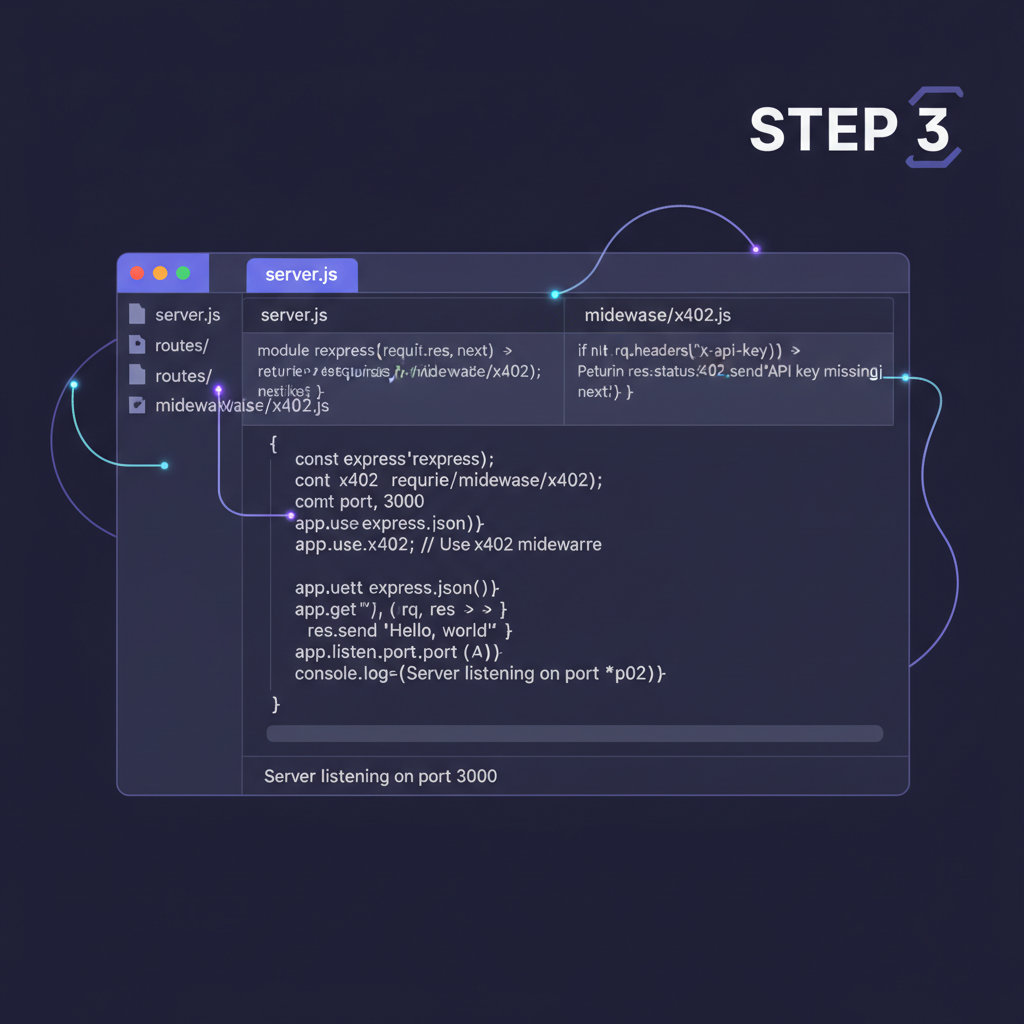
Your API must respond to unpaid requests with a crisp 402 status, embedding a Payment-Intent header that specifies the USDC amount, token address on Base, and facilitator details. This intent acts as the invoice, pollable by the agent for payment submission. Providers like Coinbase's CDP host the facilitator, ensuring atomic swaps without custody risks.
Node.js Hono Server with @coinbase/x402-sdk for 402 Micropayments
This Hono server example integrates the Coinbase X402 SDK to enforce micropayments on Base. Accessing the protected route without payment triggers an HTTP 402 response with a Payment-Intent header for 0.01 USDC.
import { Hono } from 'hono';
import { X402 } from '@coinbase/x402-sdk';

const app = new Hono();
const x402 = new X402({
  privateKey: process.env.PRIVATE_KEY, // Your wallet private key
  chainId: 8453, // Base mainnet
});

app.get('/ai-agent-response', async (c) => {
  try {
    // Simulate premium AI response generation
    const response = 'Premium AI agent insight: Market analysis complete.';

    // Check for Payment-Completed header from client
    const paymentCompleted = c.req.header('Payment-Completed');
    if (paymentCompleted) {
      return c.json({ data: response });
    }

    // Create payment intent for 0.01 USDC
    const intent = await x402.createIntent({
      amount: '0.01',
      currency: 'USDC',
      description: 'Micropayment for AI agent response',
      metadata: { path: '/ai-agent-response' },
    });

    c.header('Payment-Intent', JSON.stringify(intent));
    return c.text('Payment Required for Premium Content', 402);

  } catch (error) {
    return c.json({ error: error.message }, 500);
  }
});

export default app;
After the client completes the payment using the intent and retries with the Payment-Completed header, the server delivers the premium content. Ensure your .env file includes the PRIVATE_KEY for the wallet handling payments.
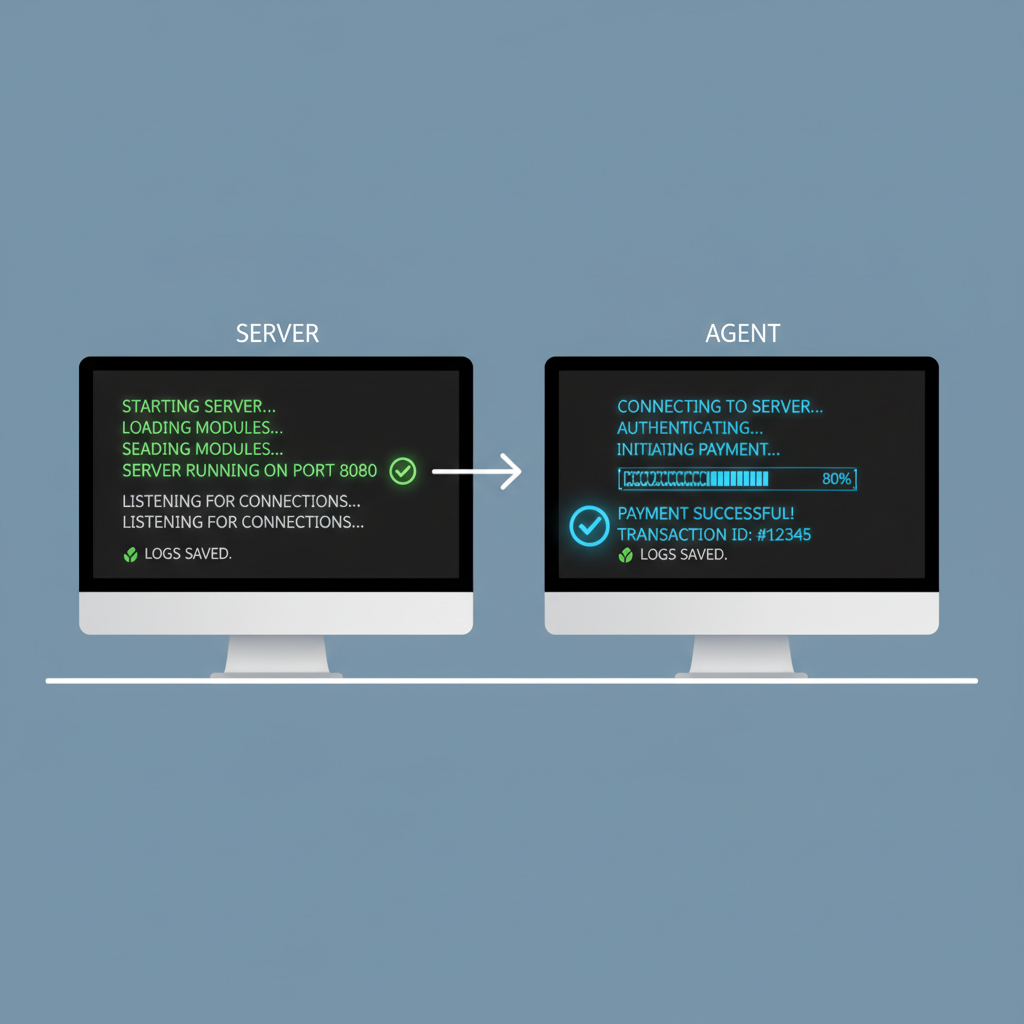
Once deployed on Cloudflare Workers or Vercel, test with curl: hit your endpoint, capture the 402, poll the invoice URL, and simulate payment. Success yields a 200 with your data. This flow powers everything from data oracles to image generation APIs, as seen in Claude plugins funding Grok queries.
Security demands attention: validate signatures server-side, rate-limit polls, and use ephemeral keys for agents. Base's low fees- often fractions of a cent- make this scalable; at COIN's current $195.53 with a 24-hour range of $193.88 to $206.63, the chain's efficiency bolsters Coinbase's edge in agentic finance.
Empowering AI Agents as Autonomous Payers
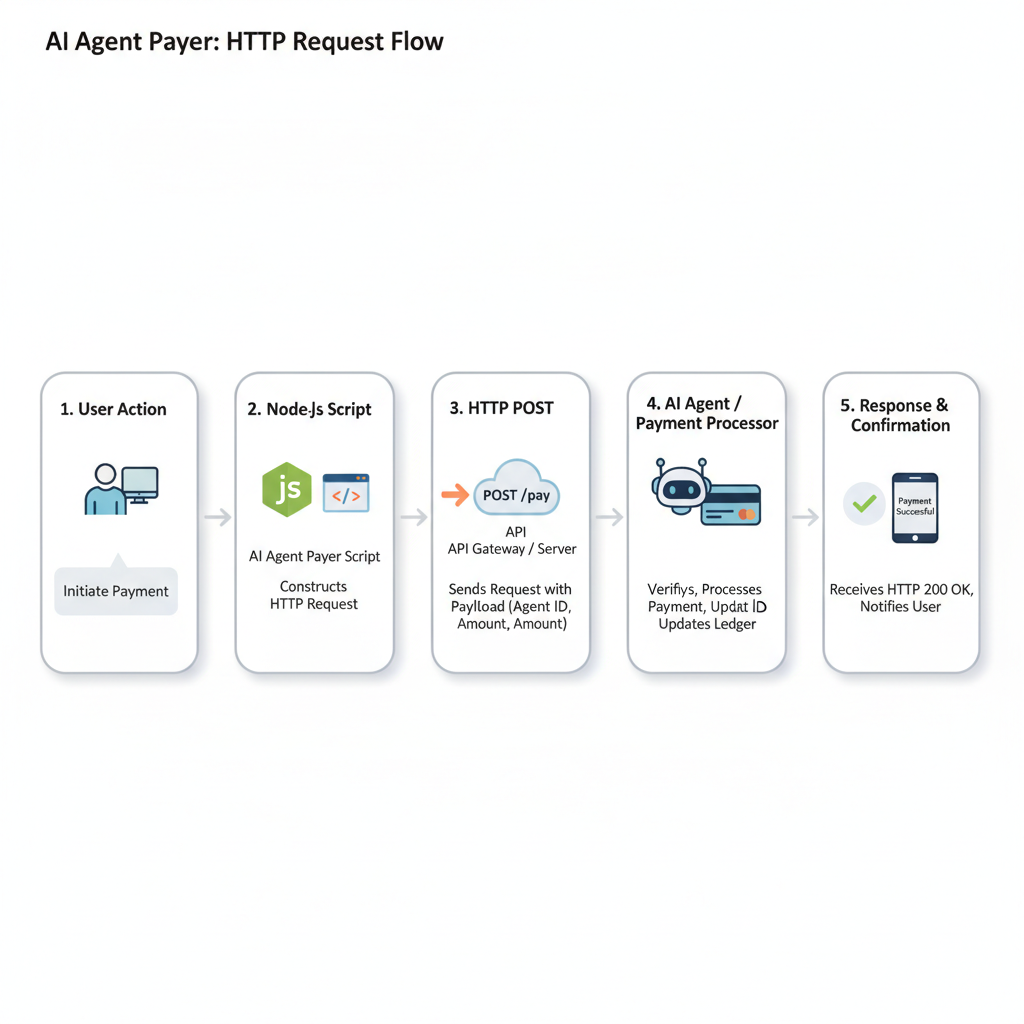
Agents integrate via a payer module that intercepts requests, checks balances, and executes payments mid-flow. Libraries like the x402-sdk expose methods for intent parsing and transaction broadcasting. In agent-to-agent (A2A) scenarios, chain these: an analytics agent pays a compute node, which pays a data feed, all settling in milliseconds.
Consider risk management, a staple in my macro analyses: set per-request caps and fallback to free tiers. For production, monitor via the x402 Bazaar's analytics; with 115 million payments processed, it's a battle-tested arena. Tutorials on FastAPI with Swarms show agents monetizing their own services, flipping the script on value flows.
- Balance check: Query USDC via Base RPC before intent submission.
- Payment signing: Use agent-specific keys, never shared.
- Retry logic: Exponential backoff on failed settlements.
This architecture suits ai agent crypto payments 2026, where autonomy trumps oversight. I've watched forex pairs swing on news; x402 agents navigate crypto volatility with embedded stability via USDC.
Deployment, Monitoring, and Scaling on Base
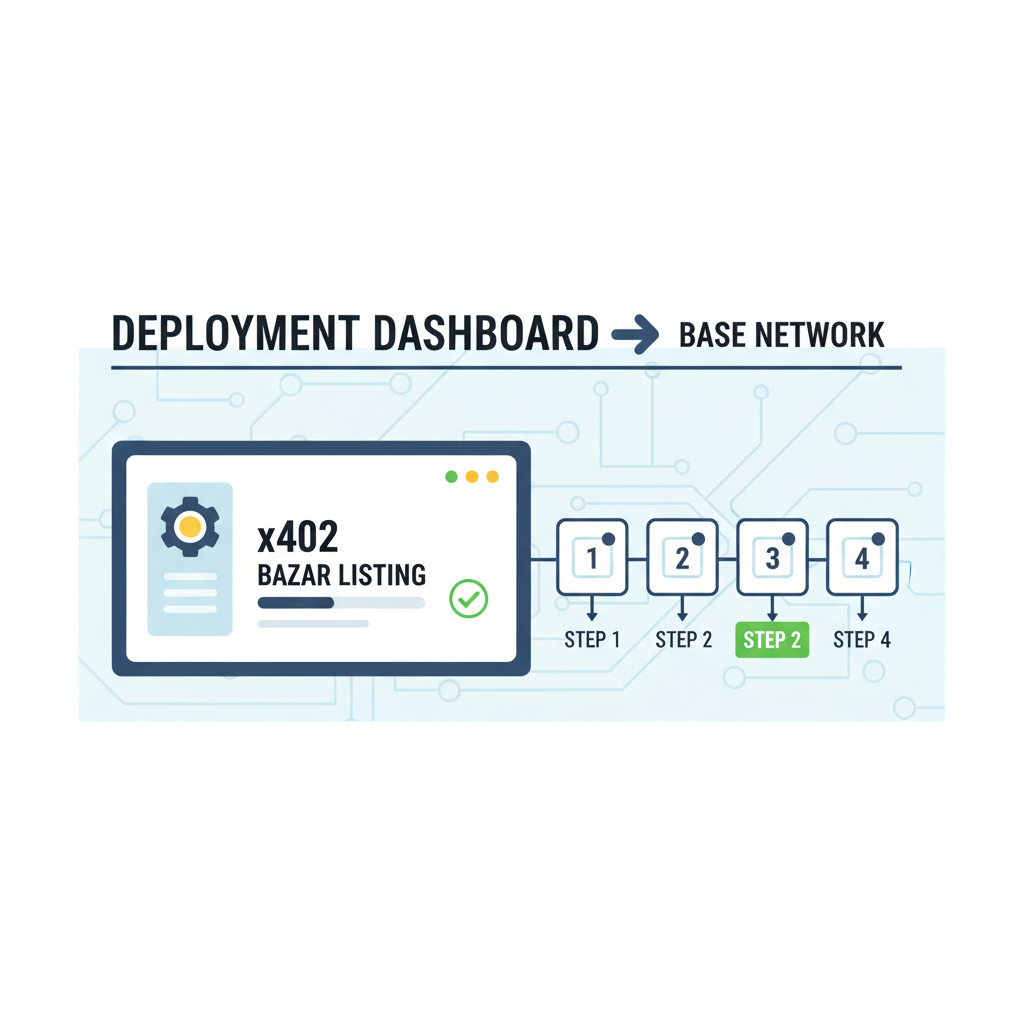
Deploy serverless for elasticity- Hono on Workers handles millions of requests. Agents run in serverless functions or decentralized swarms. Monitor volumes against the protocol's $50 million monthly benchmark; tools like Allium track x402 flows. For discovery, list on the x402 Bazaar, drawing agents from Google integrations to indie APIs.
Troubleshoot common pitfalls: mismatched token contracts or facilitator downtime, rare with Coinbase's uptime. Scale by sharding endpoints or using optimistic sequencing. As COIN holds $195.53 amid and $2.30 daily gains, Base's momentum positions early builders for network effects in the trillion-dollar agent economy.
Real-world traction- from Reddit demos to Proxies. sx builds- proves x402's maturity. Whether securing real-time microtransactions or A2A services, this protocol cements Base as the hub for coinbase x402 integration. Developers, seize it: the agent era rewards the prepared.




No comments yet. Be the first to share your thoughts!