

In the fast-evolving landscape of AI-driven applications, enabling autonomous agents to pay for API calls seamlessly is no longer a futuristic dream, it's a practical necessity. Coinbase's X402 payment intents on the Base chain make this possible, leveraging the revived HTTP 402 'Payment Required' status code for instant USDC micropayments. As a fintech analyst who's tracked digital payment innovations for years, I believe this protocol is a game-changer for developers building x402 payment intents ai agents ecosystems, cutting out intermediaries and slashing transaction friction.
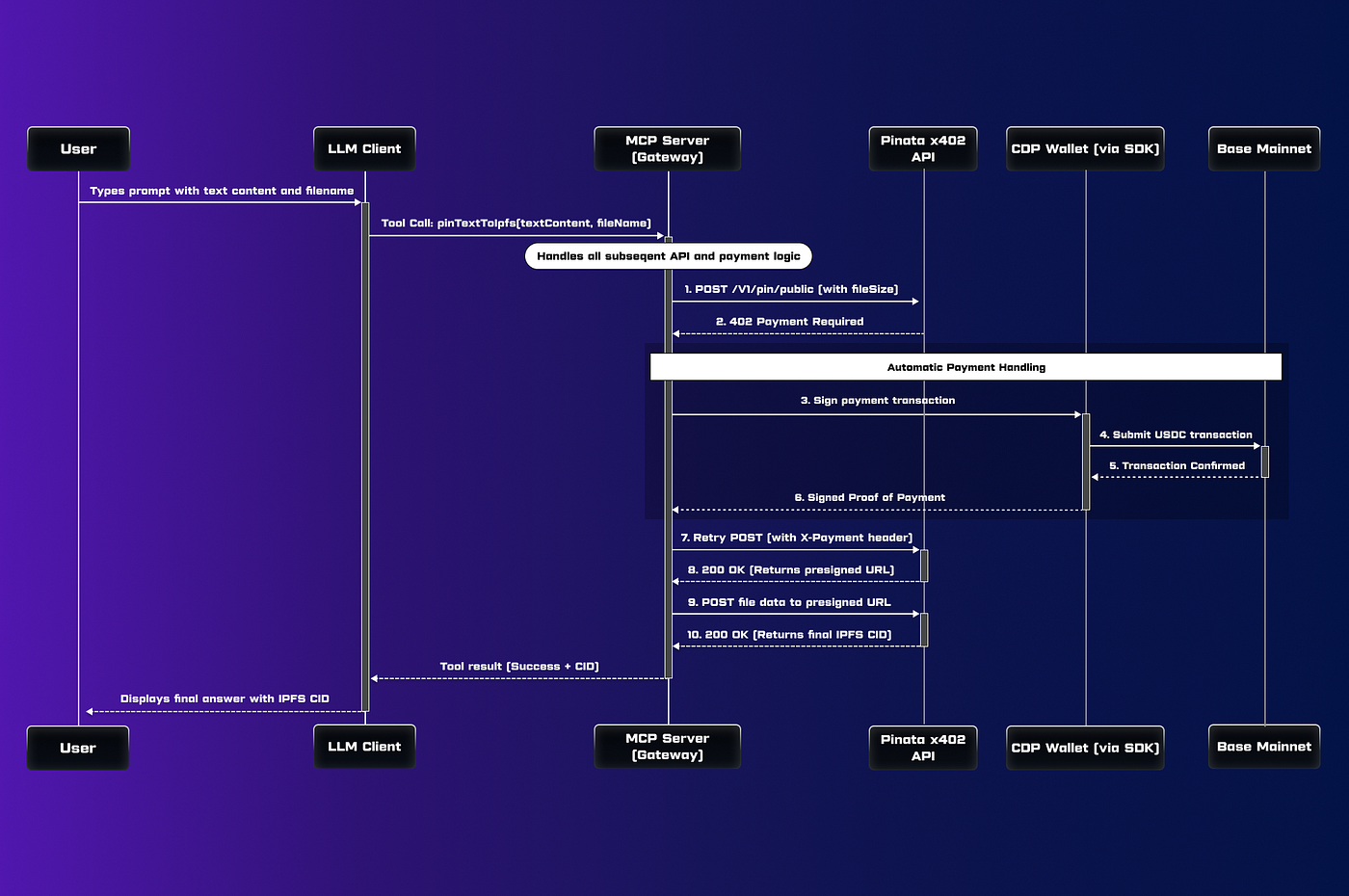
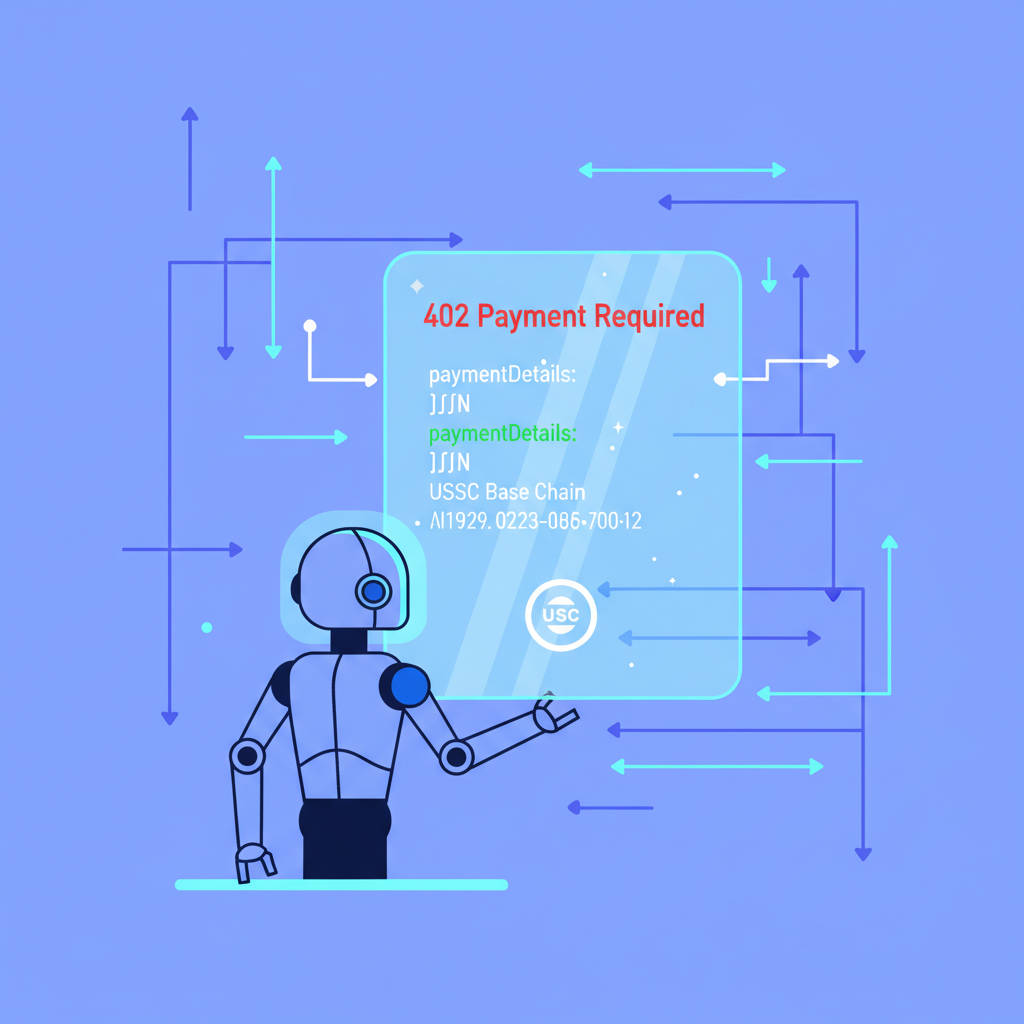
X402 transforms standard HTTP requests into secure, on-chain transactions. When an AI agent hits a paywalled endpoint, the server responds with a 402 status, including payment details like amount, recipient address, and chain specifics, all in a compact JSON payload. The agent then signs and submits the payment via its wallet, unlocking the resource on confirmation. This stateless design shines on Base, Coinbase's layer-2 network, where low gas fees and rapid finality keep costs under pennies per call. Recent launches like the x402 Bazaar catalog further amplify its reach, indexing services for easy discovery by agents and devs alike.
Why Base Chain Powers the Best Coinbase X402 Integrations
Base isn't just another Ethereum L2; it's optimized for high-throughput micropayments, making it ideal for autonomous ai payments base chain scenarios. With USDC bridging effortlessly from Coinbase wallets, agents can top up programmatically, think Alchemy's recent collab where agents settle compute credits on-chain without human oversight. In my view, this native integration sidesteps the pitfalls of cross-chain bridges, ensuring sub-second settlements that keep AI workflows humming. Developers love it too: no custody headaches, full EVM compatibility, and tools like the Coinbase Developer Platform docs to bootstrap quickly.

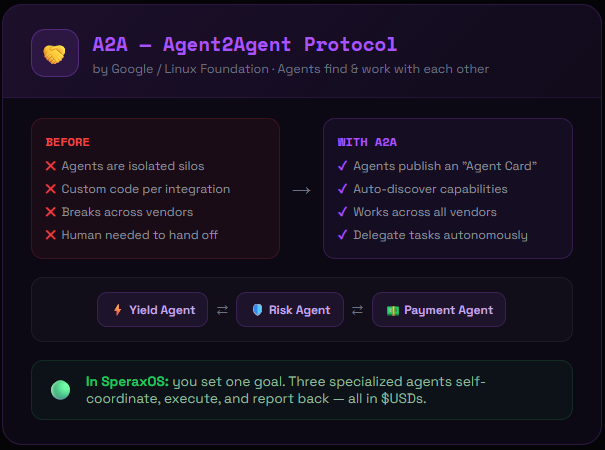
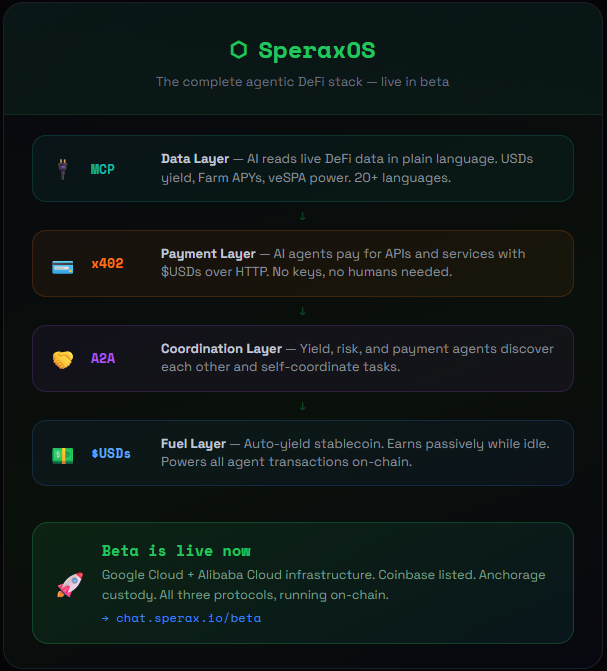
From hackathon prototypes to production APIs, Base's ecosystem supports everything from Hono servers on Cloudflare Workers to Solana-inspired efficiency tweaks. If you're eyeing coinbase x402 integration, start here, it's where stability meets scalability.
Essential Prerequisites for Your X402 Setup
Before diving into code, gather your toolkit. First, secure a Base-compatible wallet like Coinbase Wallet or MetaMask configured for Base mainnet (chain ID 8453). Fund it with USDC, grab some via the Base bridge or direct Coinbase transfer. You'll need Node. js 18 and, a code editor, and familiarity with ethers. js or viem for wallet interactions. Install the Coinbase SDK: npm install @coinbase/coinbase-sdk. For testing, use Base Sepolia testnet with faucet USDC to simulate real flows without burning mainnet funds.
Pro tip: Enable agentic capabilities by integrating a signer library that supports session keys or account abstraction. This lets your AI logic handle payments autonomously, mimicking human-free agent-to-agent trades seen in recent x402 demos. Verify your setup with a simple balance check:
Crafting Your First Payment Intent Endpoint
Now, let's build the server side. Spin up a lightweight API with Hono or Express, exposing a protected route. On the initial GET, return a 402 response with intent details. Here's the structure:
- Define pricing: Say, 0.01 USDC per API call.
- Generate a unique payment address or use a shared merchant wallet.
- Craft the HTTP payment protocol developers payload: Include
paymentMethodspointing to Base USDC, invoice ID, and maximum amount.
Your endpoint might look like this conceptually:
app. get('/api/data', async (c) = and gt; { return c. json({ status: 402, headers: { 'WWW-Authenticate': `X402 {"msat": 100000,"settlement": {"protocol": "base", "token": "USDC"}, "invoiceId": "unique-123"}` } }); });Handle the payment webhook next: Listen for on-chain events via Base RPC or Alchemy notifies. Once confirmed, serve the data. This flow empowers usdc micropayments x402, scaling to thousands of agent requests daily.
Integrating with AI agents? Use libraries like LangChain or Auto-GPT plugins to parse 402 responses, sign via wallet extensions, and retry seamlessly. Check out related guides like this Base-focused tutorial for deeper agent tweaks. As we move forward, validating payments securely becomes key, stay tuned for client-side implementation in part two.
Shifting to the client side, your AI agent needs to interpret that 402 response, compute the payment, and execute it autonomously. This is where the magic of coinbase x402 integration truly unfolds, turning passive APIs into vibrant, pay-per-use marketplaces on Base. I've seen developers struggle with wallet abstractions here, but with viem or ethers. js, it's straightforward and secure.
Client-Side Payment Flow for AI Agents
Picture your agent firing off a request to /api/data. It catches the 402, extracts the WWW-Authenticate header, decodes the X402 payload, and prompts its signer. No OAuth dances or API keys; just pure, on-chain proof-of-payment. On Base, with USDC's native support, transfers settle in blocks, often under two seconds. Libraries like the Coinbase SDK handle the heavy lifting: parse msat to USDC, build the transaction, sign, and broadcast via Base RPC.
Mastering x402: AI Agent Pays & Retries on Base Chain
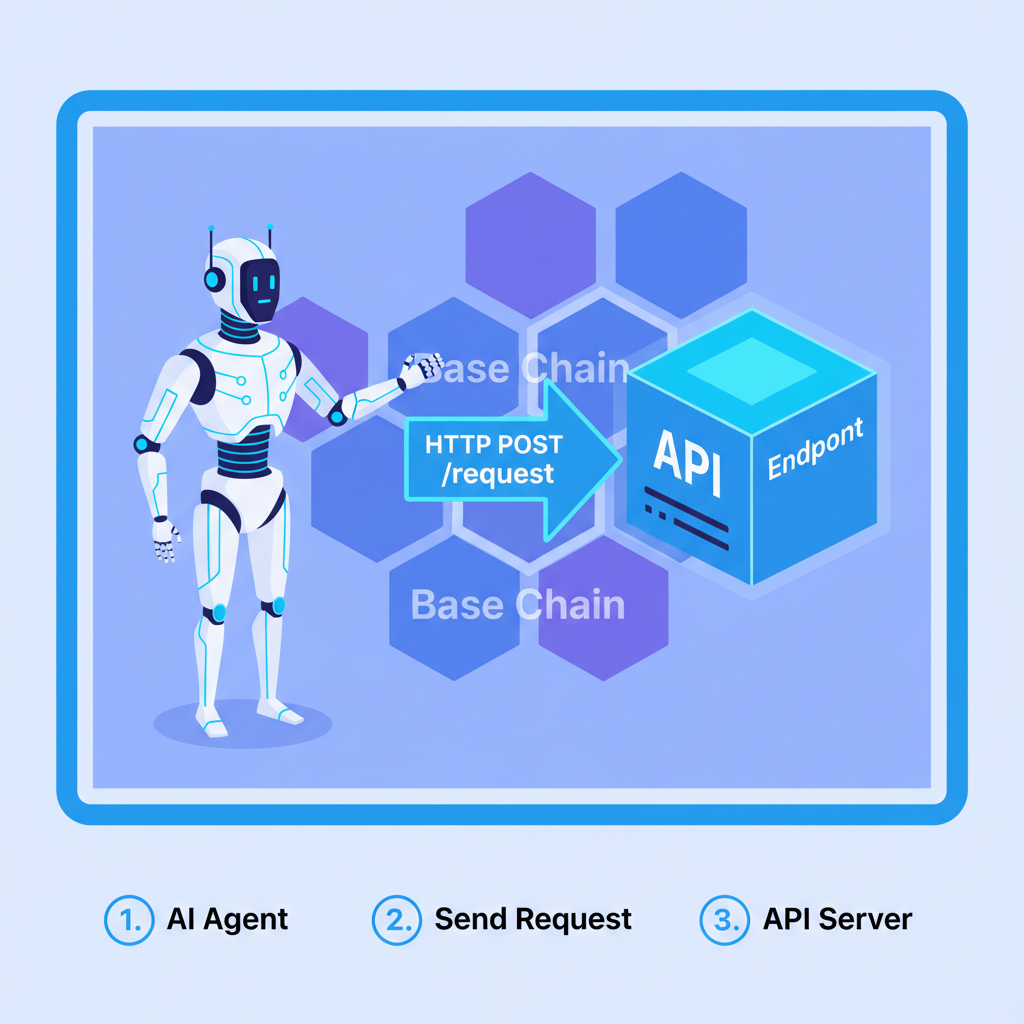
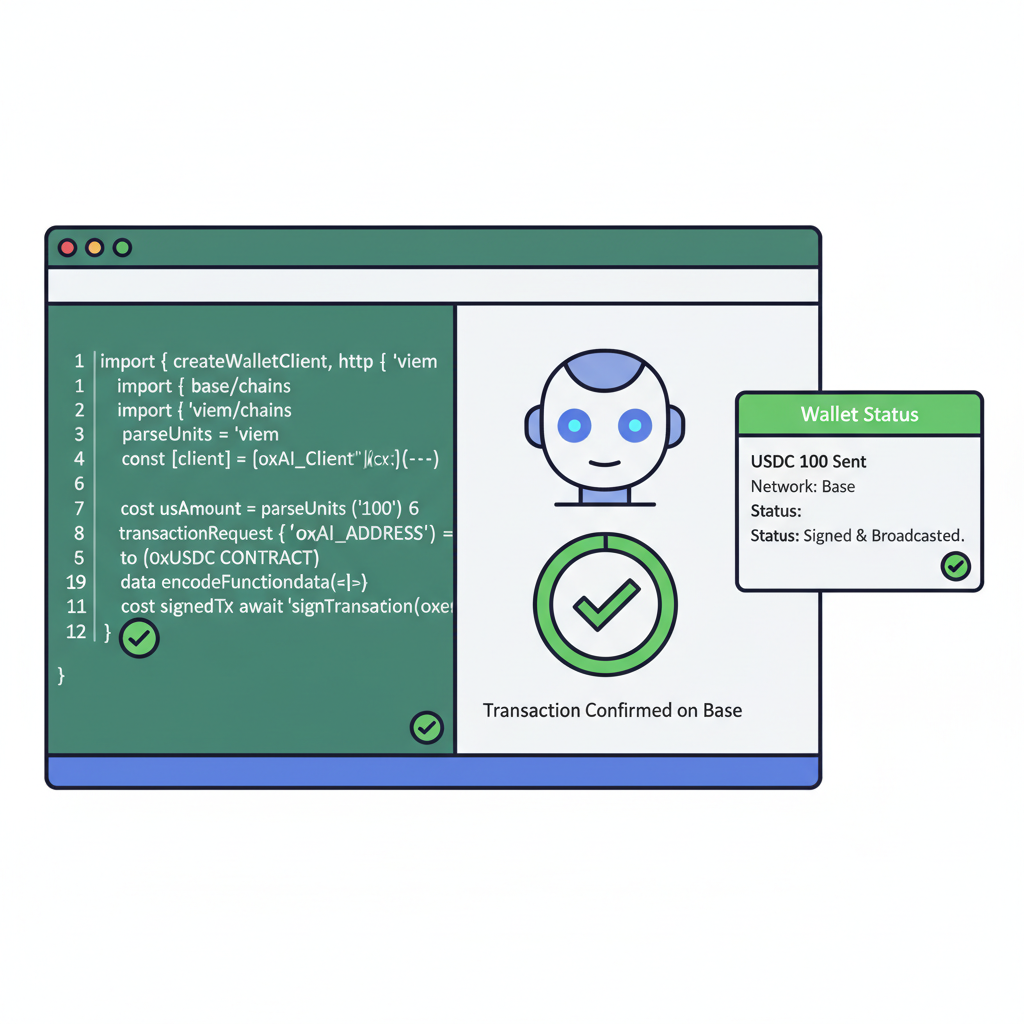
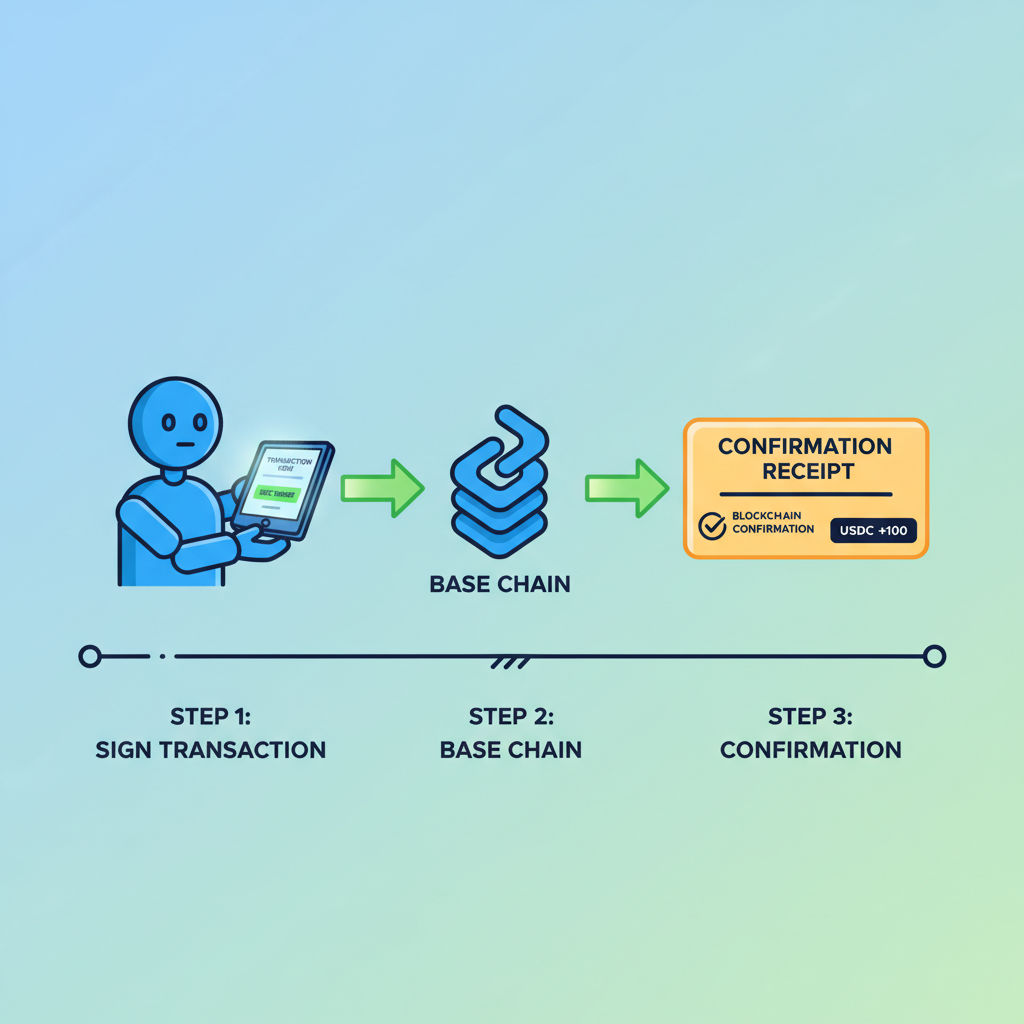
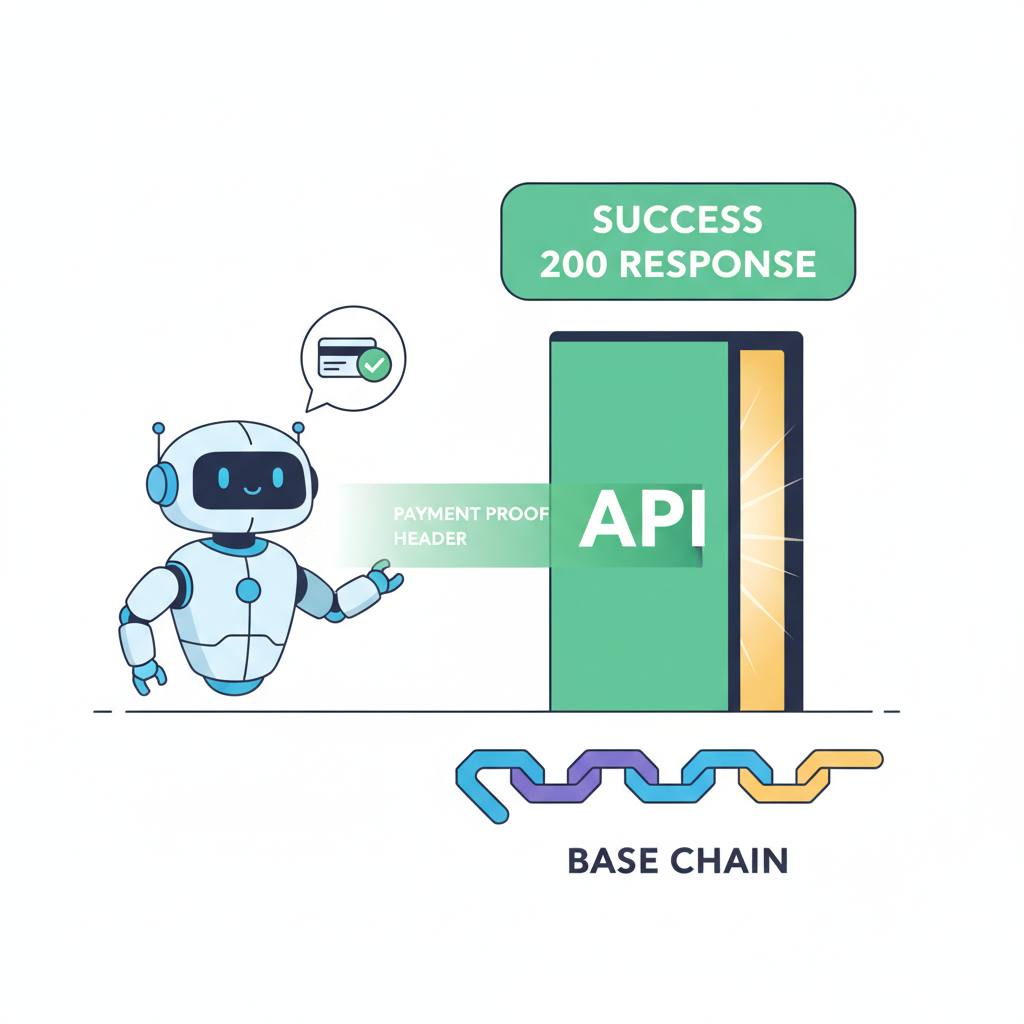
Here's a practical client snippet using viem for that seamless flow:
This code assumes an ERC-4337 smart wallet for your agent, enabling gasless payments or session keys. In practice, wrap it in your agent's decision loop: query, pay if needed, consume. Recent integrations, like those in AI hackathons, show agents chaining multiple calls, budgeting dynamically across x402 payment intents ai agents services.
Security and Validation Best Practices
Don't skimp on safeguards. Servers, validate payments idempotently using invoice IDs against Base explorers or indexed events. Clients, implement nonce checks and fee caps to thwart replays. For agents, rotate session keys and monitor balances via oracles. Base's optimistic execution minimizes risks, but always simulate on Sepolia first. My advice? Layer in rate limiting and anomaly detection; unchecked agents can rack up costs faster than you'd think.
Explore the x402 Bazaar for vetted endpoints, streamlining discovery for your autonomous ai payments base chain setups. Collaborations like Alchemy's underscore real-world scale: agents topping up credits mid-query, all settled in USDC without pauses.
Testing, Deployment, and Scaling
Test end-to-end on Base Sepolia: fund faucets, hammer endpoints with load tools, confirm 99.9% uptime. Deploy serverless on Cloudflare Workers or Vercel for global edge, pairing with Base's sequencer for instant tx inclusion. Monitor via Tenderly or Alchemy dashboards.
For production, integrate webhooks for payment confirms, caching results for repeat callers. Scale horizontally; Base handles millions of tx daily. If building dApps, check this dApp integration guide for advanced patterns.
Real-world wins abound: from paid APIs serving AI vision models to agent-to-agent marketplaces. With HTTP's native status code, http payment protocol developers get a standards-backed upgrade. Tools evolve fast, so bookmark Coinbase docs and experiment. Your first agent-paid API call? It'll hook you on the potential of frictionless, crypto-native economies.
| Aspect | X402 on Base | Traditional APIs |
|---|---|---|
| Auth Overhead | Zero, on-chain only | Keys, JWTs |
| Settlement | and lt;2s USDC | Days via fiat |
| Scalability | Millions/day | Quota-limited |
| Agent Autonomy | Full | Human-gated |
Armed with this, deploy confidently. The Base chain's efficiency positions X402 as the backbone for tomorrow's usdc micropayments x402 world, where AI thrives untethered.




No comments yet. Be the first to share your thoughts!