
2026 SEO trends
The search landscape in 2026 is defined by a shift from traditional keyword targeting to AI-driven answer generation. Search engines are increasingly prioritizing helpful, clear content that directly addresses user intent, moving away from the keyword stuffing tactics of previous years. This change is driven by the growing market share of AI search systems like ChatGPT, Bing Copilot, and Perplexity, which are capturing queries that once led to standard search result pages.
For 402 Hub, this means content must be structured to satisfy both human readers and AI summarization tools. The focus is on depth and clarity, ensuring that your content is authoritative enough to be cited by these new search interfaces. As AI systems take over more market share, visibility depends on being the primary source these models trust.
The core trend is a move toward zero-click results, where AI provides the answer directly. To compete, content must offer unique insights or data that AI cannot easily generate from generic sources. This requires a strategic pivot toward original research, expert commentary, and highly specific use cases that add tangible value beyond what a simple search query can retrieve.
The tradeoffs of 2026 seo trends
The shift toward AI-driven search isn't just a technical update; it's a fundamental change in how traffic flows. For content teams, this means moving away from the "rank-and-fuck" model of keyword stuffing toward a more nuanced approach that balances visibility with user intent. The 2026 seo trends tradeoffs center on where you allocate resources: traditional organic clicks versus emerging AI citation slots.
Visibility vs. Control
In traditional search, you control the click-through experience. In AI search, you compete for a citation. This tradeoff is stark. You might get your brand name in a Perplexity or Copilot answer, but you lose the ability to guide the user through your site. If your content is cited, you get brand awareness but zero direct traffic. If you optimize only for clicks, you risk becoming invisible to AI summarizers that pull from your page but don't link back. The strategy here is to create "citation-ready" content: clear, authoritative answers that AI models can easily extract, even if it means sacrificing some click volume.
Speed vs. Depth
AI search favors concise, direct answers. This creates pressure to shorten content. However, depth is still required for E-E-A-T (Experience, Expertise, Authoritativeness, and Trustworthiness). The tradeoff lies in structure. You can't just write long, rambling essays. You must use clear headings, bullet points, and data tables to make your depth easily digestible for both human readers and AI crawlers. Shallow content gets cited but doesn't build trust. Deep content builds trust but might be skipped by AI if it's not structured for quick extraction. The goal is "dense clarity": maximum information density with minimal fluff.
Broad Reach vs. Niche Authority
As AI systems become more sophisticated, they tend to cite authoritative sources over generic ones. This means broad, top-of-funnel content is becoming less valuable for direct traffic. The tradeoff is between volume and value. You can publish thousands of low-effort articles to catch long-tail keywords, or you can produce fewer, high-quality pieces that establish domain authority. In 2026, the latter is winning. AI models are trained to prefer sources that demonstrate deep expertise. Spreading your resources thin across hundreds of articles dilutes your authority. Concentrating them on fewer, comprehensive guides signals to both search engines and AI systems that you are a primary source.
The Data at a Glance
The following table breaks down the key metrics to watch as you adjust your strategy for these tradeoffs.
| Metric | Traditional SEO | AI Search | 2026 Action |
|---|---|---|---|
| Traffic Source | Direct Clicks | Citations & Referrals | Optimize for extraction |
| Content Length | Long-form | Concise & Structured | Use clear headings |
| Keyword Focus | Volume-based | Intent-based | Answer questions directly |
| Brand Value | Low (commodity) | High (authority) | Build trust signals |
Measuring the Shift
You can't manage what you don't measure. Traditional analytics won't capture AI citation traffic. You need to track brand mentions in AI responses and monitor changes in click-through rates for AI-driven queries. This data will help you decide how much to invest in AI optimization versus traditional SEO. The market is volatile, so keep an eye on broader tech trends as well.
Choosing the Next Step
The shift toward AI-driven search means your content must survive direct answers, not just clicks. To build a practical decision framework for 2026, evaluate your current assets against three specific criteria. This approach prioritizes clarity and utility over keyword stuffing, aligning with how modern search engines now process queries.
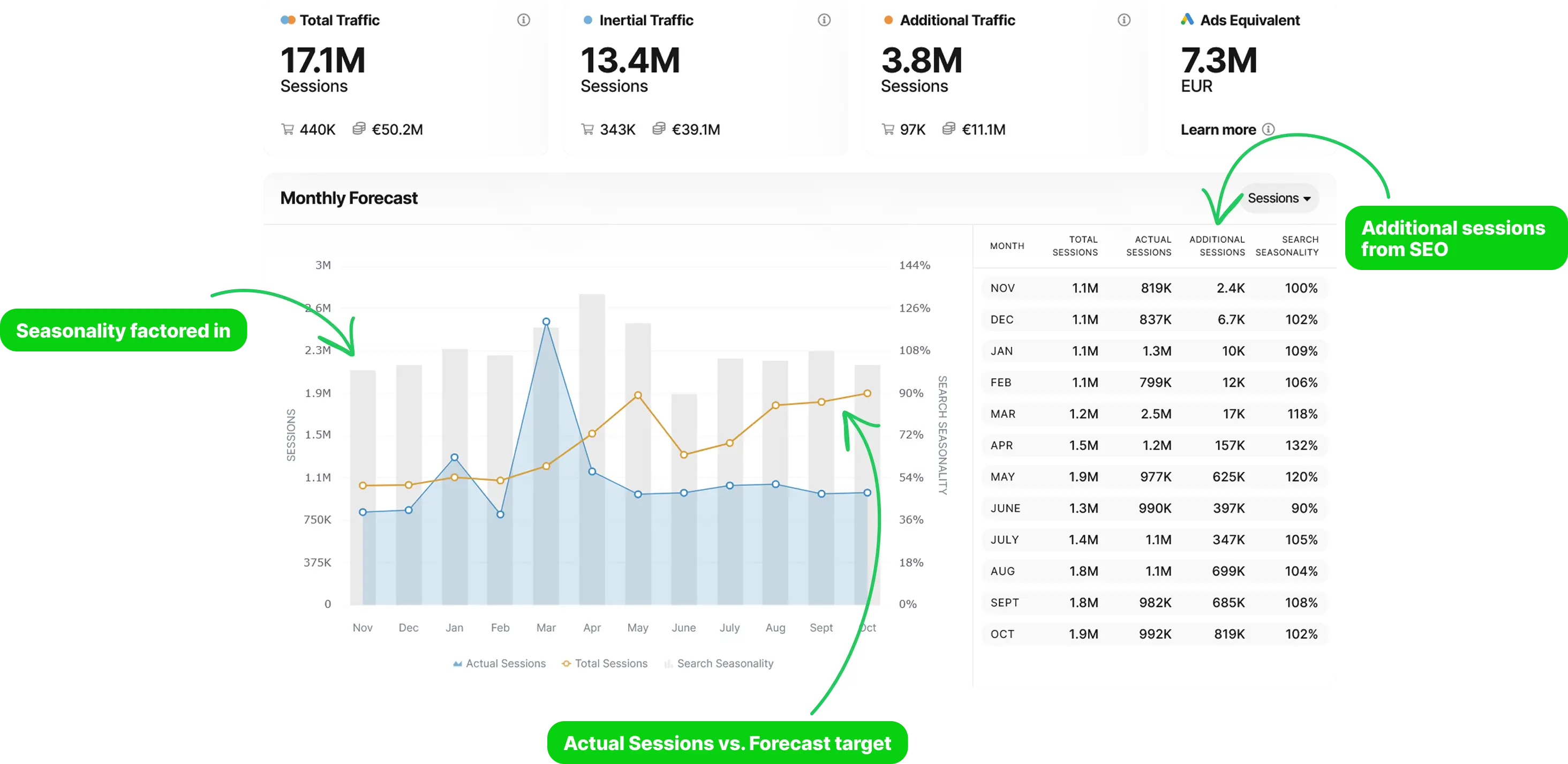
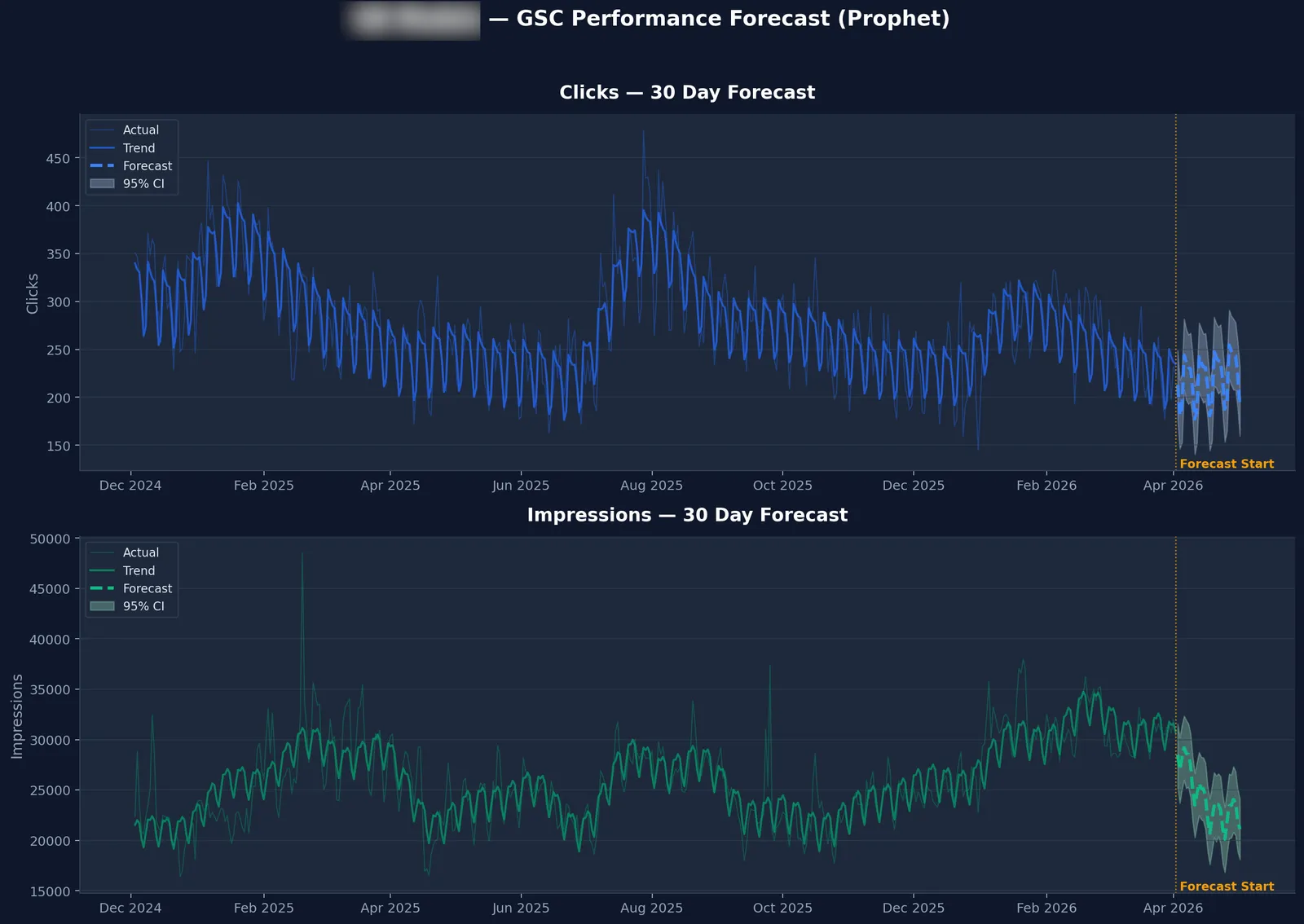
By focusing on these steps, you can build a strategy that is resilient to the changes in AI-driven search. This framework helps you allocate resources efficiently, targeting areas where your content can truly add value and stand out in an increasingly automated landscape.
Spotting Weak Options in 2026 SEO
AI-driven search and zero-click results are reshaping the landscape, but not every strategy adapts well. Many teams cling to outdated tactics that no longer drive value. Identifying these weak options early helps protect your content’s visibility and budget.
Keyword Stuffing
Forcing keywords into awkward sentences is a common mistake. Search engines now prioritize helpful, clear content over keyword density. This approach hurts readability and often triggers spam filters. Focus on natural language that answers user intent directly.
Ignoring Zero-Click SERPs
Assuming every search leads to a click is outdated. AI summaries and featured snippets satisfy many queries without driving traffic. Your strategy must account for this shift by optimizing for visibility in AI responses, not just organic rankings. Track impressions and click-through rates to measure true impact.
Over-Reliance on Single Sources
Depending solely on one search engine is risky. AI tools like Bing Copilot and Perplexity are capturing significant market share. Diversify your content distribution across platforms where your audience actively seeks information. This reduces vulnerability to algorithm changes on any single platform.
2026 seo trends: what to check next
Search behavior is shifting from simple queries to complex conversations. As AI-driven results and zero-click answers dominate SERPs, content strategies must adapt to capture visibility in a fragmented landscape. Below are the most practical questions marketers face regarding these changes.
These adjustments are not optional. They are necessary to maintain visibility as the search ecosystem evolves.
No comments yet. Be the first to share your thoughts!