

As AI agents proliferate across decentralized applications and services, the need for instantaneous, low-friction micropayments becomes unavoidable. Traditional payment gateways falter under the weight of high fees and delays, but Coinbase's x402 payment intents leverage HTTP 402 'Payment Required' responses to enable direct, stablecoin-based transactions. This protocol empowers AI agents to autonomously access premium APIs, compute resources, or data feeds without human intervention, all while Coinbase Global Inc (COIN) surges to $164.32, reflecting a robust 16.47% gain over the past 24 hours from a low of $144.48.
The beauty of coinbase x402 integration lies in its simplicity: clients request protected resources, servers reply with precise payment demands, and agents fulfill them via embedded wallets. No redirects, no third-party processors-just pure HTTP-native payments. This aligns perfectly with the autonomous nature of AI, where agents must negotiate and settle value exchanges in milliseconds.
The Mechanics of HTTP 402 Micropayments with X402
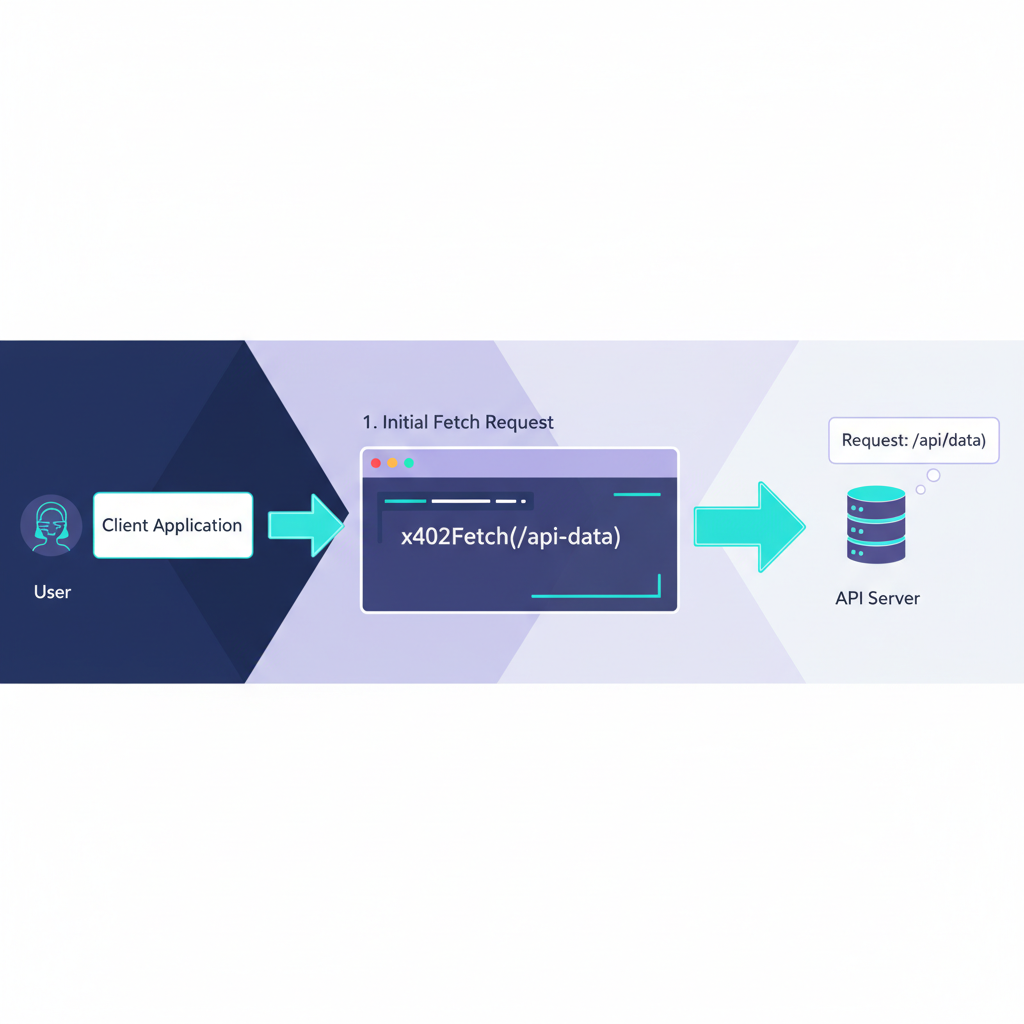
At its core, the x402 protocol revives the long-dormant HTTP 402 status code, transforming it into a powerhouse for ai agent payments. When an AI agent queries an x402-secured endpoint, the server responds with a 402 header containing payment details: amount in USDC, recipient address, and verification instructions. The agent then crafts a transaction, signs it with its wallet, and retries the request appending a payment proof.
Coinbase's implementation, as detailed in their launch announcement, supports instant stablecoin settlements over HTTP, ideal for APIs, apps, and precisely these AI agents.
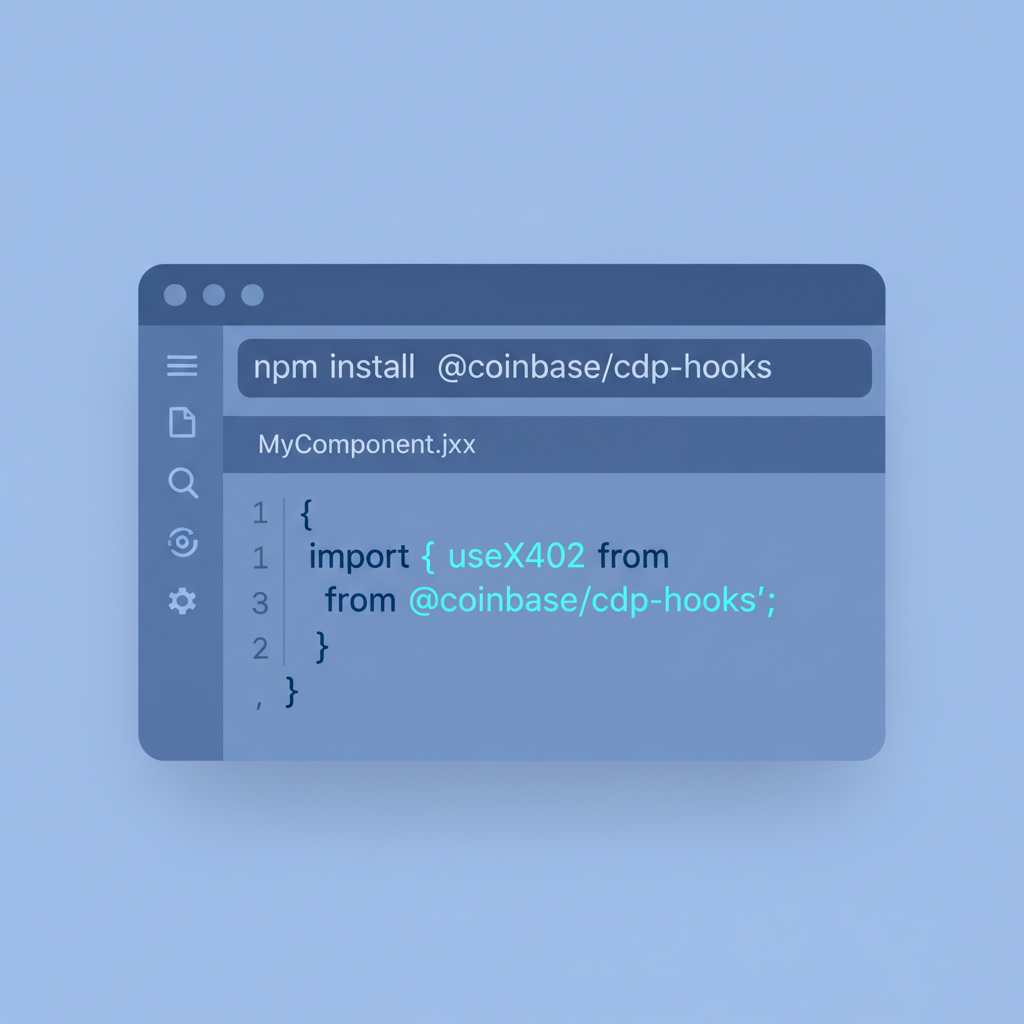
This flow sidesteps blockchain confirmation waits by using optimistic verification on the server side, confirming finality asynchronously. For developers, the useX402 hook from @coinbase/cdp-hooks abstracts much of this complexity, handling transaction creation, signing, and proof generation automatically.
Basic useX402 Hook for 402 Response Handling
To handle HTTP 402 "Payment Required" responses gracefully in a React application—particularly for Coinbase X402 micropayments—we'll implement a custom `useX402` hook. This hook wraps the native `fetch` API, detects 402 status codes, extracts payment intent details from the response, and manages the payment state. This approach ensures your AI agent interactions can seamlessly prompt for payments without disrupting the user experience.
import { useState, useCallback } from 'react';

/**
 * Custom React hook for handling HTTP 402 Payment Required responses
 * in the context of Coinbase X402 Payment Intents.
 */
export function useX402(basePaymentUrl = '/api/create-intent') {
  const [isPaying, setIsPaying] = useState(false);
  const [paymentIntent, setPaymentIntent] = useState(null);
  const [error, setError] = useState(null);

  const handle402 = useCallback(async (response) => {
    if (response.status === 402) {
      try {
        // Typically, the 402 response includes payment intent details
        // in headers (e.g., Payment-Intent) or body
        const intentData = await response.json();
        setPaymentIntent(intentData);
        setIsPaying(true);
        setError(null);

        // Optionally, redirect to payment or trigger Coinbase wallet
        // For demo: simulate payment completion after 3s
        setTimeout(() => {
          setIsPaying(false);
          setPaymentIntent(null);
        }, 3000);
      } catch (err) {
        setError('Failed to parse payment intent');
      }
      throw new Error('Payment required');
    }
    return response;
  }, []);

  const x402Fetch = useCallback(async (url, options = {}) => {
    const response = await fetch(url, options);
    return handle402(response);
  }, [handle402]);

  const completePayment = useCallback(async (intentId) => {
    // Call server to verify payment
    const verifyRes = await fetch(`/api/verify-payment/${intentId}`, { method: 'POST' });
    if (verifyRes.ok) {
      setIsPaying(false);
      setPaymentIntent(null);
    }
  }, []);

  return {
    x402Fetch,
    isPaying,
    paymentIntent,
    error,
    completePayment,
  };
}
Integrate this hook into your components by calling `const { x402Fetch, isPaying, paymentIntent } = useX402();` and replacing standard `fetch` calls with `x402Fetch`. When a 402 occurs, display a payment UI using `paymentIntent` (e.g., a Coinbase wallet prompt), then call `completePayment` upon success. This methodical setup abstracts payment logic, making your app robust for production micropayment flows.
Consider a scenario where an AI trading bot needs real-time market data. Without x402, it faces subscription walls or clunky web3 logins. With it, the bot pays per query-perhaps $0.001 in USDC- unlocking data instantly. Sources like QuickNode's Base Sepolia tutorial demonstrate this with a simple Express backend, while Base docs extend it to XMTP chat agents for fully autonomous economies.

Why X402 Shines for AI Agent Micropayments
AI agents thrive on autonomy, but monetizing their interactions demands precision. HTTP 402 micropayments via x402 deliver exactly that: atomic, verifiable payments decoupled from user sessions. Unlike batched Web3 transactions, x402 ensures per-request settlement, preventing overpayment or abuse. Simply Staking highlights how this enables agents to 'pay directly for what they consume in real time, ' fostering a clean buyer-seller separation.
- Seamless for headless agents-no UI needed.
- Low overhead: Micropayments as small as satoshis equivalents in USDC.
- Chain-agnostic: Works on Base, Solana, and beyond, per Solana's starter guide.
Lablab. ai's hackathon tutorials further illustrate AI-to-AI payments, where agents barter compute or insights. Kye Gomez's Medium post on Swarms and FastAPI shows paid endpoints backed by crypto, a blueprint for production. Amid COIN's climb to $164.32 from yesterday's $144.48 low, investor confidence underscores x402's role in bridging AI and blockchain.
Coinbase Global, Inc. (COIN) Stock Price Prediction 2027-2032
Forecast based on x402 protocol adoption, AI micropayments innovation, and current market data ($164.32 as of 2026)
| Year | Minimum Price | Average Price | Maximum Price | YoY % Change (Avg) |
|---|---|---|---|---|
| 2027 | $140.00 | $240.00 | $380.00 | +46% |
| 2028 | $200.00 | $320.00 | $500.00 | +33% |
| 2029 | $280.00 | $420.00 | $650.00 | +31% |
| 2030 | $350.00 | $520.00 | $800.00 | +24% |
| 2031 | $420.00 | $640.00 | $950.00 | +23% |
| 2032 | $500.00 | $780.00 | $1,100.00 | +22% |
Price Prediction Summary
COIN stock is projected to experience robust growth driven by the x402 payment protocol, enabling AI agent micropayments and new revenue streams. Average prices are expected to rise from $240 in 2027 to $780 by 2032 (+376% from $164.32), with bullish scenarios reaching $1,100 amid crypto and AI market expansion, while minimums reflect potential regulatory or market downturns.
Key Factors Affecting Coinbase Global, Inc. Stock Price
- Adoption of x402 protocol for seamless HTTP 402 micropayments in AI agents
- Growth in crypto trading volumes and stablecoin transactions
- Integration with Base, Solana, and embedded wallets
- Favorable regulatory environment for crypto payments
- Earnings acceleration from API monetization and autonomous agents
- Broader AI economy boom and enterprise use cases
- Technical strength post-16.47% 24h gain, with support at $144 and resistance at $168
Disclaimer: Stock price predictions are speculative and based on current market analysis. Actual prices may vary significantly due to market volatility, economic conditions, and other factors. Always do your own research before making investment decisions.
Setting Up Your Development Environment
To dive into x402 protocol tutorial territory, start with prerequisites: Node. js 18 and, a Base testnet wallet via Coinbase's embedded wallet SDK, and familiarity with Express or FastAPI for servers. Install @coinbase/cdp-hooks for client-side magic and x402-verifier for backend validation.
- Clone a starter repo from QuickNode's guide or Coinbase docs.
- Fund your testnet wallet with Sepolia USDC.
- Configure your API endpoint to return 402 on unauthorized access.
Check out detailed steps in this USDC-focused integration guide for AI micropayments. Next, we'll implement the client hook and server verifier, but first ensure your environment echoes production security practices.
With your environment primed, let's wire up the client-side logic using the useX402 hook. This React-friendly utility detects 402 responses, prompts for payment via the embedded wallet, and retries seamlessly.
Seamless x402 Integration: Handle 402 Payments for AI Agent Micropayments in React

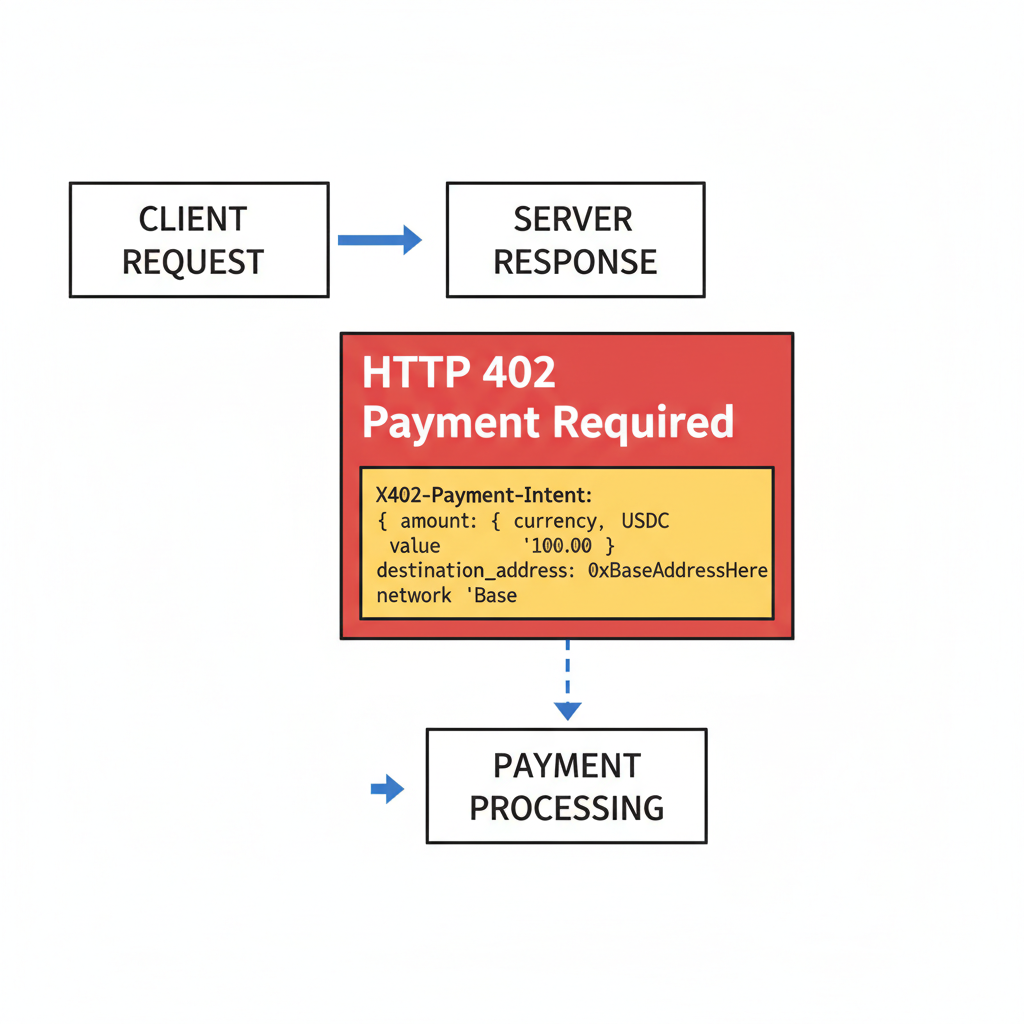
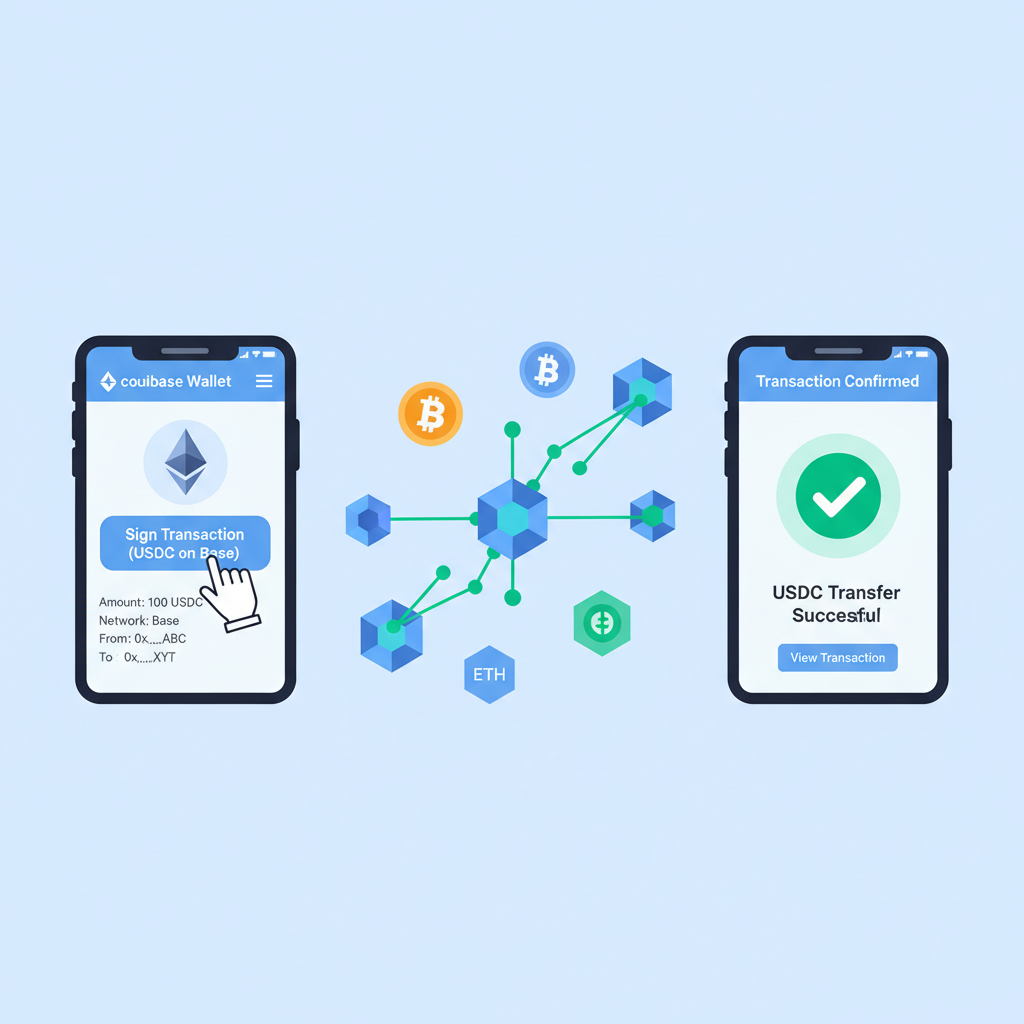
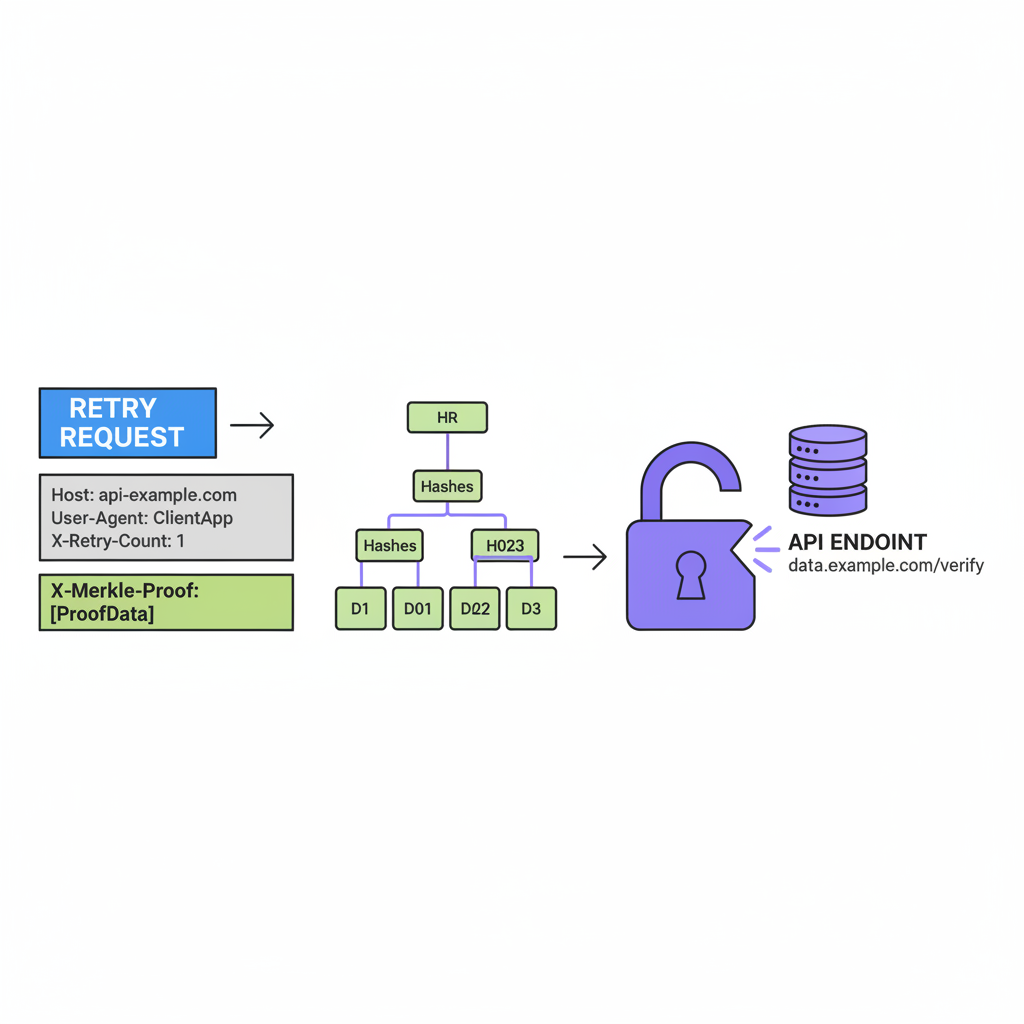
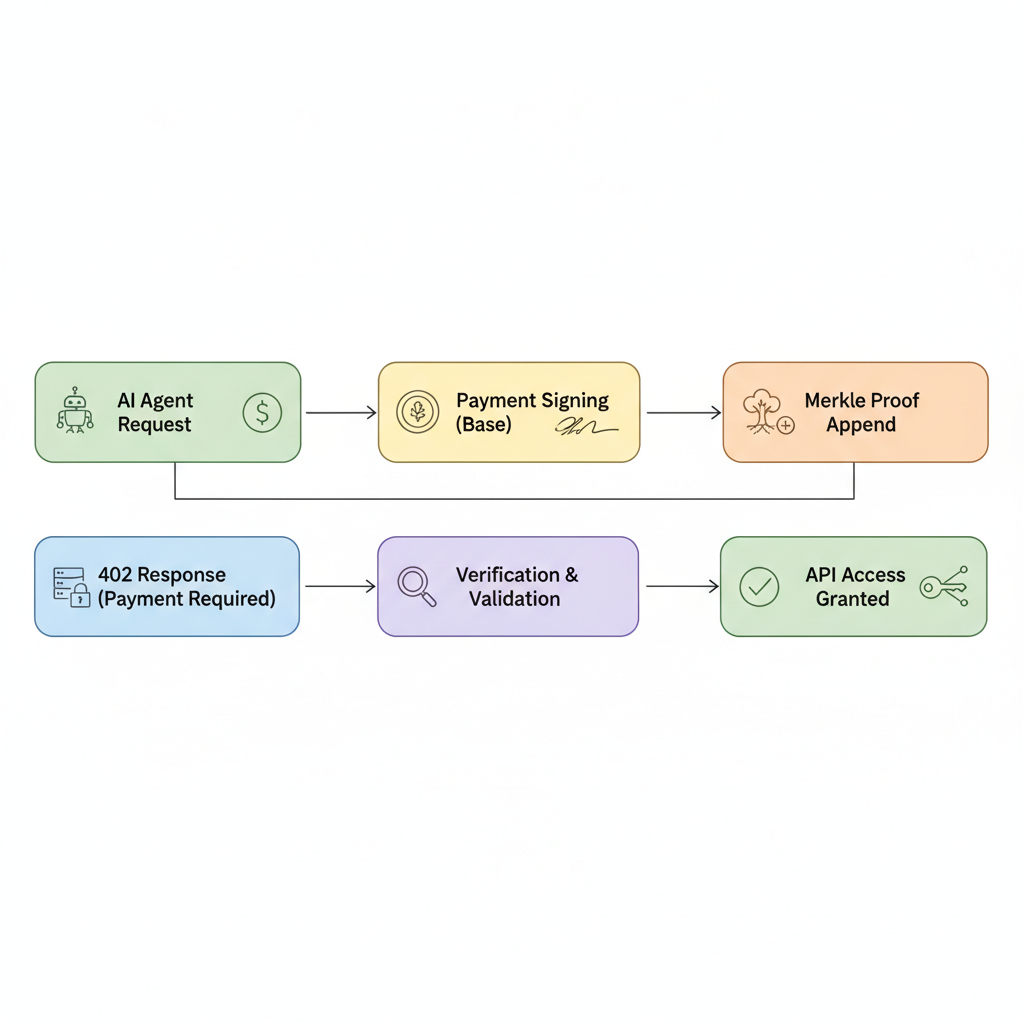
Transition to the server. Your Express or FastAPI endpoint must issue 402s with precise headers: X402-Payment-Amount: 0.001 USDC, X402-Payment-Recipient: 0x. . . , and chain parameters. Upon retry, validate the proof against the blockchain or optimistic cache.
Server-Side Verifier: Securing Your Endpoints
Install x402-verifier and middleware it into routes. It checks signatures, Merkle inclusion, and sufficient value before granting access. QuickNode's Express demo on Base Sepolia testnet provides a boilerplate: fund with faucet USDC, hit /paid-data, pay, receive. Productionize by swapping testnet for mainnet Base, where low fees complement usdc micropayments ai.
- Define middleware:
app. use('/api/premium', x402Middleware({amount: '0.001', token: 'USDC'})). - Handle proofs: Parse
Authorization: X402 and lt;proof and gt;, verify on-chain. - Log settlements asynchronously for audits.
Solana's guide adapts this for SPL tokens, proving chain flexibility. As COIN holds at $164.32 with a 24-hour high of $167.65, Coinbase's protocol cements its edge in AI-blockchain fusion.
Now, embed this in an AI workflow. Picture a LangChain or Swarms agent needing compute: it probes an x402-gated inference API, pays per token generated. Kye Gomez's FastAPI tutorial integrates Swarms directly, creating paid endpoints where agents monetize outputs too. Lablab. ai's hackathon steps build AI-to-AI (ai agent to agent) flows, bartering insights via chained 402s.
Real-World AI Agent Example: Autonomous Data Feeds
Assemble a full stack. Client: Node script with @coinbase/cdp-hooks simulates an agent fetching market data. Server: Express app behind http 402 micropayments. Agent requests GET/ai/market-data, gets 402 demanding 0.001 USDC, pays, retries, accesses JSON feed. Extend to XMTP for chat agents negotiating deals autonomously, per Base docs.
Simply Staking captures it best: x402 lets agents 'operate autonomously and pay directly, ' birthing machine economies without middlemen.
Test rigorously: Simulate failures like underpayment or invalid proofs. Deploy to Vercel for client, Render for server, linking via environment vars. Monitor with Base explorers for tx proofs. For deeper dives, explore real-time microtransactions with AI agents or AI-to-AI stablecoin transactions.
Challenges persist-gas spikes or oracle dependencies-but x402's HTTP purity minimizes them. Pair with optimistic execution for sub-second flows. As developers flock to coinbase x402 integration, evidenced by surging guides and COIN's 16.47% 24-hour climb from $144.48, the protocol positions AI agents as first-class economic actors. Builders today craft tomorrow's autonomous web, one micropayment at a time.




No comments yet. Be the first to share your thoughts!