
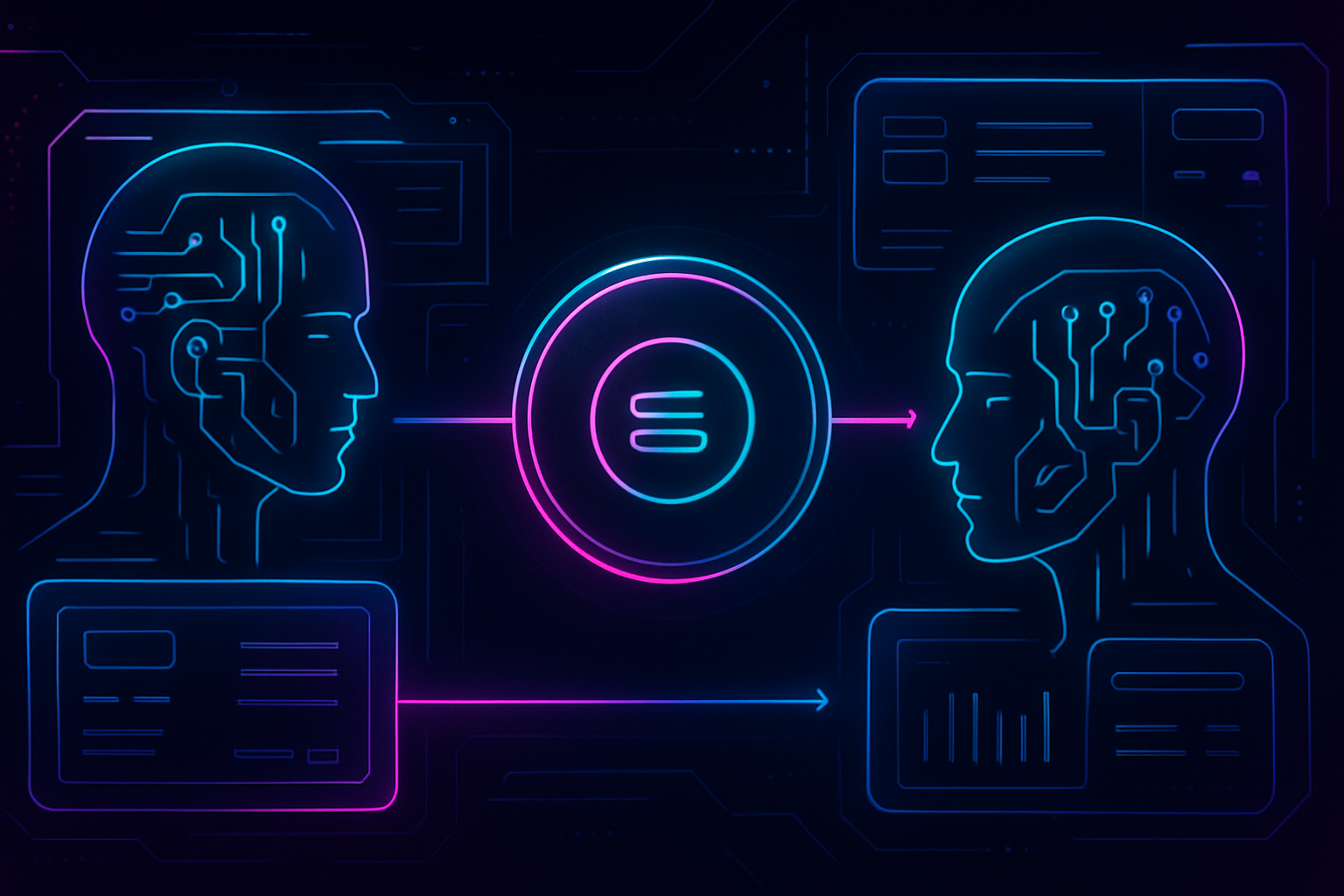
If you’re building AI agents that need to transact autonomously, you’ve probably hit the wall with legacy payment APIs. Subscription walls, API keys, and manual wallet management are friction points that kill automation. Enter the x402 Payment Intents Protocol: Coinbase’s open-source standard for agent-to-agent stablecoin payments over HTTP. It’s a game-changer for developers who want seamless, real-time crypto micropayments between bots, APIs, and digital services, no human babysitting required.

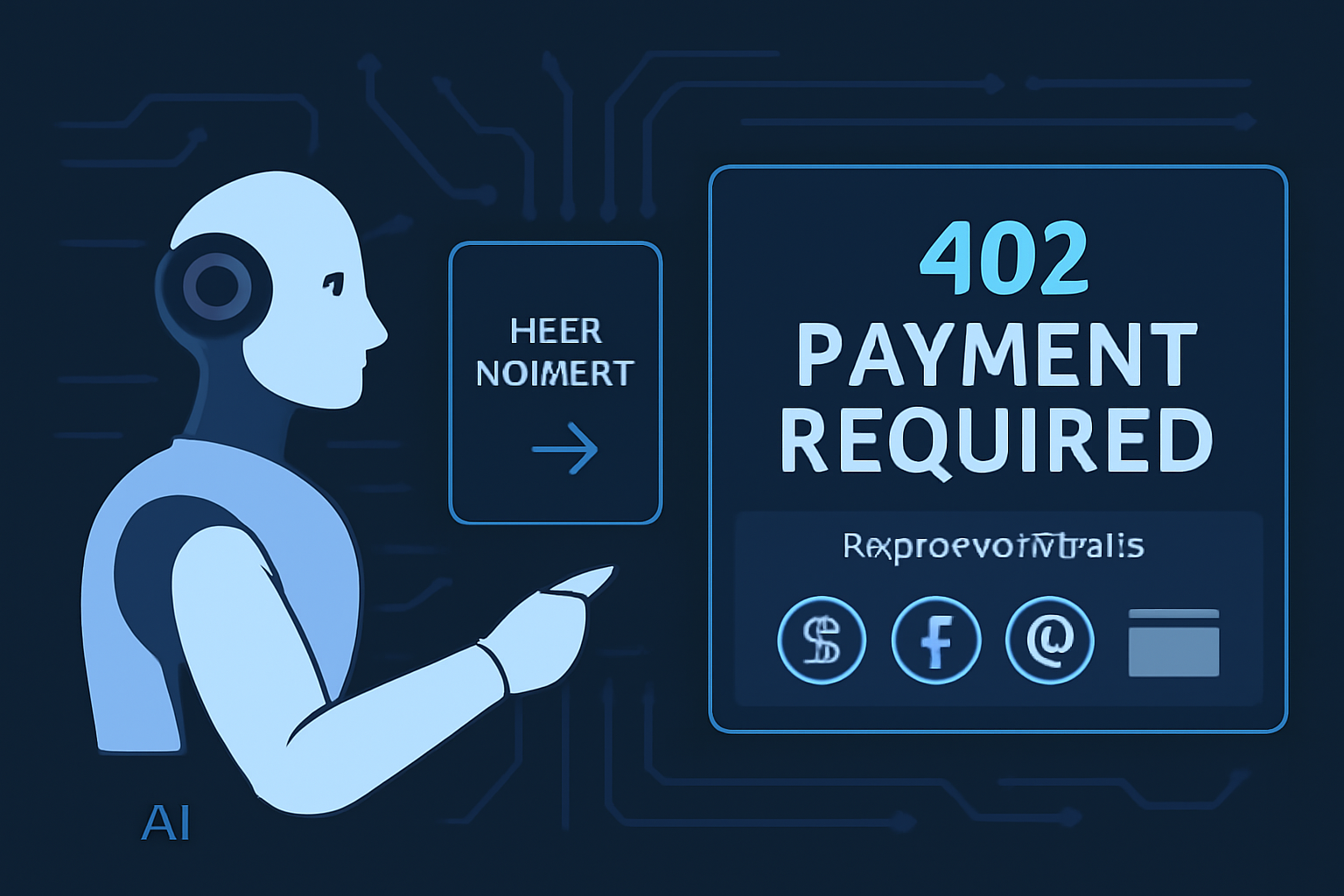
Let’s break down how this works. x402 leverages the HTTP 402 "Payment Required" status code to embed payment requests directly into web interactions. This means when your AI agent requests an API or data resource that requires payment, it gets a 402 response packed with all the payment details, amount, accepted stablecoins (like USDC), and facilitator info. The agent can then create and settle the transaction via its wallet, unlocking access automatically once the payment is confirmed on-chain.
Why x402 Is a Big Deal for Agentic Payments
Autonomous agents are rapidly moving from sci-fi to production reality. But without native support for microtransactions and secure payments between bots, their economic potential is capped. The x402 protocol solves this by making agent-to-agent stablecoin payments as easy as sending an HTTP request, no accounts or subscriptions needed.
Top Benefits of x402 for AI-Powered Stablecoin Payments
- Autonomous Agent Transactions: x402 enables AI agents to independently initiate and complete stablecoin payments over HTTP, removing the need for manual intervention or pre-set payment arrangements.

- Seamless HTTP Integration: By leveraging the HTTP 402 "Payment Required" status code, x402 embeds payment flows directly into web requests, allowing agents to transact as part of standard internet protocols.

- Real-Time Micropayments: x402 supports instant, low-cost microtransactions using stablecoins like USDC, making pay-per-use and granular API access both practical and efficient.

- Programmable & Flexible Payments: The protocol enables smart contract integration, allowing developers to automate complex payment logic, subscription models, or access controls for AI-driven services.

- Enhanced Security & Transparency: x402 uses cryptographic signatures and on-chain audit trails, ensuring every transaction is secure, verifiable, and transparent for both agents and service providers.

- Stablecoin Price Stability: By focusing on established stablecoins such as USDC, x402 minimizes volatility, ensuring predictable transaction values for AI agents and service providers.

This isn’t just theory: projects are already combining x402 with Circle Wallets and XMTP chat agents to enable everything from pay-per-use APIs to autonomous procurement of digital goods (see real-world integration steps here). The result? Flexible business models like granular pay-per-use billing, instant access to services, and new ways for agents to coordinate tasks, and pay each other, in real time.
The Core Workflow: How Agent-to-Agent Payments Flow with x402
Here’s what actually happens under the hood when two AI agents transact using the x402 Payment Intents Protocol:
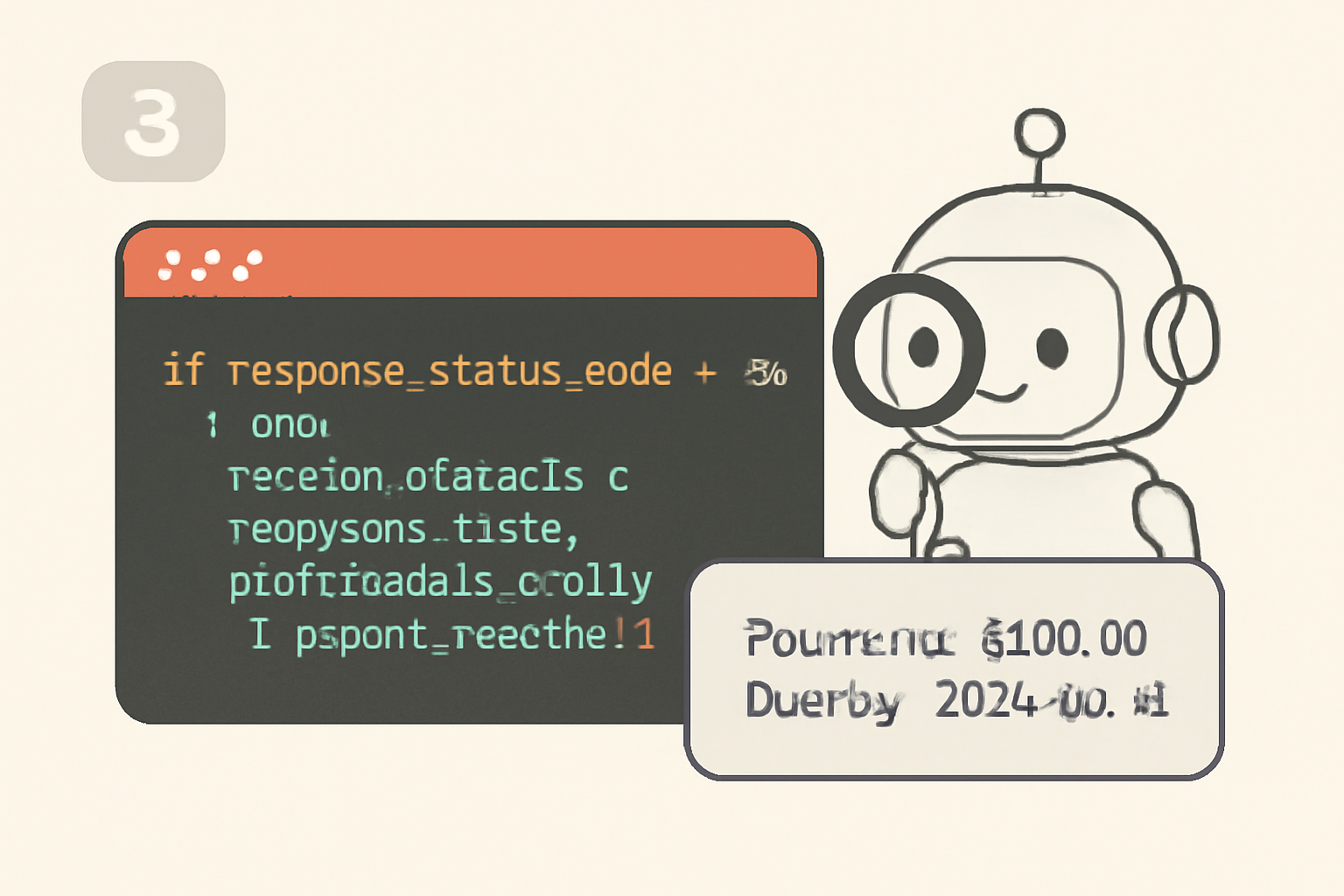
- Payment Discovery: The requesting agent hits an endpoint for a paid resource (think: API call or file download). Instead of a generic error or redirect, the server responds with HTTP 402, containing a JSON payload that details the price in USDC (or another supported stablecoin), accepted tokens, and where/how to pay.
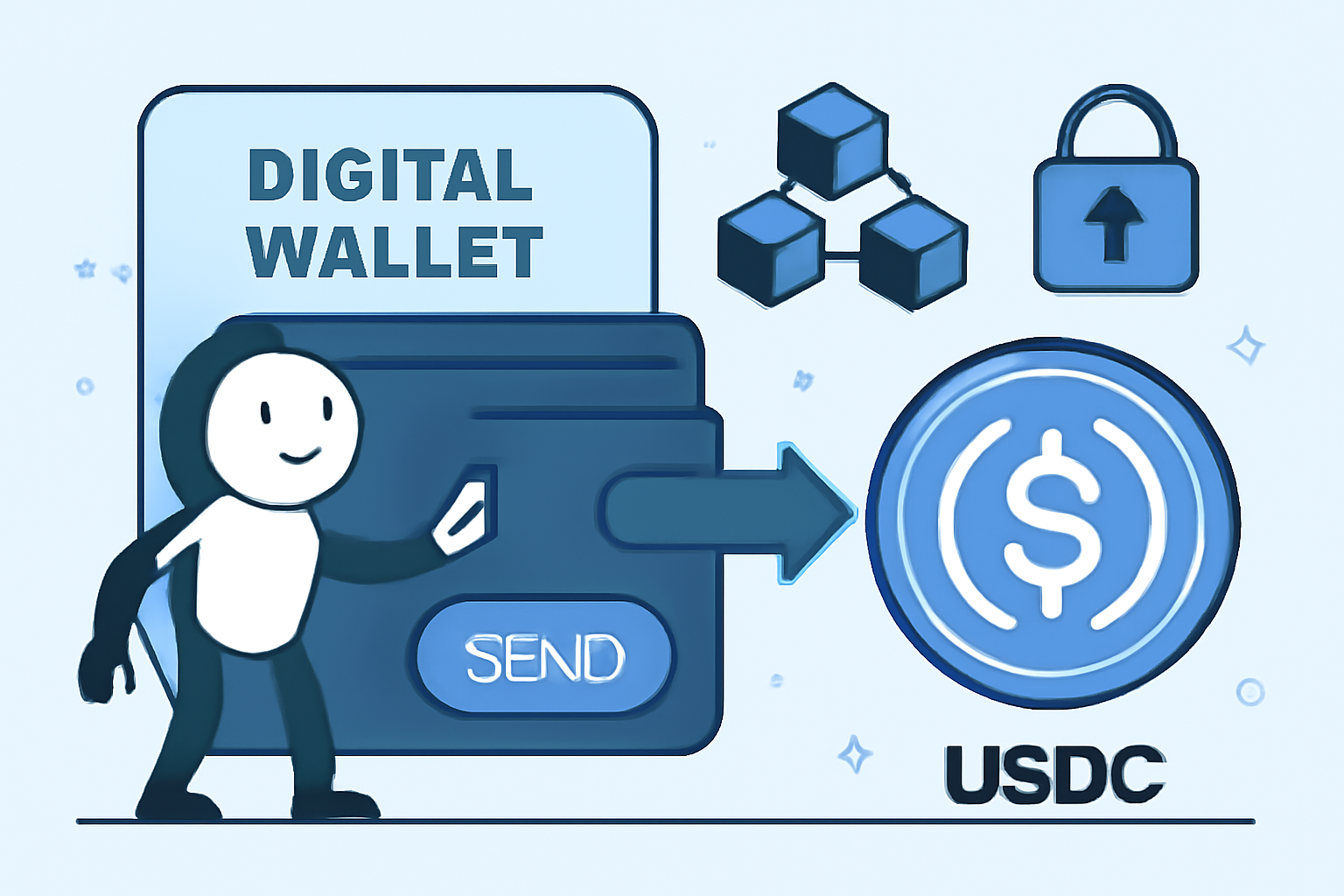
- Automated Payment Creation: The agent parses this response and uses its integrated wallet (like Circle Wallet or Coinbase Commerce) to generate a blockchain transaction matching those terms.
- Verification and Settlement: Once payment is settled on-chain, and cryptographically verified, the server grants access by returning a standard HTTP 200 response along with the requested resource.
This workflow enables true end-to-end automation: No humans in the loop, no manual invoice reconciliation, just pure programmable money at internet speed.
x402 Integration Guide: Getting Your Agents Ready for Crypto Micropayments
You don’t need to be a blockchain wizard to get started. Here’s how you can quickly integrate the protocol into your stack:
Integrate x402 Payment Intents Into Your AI Agent Workflow

If you want more technical depth, including code samples and implementation tips, the official Coinbase developer docs are gold (deep dive here). But even at a high level, you’ll see why so many builders are excited about this shift toward HTTP-native payments for AI-driven systems.
One of the most exciting aspects of x402 is how it enables pay-per-use and granular billing models that simply weren’t practical before. Instead of locking users (or agents) into subscriptions or requiring upfront deposits, your agent can pay for exactly what it consumes, whether that’s API calls, compute cycles, or digital content. This flexibility unlocks new revenue streams for API providers and gives AI developers a toolkit for building smarter, more autonomous systems.
Security is another key win. Every transaction is cryptographically signed and settled on-chain, creating an immutable audit trail. This not only reduces fraud but also streamlines compliance and dispute resolution. By leveraging stablecoins like USDC, x402 ensures price stability, no nasty surprises from sudden market swings when your agent pays for mission-critical services.
Real-World Applications: What’s Possible with Agent-to-Agent Stablecoin Payments?
The use cases are exploding as more devs get their hands dirty with x402 integration:
- Autonomous Data Marketplaces: Agents can buy and sell data sets or real-time feeds without human intervention.
- Pay-Per-Request APIs: No more API keys or monthly minimums, agents pay per call, unlocking new business models for SaaS providers.
- AI-as-a-Service: Deploy AI models that charge per inference or task completed, with instant settlement in stablecoins.
- IoT Device Coordination: Connected devices can negotiate and settle payments autonomously for bandwidth, power, or shared resources.
If you’re ready to experiment with your own agentic payment flows, check out the Shinkai integration guide, which details how to combine crypto wallets with the x402 protocol for seamless machine-to-machine commerce. The Coinbase developer docs are also a must-read for anyone serious about building production-grade integrations (see here).
Best Practices and Gotchas
- Wallet Management: Use custodial solutions like Circle Wallets if you want easy key management; opt for self-custody if you need maximum control.
- Error Handling: Always code robustly against failed payments or network hiccups, retry logic is your friend!
- Compliance: Even if everything’s automated, keep an eye on KYC/AML requirements depending on your region and transaction sizes.
If you want your AI agents to truly operate independently in the wild, mastering HTTP-native payments is non-negotiable. With x402 Payment Intents Protocol, we’re finally seeing crypto live up to its promise as programmable money, for humans and machines alike.




No comments yet. Be the first to share your thoughts!