


As of March 2026, Algorand stands at the forefront of agentic commerce x402, with its price holding steady at $0.0904 after a modest 24-hour gain of and $0.001320 ( and 0.0149%). This stability underscores the chain’s reliability for high-frequency transactions, particularly with the full integration of Coinbase’s x402 payment intents. Developers now have a battle-tested platform to launch pay-per-API services that AI agents and machines can access seamlessly, leveraging the HTTP 402 Payment Required status code for micropayments as low as fractions of a cent.

The surge in x402 transaction volumes, up over 10,000% in late 2025, signals a tipping point. No longer confined to clunky fiat gateways or slow blockchains, APIs can now demand instant stablecoin payments directly over HTTP. Algorand’s architecture amplifies this: sub-cent fees, atomic payment grouping, and instant finality make x402 micropayments Algorand not just viable, but superior for real-world deployment. I’ve advised institutions on currency risks for over a decade; this setup minimizes volatility exposure while maximizing throughput.
x402 uses HTTP 402 Payment Required to enable pay-per-use access to APIs, data, and digital resources, unlocking micropayments and autonomous commerce.
Why Algorand Dominates x402 Algorand Integration
Algorand’s edge lies in its pure proof-of-stake consensus, delivering 6,000 transactions per second with finality in under 3 seconds. Contrast that with legacy networks bogged down by congestion; here, your pay per api Algorand service hums along uninterrupted. The recent spec merge cements this: native support for complex instructions like batched payments suits agentic workflows perfectly. Coinbase’s x402 Facilitator simplifies verification, funneling funds straight to your account while Algorand handles settlement.
Consider the economics. At $0.0904 per ALGO, network costs remain negligible, even for thousands of API calls daily. This democratizes monetization for indie devs and enterprises alike. Traditional payment processors charge 2-3% plus fixed fees; x402 on Algorand slashes that to near-zero, fostering an explosion in machine-to-machine economies.
Core Mechanics of HTTP Payment Protocol Algorand
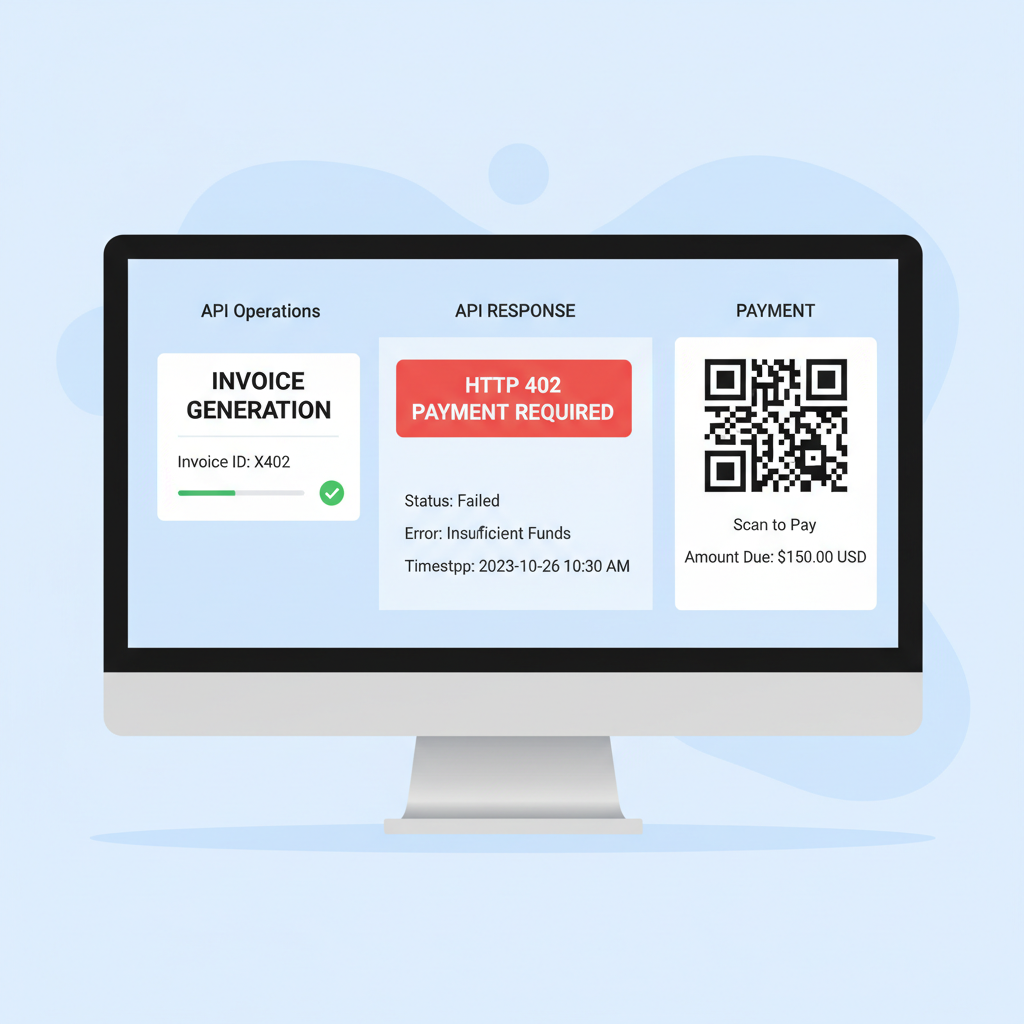
At its heart, x402 reimagines HTTP responses. When an agent hits your endpoint, it receives a 402 with payment details in the WWW-Authenticate header: amount, currency (say, USDC), and a unique invoice. The agent settles via Algorand’s ASA (Algorand Standard Assets) for stablecoins, triggering atomic confirmation. No intermediaries, no delays.
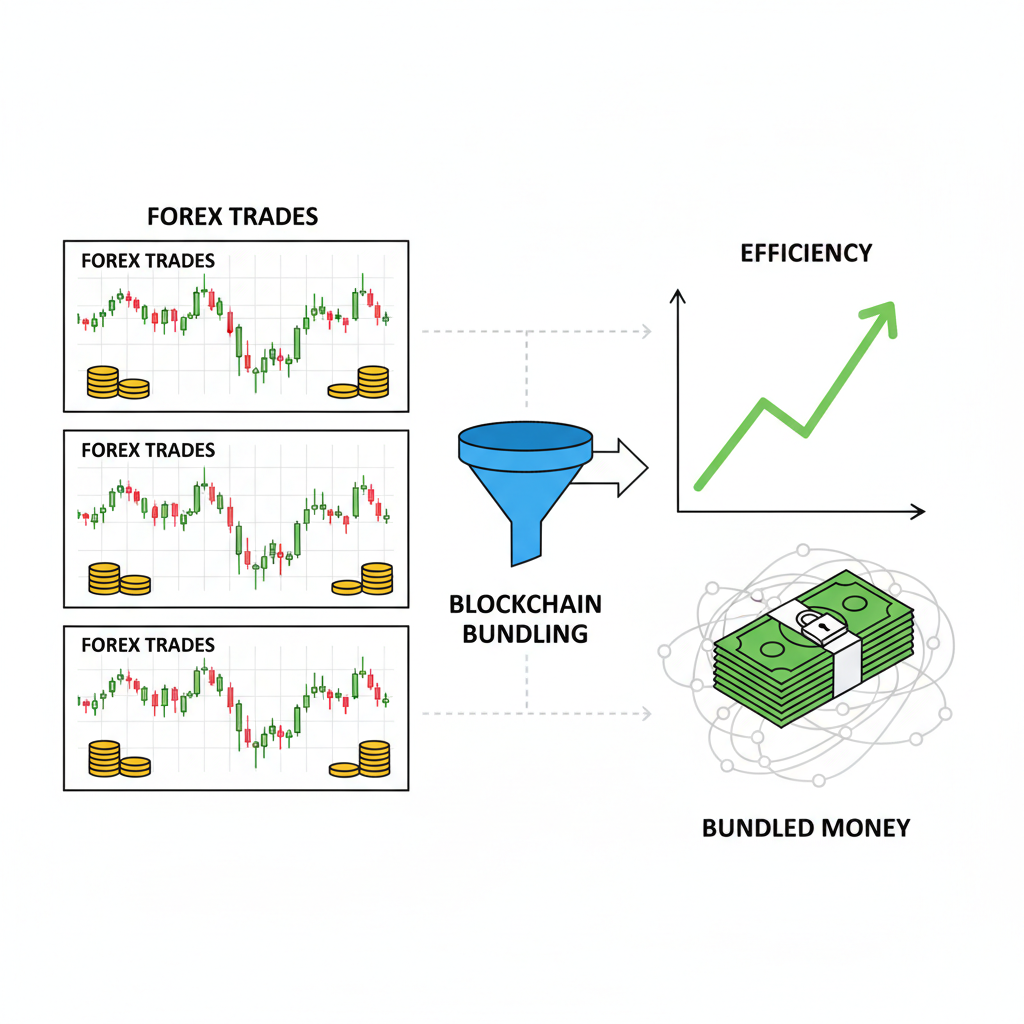
Algorand’s atomic grouping shines here. Bundle multiple API calls into one transaction, reducing overhead. For pay-per-use models, this means agents pay precisely for value consumed, audited on-chain. Tools like 1Pay. ing provide wallets tuned for these flows, integrating effortlessly.
Algorand (ALGO) Price Prediction 2027-2032
Forecasts based on x402 adoption for pay-per-API services, micropayments, and agentic commerce; baseline March 2026 price: $0.0904
| Year | Minimum Price (USD) | Average Price (USD) | Maximum Price (USD) | Est. YoY % Change (Avg from Prior Year) |
|---|---|---|---|---|
| 2027 | $0.07 | $0.15 | $0.25 | +67% |
| 2028 | $0.10 | $0.30 | $0.55 | +100% |
| 2029 | $0.18 | $0.50 | $1.05 | +67% |
| 2030 | $0.28 | $0.85 | $1.80 | +70% |
| 2031 | $0.40 | $1.35 | $2.60 | +59% |
| 2032 | $0.65 | $2.15 | $4.20 | +59% |
Price Prediction Summary
Algorand is set for robust growth due to full x402 integration, enabling low-fee, instant micropayments for APIs and AI agents. Transaction volumes have surged 10,000%, supporting average price projections from $0.15 in 2027 to $2.15 by 2032, with bullish maxima reaching $4.20 amid market cycles and adoption.
Key Factors Affecting Algorand Price
- x402 protocol adoption driving micropayments and agentic commerce
- 10,000% surge in transaction volumes from late 2025
- Algorand’s low fees, instant finality, and high throughput
- Crypto bull market cycles post-2026
- Regulatory clarity for stablecoin and HTTP-native payments
- Technological upgrades and developer ecosystem growth (e.g., 1Pay.ing)
- Competition from other L1s and overall market cap expansion
Disclaimer: Cryptocurrency price predictions are speculative and based on current market analysis.
Actual prices may vary significantly due to market volatility, regulatory changes, and other factors.
Always do your own research before making investment decisions.
Security is non-negotiable. Algorand’s quantum-resistant signatures and developer-friendly SDKs ensure robust implementations. I’ve seen markets punish sloppy risk management; x402 enforces discipline by design, with every payment verifiable and final.
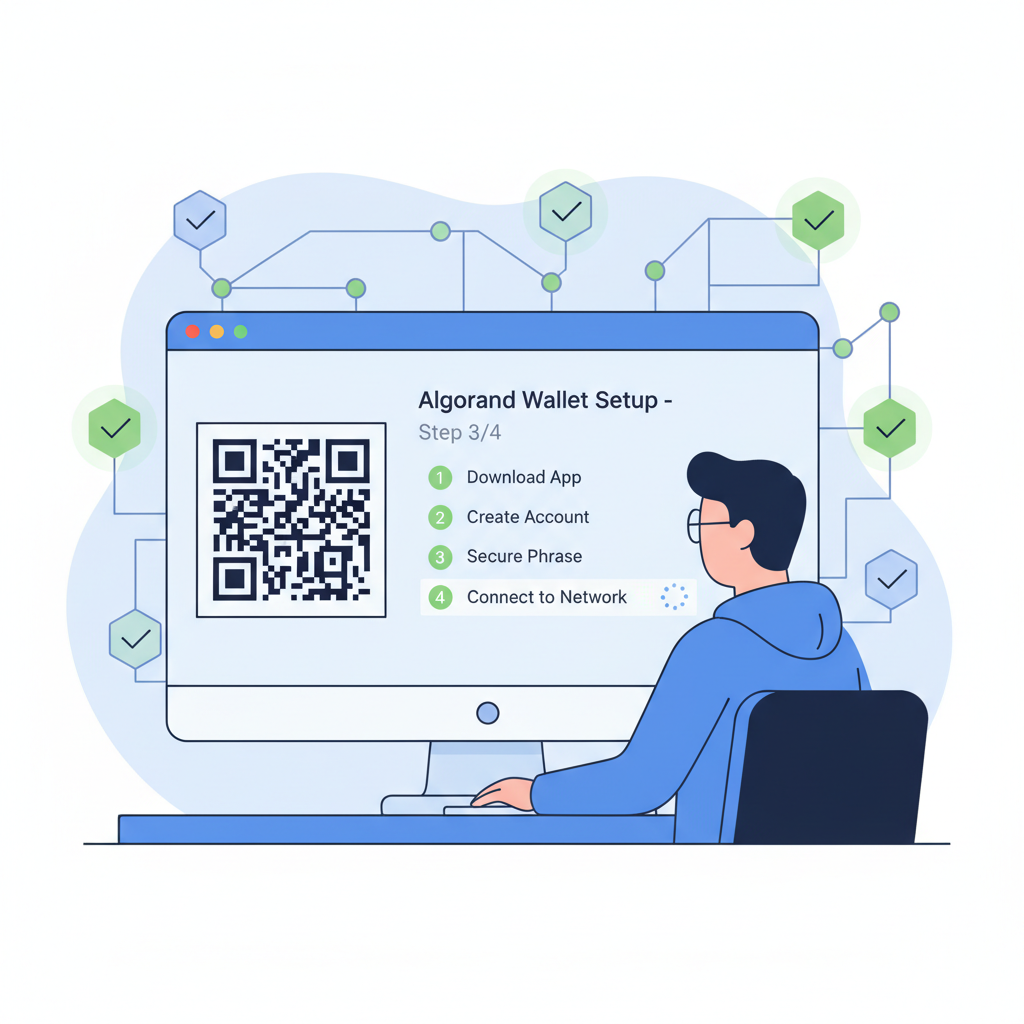
Provisioning Your First x402 Endpoint
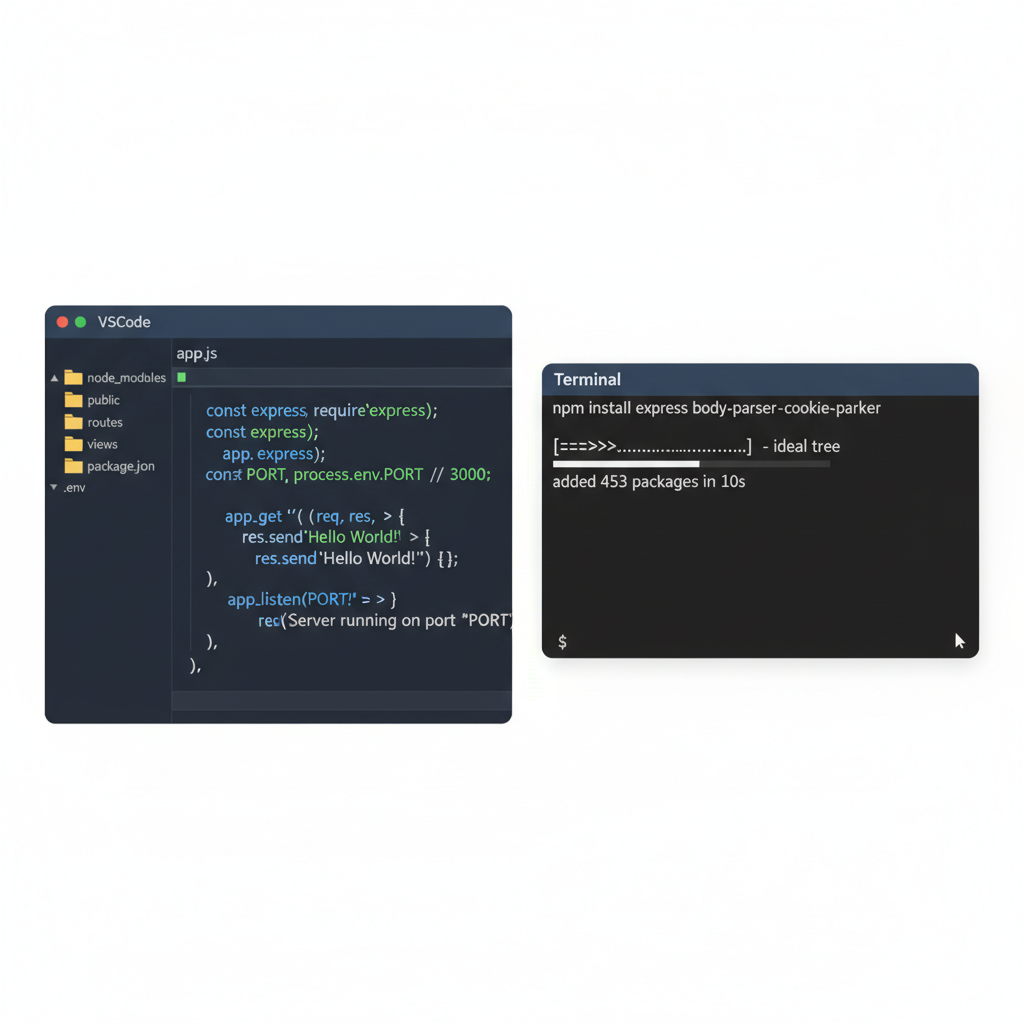
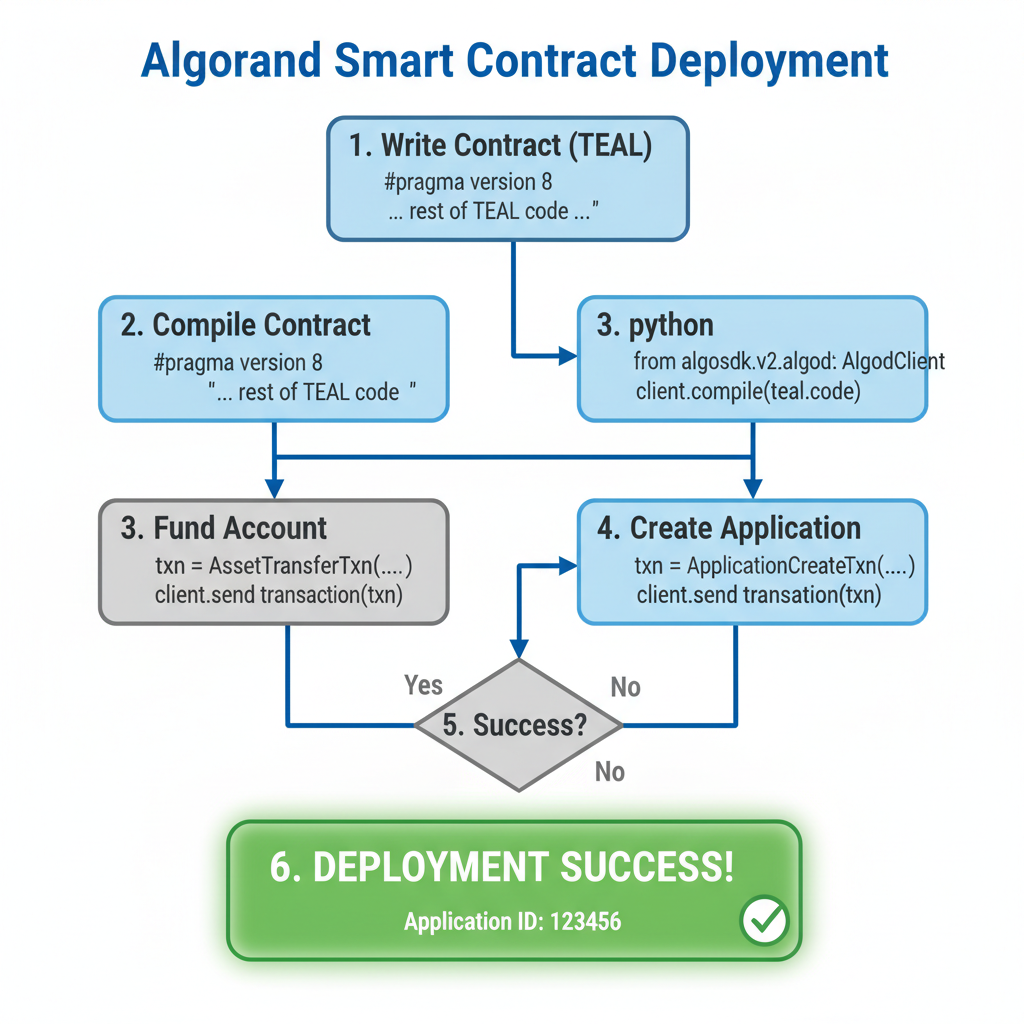
Begin with Algorand’s developer portal. Install the algod SDK via npm: npm install algosdk. Generate a root keypair for your service account, fund it with ALGO at $0.0904 equivalent for fees. Next, deploy a smart contract for payment verification using TEAL or PyTeal. This contract escrows funds until API delivery, releasing on success.
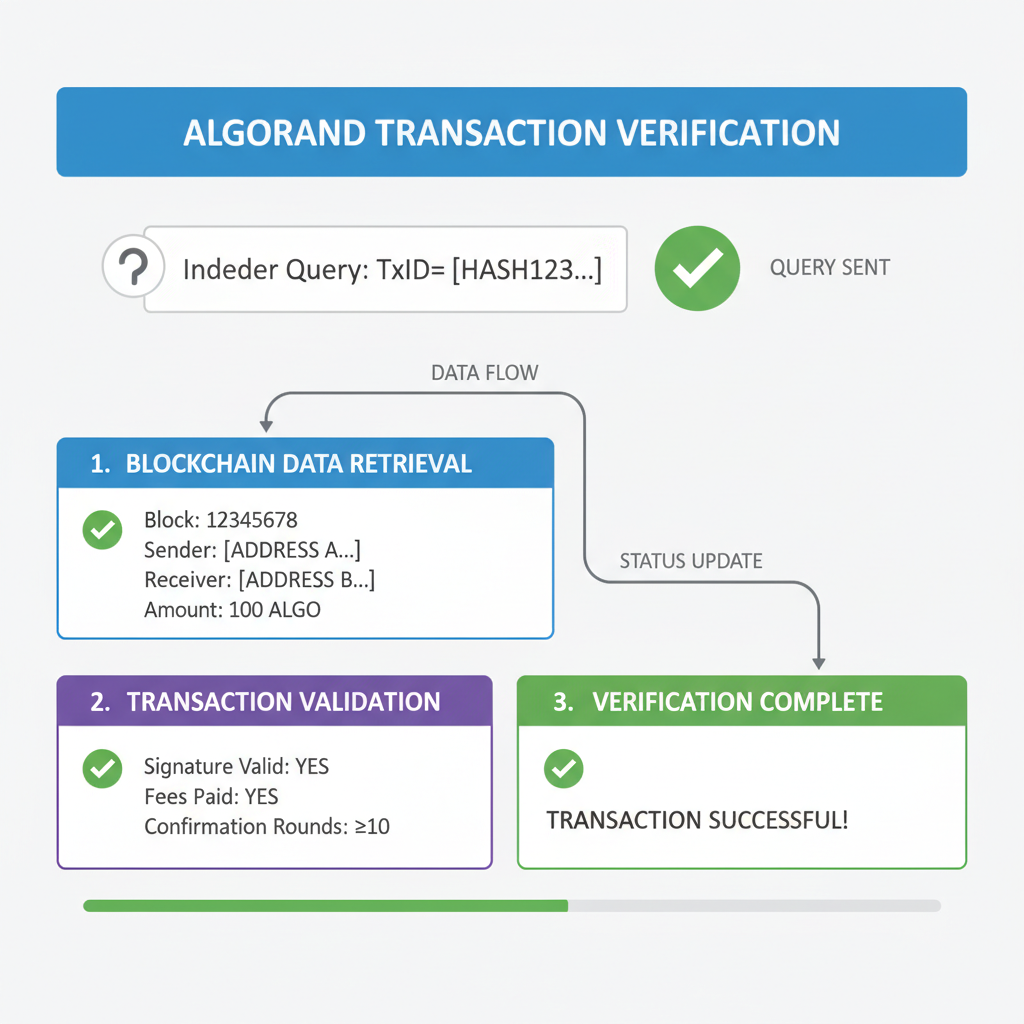
import algosdk client = algosdk. algod. AlgodClient(. . . ) # Create ASA for your stablecoin params = client. suggested_params() txn = algosdk. transaction. AssetCreateTxn(. . . )Wrap your API in an Express middleware that checks for 402 responses. On unauthorized access, return the payment challenge. Post-payment, validate the transaction ID against Algorand’s indexer. For deeper integration with decentralized apps, explore advanced Coinbase x402 techniques.
Test on TestNet first: simulate agent calls with curl, confirming instant settlement. Scale to MainNet, monitoring via Coinbase’s dashboard. This foundation positions your service for the agentic wave.
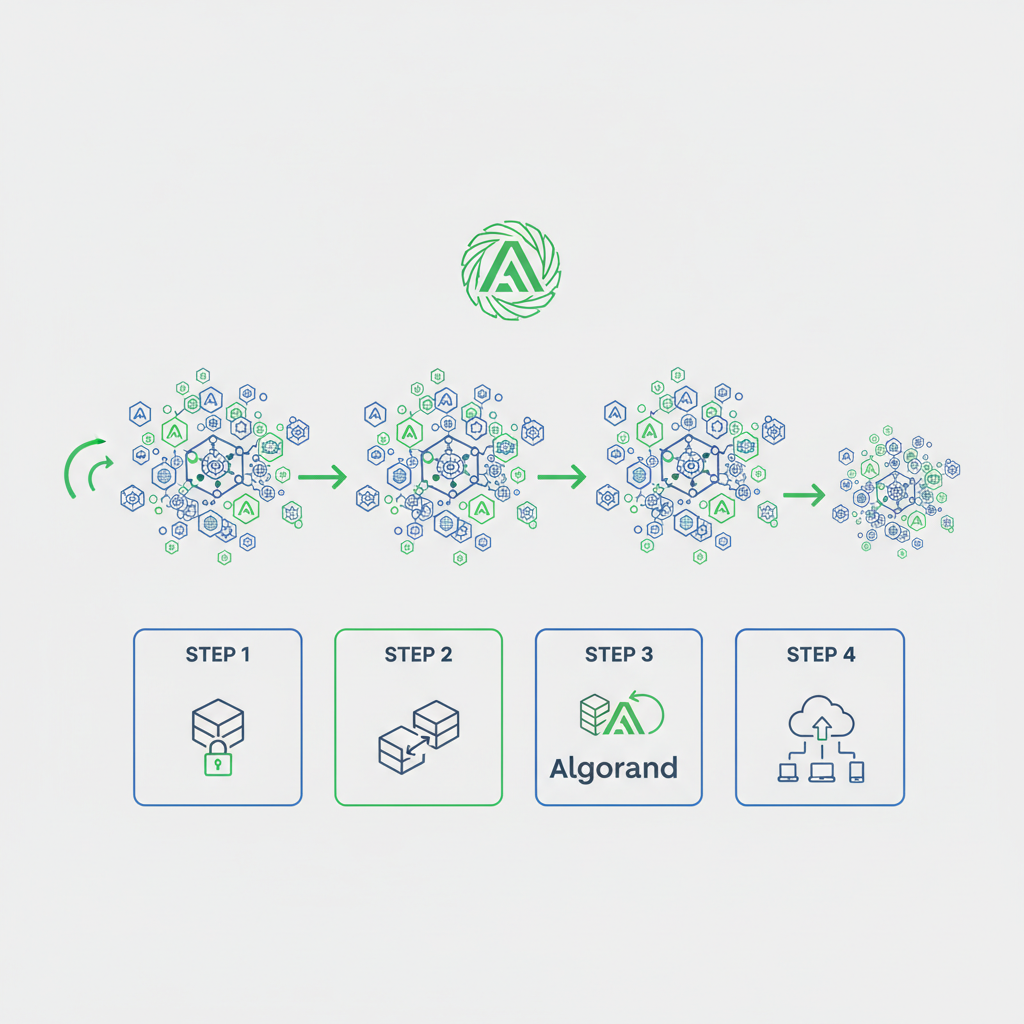
Real-world deployment demands more than basics. Agents won’t wait for manual confirmations; your endpoint must automate everything. Integrate Coinbase’s x402 Facilitator to handle verification off-chain while Algorand settles on-chain. This hybrid approach cuts latency, vital for agentic commerce x402 where milliseconds count.
Let’s dissect a production-ready flow. An AI agent queries your weather API. It hits /api/forecast, receives HTTP 402 with USDC invoice on Algorand. The agent signs a transaction via 1Pay. ing wallet, broadcasts to Algorand. Your server polls the indexer; on confirmation (under 3 seconds), serves data. Fees? Pennies at $0.0904 ALGO levels.
Build Scalable Pay-Per-API Services: Algorand X402 Guide
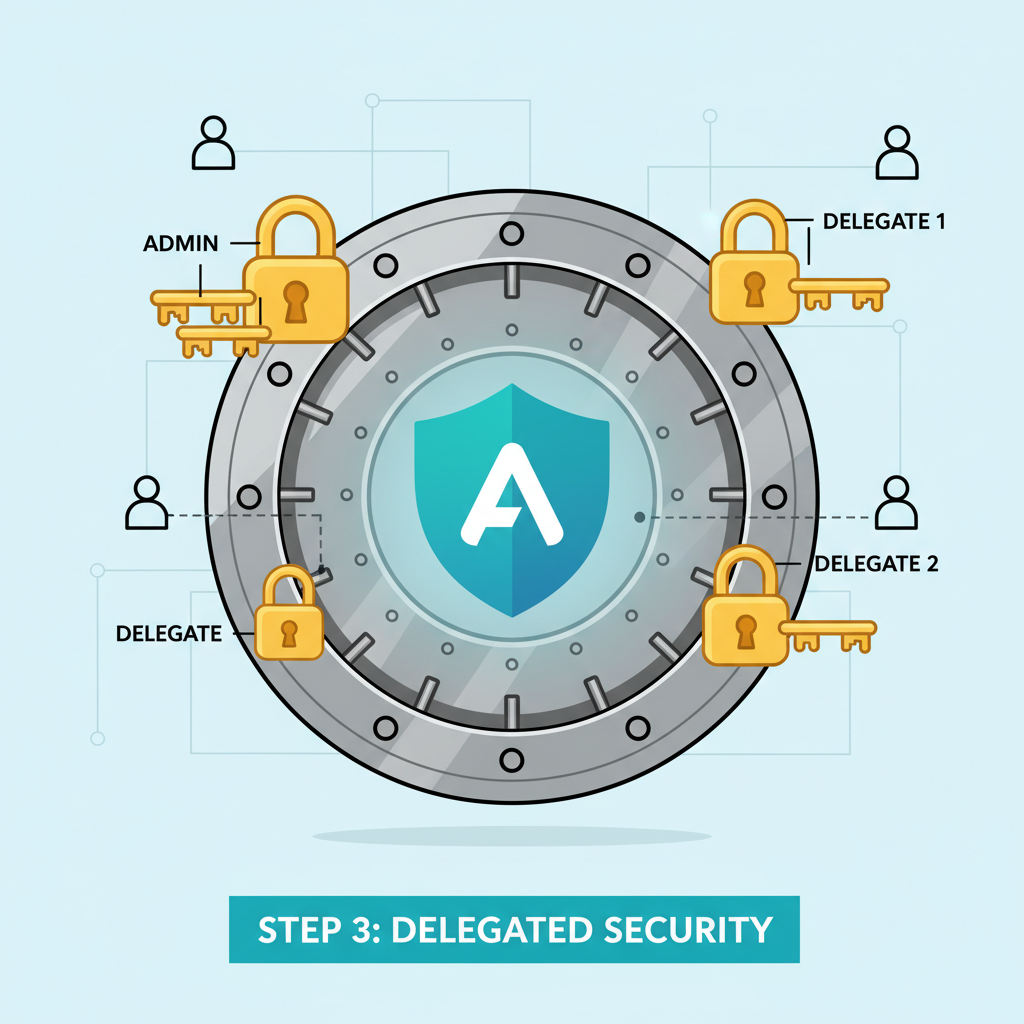
Security layers matter. Use Algorand’s account delegation for agent wallets, minimizing key exposure. Rate-limit unauthenticated calls to thwart abuse. In my macro analysis, overlooked tails risks sink strategies; here, quantum-resistant PURE PoS and ASA standards fortify against them.

Case in point: imagine a data oracle charging per query. At current volumes post-10,000% surge, Algorand processes millions daily without flinching. ALGO at $0.0904 absorbs fee spikes effortlessly, its 24-hour range ($0.0886-$0.0916) a testament to resilience amid crypto’s storms.
Optimization tip: leverage Algorand’s AVM 10 for custom logic in contracts. Escrow funds, time-lock refunds, even revenue shares with collaborators. This flexibility outpaces rigid Ethereum L2s, positioning x402 Algorand integration as the gold standard for pay per api Algorand.
Monitoring tools round it out. Pera Wallet dashboards track inflows; Coinbase analytics dissect agent behaviors. Adjust pricing dynamically: surge during peaks, discount for loyal callers. Over 11 years trading currencies, I’ve learned adaptability wins; x402 codifies it on-chain.
Challenges persist. Wallet adoption lags, but 1Pay. ing bridges that with seamless HTTP flows. Regulatory clarity on stablecoins aids, yet vigilance on KYC for high-value streams is prudent. Still, the upside dwarfs hurdles: a world where APIs self-monetize, agents roam freely, Algorand settles flawlessly.
Deploy today, capture tomorrow’s agent economy. With ALGO steady at $0.0904 and x402 volumes exploding, coinbase x402 payment intents on Algorand aren’t hype, they’re infrastructure. Builders who grasp http payment protocol algorand mechanics now lead the pack.
About the Author