
Set your 402a contribution limits
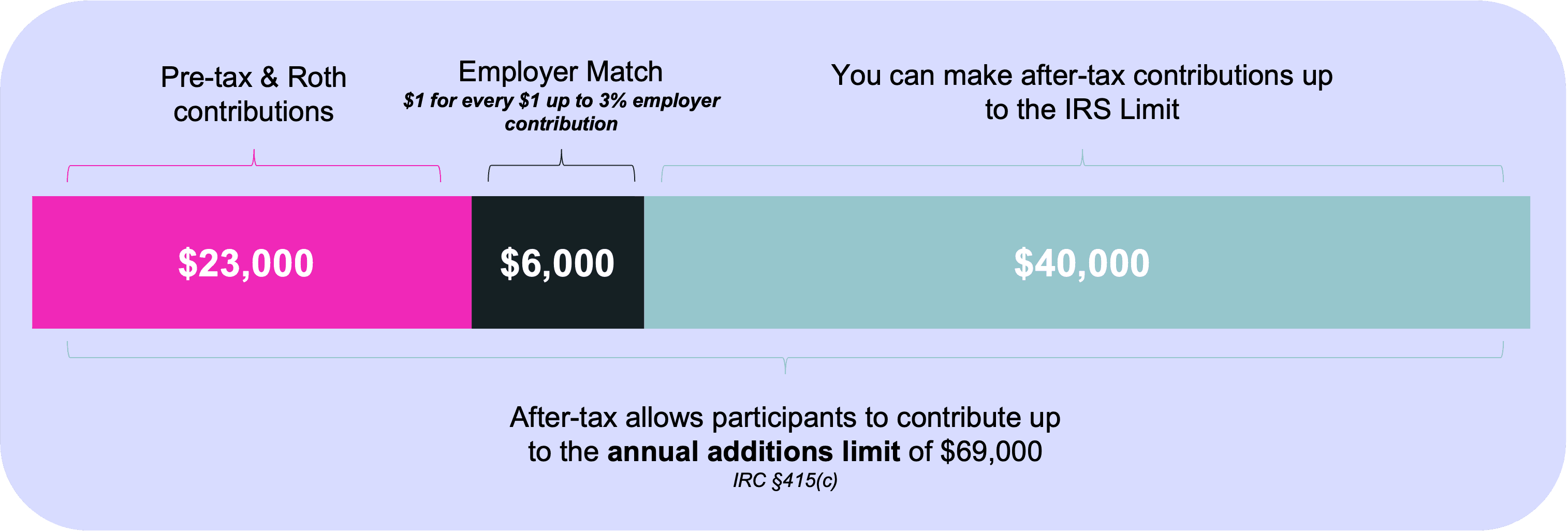
The Internal Revenue Service adjusts retirement plan caps annually to account for inflation. For 2026, the elective deferral limit for 401(k) and 402(a) plans has increased to $24,500 for employees under age 50. This figure represents the maximum pre-tax or Roth amount you can contribute from your paycheck before taxes.
If you are 50 or older, the IRS allows an additional catch-up contribution of $7,500, bringing your total elective deferral limit to $32,500. These limits apply to the aggregate of all your deferrals into 401(k), 402(a), 403(b), and most 457(b) plans. Contributions exceeding these thresholds are subject to excise taxes, so accurate payroll tracking is essential.
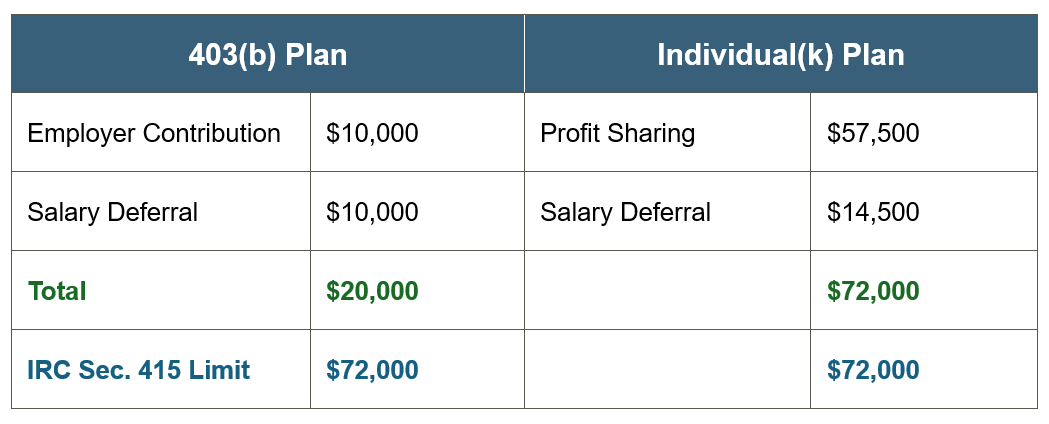
Employer contributions, such as profit-sharing or matching funds, operate under a separate combined limit. For 2026, the total contribution limit (Section 415(c))—which includes employee deferrals, employer contributions, and any forfeitures—has risen to $72,000. For those aged 50 or older, this combined ceiling increases to $79,500 when including the $7,500 catch-up contribution.

Understanding these boundaries helps you balance employee savings with employer flexibility. While employee deferrals are capped strictly by IRS rules, employer profit-sharing contributions can vary based on company performance, provided the total does not exceed the $72,000 (or $79,500) combined limit. Always verify specific plan documents, as some employers may impose lower internal caps than the federal maximums.
For official reference, consult the IRS Retirement Topics page for the complete 2026 contribution limit tables.
Structure your employer match strategy
Designing the right employer match for your 402a plan requires balancing tax efficiency with employee retention. The structure you choose dictates how quickly you can deduct contributions and whether the plan passes nondiscrimination testing.
Most employers choose between a discretionary match, which varies based on profitability, and a safe harbor match, which guarantees a contribution to all eligible employees. The safe harbor route is often preferred for smaller companies or those with high-earner-heavy workforces because it bypasses complex annual testing.
Step 1: Assess your workforce compensation mix
Start by analyzing the ratio of highly compensated employees (HCEs) to non-highly compensated employees (NHCEs). If your top earners make up a significant portion of the payroll, a standard discretionary match may fail the Actual Deferral Percentage (ADP) test, forcing refunds to lower-paid staff.
If the HCE percentage is high, a safe harbor match is the safer path. It automatically satisfies nondiscrimination requirements, allowing you to maximize tax deductions for executive contributions without administrative penalties.
Step 2: Choose your match formula
For a safe harbor plan, you must pick one of two IRS-approved formulas. The Basic Safe Harbor requires a 100% match on the first 3% of compensation and a 50% match on the next 2% (effectively 4% total). The Quick Match requires a 100% match on the first 4% of compensation.
The Quick Match is more expensive for the employer but reduces the administrative burden of calculating catch-up contributions and excess deferrals. If cash flow is tight, the Basic Safe Harbor allows you to contribute less to lower-paid employees while still matching the HCEs.
Step 3: Align with 2026 contribution limits
Ensure your match design accounts for the 2026 IRC Section 401(a)(17) compensation limit, which has increased to $360,000. This cap means employers only need to calculate matches on the first $360,000 of each employee’s pay. For high earners making above this threshold, the match effectively caps, keeping your liability predictable.
Step 4: Document the plan amendment
Once you select your strategy, update your 402a plan document. Safe harbor plans require specific notice to be sent to employees at least 30 days before the plan year begins. Failure to provide this notice can disqualify the safe harbor status, exposing you to nondiscrimination testing risks.
Step 5: Monitor quarterly contributions
Unlike discretionary matches, safe harbor contributions must be made on a timely basis. IRS rules generally require these contributions to be deposited no later than the last day of the quarter following the employee’s pay period. Set up automated transfers to avoid late deposit penalties.
Step 6: Review annual compliance testing
Even with a safe harbor design, you must still file Form 5500 and ensure the plan remains qualified. Review the results annually to confirm that the match structure continues to align with your tax goals and employee expectations.
Avoid common 402a compliance errors
Compliance mistakes in a 402a plan rarely stay small. A missed deposit deadline or a miscalculated excess deferral can trigger immediate penalties or, in severe cases, threaten the entire plan’s tax-advantaged status. For employers, the difference between a compliant year and a costly correction often comes down to strict adherence to IRS deadlines and accurate tracking of employee deferrals.
The most frequent error involves missing the deposit window. IRS regulations require that employee elective deferrals be deposited into the plan as soon as they can be reasonably segregated from the employer’s general assets. In practice, this almost always means within a few business days of payroll withholding. Waiting until the end of the month or even the quarter is a common but dangerous mistake. The Department of Labor provides specific guidance on these timing requirements, emphasizing that "as soon as" is the legal standard, not a convenient administrative schedule.
Another critical pitfall is miscalculating excess deferrals. If an employee contributes more than the annual limit—$24,500 in 2026 for those under 50, or $32,500 for those 50 and over—the excess amount must be corrected. If not withdrawn by April 15 of the following year, the excess is taxed twice: once when distributed and again when it remains in the plan. This double taxation is a significant financial burden that can be easily avoided with proper monitoring.
Employers should also watch for failures in the Actual Deferral Percentage (ADP) test. This test ensures that highly compensated employees do not defer disproportionately more than non-highly compensated employees. If the plan fails this test, excess contributions from high earners must be distributed or corrected, often requiring complex recalculation and potential refunds. Regular testing and proactive communication with a plan administrator can prevent these end-of-year scrambles.
Finally, ensure that catch-up contributions for employees aged 60 and older are tracked correctly. Starting in 2026, special higher limits apply to this demographic. Misclassifying these contributions or failing to track them separately can lead to compliance failures. Keeping detailed records of each employee’s deferral type and amount is the best defense against these common errors.
Verify your 2026 plan documents
402a plans works best as a clear sequence: define the constraint, compare the realistic options, test the tradeoff, and choose the path with the fewest hidden costs. That order keeps the advice usable instead of decorative. After each step, pause long enough to check whether the recommendation still fits the reader's actual situation. If it depends on perfect timing, unusual access, or a best-case budget, include a simpler fallback.
No comments yet. Be the first to share your thoughts!