
zero-party data 2026 budget
Zero-party data is information a customer intentionally and proactively shares with a brand: preferences, intents, goals, and how they want to be recognized (RevenueHunt, 2026). Unlike first-party data, which is inferred from behavior like clicks or page views, zero-party data is explicit. A user selecting preferred content topics, customizing a product online, or providing dietary preferences for a meal delivery service are all examples of zero-party data in action. The "zero" refers to the lack of steps between you and the data source; the customer offers it directly.
In 2026, this explicit data has become a powerful engine for AI agents. These agents can now use stated preferences to autonomously personalize experiences in real time, reducing the guesswork that often plagues marketing automation. The tradeoff is clear: while first-party data tells you what a customer did, zero-party data tells you why they did it. This distinction allows brands to build loyalty through relevance rather than just retention through frequency.
| Feature | Zero-Party Data | First-Party Data |
|---|---|---|
| Source | Explicitly shared by user | Observed behavior |
| Accuracy | High (stated intent) | Medium (inferred intent) |
| Privacy Risk | Low (consent-based) | Medium (tracking-based) |
| Use Case | Personalization, product dev | Retargeting, analytics |
The decision to invest in zero-party data collection depends on your brand's maturity. If you are just starting to build a privacy-first strategy, focus on simple preference centers and interactive quizzes. These tools not only gather valuable data but also engage customers in a way that passive tracking never could. As AI agents become more sophisticated, the quality of this explicit data will determine the quality of the automated experiences you deliver.
Shortlist real options
Use this section to make the zero-party data platform decision easier to compare in real life, not just on paper. Start with the reader's actual constraint, then separate must-have requirements from details that are merely nice to have. A practical choice should survive normal use, maintenance, timing, and budget. If a recommendation only works in an ideal situation, call that out plainly and give the reader a fallback path.
| Factor | What to check | Why it matters |
|---|---|---|
| Fit | Match the option to the primary use case. | A good deal still fails if it does not fit the job. |
| Condition | Verify API limits, data retention policies, and integration depth. | Hidden technical constraints erase upfront savings. |
| Cost | Compare license fees with likely integration and maintenance costs. | The cheapest option is not always the lowest-cost option. |
Inspect the expensive parts
Use this section to make the zero-party data platform decision easier to compare in real life, not just on paper. Start with the reader's actual constraint, then separate must-have requirements from details that are merely nice to have. A practical choice should survive normal use, maintenance, timing, and budget. If a recommendation only works in an ideal situation, call that out plainly and give the reader a fallback path.
-
Verify the basicsConfirm the core specs, data mapping capabilities, and fit before comparing extras.
-
Price the downsideLook for the integration, maintenance, or staff training cost that would change the decision.
-
Compare alternativesCheck at least two comparable platforms before treating one listing as the benchmark.
Plan for Ownership Costs
Buying a zero-party data platform is rarely a one-time expense. The sticker price covers the license, but the real cost comes from maintenance, integration, and the staff required to keep the system useful. If you treat zero-party data as a set-and-forget tool, you will likely see your ROI vanish within six months.
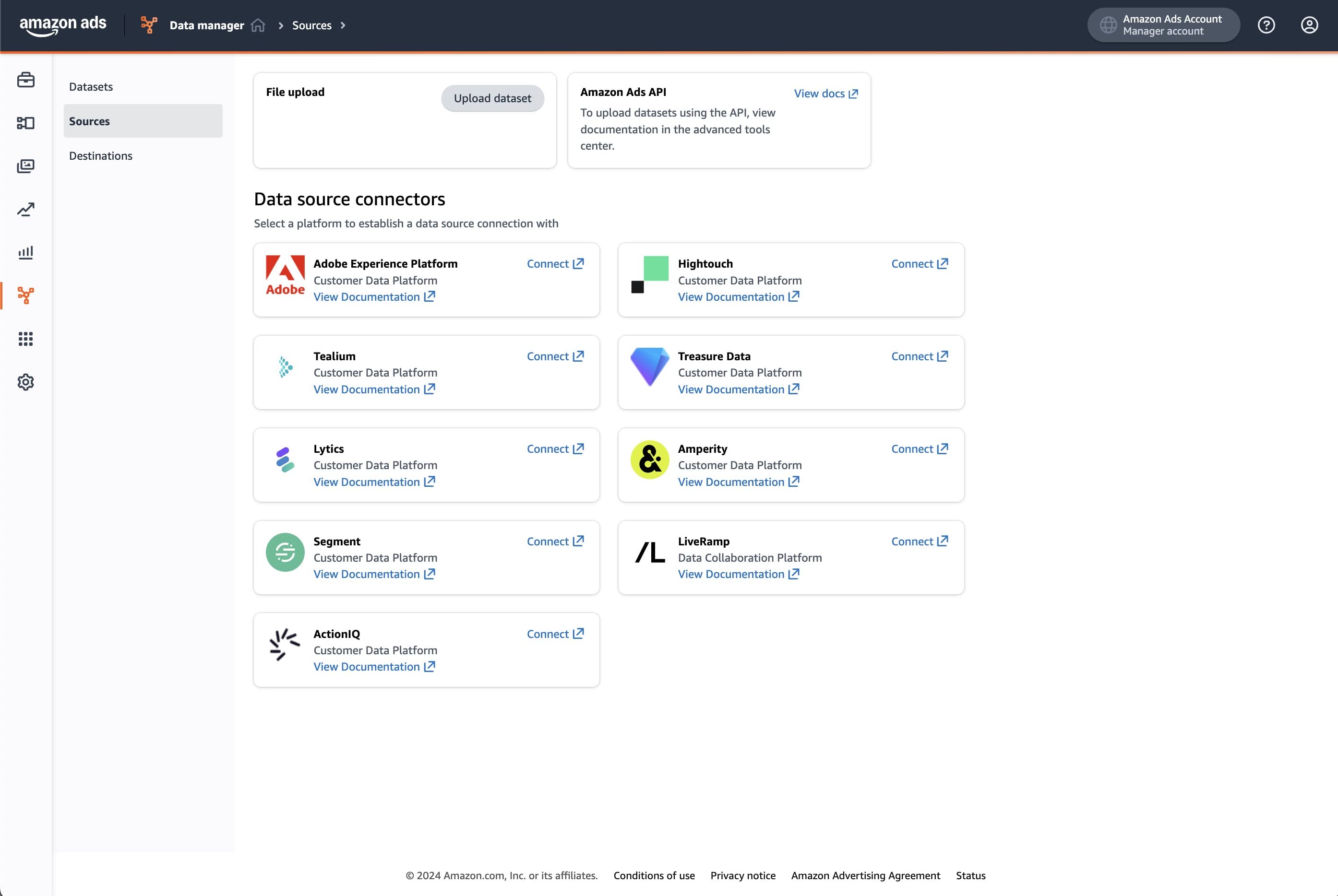
The biggest surprise for most teams is the hidden labor involved in data hygiene. Zero-party data relies on explicit customer input—preferences, intents, and goals shared voluntarily. Unlike first-party data, which accumulates passively, zero-party data requires constant validation and refresh. If a customer changes their dietary preferences or stops engaging with your content, your system must reflect that shift immediately. Otherwise, your personalization engines will serve outdated offers, eroding trust.
When a Cheap Buy Stops Being Cheap
Low-cost entry points often lack the robustness needed for seamless AI integration. In 2026, AI agents use zero-party data to autonomously personalize experiences. If your platform cannot handle real-time edge processing or clean data structures, your AI will make poor decisions. You will end up paying for manual fixes, developer hours, and lost conversions.
Consider the total cost of ownership over three years. A cheaper platform might save you upfront, but if it requires custom coding to integrate with your existing CRM or e-commerce stack, those development costs add up quickly. Conversely, a higher-tier platform with native integrations and automated data validation may have a higher monthly fee but lower long-term overhead.
Tradeoffs by Use Case
| Use Case | Low-Cost Platform Risk | High-Cost Platform Benefit |
|---|---|---|
| Small Business | Manual data entry becomes a bottleneck. | Automated preference updates save time. |
| Enterprise | Integration delays slow down AI personalization. | Native APIs ensure real-time data flow. |
| High-Volume E-commerce | Data decay leads to irrelevant offers. | Continuous validation maintains accuracy. |
Decision: Choose for Scalability
If you are just starting, a basic platform might suffice. But if you plan to scale, prioritize platforms that offer strong API support and automated data management. The goal is to reduce the friction between customer input and personalized output. The more seamless this process, the higher your return on investment.

As an Amazon Associate, we may earn from qualifying purchases.
Zero-party data 2026: what to check next
What is an example of zero-party data?
Zero-party data is any information a customer intentionally and proactively shares with you. Common examples include a shopper selecting preferred content topics during onboarding, customizing product preferences in an online quiz, or explicitly stating dietary restrictions for a meal delivery service. Unlike behavioral data, which you infer from actions, this is the "why" behind the purchase, provided directly by the user.
What is the difference between 0-party data and 1st-party data?
The distinction lies in who provides the information. First-party data is information you collect from your own customers' interactions, such as purchase history, site visits, or email open rates. Zero-party data is information a customer intentionally shares with you, such as their preferences, goals, or how they want to be recognized. You observe first-party data; the customer gives you zero-party data.
Why is it called zero-party data?
The term refers to the number of steps between you and the data source. When customers willingly offer their own data directly to your brand without any intermediaries, there are zero steps involved. This direct exchange ensures the data is accurate, current, and given with explicit consent, distinguishing it from second-party (partner-collected) or third-party (brokered) data.
What is big data in 2026?
In 2026, big data has evolved beyond simple volume into a driver of real-time business value. It now encompasses AI-driven analytics copilots and edge processing that allow brands to act on zero-party insights instantly. This shift means data is not just stored for later analysis but is actively used to personalize customer interactions as they happen, making privacy-first strategies a competitive advantage rather than just a compliance requirement.
No comments yet. Be the first to share your thoughts!