
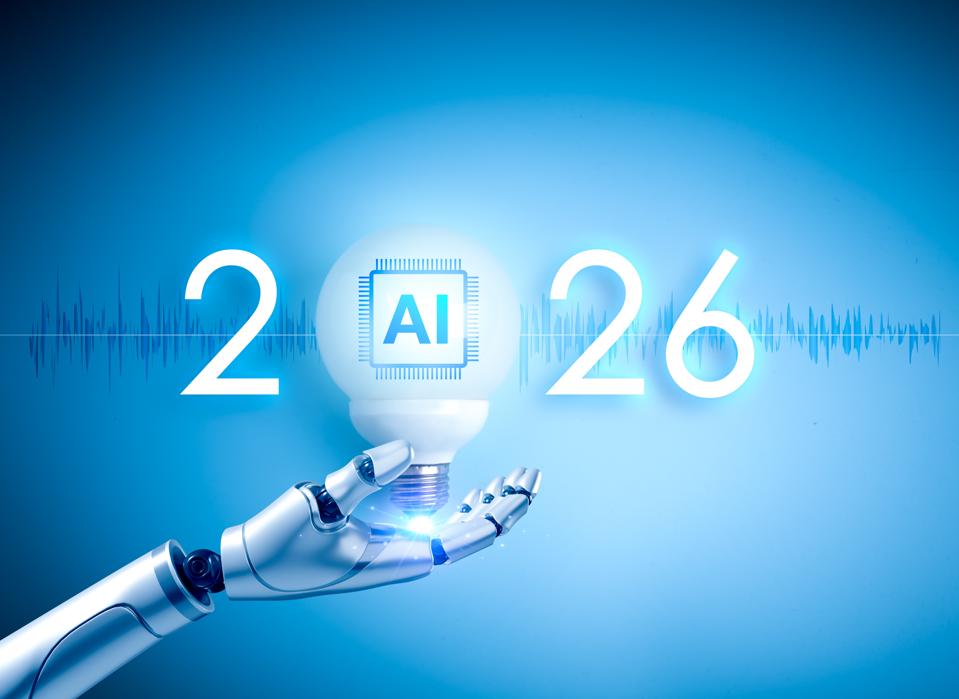
Why 2026 changes the automation game
For years, small business owners have treated AI like a digital intern: a chatbot that waits to be asked a question, then offers a generic answer. That era is ending. In 2026, the technology has shifted from passive assistants to active, agentic workflows that execute tasks without constant supervision.
This shift matters because small businesses don’t have the staff to manage complex AI projects. The new agentic models are designed for resource constraints. Instead of hiring a data scientist to build a custom model, you can deploy pre-built agents that handle specific, repetitive processes like invoice processing, lead qualification, or inventory updates.
The value lies in autonomy. An agentic workflow doesn’t just suggest an email draft; it writes the draft, checks the contact list for accuracy, and schedules the send time. For a small team, this means fewer hours spent on administrative overhead and more time focused on growth strategies that actually move the needle.
5 AI Automation Trends 2026 for Small Business Growth
Small businesses in 2026 are moving past experimental AI to deploy specific automation tools that directly reduce operational overhead. This roundup evaluates concrete products with proven ROI, focusing on practical applications like automated customer support and inventory management rather than abstract concepts.
-

Agentic AI automates customer support workflows
Agentic AI moves beyond simple chatbots by executing complex, multi-step tasks autonomously. Instead of merely answering FAQs, these systems can process refunds, update shipping statuses, and schedule appointments without human intervention. This reduces response times from hours to seconds, allowing small business teams to focus on high-value strategic issues rather than repetitive ticket resolution. -
Vertical AI solutions for niche retail
Generic AI tools often lack the specific context required for niche markets. Vertical AI solutions are trained on industry-specific data, providing tailored insights for sectors like boutique fashion or specialty food. These platforms understand unique regulatory requirements, seasonal trends, and customer preferences, delivering precise recommendations that generic models miss, thereby increasing conversion rates for specialized retailers. -

Embedded AI features in accounting software
Modern accounting platforms now integrate AI directly into their core interfaces, automating transaction categorization and expense tracking. This embedded intelligence learns from user behavior to flag anomalies and predict cash flow gaps before they occur. By removing manual data entry, small business owners gain real-time financial visibility, ensuring accurate bookkeeping and freeing up hours previously spent on administrative reconciliation tasks. -

AI-driven data governance and compliance
As data privacy regulations tighten, AI-driven governance tools automatically classify sensitive information and enforce access controls. These systems monitor data flows in real-time, ensuring compliance with GDPR or CCPA without requiring dedicated legal teams. By automating audit trails and data masking, small businesses mitigate risk significantly, maintaining customer trust while avoiding costly penalties associated with data breaches or non-compliance. -
.webp)
Predictive inventory management with machine learning
Machine learning algorithms analyze historical sales, seasonal trends, and external factors like weather to forecast demand with high precision. This predictive capability prevents both overstocking and stockouts, optimizing cash flow and storage costs. Small businesses can automatically trigger reorders based on predicted depletion rates, ensuring product availability aligns perfectly with customer demand without manual inventory audits.
Best AI tools for small business 2026
The right software turns AI from a buzzword into a paycheck. In 2026, the best tools for small business automation are those that integrate directly into your existing workflow rather than forcing you to learn a new operating system. We have selected platforms that offer tangible ROI, focusing on customer support, content production, and operational efficiency.
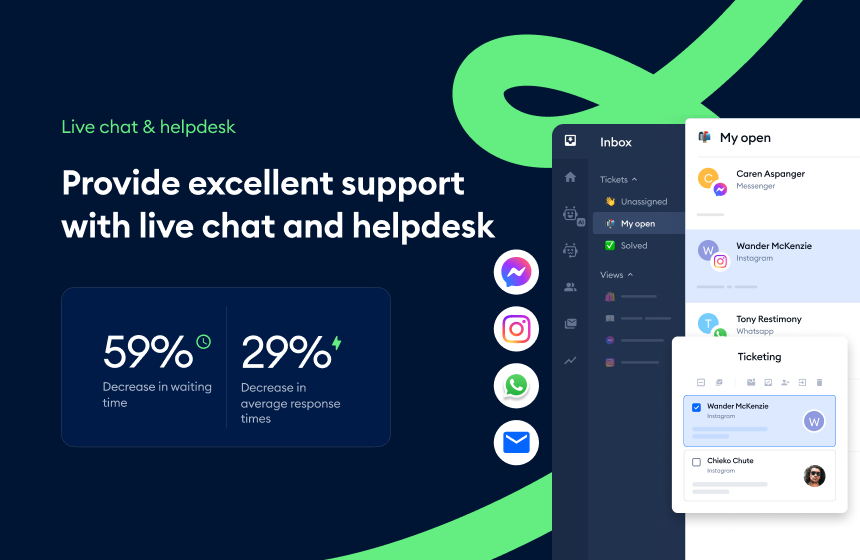
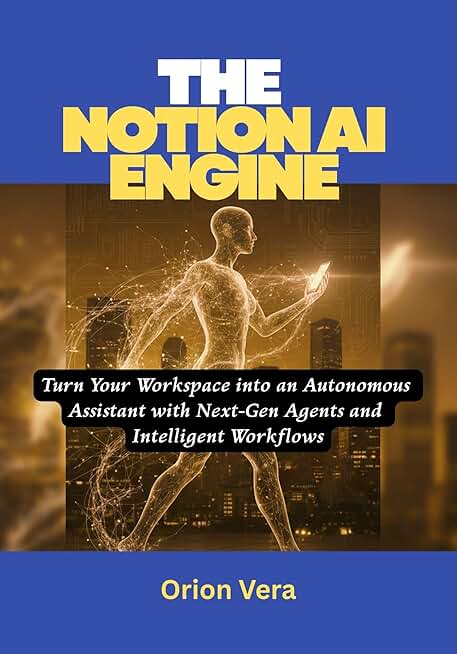
The following grid features five practical tools available for immediate deployment. Each is chosen for its ability to handle specific, high-volume tasks that typically consume small business hours.


As an Amazon Associate, we may earn from qualifying purchases.
These tools share a common trait: they reduce manual data entry and repetitive communication. For example, ManyChat and Tidio handle the initial customer inquiries that often bottleneck small teams, while Zapier ensures that qualified leads automatically populate your CRM without human intervention. Jasper and Notion AI accelerate the content creation process, allowing you to maintain a consistent presence across marketing channels.
When selecting your stack, prioritize tools that offer clear integration paths. The goal is to create a seamless flow where data moves between applications without friction. Start with one or two tools that address your biggest bottleneck, then expand as you become comfortable with the automation logic.
Frequently asked questions about AI automation
How much does AI automation cost for a small business?
Implementation costs vary widely depending on complexity. Simple tools for email sorting or scheduling can start at $20–$50 per month. More complex agentic workflows that connect multiple systems typically require higher-tier plans or custom integration, often ranging from $100 to $500+ monthly. Start with a single, high-volume task to validate ROI before scaling up.
Is AI automation safe for customer data?
Security depends on the vendor's compliance standards. Look for platforms that offer SOC 2 Type II certification and end-to-end encryption. Avoid uploading sensitive customer personally identifiable information (PII) to free-tier or unverified tools. Enterprise-grade automation platforms usually provide data residency options and strict access controls to keep your business information secure.
Do I need to hire a developer to implement AI?
Not necessarily. Many modern automation platforms use no-code interfaces that allow non-technical staff to build workflows using drag-and-drop builders. However, if you need to integrate AI with legacy on-premise systems or require custom API connections, a developer or IT consultant may be necessary to ensure stability and security.
No comments yet. Be the first to share your thoughts!