
The 2026 regulatory landscape
The era of voluntary AI governance is ending. In 2026, regulatory frameworks have shifted from guidance documents to enforceable legal requirements. The primary benchmark for this transition is the European Union’s AI Act, which entered into force in August 2024 and becomes fully applicable on August 2, 2026. This timeline marks a critical deadline for any business offering AI-driven products or services to EU citizens, regardless of where the company is headquartered 1.
Within the United States, the regulatory environment has fragmented into a complex patchwork. While federal agencies continue to issue sector-specific guidance, individual states have enacted their own laws. Jurisdictions such as Colorado have implemented comprehensive AI regulations focusing on algorithmic discrimination and transparency. These state-level laws operate alongside federal initiatives, requiring businesses to navigate overlapping compliance obligations rather than a single unified standard 2.
For organizations, this landscape means that compliance can no longer be treated as an optional best practice. Businesses should consider the August 2026 EU deadline as a hard constraint for product development cycles. Simultaneously, operations in the US must account for the varying requirements of state legislatures. The shift from voluntary frameworks to enforceable rules demands a proactive approach to legal and technical audit trails.
Federal executive orders and guidance
The United States has not passed comprehensive federal legislation governing artificial intelligence, leaving a regulatory vacuum that contrasts sharply with the European Union’s AI Act. Instead, the federal posture relies on a combination of executive directives and non-binding guidance. Businesses should consider this fragmented approach as a signal to adopt rigorous internal governance standards, particularly if they operate in sectors with high stakes or significant public impact.
Executive Order 14110, signed on August 2, 2026, marks the most significant federal action to date. Unlike previous statements, this order carries binding legal weight for specific high-risk activities. It mandates that developers of powerful AI systems share safety test results and critical security information with the federal government. Companies building models that exceed certain computational thresholds must now navigate a new layer of federal oversight, focusing on national security and public safety rather than commercial innovation alone.
The National Institute of Standards and Technology (NIST) continues to refine the AI Risk Management Framework (AI RMF). Although the framework is voluntary for most private entities, it has become the de facto standard for responsible AI development. NIST’s 2026 updates emphasize transparency and accountability, providing detailed guidance on how to identify, measure, and manage AI risks. Organizations that adopt these guidelines often find it easier to comply with emerging state laws and international regulations, creating a more unified compliance posture across jurisdictions.
State laws taking effect in 2026
The federal regulatory landscape is only part of the compliance picture for businesses deploying AI in 2026. A growing patchwork of state-level statutes is becoming enforceable, creating distinct operational hurdles for organizations operating across multiple jurisdictions. While federal guidance sets the tone, state laws often impose stricter, more specific requirements that demand immediate attention.
Colorado and California serve as primary examples of this regulatory divergence. Colorado’s AI Act, which takes effect on June 30, 2026, establishes rigorous high-risk AI accountability standards, including mandatory risk assessments and consumer notice requirements. Meanwhile, California’s existing framework, including the California Consumer Privacy Act (CCPA) and the upcoming Automated Decision Systems Transparency Act amendments, continues to evolve with stricter transparency mandates for algorithmic decision-making.
The EU AI Act also adds a layer of complexity with its general application date of August 2, 2026. Although this is a federal-level international agreement, it affects US-based companies that process EU citizen data or offer services within the EU. This date marks the point where high-risk AI systems must fully comply with the Act’s conformity assessment procedures.
Navigating this patchwork requires a centralized compliance strategy. Organizations should audit their AI systems against the most stringent state laws to ensure baseline compliance, rather than treating each jurisdiction as a separate silo. The cost of non-compliance in 2026 extends beyond fines to include reputational damage and operational delays.
The timeline below highlights key effective dates for major AI regulations impacting businesses in 2026.
Businesses should monitor legislative updates from state capitals and federal agencies. The regulatory environment is dynamic, with additional states potentially introducing new bills in the coming months. Proactive engagement with legal counsel and compliance officers is essential to staying ahead of these shifting requirements.
Extraterritorial reach of the EU AI Act
The European Union’s AI Act operates with significant extraterritorial scope, meaning US businesses cannot assume their physical location in the United States exempts them from compliance. The regulation applies to any provider or deployer of AI systems whose output is used within the EU, regardless of where the company is headquartered or where the data is processed. This principle ensures that the single market’s protections extend to all entities influencing the digital environment of EU citizens.
Compliance obligations are tiered based on the risk classification of the AI system. High-risk AI applications, such as those used in critical infrastructure, education, or employment management, face stringent requirements including fundamental rights impact assessments, high-quality data governance, and detailed technical documentation. Minimal-risk systems, such as spam filters or AI-enabled video games, generally face no specific obligations beyond a voluntary code of conduct, though transparency requirements for certain generative AI models remain.
The financial stakes for non-compliance are substantial. Violations can result in administrative fines of up to €35 million or 7% of the company’s total worldwide annual turnover, whichever is higher. These penalties apply to prohibited AI practices, failing to meet high-risk system requirements, or providing incorrect or incomplete information to supervisory authorities.
The Act entered into force on August 1, 2024, with a two-year transition period. Key transparency rules for general-purpose AI models and high-risk systems are scheduled to come into effect in August 2026. US firms serving EU customers should align their internal governance frameworks with these timelines to avoid disruption.
| Requirement | High-Risk AI | Minimal-Risk AI |
|---|---|---|
| Fundamental Rights Impact Assessment | Required before deployment | Not required |
| Technical Documentation | Mandatory for conformity assessment | Not required |
| Human Oversight | Strict measures required | Not required |
| Transparency Disclosure | Context-dependent | Voluntary code of conduct |
For more details on the regulatory framework, refer to the European Commission’s official AI Act page.
Build a 2026 compliance checklist
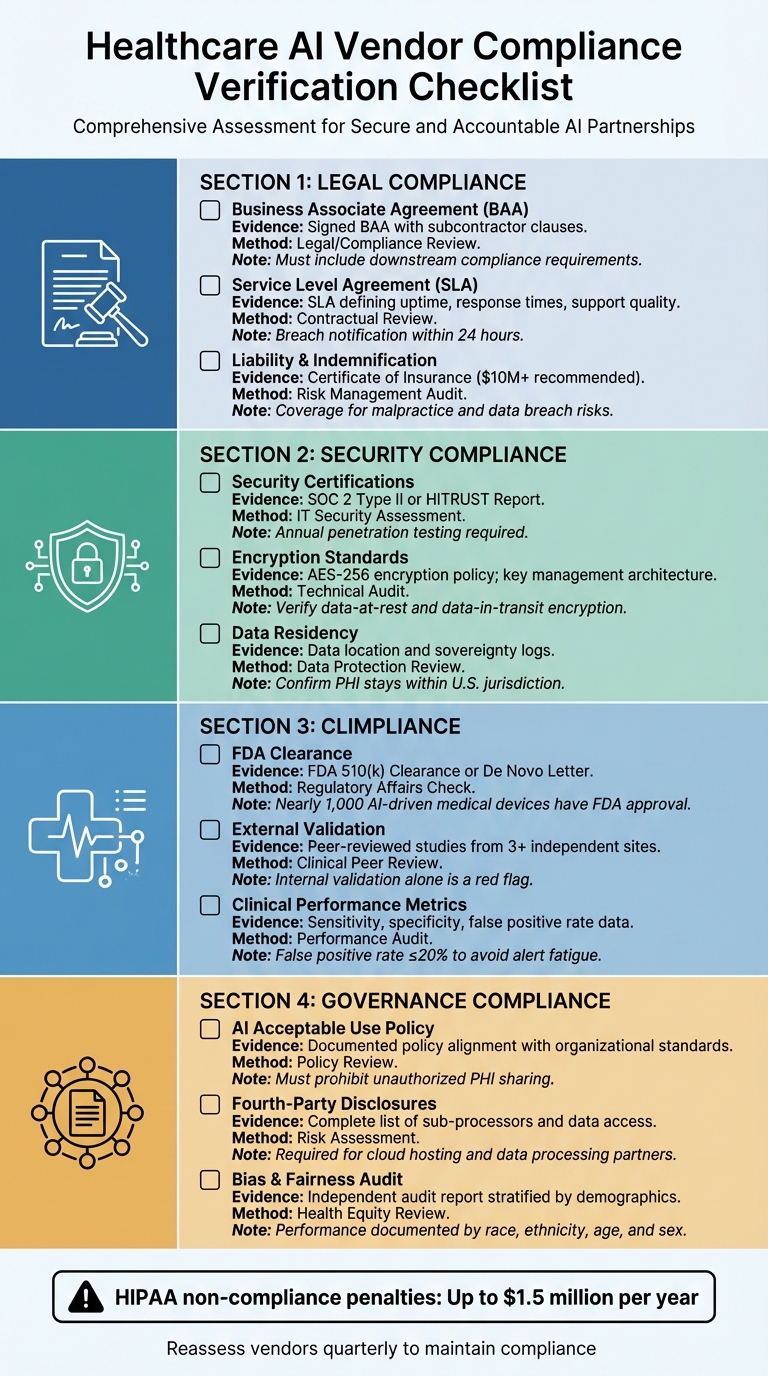
Legal and compliance teams must establish a structured audit workflow before deploying AI systems. With the EU AI Act enforcement window closing on August 2, 2026, businesses should consider classifying all AI models to determine if they fall under prohibited or high-risk categories (NIST, EU Commission). This classification dictates the rigorous documentation and risk assessment standards required for deployment.
A comprehensive checklist ensures that state-level regulations, such as those in Colorado, are also addressed alongside federal guidelines. Teams should verify that their AI governance framework covers data provenance, model transparency, and human-in-the-loop safeguards. This systematic approach reduces liability and ensures alignment with evolving regulatory expectations.
The following steps outline a practical workflow for auditing AI systems against current 2026 requirements.
Identify whether each AI system is prohibited, high-risk, limited-risk, or minimal-risk. High-risk systems, such as those used in critical infrastructure or employment, require strict conformity assessments. Businesses should maintain a registry of all AI tools to track their risk classification accurately.
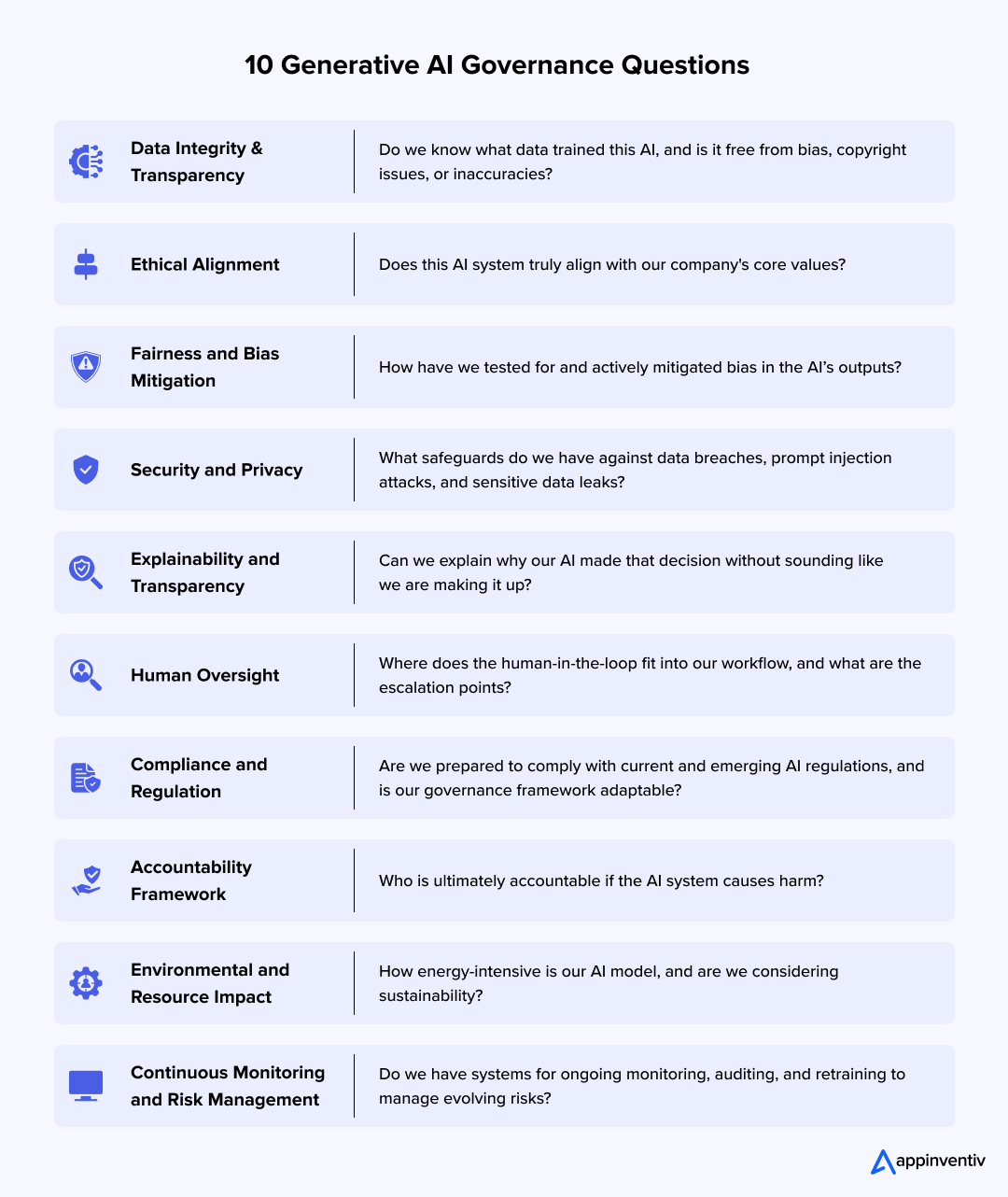
Verify the quality and legality of training data. Regulations require that data be relevant, representative, and free from biased inputs. Teams should document data sources, consent mechanisms, and any preprocessing steps to ensure compliance with privacy laws and EU AI Act transparency mandates.
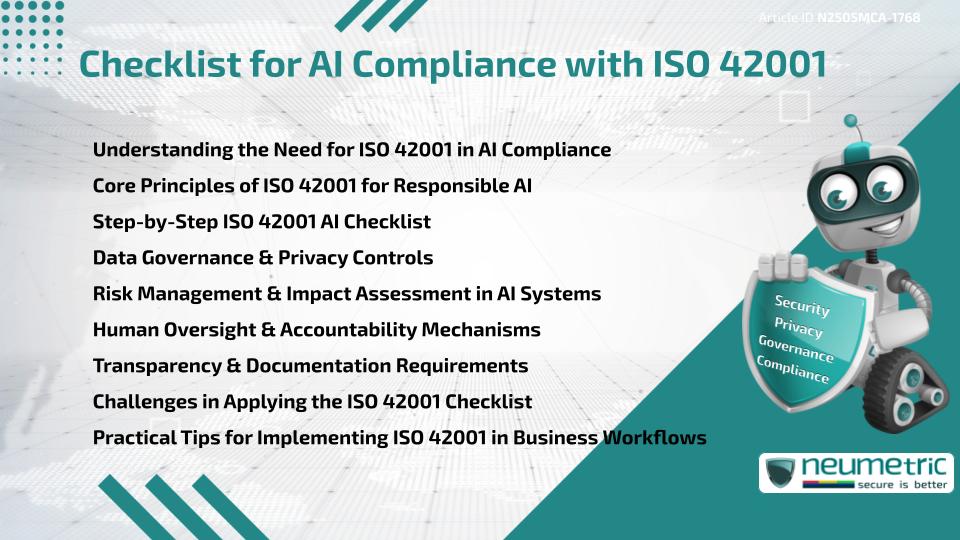
Ensure that high-risk AI systems include robust human-in-the-loop controls. This involves defining clear protocols for human intervention, error correction, and final decision-making authority. Documentation should specify who holds oversight responsibility and how interventions are logged.
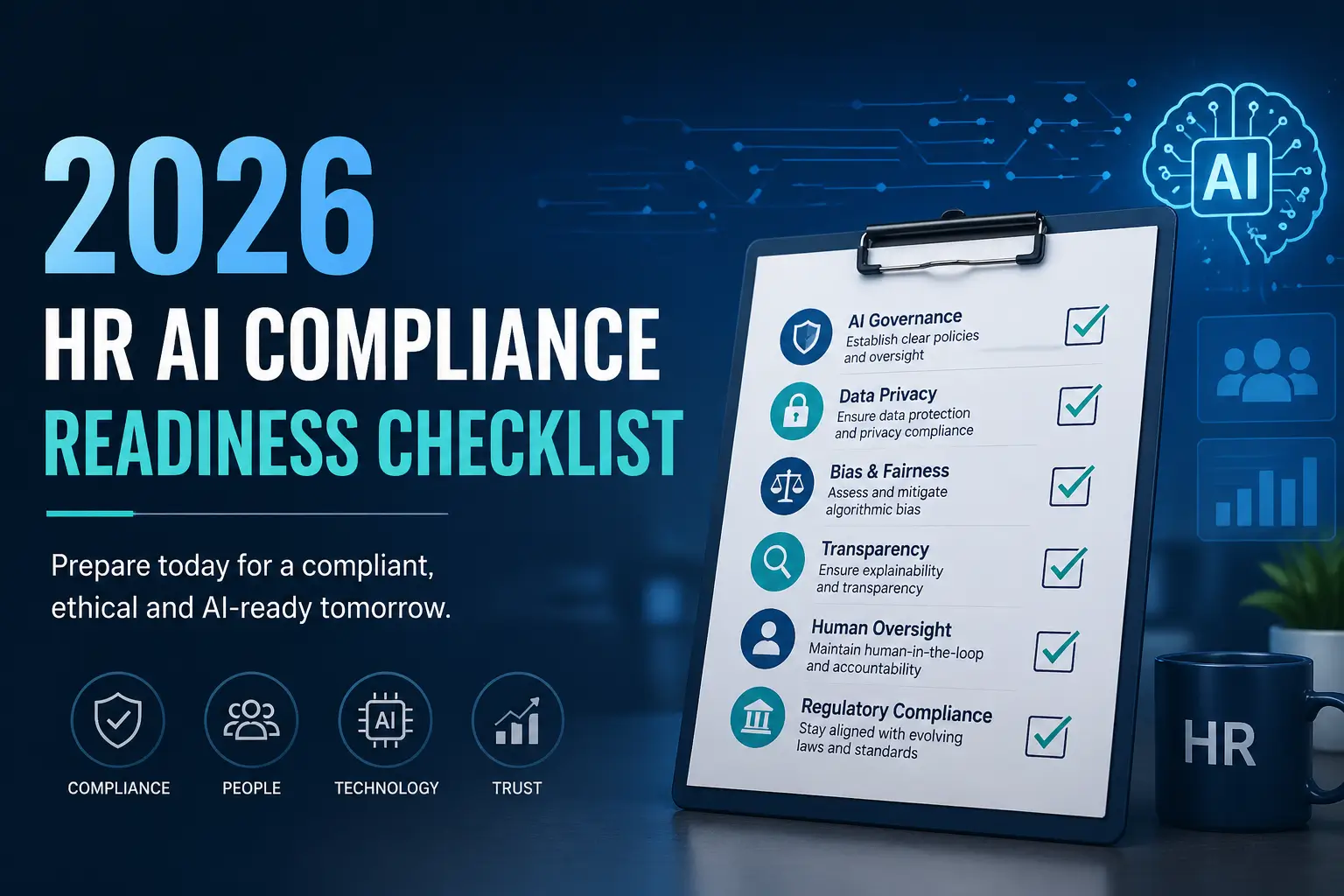
Cross-reference federal requirements with state laws, particularly in jurisdictions like Colorado and California. These states often have distinct rules regarding consumer protection, automated decision-making disclosures, and algorithmic bias testing. Compliance teams should map these specific obligations to their internal governance policies.
Establish procedures for ongoing monitoring and incident reporting. This includes documenting performance metrics, bias audits, and any adverse events linked to AI decisions. Regular updates to compliance records ensure readiness for audits by the EU Commission or state attorneys general.
No comments yet. Be the first to share your thoughts!