
Predictive experiences replace reactive feeds
The standard for AI personalization in 2026 has shifted. Users no longer want to search for what they need; they want the platform to serve it before they realize they need it. This move from reactive feeds to predictive, real-time experiences is driven by behavioral data and AI agents that anticipate intent rather than simply reacting to past clicks.
This transition creates a trust gap. While 58% of shoppers are comfortable with brands using their interactions to personalize with AI, 64% worry about how their data is used. 402 Hub addresses this balance by prioritizing transparent, value-driven personalization that feels helpful rather than intrusive.
At 402 Hub, we have moved beyond static content blocks. Our system analyzes real-time behavior to adjust the interface dynamically. If a user consistently engages with video tutorials, the platform surfaces those resources first. This predictive approach reduces friction and keeps users engaged longer, turning passive visitors into active participants.
The result is a smoother user experience. By predicting needs, we remove the steps between discovery and action. This is not just about showing the right product; it is about creating a seamless journey that adapts to the user's unique context.
402 Hub features for real-time adaptation
Use this section to make the AI Personalization decision easier to compare in real life, not just on paper. Start with the reader's actual constraint, then separate must-have requirements from details that are merely nice to have. A practical choice should survive normal use, maintenance, timing, and budget. If a recommendation only works in an ideal situation, call that out plainly and give the reader a fallback path.
The simplest way to use this section is to write down the must-have criteria first, then compare each option against those criteria before weighing nice-to-have features.
Building a personalized user journey
Setting up AI personalization 2026 workflows on 402 Hub requires a structured approach. You are not just configuring software; you are mapping how your platform responds to individual user signals. The goal is to move from static content delivery to dynamic, context-aware interactions. This process involves defining who your users are, setting up the triggers that recognize their intent, and deploying content that matches their specific needs.
The following steps outline how to configure these systems. Each stage builds on the previous one, ensuring that your personalization engine operates with precision rather than guesswork. By following this sequence, you can create a user journey that feels intuitive and responsive, driving higher engagement through relevant content delivery.
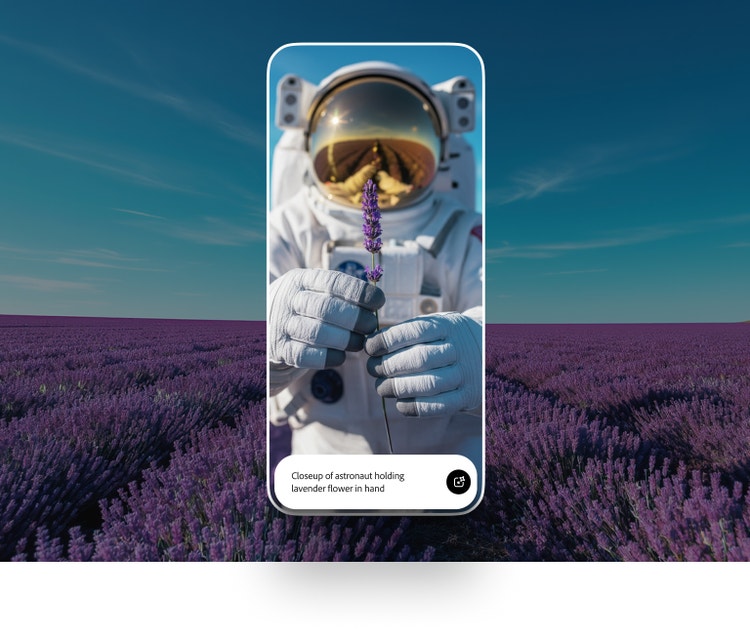
Start by identifying the distinct groups within your audience. Use 402 Hub’s segmentation tools to tag users based on behavior, demographics, or past interactions. Clear segments allow the AI to apply the right logic to the right people. Avoid overly broad categories; specificity drives relevance. For example, separate new visitors from returning subscribers to tailor onboarding experiences differently.

Next, establish the conditions that activate personalized responses. In 402 Hub, triggers are events like page views, cart abandonment, or time spent on a specific feature. Configure these triggers to initiate specific AI actions, such as generating a tailored recommendation or sending a contextual email. Ensure the triggers are timed correctly to intercept user interest at its peak.
With segments and triggers in place, deploy your content variations. Use 402 Hub’s generative capabilities to create dynamic text, images, or layout adjustments that align with the user’s segment. Test these variations to ensure they load correctly and maintain brand consistency. The content should feel native to the user’s journey, not like an intrusive advertisement. Focus on value delivery that addresses the user’s immediate context.
Finally, track the performance of your personalized journeys. 402 Hub provides analytics to measure engagement rates, conversion improvements, and drop-off points. Use this data to refine your segments and triggers. Personalization is not a set-and-forget task; it requires continuous optimization based on real user behavior. Regular adjustments ensure your AI strategies remain effective as user preferences evolve.
Balancing personalization with privacy
AI personalization in 2026 requires a delicate balance between relevance and restraint. While 58% of shoppers welcome brands that use their interactions to tailor experiences, a significant 64% worry about how that data is stored and shared. 402 Hub addresses this trust gap by designing its generative strategy around transparency rather than opacity.
We treat data permissions as a core feature, not an afterthought. When a user visits a 402 Hub-powered site, the AI does not silently scrape history. Instead, it relies on explicit, granular consent. Users control exactly which signals—such as past purchases or browsing duration—are used to generate recommendations. This approach aligns with the growing consumer demand for AI that acts as a helpful partner rather than a surveillance tool.
The result is a personalization engine that feels intuitive without being intrusive. By keeping data usage visible and user-driven, 402 Hub ensures that the benefits of AI-driven customization do not come at the cost of user privacy.
Frequently asked questions about AI personalization
What is the new AI trend in 2026?
The dominant shift in 2026 is the move from static AI to agentic AI. Instead of waiting for a user to type a specific query, AI agents now anticipate needs and execute tasks autonomously. This trend powers the hyper-personalized experiences seen in platforms like 402 Hub, where the system adapts content delivery in real time based on user behavior rather than static profiles.
What are the three new AI breakthroughs shaping 2026?
- Agentic workflows: AI systems that can plan and execute multi-step tasks without constant human intervention.
- Answer Engine Optimization (AEO): Optimizing content for direct, concise answers generated by AI rather than traditional keyword search.
- Real-time personalization engines: Systems that adjust user interfaces and content dynamically as the user interacts, rather than relying on pre-segmented data.
Is AI going to take over in 2026?
AI is not replacing human decision-makers but augmenting them. In 2026, the focus is on human-AI collaboration. Tools like 402 Hub use AI to handle data processing and pattern recognition, allowing human strategists to focus on creative direction and high-level business outcomes. The goal is efficiency and precision, not replacement.
No comments yet. Be the first to share your thoughts!