
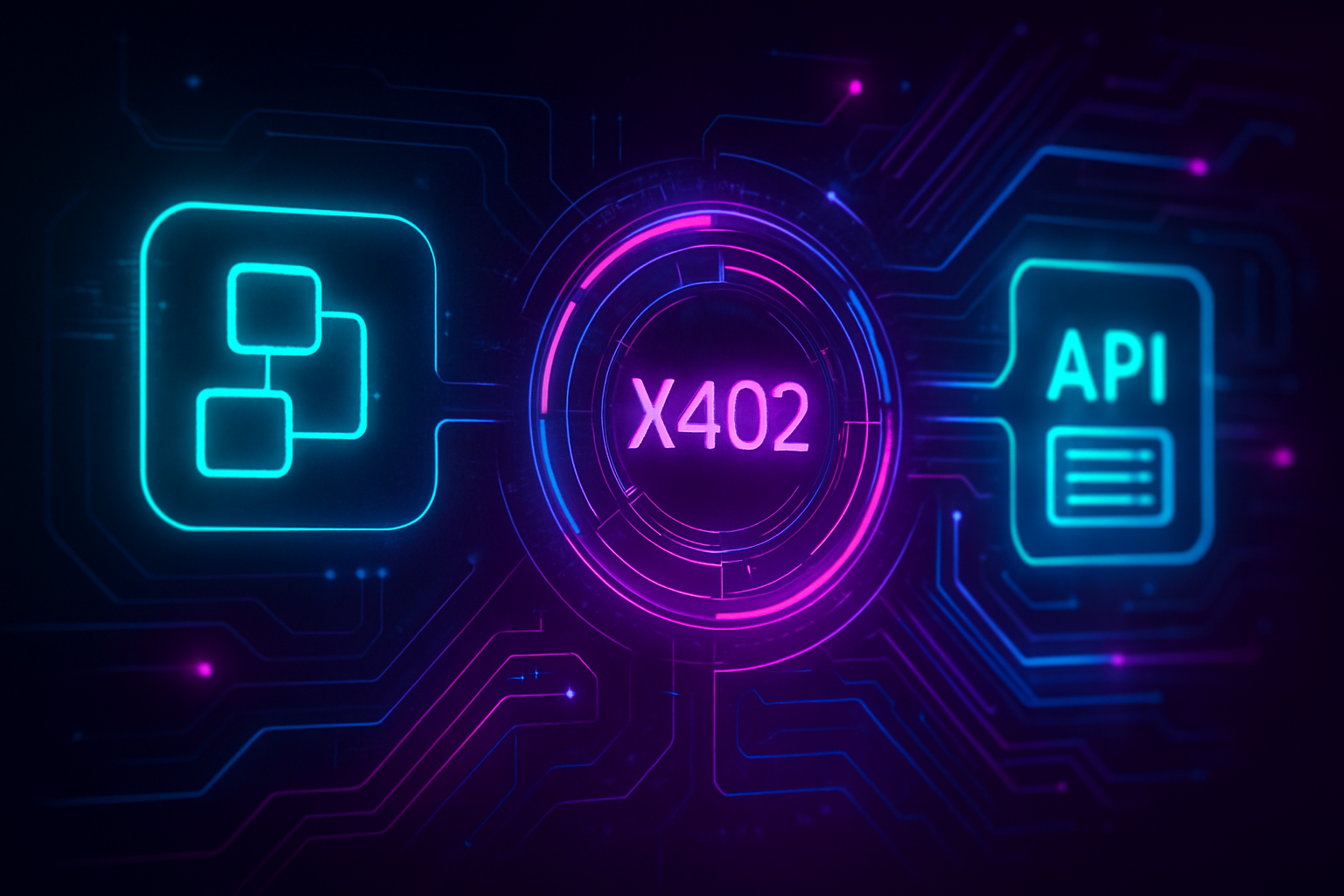
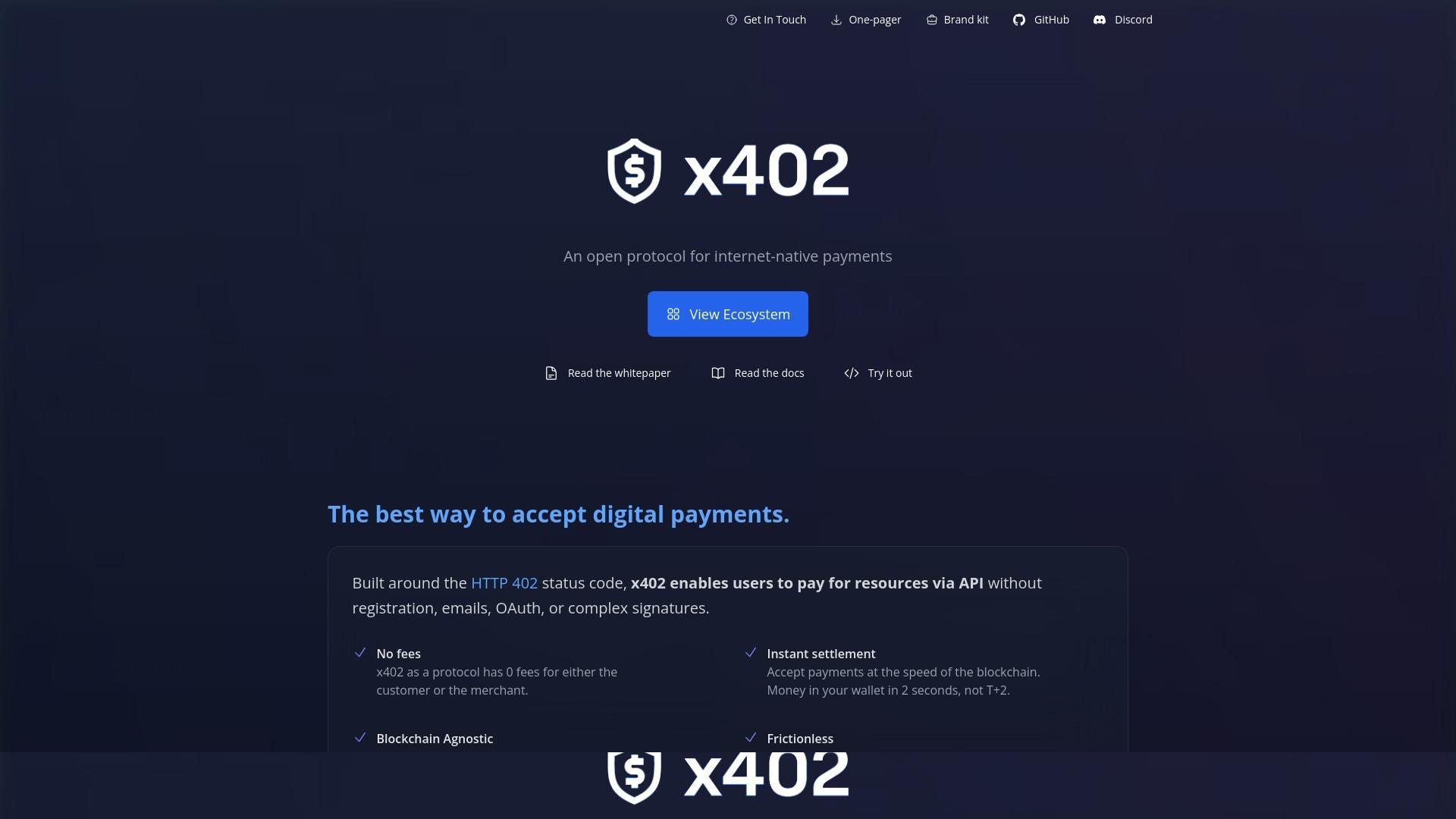
The landscape of API monetization is evolving rapidly, with the X402 Payment Protocol emerging as a disruptive force for developers and businesses seeking frictionless, crypto-native revenue streams. Traditional API key management can create onboarding hurdles and operational complexity, especially at scale or in autonomous environments. X402 rewrites this playbook by leveraging the HTTP 402 Payment Required status code to enable seamless pay-per-call access, no API keys, no accounts, just instant programmable payments.
Why X402 Payment Protocol is a Game-Changer for API Monetization
The core value proposition of X402 lies in its minimalism and composability. By embedding payment logic directly into the HTTP request-response cycle, it allows any client, including AI agents, to programmatically pay for API access using stablecoins like USDC on Solana. This model supports true internet-native micropayments and eliminates the need for user registration, OAuth flows, or complex signature schemes.
Recent guides from PayAI and Coinbase Developer Docs emphasize how X402 unlocks new monetization strategies. For example:
Key Benefits of Using X402 for API Monetization
- Seamless Integration with HTTP 402: X402 leverages the native HTTP 402 Payment Required status code, enabling direct monetization within the standard request-response cycle—no need for additional authentication layers or custom endpoints.
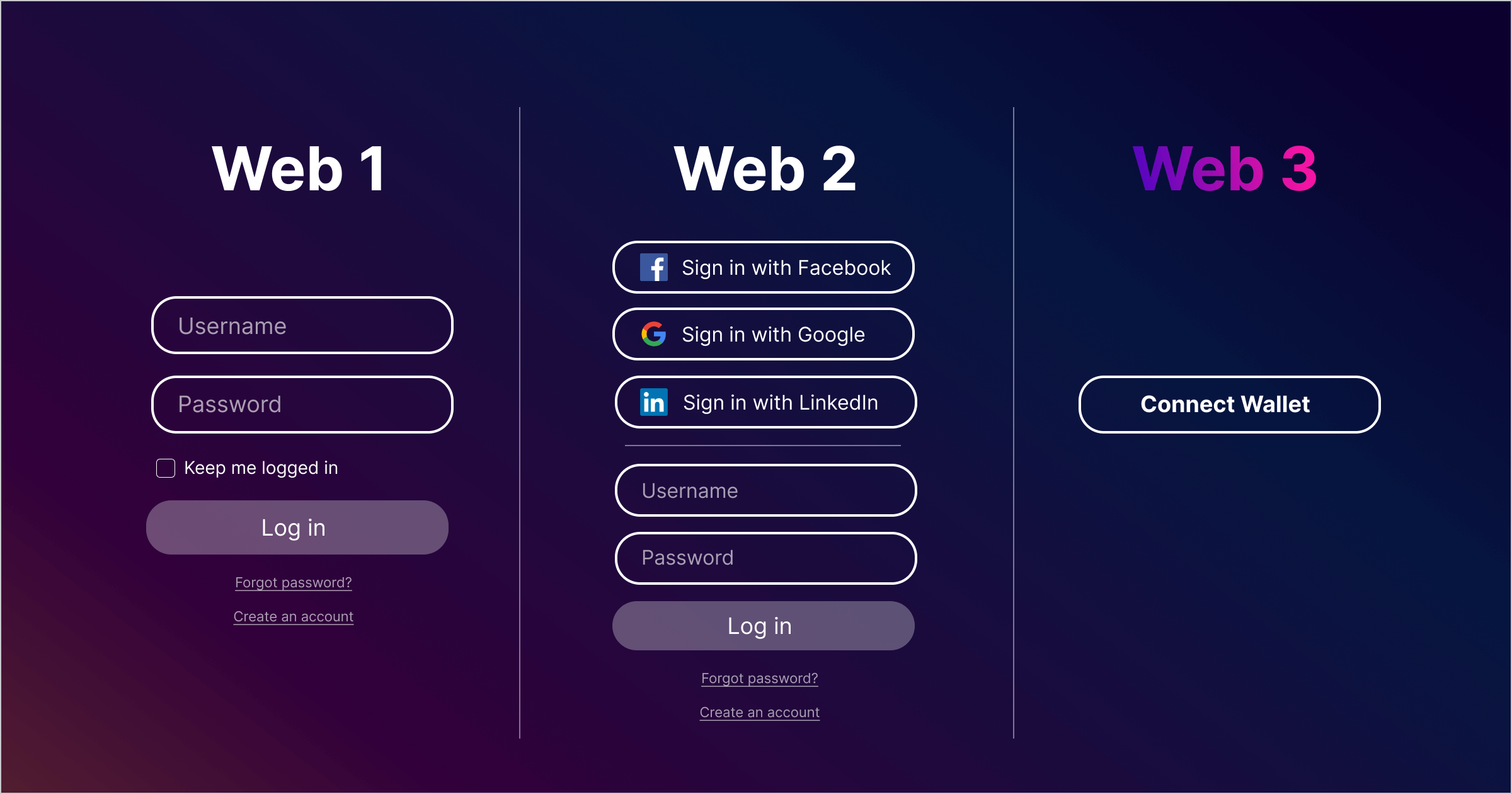
- Frictionless, Account-Free Access: Users and clients—including AI agents—can pay and access resources without creating accounts, managing API keys, or handling OAuth flows, dramatically reducing onboarding friction.
- Supports Crypto Micropayments: X402 enables stablecoin-based micropayments (e.g., USDC on Solana), making it ideal for pay-per-use or pay-per-request pricing models that are impractical with traditional payment rails.

- Agent-Friendly for Autonomous Payments: The protocol is designed to support autonomous payments by AI agents, allowing machine-to-machine transactions without manual intervention—key for next-generation AI and automation workflows.

- Instant, Onchain Settlement: Payments are processed onchain, providing transparent, verifiable, and instant settlement without intermediaries—enhancing trust and reducing chargeback risks.
- Developer Ecosystem & SDK Support: Robust SDKs and facilitator services—such as Mogami Java Tools and Thirdweb SDK—streamline x402 integration for both server and client environments.
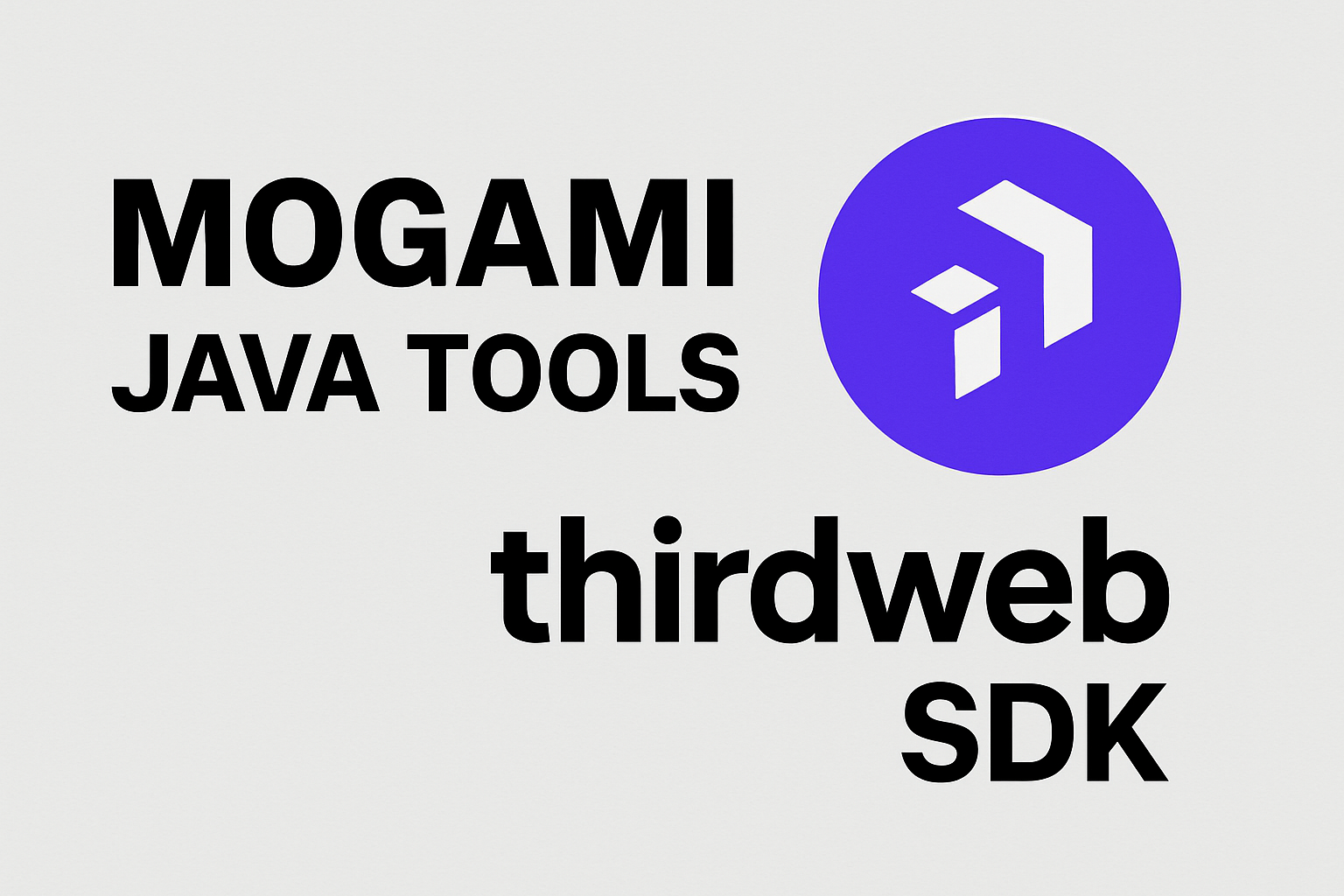
- Flexible Monetization for Content & APIs: Platforms like Gatepay enable creators to build payment-protected links for digital content and API endpoints, leveraging x402 for gasless, user-friendly transactions.

With X402, you can monetize APIs in ways that were previously impractical due to high friction or operational overhead. The protocol is agent-friendly by design, ideal for machine-to-machine transactions, automated workflows, and decentralized applications where trustless payments are essential.
X402 Integration Workflow: From Request to Payment
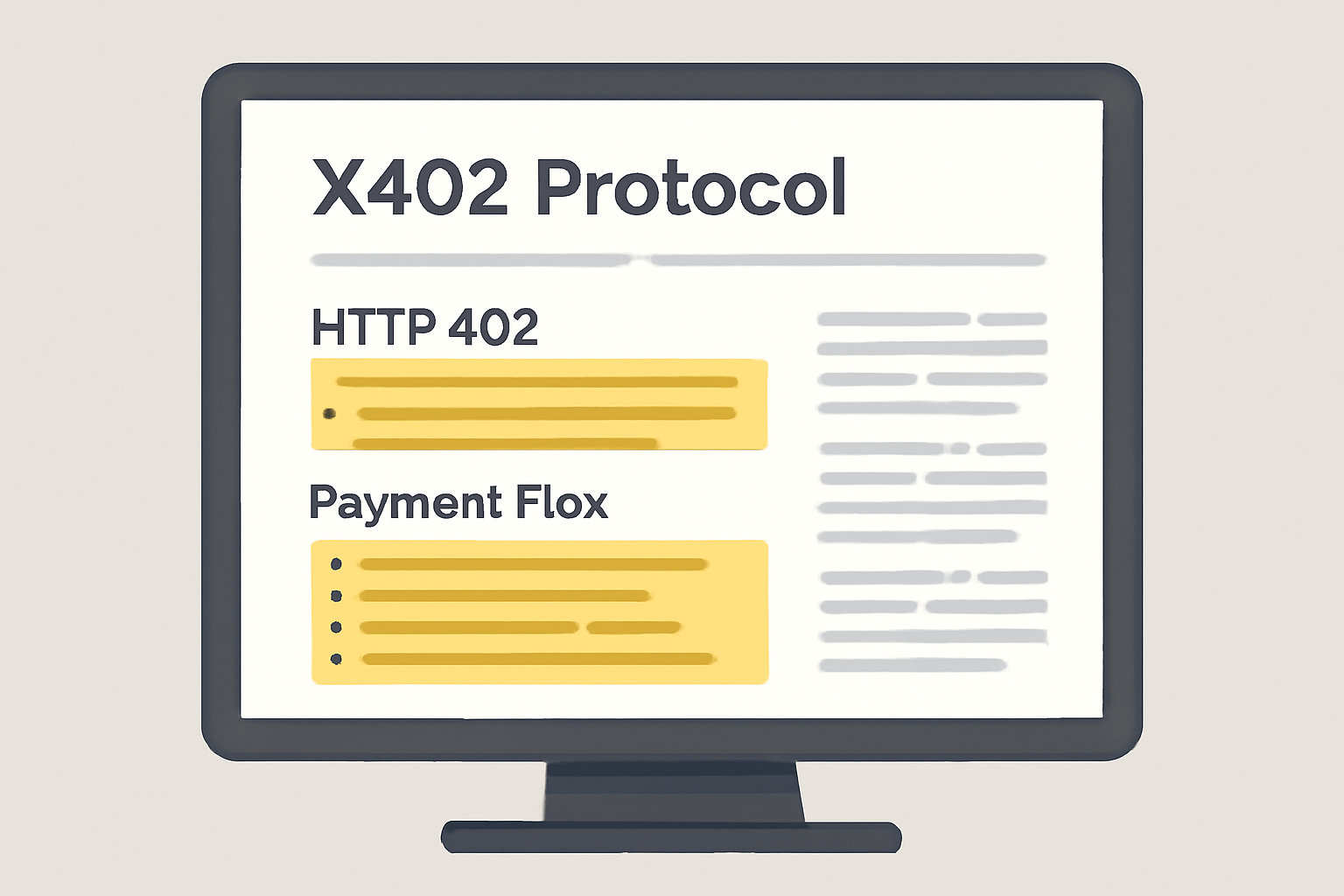
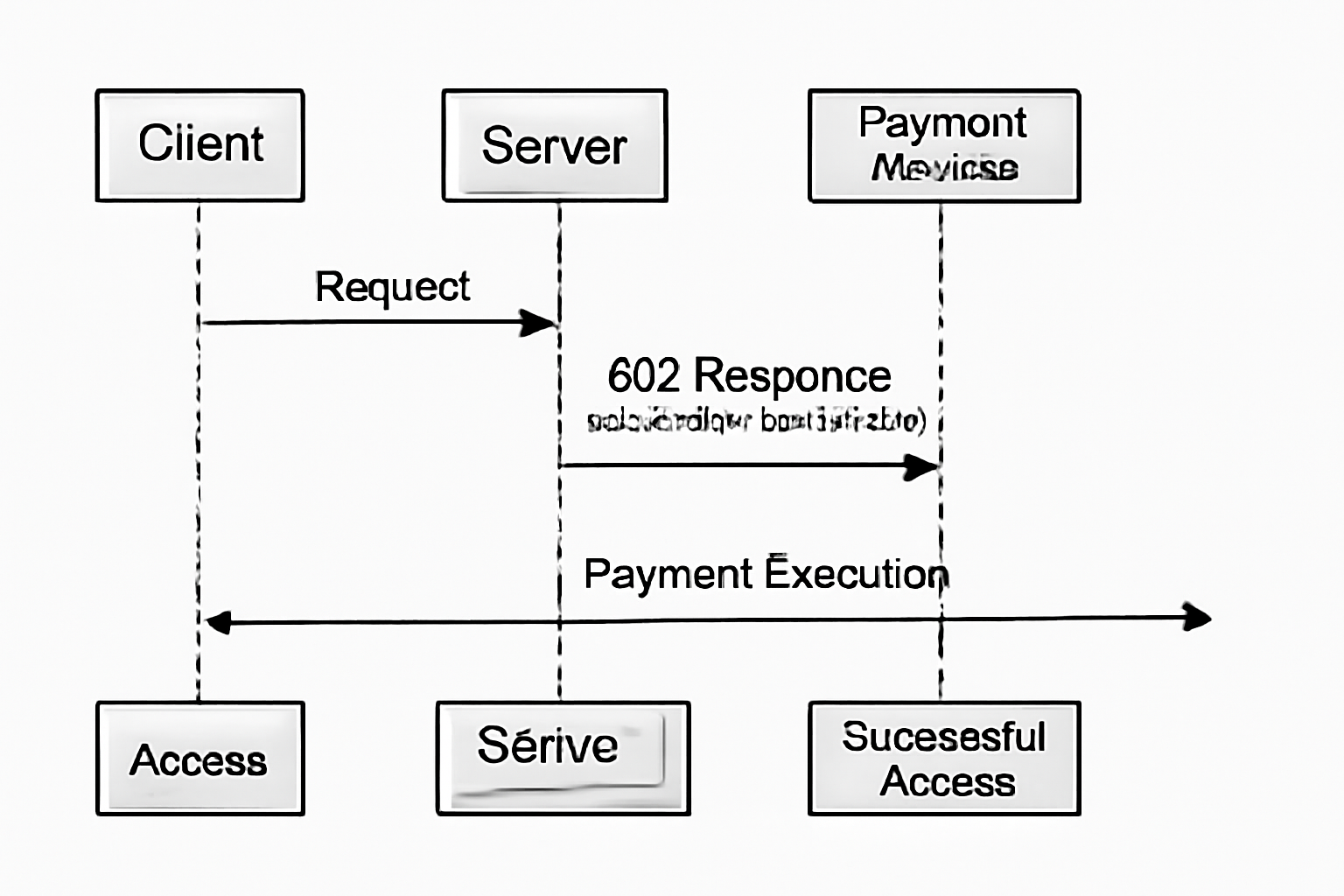
Implementing X402 is refreshingly straightforward compared to legacy models. Here’s how the flow typically works:
- Initial Request: A client (human or bot) requests an API resource.
- Payment Challenge: If payment is required, your server responds with HTTP 402 and includes payment instructions (e. g. , address, amount).
- On-Chain Payment: The client completes a stablecoin transaction as specified in the challenge.
- Access Granted: Upon successful verification, often handled by a facilitator service, the server delivers the requested resource.
This approach supports both one-off micropayments and session-based access models. Notably, there’s no need to issue or rotate API keys; payment itself becomes the authentication mechanism.
Selecting Your Integration Stack: SDKs and Facilitators
The current ecosystem offers several robust options for integrating X402 quickly:
- Mogami Java Tools: Open-source SDKs for both client- and server-side integration with built-in facilitator support.
- Thirdweb SDK: JavaScript toolkit with functions like
wrapFetchWithPayment, making it easy to monetize Node. js/Express APIs with minimal code changes. - Gatepay: Hosted solution for generating payment-protected links with gasless transactions, ideal for quick deployments without custom backend logic.
Your choice depends on your stack (Java vs JS), desired level of control (self-hosted vs SaaS), and whether you want to handle on-chain settlement yourself or offload it to a facilitator service. Documentation from each provider offers step-by-step implementation guidance tailored to real-world developer needs.
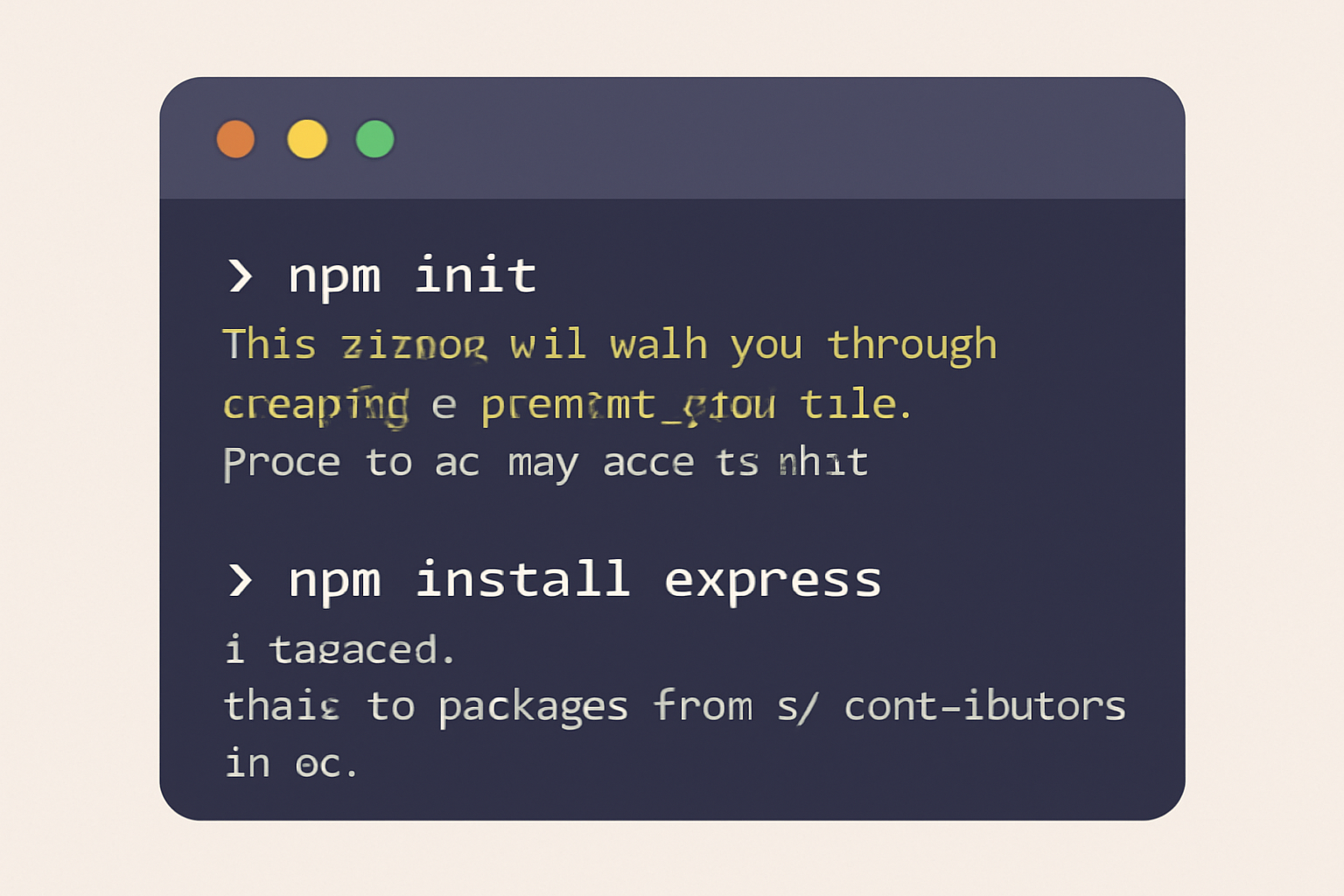
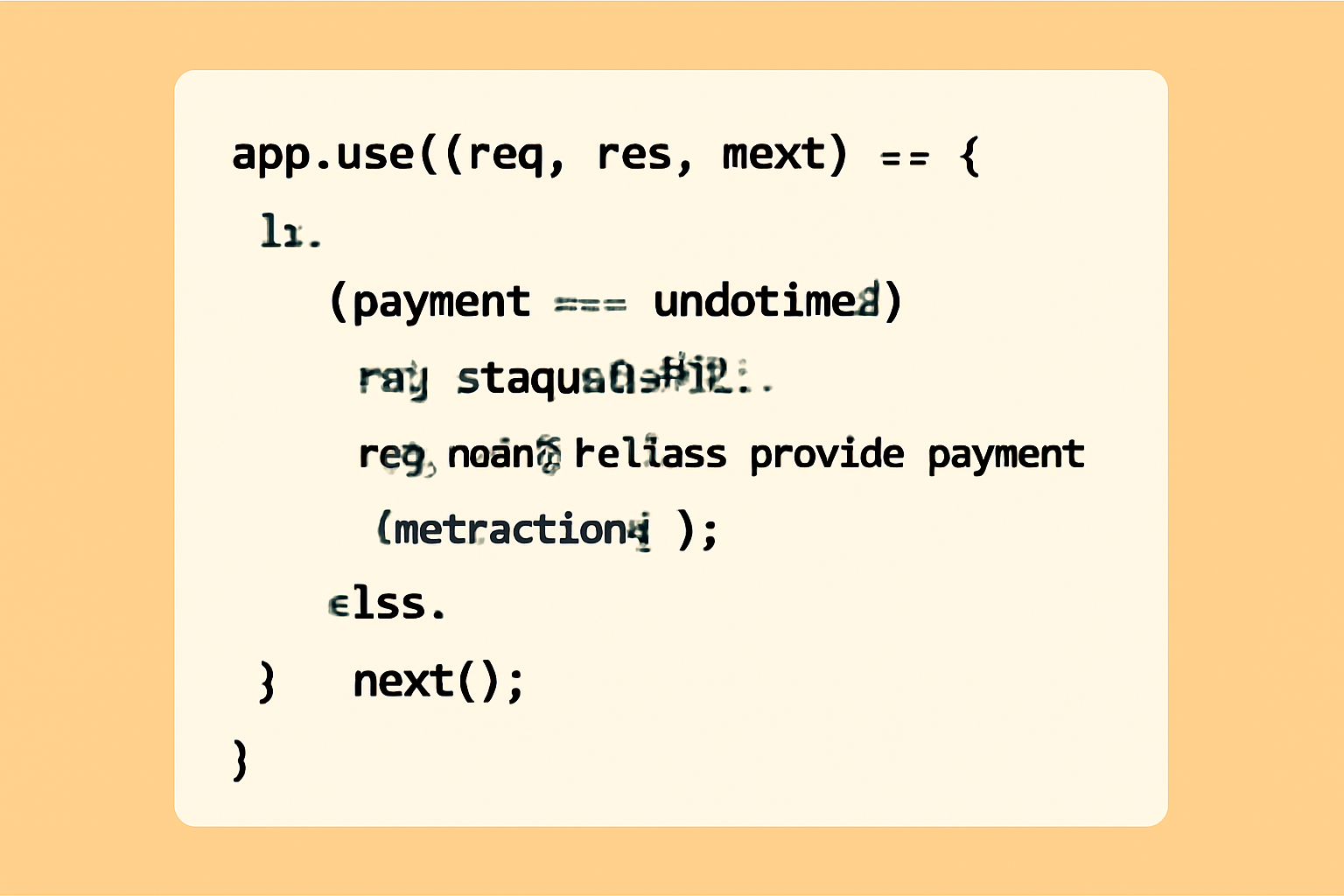
Protecting an Express.js Endpoint with the x402 Payment Protocol
A Look at Real-World Use Cases
X402 isn’t just theoretical, it’s powering live projects today. Developers are building everything from AI inference APIs that charge per request to content delivery endpoints protected by crypto paywalls. Notably, solutions like Gatepay allow creators to monetize digital assets without requiring users to sign up or manage wallets manually, the entire process happens natively via web3 wallets and stablecoins.
For businesses, this means new revenue channels with dramatically reduced onboarding friction. For developers, it means APIs can be exposed to both human users and autonomous agents in a secure, auditable, and programmable way. The X402 Payment Protocol integration lets you tap into the expanding universe of crypto-native users and bots who expect seamless, pay-per-use access.
Optimizing for Security and User Experience
Security is paramount when handling on-chain payments. Modern facilitators like those in the Mogami Java Tools ecosystem abstract away much of the complexity by verifying payments before resource access is granted. This reduces the risk of double-spending or replay attacks, while still enabling stateless interactions. For even less operational overhead, services like Gatepay offer gasless micropayments API protection, lowering barriers for non-crypto native users.
The user experience is equally critical. With X402, clients interact via familiar HTTP flows; payment prompts are delivered as machine-readable instructions within 402 responses. This allows both browser-based wallets and autonomous agents to parse payment details and settle transactions in real time. The result: instant access upon payment confirmation, no waiting for manual review or API key approval cycles.
Live API Monetization Scenarios Powered by X402
- Pay-Per-Use Data APIs: Platforms like PayAI leverage x402 to monetize endpoints for real-time data, analytics, or AI inference. Users or agents can access premium data with instant, stablecoin microtransactions—no API keys or account setup required.
- Crypto Paywalls for Digital Content: Gatepay enables creators to protect downloadable files, articles, or media behind x402-powered paywalls. Consumers unlock content by sending USDC payments directly through the HTTP 402 protocol, streamlining access and eliminating registration friction.
- Autonomous Agent Payments: Using x402, platforms such as Mogami facilitate on-chain payments between AI agents and APIs. This allows autonomous software to purchase API access or services programmatically, supporting use cases like automated trading bots or data scrapers.
- Backend Service Monetization via SDKs: Thirdweb offers SDK support for x402, enabling developers to integrate crypto payments into backend APIs. This empowers SaaS platforms to charge per API call or workflow execution, with seamless stablecoin settlement.
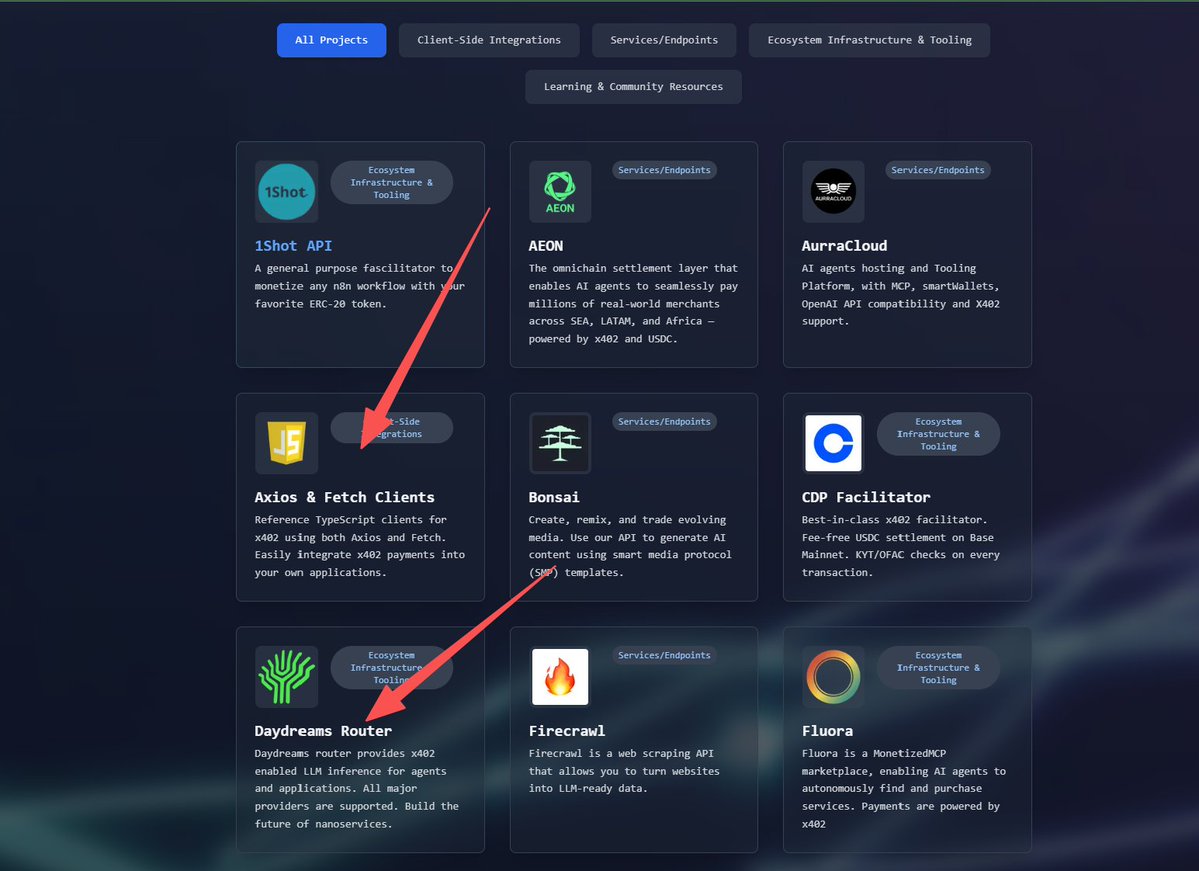
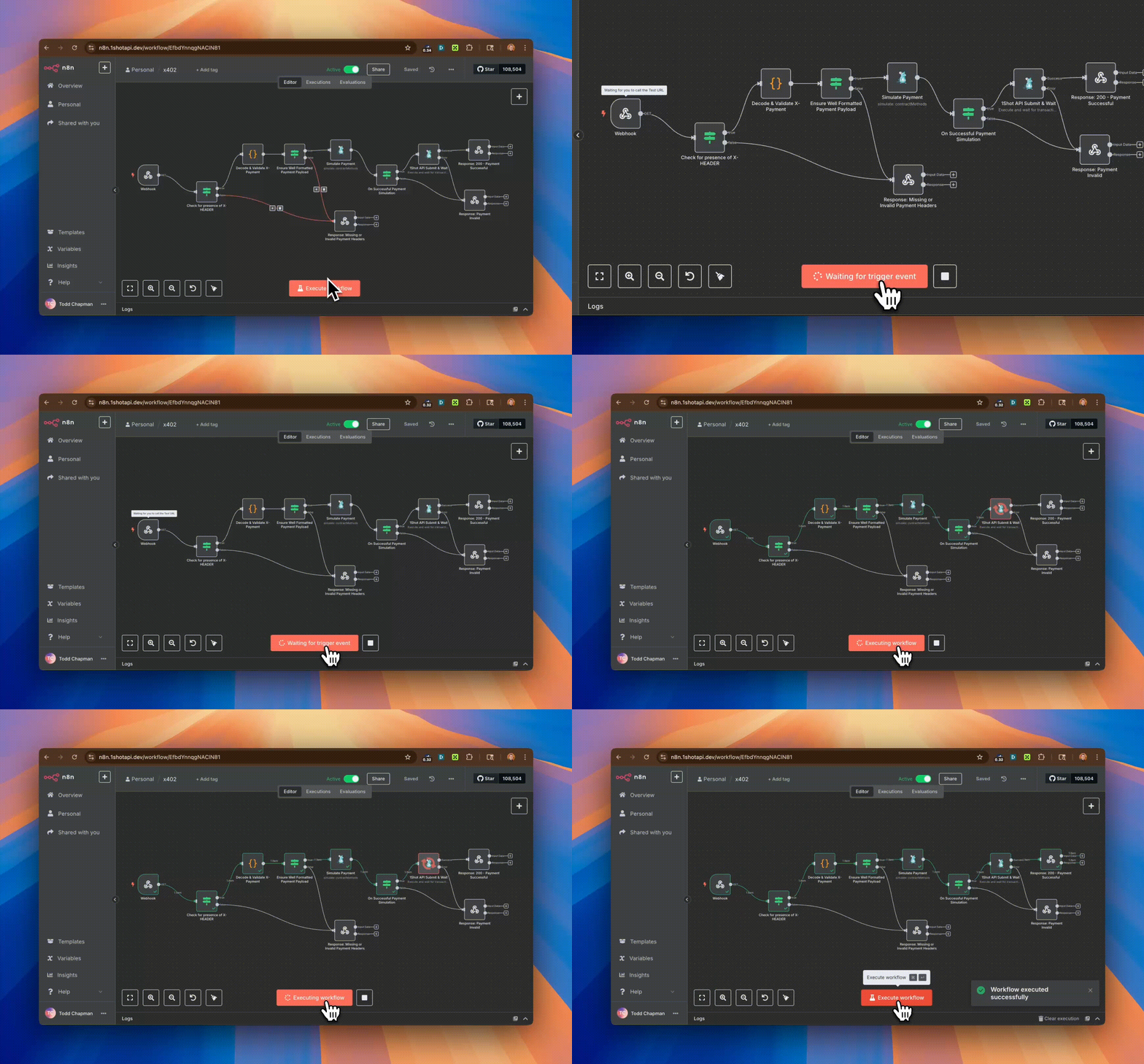
- Workflow Automation with Paid API Steps: Integration tools like n8n and 1Shot API utilize x402 to monetize specific workflow steps, allowing users to trigger premium actions or data retrieval by making instant crypto payments within automated pipelines.
Testing and Going Live: Best Practices
Before deploying your monetized API to production, thorough testing is essential. Use testnets (such as Base Sepolia) to simulate end-to-end flows, requesting resources, responding with 402 challenges, executing payments, and verifying resource delivery. SDKs from Thirdweb and Mogami provide utilities for both local development and integration tests.
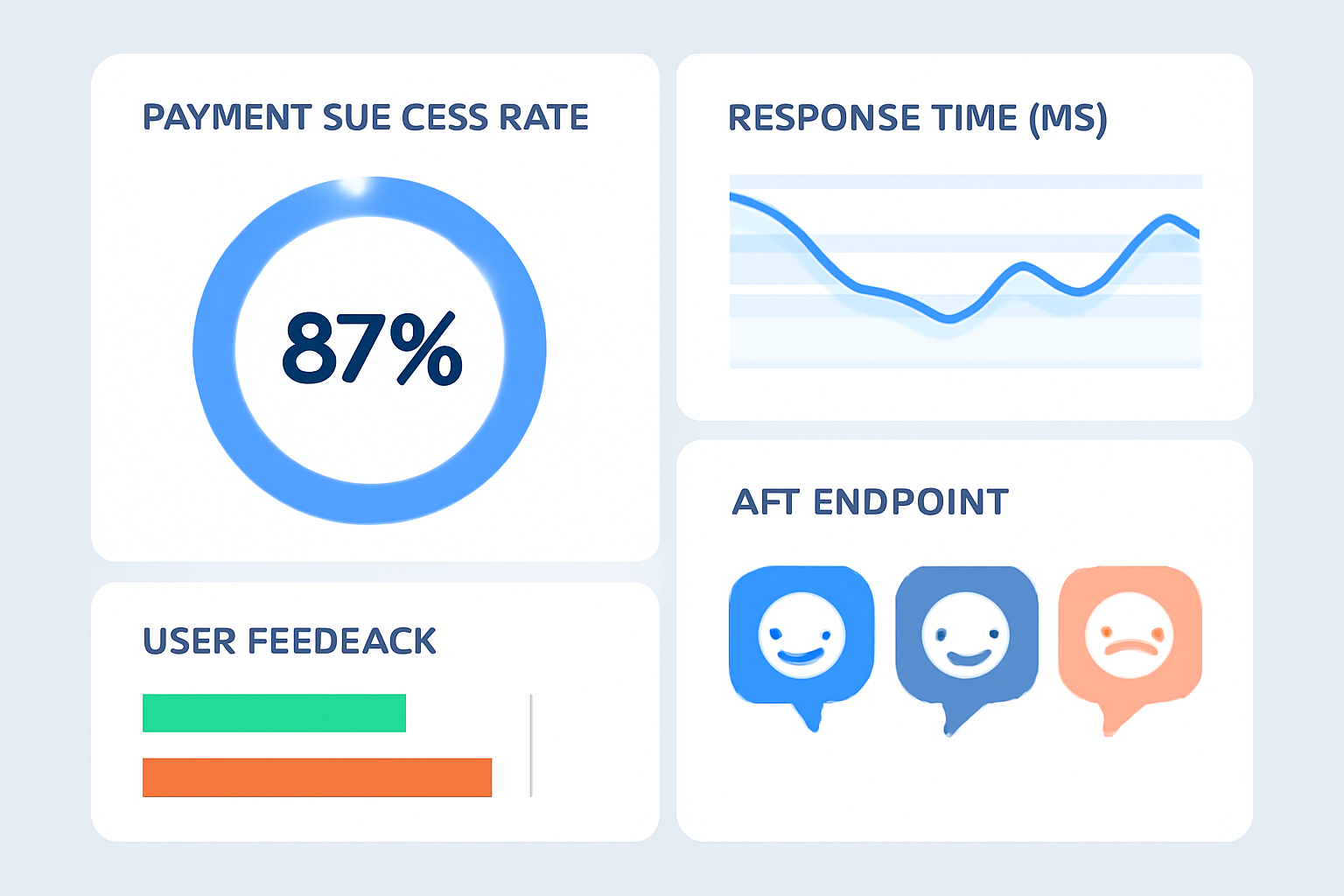
Monitor transaction confirmations closely during early rollout phases; integrate logging to capture failed or incomplete payment attempts for troubleshooting. Pay attention to edge cases like network congestion or wallet compatibility issues that could impact user experience.
The Future: Autonomous Agents and Frictionless Crypto Commerce
The most compelling aspect of X402 is its agent-friendly architecture. As AI-driven clients proliferate, from LLM-powered chatbots to IoT devices, there’s growing demand for APIs that can be accessed programmatically with zero human intervention. By using HTTP 402 status code payments as a universal gateway, X402 unlocks truly autonomous microcommerce across apps, bots, and workflows.
This shift isn’t hypothetical, it’s already underway in projects leveraging XMTP chat agents (see PayAI docs) or Circle Wallets with USDC settlements over Solana. The composable nature of the protocol means you can build layered services, charging per call at the infrastructure level while also gating premium content or analytics endpoints further up the stack.
For forward-thinking teams focused on API monetization with crypto, adopting X402 isn’t just about reducing friction, it’s about future-proofing your business model for a world where machines are customers too.




No comments yet. Be the first to share your thoughts!