

Seamless, autonomous payments between machines are rapidly becoming a cornerstone of the decentralized economy. With the launch of the x402 Foundation in collaboration with Coinbase, and peaq's integration of USDT via Stargate's Hydra, developers now have the tools to enable machine-to-machine (M2M) stablecoin payments on the peaq network. This guide breaks down how to leverage the X402 protocol for secure, efficient M2M transactions using HTTP and stablecoins like USDT at its current price of $0.1217 on peaq.
Why X402 Protocol Matters for M2M Payments on peaq
The X402 protocol is an open standard designed for agentic commerce - making it possible for AI agents and devices to autonomously pay for API access, data streams, or digital services without human intervention. By utilizing HTTP’s 402 'Payment Required' status code, X402 embeds payment instructions directly into server responses. This allows clients (machines or agents) to process payments seamlessly, without accounts or traditional authentication hurdles.
The integration with peaq unlocks new opportunities for DePINs and Machine DeFi protocols by allowing them to utilize stablecoins like USDT, which is now fully supported on peaq through Stargate’s Hydra integration. For more technical background and real-world examples, check out the official x402 documentation.
Current USDT Price on peaq: $0.1217
This real-time price empowers developers to set precise payment thresholds and automate dynamic pricing models in their applications.
Core Steps for X402 Protocol Integration on peaq
Integrate X402 Protocol for M2M USDT Payments on peaq Network
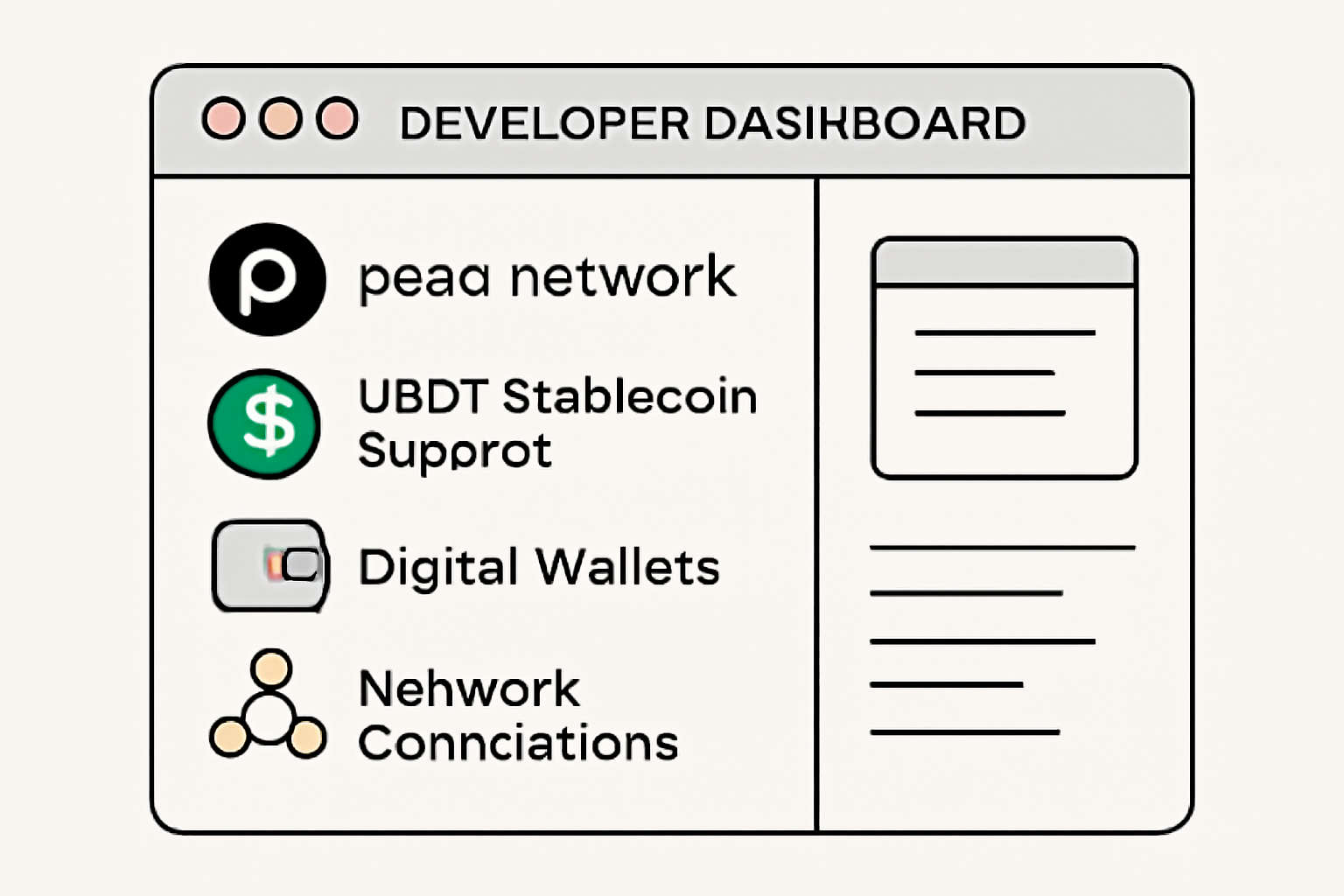
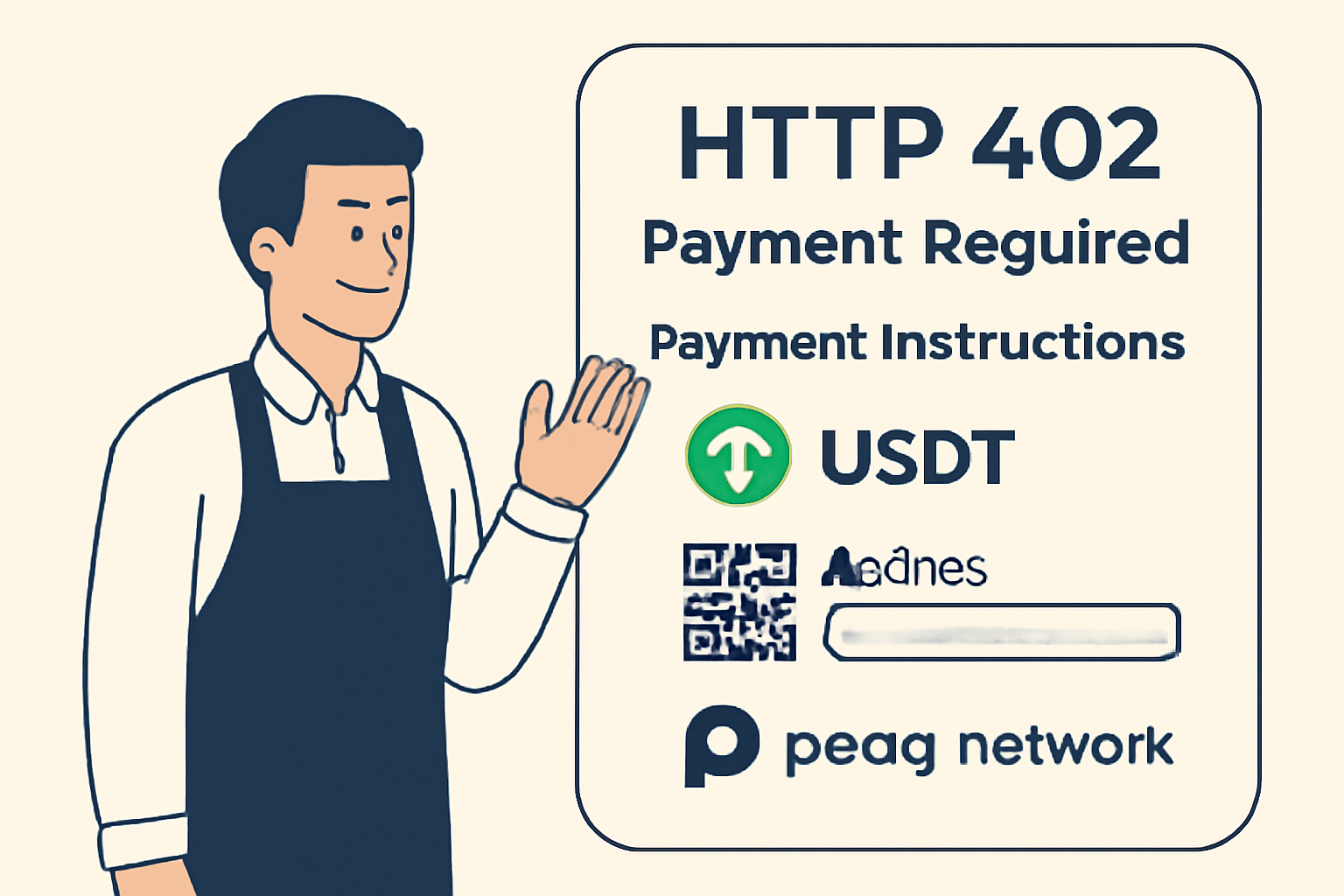
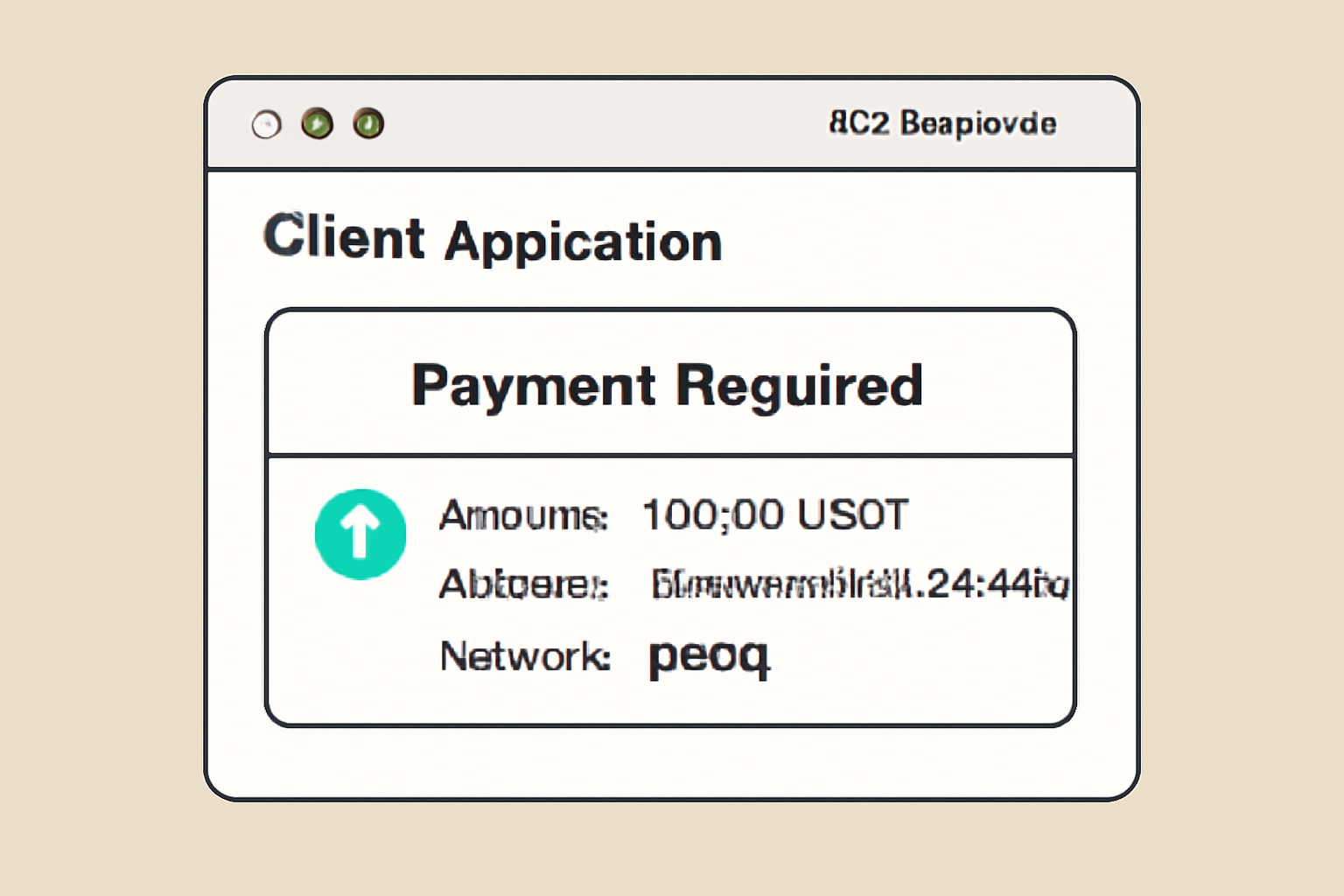
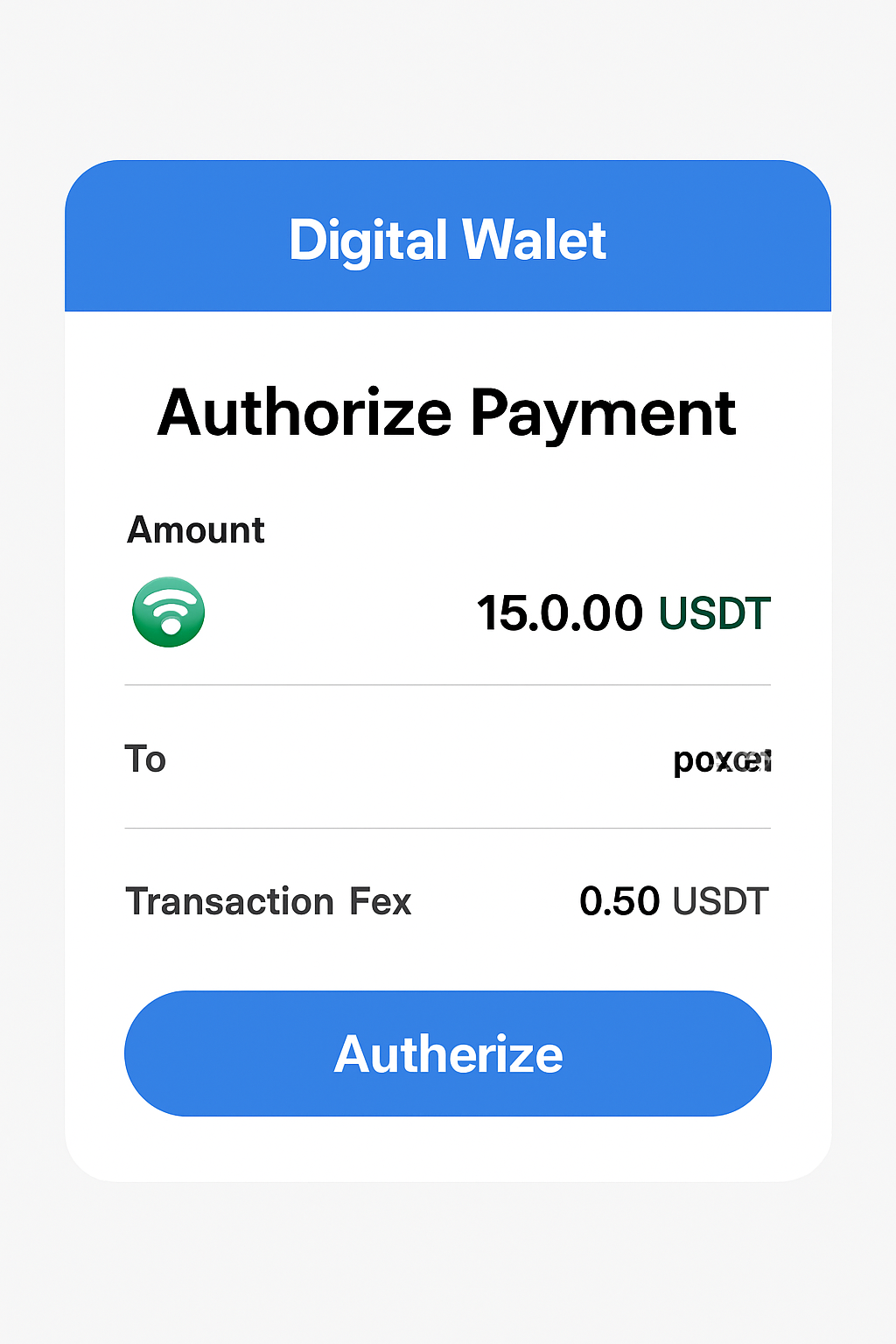
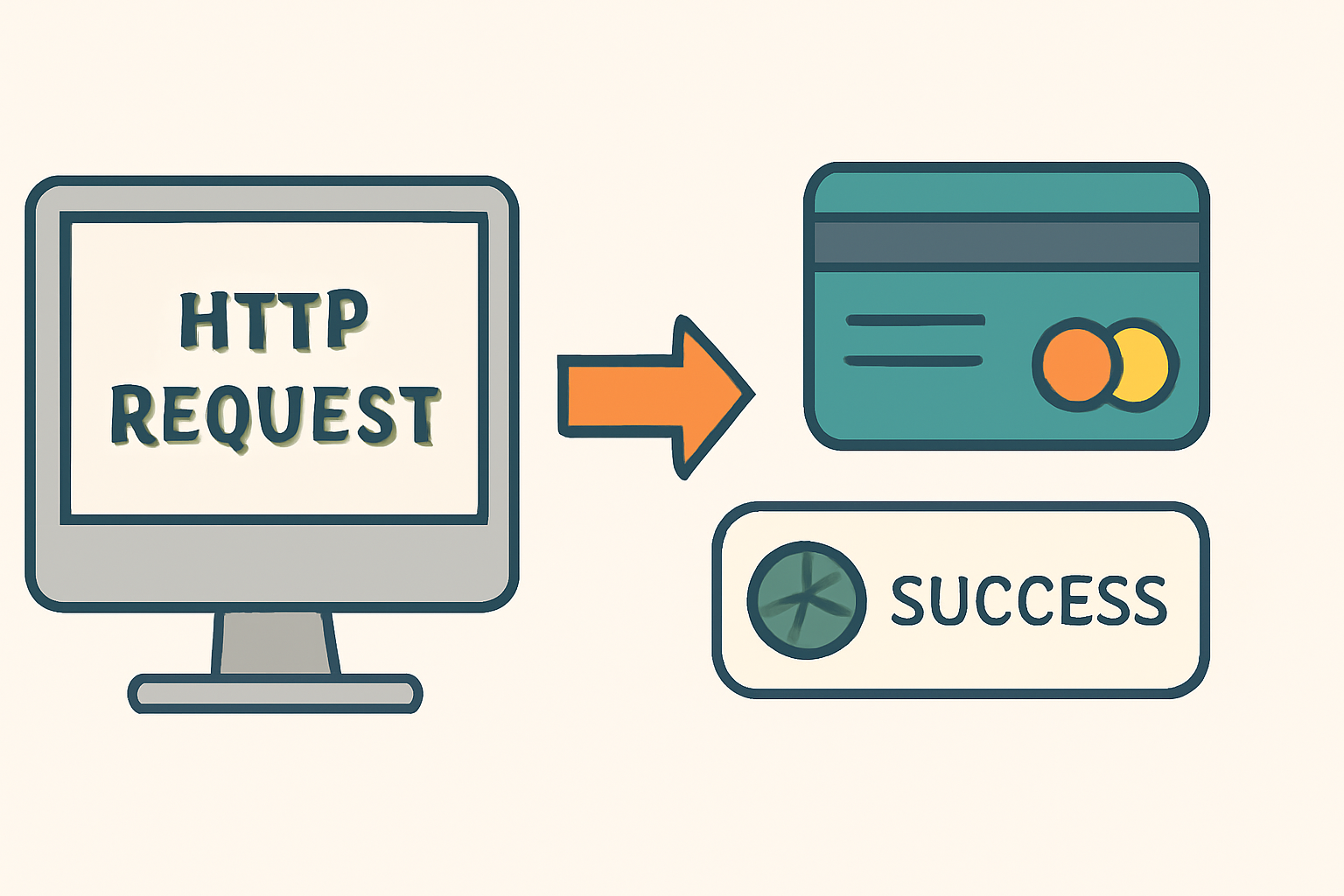

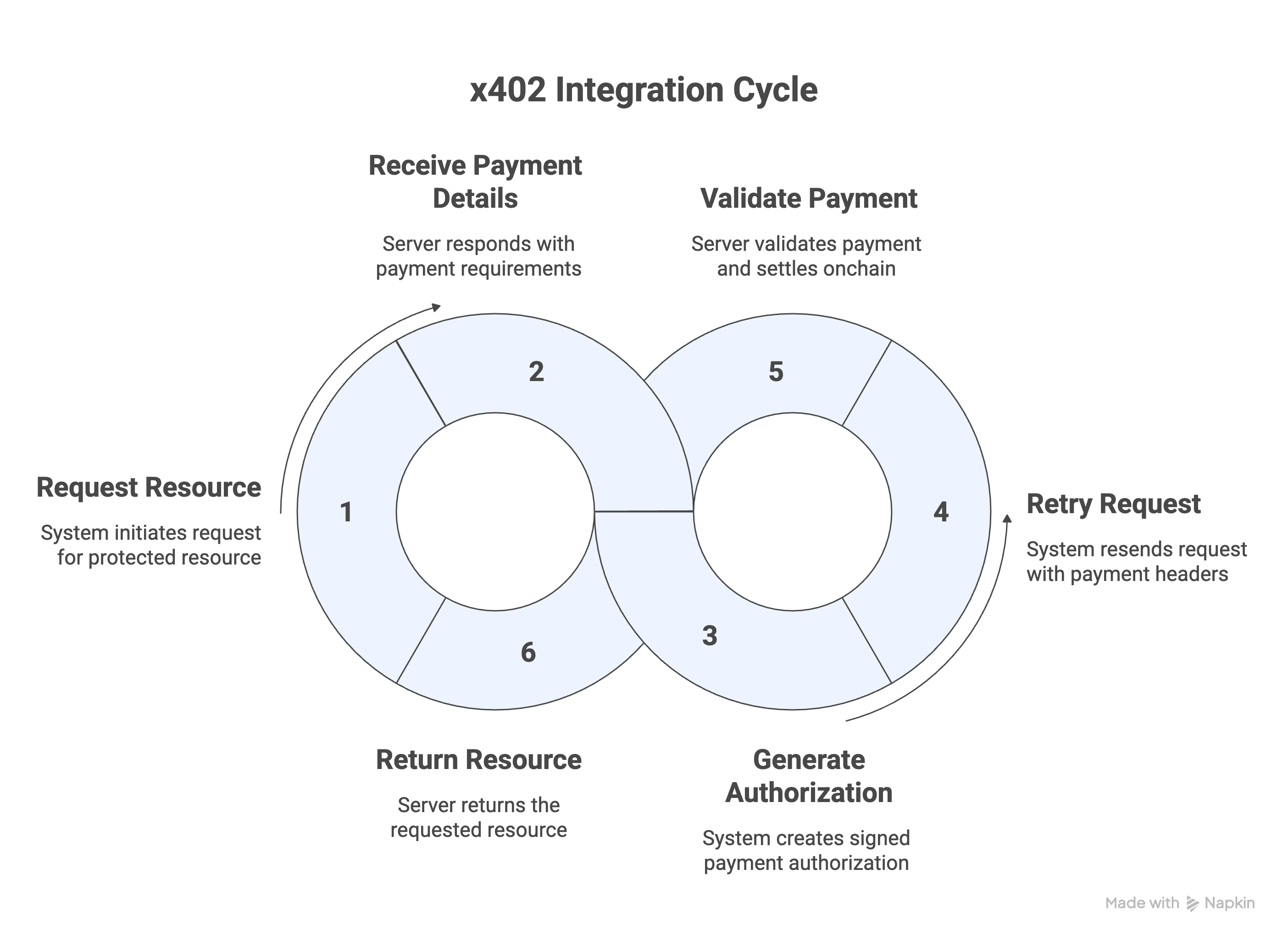
At a high level, integrating X402 into your application involves three main steps:
- Server-Side Implementation: Respond to resource requests with HTTP 402 and embed payment instructions (amount, asset - e. g. , USDT at $0.1217 - network, methods).
- Client-Side Handling: Detect HTTP 402 responses, parse instructions, authorize payment using an integrated wallet (such as Circle Wallets), then retry the request with proof of payment.
- Verification and Resource Delivery: Server verifies payment (on-chain or via a facilitator) before granting access to the requested resource or service.
This approach removes friction from microtransactions between machines and enables true autonomous commerce within decentralized physical infrastructure networks.
X402 in Action: Real-World Use Cases and Developer Insights
X402 isn’t just theoretical - it’s powering live use cases today. For example, Circle demonstrated AI agents paying autonomously for API access by combining Circle Wallets with x402 protocol (see case studies here). On peaq, builders can now leverage this stack to monetize APIs or IoT device data streams in real time using stablecoins like USDT at $0.1217.
The ability for machines to programmatically negotiate and settle payments opens up new business models across smart mobility fleets, energy grids, shared sensor networks and more.
Developers building on peaq can utilize the X402 protocol to automate everything from API monetization to real-time access for autonomous vehicles, drones, or decentralized sensor grids. The combination of HTTP-native payment intents and stablecoins like USDT at $0.1217 means that devices no longer need to rely on custodial accounts or centralized gateways. This is a leap forward for both scalability and security.
Best Practices for Secure and Efficient Integration
To maximize the benefits of X402 protocol integration on peaq, consider these practical recommendations:
- Use precise price feeds: Always reference real-time asset prices (like USDT at $0.1217) when constructing payment instructions to ensure accurate settlements.
- Automate wallet operations: Integrate with non-custodial wallets or agent-managed signing solutions to streamline the payment authorization process for your machines or agents.
- Monitor transaction confirmations: Implement robust callbacks or polling mechanisms so your server only delivers resources after confirmed on-chain payments.
- Leverage open-source libraries: Explore community SDKs and reference implementations in the official x402 documentation.
Expanding Your M2M Payment Stack
The peaq network’s support for USDT via Stargate’s Hydra unlocks liquidity and cross-chain interoperability for DePINs and Machine DeFi protocols. If you’re building applications that require rapid settlement, low volatility, and global reach, stablecoin payments over X402 are a natural fit. For a deeper dive into USDT’s role on peaq, see the peaq blog post on USDT integration.
X402 is about more than just payments; it’s about enabling new classes of autonomous economic activity between machines, agents, and services, without permission or intermediaries.
Resources and Next Steps
Top Resources for X402 Protocol Integration on peaq
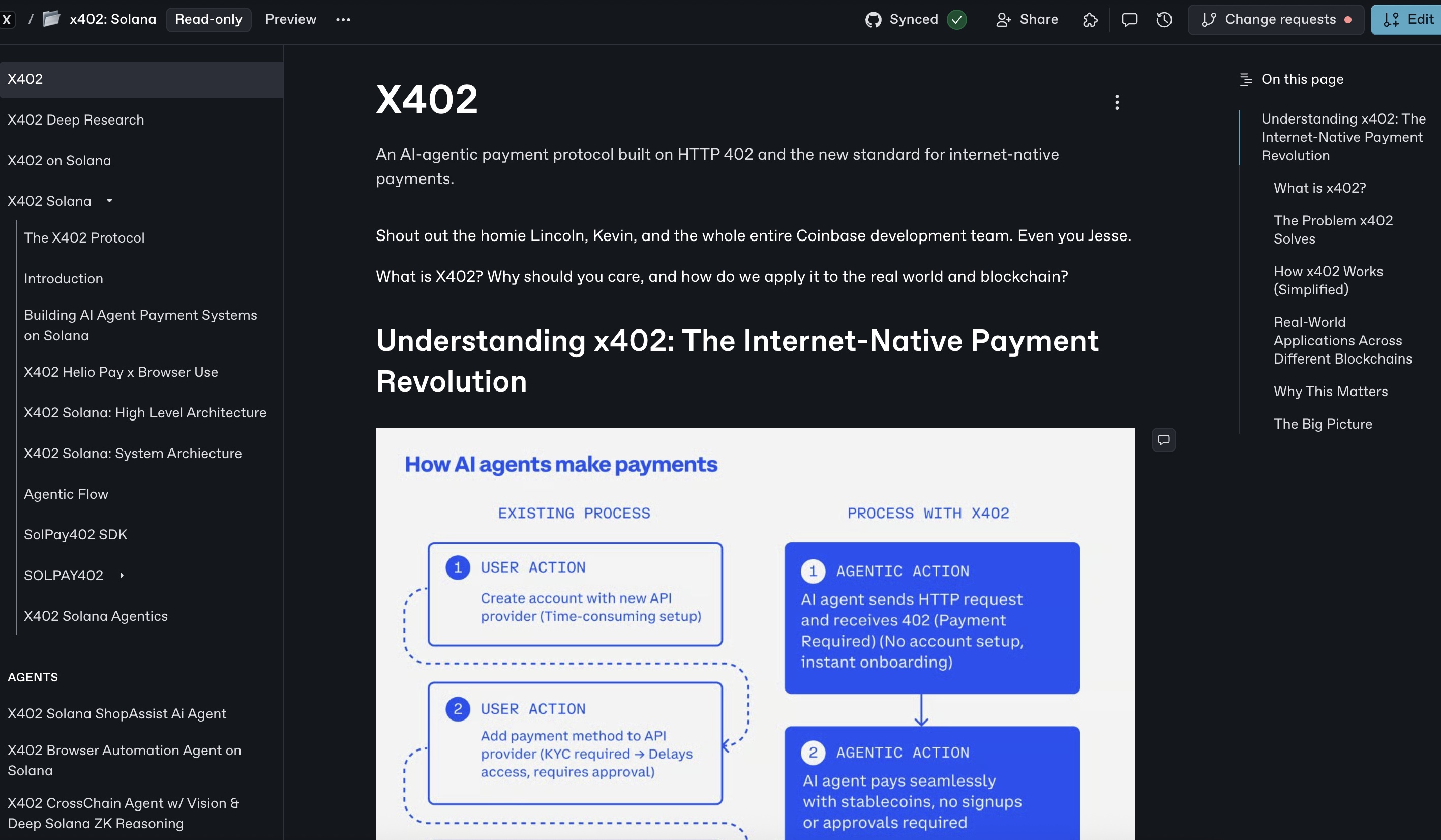
- X402 Official Documentation: The primary source for understanding and implementing the X402 protocol, including integration guides, payment flow diagrams, and API references. Read the docs.
- Coinbase Developer Docs: X402 Overview: Coinbase’s official technical documentation for X402, detailing its use for instant, onchain stablecoin payments over HTTP. Explore Coinbase X402 docs.
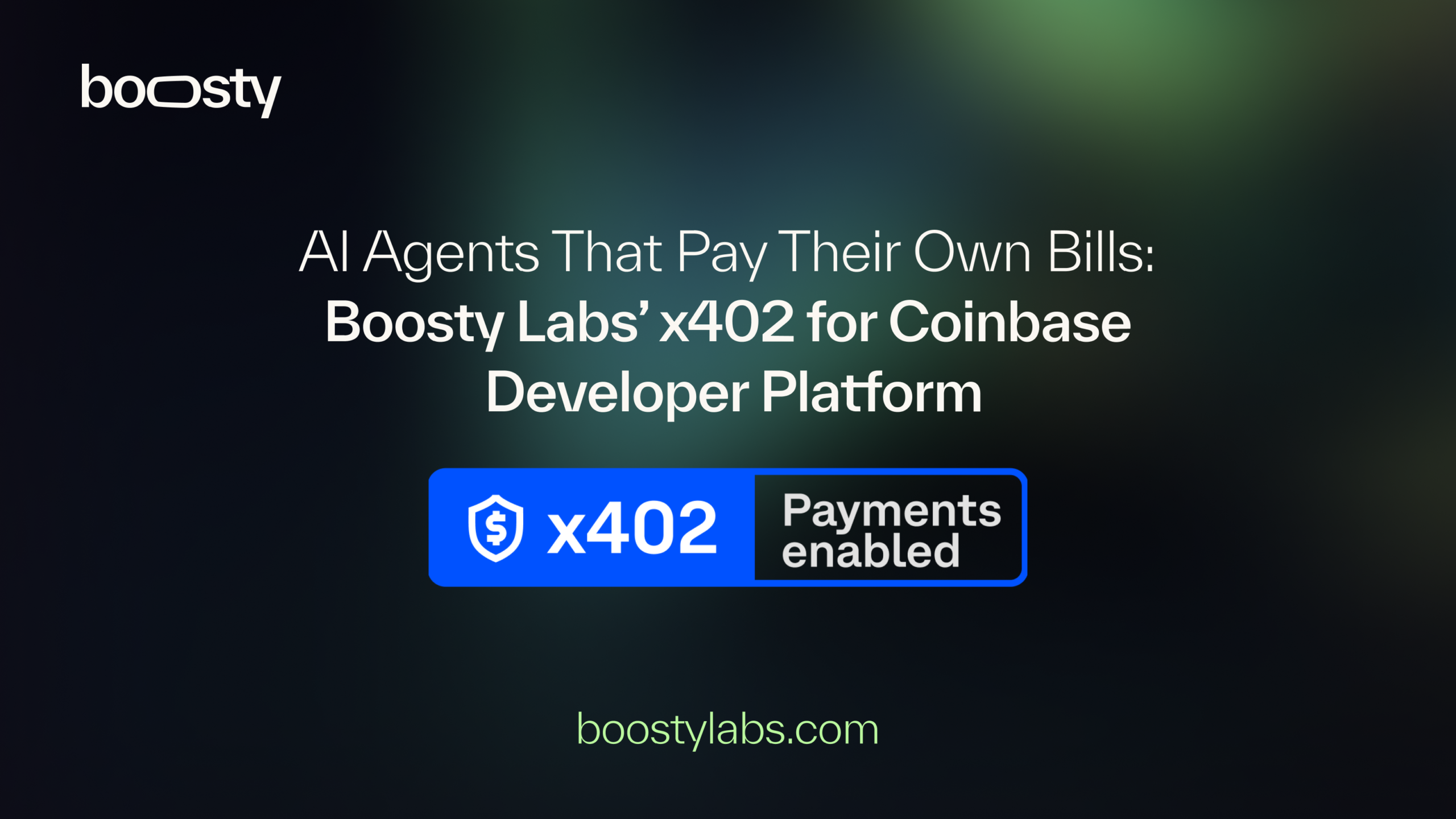
- peaq Blog: USDT Integration: In-depth article on how USDT, the world's largest stablecoin, is now available on peaq for M2M payments, including the latest price of $0.1217 for PEAQ. Read the peaq blog.
- QuickNode Guide: Crypto Paywall with X402: Step-by-step tutorial for building a paywall using X402 payments on the Base Sepolia testnet, with practical code examples. View QuickNode tutorial.
- Circle: Building Autonomous Payments with X402: Case study showing how to combine Circle Wallets and USDC with X402 for seamless AI agent payments. Read Circle's case study.
- GitHub: Machine 2 Machine Protocol (MCP) + X402: Open-source repository and technical resources for integrating X402 into M2M and agent-to-agent payment flows. Browse the GitHub repo.
If you’re ready to experiment with crypto payment intents in your own M2M workflows, start by reviewing:
- The latest x402 protocol specs (docs.payai.network/x402/introduction)
- The current USDT price feed at $0.1217 to set dynamic pricing models
- Tutorials on integrating wallets and handling HTTP 402 flows programmatically
The future of agentic commerce is here, and by leveraging the X402 protocol with stablecoins like USDT at $0.1217 on peaq, you’re building infrastructure that’s not just decentralized but truly autonomous. Whether you’re monetizing APIs, sharing mobility assets, or powering smart energy networks, seamless machine-to-machine payments are now within reach.




No comments yet. Be the first to share your thoughts!