

Imagine a world where AI agents don’t just talk to APIs, they pay for exactly what they use, in real time, without clunky accounts or subscriptions. That’s the promise of X402 Payment Intents integration: unleashing a new era of agent-to-agent payments and microtransactions that run at the speed of the web. If you’re building AI-powered apps, bots, or decentralized services, this is the toolkit you’ve been waiting for.

Why Real-Time Microtransactions Matter for AI Agents
Let’s face it: AI agents are hungry for data and services. Whether it’s fetching premium content, running advanced models, or accessing real-time APIs, every interaction comes with a cost. But traditional payment rails, think monthly subscriptions or pre-paid credits, are slow and restrictive. With X402 Payment Intents and the HTTP 402 payment protocol, you unlock:
- Pay-per-use access to APIs and content, no need for user registration or messy API keys
- Autonomous payments where agents act on their own, executing microtransactions as needed
- Instant settlement using stablecoins like USDC, so there’s no waiting for confirmations or batch processing
- Blockchain-agnostic flexibility: X402 works across multiple chains and tokens
This isn’t theory. It’s live, and it’s already powering the next generation of agentic commerce. For a deeper dive into the protocol itself, check out the official X402 documentation.
Core Steps: Integrating X402 Payment Intents with Your AI Agents
Ready to get your hands dirty? Here’s how to wire up your AI agent for seamless, autonomous microtransactions using X402:
Integrate X402 Payment Intents with Your Python AI Agent: A Step-by-Step Guide
1. Add X402 Middleware to Your API
The fastest way to X402-enable your backend is with a drop-in SDK. For Python devs, fast-x402 makes this a breeze:
Integrating fast-x402 Middleware with FastAPI
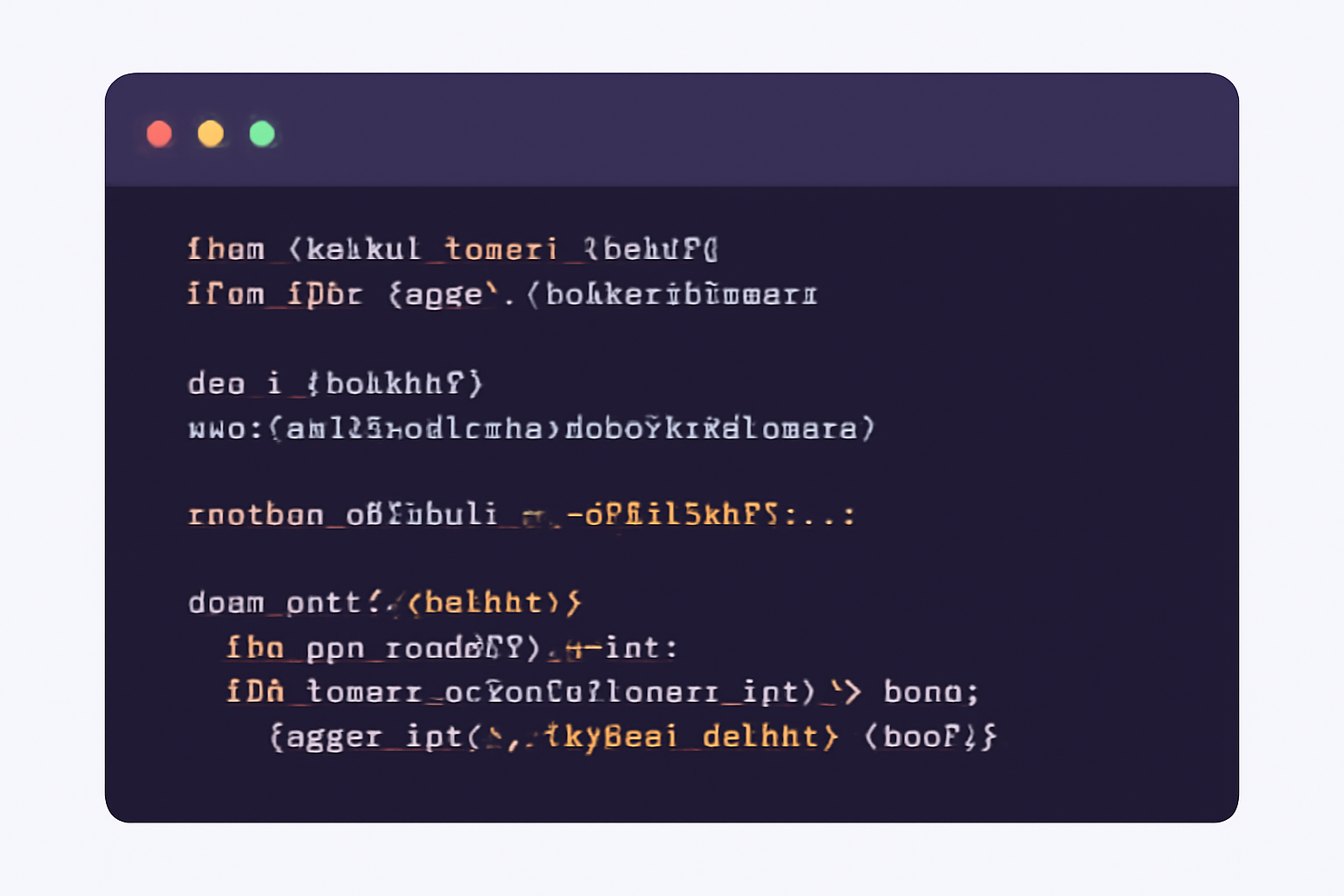
Let's see how you can set up a FastAPI server to handle X402 payment intents using the fast-x402 middleware. This will let your AI agent trigger microtransactions in real time!
from fastapi import FastAPI, Request
from fast_x402 import X402Middleware, create_payment_intent

app = FastAPI()

# Add the X402 middleware to your FastAPI app
domain = "https://your-domain.com"
app.add_middleware(X402Middleware, domain=domain)

@app.post("/pay")
async def pay(request: Request):
    data = await request.json()
    amount = data.get("amount")
    currency = data.get("currency", "USD")
    description = data.get("description", "AI Agent Service")

    # Create a new payment intent for the microtransaction
    payment_intent = await create_payment_intent(
        amount=amount,
        currency=currency,
        description=description
    )
    return {"payment_intent": payment_intent}

# Now, your AI agent can call the /pay endpoint to initiate a real-time X402 microtransaction!
That's it! With this setup, your AI agent can initiate X402 payment intents on the fly. Just make sure to replace `your-domain.com` with your actual domain.
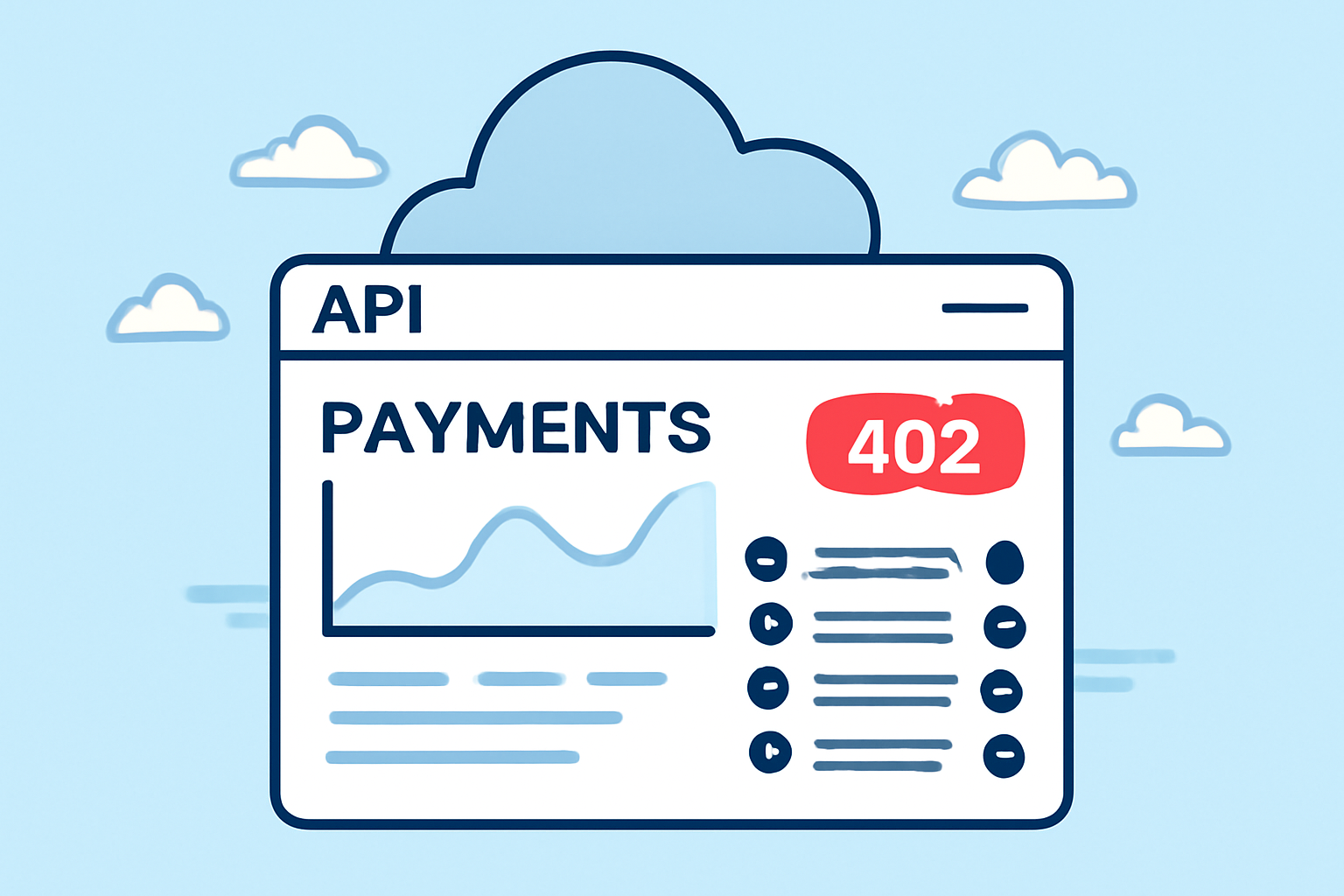
This middleware intercepts requests to premium endpoints and triggers payment flows automatically when an HTTP 402 response is needed.
2. Empower Your Agent with Payment Logic
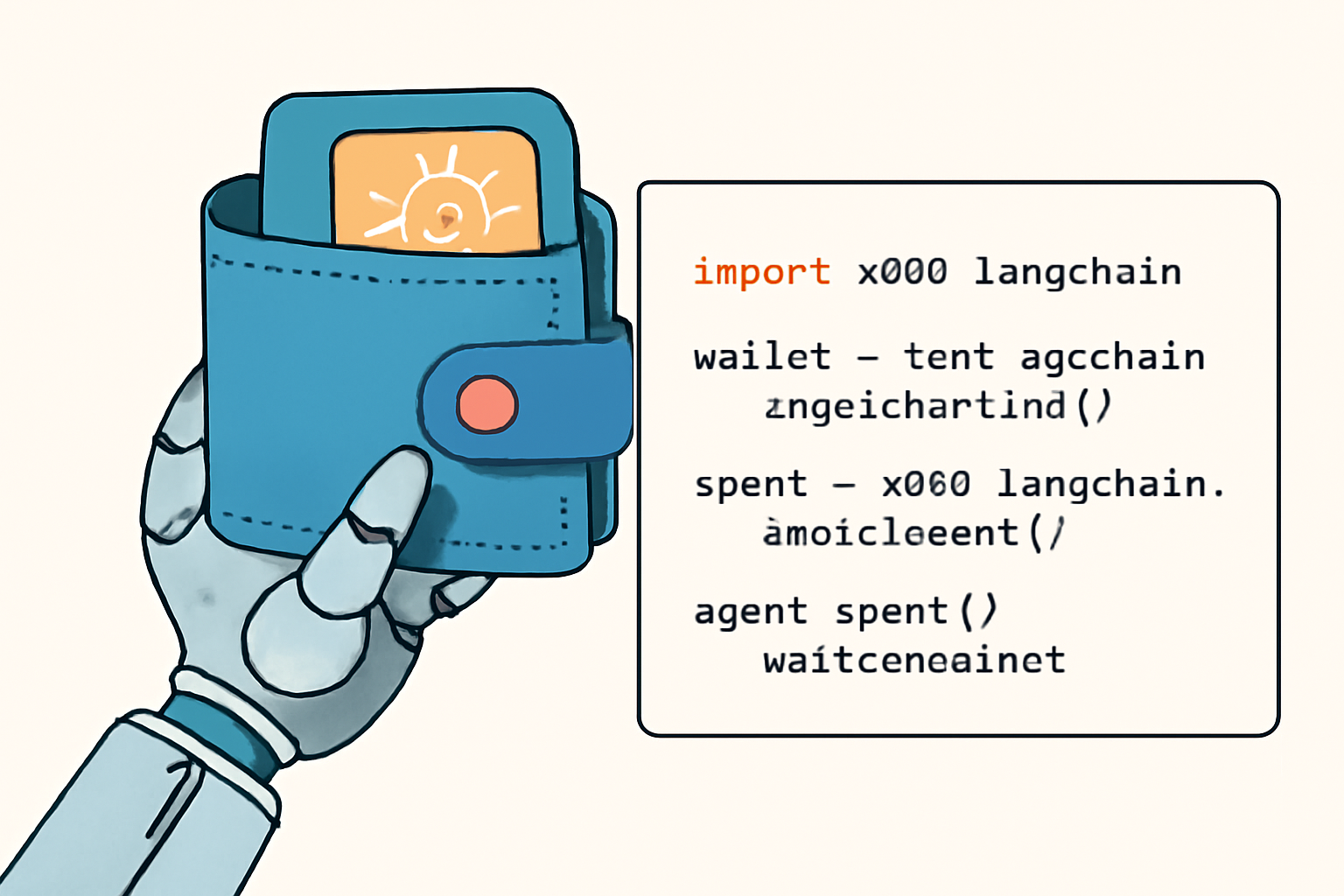
With the x402-langchain SDK, your AI agent can manage spending limits, handle private keys securely, and execute payments on its own. This is what turns a passive bot into an economically active agent.
Setting Up an X402 LangChain Agent with Spending Limits
Let's see how you can set up an X402-powered LangChain agent with spending limits to keep your microtransactions under control.
from x402_langchain import X402Agent
from langchain.llms import OpenAI

# Set your X402 API key and spending limits
x402_api_key = "sk_x402_..."
max_spend_per_intent = 0.10  # $0.10 per payment intent
max_daily_spend = 5.00       # $5.00 daily limit

# Initialize the X402 agent with spending limits
gx402_agent = X402Agent(
    api_key=x402_api_key,
    max_spend_per_intent=max_spend_per_intent,
    max_daily_spend=max_daily_spend,
    llm=OpenAI(temperature=0.7)
)

# Example: Run the agent with a user prompt
user_prompt = "Purchase access to the latest AI research paper."
response = x402_agent.run(user_prompt)
print(response)
With this setup, your agent will never exceed your defined per-intent or daily spending limits. You can now confidently integrate real-time payments into your AI workflows!
Set daily limits and let your agent decide when and how to pay for API calls or content, no human babysitting required.
3. Leverage Third-Party APIs for Hassle-Free Payment Handling
Want to simplify the payment flow even further? Services like Thirdweb’s API can proxy any URL and automatically handle X402 payments when your agent hits a paywalled resource. It’s plug-and-play autonomy for your bots.
For details on this streamlined workflow, see the Thirdweb API changelog.
Security and Efficiency: The X402 Advantage
Security and speed are non-negotiable when you’re dealing with autonomous payments. X402 was built from the ground up for instant, fee-free settlement, no protocol fees, no waiting. The protocol is designed to be blockchain-agnostic, supporting a range of tokens and chains so you can pick what works best for your stack.
Here’s the kicker: X402 doesn’t require user registration or complex authentication. Payments are handled via standard HTTP flows, making it dead simple to integrate and scale.
The New Frontier: Agent-to-Agent Payments at Web Scale
With X402, we’re not just talking about paying for API calls, we’re enabling a new paradigm where AI agents can negotiate, transact, and settle payments with each other in real time. This is the backbone of the emerging autonomous web economy, where billions of microtransactions power everything from personalized news feeds to on-demand compute and beyond.
Curious about how this looks in production? The X402 protocol is already being used by Cloudflare’s Agent SDK and other leading platforms to let agents pay for resources and services on demand. Dive into the details at x402.org.
But the real magic happens when you start stacking these integrations. Imagine an AI agent that can fetch premium data, run a GPU-intensive model, and tip another agent for a clever insight, all within a single workflow, all settled in stablecoins like USDC, and all without ever prompting the user for payment details. That’s the power of autonomous payments integration with X402 Payment Intents.
Real-World Use Cases for AI Agents Using X402 Payment Intents
- Pay-Per-Use API Access: AI agents can autonomously pay for each API call in real time using the X402 protocol, eliminating the need for subscriptions or manual invoicing. This enables seamless, on-demand access to premium data, language models, or analytics services.

- Autonomous Content Purchasing: Agents can purchase articles, videos, or datasets from content platforms that support X402, paying per item or per view without requiring user registration. This unlocks frictionless access to high-value digital content.

- Onchain Paywall Bypass: Using Thirdweb's x402-fetch API, AI agents can automatically handle HTTP 402 responses, pay the required fee, and access protected resources instantly—perfect for research bots or automated scrapers.
- Real-Time Cloud Resource Payments: With integrations like Cloudflare's Agent SDK, AI agents can pay for compute, storage, or bandwidth as they use it, optimizing costs and enabling scalable, autonomous cloud operations.

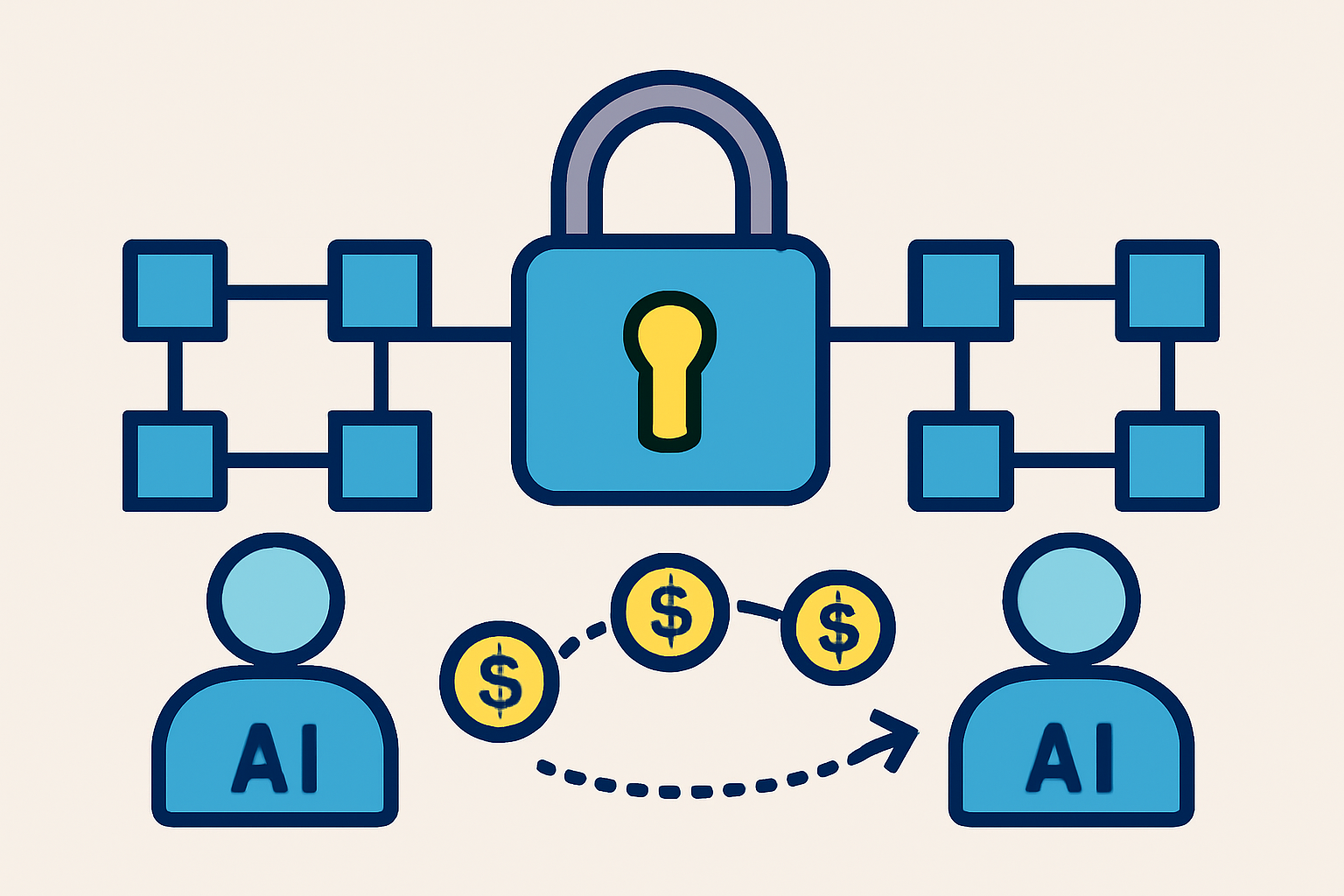
- Autonomous Agent-to-Agent Transactions: X402 enables direct payments between AI agents for services, such as data exchange, task delegation, or API chaining, supporting new forms of decentralized, agent-driven commerce.

- Instant Pay-Per-Use AI Model Access: Platforms leveraging x402-langchain allow AI agents to pay per query for advanced LLMs or specialized AI models, unlocking granular, cost-effective access to cutting-edge AI capabilities.

Why does this matter? Because it unlocks entirely new business models. Think about:
- Dynamic paywalls: Content providers can monetize every API call or data request, not just monthly subscribers.
- Decentralized marketplaces: Agents can buy and sell services with each other, forming complex value chains on the fly.
- Per-use cloud compute: No more overpaying for idle server time, agents pay only for what they need, when they need it.
Optimizing for Real-Time Crypto Payments
The HTTP 402 payment protocol is designed to be frictionless. When your agent hits a paywalled endpoint and receives a 402 Payment Required, it knows exactly what to do: trigger an X402 Payment Intent, settle instantly, and continue its workflow without interruption. This is especially potent with stablecoin payments APIs that guarantee price stability and cross-chain compatibility.
If you’re worried about security or efficiency at scale, rest easy. The X402 protocol is battle-tested to handle high-frequency microtransactions with zero protocol fees and no settlement delays. Plus, since it’s blockchain-agnostic, you’re never locked into a single token or network, flexibility that’s crucial as the ecosystem evolves.
Best Practices for Deploying Agentic Payments
If you’re ready to push your AI applications into the future of commerce, follow these tips:
- Monitor spending limits: Use SDKs like
x402-langchainto set daily caps and prevent runaway costs. - Audit payment flows: Log every transaction so you have full transparency over agent activity.
- Select your chains wisely: Leverage X402’s multi-chain support to optimize for speed and fees based on your use case.
- Simplify onboarding: Thanks to HTTP-native flows, users don’t need accounts or API keys, just connect their wallet and go.
This isn’t just theory, developers are already seeing results in production environments. Check out this real-world feedback:
What Comes Next?
The rise of agent-to-agent payments will fundamentally reshape how digital services monetize and interact. With protocols like X402 leading the charge, expect to see more autonomous agents negotiating prices, settling payments in milliseconds, and even forming economic alliances across platforms, all powered by seamless microtransactions.
If you want your project on the cutting edge of this revolution, whether you’re building decentralized apps or next-gen SaaS products, now’s the time to integrate X402 Payment Intents. Explore more at x402.org, or dive into plug-and-play solutions via Thirdweb’s API changelog at this link.




No comments yet. Be the first to share your thoughts!