

Integrating seamless crypto payments into decentralized applications (dApps) is no longer a futuristic vision, it's a present-day necessity for developers and businesses seeking to monetize digital experiences. Coinbase's X402 protocol, an open-source payment standard leveraging the HTTP 402 status code, has rapidly become the leading solution for frictionless on-chain payments. With X402, dApps can accept stablecoins like USDC instantly and programmatically, unlocking new monetization models for APIs, web apps, and autonomous agents.

Why Choose Coinbase X402 for dApp Payments?
Coinbase X402 stands out by transforming the once-theoretical HTTP 402 “Payment Required” status into a real-world programmable payment gateway. Its fully managed infrastructure means developers can focus on building features while X402 handles cryptographic security, settlement, and compliance in the background. The protocol is designed for scale, whether you're running a small NFT marketplace or an AI-powered data service.
As of today, Coinbase Global Inc (COIN) is trading at $354.46, reflecting growing institutional confidence in blockchain-powered payment rails. The increasing adoption of protocols like X402 signals that crypto-native payments are moving from niche to mainstream in the Web3 ecosystem.
Understanding Payment Intents in Decentralized Applications
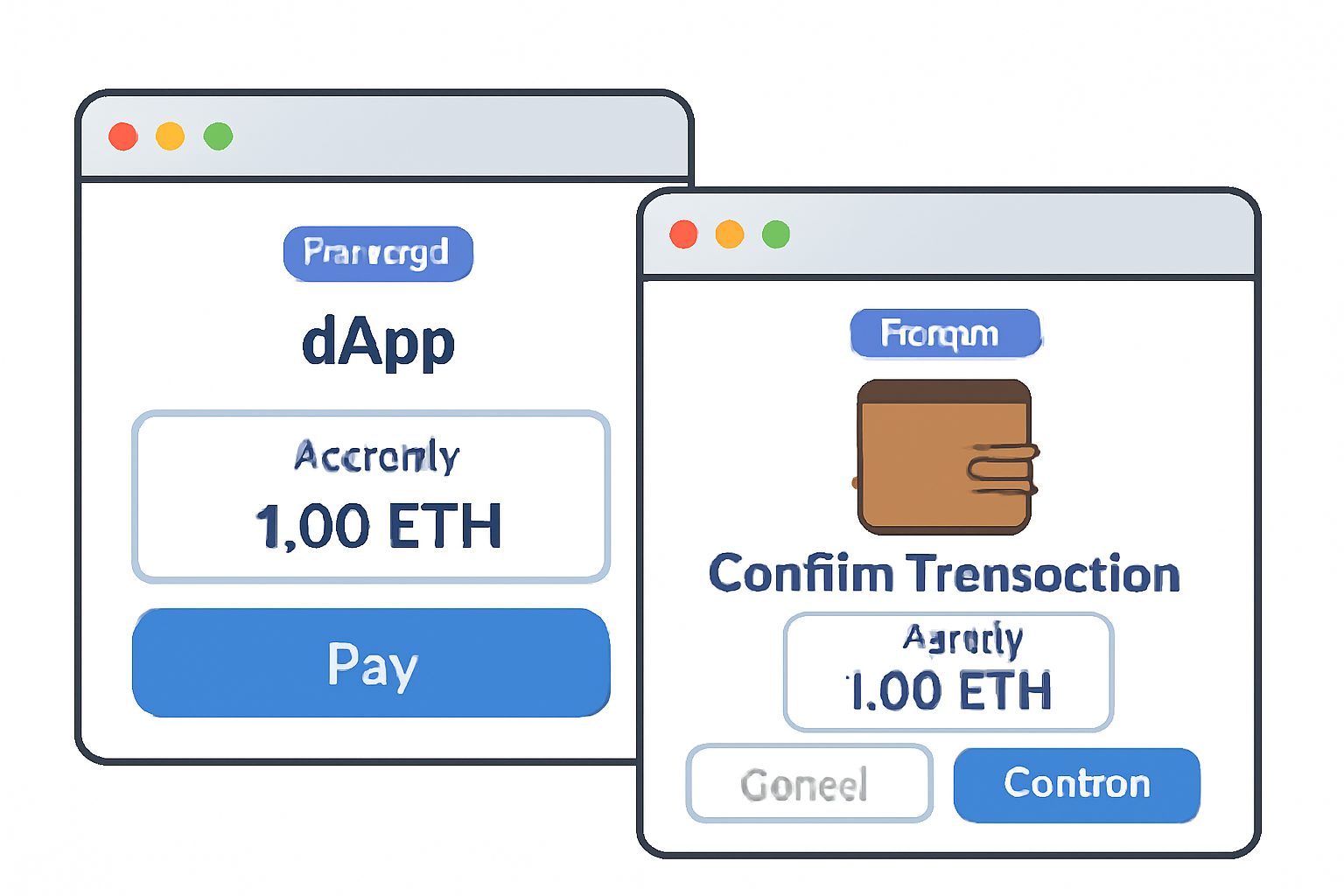
The concept of payment intents is central to secure crypto transactions with dApps. Rather than simply transferring tokens between wallets, payment intents define a structured agreement: who pays whom, how much, on which network, and under what conditions. This approach minimizes errors and supports advanced workflows such as pay-per-use APIs or gated digital content.
X402 Payment Intents are especially powerful because they:
- Enable programmatic access: Agents and users can trigger payments automatically via HTTP requests.
- Support stablecoins: Reduce volatility by using USDC on networks like Base and Base Sepolia.
- Guarantee security: Each intent is cryptographically signed with replay protection and strict validity windows.
- Simplify settlement: Facilitators like Coinbase’s x402 service handle verification so you don’t need custom logic.
Step-by-Step Guide: Setting Up X402 Payment Intents in Your dApp
If you’re ready to enable decentralized application payments using the HTTP Payment Protocol dApps trust most, here’s how you can get started:
Integrate Coinbase x402 Payment Intents into Your Node.js dApp
1. Prerequisites:
- EVM-Compatible Crypto Wallet: Set up a wallet (like CDP Wallet) to receive funds securely.
- Development Environment: Ensure Node. js and npm are installed locally.
- dApp Backend/API: Have an operational server where payments will be enforced.
2. Install Dependencies:
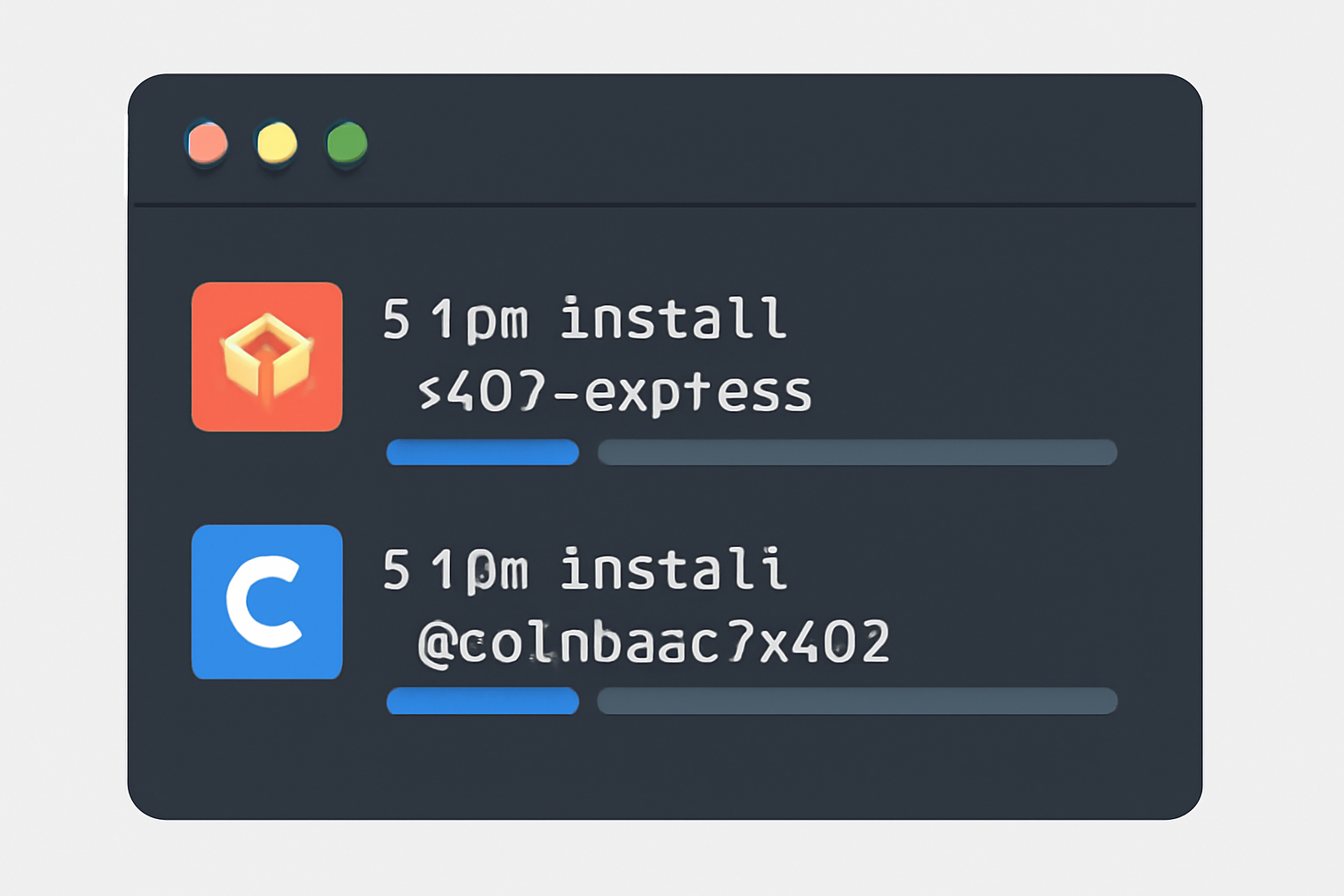
- Add x402 Express middleware with:
npm install x402-express - If targeting mainnet or advanced use cases, also run:
npm install @coinbase/x402
Learn more about secure crypto transactions with HTTP Payment Protocols here.
This foundational setup ensures your application is ready to enforce paywalls or charge per API call using robust crypto payment intents, no manual wallet checks required!
Securing and Testing Your X402 Integration
Once you’ve configured the middleware and set up your payment routes, it’s critical to validate that your integration is both functional and secure. X402 leverages cryptographic signatures for every transaction, ensuring that each payment intent is unique, time-bound, and immune to replay attacks. This architecture dramatically reduces the risk of double-spending or unauthorized access, an essential consideration for any dApp handling real value.
To test your implementation:
- Deploy to a staging or test network like Base Sepolia before moving to mainnet.
- Simulate payments using a compatible wallet. Trigger payments through your dApp’s UI or direct HTTP requests.
- Monitor logs and callbacks from the facilitator service to confirm receipt and settlement of funds.
- Check replay protection: Attempt to reuse a payment intent and verify that it is rejected as expected.
This process helps ensure users experience seamless crypto payment flows while maintaining robust security standards. For more guidance on integrating Coinbase X402 Payment Intents with decentralized apps, visit our detailed developer guide at this link.
Best Practices for Decentralized Application Payments
The real power of X402 comes from its flexibility, enabling everything from pay-per-use APIs to on-demand digital content delivery. To maximize the value of your integration:
- Clearly communicate pricing: Show users exactly how much they’ll pay in USDC (e. g. , $0.10 per request), referencing current market prices where possible.
- Use protected routes wisely: Only gate high-value endpoints or resources behind payment intents to balance user experience and monetization goals.
- Stay updated on supported networks/assets: As X402 expands beyond Base and USDC, regularly review documentation to offer users more options.
- Leverage facilitator services: Offload complex settlement logic by relying on trusted facilitators like Coinbase’s x402 service.
The protocol’s design ensures that even as new features roll out, such as additional stablecoins or cross-chain support, your dApp will be positioned at the forefront of secure crypto transactions. This adaptability is key in a fast-moving landscape where user expectations continue to evolve alongside regulatory requirements.
Securing an Express.js API Route with x402-express Middleware
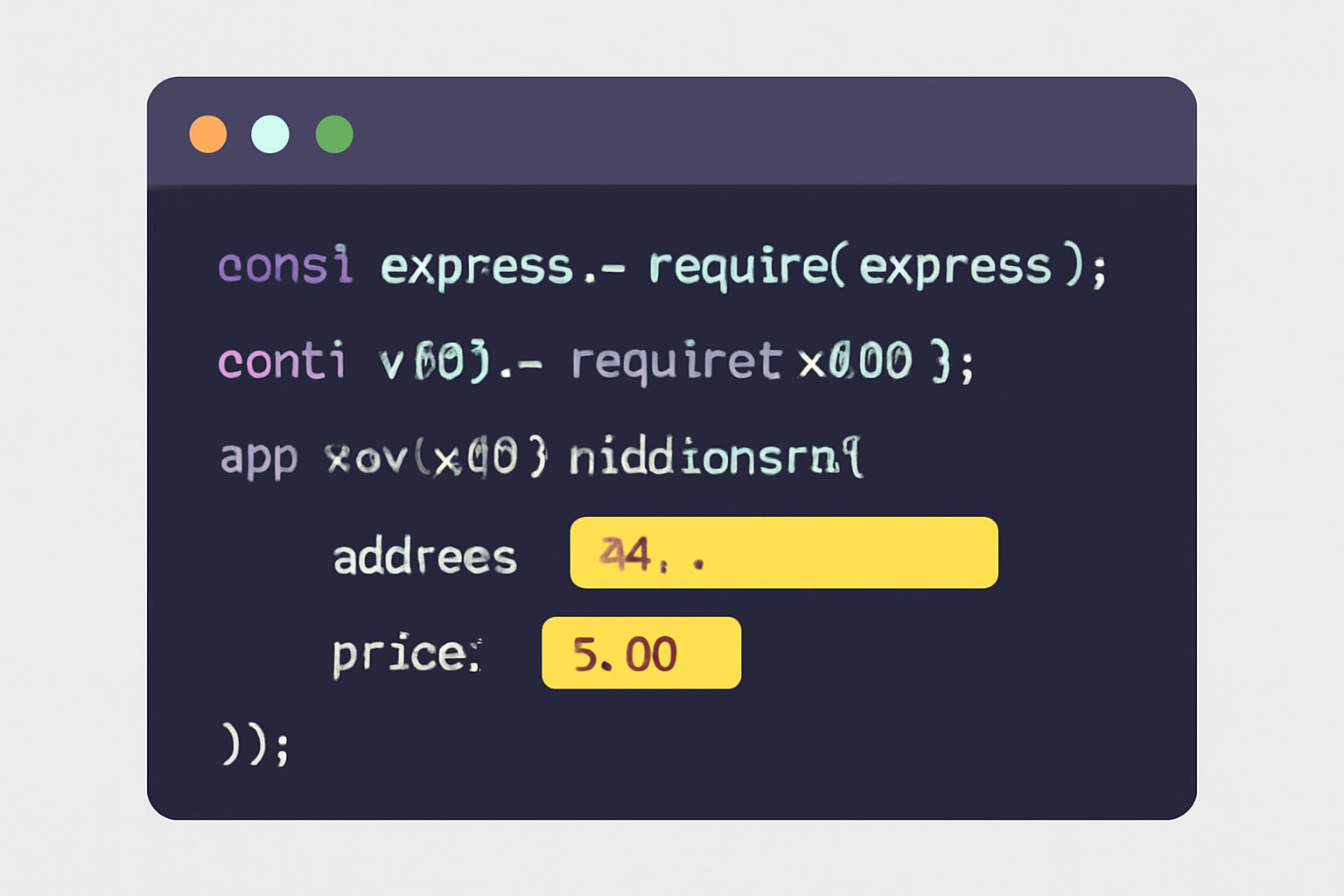
Here's how you can secure an Express.js API route using the `x402-express` middleware. This ensures that only requests with valid Coinbase X402 payment intents can access protected endpoints.
const express = require('express');
const { x402ExpressMiddleware } = require('x402-express');

const app = express();

// Configure the x402 middleware with your Coinbase API credentials
app.use(
  '/api/secure-endpoint',
  x402ExpressMiddleware({
    apiKey: process.env.COINBASE_API_KEY,
    apiSecret: process.env.COINBASE_API_SECRET,
    // Add other configuration options as needed
  })
);

app.get('/api/secure-endpoint', (req, res) => {
  // This route is now protected by the x402 payment intent middleware
  res.json({ message: 'You have accessed a secure endpoint!' });
});

app.listen(3000, () => {
  console.log('Server running on http://localhost:3000');
});
Make sure to replace `process.env.COINBASE_API_KEY` and `process.env.COINBASE_API_SECRET` with your actual Coinbase API credentials, or set them as environment variables for better security.
Real-World Impact: Monetizing with Crypto Payment Intents
The adoption of X402 isn’t just about technical innovation, it’s about unlocking new business models in Web3. Developers can now monetize APIs per call, creators can implement frictionless paywalls for digital goods, and autonomous agents can transact value without human intervention. With Coinbase Global Inc (COIN) currently trading at $354.46, the market signals confidence in scalable crypto infrastructure powering these next-generation applications.
Staying Ahead: The Future of Crypto Payments in dApps
X402 is setting new benchmarks for programmable money on the internet. By making HTTP-native payments a reality, it empowers developers and businesses to create richer user experiences while maintaining compliance and security at scale. As adoption accelerates, expect further enhancements, like expanded asset support, deeper analytics, and improved developer tooling, to make decentralized application payments even more accessible.
If you’re ready to bring seamless crypto transactions into your application stack or want deeper technical details on Coinbase X402 integration, explore our advanced resources:




No comments yet. Be the first to share your thoughts!