
Integrating seamless cryptocurrency payments into decentralized applications (dApps) has long been a challenge for developers. Traditional payment rails are slow, expensive, and often incompatible with the ethos of decentralization. Enter Coinbase X402: an open, internet-native payment protocol that leverages the HTTP 402 "Payment Required" status code to enable instant, on-chain stablecoin transactions. If you’re building dApps or APIs and want to monetize access or enable machine-to-machine payments, understanding how to implement secure payment intents for dApps using X402 is now essential.
What Makes Coinbase X402 a Game-Changer for dApp Payments?
The X402 protocol stands out by transforming a previously unused HTTP status code into a powerful tool for crypto payments. Instead of relying on legacy systems or cumbersome wallet integrations, any web service can now request and receive stablecoin payments directly over HTTP. This means you can protect API endpoints, digital content, or IoT services with frictionless micropayments, no cards, no keys, no waiting periods.
Key features driving adoption include:
- Instant micropayments: Monetize API calls or digital content with pay-per-use models.
- Autonomous transactions: Empower AI agents and bots to transact without human intervention.
- Blockchain agnostic: Use multiple blockchains and stablecoins to maximize flexibility.
- Simplified developer experience: Middleware libraries for Node. js and browser apps reduce integration time dramatically.
This shift isn’t theoretical, projects are already deploying X402 in production settings. For example, video paywalls and paid data APIs are leveraging the protocol to unlock new revenue streams without user friction.
The Developer’s Integration Workflow: From Idea to Implementation
If you’re ready to add HTTP Payment Protocol crypto support to your project, follow these systematic steps:
Integrate Coinbase x402 Payment Intents into Your Node.js dApp
- Set up your environment: Ensure Node. js and npm are installed on your machine. You’ll also need a crypto wallet address where you’ll receive payments from users or automated agents.
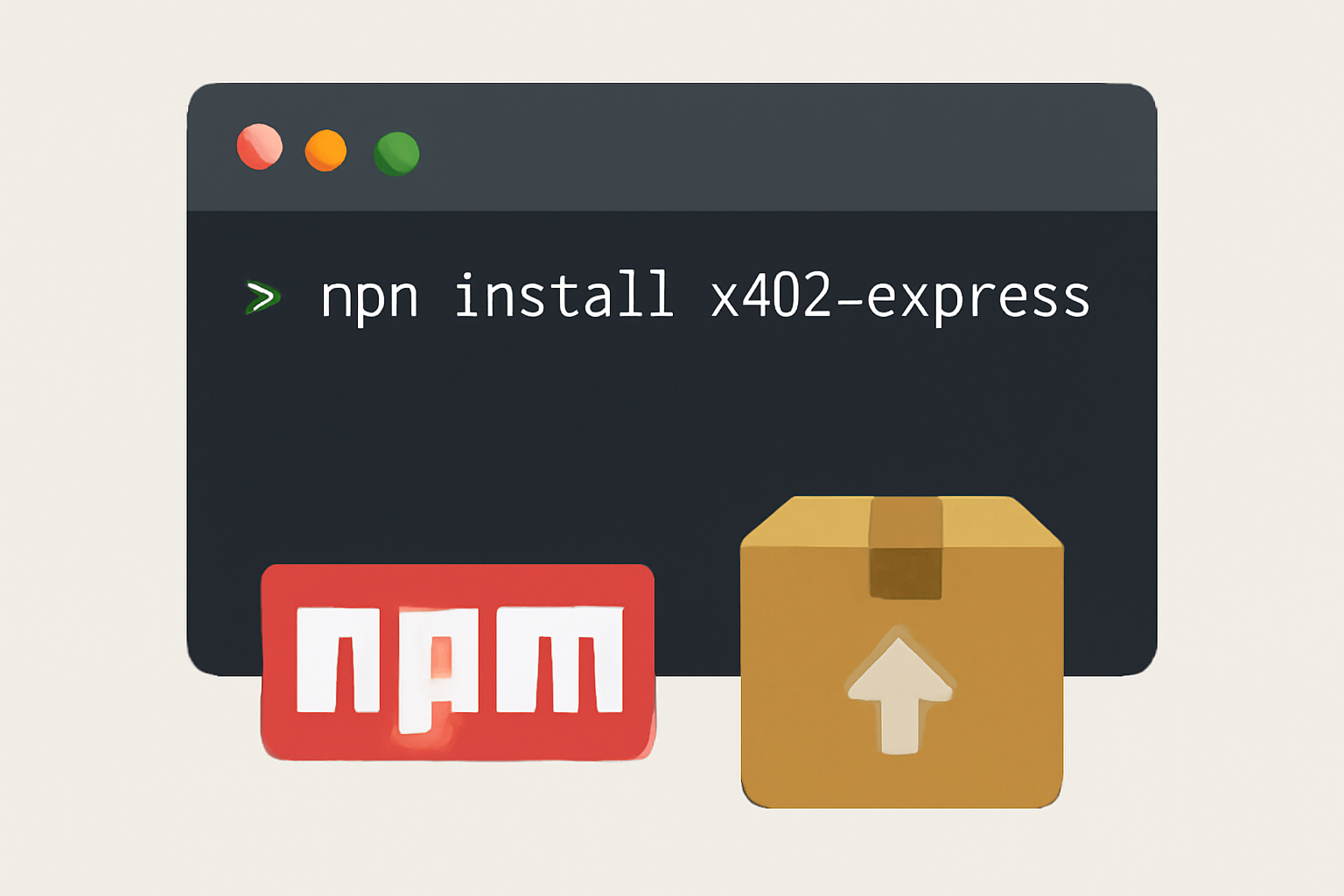
- Add dependencies: For Node. js projects, install the official x402 Express middleware package:
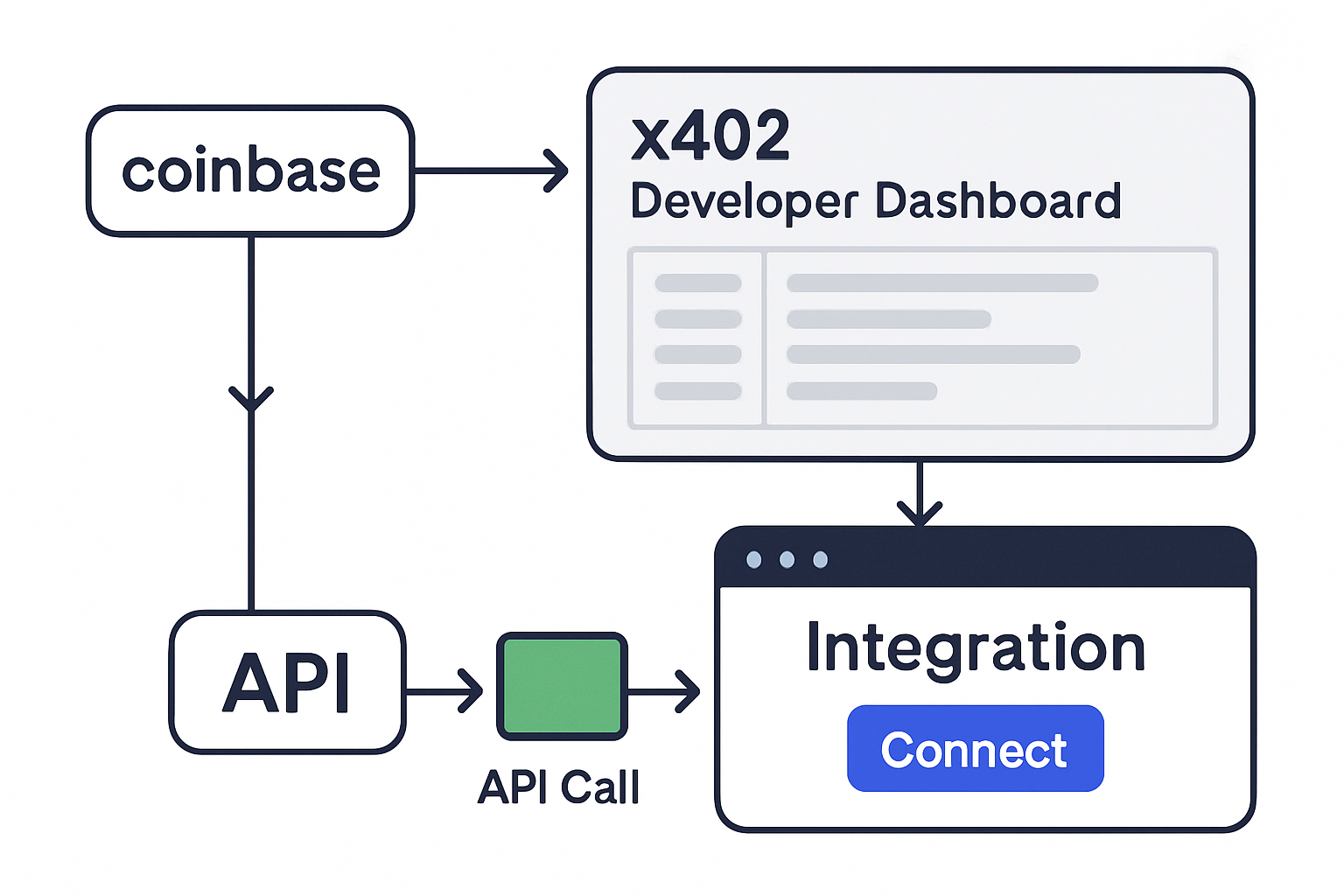
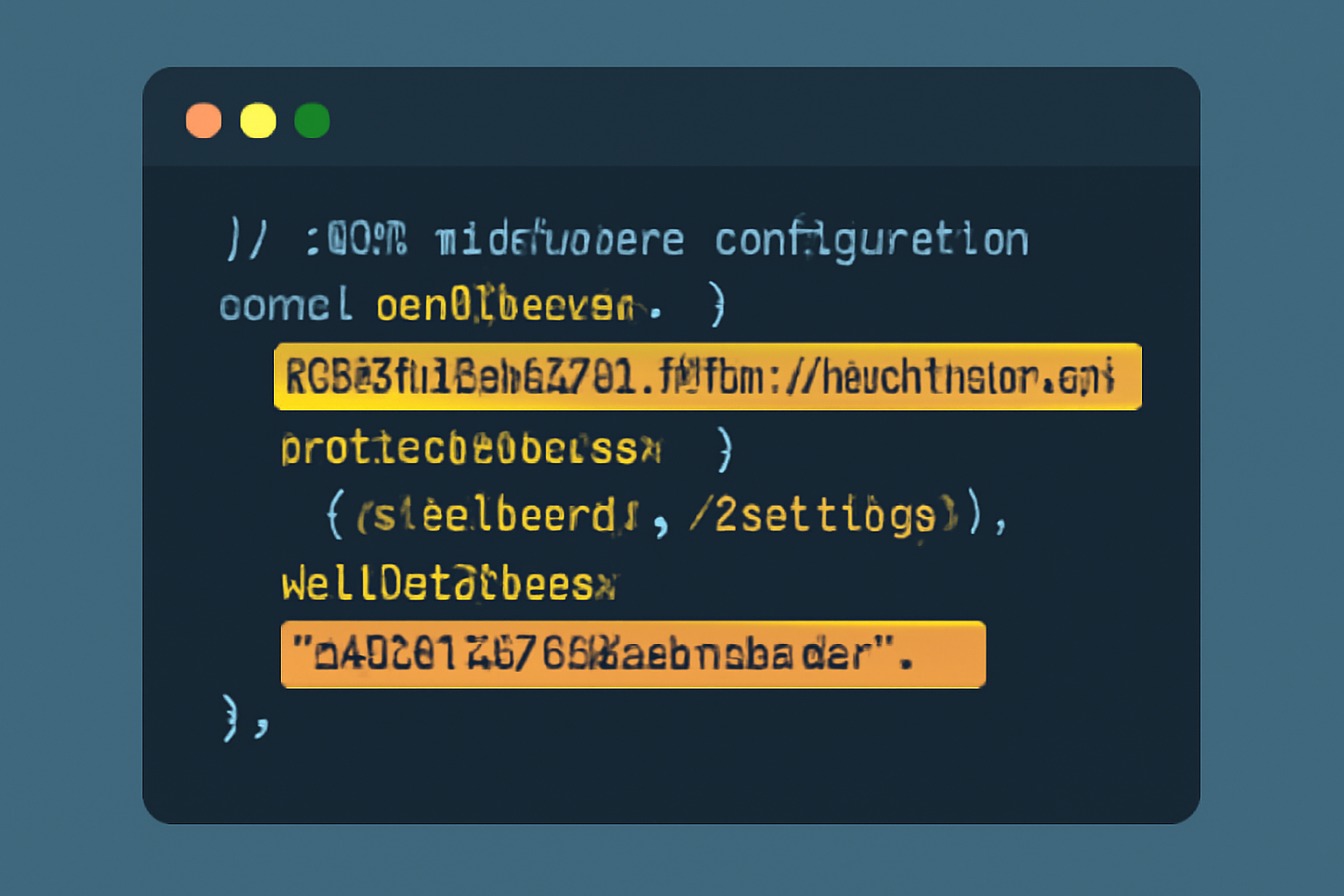
- Configure middleware: Integrate the middleware in your app by specifying parameters like your facilitator URL (for example, https://x402.org/facilitator) and wallet address. Choose which routes require payment protection, such as premium API endpoints or exclusive content downloads.
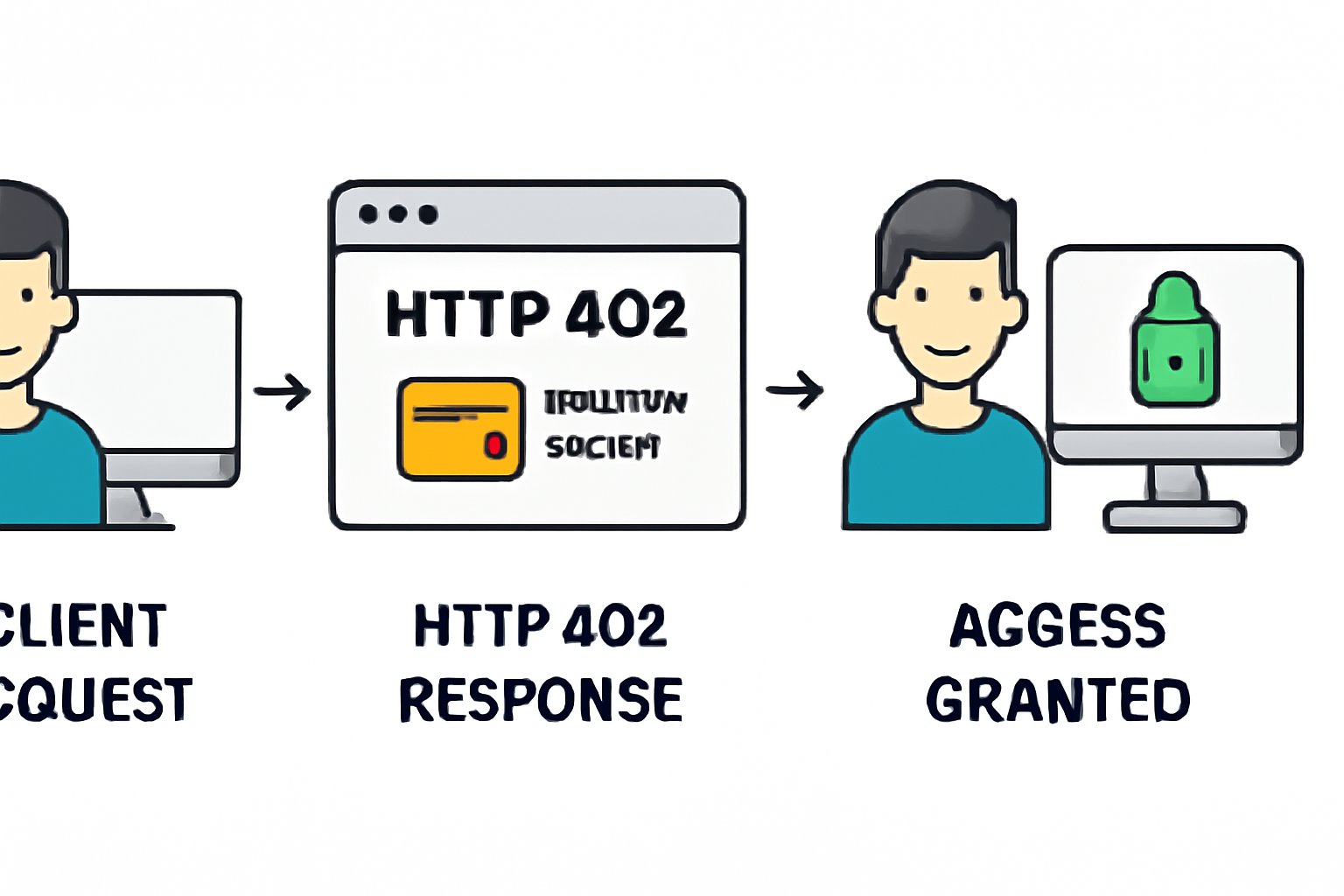
- Create the payment flow: When a client requests access to protected resources, respond with HTTP 402 and provide payment instructions in the response headers. Once payment is detected on-chain (via POST/settle), automatically grant access.
This streamlined approach allows you to focus on building great user experiences while outsourcing complex payment logic to a battle-tested protocol. For more detailed walkthroughs, including code samples, see our dedicated guide at How To Integrate Coinbase X402 Payment Intents With Decentralized Applications (dApps).
X402 Use Cases: Unlocking New Business Models in Web3
The versatility of Coinbase X402 is already inspiring developers across industries. Here are some high-impact applications where secure cryptocurrency transactions make all the difference:
- Pooled data marketplaces: Let users pay per dataset or analysis instead of buying costly subscriptions upfront.
- P2P media streaming: Implement video paywalls that accept stablecoins via HTTP requests, ideal for independent creators monetizing niche content.
- IOT machine payments: Devices can autonomously pay each other for bandwidth or compute cycles using programmatic stablecoin transfers.
- Bespoke SaaS platforms: Replace monthly billing with granular per-use pricing powered by programmable money flows.
These examples only scratch the surface of what’s possible when you combine decentralized infrastructure with frictionless crypto payments. By removing intermediaries and supporting instant, on-chain settlements, X402 enables dApps to experiment with pricing models that were previously infeasible. Whether you’re building a next-generation API marketplace or empowering IoT fleets to transact autonomously, the protocol’s flexibility is a catalyst for Web3 innovation.
Top 5 Real-World dApp Use Cases for Coinbase x402
- Pay-Per-Use APIs: dApps can monetize API endpoints by charging users per call using x402, enabling instant, frictionless micropayments in stablecoins without requiring subscriptions.

- On-Demand Content Access: Platforms can implement x402-powered paywalls for articles, videos, or datasets, allowing users to unlock content with a single stablecoin payment instead of recurring fees.
- Autonomous Machine Payments: IoT devices and AI agents can use x402 to autonomously pay for API access, data, or digital services, enabling seamless machine-to-machine transactions over HTTP.
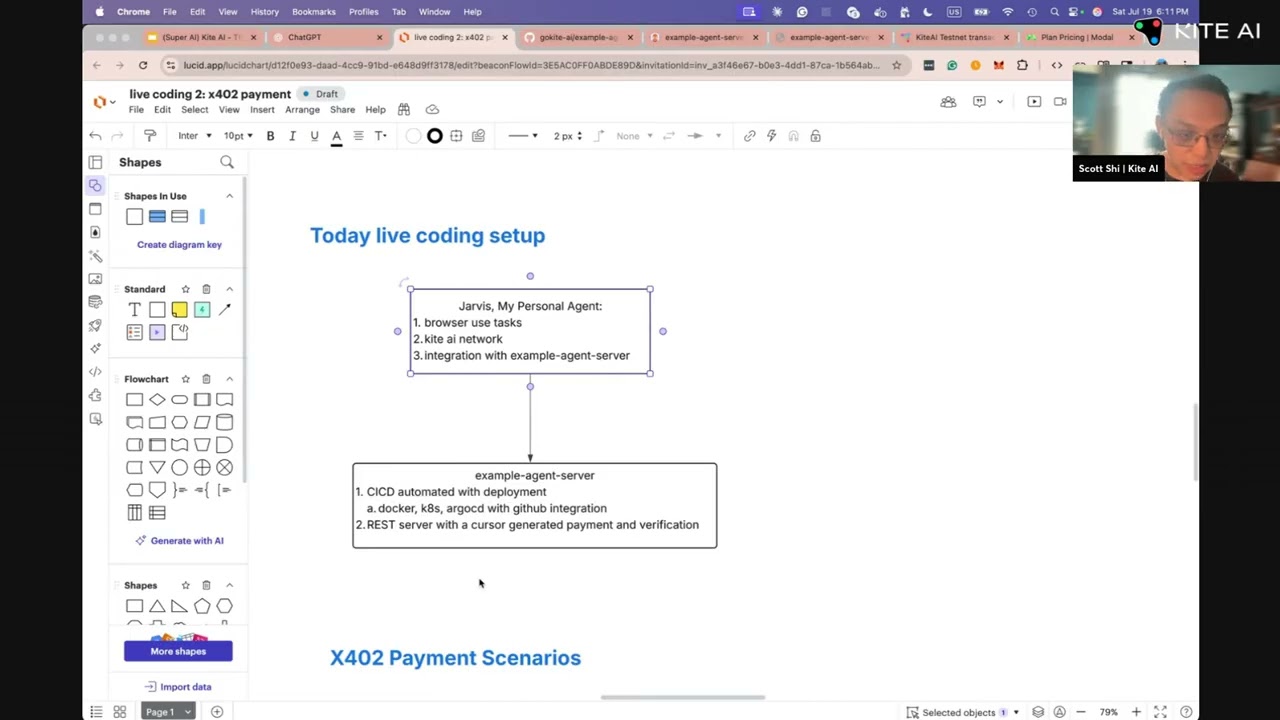
- Decentralized SaaS Billing: Software-as-a-Service dApps can utilize x402 to offer granular, usage-based billing—charging users only for the resources they consume, tracked and settled instantly on-chain.
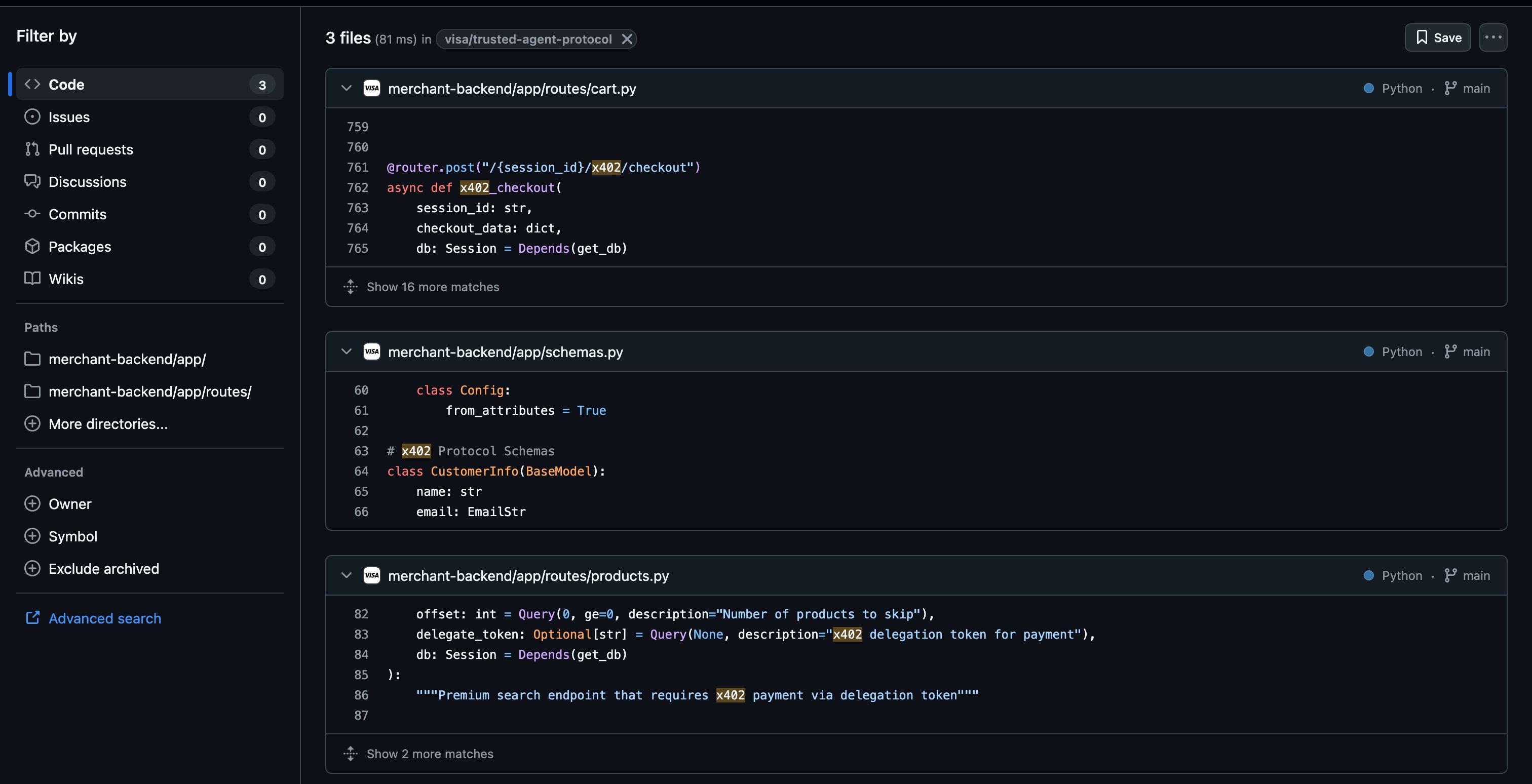
- Data Marketplace Transactions: Decentralized data marketplaces can leverage x402 to facilitate secure, real-time payments between data providers and consumers, streamlining the exchange of valuable datasets.
Security remains paramount in any crypto payment integration. With X402, developers benefit from robust middleware that abstracts away most of the low-level cryptographic operations and transaction monitoring. The protocol’s reliance on stablecoins further reduces volatility risk for both users and service providers, making it easier to predict revenue and manage operational costs.
Optimizing User Experience and Security
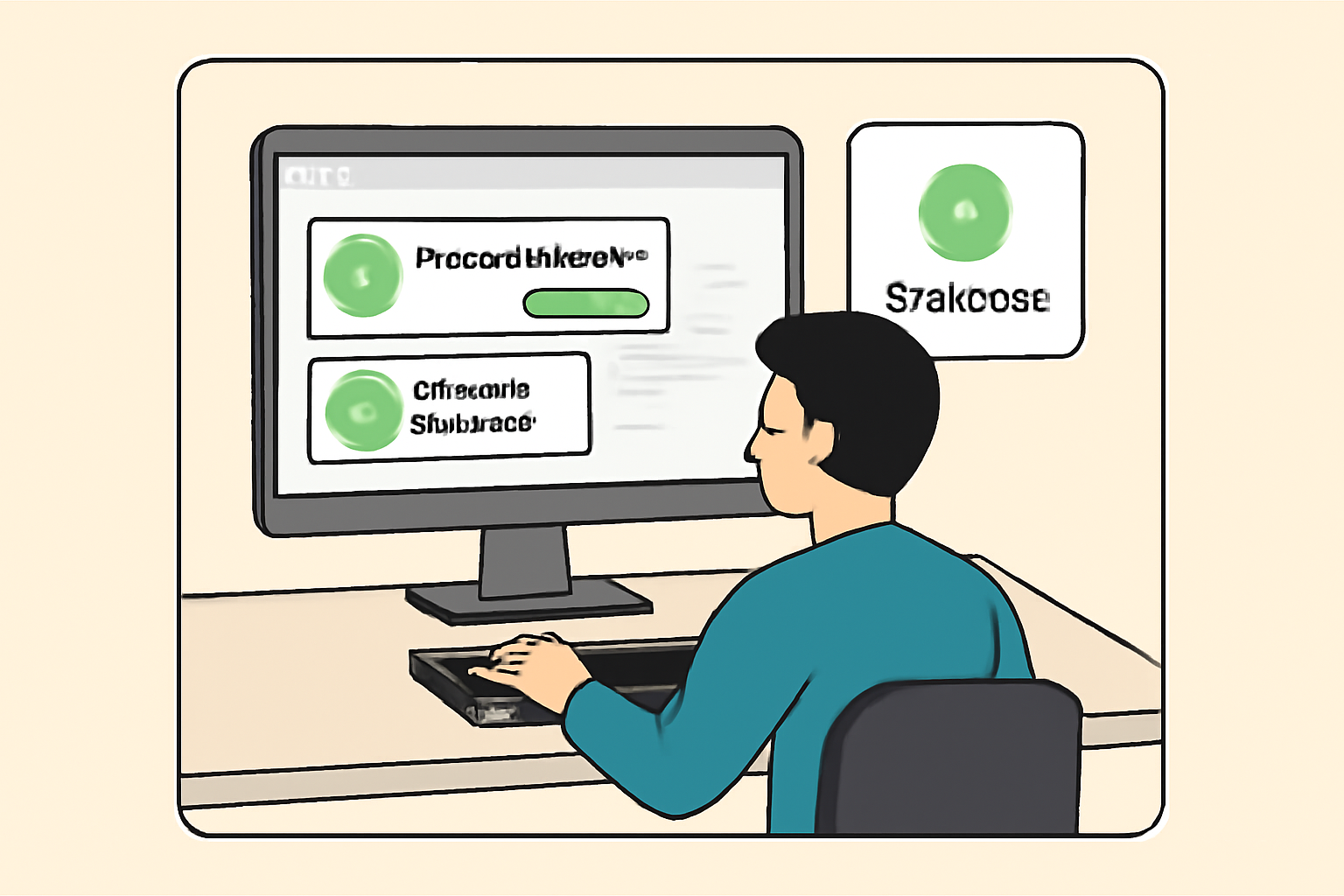
One of the strengths of Coinbase X402 is its seamless user journey. For end-users, payments are as simple as clicking a button, no wallet extensions or manual transfers required. For developers, the middleware handles payment verification through endpoints like POST/verify and POST/settle, so you can focus on delivering value rather than troubleshooting blockchain interactions.
If you’re considering how best to optimize your own dApp’s payment flow, pay close attention to:
- User onboarding: Make initial payments intuitive with clear prompts and minimal friction.
- Error handling: Ensure your app gracefully manages failed or delayed transactions by providing actionable feedback.
- Wallet management: Use embedded wallets or custodial solutions if your audience isn’t crypto-native.
For a detailed look at wallet integration strategies, explore our guide: How To Integrate Coinbase X402 Embedded Wallets For Seamless Crypto Payments In Your App.
Staying Ahead: The Future of HTTP Payment Protocol Crypto
The launch of Coinbase X402 signals a paradigm shift in how value moves across the internet. As adoption grows, expect to see more advanced features, such as programmable refunds, multi-chain support, and deeper analytics, added to the protocol stack. Early adopters will be well-positioned to shape standards and capture new market opportunities as digital commerce continues its migration toward decentralized rails.
If you’re ready to future-proof your project by implementing secure cryptocurrency transactions at internet scale, now is the time to start experimenting with X402. The community is active and resources are growing rapidly, don’t hesitate to reach out or contribute your own ideas for improving the open standard.




No comments yet. Be the first to share your thoughts!