
ai marketing trends 2026 budget
The 2026 marketing landscape is shifting from broad AI adoption to precision budgeting. As Gartner notes, the focus is now on AI-powered personalization and short-form video dominance that actually convert, rather than just generating content volume [1]. This means your spending needs to target specific high-value interactions, not just impressions.
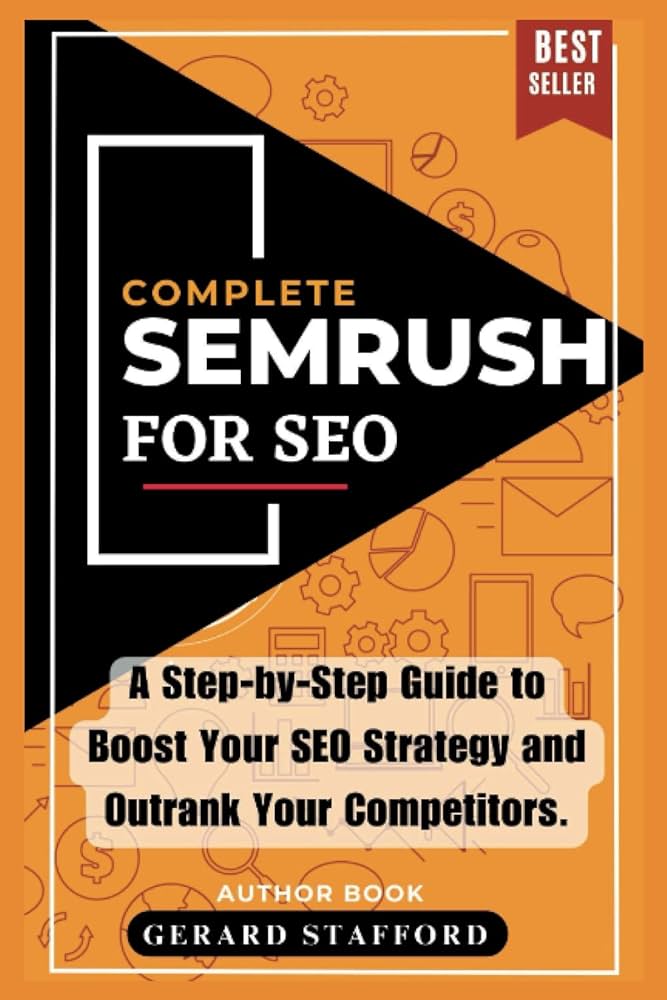
To manage this efficiently, you need tools that automate the heavy lifting without breaking the bank. Below are three practical AI marketing tools that fit different budget tiers, helping you balance cost with the advanced capabilities required for 2026.


As an Amazon Associate, we may earn from qualifying purchases.
Each tool serves a distinct role in your workflow. Canva handles visual consistency, Jasper tackles copy volume, and SEMrush provides the data backbone. By combining these, you can maintain a lean team while executing complex, data-driven campaigns.
Comparing AI Marketing Tools for 2026
The 2026 marketing landscape is shifting from simple automation to agentic workflows and autonomous AI systems. Gartner and industry analysts note that the strongest strategies now rely on tools that can execute complex, multi-step campaigns without constant human intervention. This guide compares the leading platforms that define this shift, focusing on their ability to handle personalization, content generation, and search optimization.
The following comparison table highlights the core capabilities of the top AI marketing solutions available this year. Each tool addresses a specific pain point in the modern funnel, from hyper-personalized customer journeys to automated search engine optimization.
| Platform | Primary Strength | Best Use Case | Key Integration |
|---|---|---|---|
| HubSpot AI | Agentic Workflows | End-to-end sales and marketing automation | CRM & Sales Hub |
| Jasper | Generative Content | High-volume ad copy and blog drafting | WordPress & Shopify |
| Dynamic Yield | Real-time Personalization | E-commerce product recommendations | Adobe Experience Manager |
| Surfer SEO | AEO Optimization | AI-driven search and answer engine ranking | Content Editors & CMS |
HubSpot leads in agentic capabilities, allowing marketers to set high-level goals and letting the AI handle the tactical execution across email, social, and chat. For pure content creation, Jasper remains the standard for generating diverse ad variations and long-form articles quickly. However, if your goal is to capture traffic in answer engines, Surfer SEO’s data-driven approach to AEO (Answer Engine Optimization) offers a distinct advantage over traditional SEO tools. For e-commerce brands, Dynamic Yield’s real-time personalization engine adjusts product displays based on user behavior, directly impacting conversion rates.
Choosing the right stack depends on your primary bottleneck. If content volume is the issue, Jasper is the logical first step. If customer retention and cross-selling are the goals, Dynamic Yield or HubSpot provide the necessary infrastructure. Most successful 2026 strategies combine two or more of these tools to cover the full customer journey.
Inspect the expensive parts
AI marketing tools promise efficiency, but a single misstep in implementation can drain budget and damage brand trust. Before scaling campaigns, audit your stack against these five failure points. This checklist focuses on the high-cost errors that separate successful 2026 strategies from wasted spend.

Generative AI hallucinates without strict guardrails. Ensure your models are fine-tuned on your own customer data, not just public internet scraps. Grounded responses reduce customer service risks and maintain brand voice consistency.
AI optimizes for what it measures. If your tracking pixels are broken or your attribution model is outdated, the algorithm will waste budget on low-quality clicks. Validate your data pipeline before trusting automated bidding.
Generic AI content looks generic. Review generated copy and images for the "soulless" texture that audiences now detect instantly. Use AI for structure and ideation, but require human editing for tone, humor, and specific brand references.
AI tools often ingest user data to improve models. Ensure your vendors comply with GDPR, CCPA, and emerging AI regulations. A single data leak can result in fines that exceed years of software subscription costs.

Proprietary AI ecosystems can make it hard to switch tools later. Check if your data exports are standardized and if your workflows can be replicated on alternative platforms. Flexibility protects your long-term ROI.


As an Amazon Associate, we may earn from qualifying purchases.
Implementing these checks prevents costly rework. AI is a powerful lever, but only if the foundation is solid. Start with data integrity, then layer on automation.
Plan for ownership costs
Buying an AI marketing tool is rarely a one-time expense. The sticker price is just the entry fee; the real cost comes from licensing, data processing, and integration work. What looks cheap on day one often becomes expensive by month six.
Consider the hidden layers of AI software. Many platforms charge per API call or per processed image. If you scale your campaigns, those micro-fees add up quickly. You also need to budget for the time your team spends training the model or cleaning data so the AI doesn’t hallucinate your brand voice.
When a cheap buy stops being cheap is usually when you hit a usage limit. You might start with a free tier, only to find that exporting results or using advanced analytics requires a steep upgrade. Always check the pricing tier that matches your actual monthly volume, not your best-case scenario.


As an Amazon Associate, we may earn from qualifying purchases.
No comments yet. Be the first to share your thoughts!