

AI agents are no longer just chatting or crunching data; they're economically autonomous, zipping USDC micropayments across the Base network for API calls, model inferences, or agent-to-agent deals. Enter Coinbase's x402 payment intents, the HTTP-native protocol flipping the script on clunky web3 payments. Developers are racing to integrate it for seamless ai agent micropayments x402, leveraging Base's sub-second confirms and dirt-cheap gas. This isn't hype; it's the infrastructure powering real-time, pay-per-use AI economies.

Picture this: your AI trader queries a premium sentiment API, auto-pays 0.01 USDC per request, no wallets or logins needed. x402 hijacks the forgotten HTTP 402 'Payment Required' code, embedding payments in standard requests. Coinbase's hosted facilitator handles the blockchain heavy-lifting, so you focus on code, not nodes. On Base, this means coinbase x402 base integration at warp speed, ideal for high-volume usdc pay per use ai models.
x402's Edge: Stateless Power for Agentic Flows
Unlike session-based payment gateways, x402 is deliberately stateless and HTTP payment protocol base chain pure. Requests include payment metadata in headers; responders check via Coinbase's verifier. No new auth flows, no custodial hell. As Coinbase docs highlight, it lets APIs, apps, and AI agents transact instantly over HTTP. Base amps this with optimistic execution, slashing latency to milliseconds.
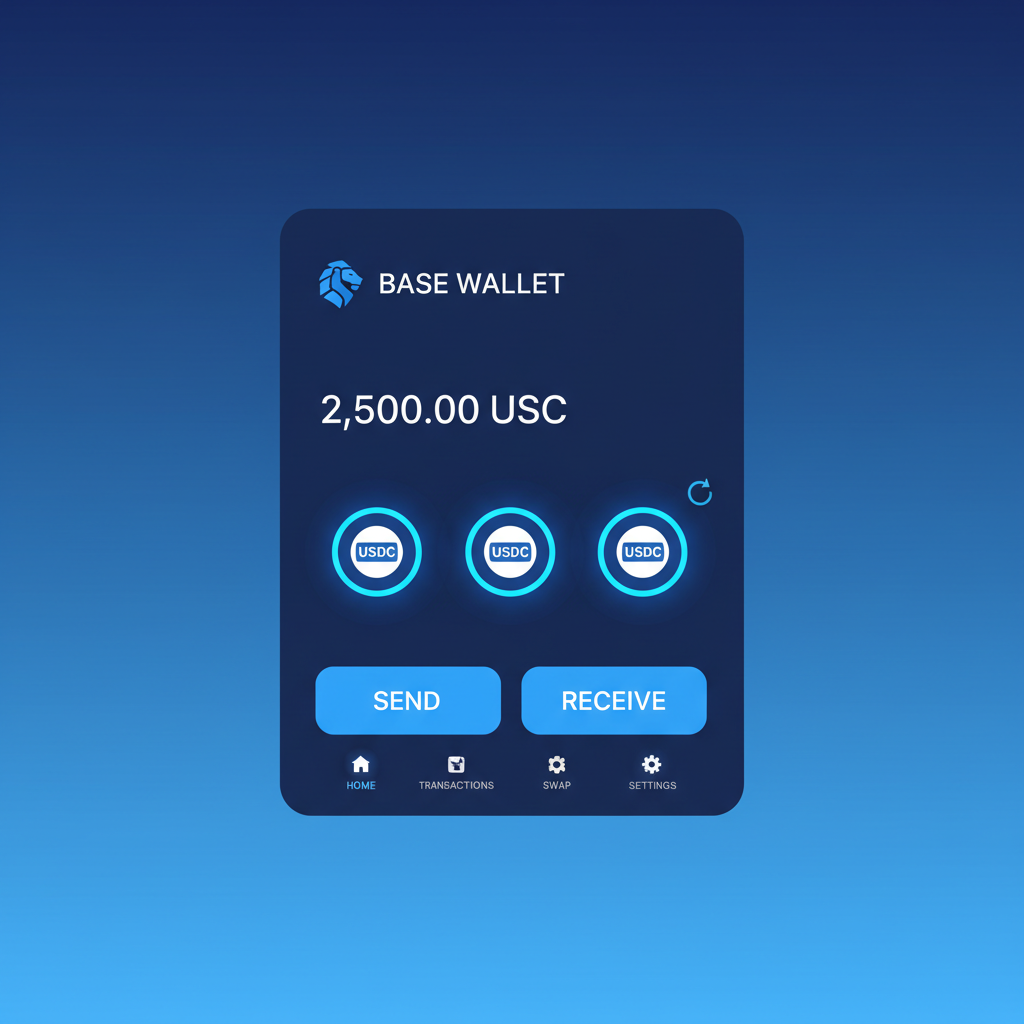
Developers are integrating Coinbase's x402 protocol to enable AI agents to autonomously handle micropayments on the Base network.
This setup shines for AI hackathons or production bots. Think XMTP chat agents negotiating deals, auto-settling via x402. QuickNode guides nail it: spin up an Express backend on Base Sepolia, handle buyer/seller roles in vanilla JS. Stateless design means zero state bloat, perfect for serverless deploys.
Dev Setup: Launchpad for x402 on Base
Hit the ground running. Grab Node. js 20 and, Yarn, and a Base wallet via Coinbase Wallet or Rabby. Test on Sepolia first: fund with Sepolia USDC from Base faucet. Install deps like @coinbase/x402-sdk (check Coinbase docs). Scaffold an Express app:
Pro tip: Use environment vars for your facilitator URL from x402 integration guides. Verify payments with the SDK's verifyPayment() hook. Base's low fees (under $0.001) make spamming test requests painless.
Next, wire in your AI agent. Libraries like LangChain or Auto-GPT can proxy requests through x402 middleware. For agent-to-agent, Google's AP2 collab layers on, letting bots pay peers directly. The x402 Bazaar indexes these services, so your agent discovers paywalled APIs dynamically.
Payment Intents in Action: Code the Flow
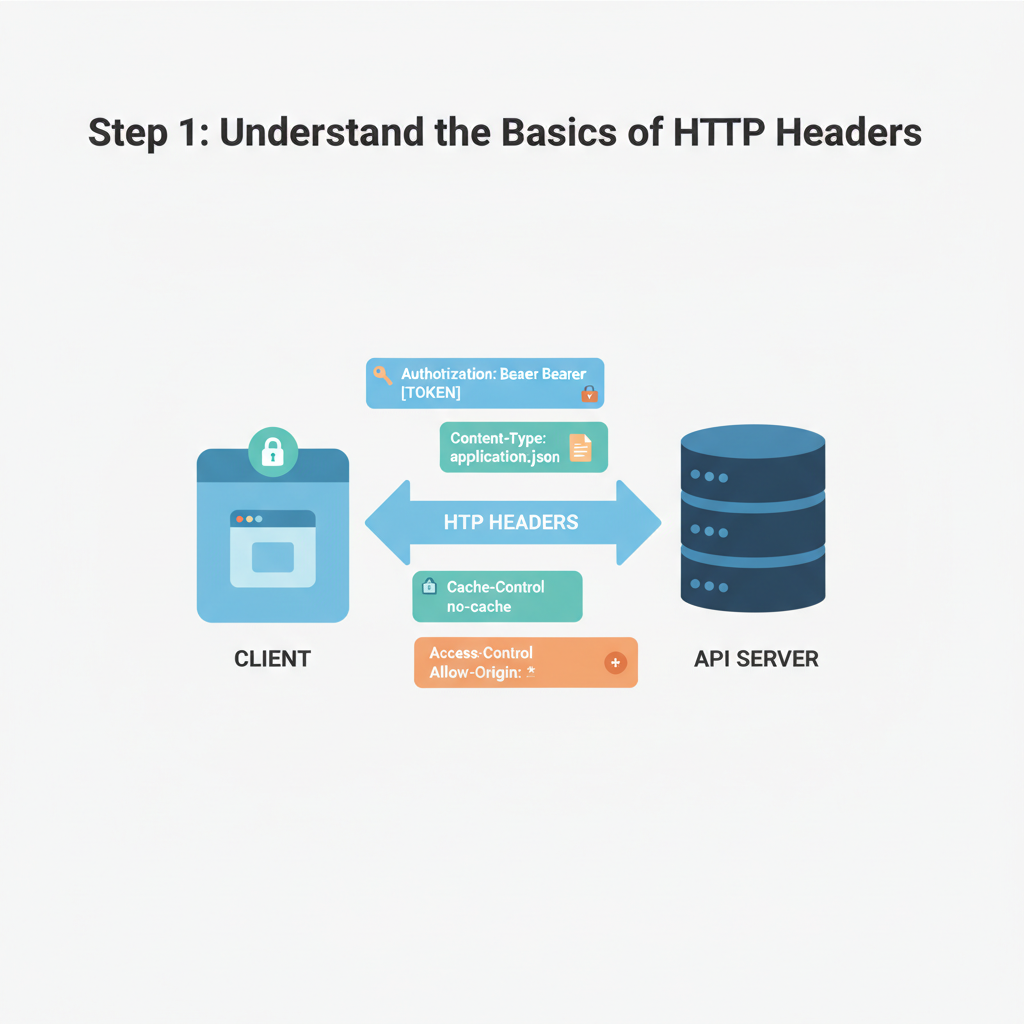
Core magic: generate payment intents. Client-side, craft a request with Payment-Intent header pointing to your USDC amount and Base chain ID. Server responds 402 with Coinbase-Payment-Details JSON, including invoice QR or deep link for wallet approval.
Agents love this; no UI friction. In code, intercept 402s, trigger Coinbase Wallet pay intent, then retry. Here's the pattern:
- Agent hits/api/premium-model with x402 headers specifying 0.005 USDC.
- Server verifies wallet balance via facilitator, returns 402 if short.
- Agent pays, resubmits; server settles on-chain via Base.
Adapt fast: hook into XMTP for chat-driven payments or build A2A marketplaces. Fintech watchers call it "Stripe for AI agents" for good reason; it's developer-friendly without the VC baggage. Dive deeper with Node. js specifics.
Security first: Coinbase's verifier prevents replays, and Base's fraud proofs add muscle. Scale to thousands of TPS; that's the x402 payment intents coinbase promise unlocking autonomous commerce.
Real-world deployments are exploding. Hackathon winners on Lablab. ai are wiring x402 into AI-to-AI marketplaces, where bots bid on data inferences with usdc pay per use ai models. Medium deep dives call it an AI-native protocol, embedding payments into web fabric for autonomous flows. OnFinality's guide spotlights real-time onchain shifts, no more polling hell.
Agentic Micropayments: From Code to Commerce
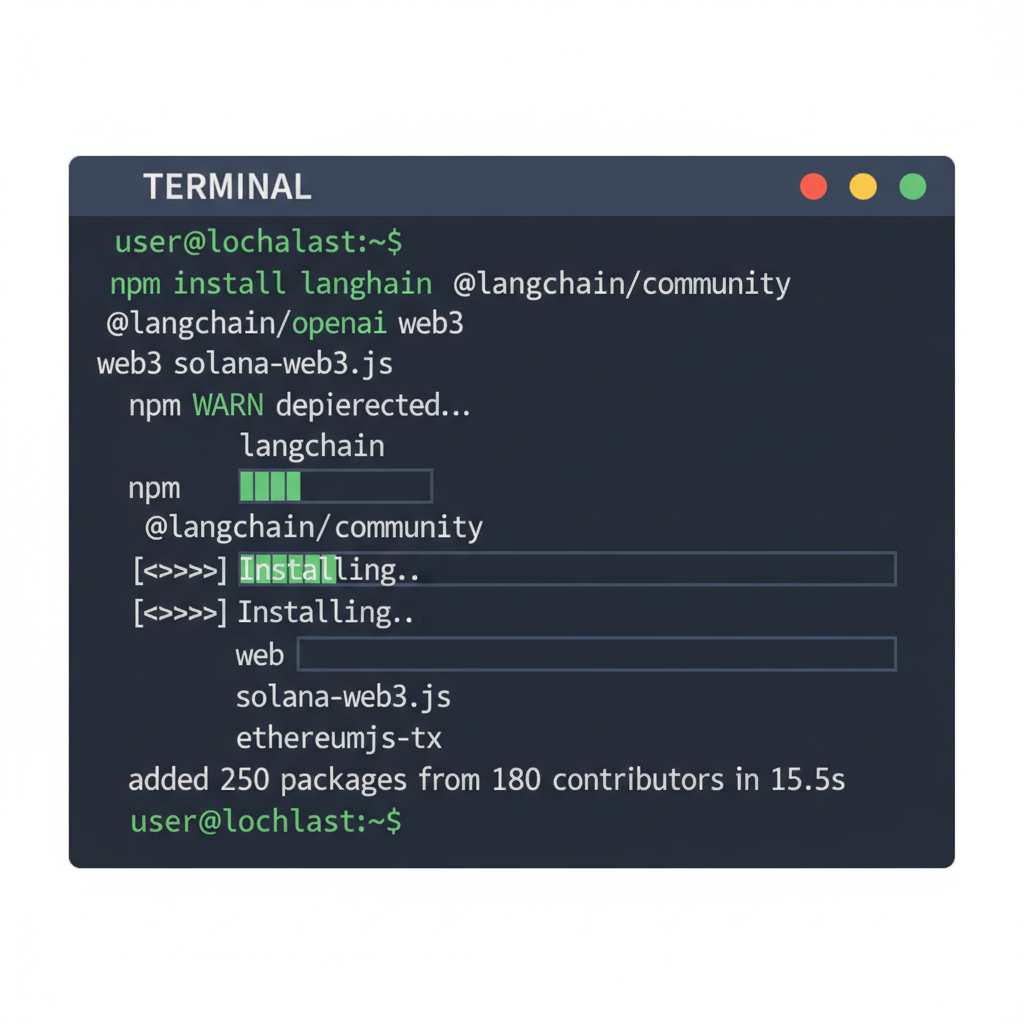
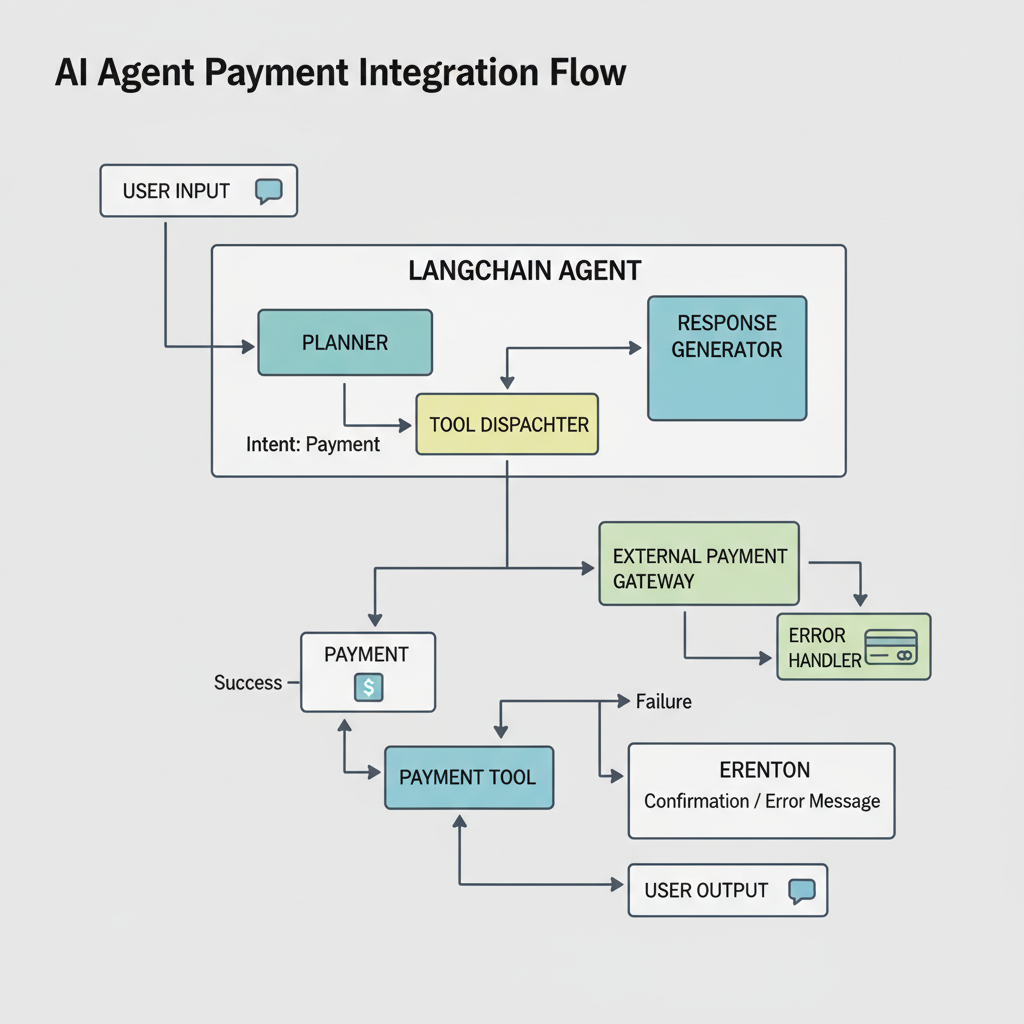
Time to build. Your AI agent needs x402 smarts to query paywalled services autonomously. Integrate with LangChain: wrap API calls in a custom tool that injects payment headers and handles 402 retries. Base's speed ensures agents don't stall on confirms. Coinbase docs lay out the SDK basics; extend it for agent loops.
🚀 Supercharge Your LangChain Agent with x402 Micropayments on Base
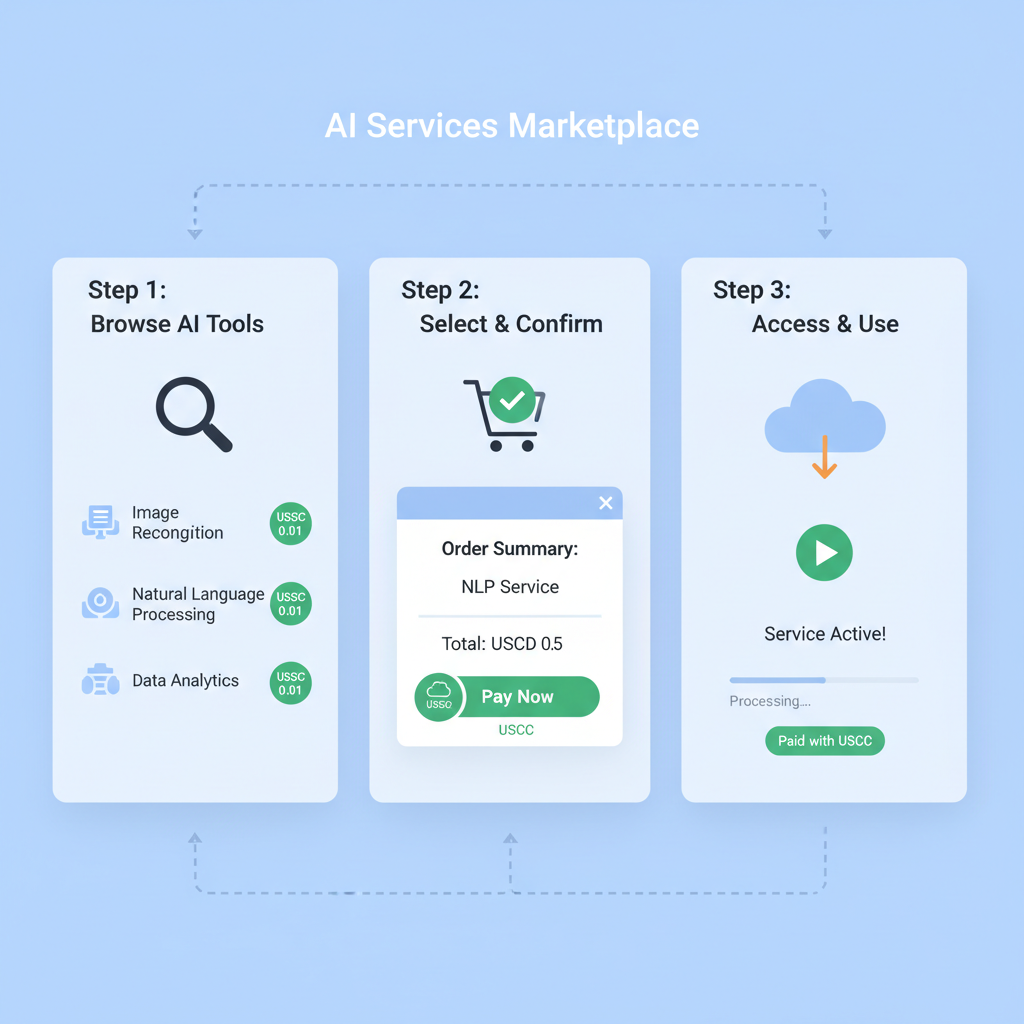
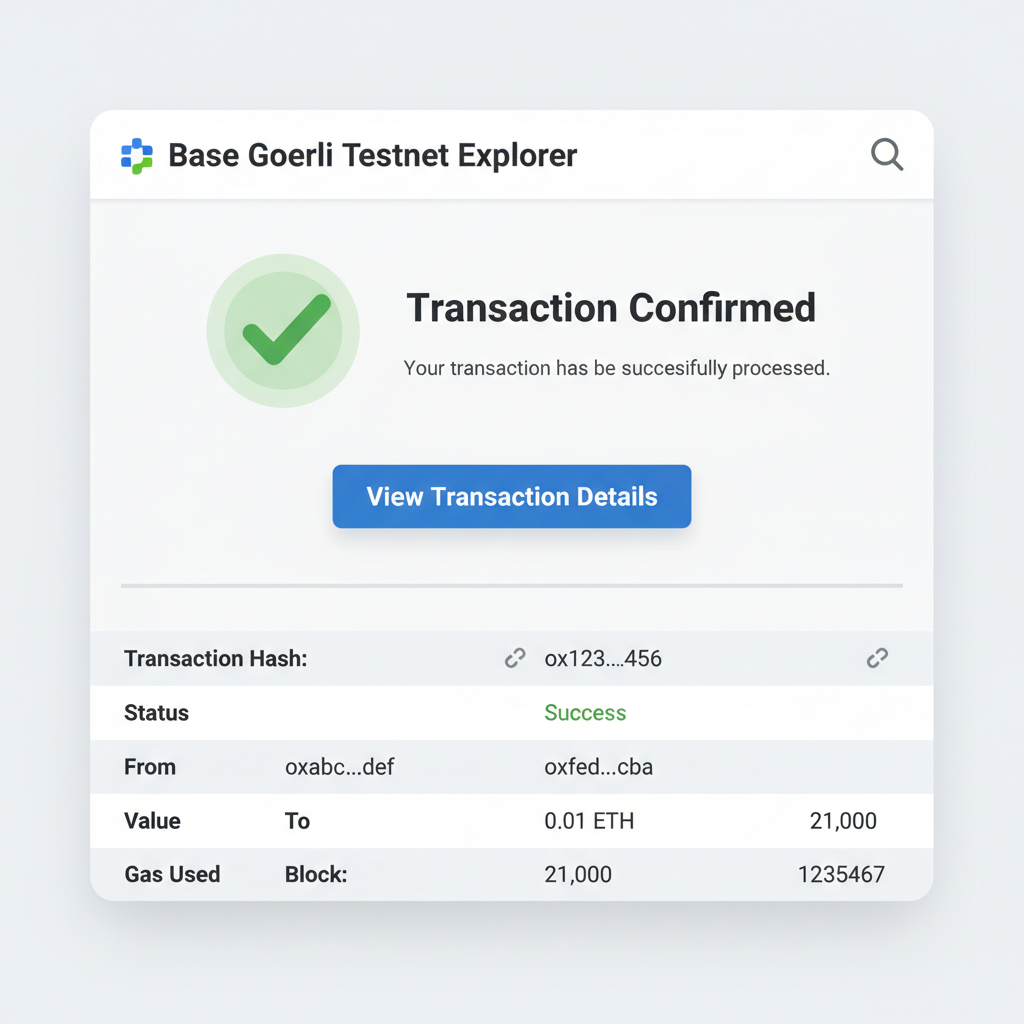
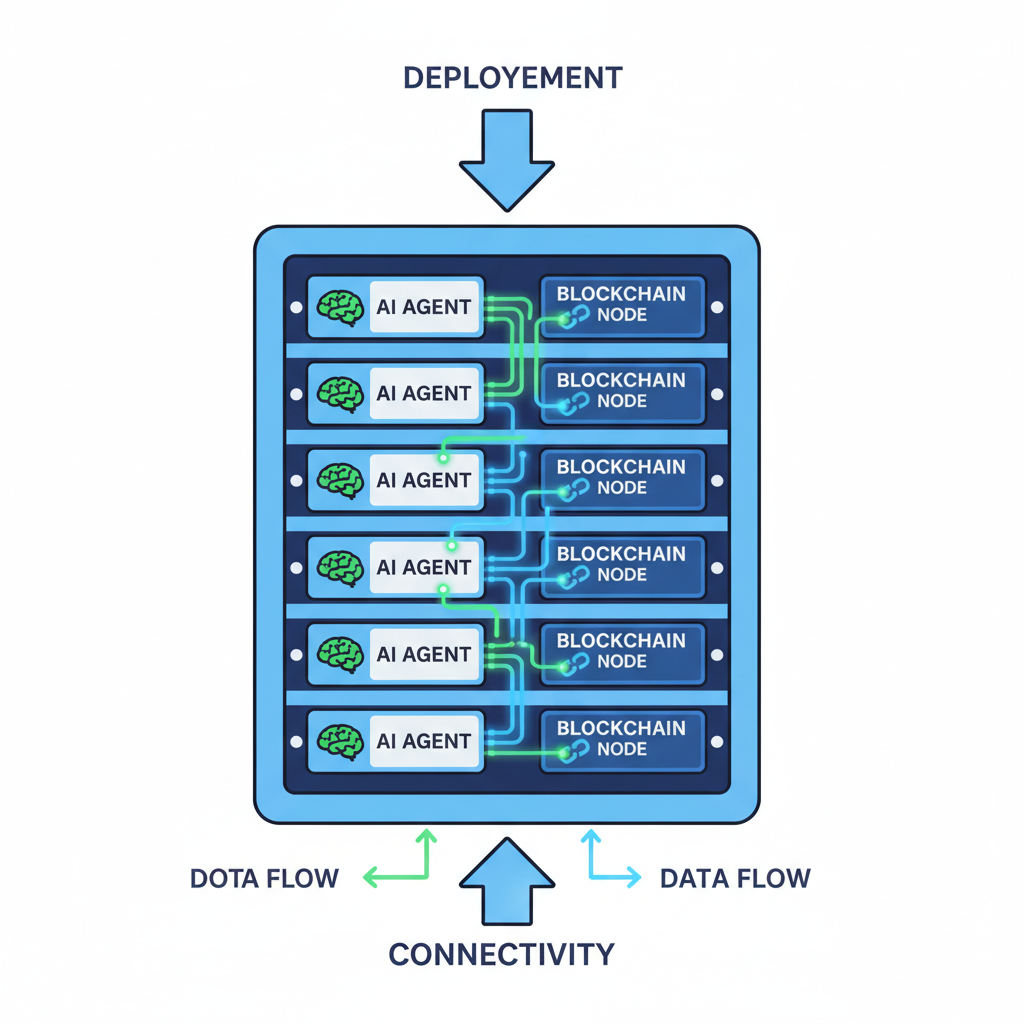
Once wired, agents discover services via the x402 Bazaar. This index lists APIs accepting USDC, complete with price feeds and chain specs. Your bot pings it first, picks the cheapest sentiment analyzer, pays on-demand. Stateless bliss: no subscriptions, pure per-request economics.
Client-side polish comes next. In browsers or Node, use the SDK to generate intents. Here's a snippet for agent retry logic:
AI Agent X402 Payment Handler with Coinbase Wallet
AI agent paywalls? Handle 402 X402 responses like a pro. This snippet detects payments, settles USDC via Coinbase Wallet on Base, and retries instantly. Plug & pay. ⚡
import { CoinbaseWallet } from '@coinbase/wallet-sdk';
import { ethers } from 'ethers';

// Init Coinbase Wallet for Base
const coinbaseWallet = new CoinbaseWallet();
const provider = coinbaseWallet.makeWeb3Provider('https://mainnet.base.org', 1);
const signer = new ethers.Web3Provider(provider).getSigner();

const BASE_CHAIN_ID = 8453;
const USDC_ADDRESS = '0x833589fCD6eDb6E08f4c7C32D4f71b54bdA02913'; // USDC on Base

async function requestAIWithX402(endpoint, prompt) {
  let response = await fetch(endpoint, {
    method: 'POST',
    headers: { 'Content-Type': 'application/json' },
    body: JSON.stringify({ prompt })
  });

  if (response.status === 402) {
    const auth = response.headers.get('www-authenticate');
    const [, merchantUrl, intentId] = auth.match(/X402 merchant="([^"]+)", intent="([^"]+)"/i);

    // Fetch payment details from merchant
    const payReq = await fetch(`${merchantUrl}?intent=${intentId}`).then(r => r.json());

    // Approve & transfer USDC (gasless via paymaster in prod)
    const usdc = new ethers.Contract(USDC_ADDRESS, ['function transfer(address,uint256)'], signer);
    const tx = await usdc.transfer(payReq.recipient, ethers.utils.parseUnits(payReq.amount, 6));
    await tx.wait();

    // Retry with proof
    response = await fetch(endpoint, {
      method: 'POST',
      headers: {
        'Content-Type': 'application/json',
        'X402-Proof': `tx:${tx.hash}`
      },
      body: JSON.stringify({ prompt })
    });
  }

  if (!response.ok) throw new Error(`API error: ${response.status}`);
  return response.json();
}

// Fire it up
requestAIWithX402('https://ai.example.com/chat', 'Generate code!');
Deploy, connect wallet, and scale micropayments. Tweak for your paymaster—Base keeps fees micro. Level up your Web3 AI game. 🚀 #CoinbaseX402
Pro move: layer in XMTP for chat-negotiated payments. Base docs show agents bartering via messages, settling instantly. QuickNode's paywall tutorial scales this to full apps. Google's AP2 tie-in? Game-changer for A2A; agents pay peers without human oversight.
Scale and Secure: Production Playbook
Production demands rigor. Coinbase's facilitator scales verification to enterprise loads, offloading chain ops. Base fraud proofs catch bad actors; pair with rate limits for DoS shields. Monitor via x402 headers logging intent IDs. Gas? Pennies even at 10k reqs/sec.
Edge cases: partial payments auto-refund, replays nixed by nonces. Test exhaustively on Sepolia, then mainnet. For 2025 ramps, check autonomous agent guides. Hackathons prove it: x402 crushes legacy ramps.

Frictionless ai agent micropayments x402 redefine APIs as vending machines. Providers list on Bazaar, agents consume. No logins, no KYC walls. This is coinbase x402 base integration delivering on HTTP-native promises, fueling agent economies at warp speed.
Dev tip: Fork QuickNode's Express repo, plug LangChain, deploy Vercel. Watch USDC flow. OnFinality nails why: real-time autonomy trumps batching. Fintech buzz pegs x402 as Stripe's heir for bots, stateless and fierce.
Future? x402 and Base unlocks trillion-dollar agent markets. Build now: stateless pays. Adapt fast, integrate smart.




No comments yet. Be the first to share your thoughts!