
Get your digital detox 2026 right
Before you delete apps or hand over your keys, clarify what you are trying to fix. A digital detox is simply taking intentional breaks from screens, apps, and online feeds to reduce overstimulation and reclaim attention. Without a clear target, the break feels like punishment rather than a reset, making it easy to relapse the moment you log back in.
Start by auditing your current usage. Identify the specific triggers—like "notification anxiety" or doomscrolling late at night—that disrupt your focus or sleep. This diagnosis helps you choose the right tools. Some people need hard limits on social media, while others need to turn off work emails after 6 PM.
Prepare your environment before day one. Designate certain areas of your home as technology-free zones, such as the bedroom or dining table. Keeping all technology out of these spaces removes the temptation to check devices during meals or before sleep. This physical boundary is often more effective than willpower alone.
Finally, set realistic expectations. A 14-day plan blends practical screen-time limits with CBT-based tools to rewire focus without deleting your life entirely. Aim for balance, not perfection. The goal is to put your technology use in perspective, ensuring it serves you rather than controlling your mental health.
Work through the steps
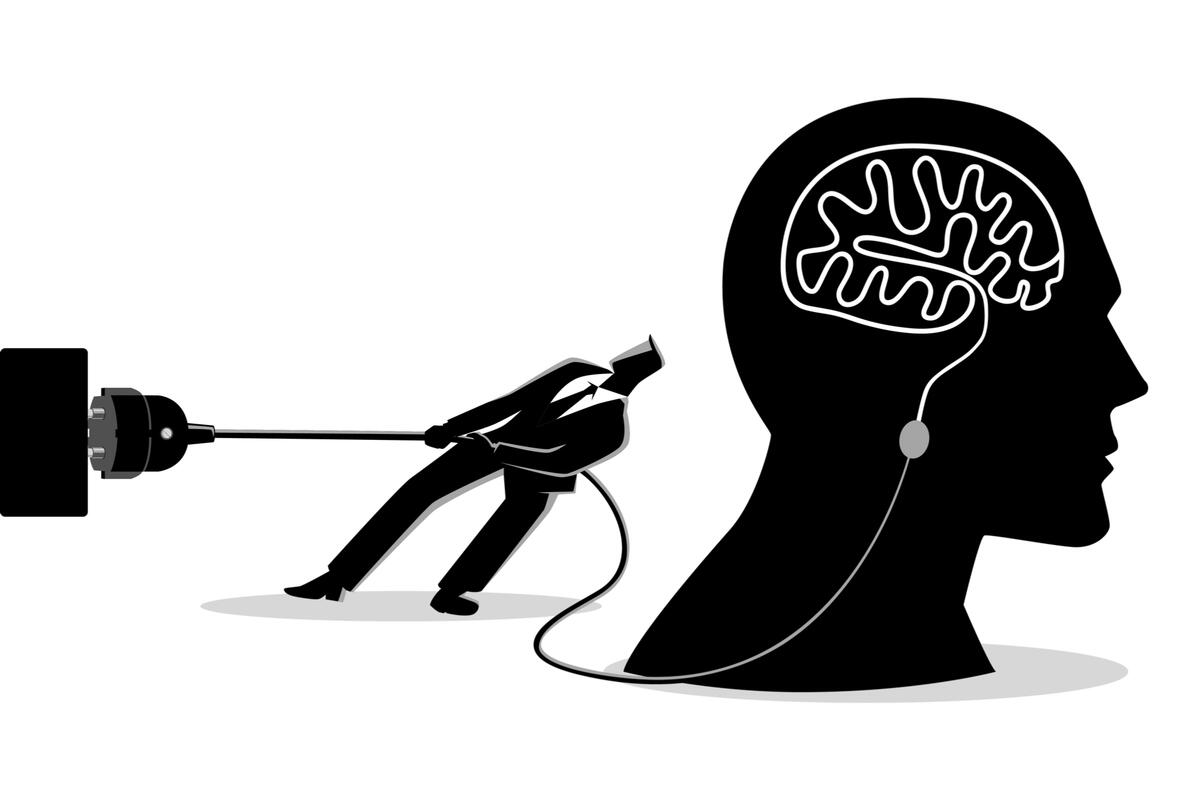
A digital detox isn’t about deleting your apps or pretending the internet doesn’t exist. It’s about breaking the cycle of reactive scrolling and notification anxiety. By taking intentional breaks from screens, you reduce overstimulation and reclaim your attention for things that actually matter.
This 14-day plan blends practical screen-time limits with cognitive behavioral tools to help you rewire your focus without deleting your digital life. The goal is to keep what you love about technology while cutting out the noise that drains your mental energy.
Start by preparing your environment. Set up your phone and computer to support your new habits before the detox begins. This proactive approach prevents willpower from failing when the urge to check social media strikes.
Open your device settings and review your weekly screen time reports. Identify the top three apps that consume the most time and feel least valuable. This data provides a baseline for change and helps you spot the specific triggers that lead to mindless scrolling.

Turn off all non-essential push notifications. Keep only direct messages and calendar alerts. Silence social media, news, and email apps. This step reduces the constant interruptions that fragment your focus and create a sense of urgency around things that don’t require immediate action.

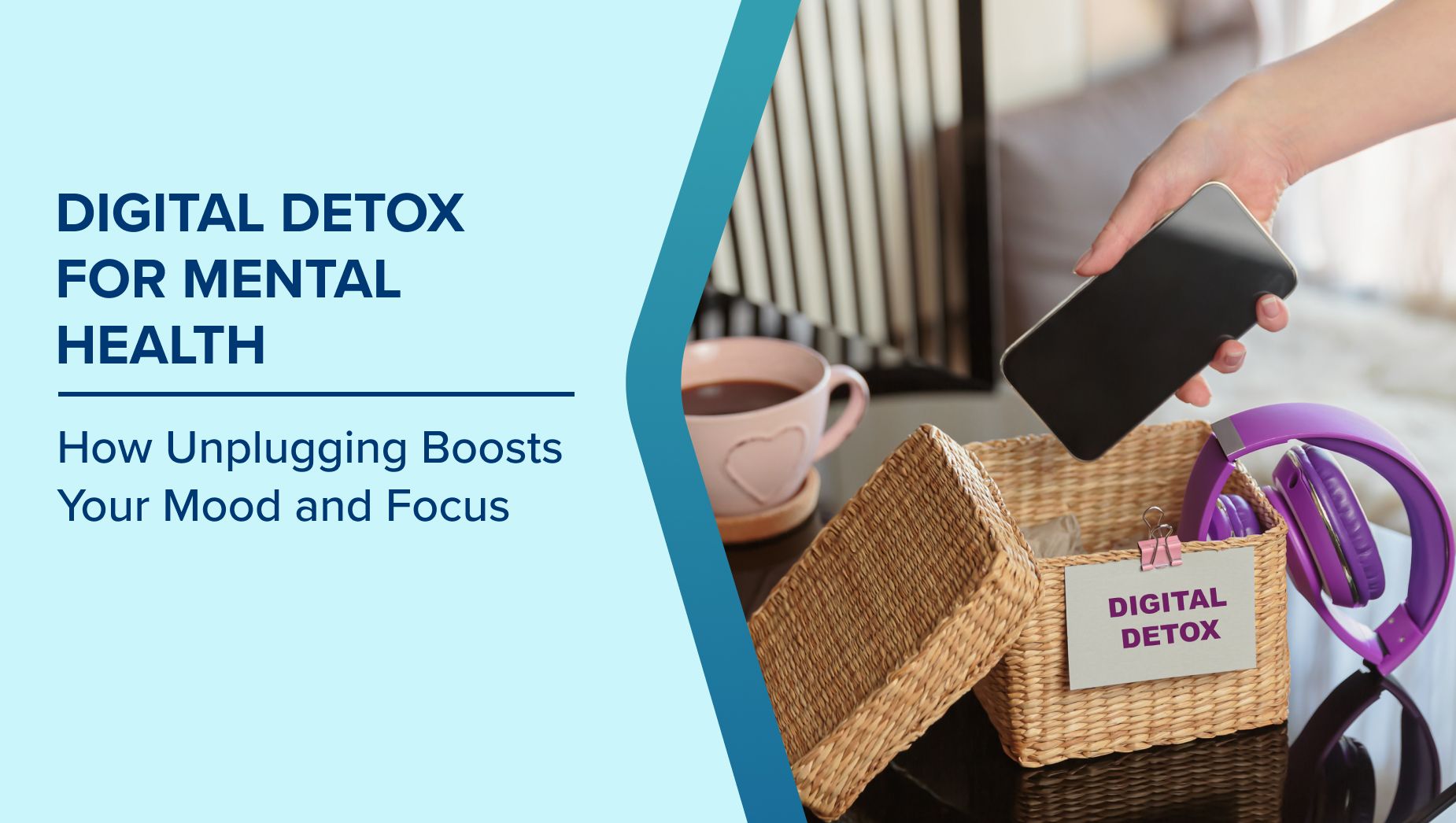
Designate specific areas in your home as technology-free, such as the bedroom and dining table. Keep all devices out of these spaces. This physical boundary helps you connect better with family members and sets you up for a more restful night of sleep by removing the temptation to scroll before bed.
Use a timer to work in focused 25-minute intervals without any digital distractions. During these blocks, close all tabs and apps unrelated to the task at hand. This practice trains your brain to sustain attention on a single task, countering the fragmented attention span caused by constant digital multitasking.

Identify one analog hobby you can pick up when you feel the urge to check your phone, such as reading a physical book, journaling, or going for a walk. Having a ready alternative reduces the friction of staying offline and helps you build new, healthier habits that don’t rely on digital stimulation.
-
Review screen time reports to identify top time-wasters
-
Turn off all non-essential push notifications
-
Designate bedroom and dining area as tech-free zones
-
Schedule 25-minute focused work blocks
-
Choose one analog hobby to replace scrolling
Fix common mistakes
Many digital detox plans fail because they treat technology like a poison rather than a tool. The goal isn’t to delete your life; it’s to reduce overstimulation and reclaim attention. When you swing from extreme usage to abrupt abstinence, you often experience "notification anxiety" or rebound stress, which defeats the purpose of the reset.
Here are the specific errors that undermine your mental health benefits and how to correct them.
The all-or-nothing approach
Deleting every app and disconnecting for a week is rarely sustainable for modern work or social obligations. This binary thinking creates a "what the hell" effect, where one slip-up leads to abandoning the entire plan. Instead of a hard reset, use a gradual reduction strategy. Start by removing non-essential apps from your home screen or setting specific "no-phone" windows during meals. This maintains your necessary connections while lowering the constant dopamine hits that fragment your focus.
Ignoring notification triggers
You cannot detox if your phone is still demanding attention every three minutes. Many users forget to adjust their digital environment, leaving social media and news alerts active. This creates a cycle of checking and reacting that prevents deep rest. Turn off all non-human notifications. Allow calls from contacts only. If an app doesn’t involve a direct message from a person, it should not be allowed to interrupt your day. This simple filter reduces the cognitive load of deciding whether to check your device.
Keeping devices in the bedroom
Sleep disruption is a primary reason people seek a digital detox, yet many keep their phones within arm’s reach at night. The blue light suppresses melatonin, and the psychological pull of the screen delays sleep onset. Designate your bedroom as a technology-free zone. Charge your phone in another room or use a traditional alarm clock. This physical separation is one of the most effective ways to improve sleep quality and reduce morning anxiety.
No clear boundaries for work
Working from home blurs the line between professional and personal time, making a true detox difficult. Without boundaries, you remain "on call" mentally even when you’re trying to relax. Establish strict cutoff times for work-related digital activities. Use separate profiles or devices for work if possible. When the workday ends, close the laptop and silence work communications. This clear demarcation helps your brain switch out of productivity mode and into recovery mode.
Digital detox 2026: what to check next
Before you delete every app or lock your phone in a drawer, it helps to understand what a modern detox actually looks like. The goal isn't to abandon technology, but to reset your attention span and reduce the constant low-level anxiety caused by endless notifications.
Is there a digital detox trend?
Unplugging has moved from a fringe wellness concept to a mainstream priority for 2026. According to health experts, digital detox is no longer just about taking a vacation from screens; it is a recognized strategy to combat "notification anxiety" and reclaim focus in an always-on world. The trend emphasizes balance rather than abstinence.
How to do a 7-day digital detox?
Start by designating specific zones in your home as technology-free, such as the bedroom or dining table. Use these spaces to connect with family or enjoy meals without devices. This physical boundary helps separate your rest time from your work time, leading to better sleep and less mental clutter.
Can AI apps help with a digital detox?
Yes. AI wellness apps are redefining how we manage screen time by using behavioral nudges rather than just blocking tools. They can analyze your usage patterns to suggest optimal times for breaks and offer CBT-based exercises to help you manage the urge to check your phone when you feel anxious.
What happens if you do a digital detox for 7 days?
Most people report reduced stress levels and improved sleep quality within the first week. By removing the constant dopamine hits from social media, your brain begins to reset its reward pathways. You may find that you feel less irritable and more capable of sustaining attention on deep work or hobbies.
No comments yet. Be the first to share your thoughts!