

Why 2026 needs new SEO tools
The days of chasing single-keyword rankings are over. In 2026, search engines like Google and Bing use generative AI to synthesize answers directly on the results page. This shift means your content competes not just against other websites, but against AI-generated summaries that pull from multiple sources. If your SEO toolkit only tracks position one for a specific phrase, you are missing the majority of your potential traffic.
Voice search adds another layer of complexity. Users ask questions conversationally, using natural language rather than fragmented keywords. Traditional keyword research tools often fail to capture these long-tail, intent-driven queries. You need software that analyzes semantic relationships and question-based patterns to understand how people actually speak when they search.
Legacy tools were built for a static web. They struggle to measure "Zero Click" searches, where users get their answer without visiting your site. To win in 2026, you need tools that monitor AI overview citations, track brand mentions in generative results, and analyze voice query performance. This requires a new set of metrics and a new set of instruments to measure them.
Best AI search optimization platforms
Generative Engine Optimization (GEO) requires a different toolkit than traditional SEO. While standard SEO targets keyword rankings, GEO focuses on getting your content cited by AI models like ChatGPT, Perplexity, and Google's AI Overviews. This shift means you need software that can track how AI engines perceive your brand and adjust your content structure accordingly.
These platforms bridge the gap between technical SEO and AI visibility. They monitor your "AI share of voice" and flag when your content is being ignored or misinterpreted by generative models. Using the right tools helps you align your E-E-A-T signals with what AI systems prioritize, ensuring your expertise actually surfaces in AI-generated answers.
The following tools are available on Amazon and can help streamline your AI search strategy. They range from content optimization assistants to comprehensive SEO suites that now include GEO features.




As an Amazon Associate, we may earn from qualifying purchases.
When selecting a platform, look for features that specifically address AI visibility. Tools that offer "AI Overview" tracking or "Generative Engine" scoring are essential for 2026. Avoid generic content writers that don't provide data on how AI models interpret your text. The goal is to make your content the most likely source for AI citations, not just the highest-ranked page.
Voice search strategy software
Optimizing for voice queries requires software that understands natural language patterns and local intent. These tools help you identify the long-tail, conversational keywords that users speak rather than type. They also provide insights into how your content performs in featured snippets and AI-driven answer boxes, which are the primary destinations for voice search results.
The following tools are essential for building a robust voice search strategy. They focus on query analysis, local SEO optimization, and content structuring for conversational AI.


As an Amazon Associate, we may earn from qualifying purchases.
Tracking AI Overview and SERP shifts
Google’s Search Generative Experience (SGE) has fundamentally altered the visibility landscape, pushing organic results further down the page. To maintain visibility, you need tools that specifically monitor AI Overview placement and track the resulting displacement of traditional SERP features. These platforms provide the data necessary to adjust content strategies in real-time.
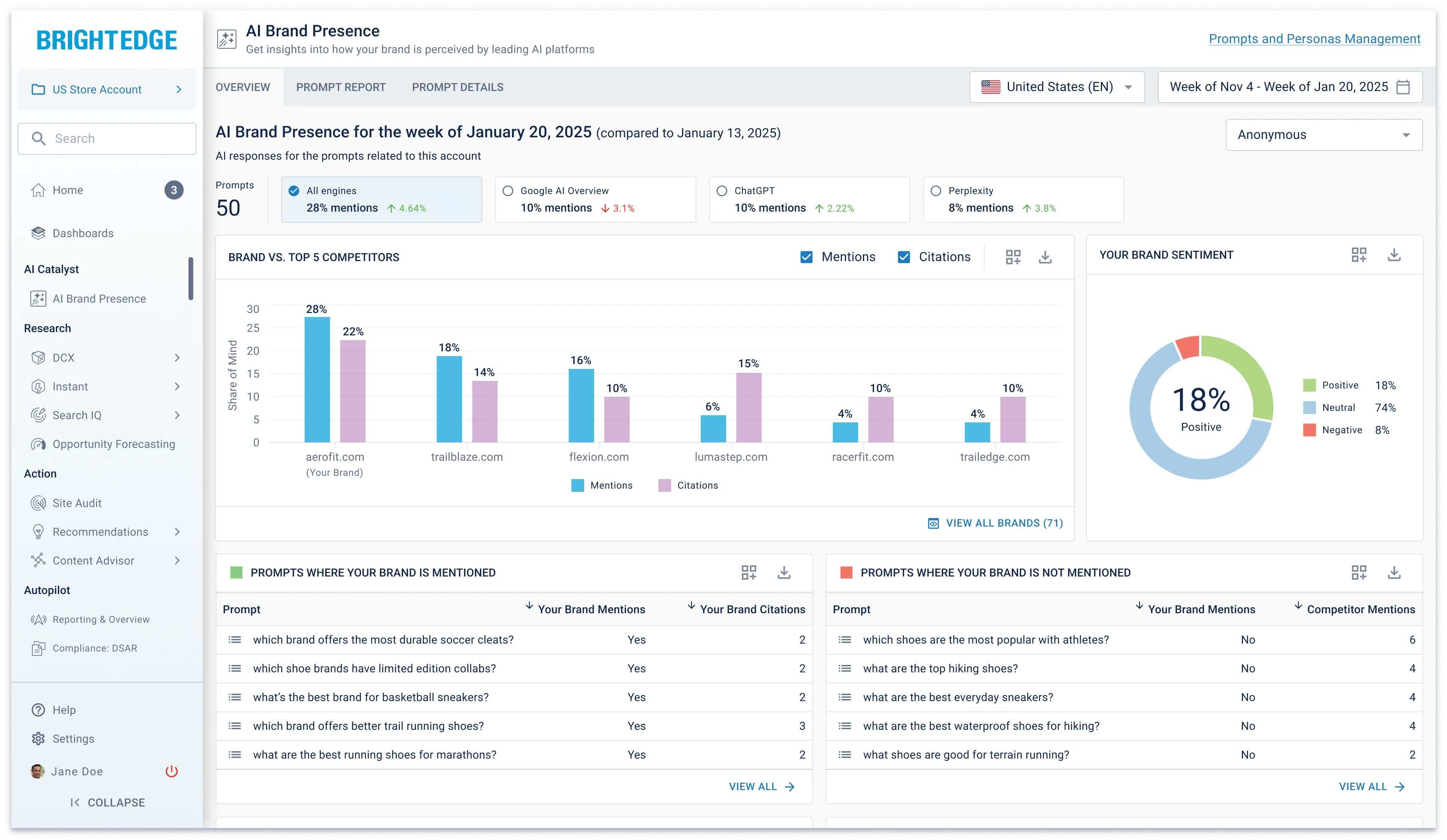
| Tool | Key SGE Feature | Pricing Model |
|---|---|---|
| SEMrush | AI Traffic Estimator | Paid |
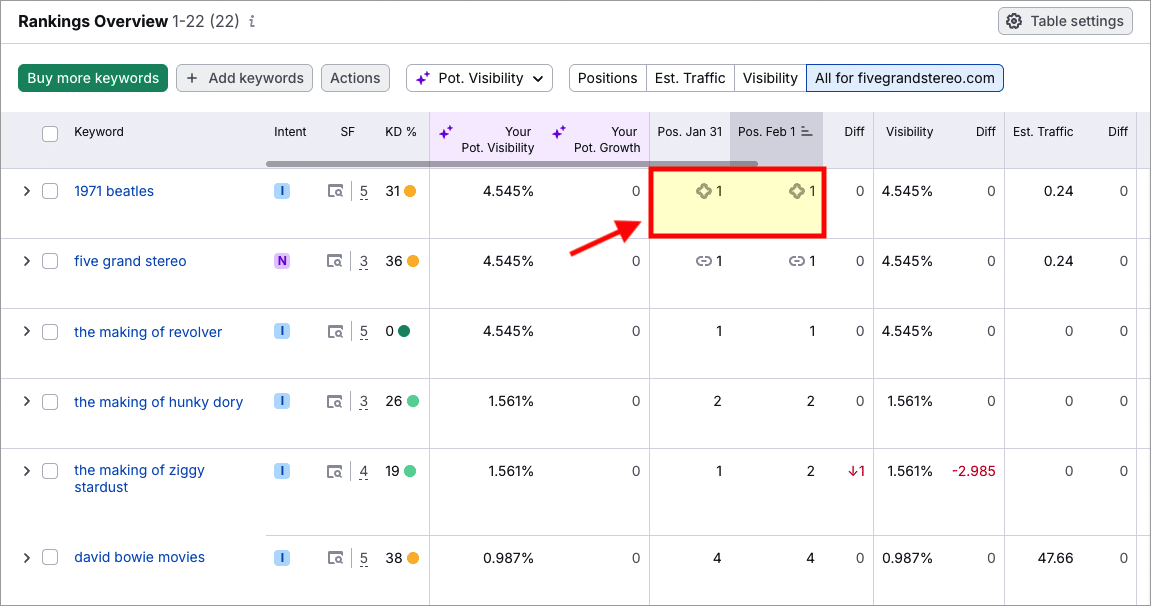
| Ahrefs | SERP Feature Tracking | Paid |
| BrightEdge | AI Visibility Dashboard | Enterprise |
These tools differ in how they quantify the impact of generative answers. Some focus on estimating the click-through rate drop when an AI Overview appears, while others track the specific SERP features triggered by your target keywords. Choosing the right platform depends on whether you prioritize traffic forecasting or feature-level visibility.

As an Amazon Associate, we may earn from qualifying purchases.
Choosing the right SEO stack for 2026
Selecting the right tools for 2026 requires shifting focus from traditional keyword volume to brand citation and EEAT (Experience, Expertise, Authoritativeness, Trustworthiness) signals. Your stack must now verify that AI search engines are citing your brand correctly and that your content demonstrates genuine authority.
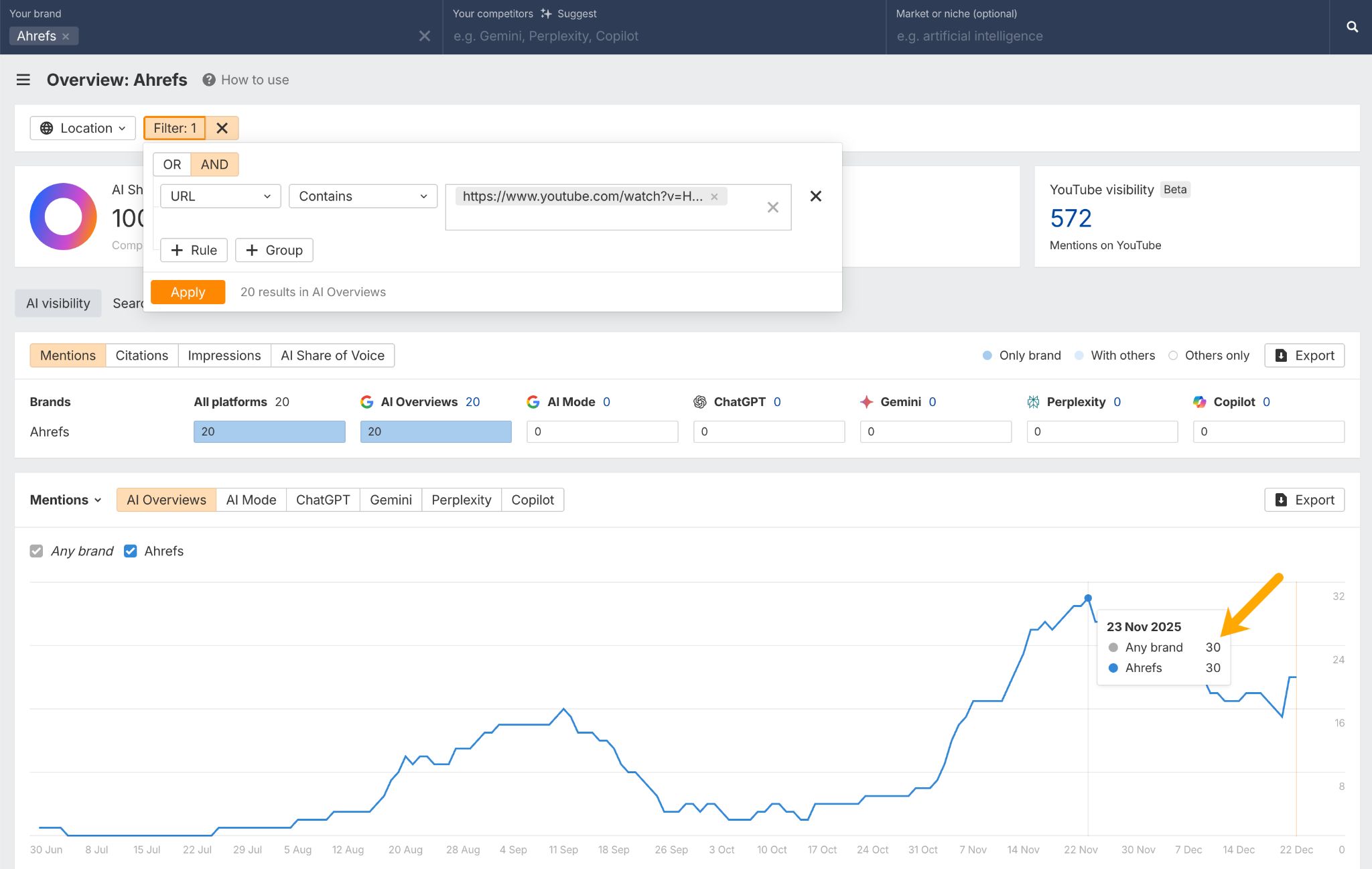
Verify AI Overview Citations
AI-driven search results often pull directly from specific sources. Use tools that monitor "Generative Engine Optimization" (GEO) to see if your content is being cited in AI overviews. This ensures your brand is the source of truth rather than a competitor or an aggregator.
Audit EEAT Signals
Google’s 2026 trends prioritize E-E-A-T. Choose platforms that analyze author bios, backlink profiles, and content depth. Tools should flag thin content or missing trust signals before they impact rankings, ensuring your site meets the highest authority standards.
Analyze Voice Query Intent
Voice search relies on natural language and question-based queries. Your SEO stack must include voice query analysis features to understand how users phrase questions. This helps optimize for conversational keywords and featured snippets, which are the primary answers for voice assistants.

As an Amazon Associate, we may earn from qualifying purchases.
FAQs about 2026 SEO trends
Do I need new tools to optimize for AI search? Yes. AI Overviews and SGE require structured data and FAQ schemas to be eligible for citation. Tools like Semrush, Ahrefs, and Surfer SEO help audit your content for AI-readiness.
How does voice search change my keyword strategy? Voice queries are conversational and longer. You should target long-tail questions and natural language phrases. Use voice-optimized content to capture featured snippets that drive voice results.
Which SEO tools support 2026 AI trends? Top tools include Surfer SEO for content optimization, Semrush for AI-driven keyword research, and Ahrefs for backlink analysis. These platforms integrate AI features to streamline optimization.
Is AI-generated content good for SEO? AI content is useful for drafting, but it must be edited for accuracy and brand voice. Google prioritizes helpful, people-first content. Use AI to enhance quality, not replace human insight.
No comments yet. Be the first to share your thoughts!