
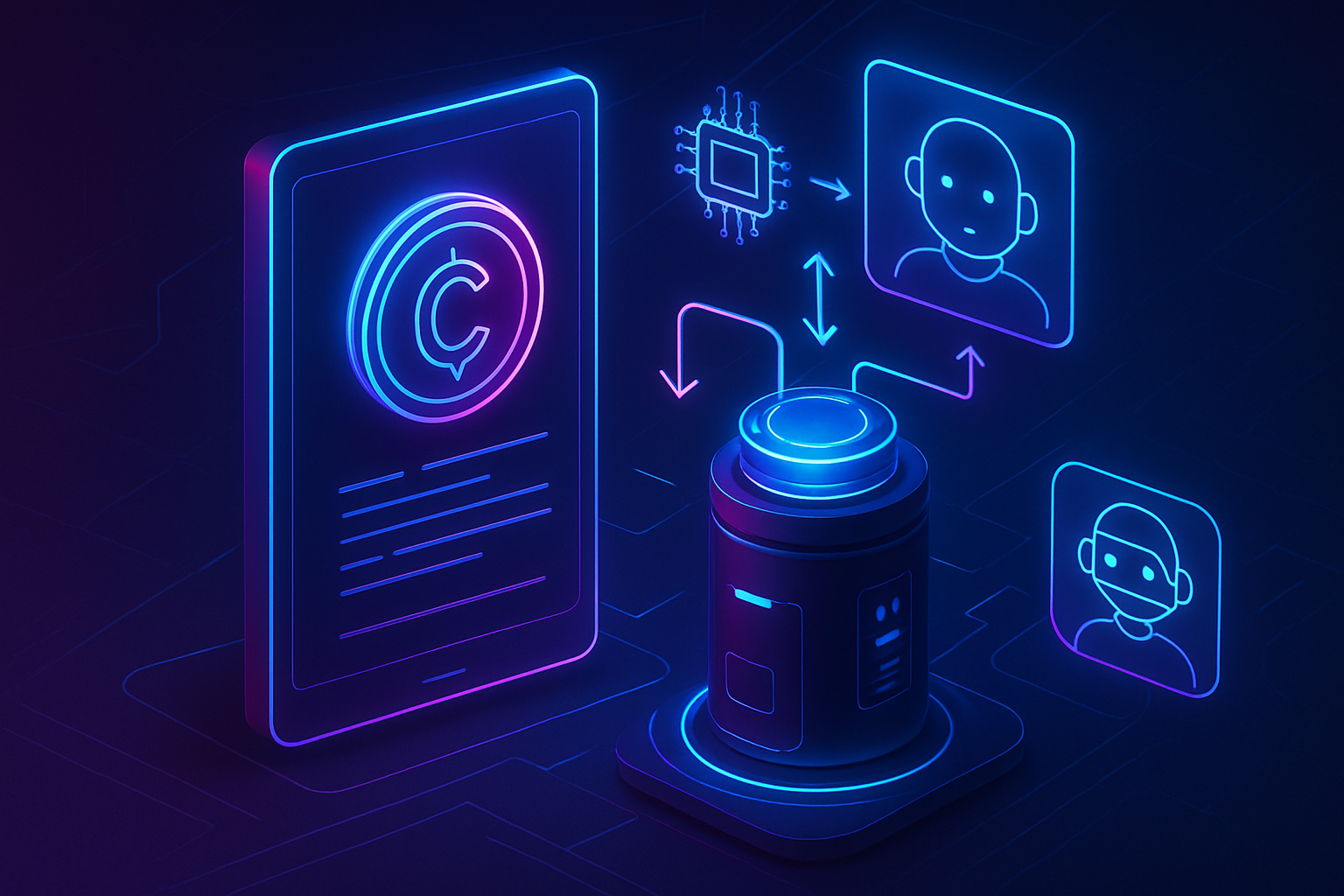
Machine-to-machine crypto payments are no longer sci-fi. With X402 Payment Intents, developers can enable AI agents, bots, and backend services to pay for digital resources instantly and securely, no manual wallet interaction required. The protocol is already powering pay-per-use APIs, data marketplaces, and onchain content monetization using stablecoins like USDC, all over the familiar HTTP layer.
Why X402? The New Standard for Agent-to-Agent Payments
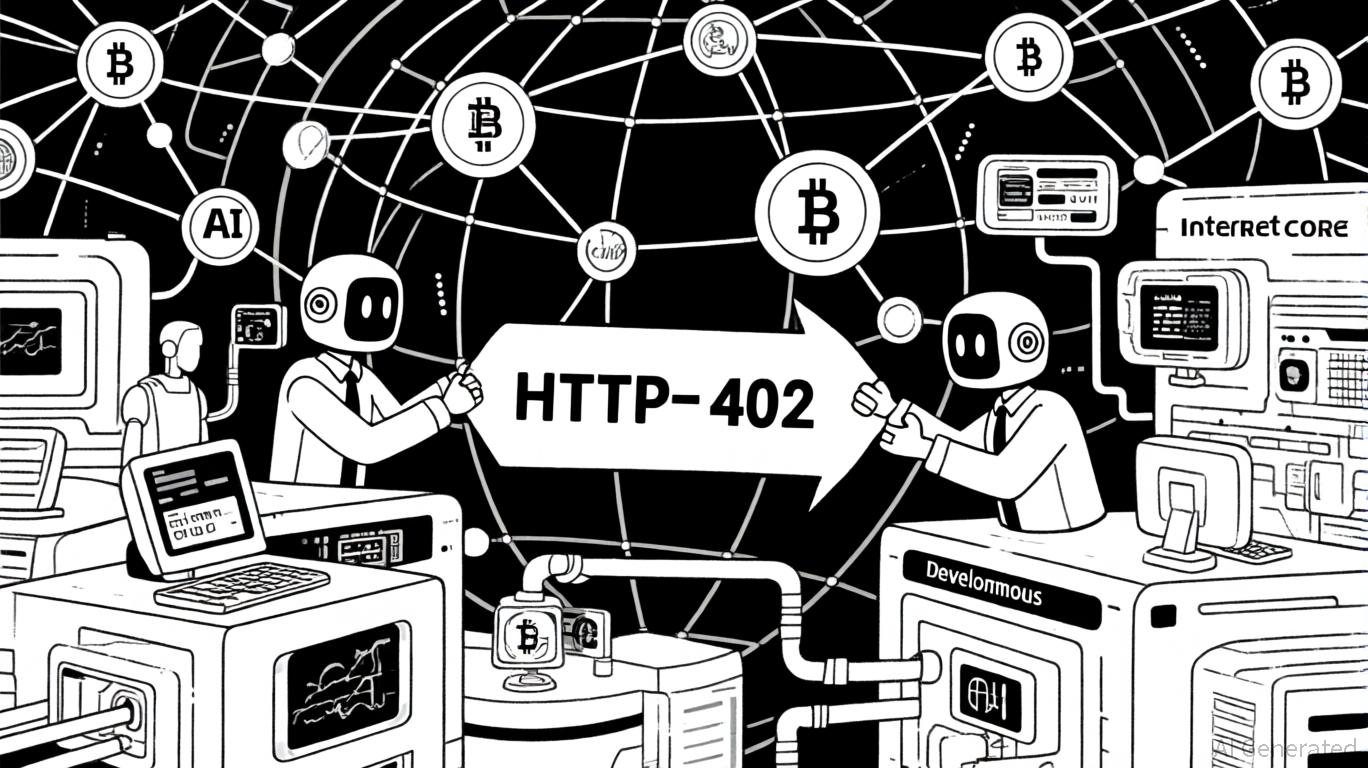
Most current payment integrations are built for humans, not machines. X402 flips the script by leveraging the HTTP 402 "Payment Required" status code to create a seamless flow where clients (including AI models and automation bots) can programmatically pay for access to APIs or digital goods. No API keys, no OAuth headaches, just pure onchain payments with cryptographic proof.
Here’s what makes X402 payment intents integration a game changer:
- Instant settlement: Payments are confirmed onchain before access is granted.
- No accounts or passwords: Any agent with a wallet can pay and access services.
- Chain-agnostic: Works with major EVM chains (Base Sepolia, Ethereum mainnet, more coming).
- AI-friendly: Designed so autonomous agents can handle everything end-to-end.
The Core Flow: How Machine-to-Machine Crypto Payments Work
The X402 protocol is refreshingly simple yet robust. Here’s how it goes down in practice:
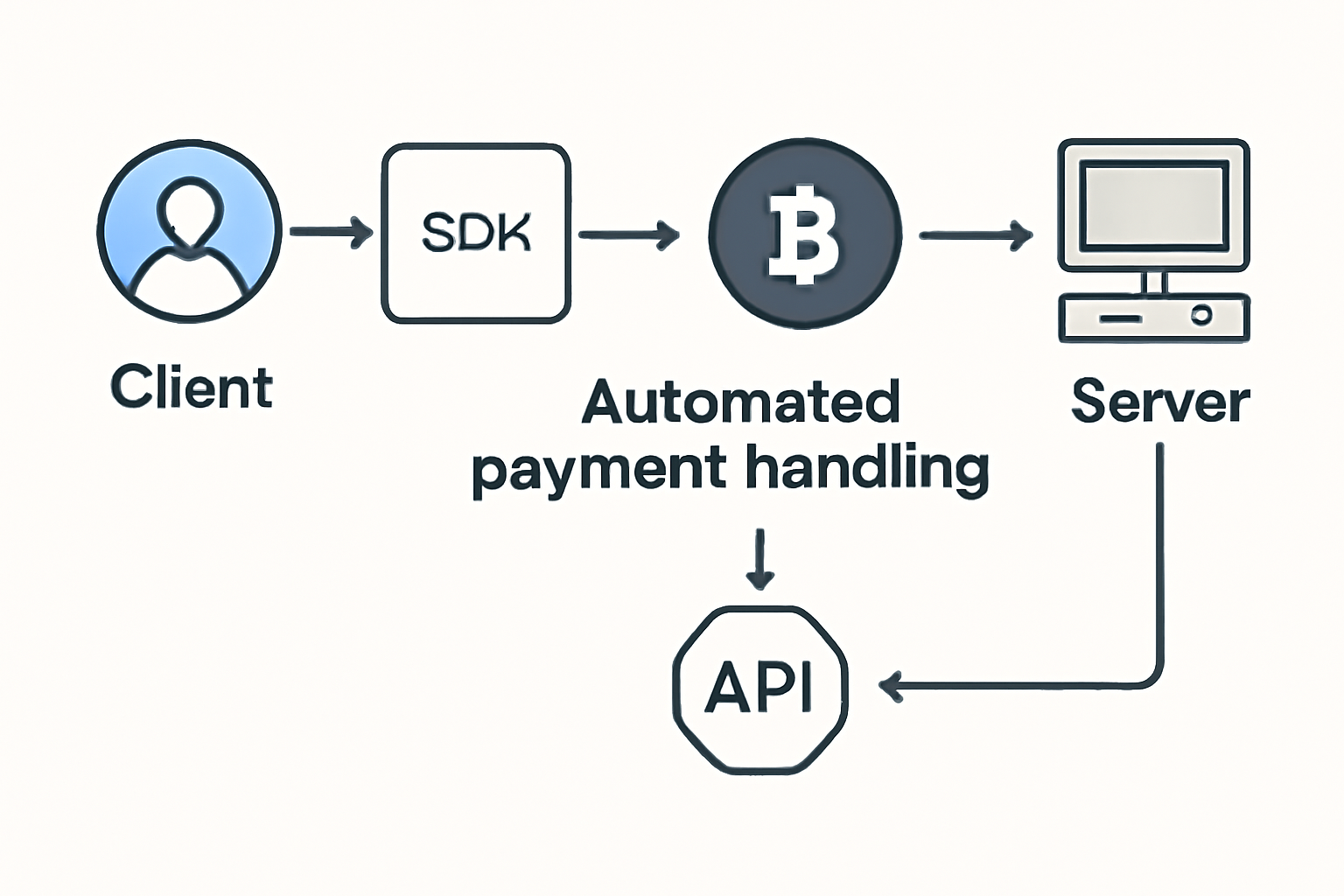
- A client (say, an AI agent) requests an API endpoint protected by X402 payment middleware.
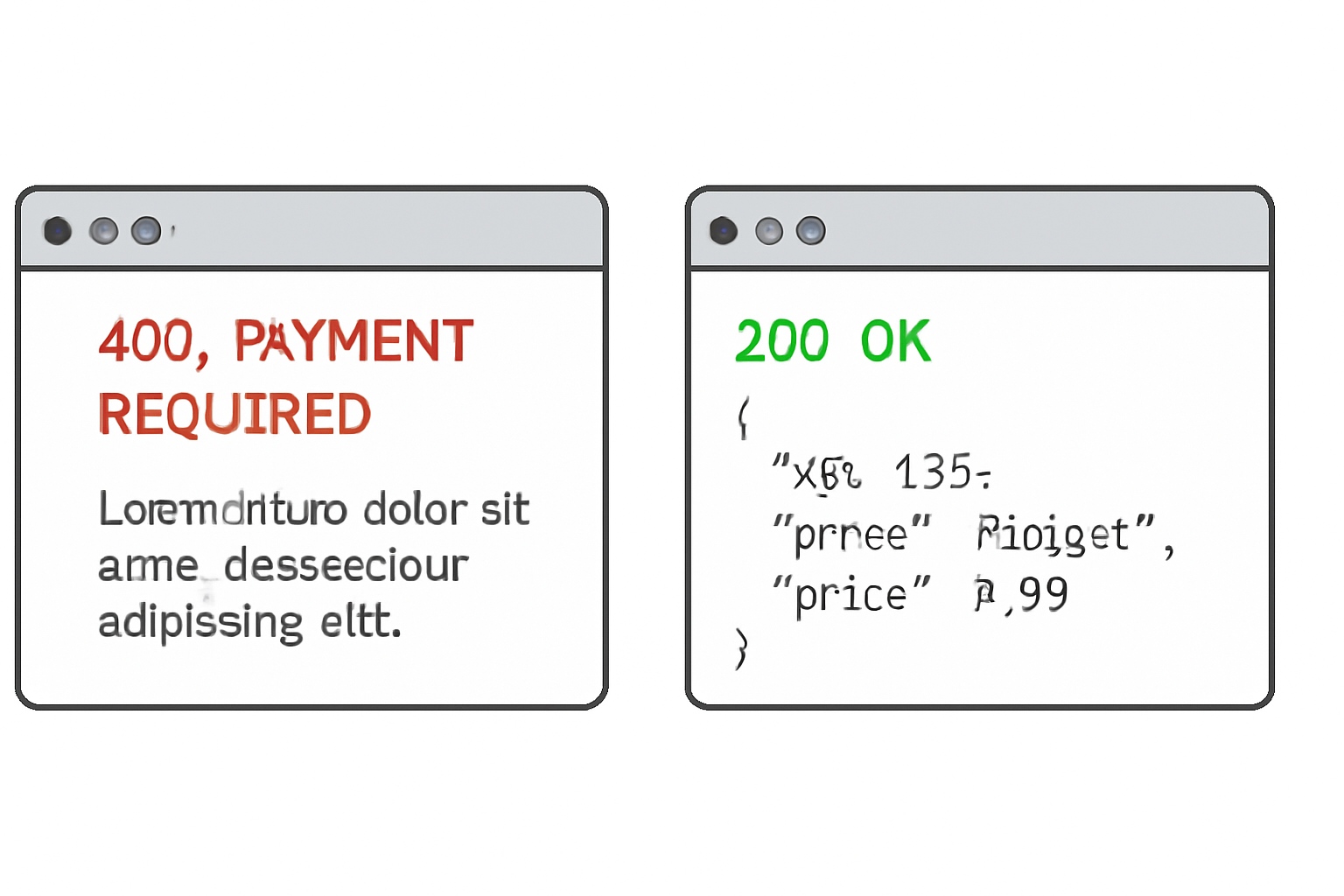
- The server responds with an HTTP 402 status code and payment instructions, no access granted yet!
- The client parses these instructions, constructs a payment payload (including price and destination address), signs it with their wallet, and submits the transaction using their preferred facilitator (like Coinbase).
- The client retries the original request but now includes a cryptographic proof of payment in the
X-PAYMENTheader. - The server verifies the proof onchain and grants access if everything checks out.
This process is designed for full automation, think streaming microtransactions between bots or instant pay-per-call API monetization without any human bottlenecks.
X402 Payment Intents Integration: Seller Setup in Node. js and Python
If you’re building an API or digital service that should be paid-for by other machines or agents, integrating X402 is fast and developer-friendly. Here’s how you get started as a seller (API provider):
Integrate x402-Express Middleware in Node.js for Machine-to-Machine Crypto Payments
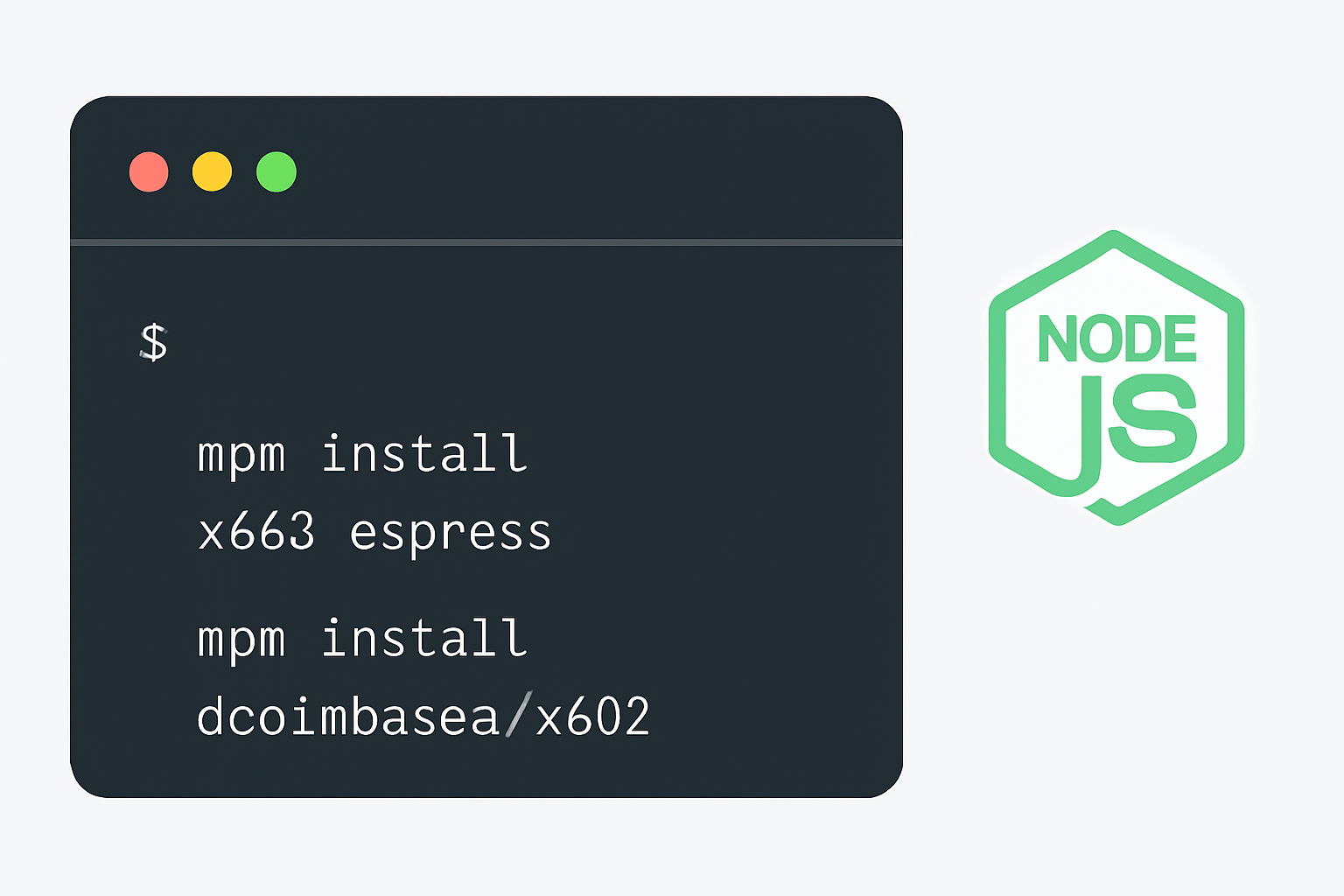
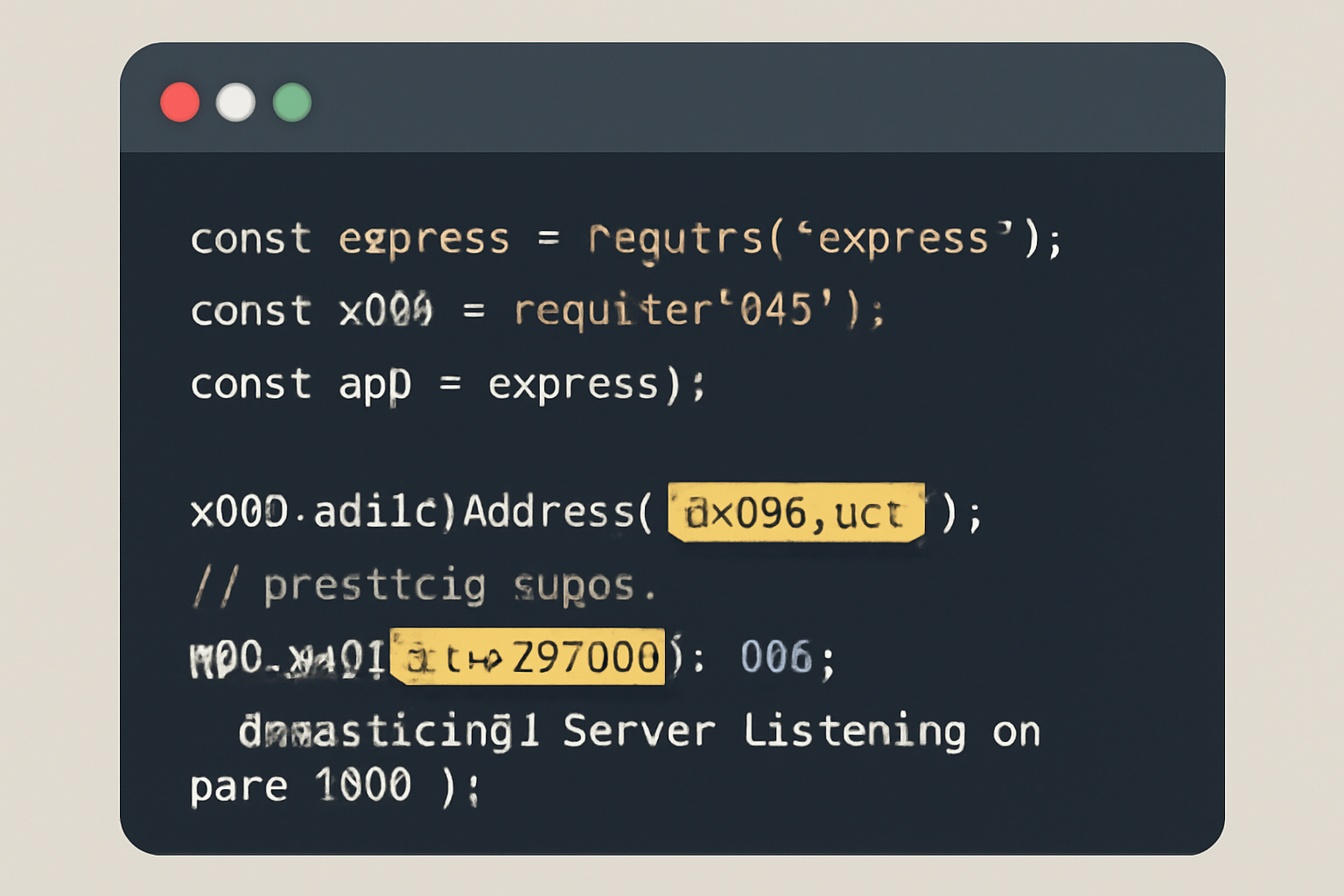
You’ll need to install the relevant SDKs (x402-express for Node. js or x402 for Python), configure your endpoints with pricing (e. g. , $0.001 per request), specify your receiving wallet address, and point to a facilitator URL (like Coinbase’s testnet at https://x402.org/facilitator). For detailed walkthroughs tailored to your stack, check out the official docs at docs.payai.network/x402/introduction.
No More Friction: Automating Payments on the Client Side
The buyer side (your client/agent) just needs to handle 402 responses automatically, sign transactions using their private key or wallet SDK, then resend requests with proof-of-payment headers. Tools like Thirdweb’s SDK make this nearly plug-and-play, enabling full automation even for non-blockchain-native developers. See more at Thirdweb's changelog on x402 support.
With the basics in place, let’s get tactical. How do you actually wire up agent-to-agent on-chain payments and make sure your integration is robust, testable, and production-ready?
Testing and Scaling Your X402 Integration
First, always start on a testnet like Base Sepolia. This lets you simulate real payment flows using play USDC, so you can verify:
- Your endpoints correctly respond with 402 and payment instructions
- Clients can parse instructions and generate valid payment proofs
- Your server verifies payments before releasing resources
Once your flow works end-to-end on testnet, switching to mainnet is just a config change. For Node. js sellers, that means updating your facilitator URL and wallet address for live funds.
Top Use Cases for X402 Machine-to-Machine Crypto Payments
- Pay-Per-Use API Monetization: Instantly charge clients for each API call using stablecoins like USDC, enabling seamless, account-free access to data and services.

- Autonomous AI Agent Transactions: Let AI bots autonomously pay for resources, data, or services over HTTP, unlocking new AI-to-AI business models.
- On-Chain Crypto Paywalls for Digital Content: Protect web content or premium features with an x402-powered crypto paywall—no user accounts or subscriptions needed.
- IoT Device Microtransactions: Enable IoT devices to pay for real-time data, bandwidth, or cloud functions automatically, using x402 for frictionless machine payments.
- Pay-As-You-Go Cloud Services: Integrate x402 to let clients pay for compute, storage, or API time in real-time, eliminating upfront commitments.
- Automated Marketplace Settlements: Power marketplaces where bots or services can instantly settle payments for digital goods or services, reducing manual intervention.

Pro Tips for Secure and Efficient Payment Automation
Security first: Always validate incoming payment proofs onchain before granting access. Never trust client-side signatures alone. Use official SDKs to avoid edge-case bugs.
Price updates: Adjust pricing dynamically if needed, X402 supports flexible pricing per endpoint or request type. You can even programmatically set prices based on demand or resource usage.
Monitoring: Track failed payments, suspicious activity, or repeated 402 responses to catch abuse early. Most middleware includes hooks for logging and analytics.
Level Up: Advanced Agent-to-Agent Payment Flows
The real magic of X402 comes when you stack it with other automation layers. Imagine AI agents negotiating price in real-time before triggering a payment intent, or chaining multiple API calls together where each step unlocks after proof-of-payment.
You can also combine X402 with decentralized identity (DID) standards or XMTP chat agents to build fully autonomous economic actors that pay each other without human oversight. This is already happening in data marketplaces and AI-as-a-service platforms.
Developer Resources and Where to Go Next
If you’re ready to dive deeper, check out the open-source SDKs and docs:
- Quickstart guide for sellers (Node. js/Python)
- Community SDKs (JavaScript/Python/Go)
- Full protocol documentation
This ecosystem is moving fast, new facilitators, wallet integrations, and chain support are dropping regularly. Keep an eye on the official docs and GitHub repos for the latest updates.
Final Thoughts: The Future of HTTP-Native Crypto Payments Is Here
X402 isn’t just another payment API, it’s the backbone of a new internet economy where machines transact value as easily as they exchange data. If you’re building anything that needs frictionless monetization between bots, agents, or smart apps, there’s no reason not to start experimenting today.




No comments yet. Be the first to share your thoughts!