

API monetization is evolving rapidly, and the X402 Payment Intents integration is leading the way for developers who want to charge per API call without the friction of user registration, emails, or OAuth. With X402, you can turn any API endpoint into a revenue stream using seamless crypto payments, all while keeping your onboarding process frictionless for both humans and autonomous agents.
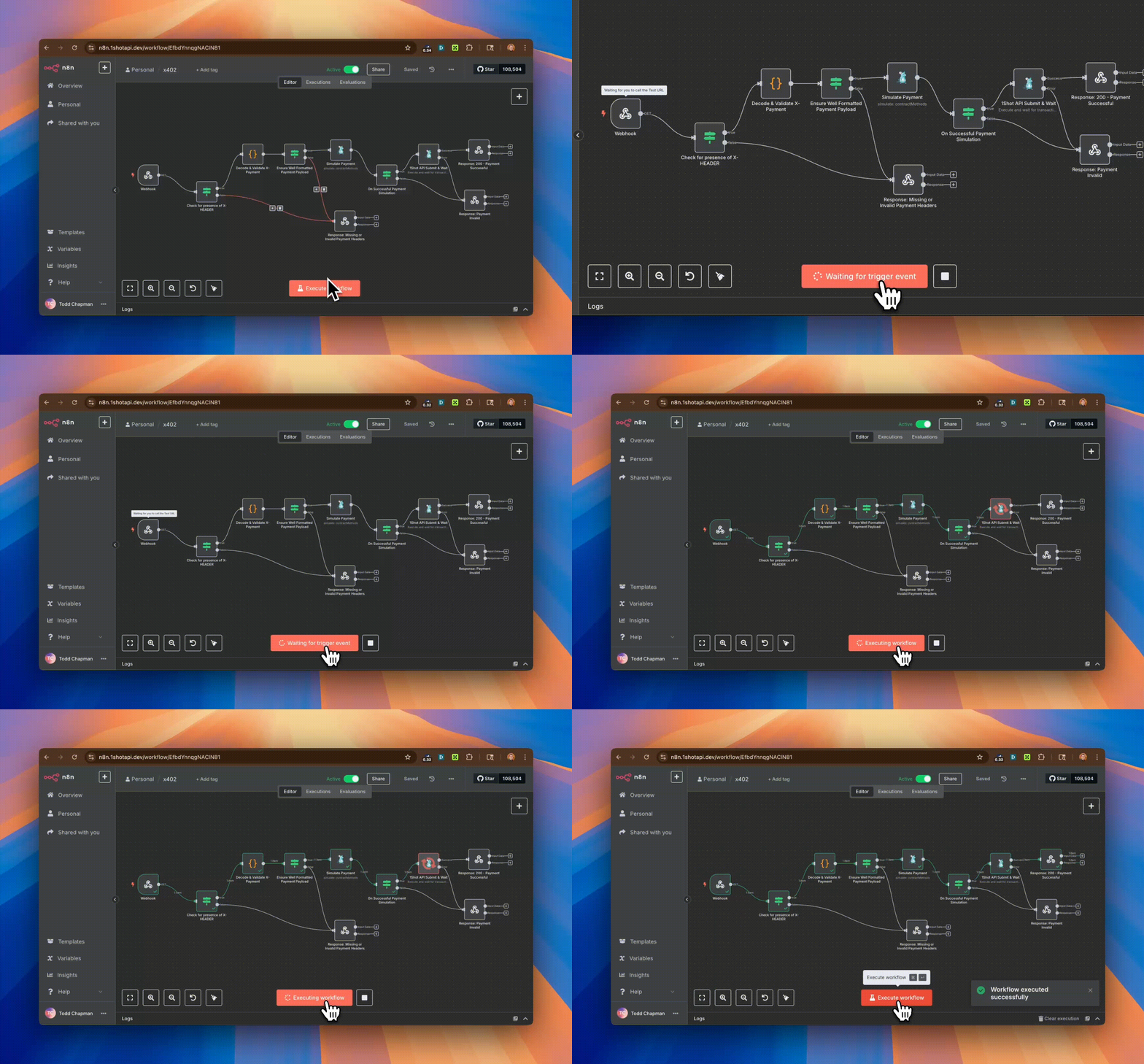
Why Monetize APIs with X402 and HTTP 402?
The X402 protocol is built around the HTTP 402 Payment Required status code, a long-overlooked part of the web’s original design. By reviving this standard, X402 lets you request payment directly from clients when they try to access premium endpoints. This approach eliminates the need for accounts, subscriptions, or API keys. Instead, payment happens transparently at the network layer with no protocol fees and instant settlement on-chain.
- No Registration: Clients pay per use with their crypto wallet, no signups or passwords needed.
- No Protocol Fees: X402 itself charges zero fees to either party.
- Blockchain Agnostic: Accept payments across EVM-compatible chains and stablecoins.
- Instant Access: As soon as payment clears (typically in seconds), users get what they paid for.
This model is a game-changer for developers tired of managing billing tiers or complex access controls. It’s also ideal for AI agents or automated systems that need dynamic access to data without human intervention.
Setting Up Your Server: Fast Middleware Integration
X402 integration is refreshingly simple if you’re running an Express. js backend. Here’s how you can protect an endpoint, say, /protected-route: and start collecting crypto payments instantly:
Integrating X402 Middleware in Express.js
To integrate X402 payment intents into your Express.js API, you can use the `x402-express` middleware. Here’s a practical example of how to set this up:
const express = require('express');
const x402 = require('x402-express');

const app = express();

// Configure your X402 middleware
app.use(
  '/api/monetized-endpoint',
  x402({
    apiKey: process.env.X402_API_KEY, // Your X402 API key
    price: 100, // price in cents
    currency: 'usd',
    description: 'Access to premium API endpoint'
  })
);

app.get('/api/monetized-endpoint', (req, res) => {
  res.json({ message: 'You have accessed the monetized API!' });
});

app.listen(3000, () => {
  console.log('Server running on port 3000');
});
This middleware will enforce payment before granting access to the `/api/monetized-endpoint` route. Make sure to replace the API key and adjust the price and description as needed for your use case.
You only need to replace 0xYourWalletAddress with your own EVM-compatible wallet address (like from CDP Wallet). Set your price (e. g. , "$0.10"), choose a supported network such as base-sepolia, and provide a description for clarity. The middleware will handle everything else, from detecting missing payments to verifying transactions before granting access.
If you want more details on advanced configuration options or multi-route setups, check out the official documentation for x402-express.
Simplifying Client-Side Payments Without Registration
Your API users, whether they’re individuals or bots, need a way to detect when payment is required and automatically fulfill it. That’s where the x402-fetch package comes in handy. It wraps around the standard fetch API and manages 402 responses by prompting for payment via wallet software before retrying the request with proof of payment included.
Client-side X402 Fetch Integration Example
When integrating with an API that uses X402 Payment Intents, you should handle HTTP 402 responses on the client side. Here’s a practical example using JavaScript and the Fetch API:
async function fetchWithX402(url, options = {}) {
  const response = await fetch(url, options);

  if (response.status === 402) {
    // Parse the 402 response for payment instructions
    const x402Info = await response.json();
    // For example, x402Info might contain a payment_url
    alert('Payment required! Please complete payment to access this resource.');
    // Optionally, redirect to payment page or show modal
    if (x402Info.payment_url) {
      window.open(x402Info.payment_url, '_blank');
    }
    throw new Error('Payment required (HTTP 402)');
  }

  if (!response.ok) {
    // Handle other errors
    throw new Error('Request failed: ' + response.status);
  }

  return response.json();
}

// Usage example:
fetchWithX402('/api/protected-resource')
  .then(data => {
    console.log('Resource data:', data);
  })
  .catch(err => {
    console.error(err);
  });
This pattern ensures your application gracefully prompts users to complete payment when required, without needing user registration.
This setup ensures seamless access: if payment is needed, it’s handled transparently without requiring users to create accounts or manage tokens manually. Just make sure your client’s blockchain network matches your server’s, for example, both set to base-sepolia.
The future of API monetization isn’t about locking users behind endless forms, it’s about letting anyone (or anything) pay instantly when value is delivered.
Troubleshooting and Best Practices for Crypto-Enabled Monetization
A few pointers will help keep your integration smooth and secure:
- Always Test on Testnet First: Use base-sepolia or other supported testnets while building; only switch to mainnet after thorough validation.
- Straightforward Pricing: Keep prices clear (e. g. , "$0.10" per call) so users know exactly what they’re paying for each resource.
- No Sensitive Data in Routes: Since no registration occurs, avoid exposing sensitive information through paid endpoints themselves; use them strictly as paywalls/gateways.
- Add Descriptions: Provide concise descriptions in your middleware config so clients understand what each payment unlocks.
For developers seeking to expand their monetization toolkit, X402 Payment Intents integration is not just about technical implementation. It’s also about adopting a new mindset: treating every API call as an atomic, on-chain transaction, one that can be accessed by anyone with a compatible wallet, no strings attached. This approach gives you global reach and lets your API serve both human users and autonomous agents without friction.
Key Benefits of Monetizing APIs with x402 Payment Intents
- No User Registration Required: x402 enables instant access to paid API resources without the need for user accounts, emails, OAuth, or complex authentication, reducing onboarding friction for both human users and autonomous agents.
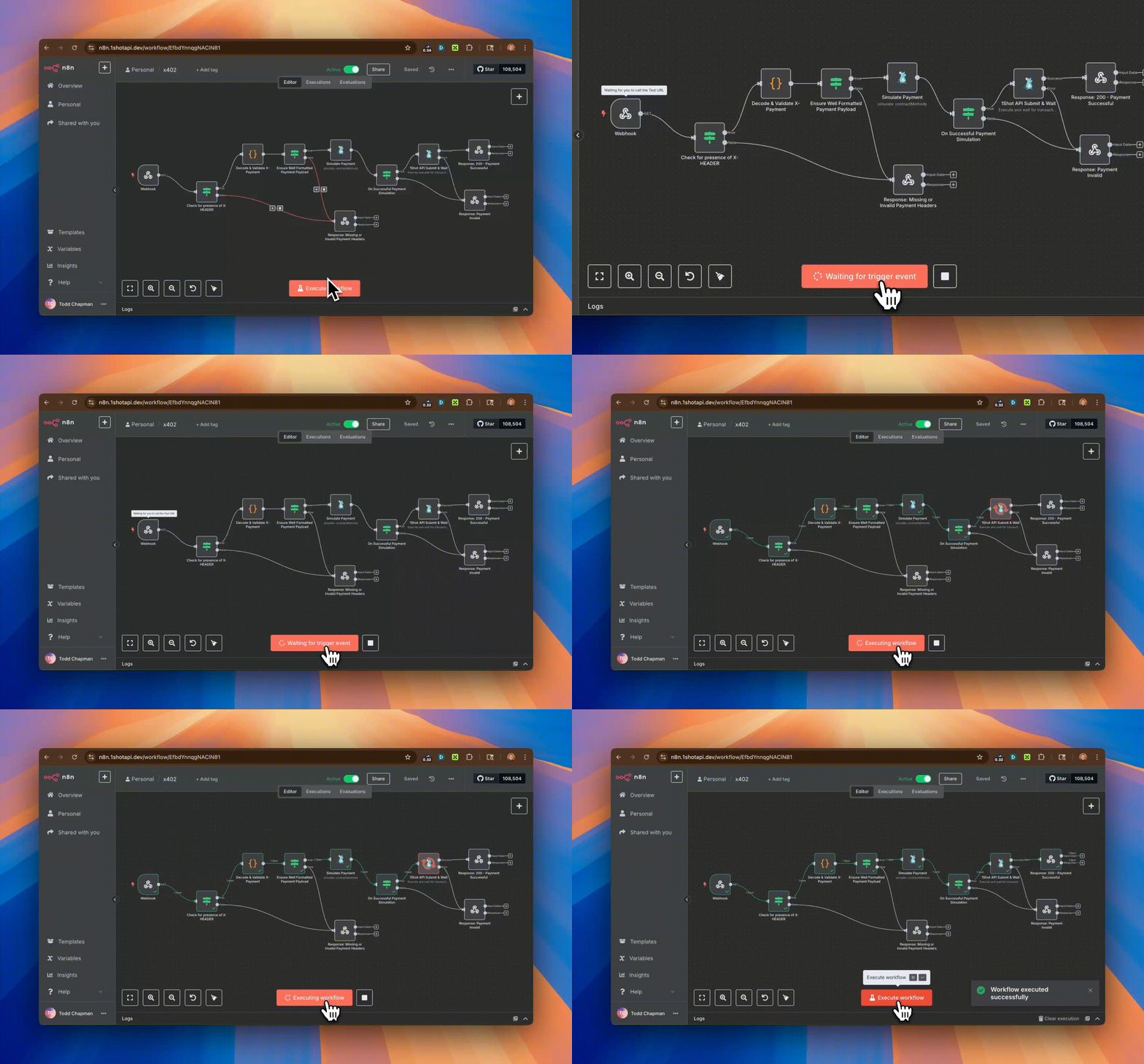
- Zero Protocol Fees: The x402 protocol itself imposes no fees on either merchants or customers, allowing you to retain the full payment amount for each API transaction.

- Instant Blockchain Settlement: Payments are processed and settled at blockchain speed—typically within seconds—ensuring rapid access to resources and immediate revenue realization.
- Frictionless Integration: Adding x402 to your API is as simple as installing middleware (e.g., x402-express for Node.js/Express), requiring minimal code changes and no overhaul of your existing authentication stack.
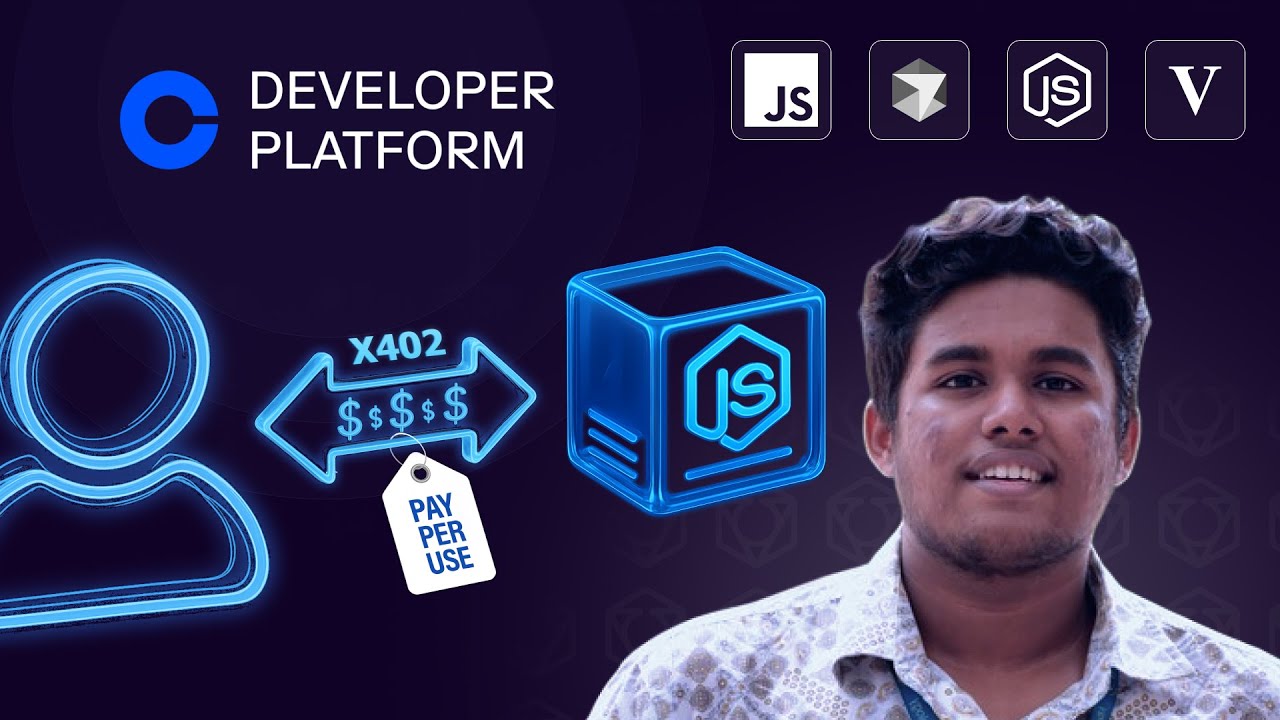
- Blockchain and Token Agnostic: x402 supports multiple EVM-compatible blockchains and tokens, providing flexibility and neutrality for integration across diverse crypto ecosystems.
- AI and Machine-First Monetization: The protocol is designed for both human and autonomous clients, enabling seamless micropayments and dynamic pay-per-use models ideal for AI agents and automated systems.
- Enhanced Privacy and Security: By eliminating the need for user registration or personal data collection, x402 reduces the risk of data breaches and enhances user privacy.
As you scale up, consider these additional strategies to maximize the value of your X402 integration:
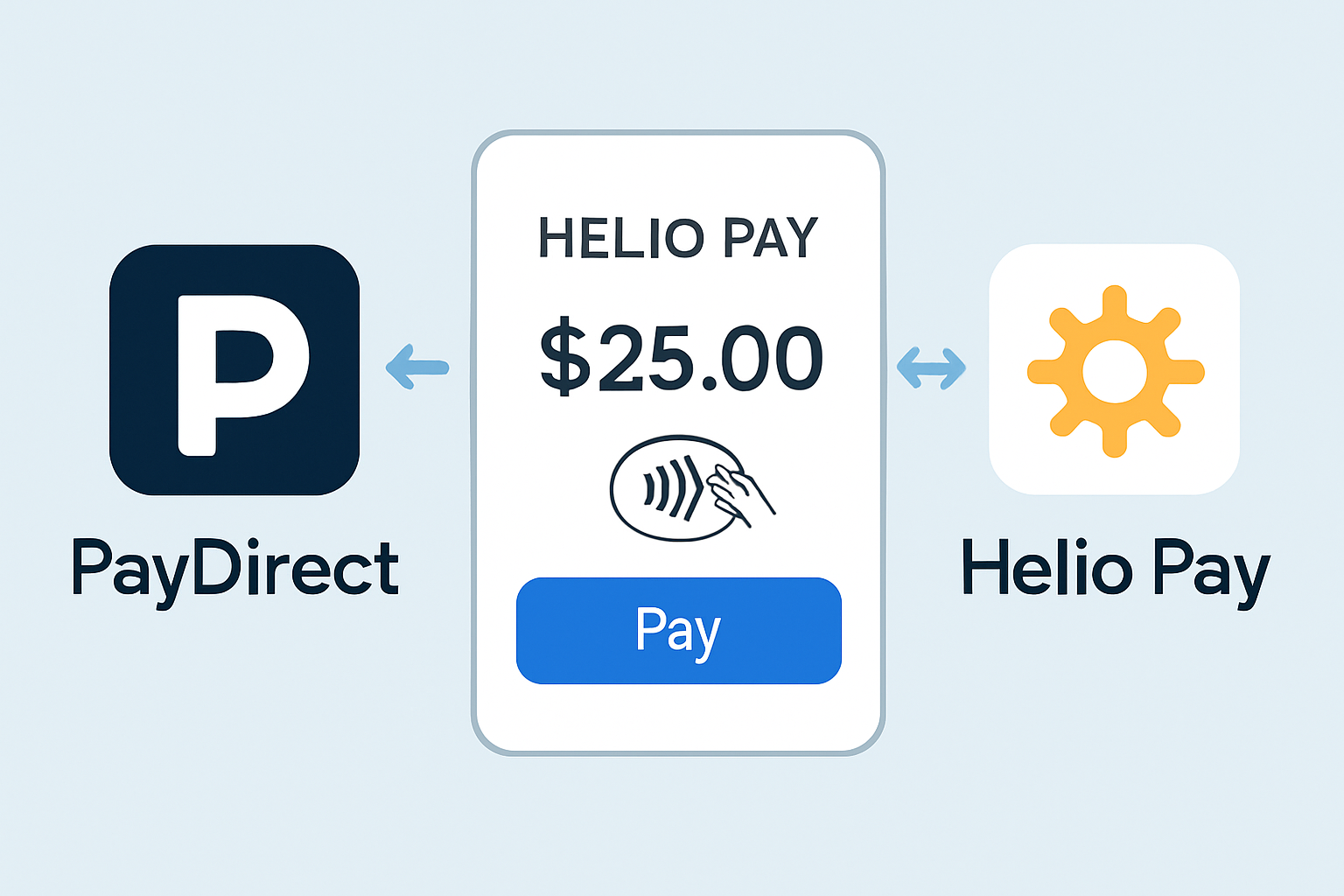
- Leverage Facilitator Services: Platforms like PayDirect can streamline your payment flows, support multiple chains, and provide enhanced reporting or instant settlement. This is especially useful if you’re managing high-volume endpoints or want to automate reconciliation. For details, see PayDirect.
- Subscription-Style Access: If you want to offer recurring access (e. g. , daily data feeds), integrate with subscription management providers like Helio Pay. Their tools work seamlessly with X402 and let you build hybrid pay-per-call or subscription models without traditional account systems. Learn more at Helio Pay.
- Monitor Usage and Revenue: Use analytics tools or build custom dashboards to track which endpoints are most profitable and where payment failures occur. This data-driven approach will help you refine pricing and optimize your API offerings.
Security Considerations When Monetizing Without Registration
While removing user registration reduces friction, it also means relying on the security of wallet-based authentication and blockchain settlement. Here’s how to keep things safe:
- Protect Your Private Keys: Never hard-code private keys in client-side code or public repositories. Use environment variables or secure key management services instead.
- Validate Payments On-Chain: Always verify payment transactions on-chain before granting access, this is handled automatically by the x402 middleware but worth double-checking during audits.
- Avoid Overexposure: Only expose what’s necessary through paid endpoints; sensitive business logic or data should remain behind internal firewalls unless strictly required for the paid resource.
Real-World Use Cases: From AI Agents to Microservices
The flexibility of X402 makes it suitable for a range of crypto-native applications beyond standard web APIs:
- AI Agents and Bots: Let autonomous agents pay per data query (e. g. , market prices, news feeds) without pre-approvals or manual intervention.
- SaaS Microservices: Offer granular access to analytics, ML models, or proprietary content, users pay only for what they consume.
- NFT and Gaming Platforms: Monetize in-game resources, metadata APIs, or NFT reveal endpoints effortlessly using stablecoins across EVM-compatible chains.
This model unlocks new revenue streams while keeping your platform open and accessible worldwide, no more chasing down unpaid invoices or managing endless account credentials.
Get Started With X402 Today
If you’re ready to transform how you monetize digital assets and services, start with the official guides such as the Quickstart for Sellers. For detailed package usage and advanced setups, see the docs for x402-express. With zero protocol fees and instant settlement at blockchain speed, there’s never been a better time to let users pay per use, and skip registration entirely.




No comments yet. Be the first to share your thoughts!