

The internet was built on open protocols, but payments have always been an awkward fit. For decades, the HTTP 402 payment required status code sat dormant, a placeholder for a future where digital cash could flow as easily as data. In May 2025, that future took shape with the launch of Coinbase’s x402 protocol: a chain-agnostic standard that transforms HTTP itself into a programmable payment layer. In-band crypto payments are finally here, and their impact on decentralized commerce, API monetization, and AI-driven economies is only beginning to unfold.

From Dormant Status Code to Payment Powerhouse
The story of HTTP 402 is one of unrealized potential. Introduced in the early days of the web, it was meant to signal that a resource required payment before access was granted. Yet, lacking a global digital currency or standard payment protocol, it went unused, until now.
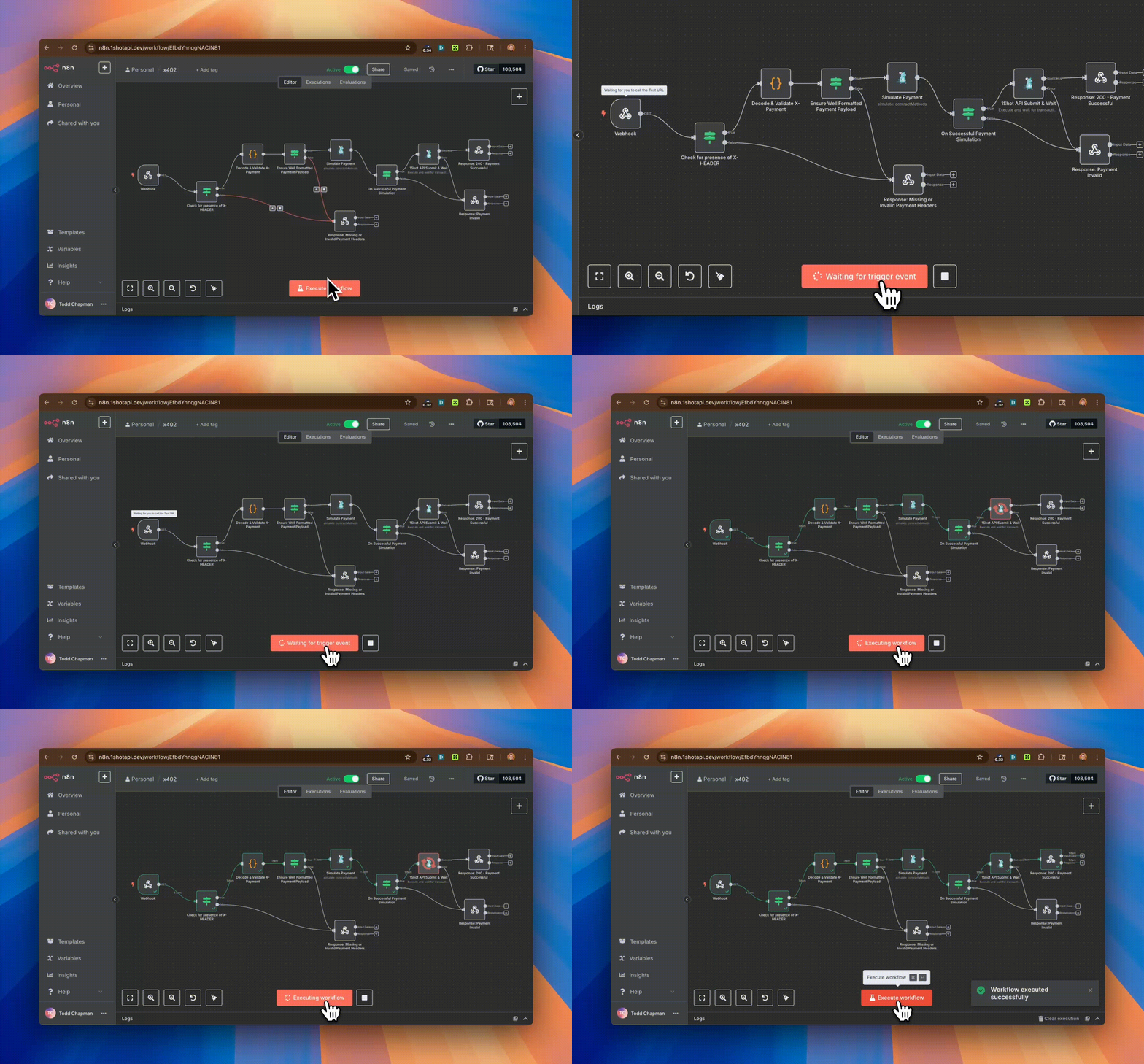
x402 leverages this overlooked status code by embedding payment instructions directly in HTTP responses. When a client requests paid content or an API endpoint, the server replies with a 402 response containing precise details: price (often denominated in stablecoins such as USDC), supported tokens and chains, and the destination wallet address. The client can then initiate an on-chain transaction and retry the request with proof of payment, all without accounts, OAuth flows, or manual invoicing.
The Mechanics: Seamless Programmable Payments via HTTP
What makes x402 remarkable isn’t just its revival of an old status code, it’s how elegantly it fits into existing developer workflows. The protocol uses a simple JSON schema within the 402 response to communicate pricing and payment options. Clients respond by signing an EIP-712 message (a widely adopted Ethereum standard for typed data) authorizing payment. This signature is broadcast to the blockchain; once confirmed (with settlement times averaging just 200 milliseconds on modern rollups), access is granted instantly.
This architecture is both chain-agnostic and frictionless:
- No registration or email required, just cryptographic proof.
- No need for API keys or pre-funded accounts.
- No reliance on centralized gateways; all payments settle on-chain.
The result? Real-time revenue collection for content creators, API providers, and autonomous agents alike, and a drastic reduction in compliance overhead since transactions are final once written to the ledger.
Key Benefits of x402 Protocol for Developers & Businesses
- Seamless On-Chain Payments via HTTP: x402 enables direct, programmable payments for web resources and APIs using the familiar HTTP protocol, eliminating the need for complex integrations or external payment gateways.
- Chain-Agnostic and Token Flexible: The protocol supports multiple blockchains and tokens, including stablecoins like USDC, allowing businesses to accept payments from a wide range of users without being locked into a single ecosystem.

- Instant, Low-Latency Settlement: Payments settle on-chain in as little as 200 milliseconds when using rollups, enabling real-time access to paid resources and frictionless user experiences.
- No Registration or API Keys Required: x402 eliminates the need for user accounts, email registrations, or API keys. Clients authenticate payments using on-chain signatures, streamlining onboarding and reducing operational overhead.

- Enables Microtransactions and Per-Use Monetization: The protocol makes it economically viable to charge for API calls, digital content, or AI inference on a per-use basis, opening new revenue streams for developers and businesses.

- Industry-Backed and Open Source: x402 is supported by major players like Coinbase, AWS, Circle, Anthropic, and NEAR Protocol, ensuring robust development, security, and broad adoption.
- Simplifies Compliance and Reduces Fraud: All payments are final and irreversible once confirmed on-chain, minimizing chargebacks and simplifying compliance compared to traditional payment systems.
X402 Protocol Future: Industry Adoption and Use Cases
The momentum behind x402 is undeniable. Major players like Amazon Web Services (AWS), Anthropic, Circle, and NEAR Protocol have joined forces with Coinbase to embed stablecoin payments directly into HTTP infrastructure. This collaboration signals not just validation but also rapid ecosystem growth for in-band crypto payments.
Industry analysts see this as transformative: APIs can now meter usage per call instead of relying on monthly subscriptions; AI inference engines can charge per query; decentralized media sites can monetize micro-content without ads or paywalls requiring user accounts. The possibilities are as broad as the internet itself, and with average settlement times at 200 milliseconds thanks to blockchain rollups, speed no longer stands in the way.
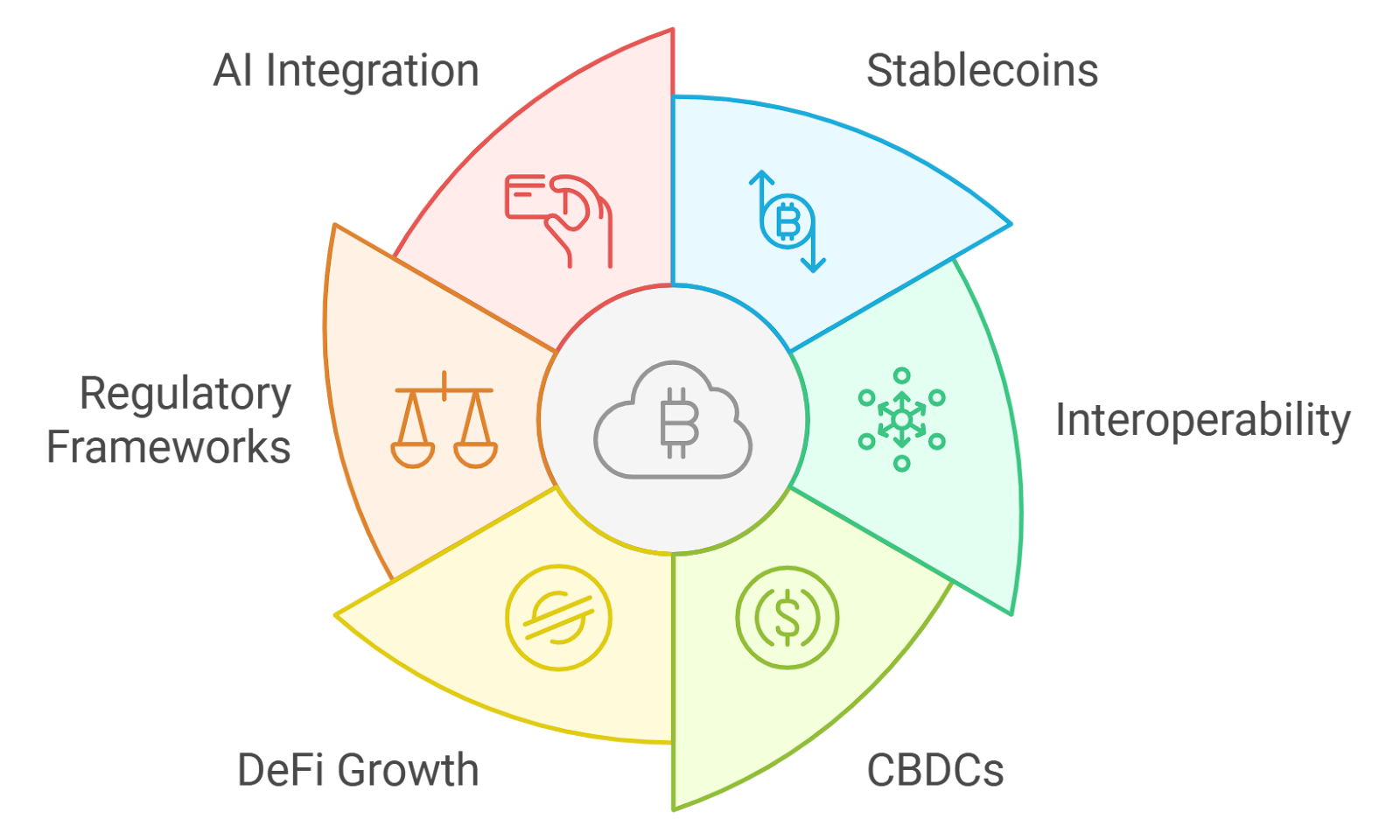
As the X402 protocol future comes into focus, we’re witnessing a shift from siloed, account-based payment systems to a truly open, programmable financial layer for the web. The ability to transact natively over HTTP unlocks a wave of innovation across sectors, especially for autonomous agents, AI models, and next-generation SaaS platforms seeking granular monetization without user friction.
For developers, integrating x402 is refreshingly straightforward. By embedding a JSON payment request in the HTTP 402 response and leveraging EIP-712 signatures, teams can implement pay-per-use APIs or resource-gated endpoints with minimal overhead. This not only reduces complexity but also eliminates many risks associated with traditional payment methods, such as chargebacks and centralized data breaches.
Emerging Use Cases: Decentralized Commerce and Autonomous Payments
The implications of in-band crypto payments extend far beyond simple paywalls. Imagine:
Real-World Uses of x402 APIs for Monetizing Digital Services
- Amazon Web Services (AWS): On-Demand API Monetization — AWS is piloting x402-powered endpoints to enable real-time, per-use payments for premium API access, allowing developers to pay with stablecoins like USDC without pre-registration or API keys.

- Anthropic: Pay-Per-Request AI Inference — Anthropic is leveraging x402 to monetize access to its Claude AI models, letting users pay per inference call via HTTP 402 responses, streamlining access for autonomous agents and developers.
- Circle: Stablecoin Payments for Digital Content — Circle integrates x402 into its content delivery and developer platforms, enabling seamless USDC payments for gated articles, reports, and premium API endpoints.

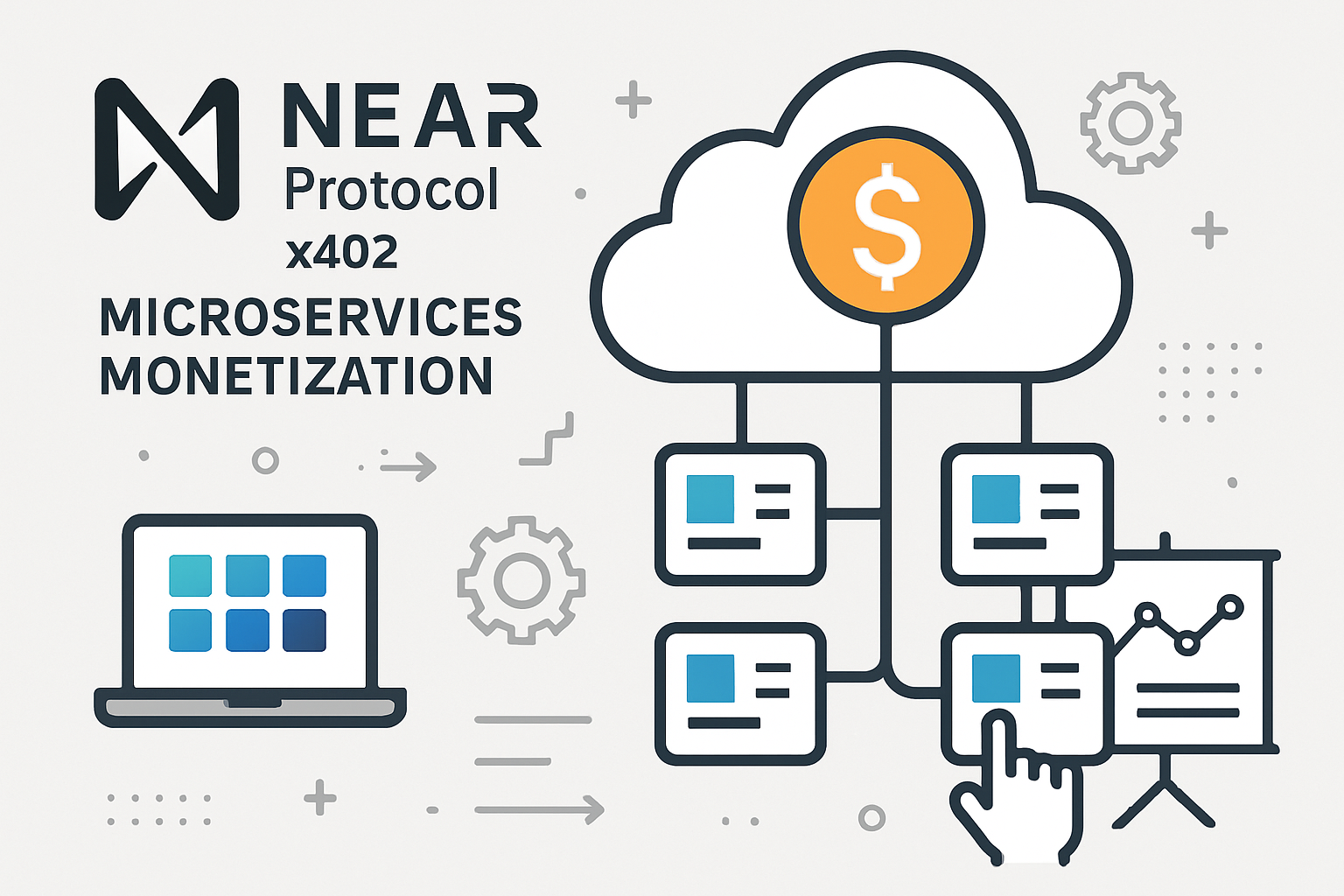
- NEAR Protocol: Monetizing Microservices on Chain — NEAR Protocol supports x402 to let microservices and decentralized apps (dApps) charge per request, creating new revenue streams for developers without the friction of traditional payment rails.
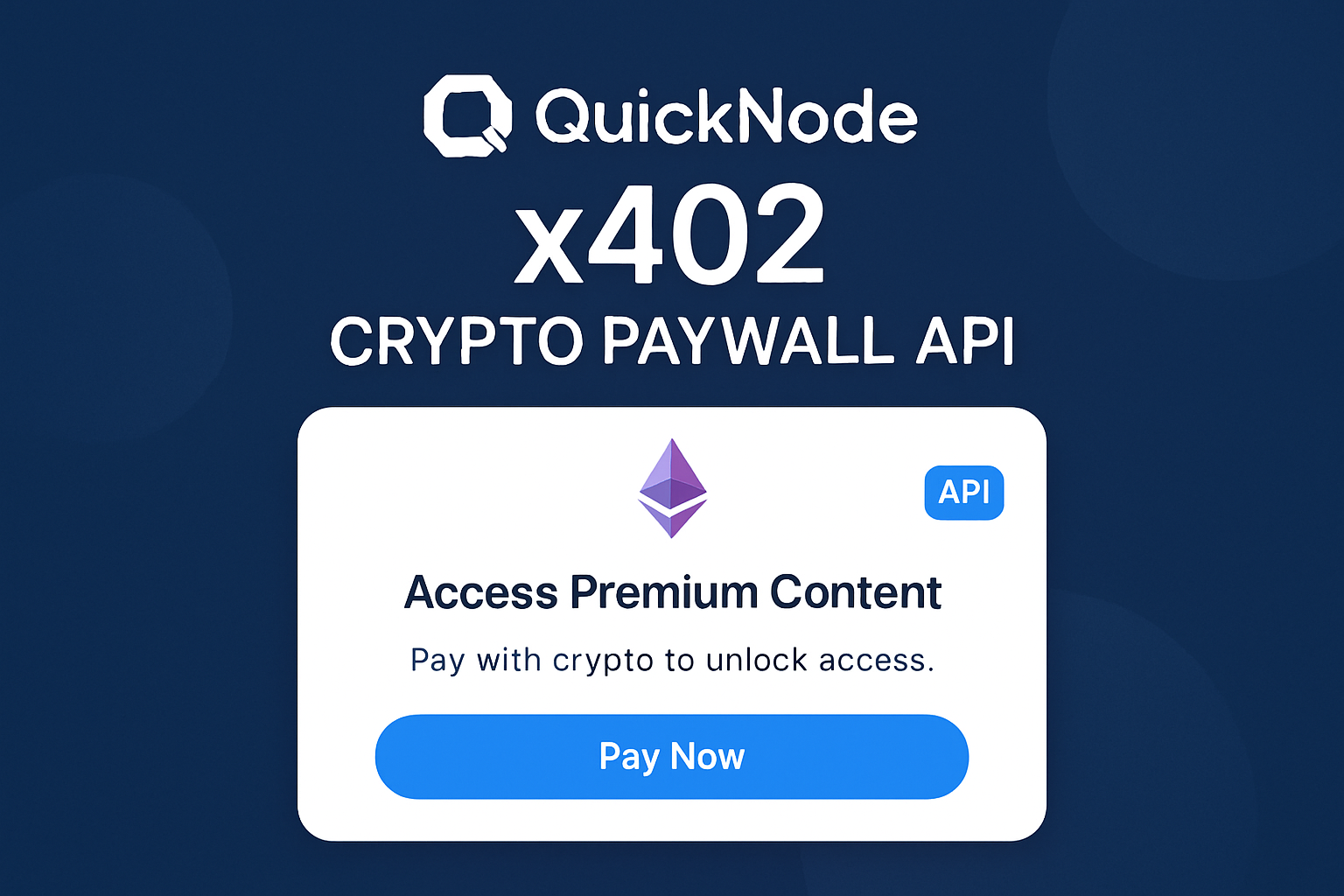
- QuickNode: Crypto Paywalls for Blockchain APIs — QuickNode demonstrates x402-powered paywalls for blockchain API endpoints, allowing users to unlock data and analytics with instant, on-chain payments, eliminating the need for monthly subscriptions.
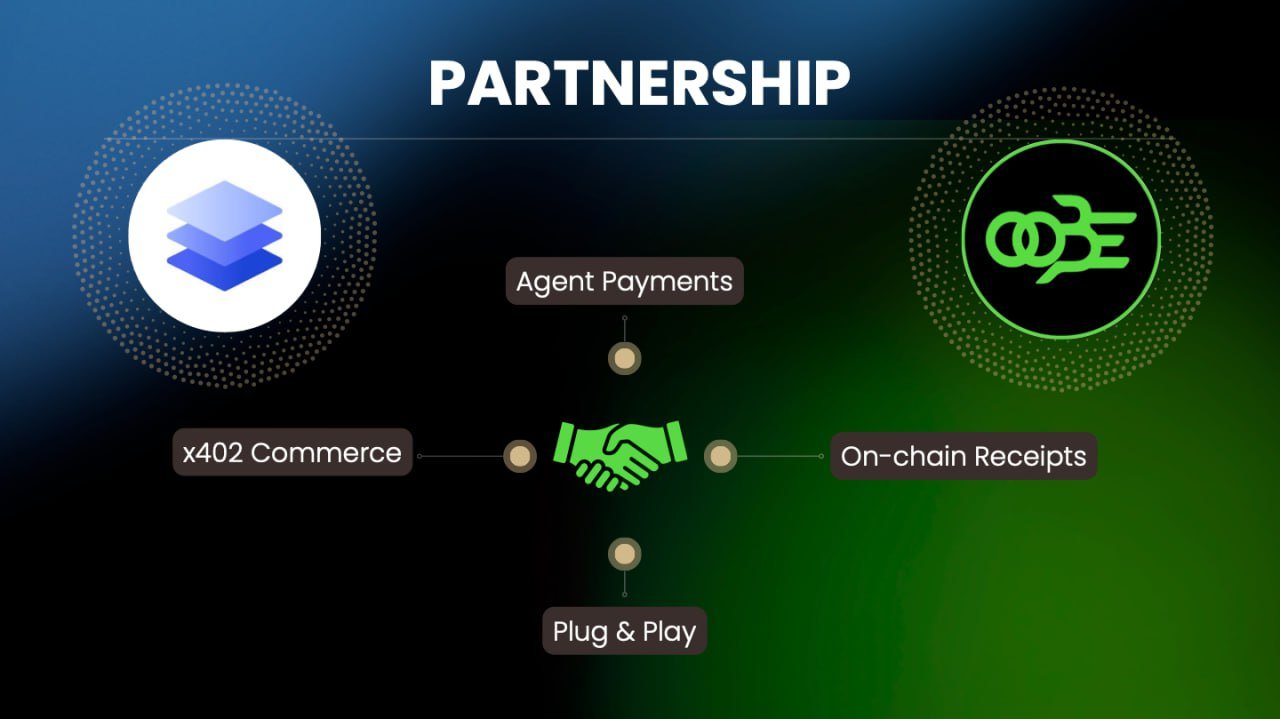
In decentralized commerce payments, x402 enables instant settlement for digital goods and services without intermediaries. AI agents can autonomously purchase data or computational resources on demand, opening doors to machine-to-machine economies previously impossible with legacy rails.
This new paradigm also transforms compliance and operational risk. Since all transactions are finalized on-chain and visible to both parties, disputes are minimized and reconciliation becomes trivial. The removal of pre-registration hurdles means global users can access paid resources using only their wallets, no more geographic restrictions or lengthy onboarding flows.
Challenges Ahead and The Roadmap for X402
No protocol is without its growing pains. Widespread adoption of x402 APIs will require ongoing improvements in wallet UX, developer tooling, and educational resources to lower the barrier for mainstream integration. There are also open questions around privacy, since all payments settle transparently on-chain, and about standardizing how different chains handle confirmations and settlement guarantees.
Yet the pace of progress is impressive. With support from industry giants like AWS and Circle, as well as vibrant open-source communities on GitHub (coinbase/x402), best practices are rapidly evolving. Expect more libraries, SDKs, and plug-and-play modules in the coming months as adoption accelerates.
What’s Next for Programmable Web Payments?
If history is any guide, protocols that embed economic incentives directly into internet infrastructure tend to win out over time, from SMTP powering email to TLS securing e-commerce. By finally activating the dormant HTTP 402 payment required code at scale, x402 stands poised to do for payments what HTTPS did for security: make them an invisible yet foundational part of every online interaction.
The most powerful protocols often begin as overlooked footnotes in technical documentation, until someone builds the missing piece that makes them inevitable.




No comments yet. Be the first to share your thoughts!