

Ready to monetize your API in real time, with no subscriptions, no API keys, and no headaches? X402 Payment Intents integration lets you do just that using USDC - currently trading at $0.0507 - and the HTTP 402 payment protocol. Whether you're building for developers, AI agents, or end-users, this new standard is making usage-based crypto billing as seamless as possible.
Why X402 Payment Intents? A New Era for Real-Time API Payments
The internet has waited decades for a true pay-per-use model. X402 finally delivers by reviving HTTP 402 (“Payment Required”) to create a frictionless way for both humans and machines to pay for digital services instantly. Forget about clunky account setups or recurring charges; with X402 and USDC on Base, you get direct, onchain payments per request, all in milliseconds. Coinbase’s hosted facilitator streamlines the process further by handling payment verification and settlement without additional fees for USDC transactions on Base.
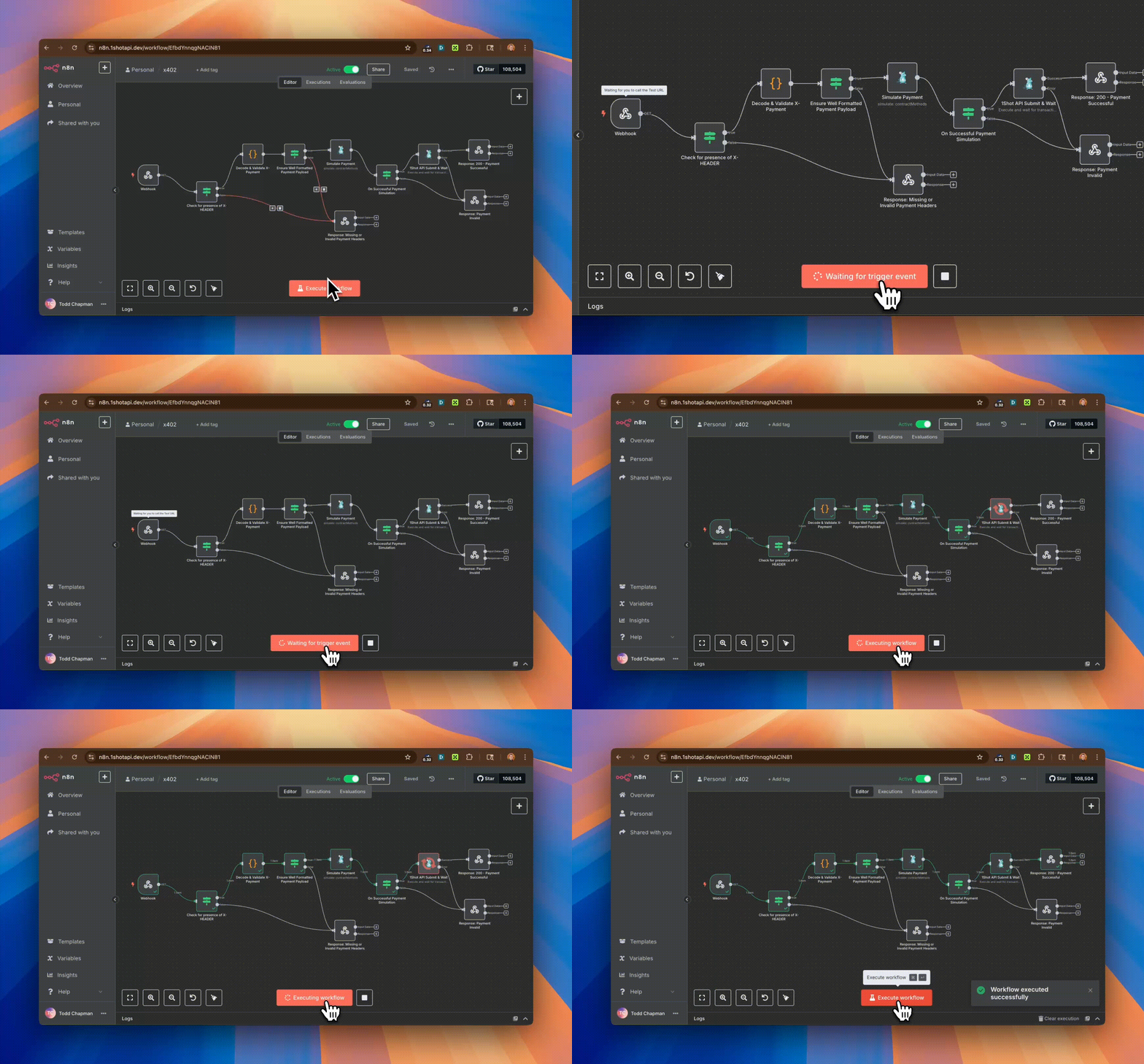
X402 Payment Intents Integration: The Core Flow Explained
Let’s break down how to implement real-time API monetization with X402 Payment Intents and USDC:
Integrate X402 Payment Intents for Real-Time API Monetization with USDC

Step 1: Set Up Your Facilitator
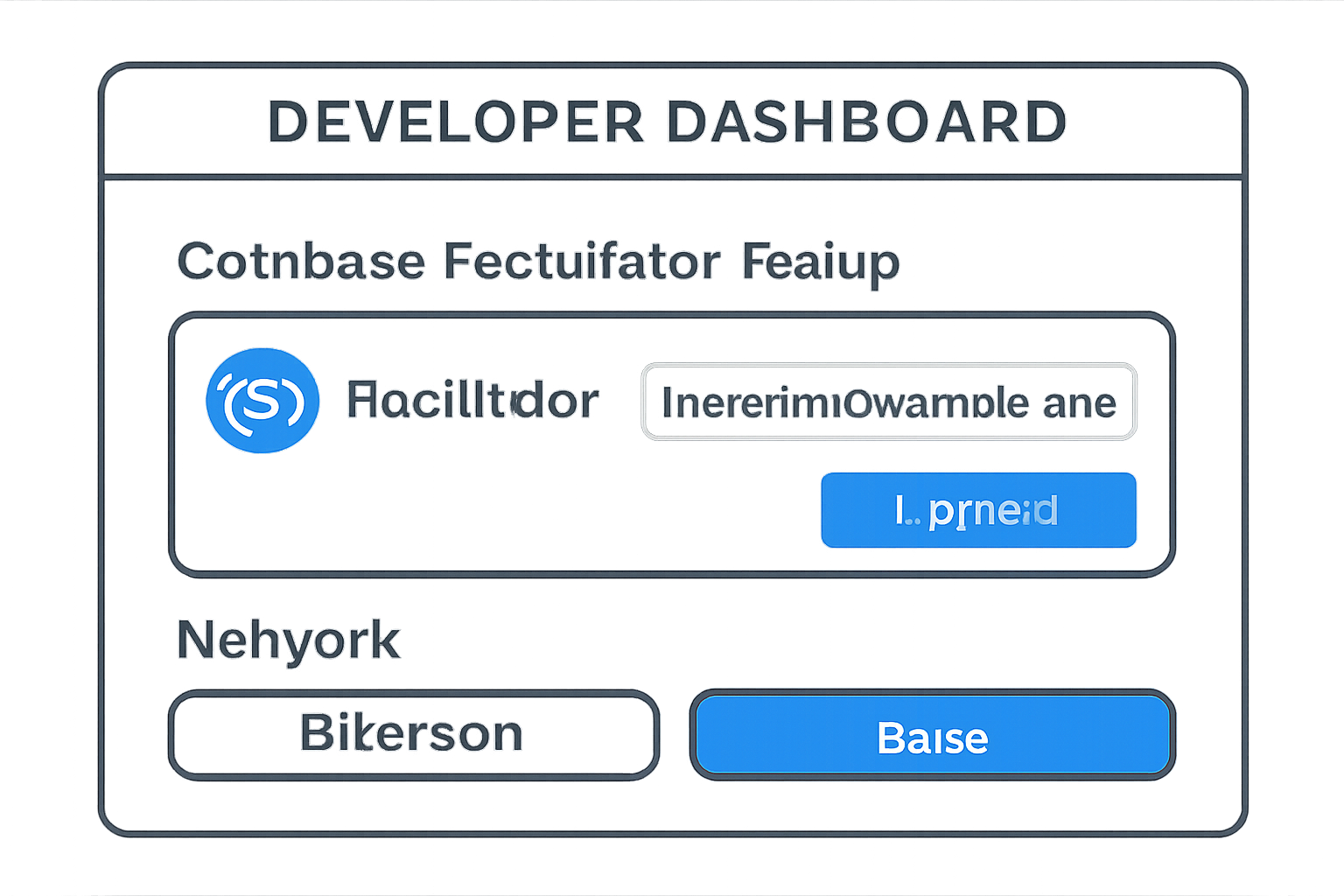
Choose a facilitator service (like Coinbase’s) that manages payment processing and verification. This means you don’t need a full blockchain backend or smart contract expertise to get started. For most use cases, the hosted facilitator is the fastest route, plus it’s free of charge for USDC payments on Base.
Step 2: Implement the HTTP 402 Workflow
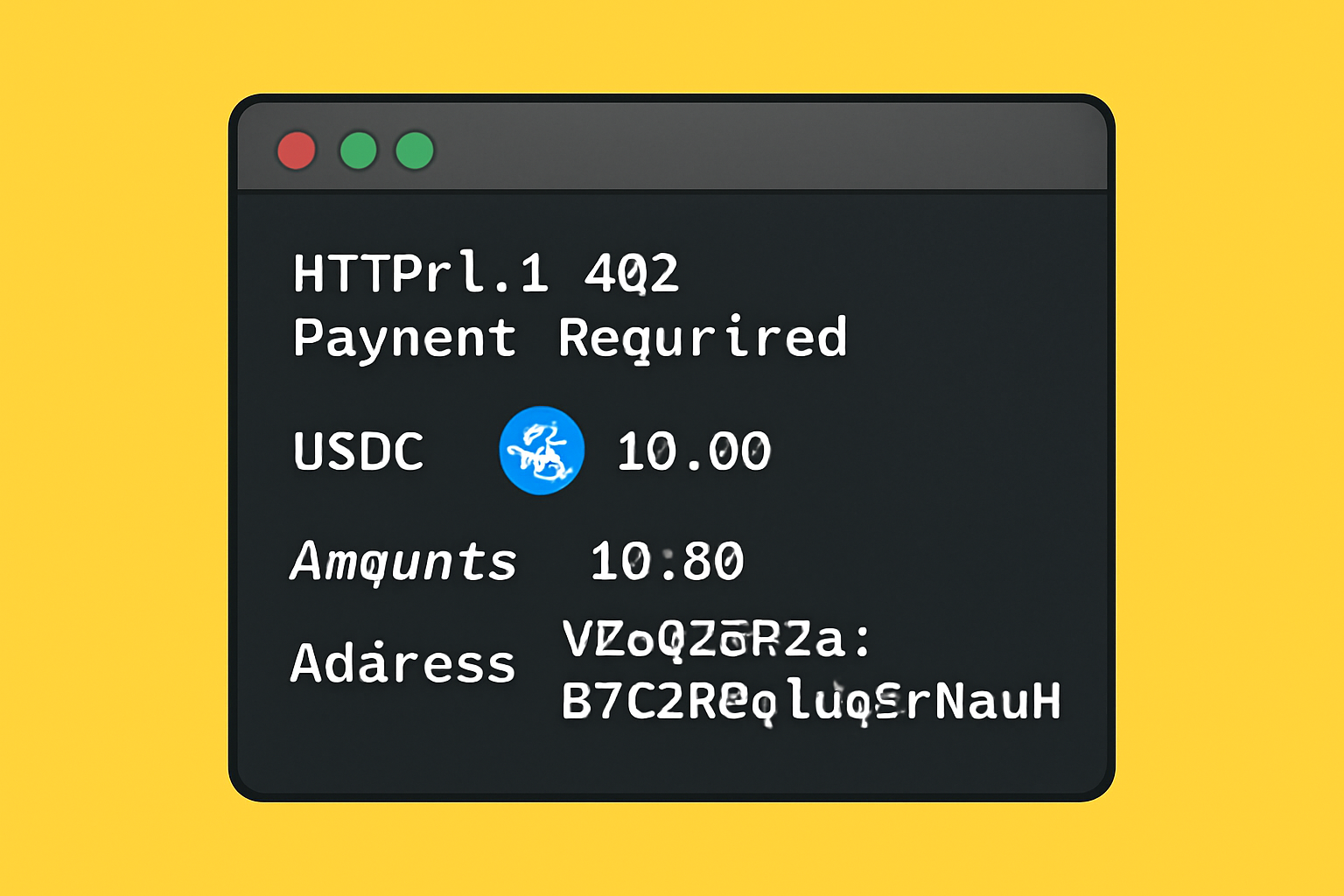
Your server should respond to paid resource requests with an HTTP 402 status code. This response must include clear payment instructions, amount (e. g. , $0.0507 in USDC per request), currency details, and the facilitator URL so clients know exactly how to pay.
Step 3: Client-Side Payment Handling
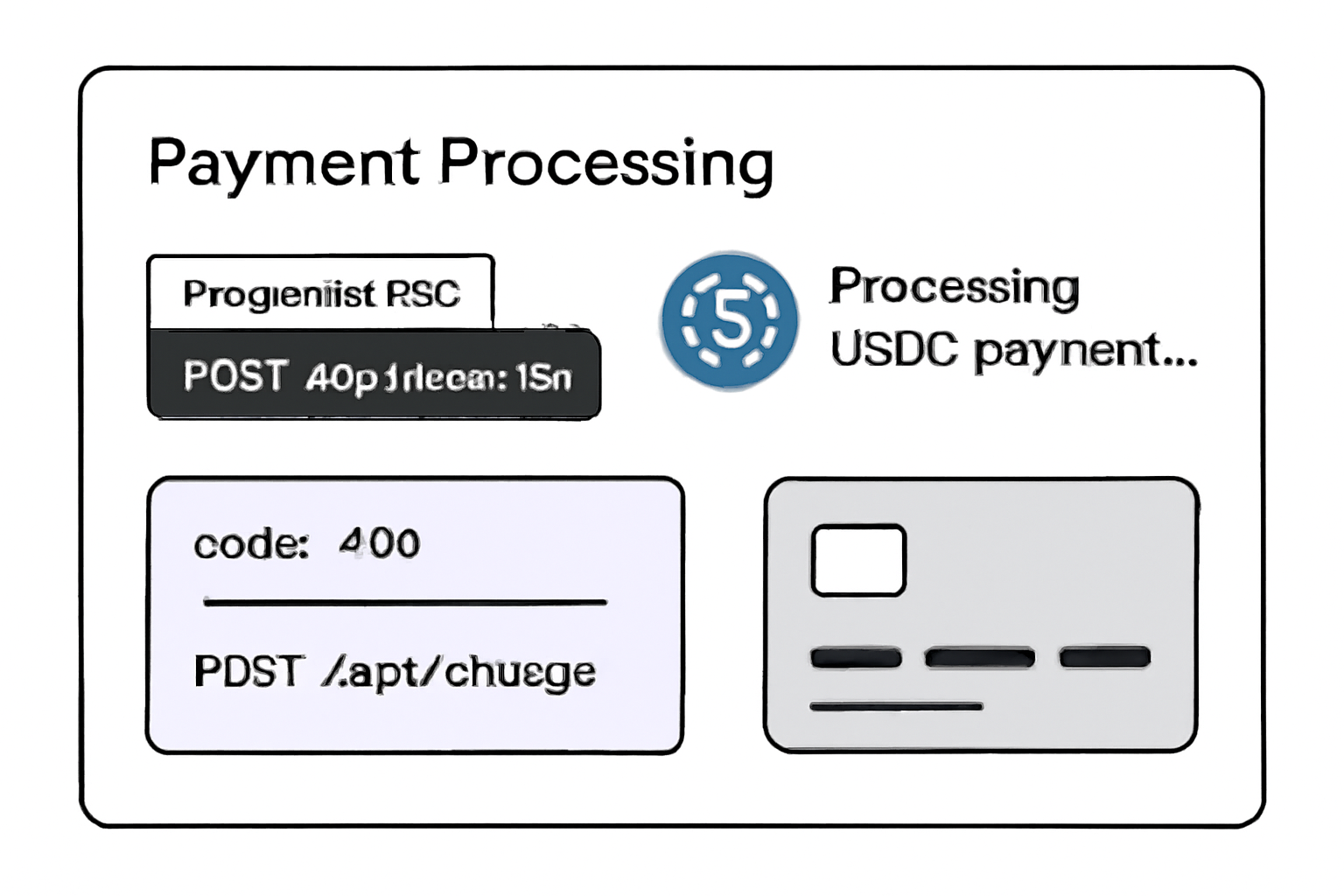
Clients (human or machine) need to parse these 402 responses, extract payment requirements, then initiate payments using their wallet or an SDK that supports X402 (for example, thirdweb's TypeScript SDK). Once payment is confirmed via the facilitator, access is granted automatically.
No More Guesswork: Usage-Based Crypto Billing That Just Works
X402 isn’t just another payment gateway - it’s a paradigm shift. Now your endpoints can enforce smart contract auto-settlement at the protocol level. No more chasing invoices or reconciling user accounts; everything happens in real time as requests come in.
- No account creation required: Both human users and AI agents can access resources instantly after payment.
- No subscription lock-in: Monetize every call without forcing customers into monthly plans.
- No complex authentication: The protocol handles authorization via cryptographic signatures tied directly to payments.
If you’re looking for a deep-dive developer guide or want prebuilt solutions like Gatepay’s gasless paywall links, check out Gatepay. For technical docs on integrating advanced flows and state machines with X402 rails, visit AP2 Lab.
The Current State of USDC: Real-Time Pricing Matters
USD Coin (USDC) Technical Analysis Chart
Analysis by Julian Sutter | Symbol: BINANCE:USDCUSDT | Interval: 1h | Drawings: 5
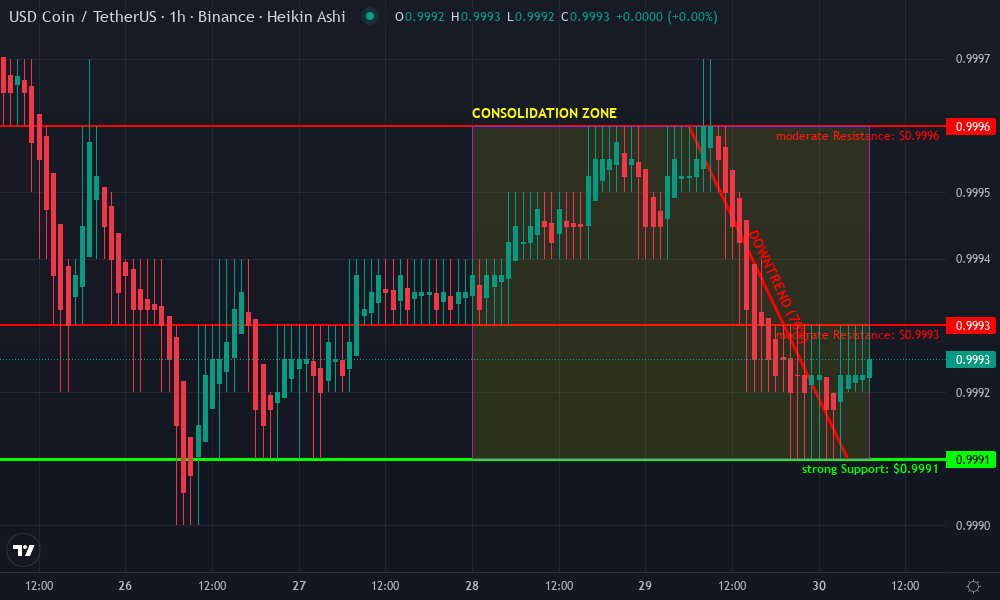
Technical Analysis Summary
This chart is classic stablecoin price action, but even here, micro-fluctuations and liquidity pockets open up aggressive opportunities for the nimble trader. Price has rebounded from the $0.9991 region and is attempting to reclaim the $0.9993 handle. I’d aggressively look for mean-reversion scalps within the tight range, watching for exhaustion signals at the support and resistance edges. The Heikin Ashi candles help filter noise, but swift moves outside $0.9991–$0.9996 can lead to quick stop-outs if you’re not surgical with entries and exits. Volume and MACD would add clarity, but the price action alone suggests a temporary bottom with a likely push toward the upper band. Mark horizontal lines for support/resistance and use tight rectangles for range identification. This is a scalper’s playground—quick, decisive entries and exits are the game.
Risk Assessment: high
Analysis: Ultra-tight range means small slippage and spread can wipe out gains. Aggressive entries require discipline and size management.
Julian Sutter's Recommendation: If you’re fast and disciplined, micro-scalping this range can be lucrative. Use tight stops, small profit targets, and don’t overstay your welcome. Only suitable for high-frequency, experienced traders.
Key Support & Resistance Levels
📈 Support Levels:
- $0.999 - Recent low; buyers stepped in aggressively here. strong
📉 Resistance Levels:
- $1 - Top of the recent range; repeated rejection wicks. moderate
- $0.999 - Current price level, acting as an intra-range pivot. moderate
Trading Zones (high risk tolerance)
🎯 Entry Zones:
- $0.999 - Aggressive scalp long at support—mean reversion play. high risk
- $1 - Aggressive scalp short at resistance. high risk
🚪 Exit Zones:
- $0.999 - Quick profit target on mean reversion. 💰 profit target
- $0.999 - Tight stop-loss below recent range low. 🛡️ stop loss
Technical Indicators Analysis
📊 Volume Analysis:
Pattern: Likely low, but spikes at range edges signal entries.
Volume spikes at support/resistance confirm reversals or breakouts. Watch for confirmation.
📈 MACD Analysis:
Signal: Not visible, but would look for bullish cross at support or bearish cross at resistance for confirmation.
MACD cross at key levels would strengthen scalp conviction.
Applied TradingView Drawing Utilities
This chart analysis utilizes the following professional drawing tools:
Disclaimer: This technical analysis by Julian Sutter is for educational purposes only and should not be considered as financial advice. Trading involves risk, and you should always do your own research before making investment decisions. Past performance does not guarantee future results. The analysis reflects the author's personal methodology and risk tolerance (high).
For every transaction through your API using X402 Payment Intents integration, you’ll be working directly with live market data. As of now, Multichain Bridged USDC (Fantom) sits at $0.0507, up and $0.003330 ( and 0.0703%) over the last 24 hours (high: $0.0507; low: $0.0467). This real-time pricing ensures transparent billing and accurate accounting, no matter how volatile markets get.
Dynamic pricing is a game-changer for API monetization with USDC. With X402 Payment Intents, you can programmatically set your rates based on current market conditions or even offer tiered access depending on demand and resource usage. This flexibility is crucial in today’s fast-paced crypto landscape, where transparency and adaptability are king.
Developer Experience: Simplicity Meets Security
From a developer’s perspective, the X402 ecosystem is refreshingly straightforward. You don’t need to reinvent the wheel, just plug into existing libraries and facilitator services to get up and running. The protocol’s use of cryptographic signatures ensures every payment is secure, verifiable, and settled before access is granted. That means fewer support tickets and happier users.

Here’s a quick code example showing how your Express server might handle a paid endpoint using X402 logic:
Express.js Route Example: Using HTTP 402 with X402 Payment Intents
Let's look at how you can implement an Express.js route that uses HTTP 402 to signal payment is required, along with X402 payment instructions.
const express = require('express');
const app = express();

// Example protected API route
app.get('/api/data', (req, res) => {
  // Simulate user not having paid
  const hasPaid = false;

  if (!hasPaid) {
    // Generate a unique X402 Payment Intent URL (example)
    const paymentIntentUrl = 'https://x402.example.com/payments/intent/12345';

    // Respond with HTTP 402 and X402 payment instructions
    res.status(402).json({
      error: 'Payment Required',
      message: 'To access this resource, please complete the payment using USDC.',
      payment_instructions: {
        method: 'X402',
        currency: 'USDC',
        payment_intent_url: paymentIntentUrl
      }
    });
    return;
  }

  // If paid, return the protected data
  res.json({ data: 'Here is your premium API data!' });
});

app.listen(3000, () => {
  console.log('Server running on http://localhost:3000');
});
With this setup, clients will receive clear instructions on how to complete payment using X402 Payment Intents and USDC whenever they hit a paywalled endpoint.
This approach slashes integration time while boosting security. Plus, with tools like thirdweb supporting ERC-2612 permits, you can accept any compatible ERC20 token, not just USDC, if your business model demands it.
Expanding Your Monetization Playbook
- Microtransactions: Charge fractions of a cent per request, unlocking new revenue streams from high-frequency users or bots.
- Pay-per-feature: Gate premium endpoints or high-value data behind one-off payments instead of subscriptions.
- Usage analytics: Track which resources generate the most income in real time using onchain data feeds.
If you want inspiration or community examples, check out the Coinbase Developer Docs for recent case studies on AI agents leveraging X402 for lightning-fast payments (source). The speed, often under 200ms per transaction, means your API can finally serve both humans and machines at scale without friction.
Best Practices and Next Steps
Best Practices for Secure X402 Payment Intents Deployment
- Leverage Coinbase’s Hosted Facilitator for Payment ProcessingUtilize Coinbase’s hosted facilitator to manage USDC payment verification and settlement. This removes the need to maintain your own blockchain infrastructure and ensures compliance with the latest X402 protocol updates.
- Always Respond with Detailed HTTP 402 Payment InstructionsConfigure your API to return an HTTP 402 status code with clear payment instructions, including the precise USDC amount (e.g., $0.0507 per request), currency, and facilitator URL. This enables seamless client-side automation and reduces payment errors.

- Verify Payments via the Facilitator Before Granting AccessIntegrate server-side logic to confirm payment status through the facilitator’s API before allowing access to paid resources. This step is essential to prevent unauthorized access and ensure that only successful USDC payments (at $0.0507 per USDC) unlock your API endpoints.

- Support ERC-2612 Permit-Enabled Wallets and SDKsEnsure your integration is compatible with wallets and SDKs that support ERC-2612 permit functionality, such as the thirdweb TypeScript SDK. This streamlines user experience and supports a broader range of USDC-compatible wallets.
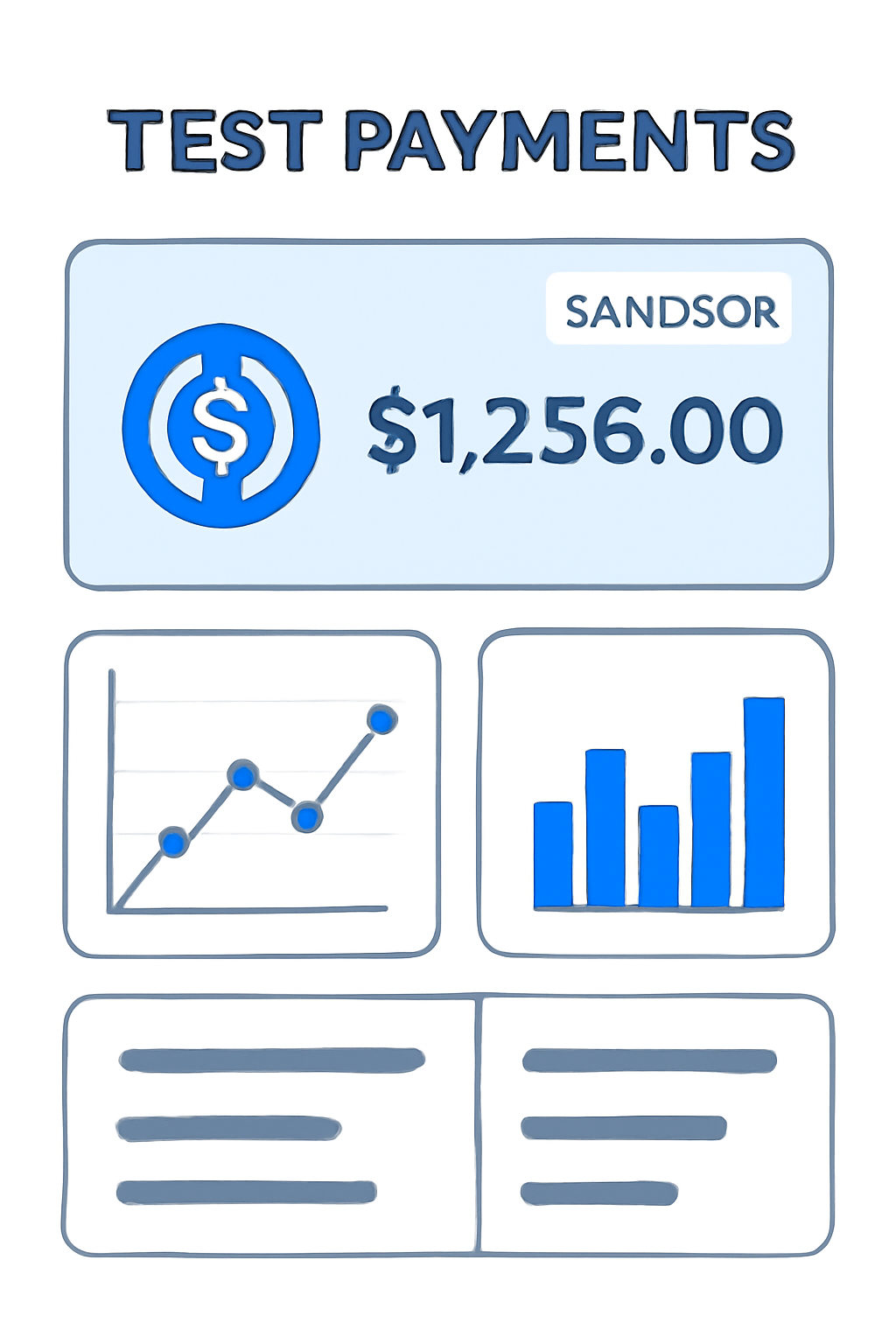
- Test in a Sandbox Environment Before ProductionUse testnets like Base Sepolia and sandbox environments to validate your X402 integration. This helps catch edge cases and ensures smooth deployment when handling live USDC payments at the current market price of $0.0507.

- Implement Real-Time Monitoring and AlertingSet up monitoring for payment success rates, latency, and error rates using established tools. Proactive alerts help you quickly address issues, maintain uptime, and optimize the monetization flow for your API.
- Keep Up with Official X402 and USDC DocumentationRegularly review the latest updates from Coinbase X402 docs and AP2 Lab to stay current on protocol changes, security recommendations, and new features for USDC payments.
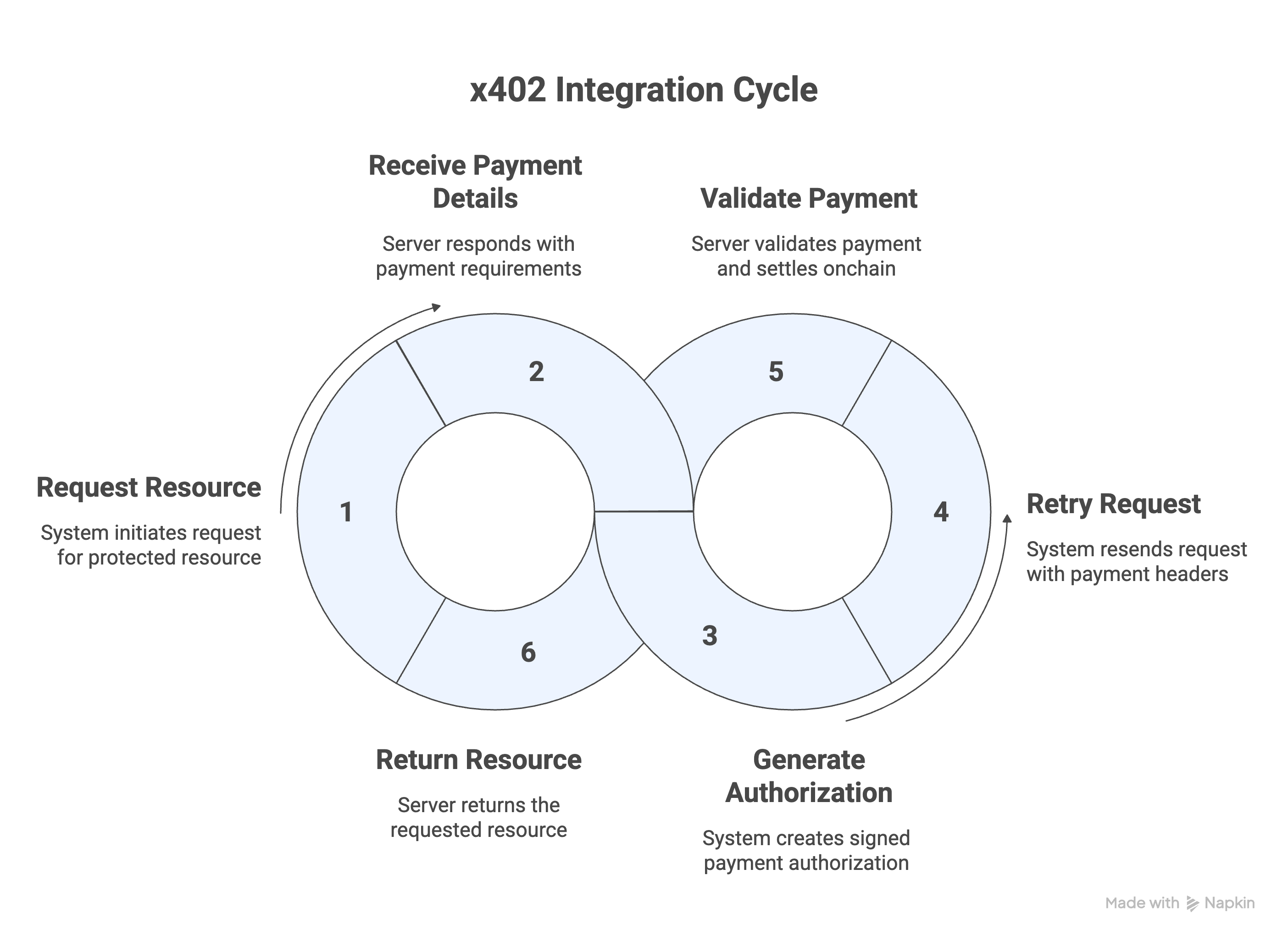
As you roll out real-time API payments with USDC at $0.0507, remember to:
- Monitor payment flows: Set up alerts for failed transactions or unusual activity so you can respond quickly.
- Keep documentation updated: Make sure your payment instructions are clear and always reflect current pricing models.
- Pilot new features in testnets: Use sandbox environments before going live to catch issues early (the Base Sepolia testnet is ideal).
The future of internet-native payments isn’t coming, it’s already here. With X402 Payment Intents integration, you’re not just keeping up; you’re setting the pace for real-time API monetization with transparent usage-based billing powered by USDC at today’s exact price of $0.0507. Ready to build? Dive into the docs, experiment boldly, and let your endpoints earn as they serve!




No comments yet. Be the first to share your thoughts!